
Five cross-border partnerships with one shared mission, and why creative practice belongs at the center of Ukraine’s recovery
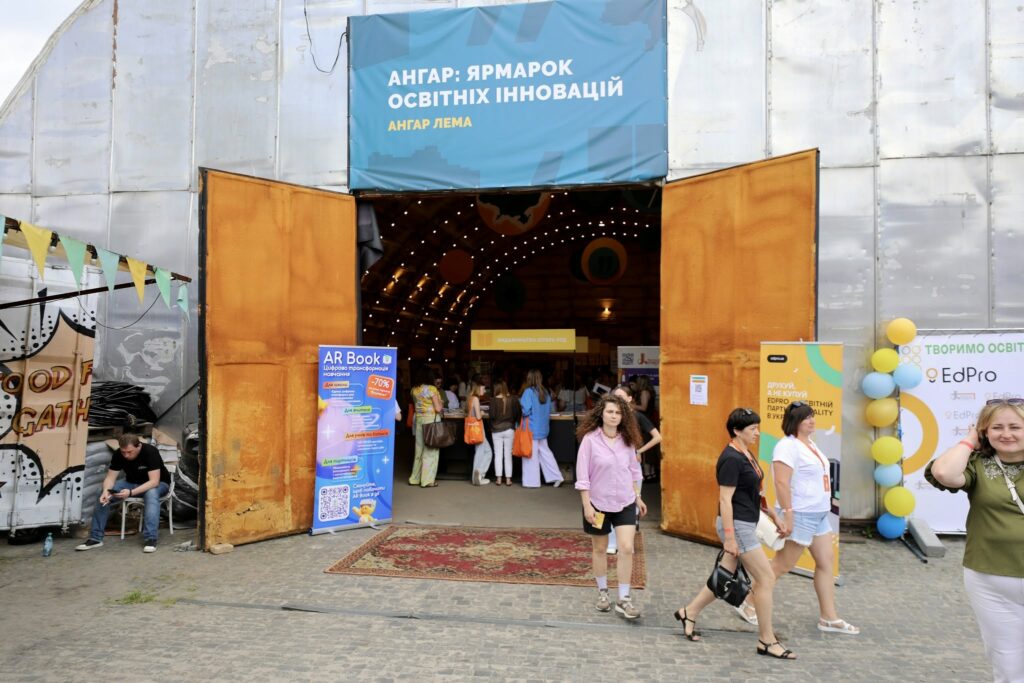
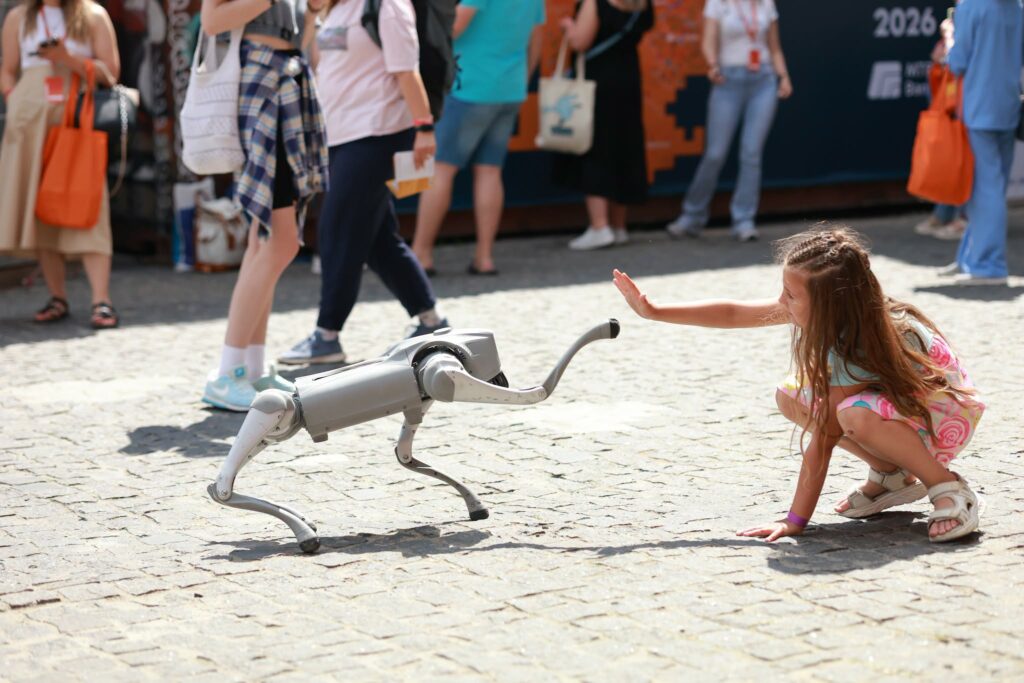
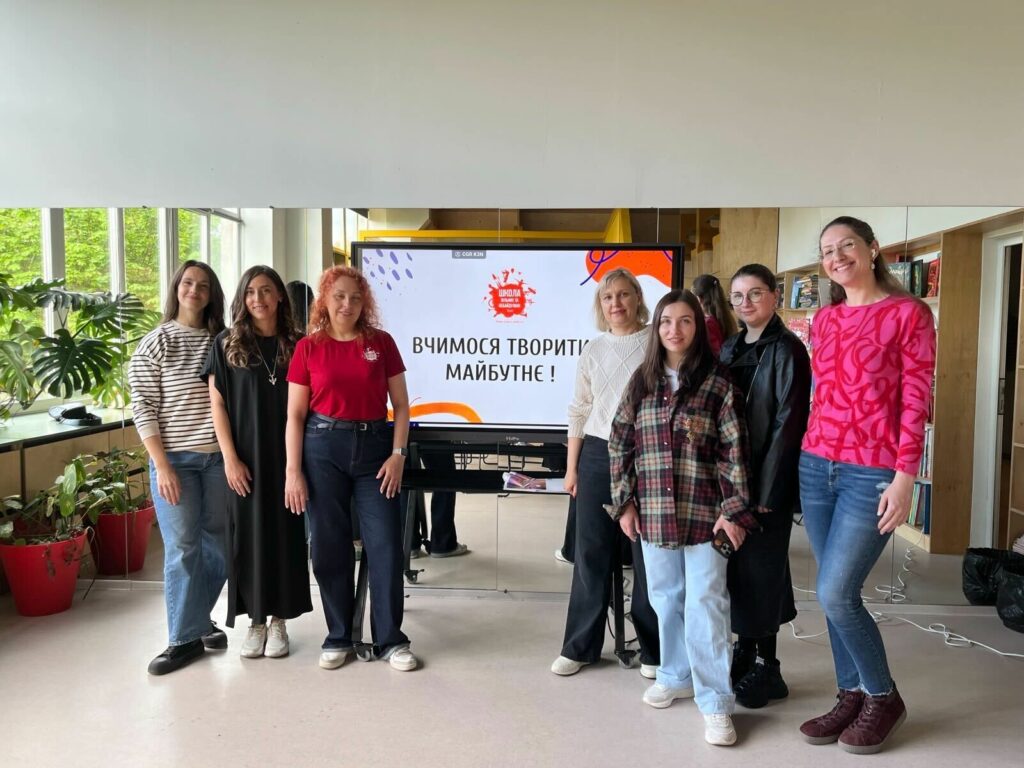
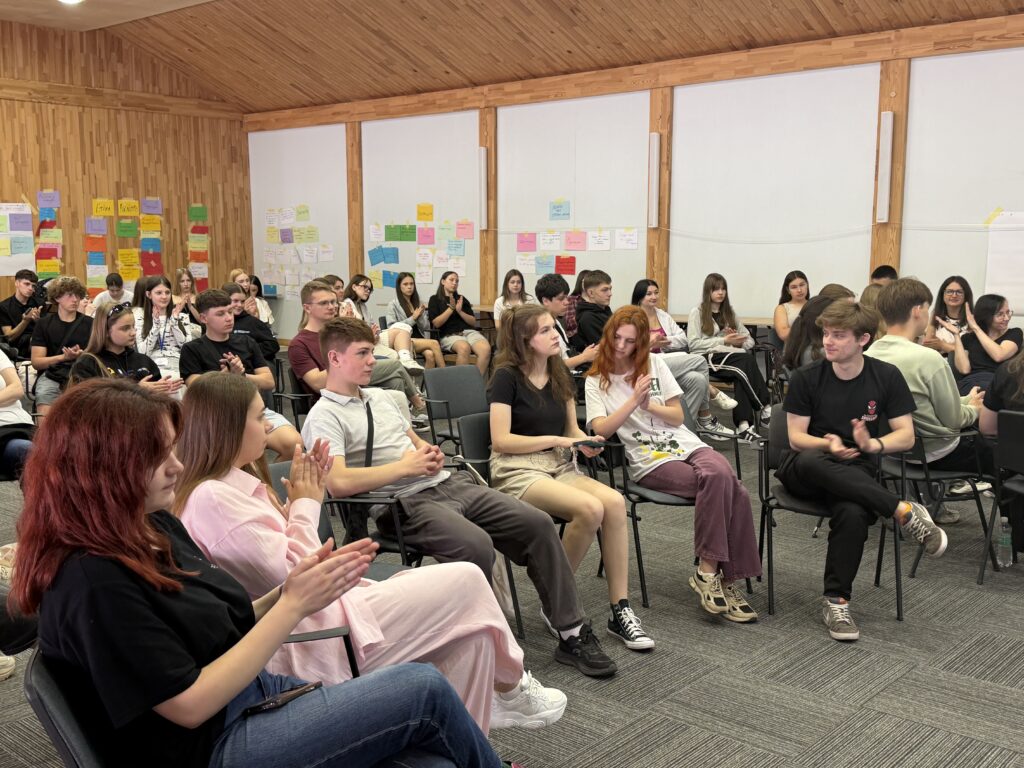
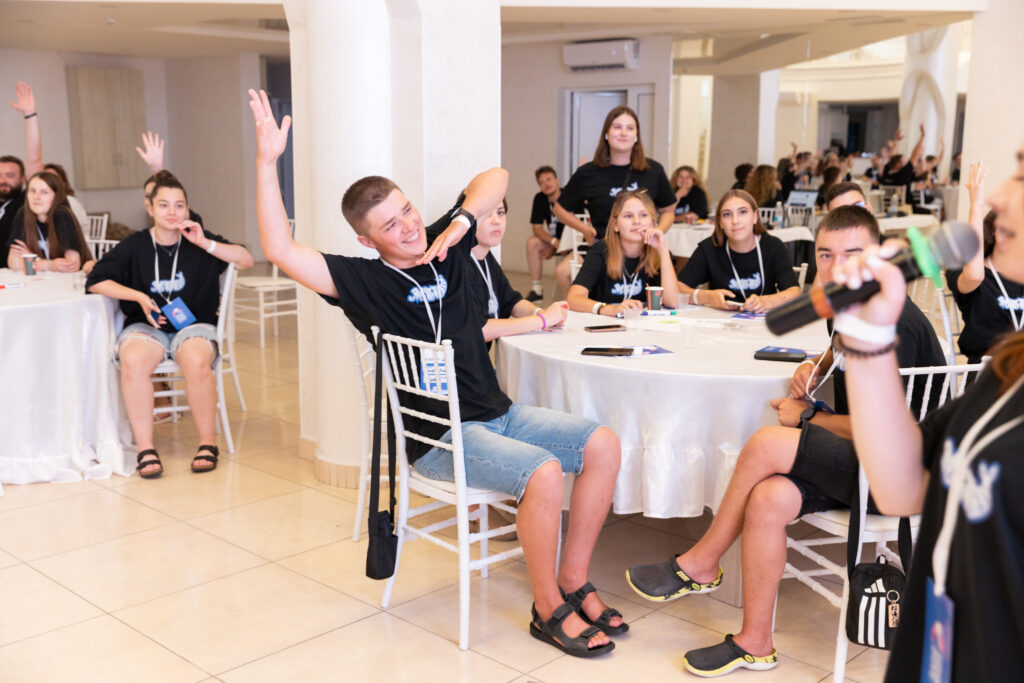
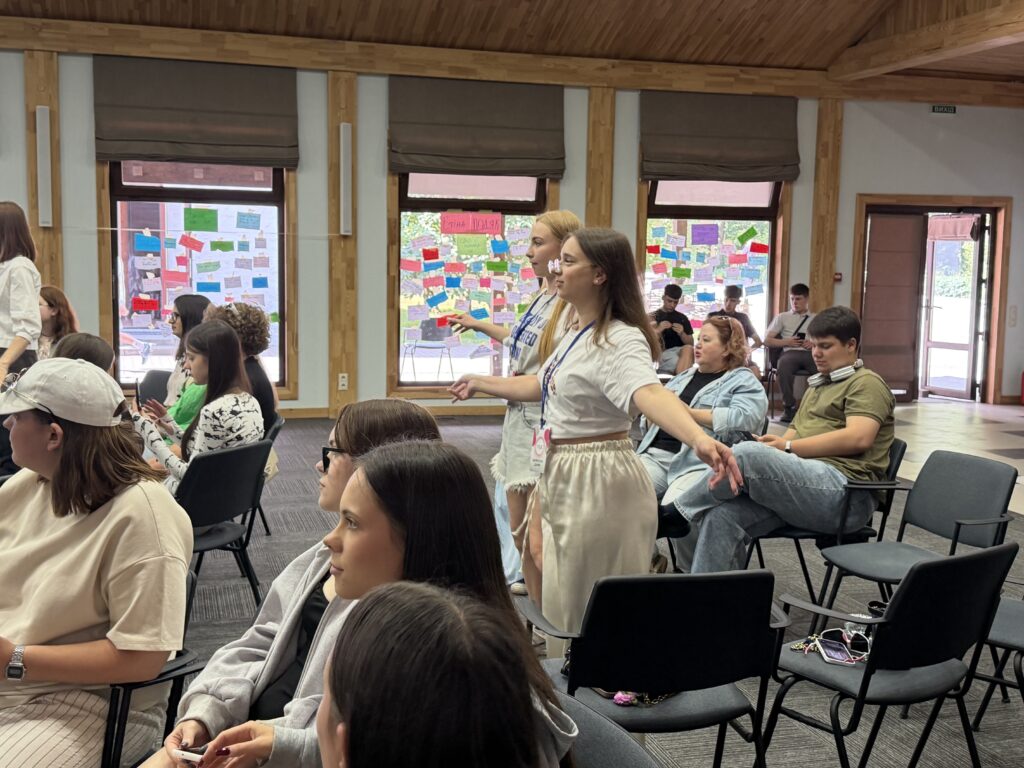
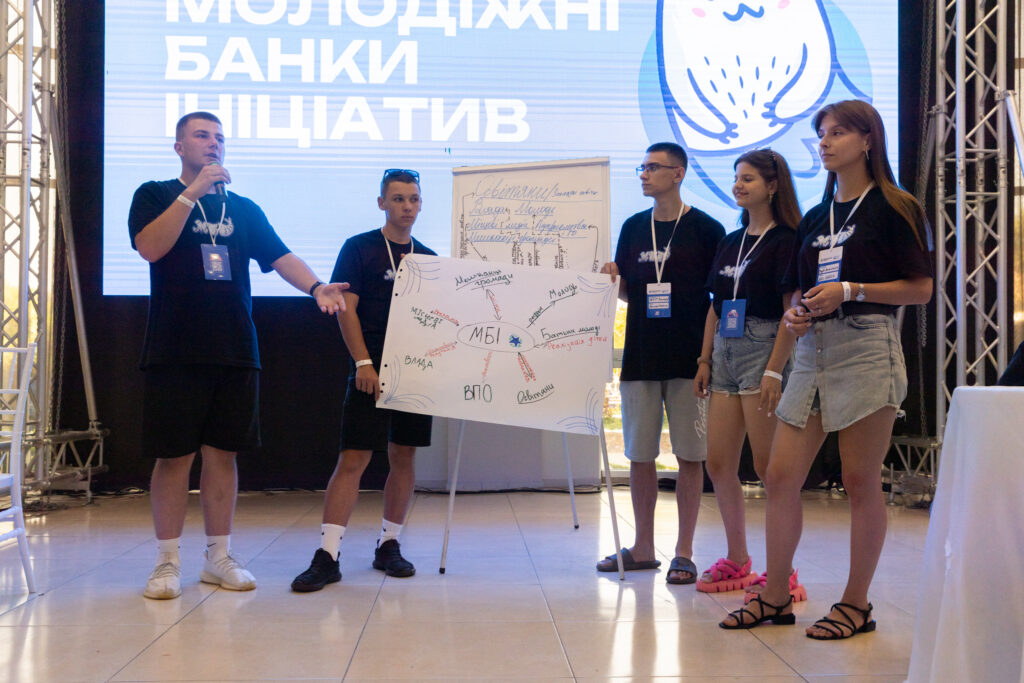
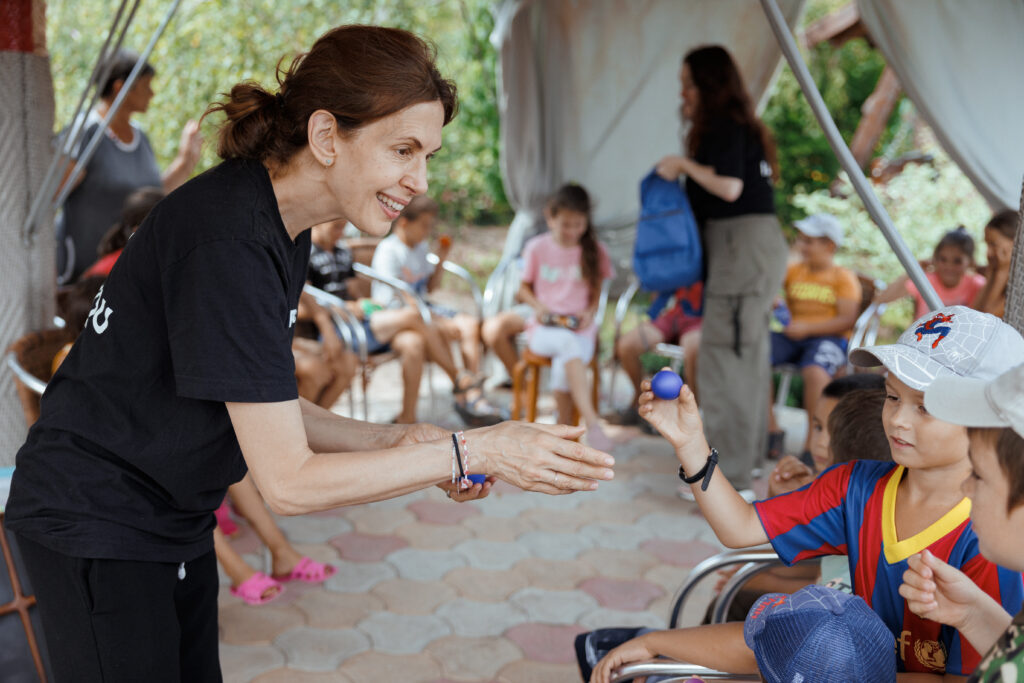
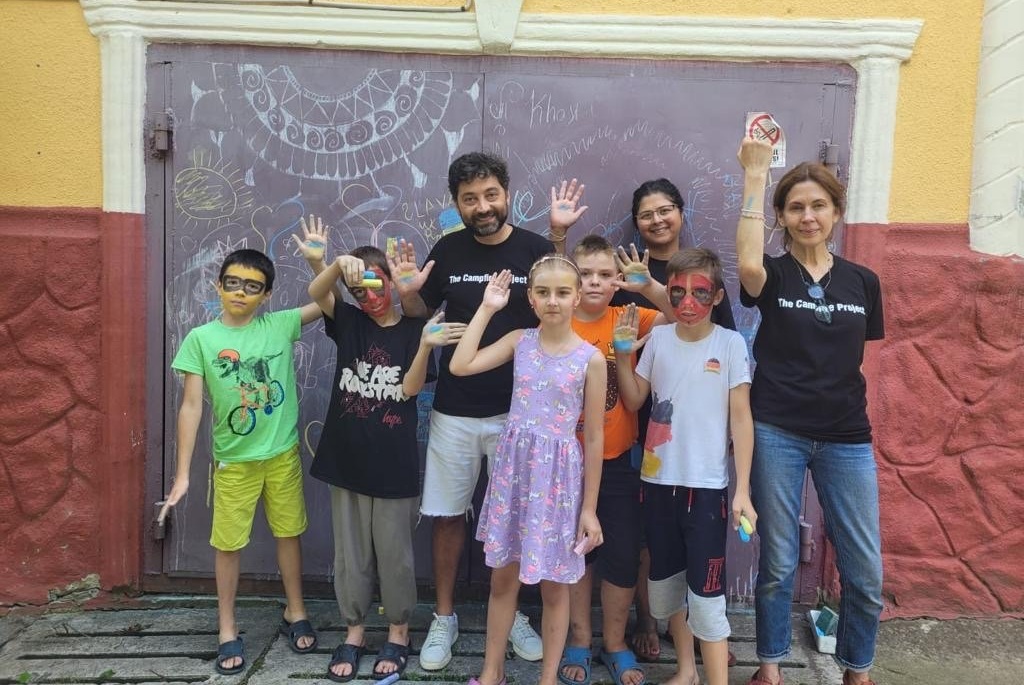
This summer, in the village of Nahachiv in Ukraine’s Lviv region, 80 children spent a week dancing, drawing, taking photographs, and writing their own plays. On the final day, they performed for their parents, neighbors, and local leaders. The show explored freedom, identity, and support, and the children imagined worlds of their own making.
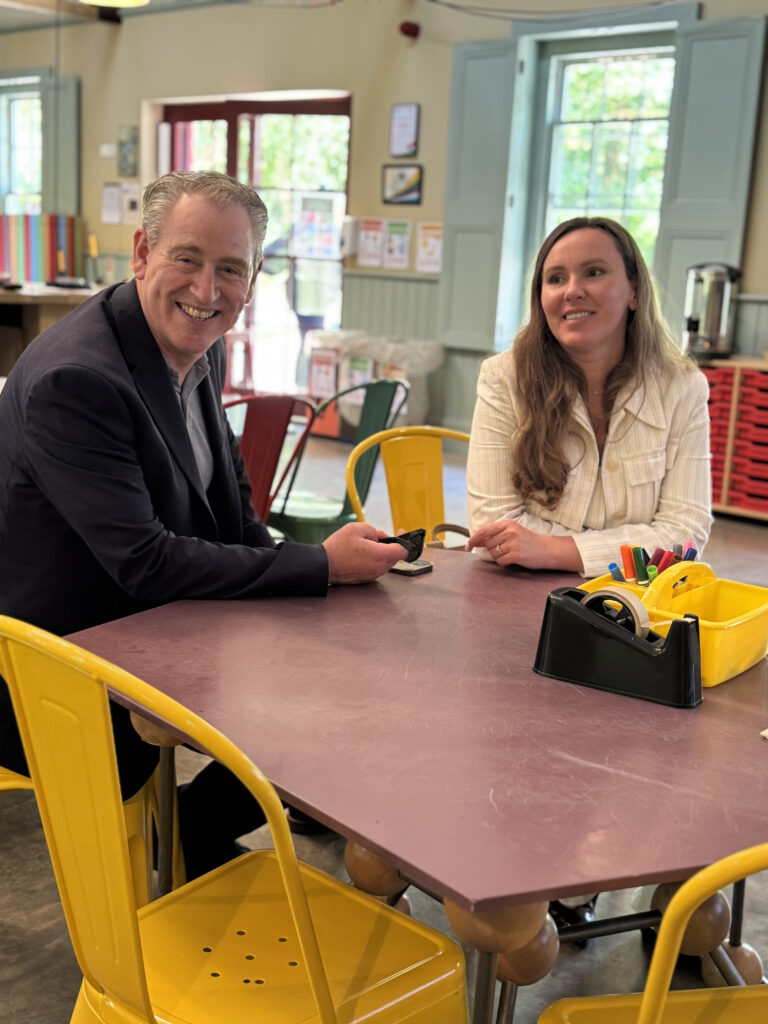
Among the volunteers who joined The Campfire Project and Folkowisko Ukraine – the participants of our inaugural I’mmortal Fellowship – was two-time Oscar nominee Jesse Eisenberg, who had spent a year learning the Cyrillic alphabet so he could read his lines in Ukrainian during the children’s performances. Two air-raid sirens sounded that week in the area, both after the day’s programming had ended.
For us, this week captures what the I’mmortal Fellowship (Безсмертні) is about: using art as healing practice for those most in need.
“Art has always been how people make meaning and take care of communities in the hardest moments,” says Razom CEO Dora Chomiak. This year, we watched that happen in real time.
Why Arts in Health, Why Now
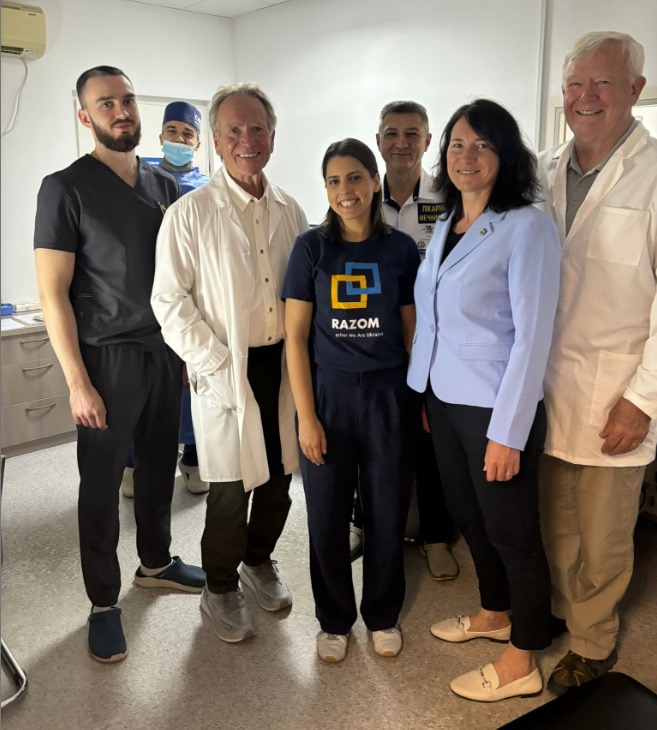
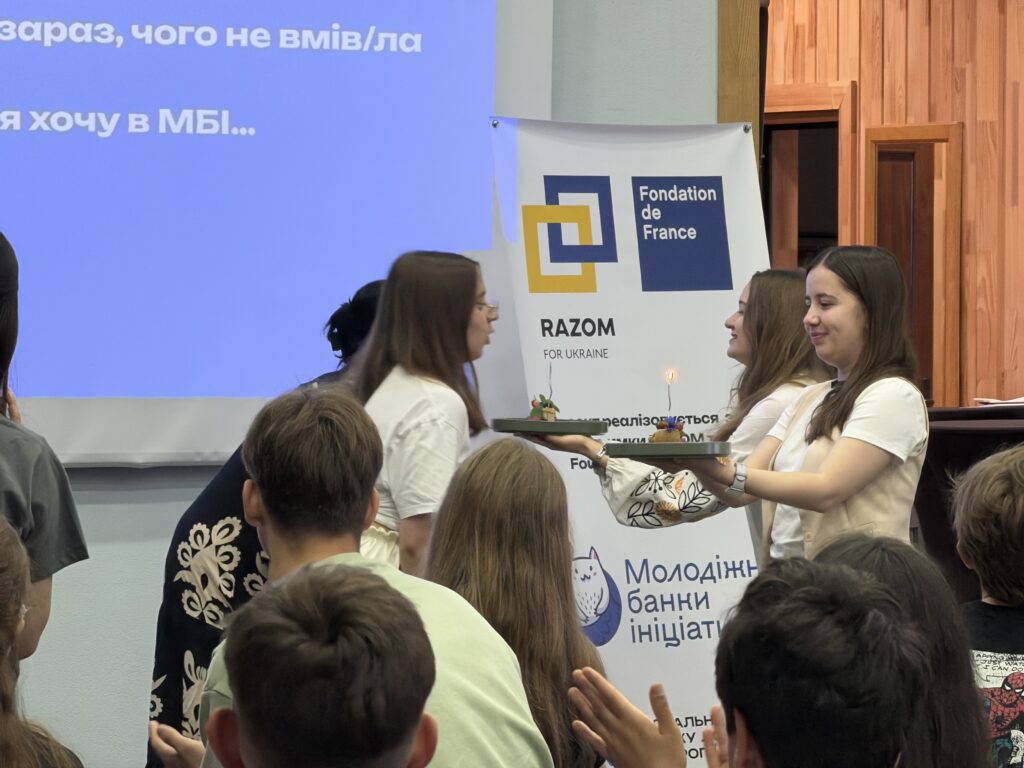
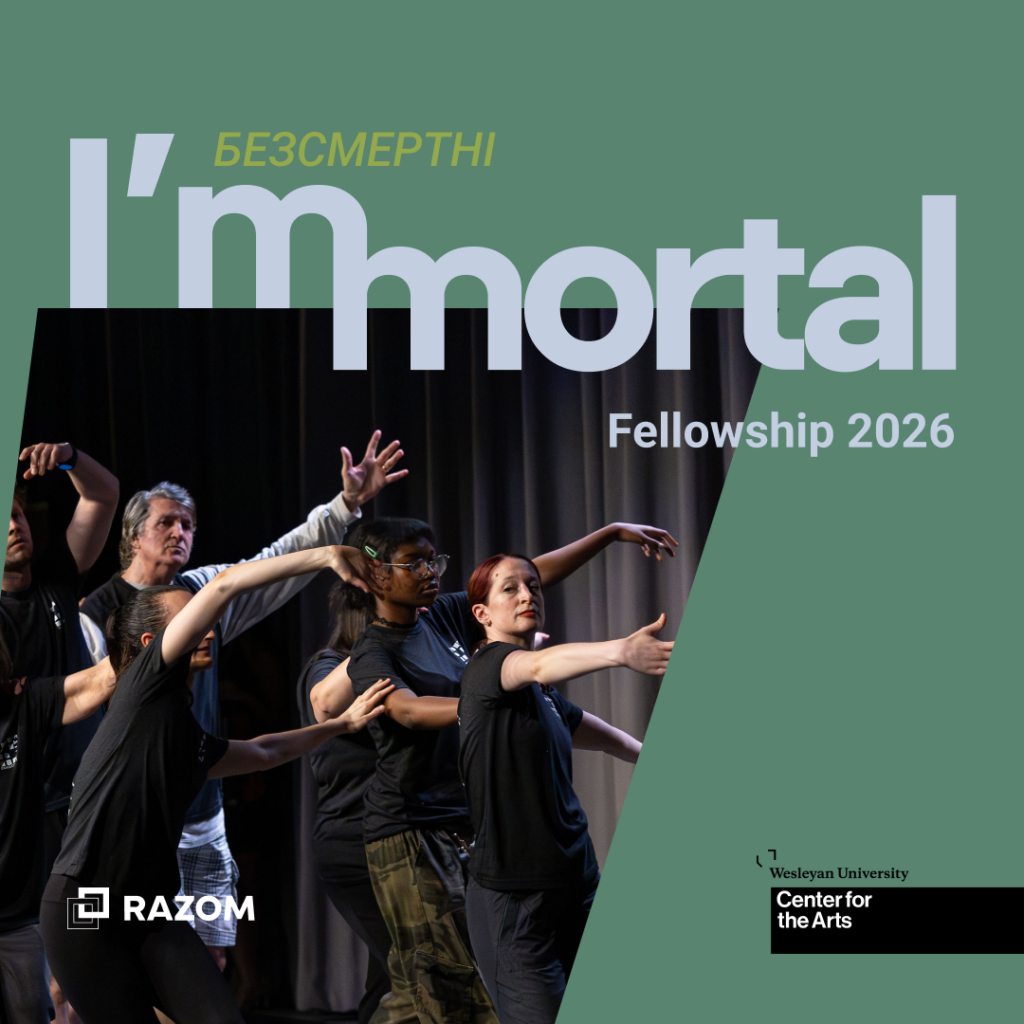
I’mmortal is Razom’s first Arts in Health program, created in partnership with Wesleyan University’s Center for the Arts. It started from a simple idea: creative practice can be part of how people recover.
The need in Ukraine is enormous. After more than four years of full-scale invasion, the World Health Organization (WHO) estimates that a mental health crisis affects about 10 million people in Ukraine. Rehabilitation needs far exceed existing service capacity, and only 4% of hospitals provide inpatient rehabilitation.
At the same time, the evidence around arts and health is growing. A major WHO review of more than 3,000 studies found that the arts can play an important role in preventing ill health, promoting health, and managing and treating illness across the lifespan.
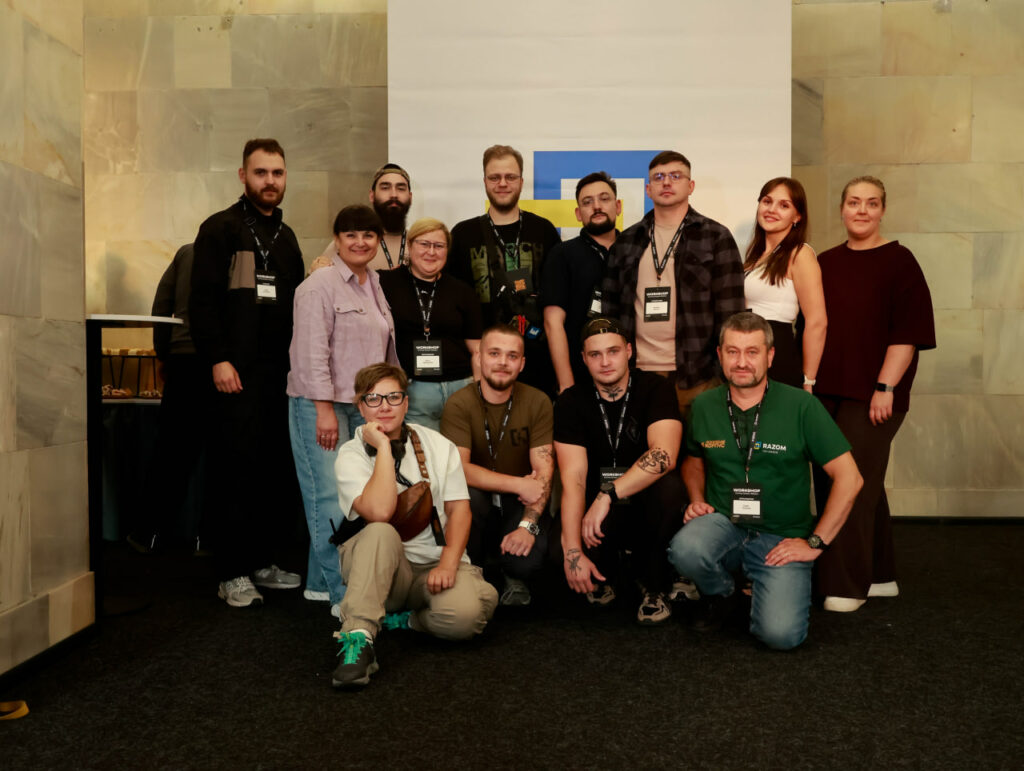
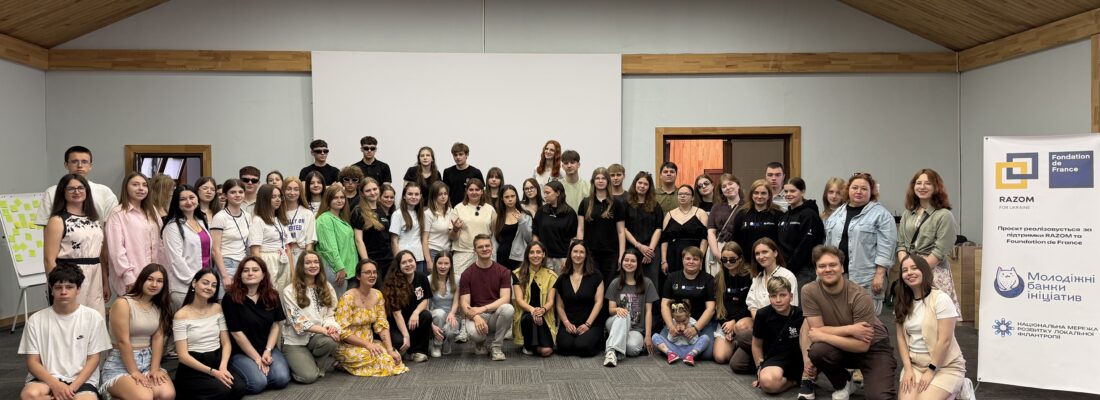
When we opened the I’mmortal Open Call this spring, we received 35 applications from across Ukraine and the United States. They came from NGOs, cultural collectives, artists, clinicians, and universities. Our Selection Committee matched 12 of them into five cross-border partnerships.
Each received a grant of up to $10,000 for their pilot projects, and was asked to co-create, not simply export an American model to Ukraine, or vice versa.
Five Partnerships, Five Different Stories
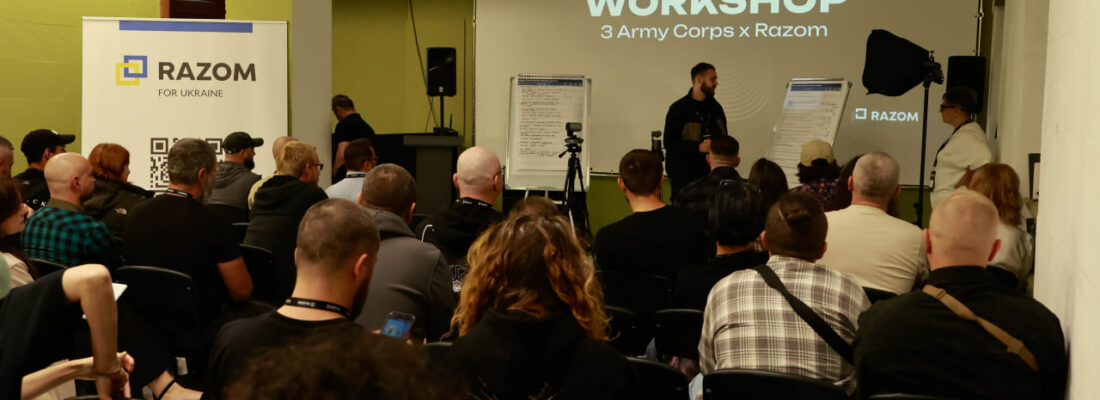
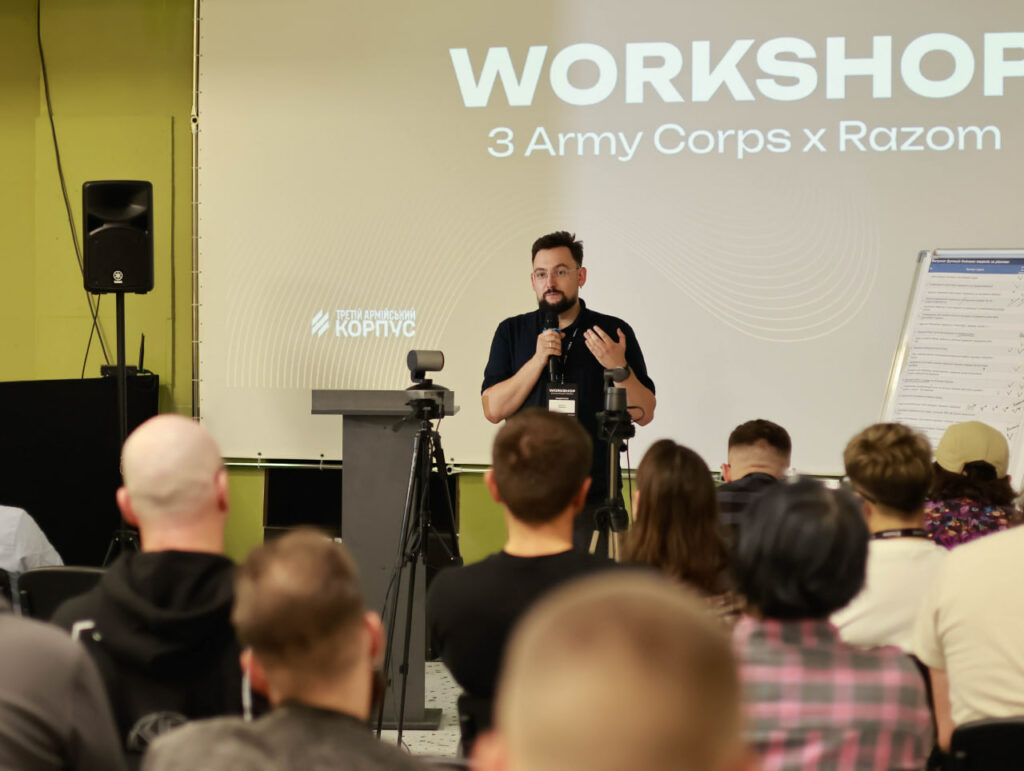
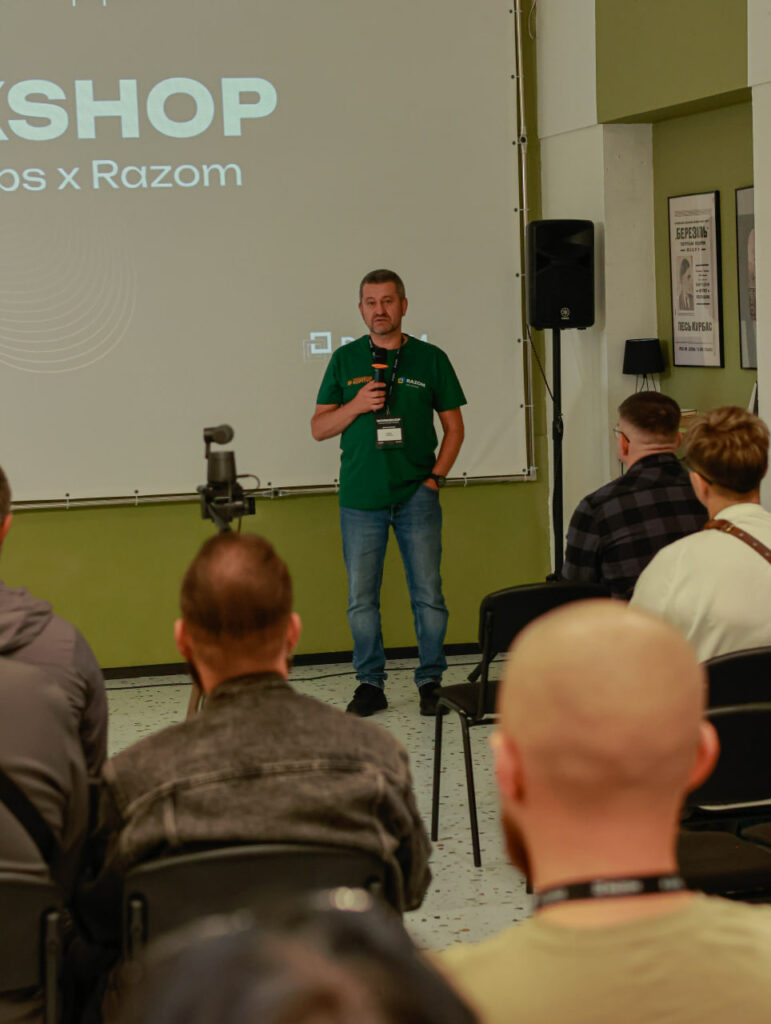
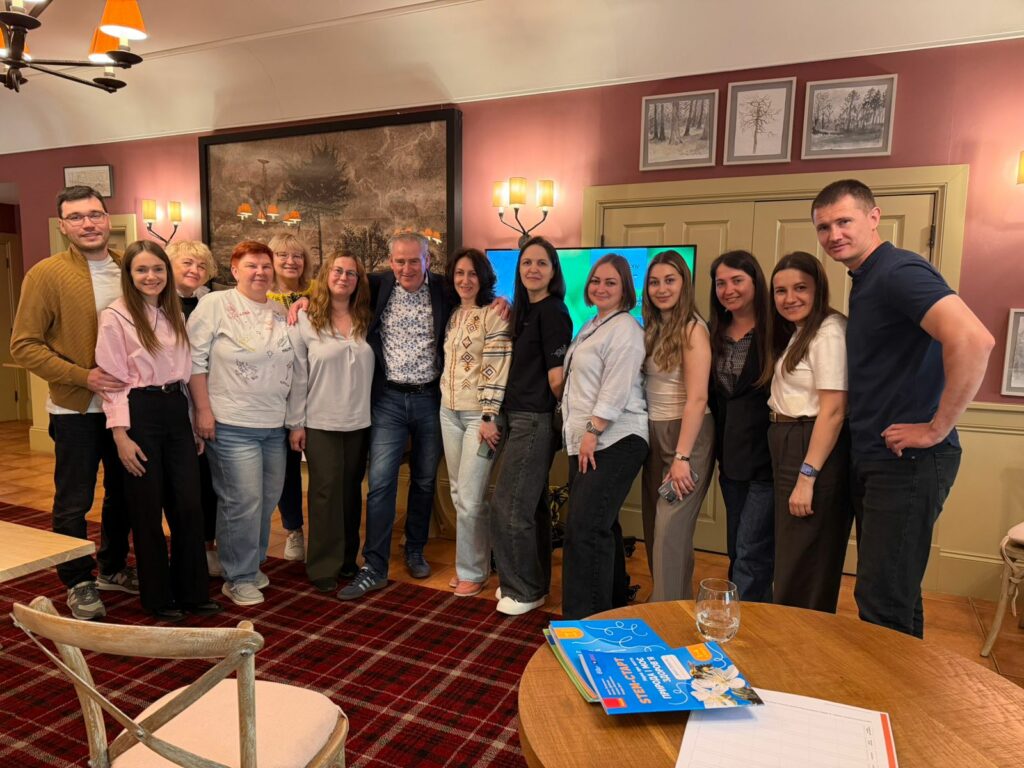
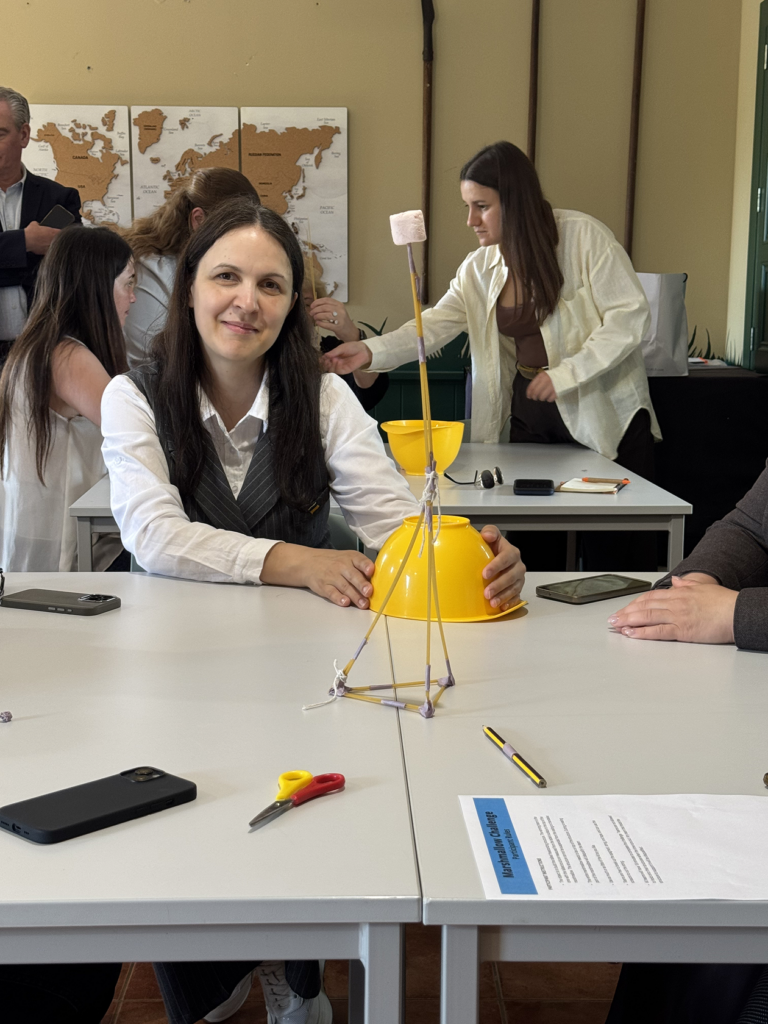
Gathering Around the Fire. Eleven artists, creative arts therapists, translators, and a psychiatrist, led by New York-based The Campfire Project and its director Jessica Hecht, traveled from the US to work alongside the local Folkowisko Ukraine team. After the children’s summer camp, they trained 30 educators, social workers, psychologists, and doctors in Yavoriv, some of whom came from frontline regions. The training was run with the Jameel Arts & Health Lab and the World Health Organization’s Regional Office for Europe. As part of the program, participants were also equipped with tools they can continue using long after the visiting team leaves.
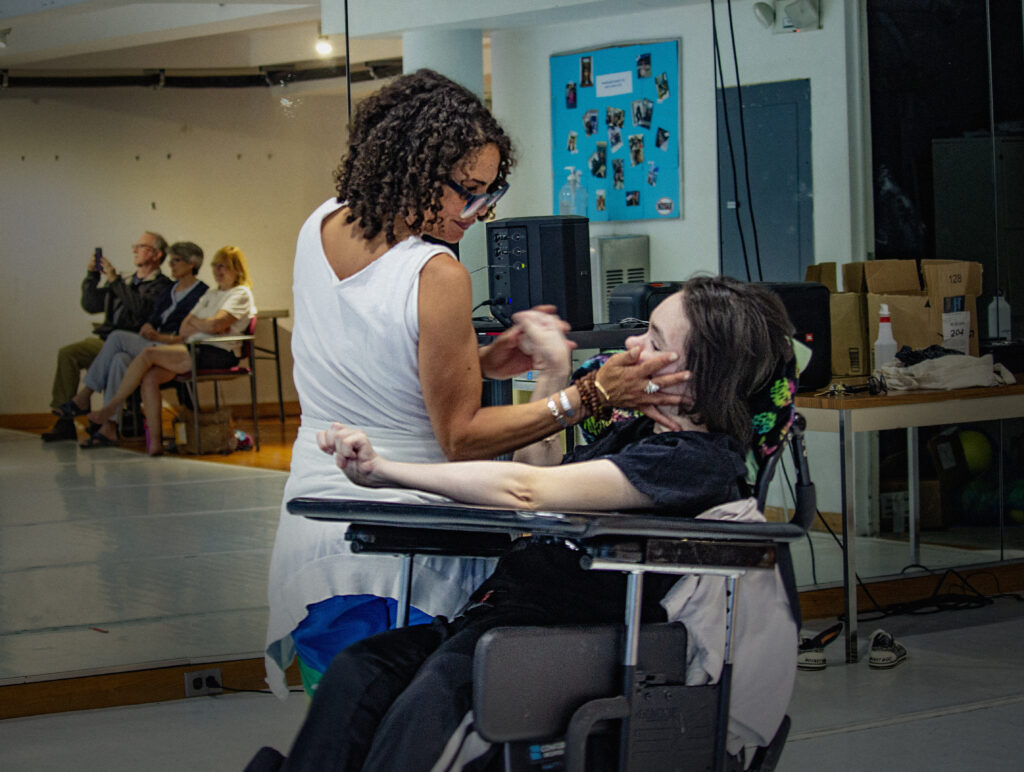
Artscapes of Care. This project started with a question that is easy to overlook: Who takes care of the people who take care of everyone else? Through soundscapes, movement, and visual storytelling, US partners Kerry Kincy and Dr. Midori Samson joined Kyiv-based First Aid of the Soul in Lviv for interactive, arts-based workshops with children and families at St. Nicholas Hospital, veterans at UNBROKEN, and teachers at Oberih School, which serves children with intellectual disabilities. The exchange culminated in a professional development and networking program at Ukrainian Catholic University for mental health and social service practitioners from across the region. It highlighted something important: supporting the people providing care is part of supporting the people they serve.
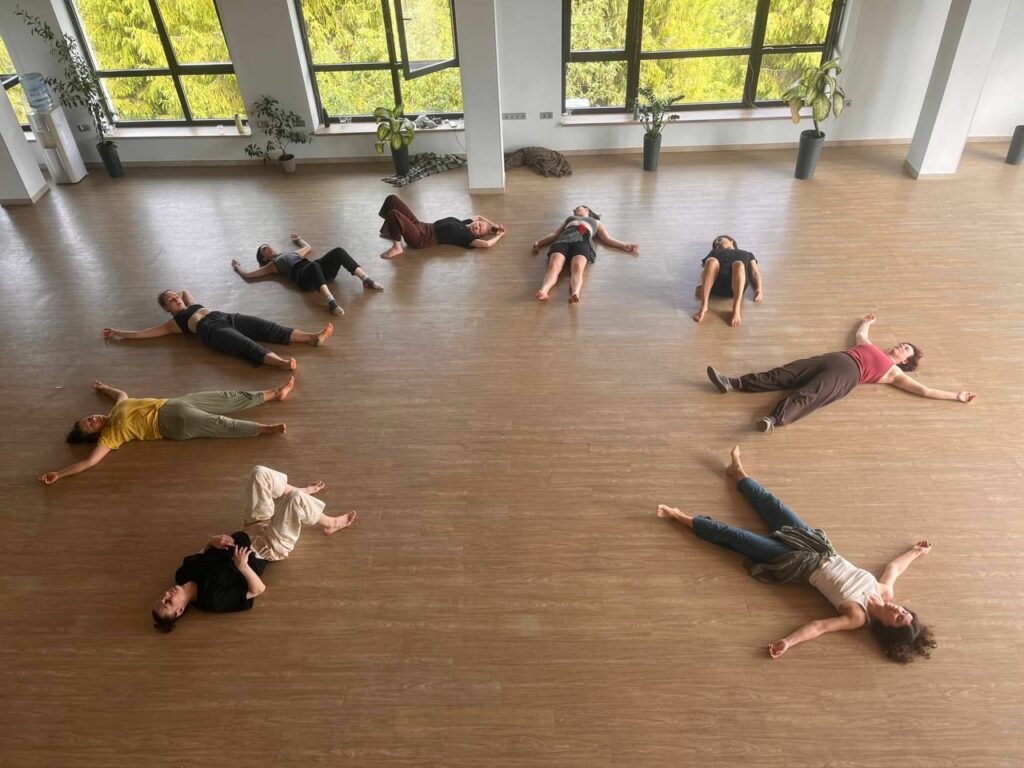
Rhythm as Regulation. This summer, New Orleans-based dancer and acupuncturist Yekaterina Chizayeva and Ukrainian somatic educator and psychologist Kateryna Taranova brought together a group of Ukrainian artists in the Carpathian town of Slavsko. The group included dancers, ceramicists, vocalists, and visual artists. They worked in different mediums, but found a common thread: the rhythms of the nervous system, and the power of creative practice to support regulation, wellbeing, and resilience. The residency has grown into a community of practitioners who continue to meet and share knowledge. A second lab follows in New Orleans in October, with the goal of creating a shared toolkit for rhythm-based practices and exploring how movement and sound can help ease anxiety, calm groups together, and support recovery from the sensory toll of war, including the hypervigilance caused by drones overhead.
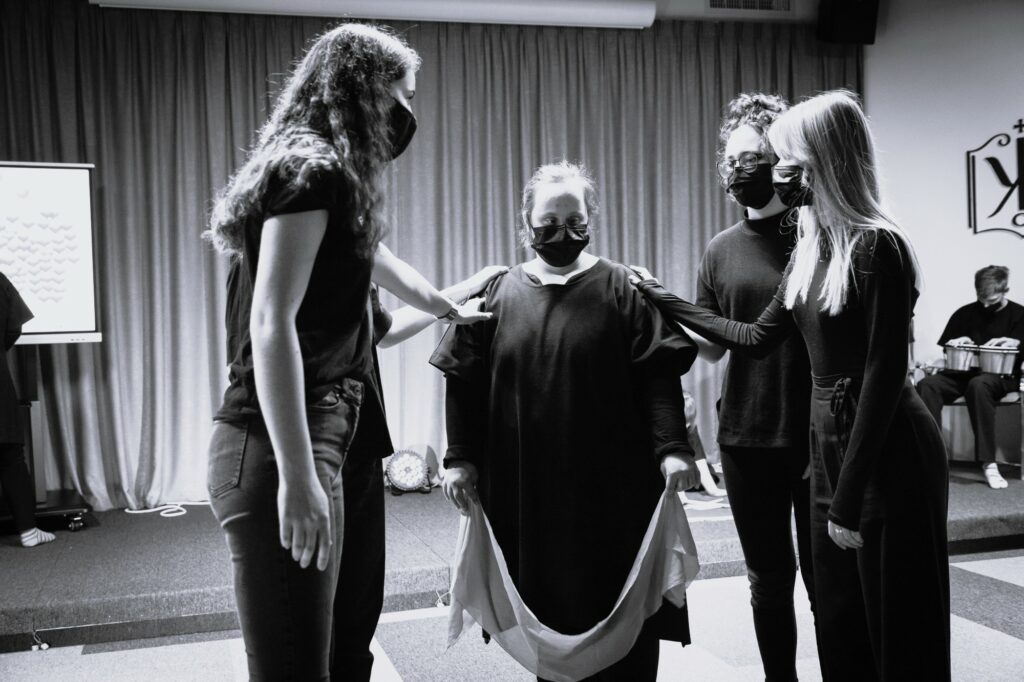
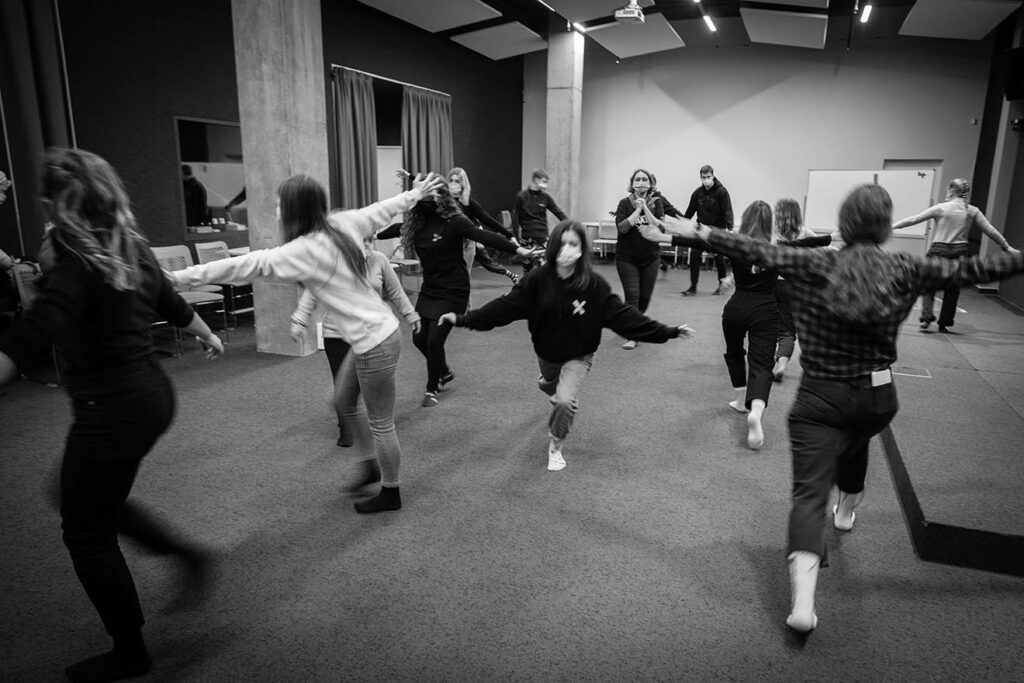
Me – The Other. This inclusive theatre initiative pairs The Theatre Lab’s Life Stories Institute in Washington, D.C., with Yuliia Vintoniv, a theologian and educator from Ukrainian Catholic University in Lviv. Yuliia is working to build a university course based on The Theatre Lab’s Life Stories method, which draws on more than 20 years of autobiographical theatre. Starting in January 2027, the pilot course will bring together about 20 to 25 students with people who have congenital disabilities or injuries from the war. Through movement, storytelling, improvisation, and writing, they will create original theatre from their own lives and challenge the stigma around disability in wartime Ukraine. The learning goes both ways. Yuliia is training with The Theatre Lab online and in person in the US, while The Theatre Lab will bring what it learns from Ukraine to its own work with US military veterans. In the long run, the team hopes to bring the course to other universities across Ukraine.
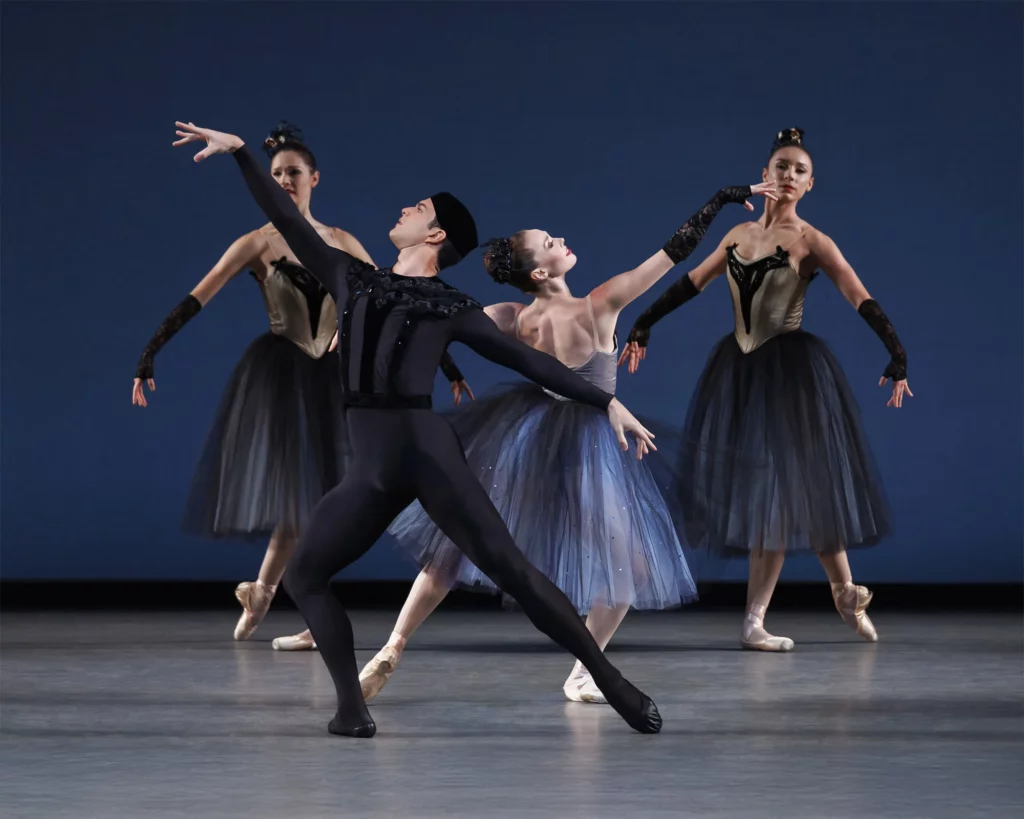
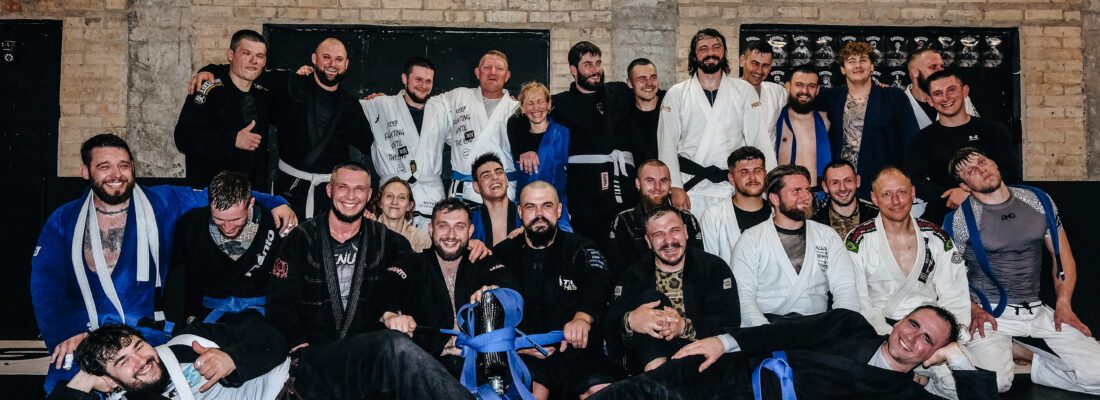
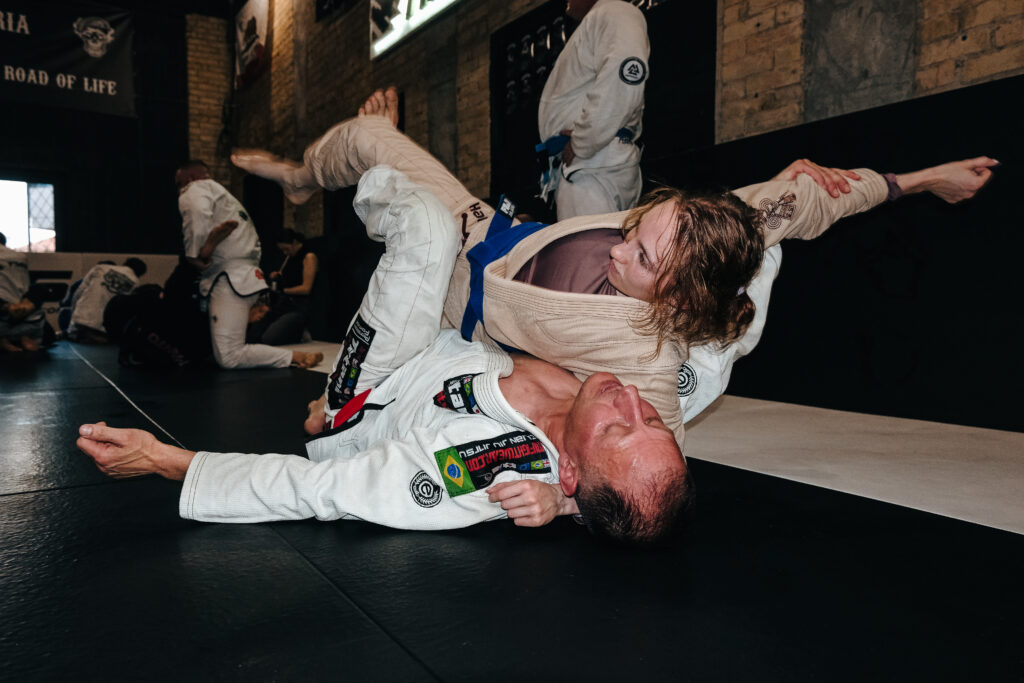
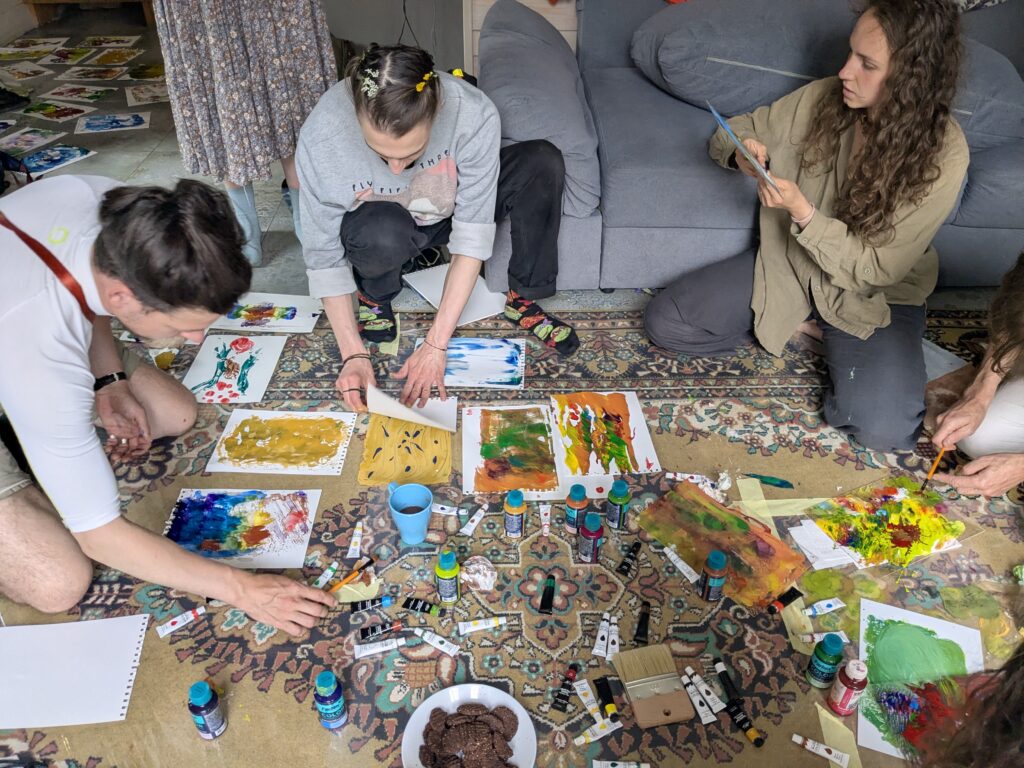
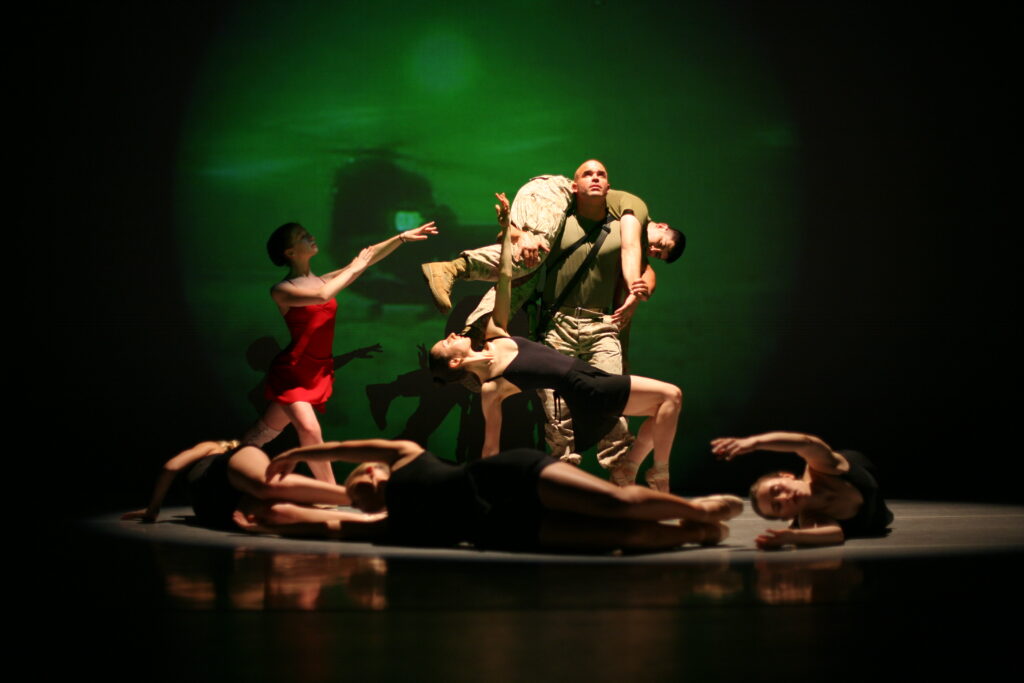
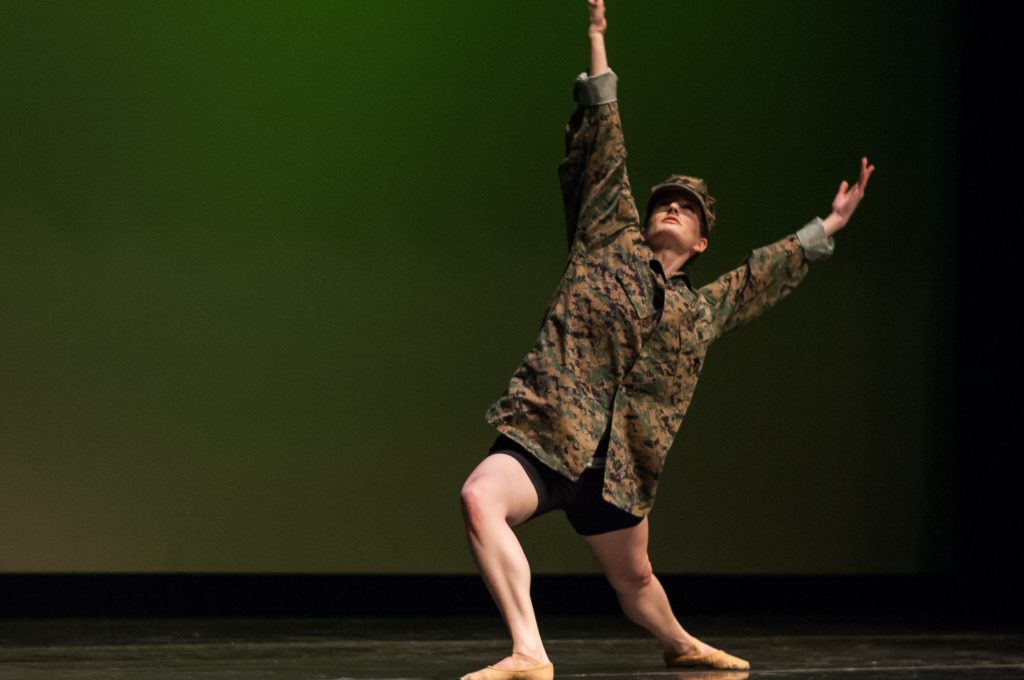
Moving, Imagining, and Unbroken. This dance and movement program for Ukrainian combat veterans is led by New York based Exit12 Dance Company, the Imagination Lab at SUNY Albany, and Lesya Ukrainka Volyn National University in Lutsk. The program combines movement with surrealism-inspired drawing and collage and is being adapted for amputees and veterans with limited mobility. The work is grounded in research: the Imagination Lab’s studies link engaging with surrealist art to resilience and emotional richness, and participants will take part in voluntary surveys before and after each workshop to measure changes in resilience, hope and wellbeing. Pilot workshops in the New York area will bring Ukrainian and American veterans into the same room.
Coming Together at Wesleyan
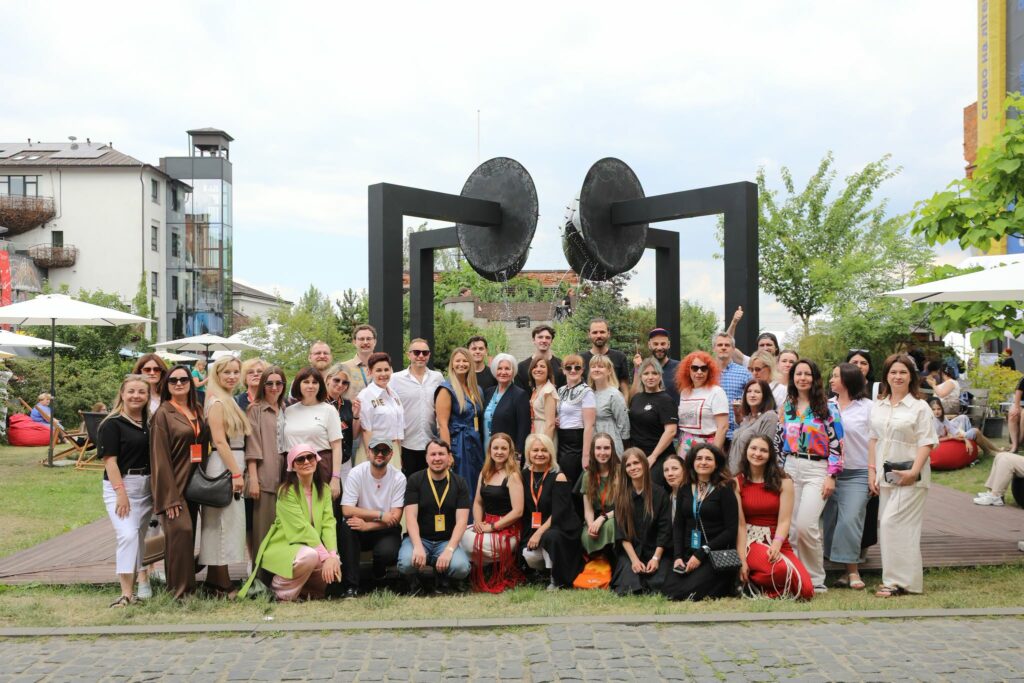
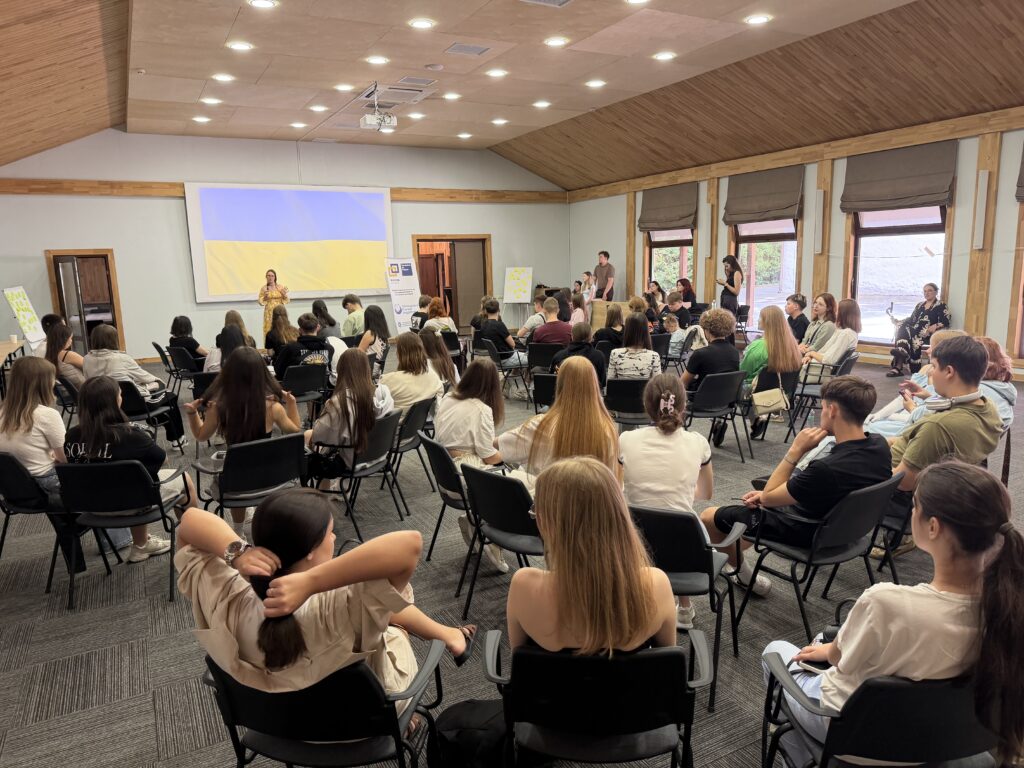
From November 2–7, all five partnerships will gather at Wesleyan for a week of shared programming and peer exchange. The week ends with a public Capstone Showcase on November 7 at 2 pm at Fayerweather Beckham Hall in Middletown, CT. Each team will share what it built this year and how they envision bringing the work into Ukrainian hospitals, veterans’ centers, schools, and communities in 2027.
Why “I’mmortal”
The Fellowship’s name brings together two ideas: mortality, which is part of being human and the subject of medicine, and the lasting power of the arts.
In the creative arts, the healing arts, and the act of making something together, we are immortal, even when what we face is the fragility of our bodies or the difficulty of staying connected to the world.
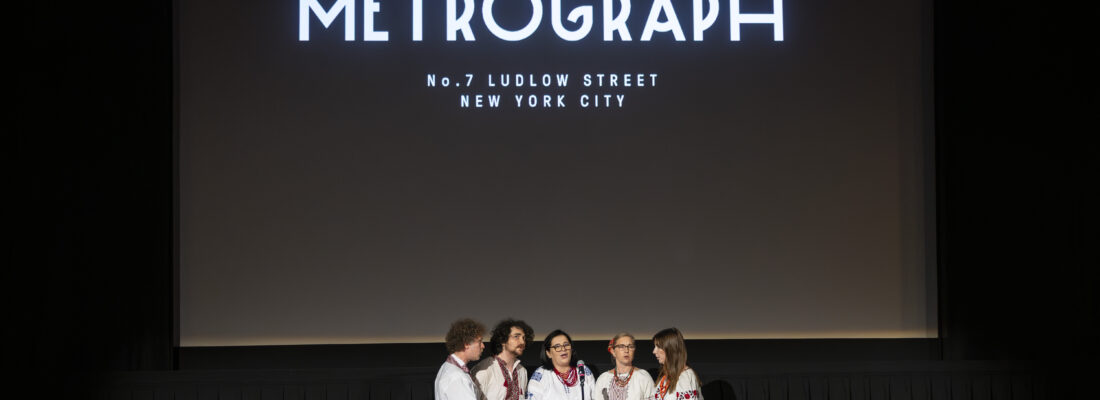
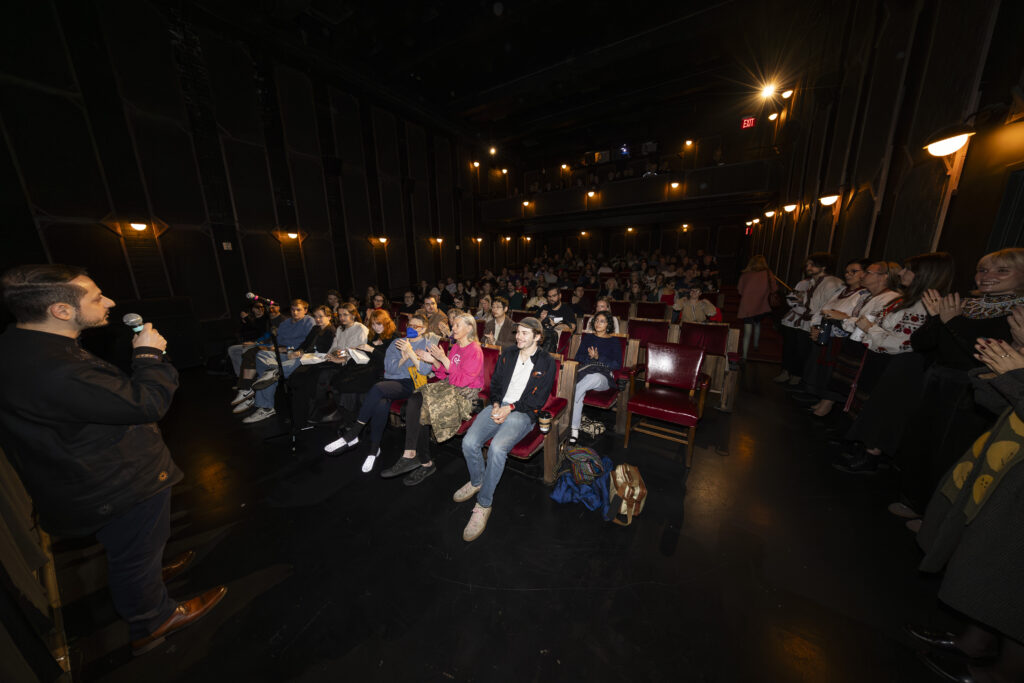
This year, we saw it in a village hall in Nahachiv, a mountain studio in Slavsko, a hospital ward in Lviv, and a rehearsal room in New York.
On November 7, come witness it at Wesleyan!
Rachel Shuey and Viktorija Mickute, Razom Connect