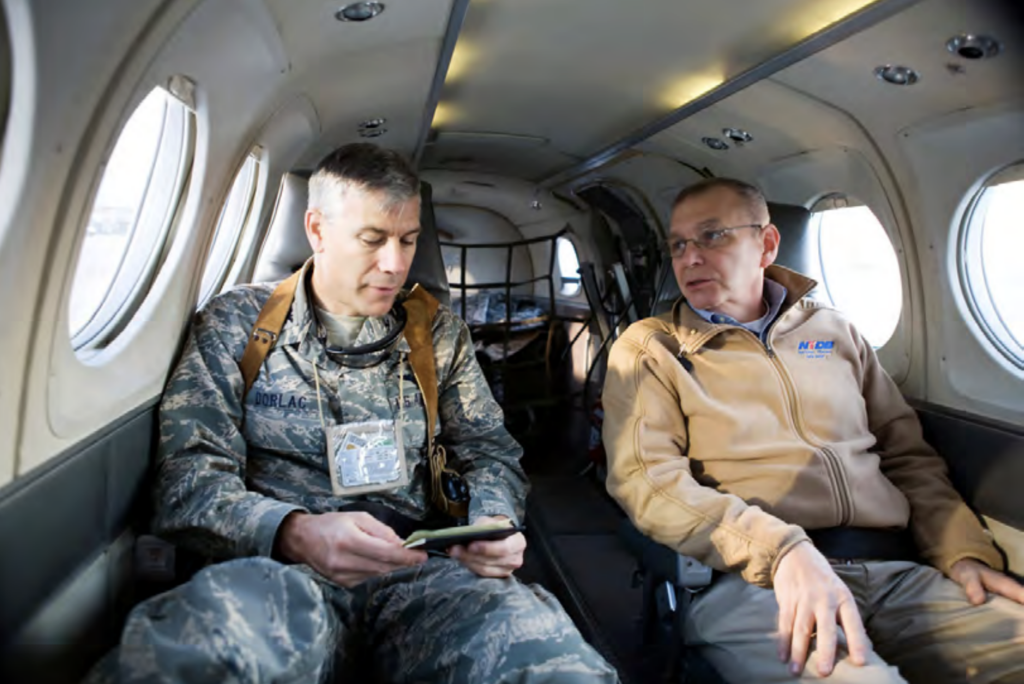
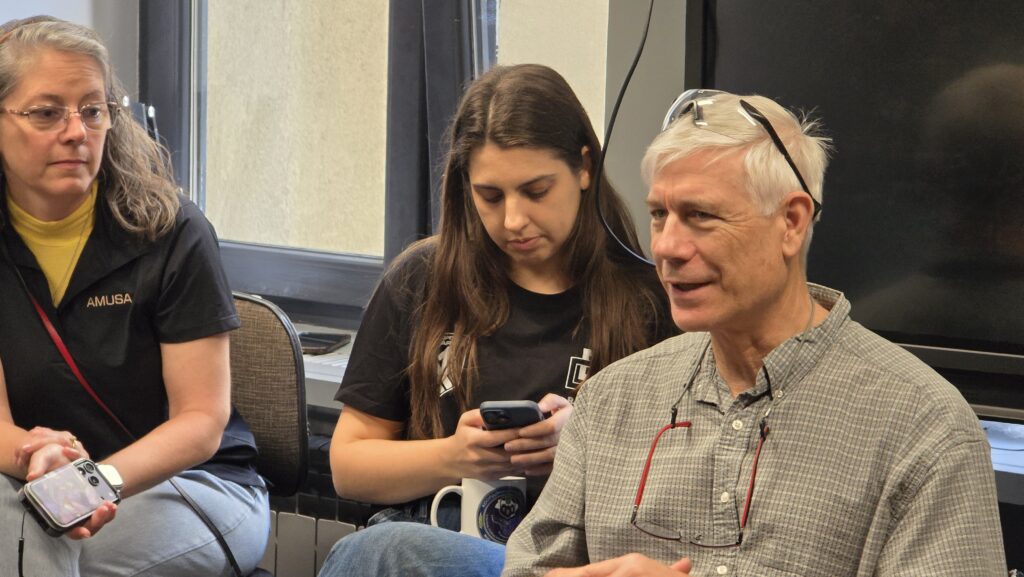
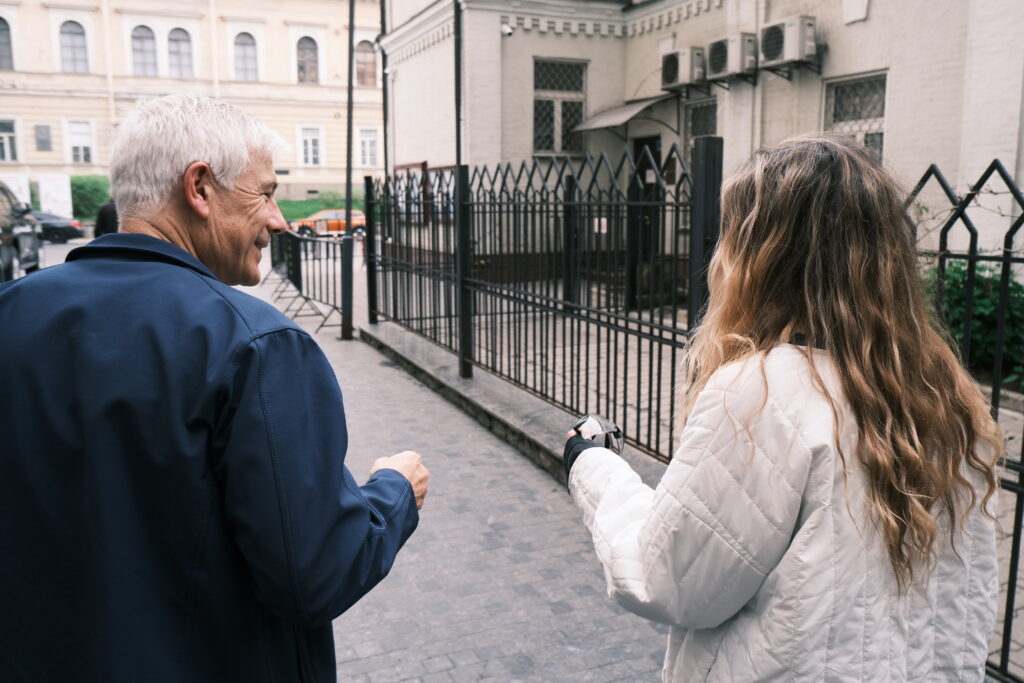
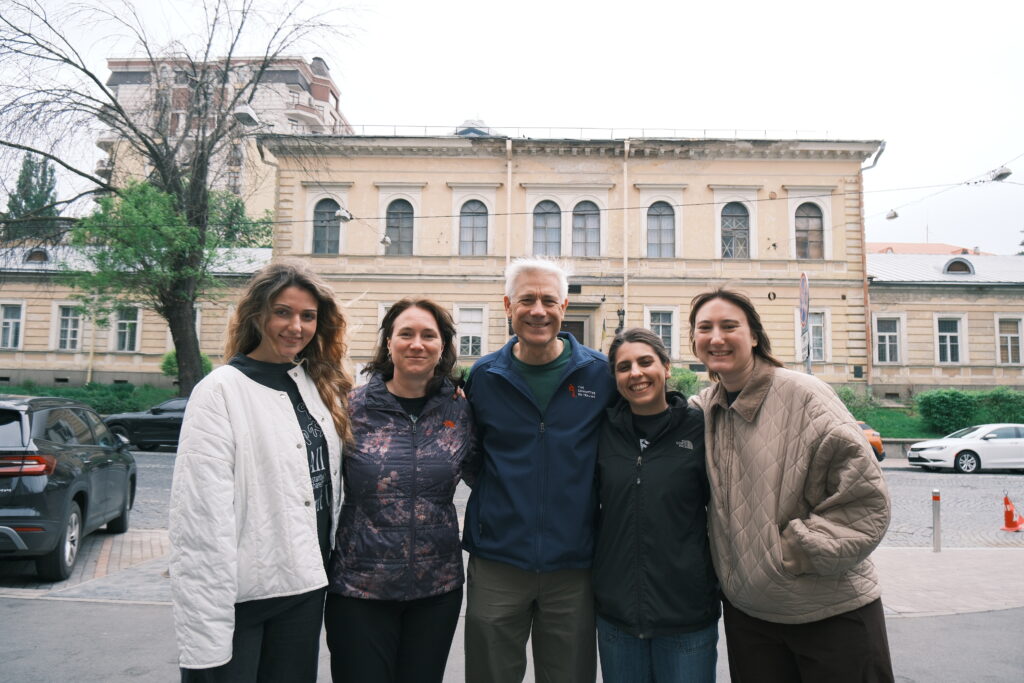
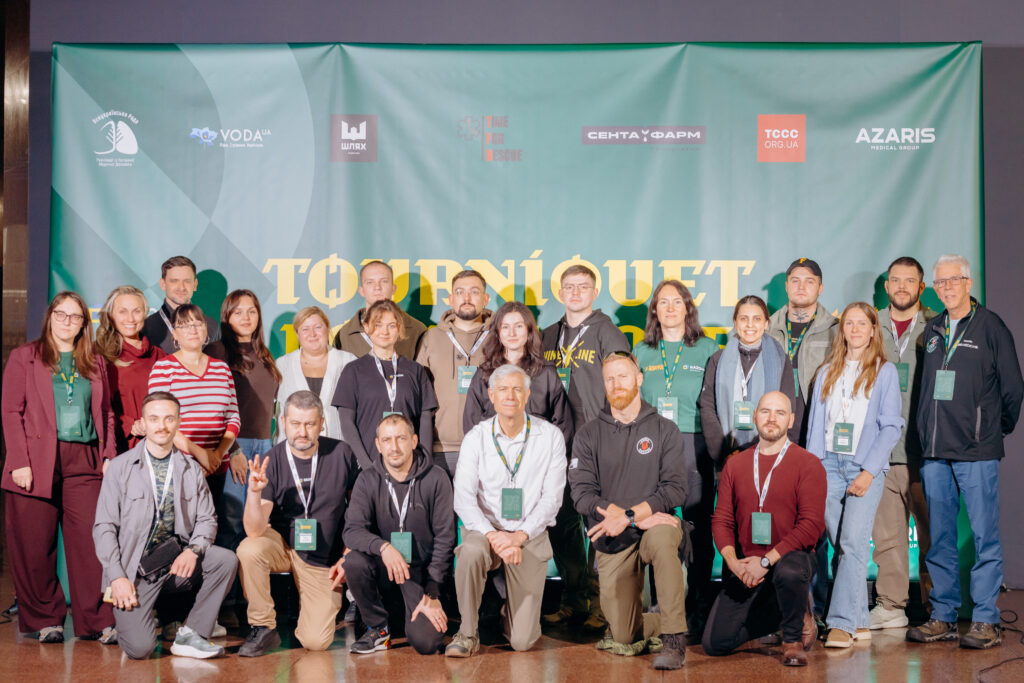
Colonel (Ret.) Warren C. Dorlac first came to Ukraine in 2022, shortly after Russia’s full-scale invasion.
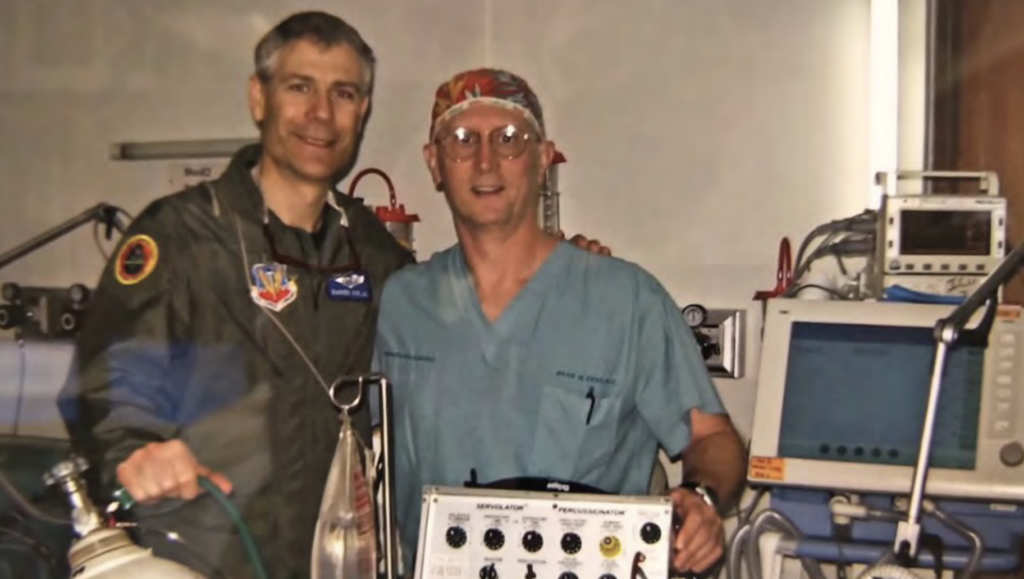
A retired U.S. Air Force trauma surgeon, Warren spent more than two decades helping shape trauma systems that changed how lives are saved on and off the battlefield. Over the course of his career, he served as Chief of Trauma at Landstuhl Regional Medical Center in Germany, led Critical Care Air Transport teams, advised the U.S. Air Force Surgeon General, and became one of the leading voices in combat casualty care and military trauma systems in the United States.
When the war in Ukraine escalated, Warren saw an opportunity to help share lessons learned from previous wars and support Ukrainian medical professionals facing challenges few healthcare systems in the world have experienced in recent history.
“Freedom is not free,” Warren said during our conversation in Kyiv. “I really do feel like this is an international effort, and we all need to be in and doing something.”
Over the last several years, that commitment has brought him back to Ukraine multiple times through partnerships and medical education initiatives supported by Razom.
From SOMA to Kyiv
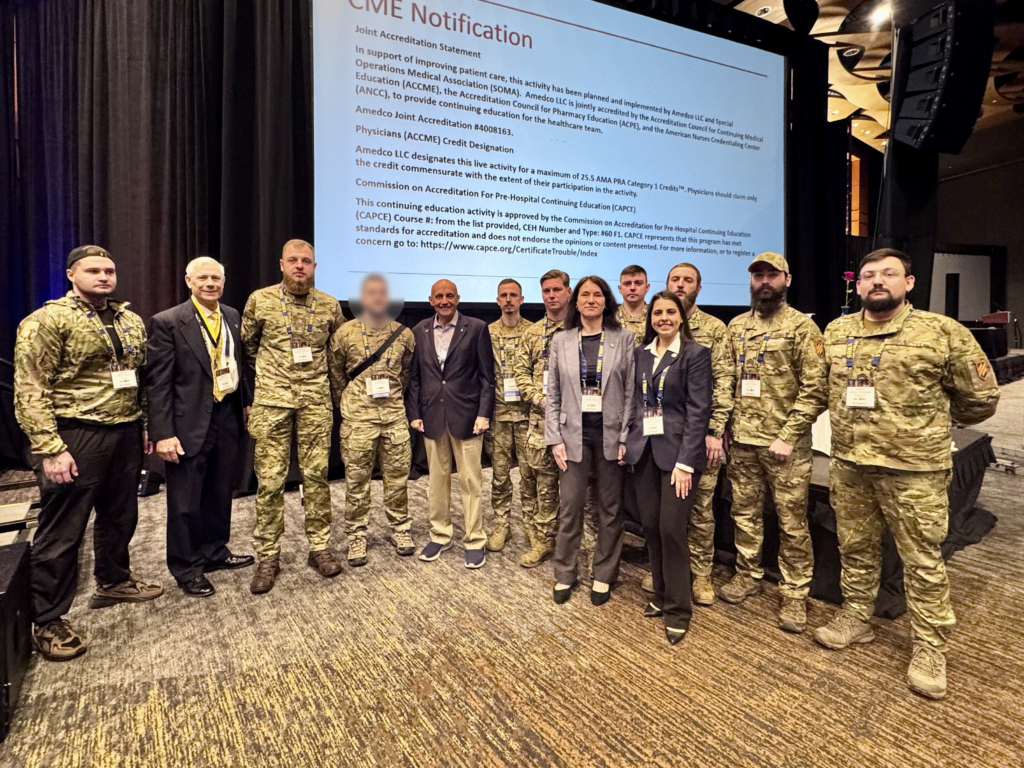
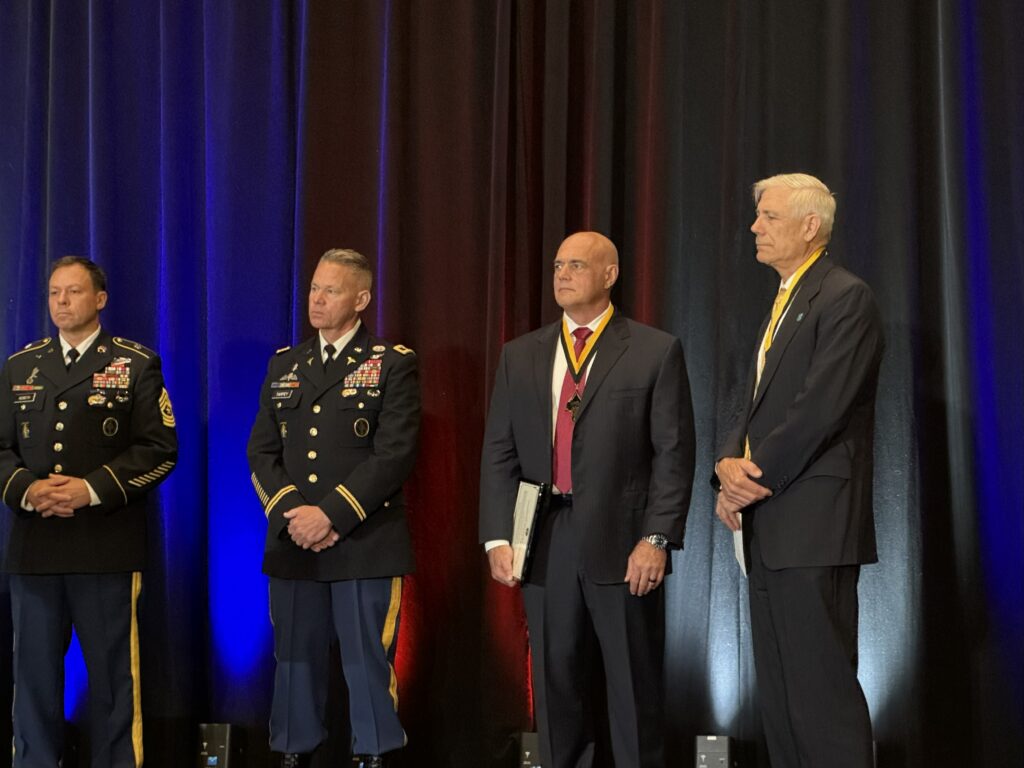
Earlier this year, Warren was recognized at SOMA 2026 for his contributions to military medicine and combat casualty care. During his remarks, he spoke about Ukraine and Ukrainian defenders — something that felt natural for those who know how closely he has worked with Ukrainian teams over the last several years.
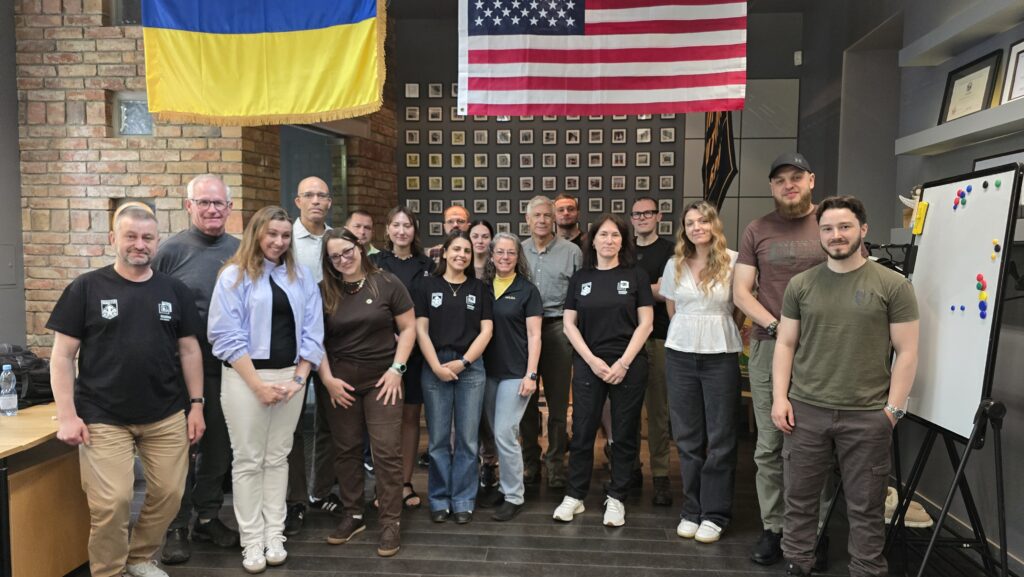
Through Razom partnerships and medical education initiatives, Warren worked alongside Ukrainian surgeons, combat medics, defenders, and trainers both in the United States and in Ukraine. He joined Ukrainian teams at SOMA, spent time with defenders connected to Razom, and continued building relationships with medical professionals working under extraordinary circumstances.
“The Ukrainians keep getting hit, and they keep bouncing back,” Warren said. “They’ve shown the ability to adapt, and I think the ability to adapt under any situation is greatly impressive.”
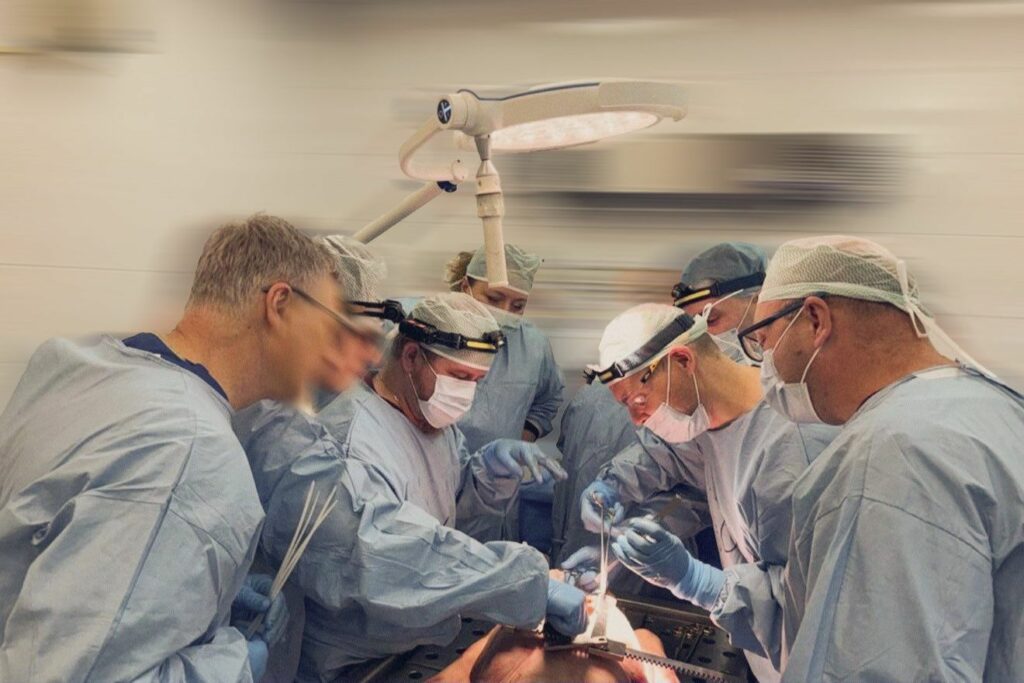
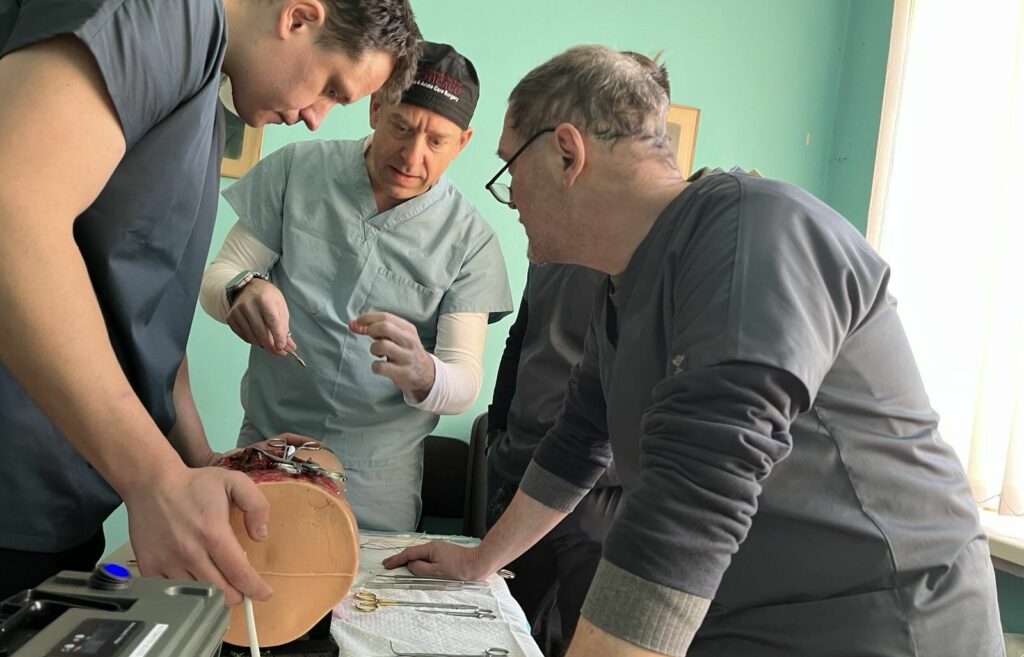
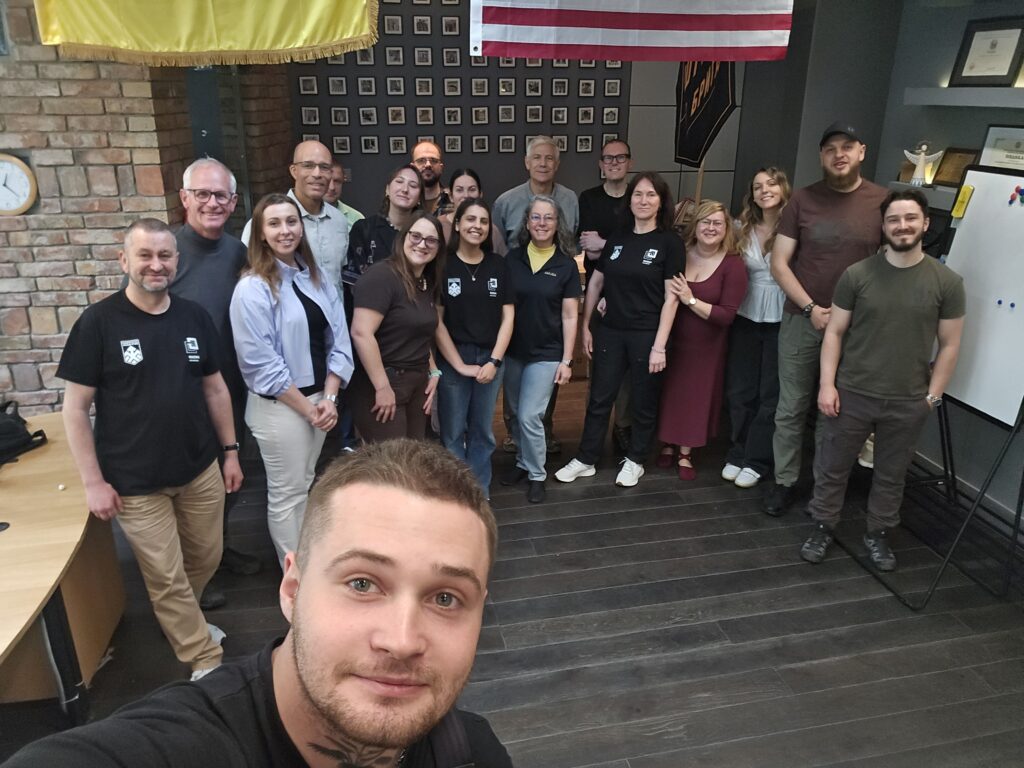
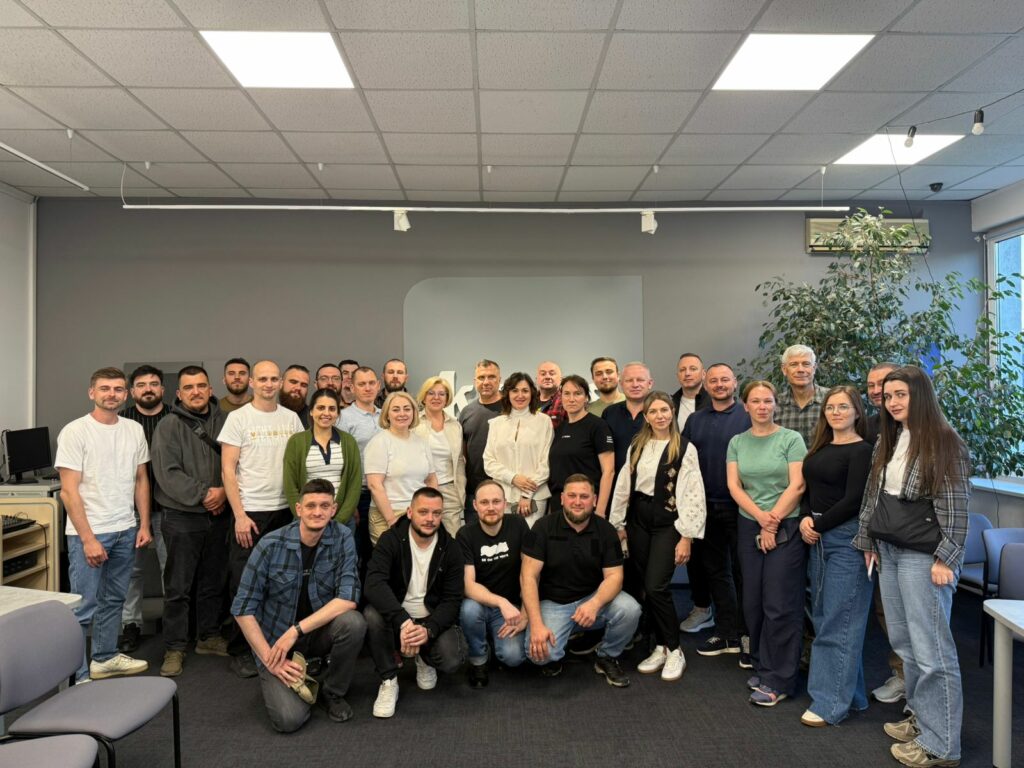
This summer marked Warren’s second ASSET training in Kyiv with Razom and Ukrainian medical professionals. ASSET+ is an advanced surgical trauma training program required for U.S. Army military surgeons before deployment to forward surgical teams. Through Razom Health’s Co-Pilot Project and partnerships with Ukrainian medical professionals, Ukraine became the 33rd country to implement the program.
But what stood out during our conversation was that Warren never spoke about the work as a one-way exchange.
“We learn from just about everybody that is in the course with us,” he said. “We learn things they’re doing that we may not have thought of. Hopefully it’s a two-way exchange.”
What Ukraine Is Teaching the World
Throughout his career, Warren helped build trauma systems based on lessons learned from previous wars. Today, he believes many of the experiences Ukrainian medical professionals and combat medics are facing will shape the future of battlefield medicine far beyond Ukraine itself.
“The battlefield is changing every four months,” he said. “What worked four months ago will not work today.”
According to Warren, Ukrainian experiences with prolonged evacuations, prolonged field care, medical logistics, underground medicine, and battlefield drone threats are already changing how many medical professionals think about trauma care and survival in modern war.
“I think this war is going to be one of those wars that shapes future care for years to come,” he said.
Those lessons are already influencing conversations around Tactical Combat Casualty Care (TCCC) and military trauma systems internationally. Warren described how experiences from Ukraine are helping shape updated recommendations and discussions inside the American military medical community.
“I think the people, number one,” he said when asked what stands out most about Ukraine. “Everybody that we’ve worked with over the last four years has just been so kind.”
More Than a Project
For Warren, some of the most meaningful moments happen after trainings end.
After courses, Ukrainian surgeons often stay in contact, sharing updates, case reports, and stories from the field. Sometimes they describe using techniques from the training for the first time during real surgical situations.
“For the surgeon, it’s kind of the ultimate thing,” Warren said. “You worked with somebody on learning a new skill and then they’re able to go out and do it and be successful.”
Many of the younger Ukrainian surgeons he works with entered wartime medicine very early in their careers, often without the years of experience surgeons would normally have before facing such complex trauma cases.
“These young surgeons have gone right to the battlefield and now they’re doing some of the hardest work that’s out there,” he said.
That reality makes long-term partnerships especially important — not only for sharing knowledge, but for supporting Ukrainian medical professionals as they continue building and adapting systems during war.
“One of the motivations for us being here is just the camaraderie that we all feel working with everyone,” Warren said. “The Razom team has been wonderful… everybody feels like family.”
“Everybody Can Do Something”
Warren understands that not everybody can travel to Ukraine or work directly in medicine. But during our conversation, he repeatedly returned to the idea that support still matters.
“You don’t have to do a lot,” he said. “You don’t have to get on a plane and fly over to the country, but you can help with donations, supplies, equipment… every little bit helps.”
He also acknowledged how difficult it can be for people outside Ukraine to fully understand the reality of this war.
“I think it’s hard for most Americans to really comprehend what it’s like to have your own country invaded,” he said. “The total war that is currently going on — medical personnel, hospitals being targeted — it’s just not something that we can really comprehend.”
Still, he believes people can choose to stay engaged and continue supporting Ukraine in different ways.
“Education is a great way to help,” Warren said. “There’s a lot of places helping… but I think we could always do more.”
Watch the full interview with Warren Dorlac below.