

Dear friends of Razom,
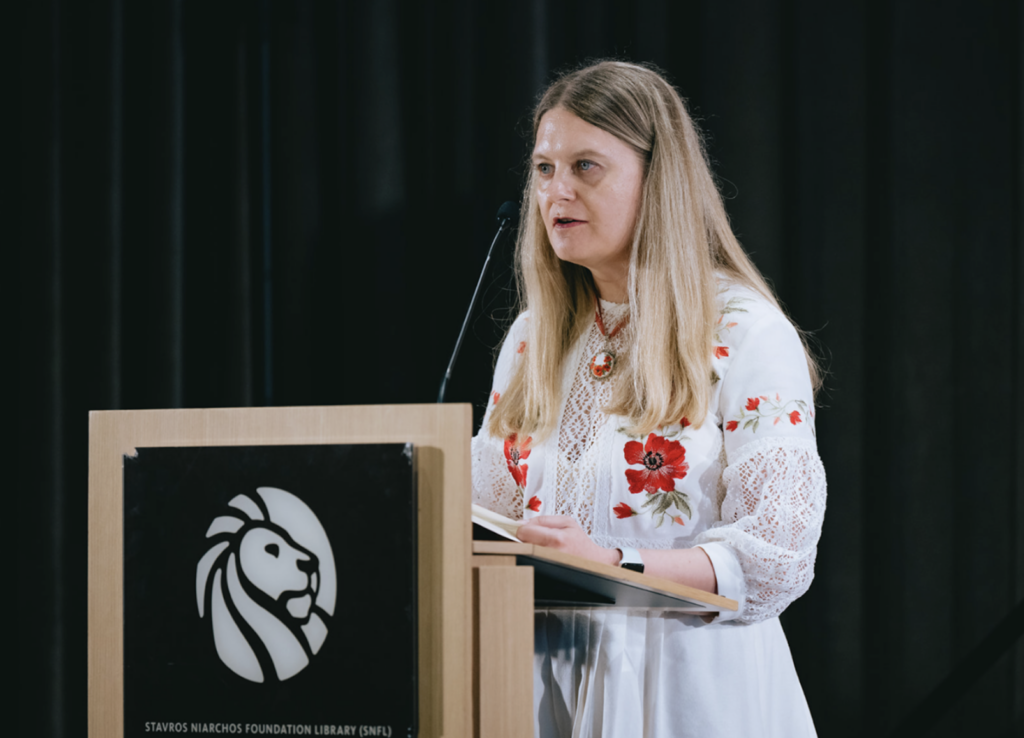
This is Kateryna Kazimirova, Razom Literature Program Lead, and I want to take you with me to Kyiv, where last week of May, under skies that couldn’t decide between sirens and the heavy bloom of peonies, one of the most important literary events in the world took place.
But first, let me tell you why I’m the one writing this letter.
Growing up in Donetsk, I was fortunate to be surrounded by books, the people who wrote them, and brilliant teachers who introduced me to both. I went to study literary theory, later taught it, built a life inside Ukrainian literature, and took for granted that this world mattered beyond its own borders. Then, in 2014, Russia occupied my home and succeeded not only in seizing territory, but in imposing its fiction – about Donbas, about Ukraine, about who belonged where. I watched it happen with two kinds of grief: the obvious one, along with a quieter realization that Ukraine’s writers, the people I considered heroes, were unknown outside my world.
Why did so few people know the writers who had shaped me? How could a nation with such a rich literary tradition remain so invisible abroad? Most importantly, in light of all that happened, how are we going to change that?
For the last decade, already in Kyiv, I had been trying to do my part by running a literary journal, and creating innovative tools to promote Ukrainian culture like Chapter Ukraine. Now I have joined Razom to expand our shared mission of helping the world discover Ukrainian literature. This year, I came back to Arsenal on behalf of Razom to participate in the festival and organize a panel on one of the questions I think about most: what actually stands between Ukrainian books and anglophone readers?
An Arsenal of a Different Kind
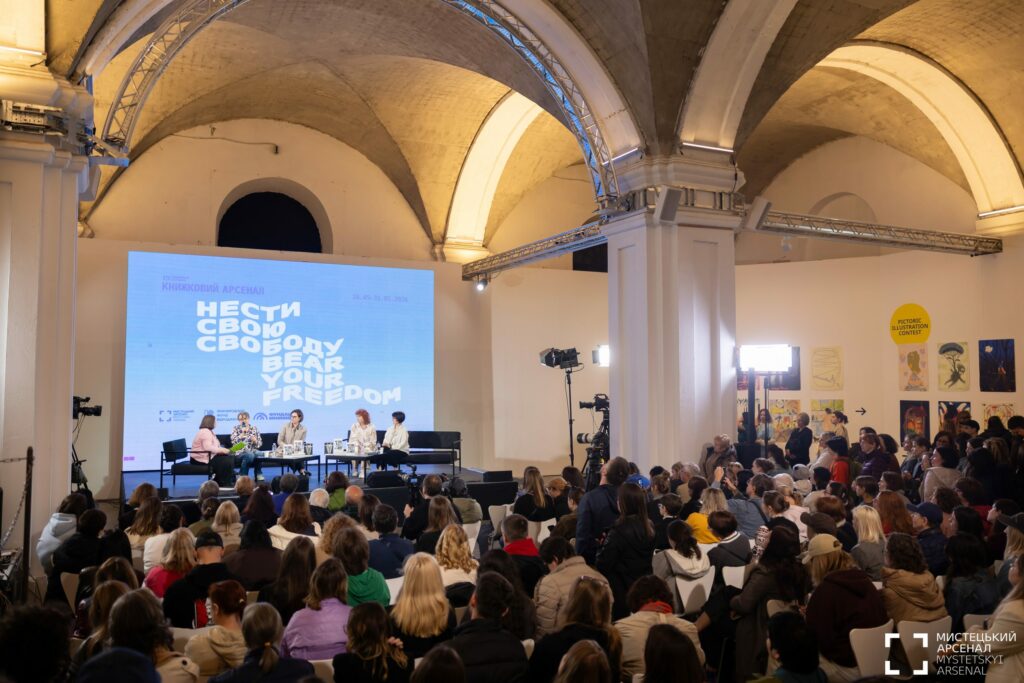
When I call it the best literary festival in the world, this is not only my sentiment. In 2019, Book Arsenal was recognized as the world’s best literary festival of the year at the International Publishing Industry Excellence Awards organized by the London Book Fair. It has been running annually since 2012, skipping only twice: during the pandemic outbreak and the year of the full-scale invasion. It came back in 2023, grew to 35,000 visitors in 2024, and, like Ukraine, is stronger every year since.
Why “Arsenal”? The building where the festival takes place was originally built in 1783 by imperial decree as a weapons depot – a fortress-like structure with walls six feet thick, covering nearly twenty-five acres in the heart of Kyiv. But the ground it stands on is older than that: the site was a 16th-century convent, whose most prominent patron was the mother of Hetman Ivan Mazepa – the Ukrainian leader who defied Peter I and became a lasting symbol of resistance to Russian rule. The empire demolished the convent and built an arsenal in its place. Ukrainians eventually took the arsenal back and filled it with books instead.
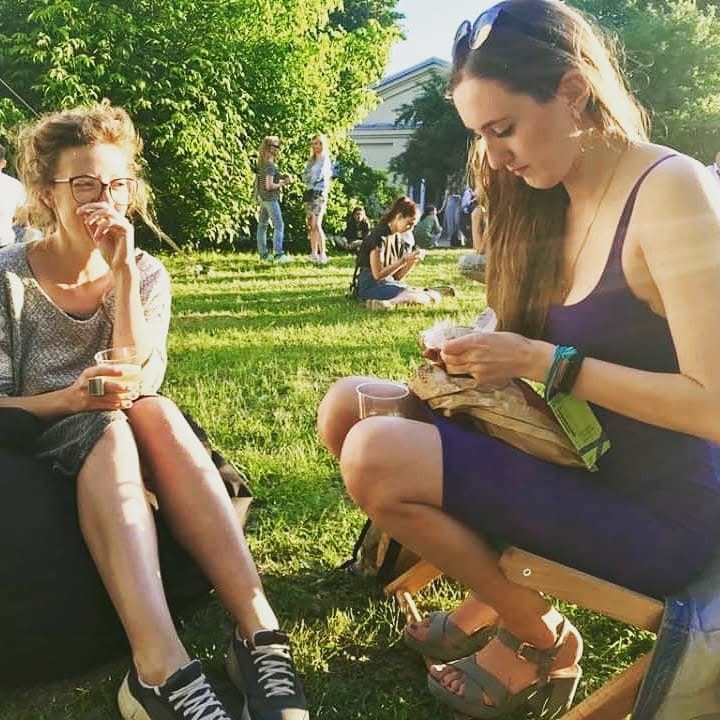
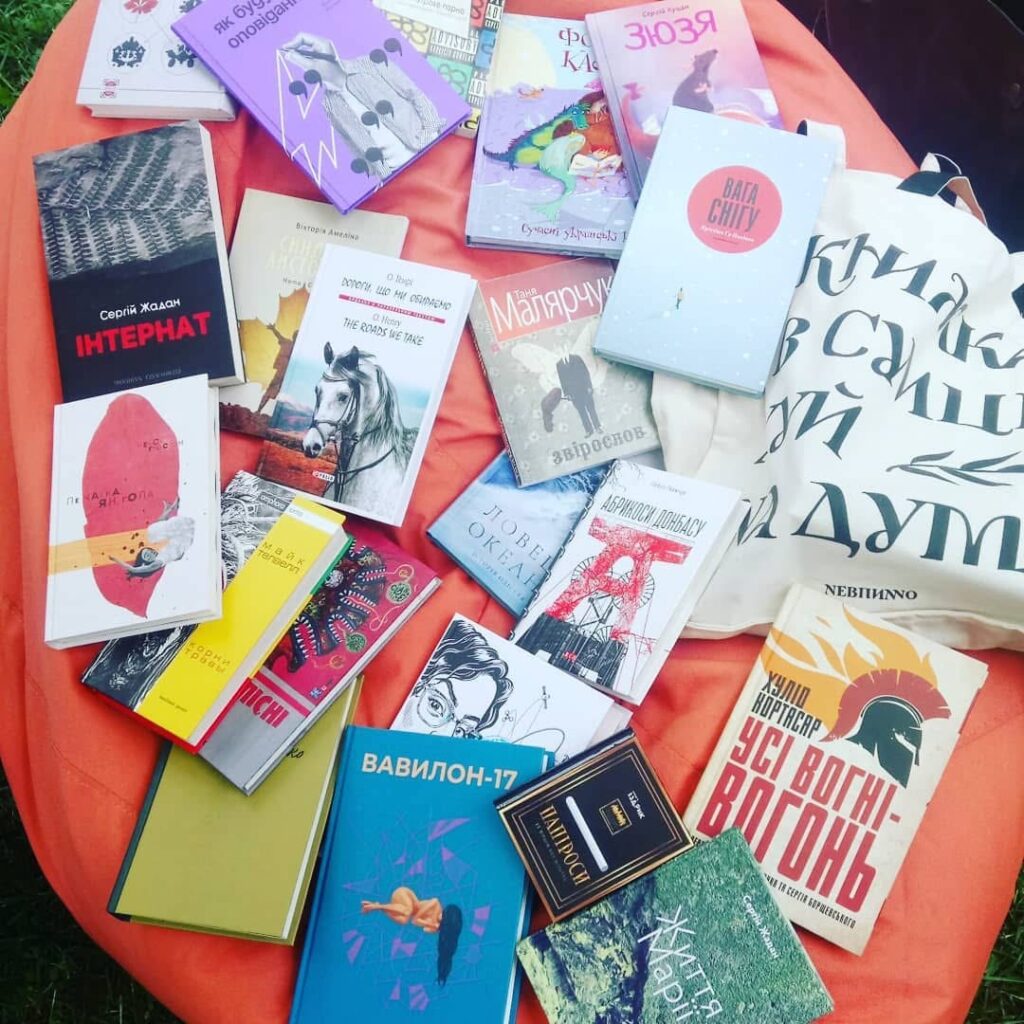
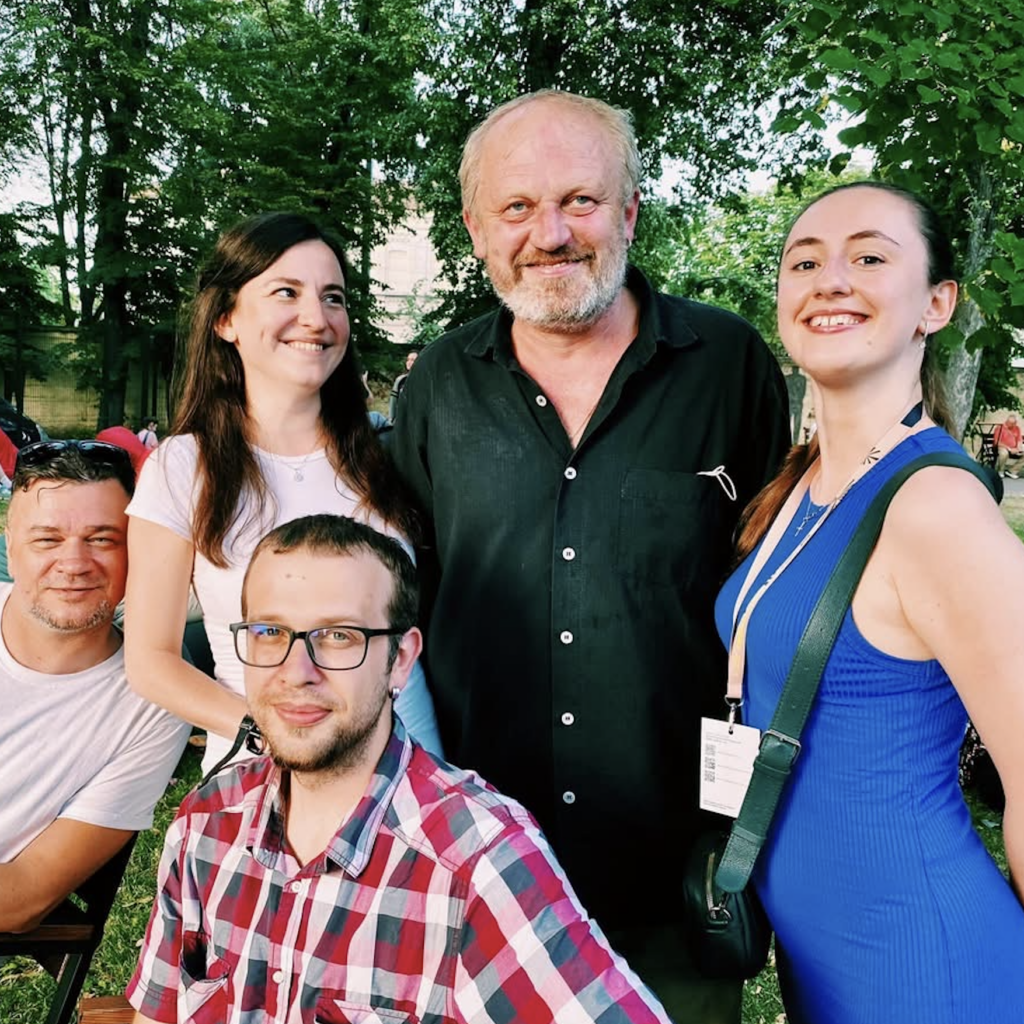
My own Arsenal story started in 2015, when I fled Donetsk to Kyiv and found, once again, what I had lost: a community of booklovers and cultural professionals that felt like home. In the years when I wasn’t working in culture full-time, I would take a week off work just for the festival, spending days discovering new books, listening to authors, panel discussions, and then finding friends in the garden as the evening came, reading poetry to each other and talking for hours.
This one week of the year, everyone comes, no matter where the last twelve months have scattered us. We synchronize our clocks, make plans, and simply be together. But the magnetism runs deeper. Arsenal is one of those rare places where you feel fully alive – concentrated, meaningful, part of something larger than yourself. Where the line between past and present dissolves, and you can feel the full weight of a cultural tradition that has been carried across generations and is still being carried, right now, by the people standing next to you. You listen to one of the sharpest minds alive give a talk that rearranges something in your thinking, then meet them in the coffee queue twenty minutes later and talk like old friends. Where else does that happen?
And underneath all of it is the simple act of being here. Of having made it through another year. Once you have been part of the world of Arsenal, something in you keeps returning to it, the way you return to a place that has known you at your best.
Bear Your Freedom
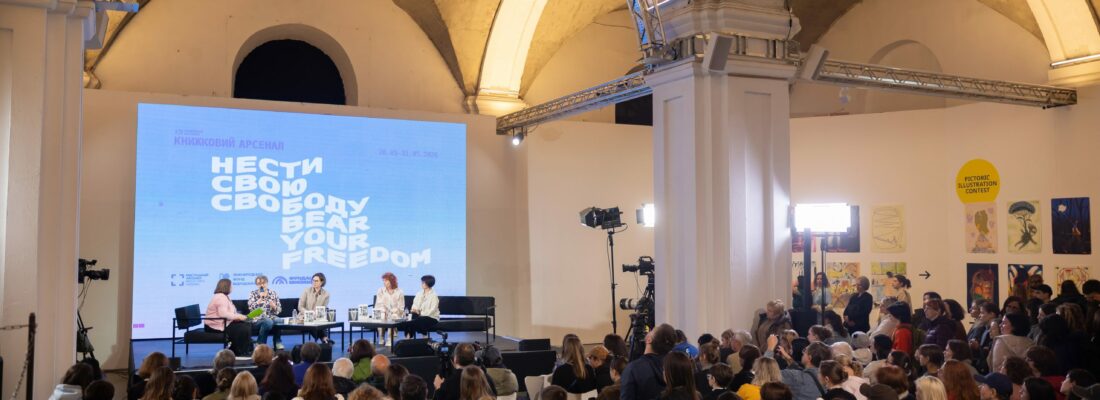
Each year Arsenal has a theme. This year it was Bear Your Freedom, curated by Maksym Butkevych – journalist, human rights activist, former POW, who spent 913 days in Russian captivity before being released in October 2024. Razom supports his initiative Principle of Hope, which develops materials supporting the psychological recovery of returning prisoners, and separate guidance helping soldiers understand how to preserve their lives in captivity.
His central argument: freedom and responsibility are inseparable – “siamese twins” and the greater danger is not that freedom is taken from us, but that we surrender it willingly, trading it for comfort or the illusion of stability. For Butkevych, freedom is never only about oneself, but about those beside us, the ability to build the future together and defend it together: “Perhaps this is Ukraine’s new mission today: not only to fight for freedom, but to help the world rediscover its value.”
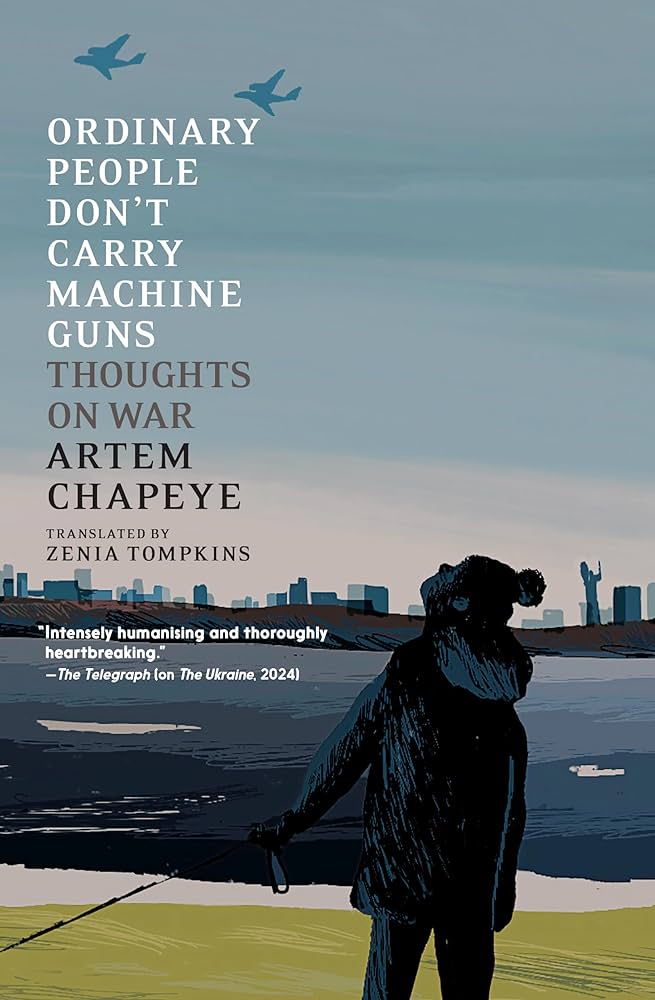
One more topic within this theme was the fragility of heroism. Writers and soldiers Artem Chapeye and Artur Dron put it plainly: a hero is not someone without fear or exhaustion, but someone who keeps moving despite both. As Dron said, society creates “bronze” heroes out of convenience, so everyone else can watch from the sidelines and feel absolved. The real call is to see the person behind the symbol, recognize their needs, and act – because bearing freedom together means no one should carry it alone.
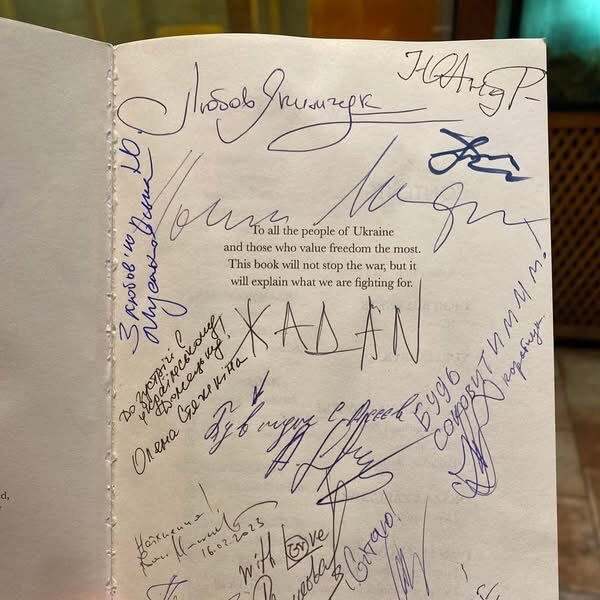
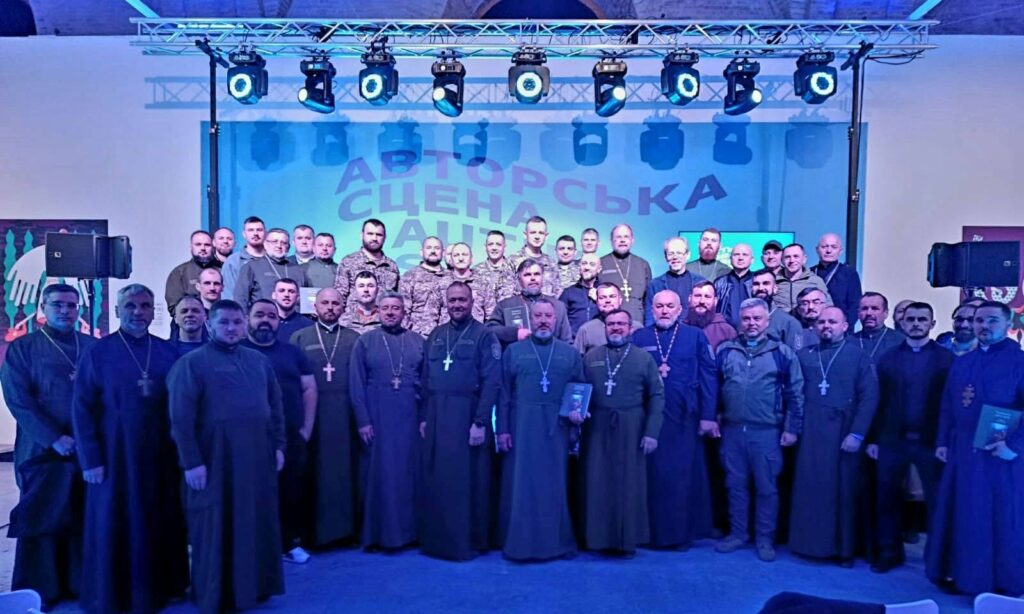
On the day of our panel, I arrived early, before the festival opened to the public. Walking through one of the pavilions, I came across the room full of military chaplains – still, present, sacred. Later that day, one of them presented a new book titled Care for the Spirit. And then, watching the main stage fill for readings by soldier-writers, and the lines snaking through the courtyard for their book signing, I realized that combatant literature is no longer a niche: it is the mainstream. It is simply the most honest account of the life Ukrainians are living now.
The Highest Form of Communication
Arsenal’s Writers’ Program, curated by writer and soldier Andriy Lyubka, opened with a deceptively simple question: What do we actually know about our neighbors? We share borders with Slovakia, Romania, Hungary, and can barely name five of their writers. When knowledge is scarce, stereotypes fill the gap. For a country that cannot afford adversaries on two fronts, genuine neighborliness is a question of survival.
Among the writers on the Arsenal main stage was Polish Nobel laureate Olga Tokarczuk, who argued that Central European identity is defined not by stable borders but by their absence – by fluidity, fragmentation, a world that keeps shifting underfoot. It is precisely this instability, she said, that produces writers who cannot rely on realism alone, and it is this shared inheritance that connects Ukraine to its neighbors more deeply than any political agreement.
Tokarczuk had something important to say about the power of literature itself: humans are narrative creatures who understand the world through stories, not facts. Literature is the highest form of communication: it reaches where information cannot, using metaphor and symbol to convey truths. In times of war and propaganda, literature is the clean breath; it forces a reckoning with complexity, protects identity the way a magnetic field protects against external force. She reminded the audience that Poland survived 123 years without a state, through language and culture alone.
Fieldwork in Ukrainian Sex
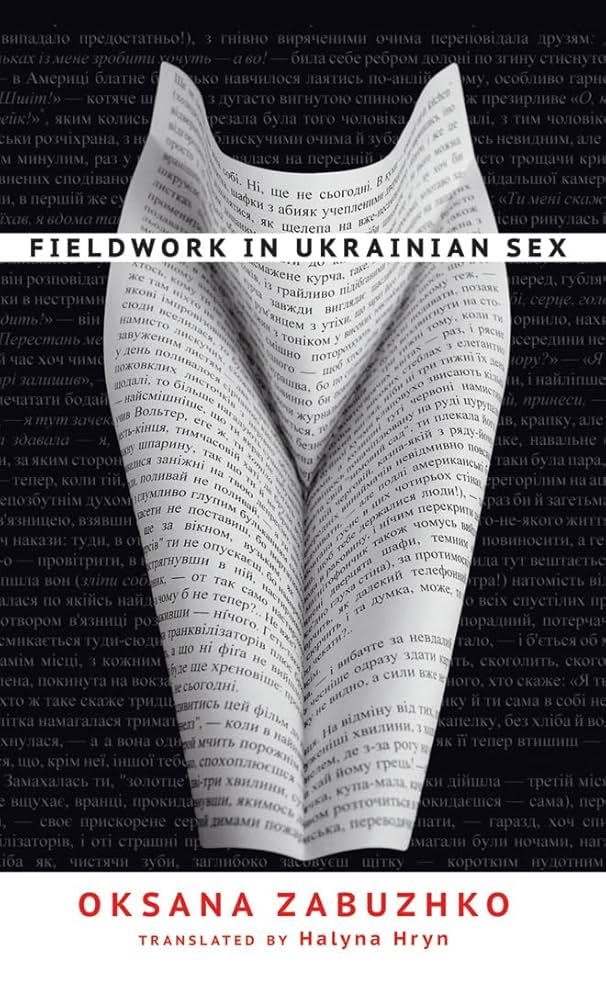
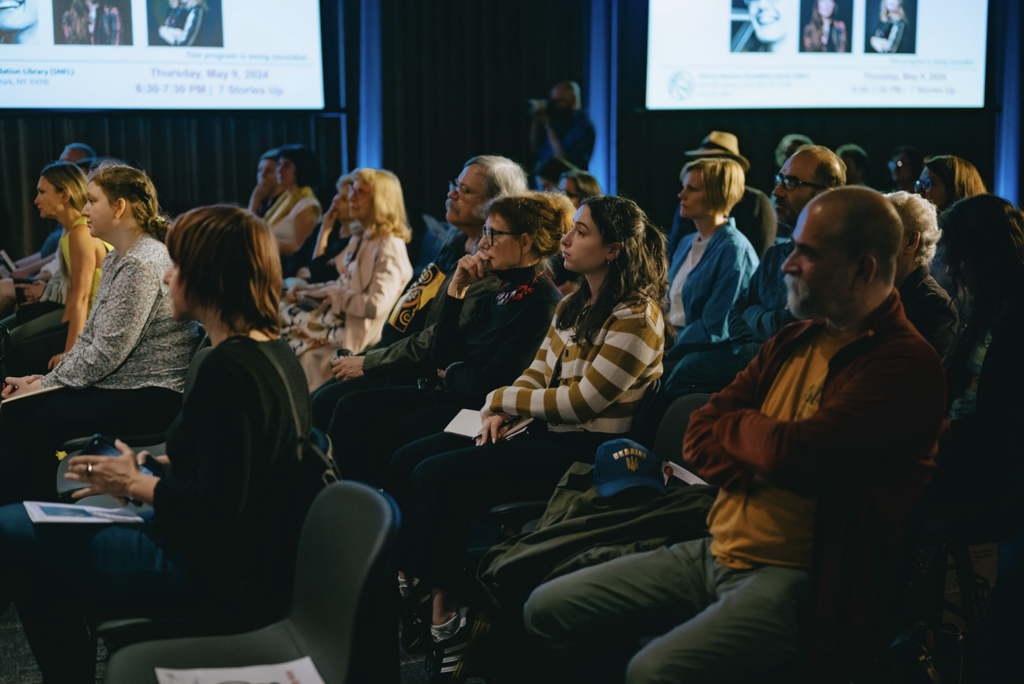
Among 240 events that Arsenal hosted across four days were poetry readings that moved to bomb shelters mid-session, a Theatre of Veterans, workshops, music, slam poetry, mile-long signing queues, and in the evenings wild dancing under folk and electronic beats. But one of the most attended was a conversation marking the 30th anniversary of Oksana Zabuzhko’s Fieldwork in Ukrainian Sex with Maria Genkin, Razom’s Board Co-Chair, among the speakers.
The book follows a Ukrainian woman writer navigating love, identity, and the weight of post-Soviet womanhood. Publishers at the time genuinely doubted that a Ukrainian-language novel could sell. But it became the first national bestseller of its kind, went through at least seventeen editions, 25 languages, and opened the doors for an entire generation of writers.
Thirty years later, teenage girls return to it as a psychotherapeutic text. Elif Batuman cited it as the book that made her reconsider Russian literature’s colonial hold. Zabuzhko said she no longer owns it – it has become something collective. And in the context of the war, the conversation kept returning to one idea: when a culture is known, and its books are read, a nation becomes harder to kill.
Three Percent Ceiling: Razom’s Way to Break It
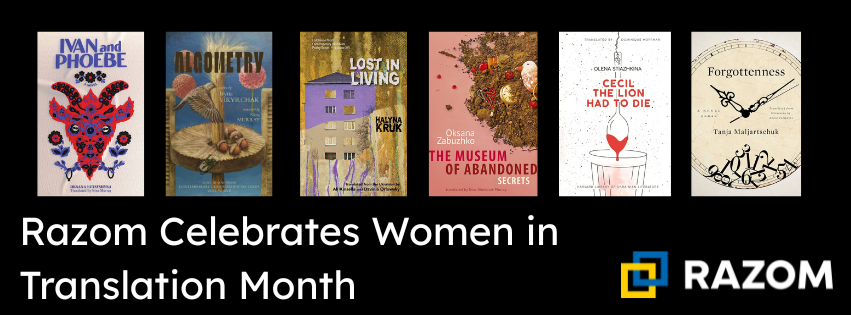
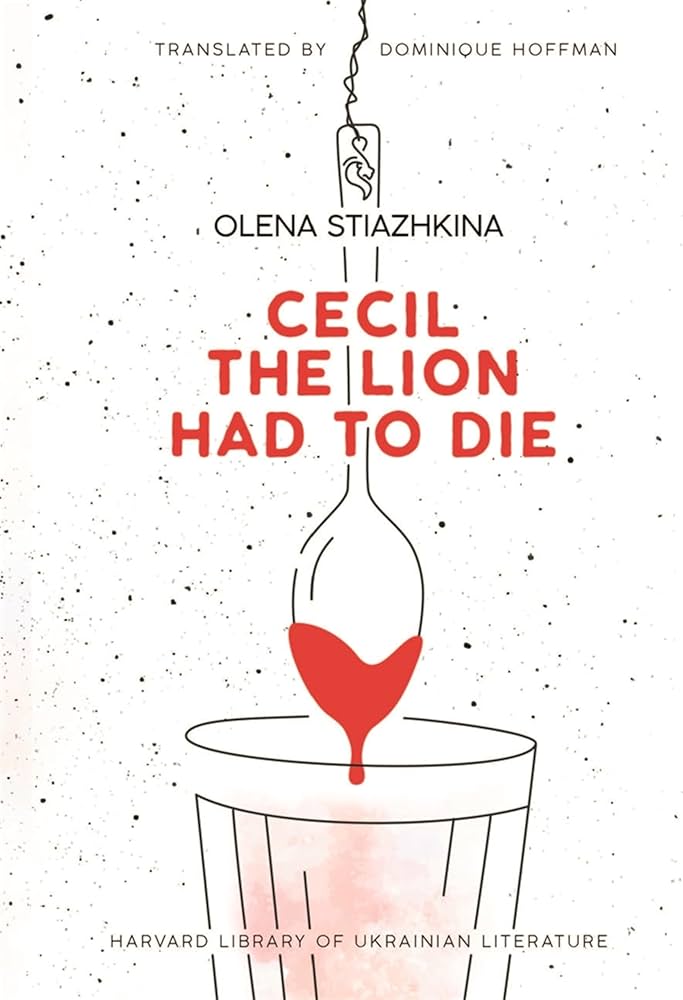
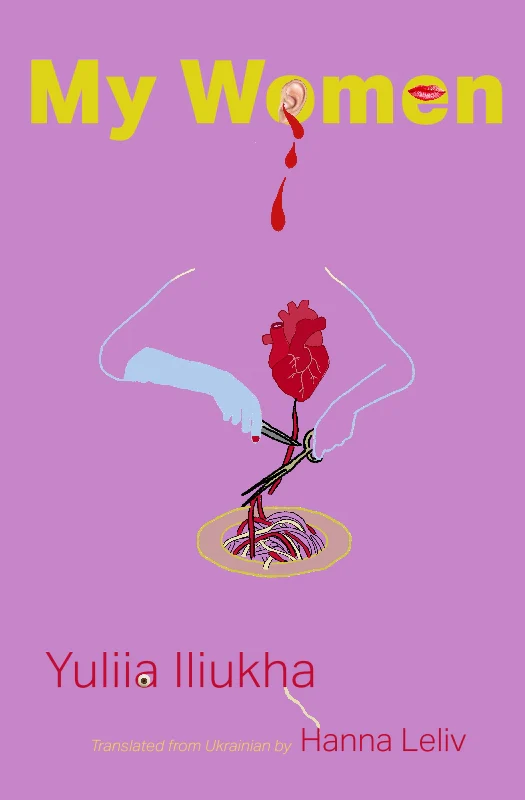
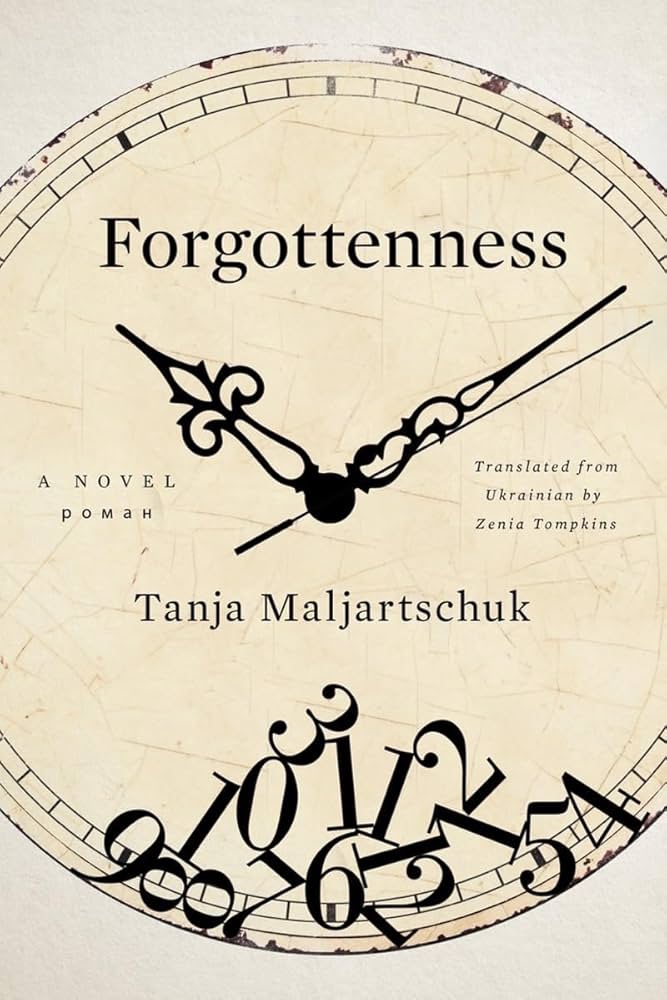
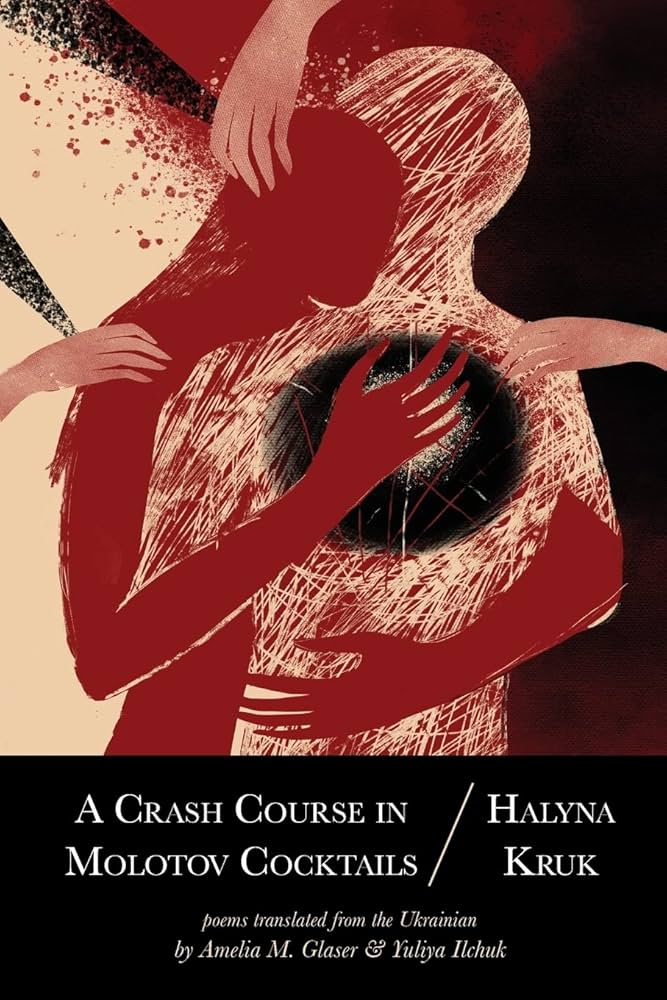
Despite the impact of books like Zabuzhko’s across borders, did you know that only 3% of books published in the American market are translated from other languages, all other languages combined? The anglophone market is the hardest literary market in the world to break into. And yet it is the one that matters most for global visibility.
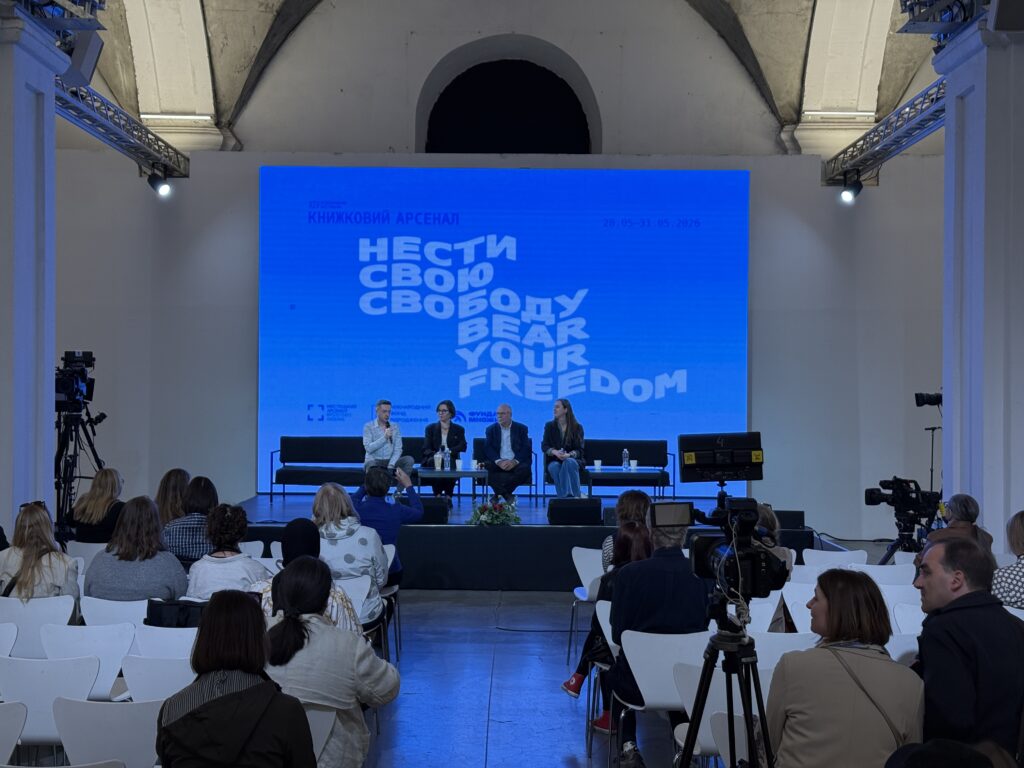
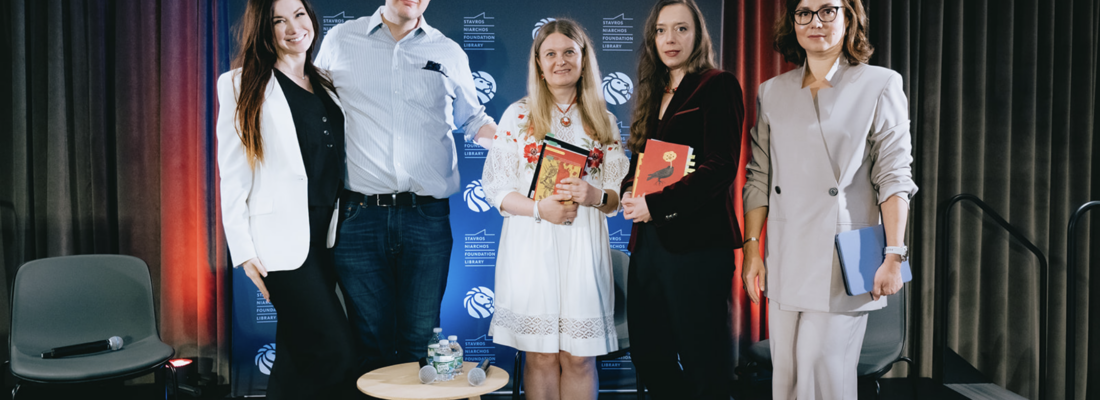
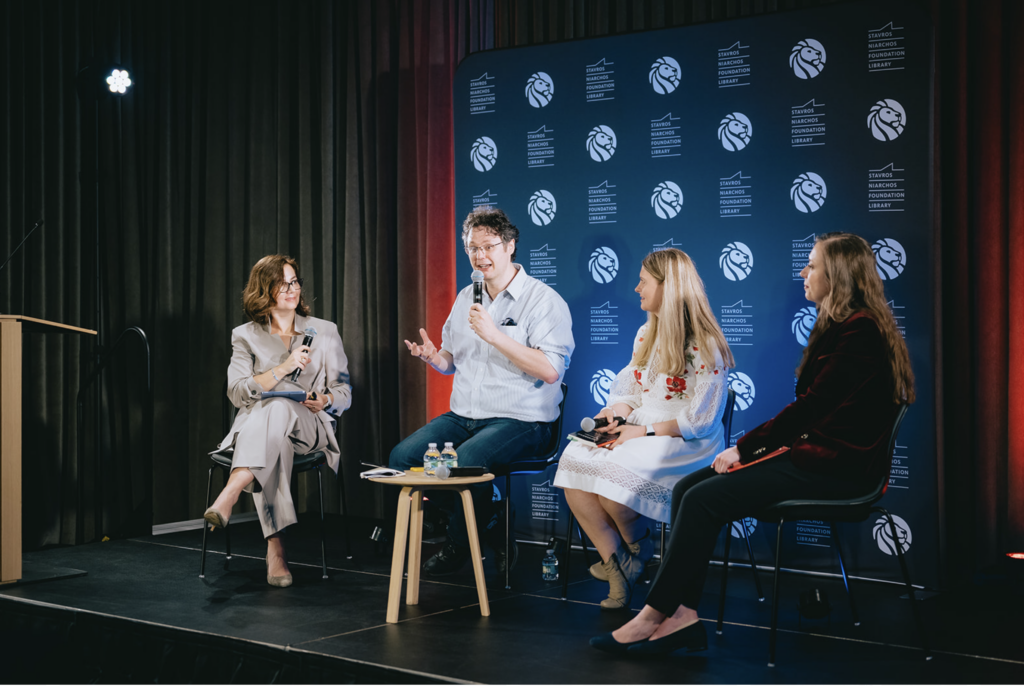
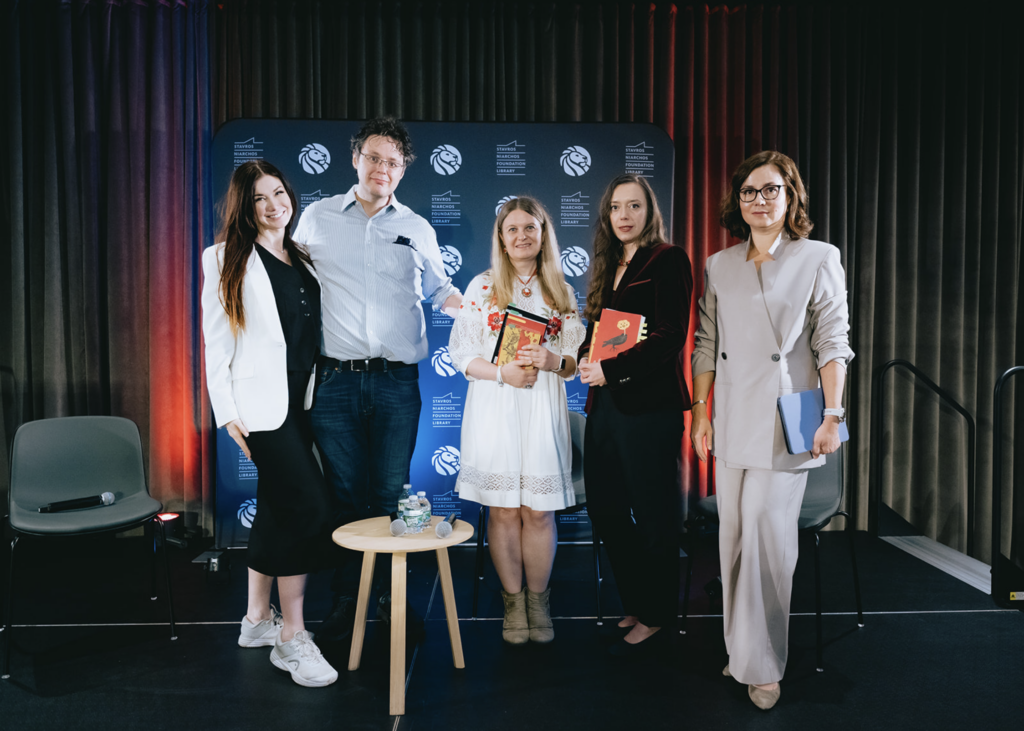
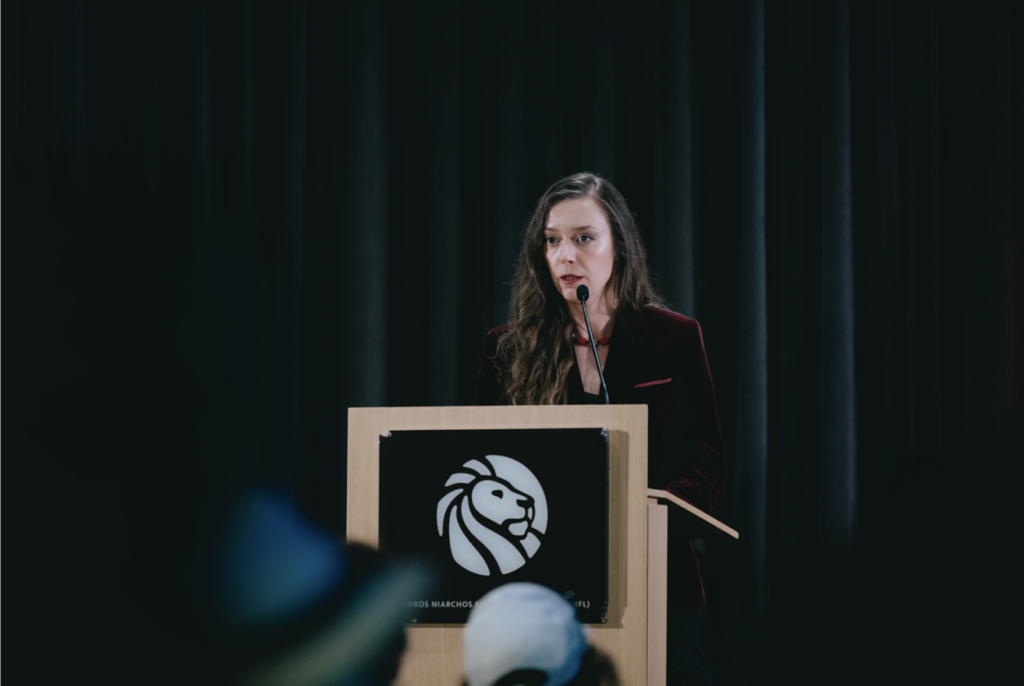
That is why at Book Arsenal, Razom brought together on the main stage a panel of people who know this market from the inside. Emma Shercliffe – a UK literary agent who has sold more Ukrainian titles to British and American publishers than almost anyone – opened by dispelling a persistent myth: people are not tired of the Ukrainian theme. One of her Ukrainian authors is currently her best-selling title. The appetite is real, extending well beyond war narratives into fiction, history, culture. Emma was unambiguous about the quality: the level of intellectual thought in Ukrainian literature, she said, is deeply stimulating, and Ukraine’s top authors hold their own against any international writers. Visibility is no longer the main problem. What remains: the near-absence of agents, the need to be strategic about which publishers you sell rights to, and a grant system that remains practically inaccessible to the larger publishers who could do the most with a book.
Maria Genkin added a pattern she keeps seeing: selling rights to the wrong American publishers – a major new novel going to an academic press that will never invest in promotion. The book comes out, nobody notices, and everyone concludes Ukrainian literature doesn’t sell. Her point was direct: do not sell global rights to a single publisher. Some of those publishers aren’t even eligible for major literary awards, which means no long or shortlisting, no reviews, no bookstore purchases, no second life for the book. Razom’s role is to act as a mediator, helping authors and publishers navigate this complicated market.
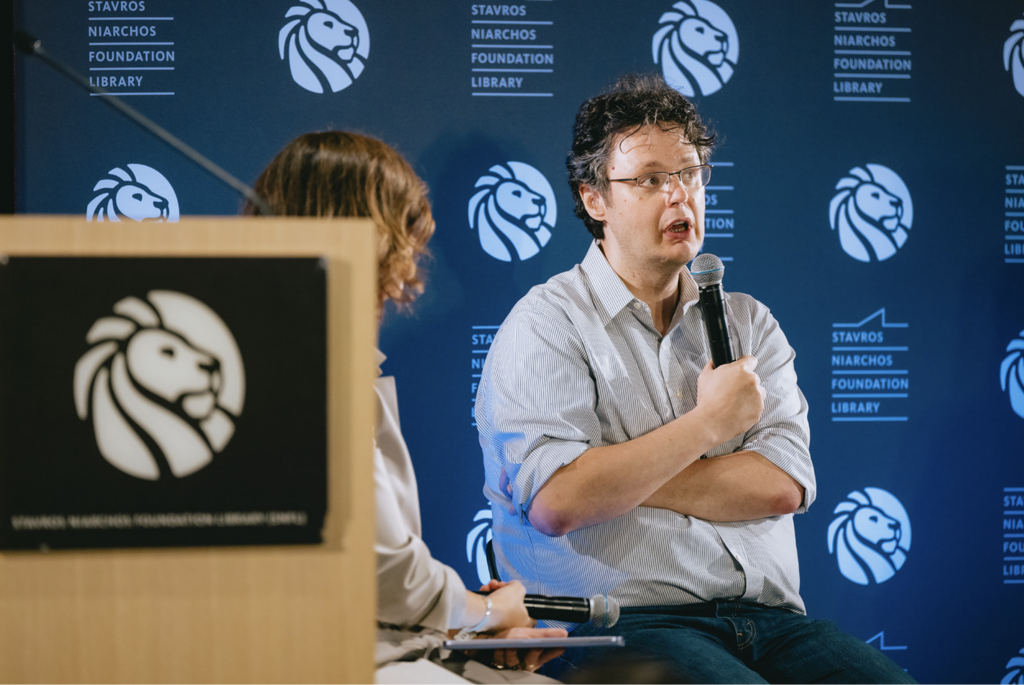
Andriy Kurkov, Ukraine’s most internationally bestselling author, drew the distinction that the UK and US markets operate by entirely different rules. The American market is its own thing – more closed, slower to warm up. Kurkov knew this firsthand: his first attempt in 2001 failed not because of the books, but because the publisher did nothing. If a publisher isn’t investing in promotion, books don’t reach shelves. If books don’t reach shelves, nobody finds them. The logic is circular and self-defeating, and it has nothing to do with the quality of the writing. His second attempt in 2018 worked: “The goal is always to arrive and stay. And if you’ve got in and stayed, that’s already a great victory.”
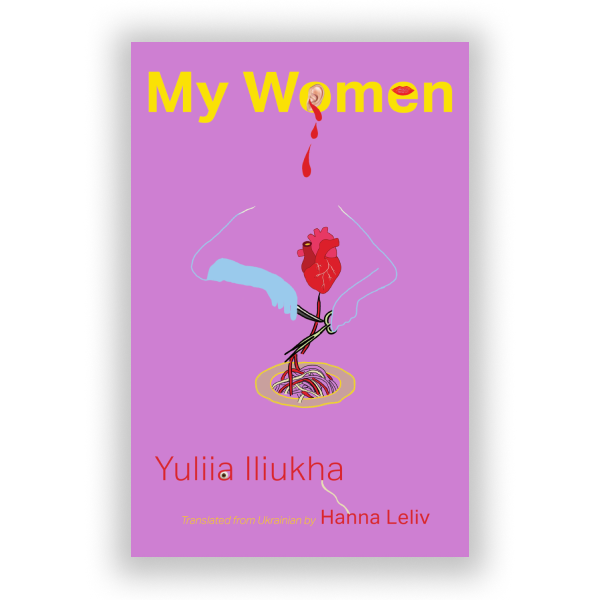
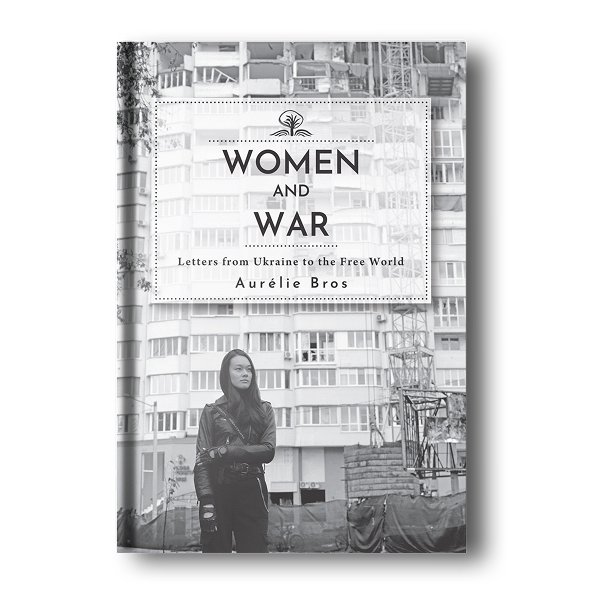
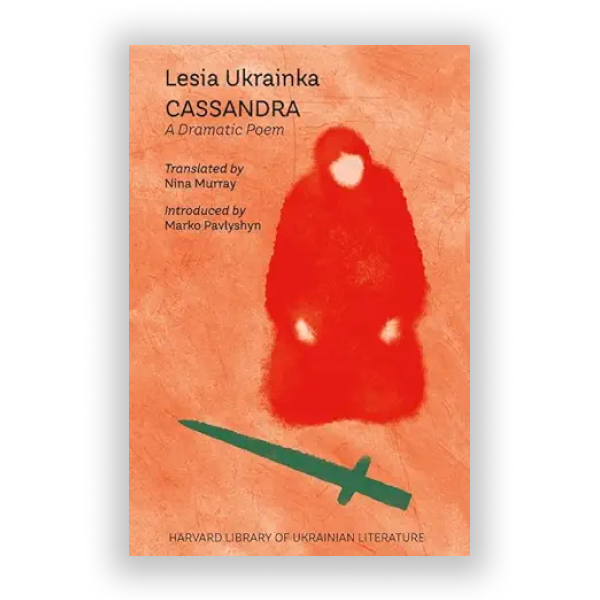
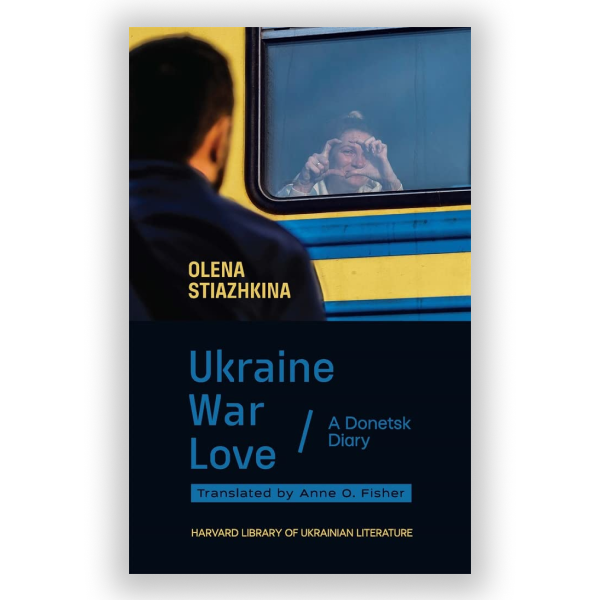
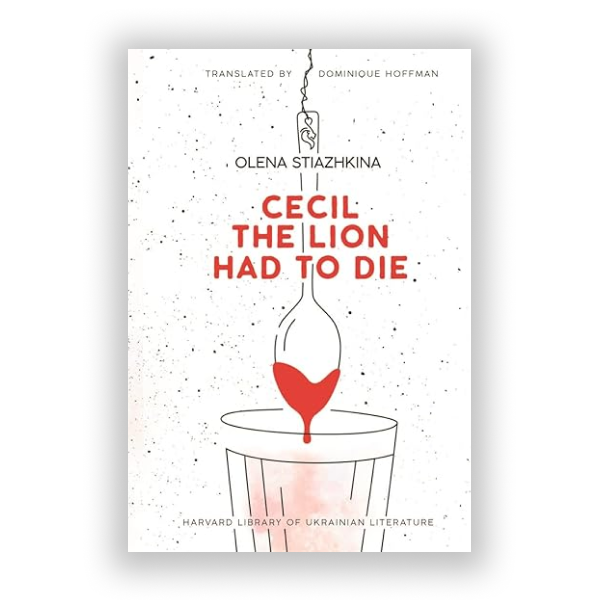
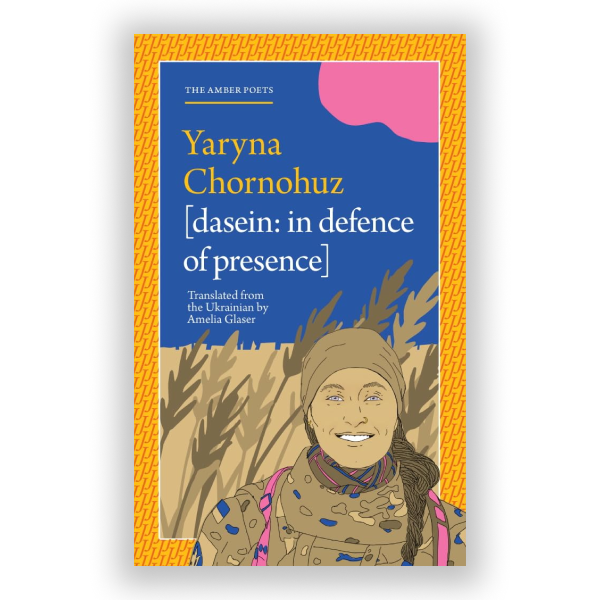
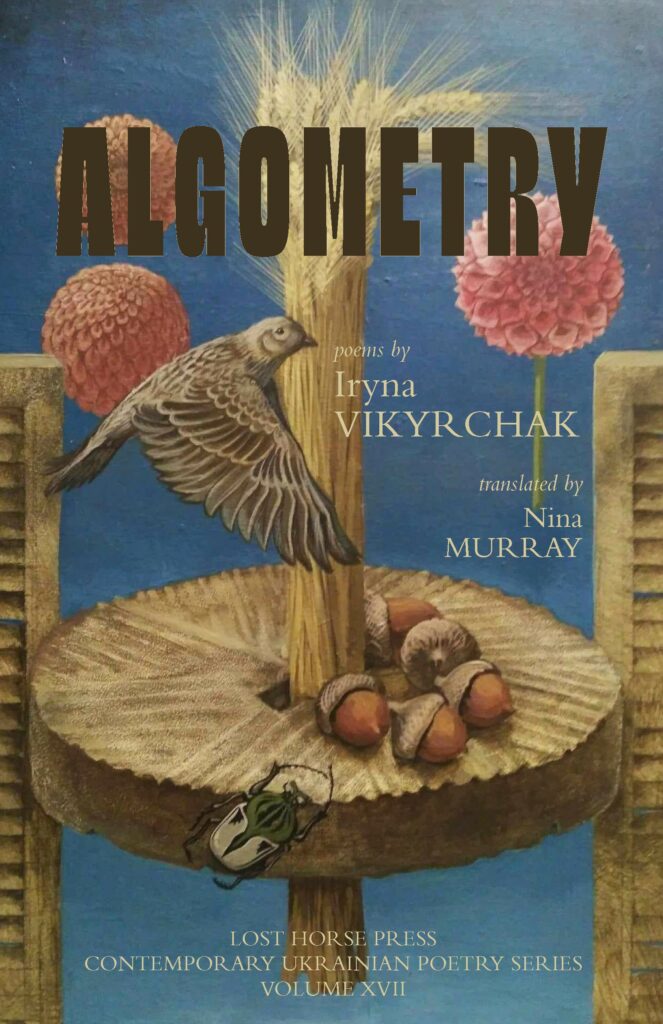
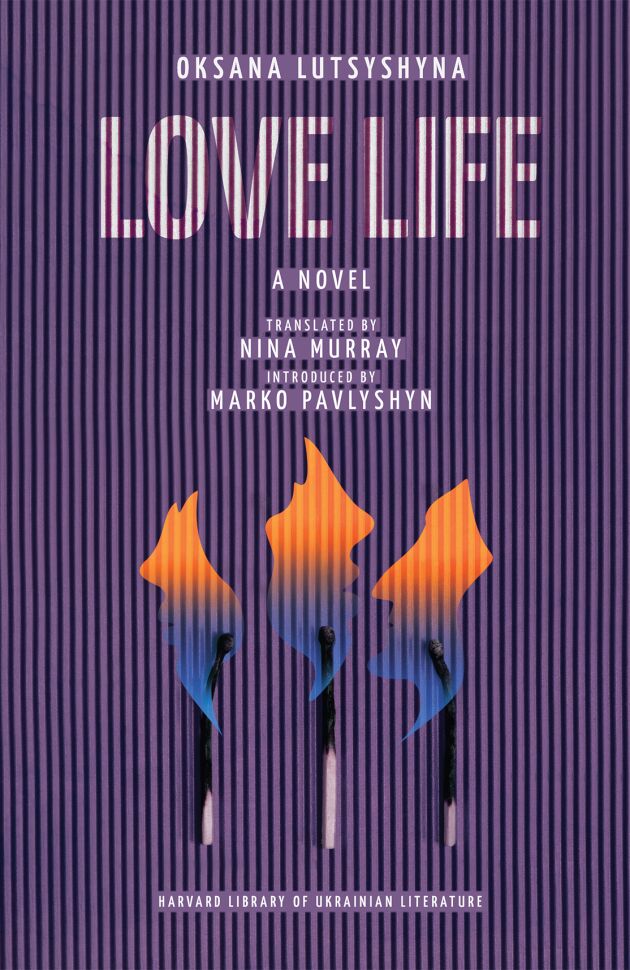
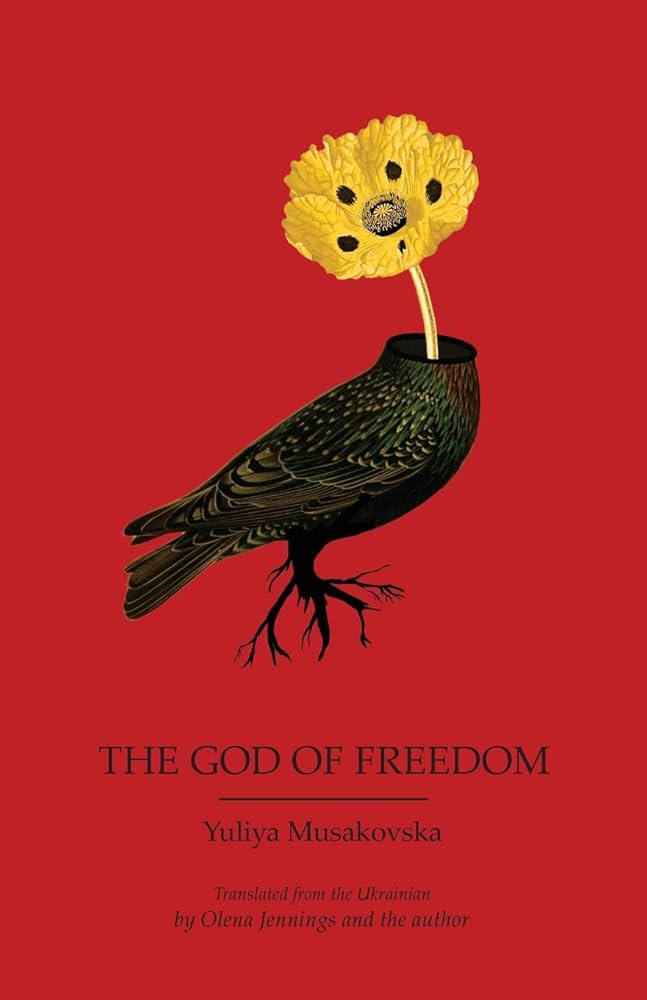
I concluded with what I see as the core problem: the absence of a self-sustaining infrastructure where every part of the system does its job. The real question is delivery: how does a great Ukrainian book actually get onto bookstore and library shelves, and stay there? Here is what Razom is doing about it. We invest in translators as a profession through mentorships, the new Razom Translation Award, and partnerships with leading literary translation institutions in the US and UK. We offer translation grants that are accessible to larger publishers precisely because we don’t require a book to be completed and published within a single year – the constraint that makes most grant programs unworkable for major presses. To date, we have supported eight books; several high-profile titles are coming from major presses in 2027 that would not exist without Razom’s involvement. We also support promotion and, this year, editing – unique among grant programs. And through Chapter Ukraine, we build communities of readers in libraries, universities, and grassroots organizations who advocate for Ukrainian books from the ground up.
Every literary tradition that reached the world stage arrived with a new artistry and language for it – one that captured a reality the world hadn’t yet found words for. The stream eventually broke through its geographical borders and became universal. Ukrainian literature has already formed that language: raw honesty, fragile heroism, self-reliance, a direct way of looking at what most literature looks away from. The current is moving. Is the American reader ready to meet it?
_______________________________________________________________________
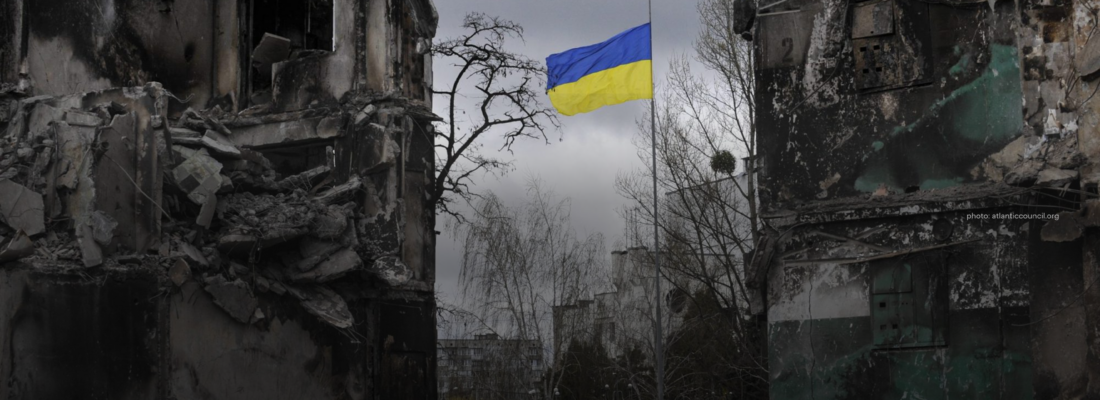
P.S. As I am finishing this letter, the news came in: Russia struck the Kyiv Pechersk Lavra – the 11th-century cathedral that is a UNESCO World Heritage site – setting its roof on fire while monks and rescue workers formed human chains to save the icons. As firefighters were still battling the blaze, a second strike hit Mystetskyi Arsenal, the building where Book Arsenal takes place. The Dovzhenko National Film Studio was also hit, destroying Ukraine’s largest and oldest costume collection, 100,000 garments, gone. Once again, Russian aggression deliberately strikes Ukraine’s cultural heritage.