Dear friends of Razom,
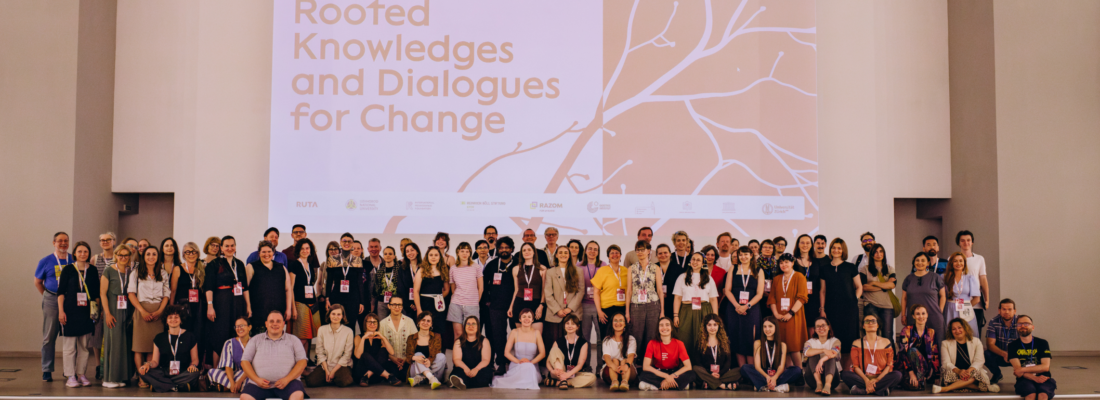
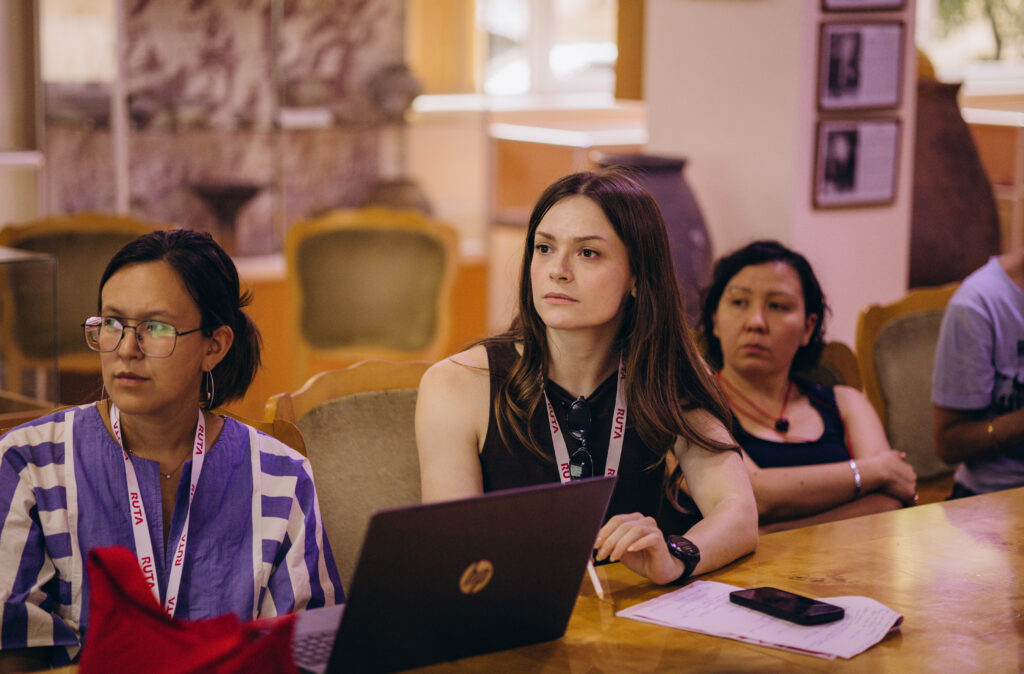
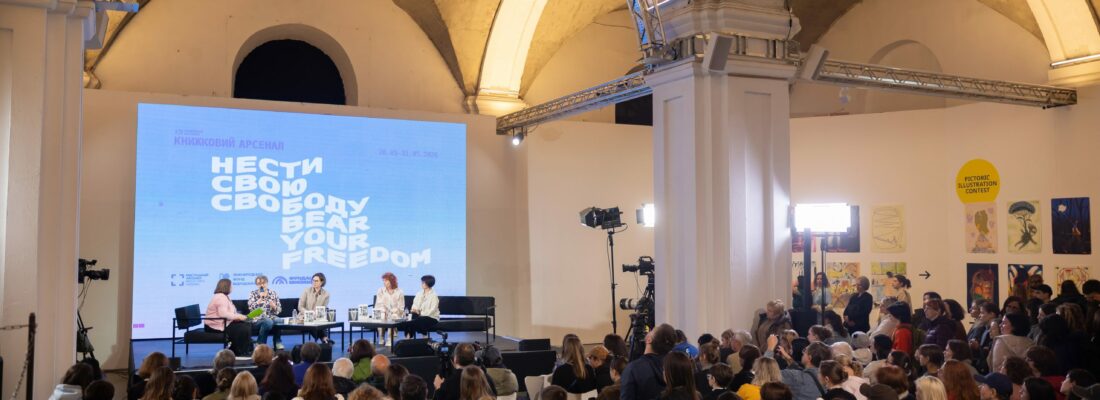
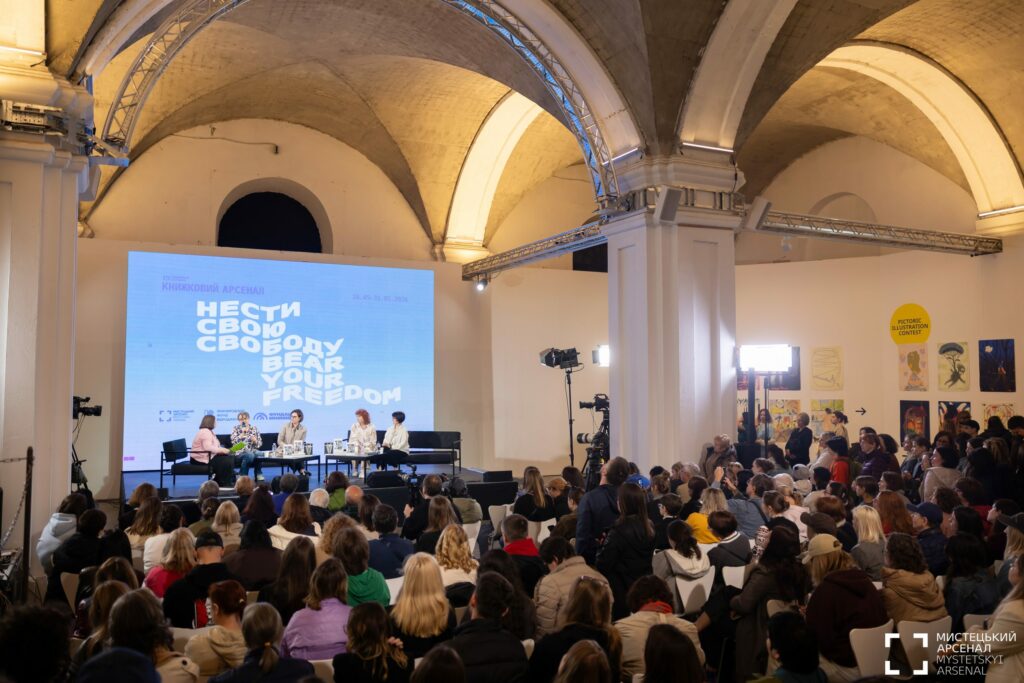
This is Kateryna Kazimirova, Razom Literature Program Lead, and I want to take you with me to Kyiv, where last week of May, under skies that couldn’t decide between sirens and the heavy bloom of peonies, one of the most important literary events in the world took place.
But first, let me tell you why I’m the one writing this letter.
Growing up in Donetsk, I was fortunate to be surrounded by books, the people who wrote them, and brilliant teachers who introduced me to both. I went to study literary theory, later taught it, built a life inside Ukrainian literature, and took for granted that this world mattered beyond its own borders. Then, in 2014, Russia occupied my home and succeeded not only in seizing territory, but in imposing its fiction – about Donbas, about Ukraine, about who belonged where. I watched it happen with two kinds of grief: the obvious one, along with a quieter realization that Ukraine’s writers, the people I considered heroes, were unknown outside my world.
Why did so few people know the writers who had shaped me? How could a nation with such a rich literary tradition remain so invisible abroad? Most importantly, in light of all that happened, how are we going to change that?
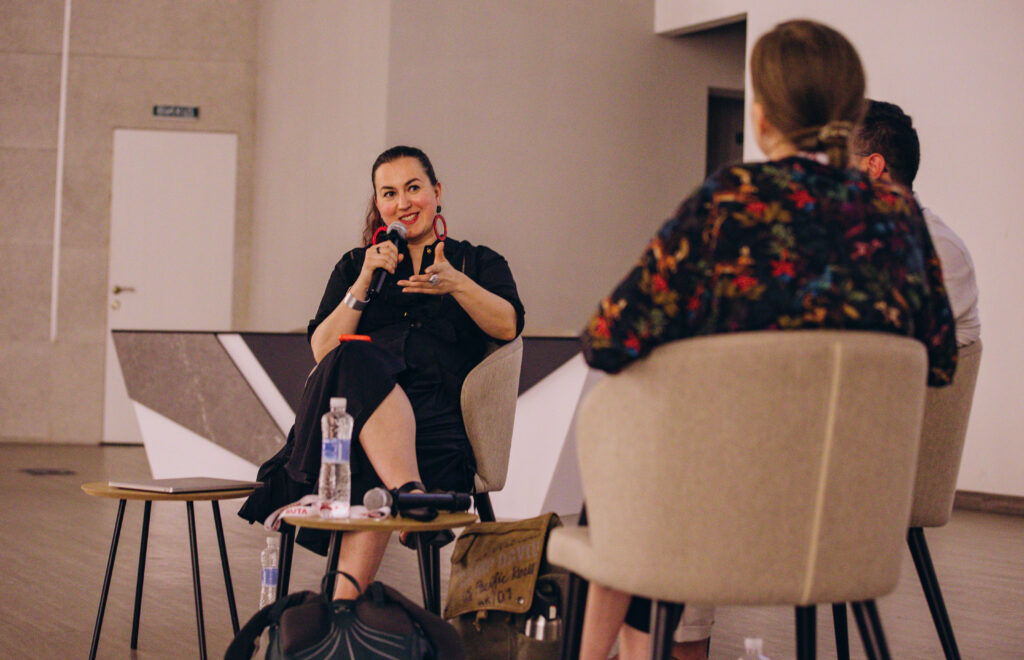
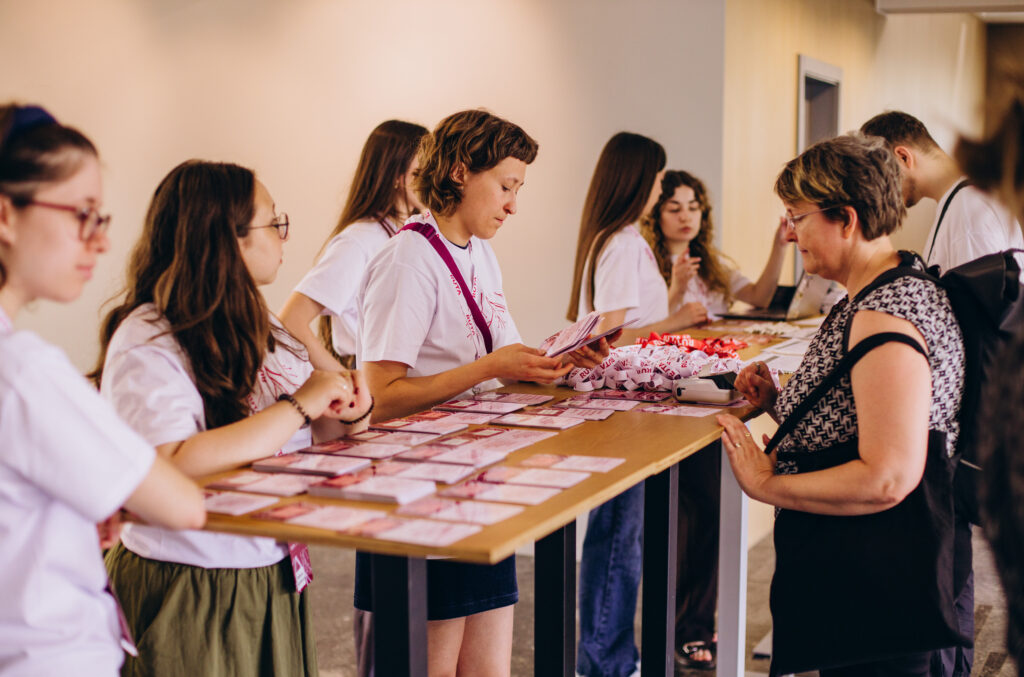
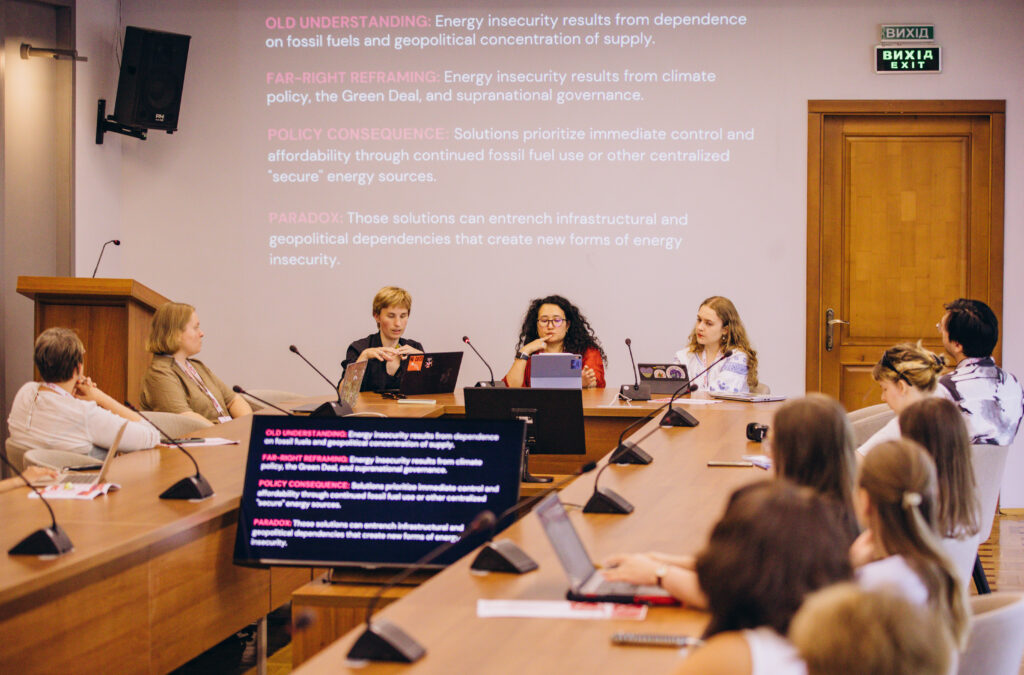
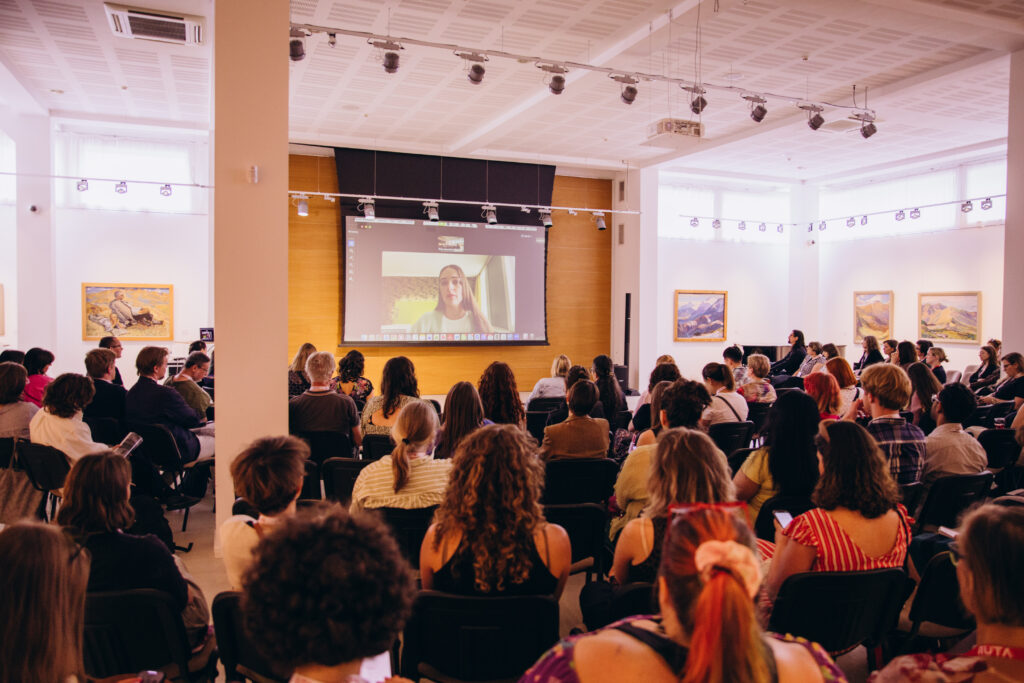
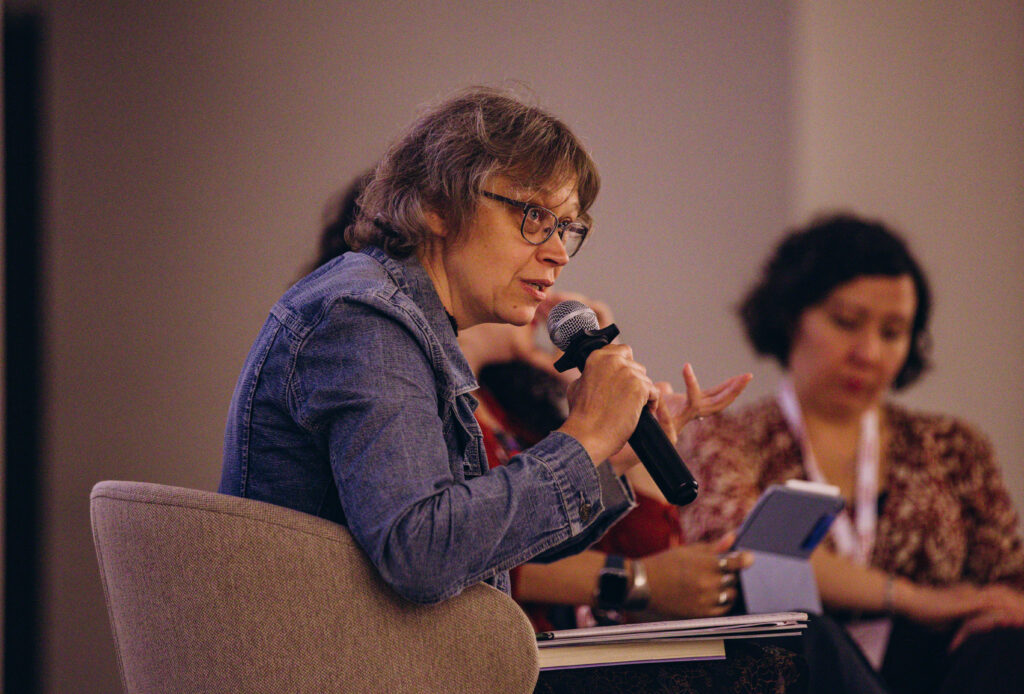
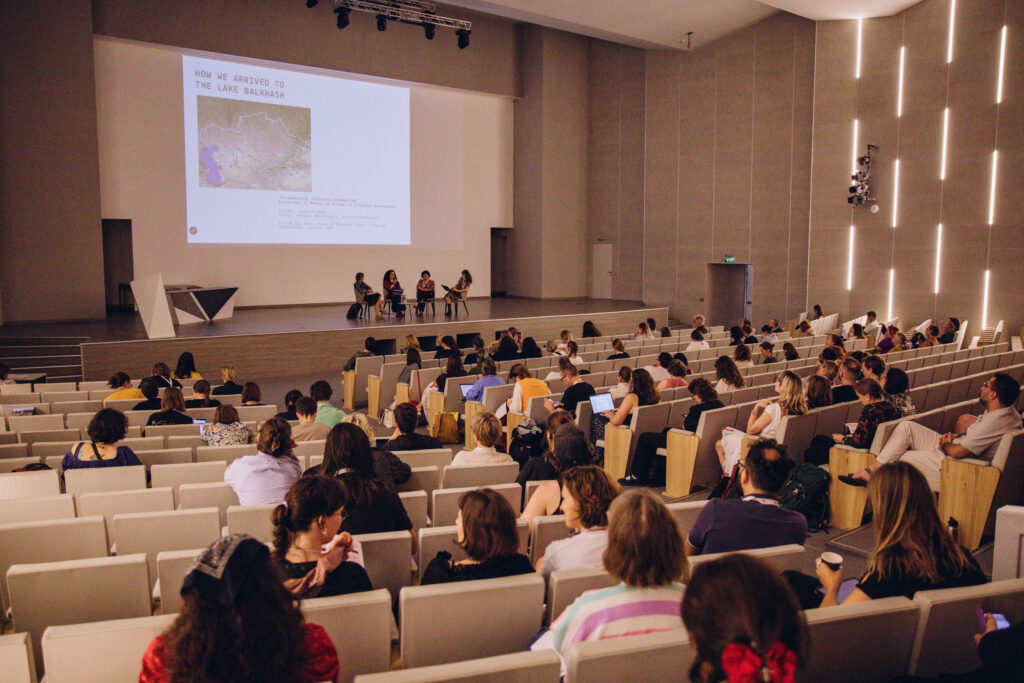
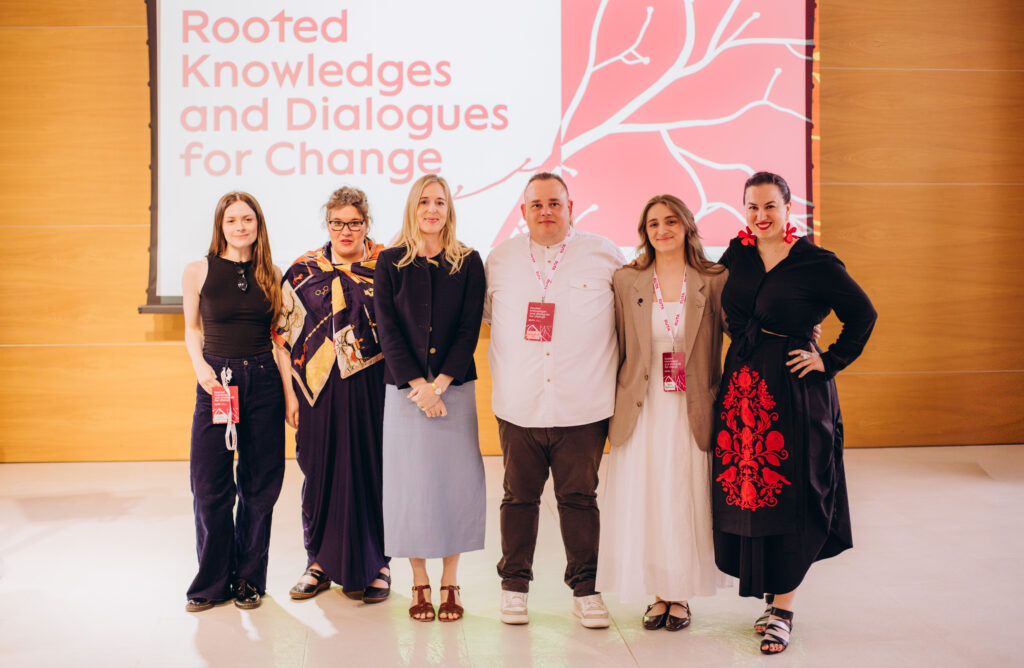
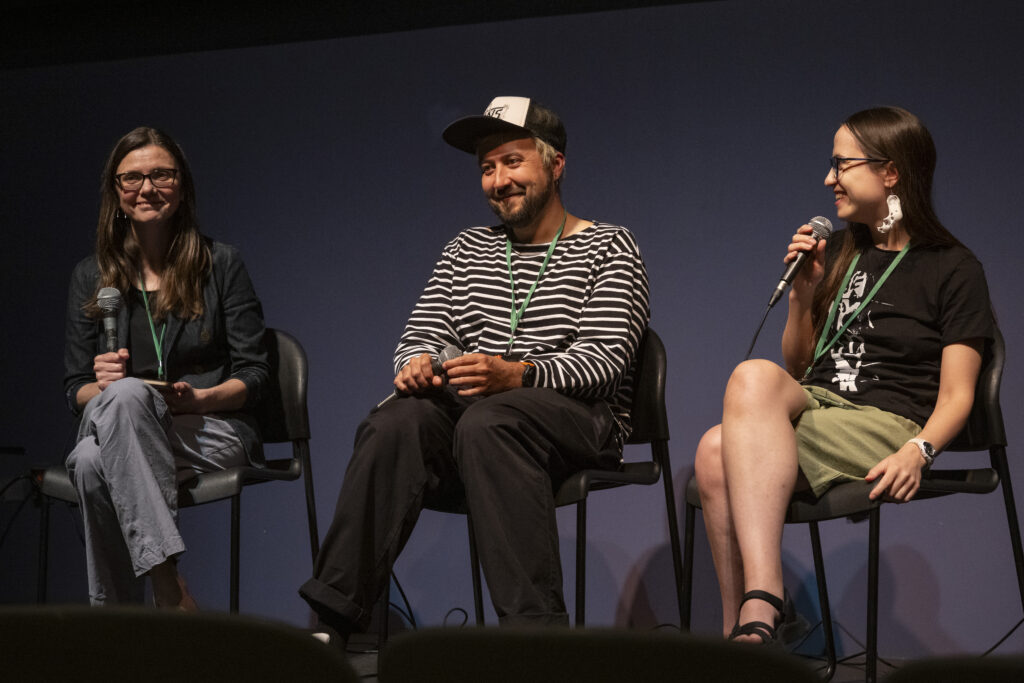
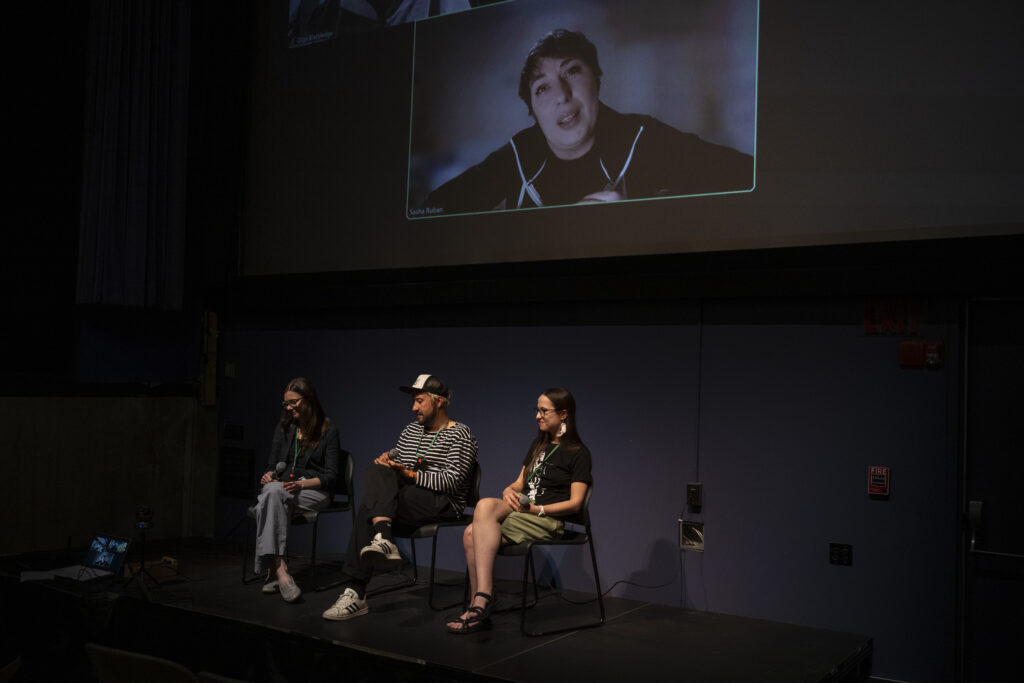
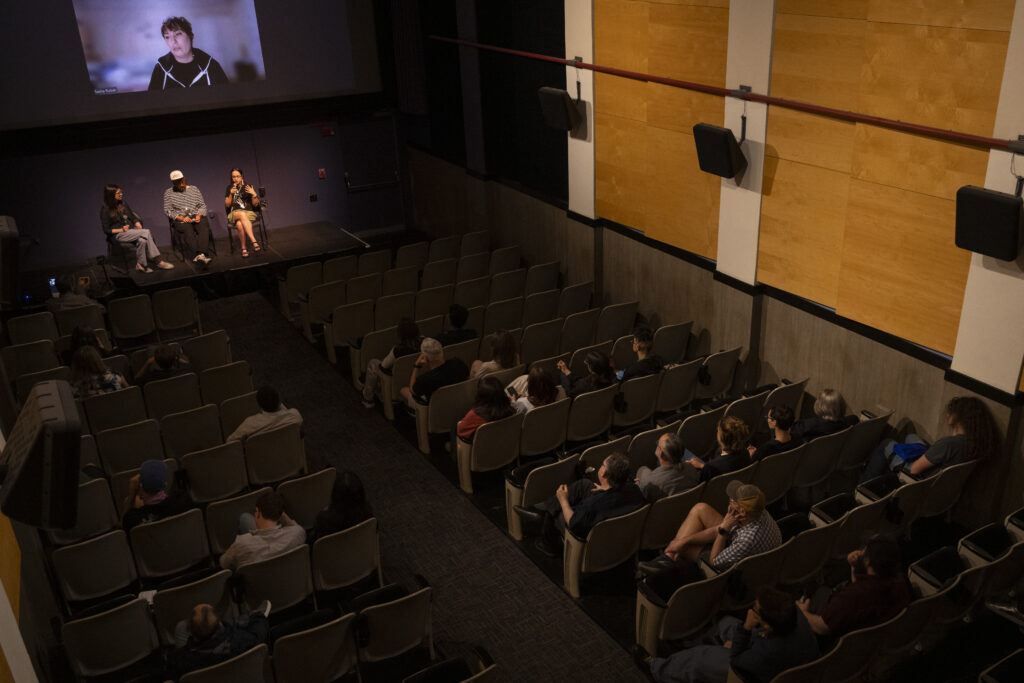
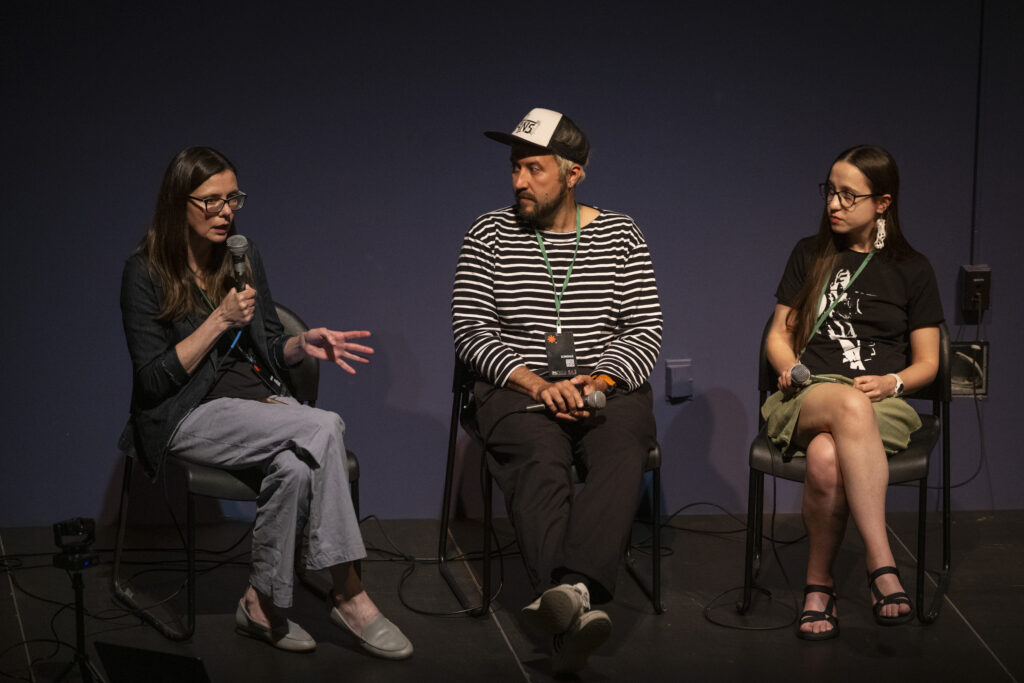
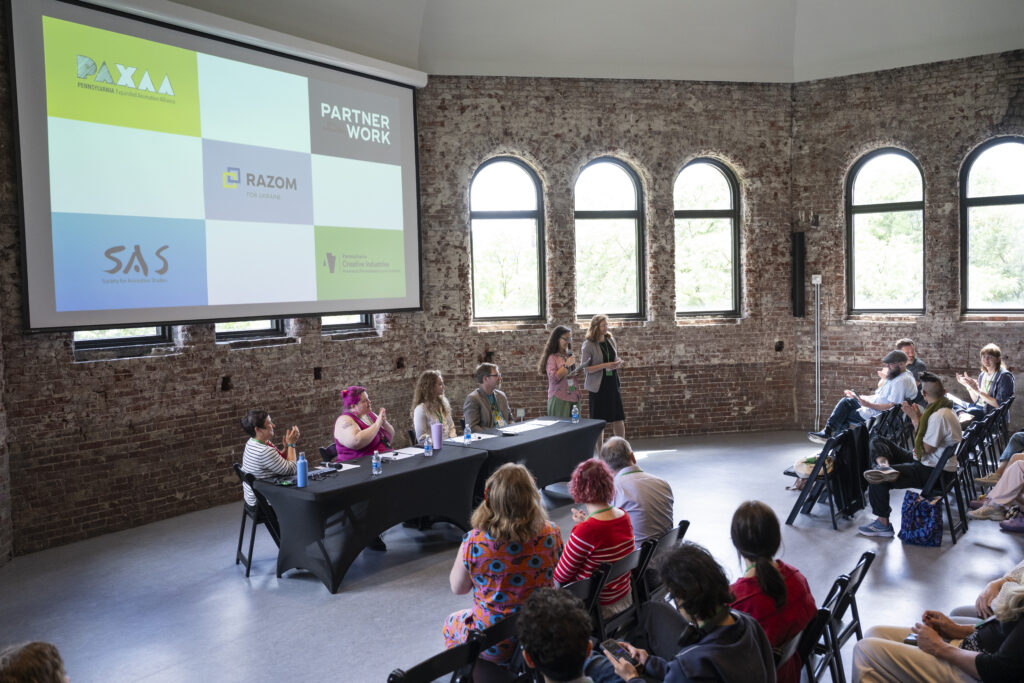
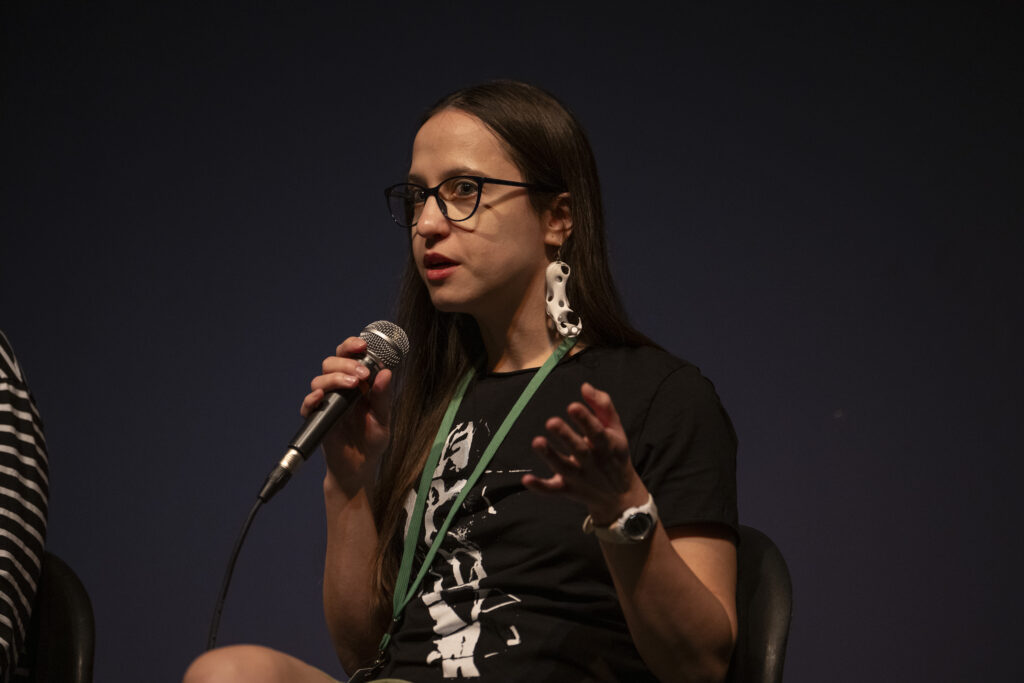
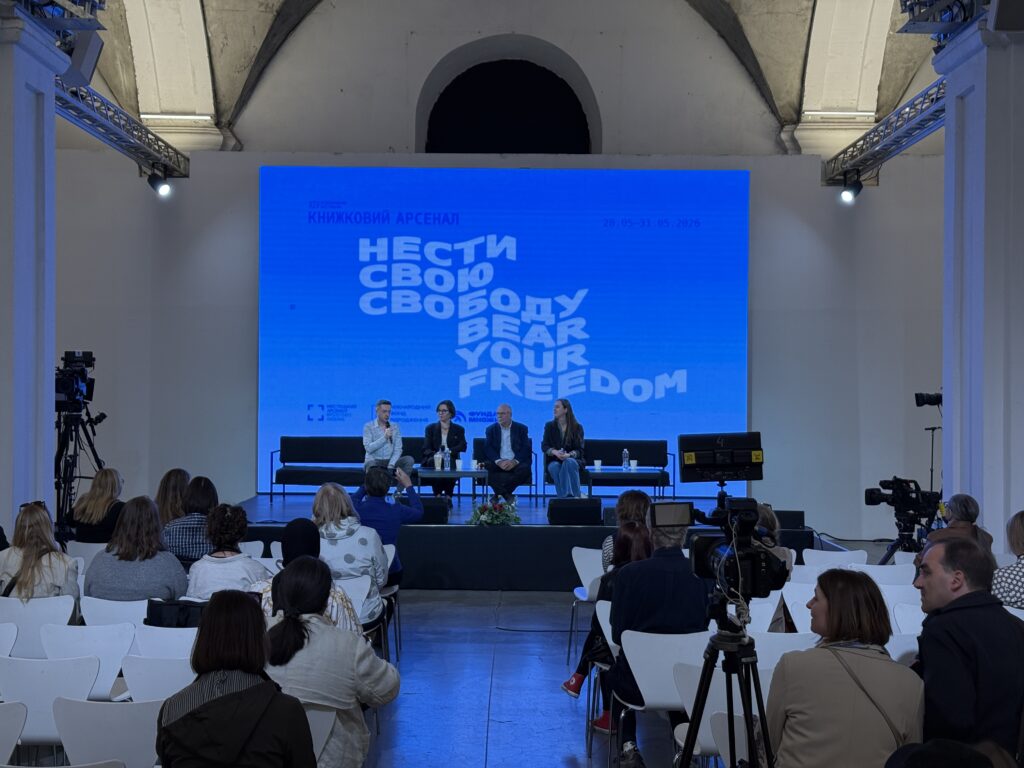
For the last decade, already in Kyiv, I had been trying to do my part by running a literary journal, and creating innovative tools to promote Ukrainian culture like Chapter Ukraine. Now I have joined Razom to expand our shared mission of helping the world discover Ukrainian literature. This year, I came back to Arsenal on behalf of Razom to participate in the festival and organize a panel on one of the questions I think about most: what actually stands between Ukrainian books and anglophone readers?
An Arsenal of a Different Kind
When I call it the best literary festival in the world, this is not only my sentiment. In 2019, Book Arsenal was recognized as the world’s best literary festival of the year at the International Publishing Industry Excellence Awards organized by the London Book Fair. It has been running annually since 2012, skipping only twice: during the pandemic outbreak and the year of the full-scale invasion. It came back in 2023, grew to 35,000 visitors in 2024, and, like Ukraine, is stronger every year since.
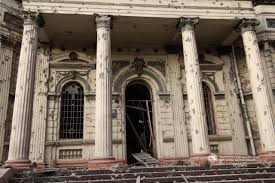
Why “Arsenal”? The building where the festival takes place was originally built in 1783 by imperial decree as a weapons depot – a fortress-like structure with walls six feet thick, covering nearly twenty-five acres in the heart of Kyiv. But the ground it stands on is older than that: the site was a 16th-century convent, whose most prominent patron was the mother of Hetman Ivan Mazepa – the Ukrainian leader who defied Peter I and became a lasting symbol of resistance to Russian rule. The empire demolished the convent and built an arsenal in its place. Ukrainians eventually took the arsenal back and filled it with books instead.
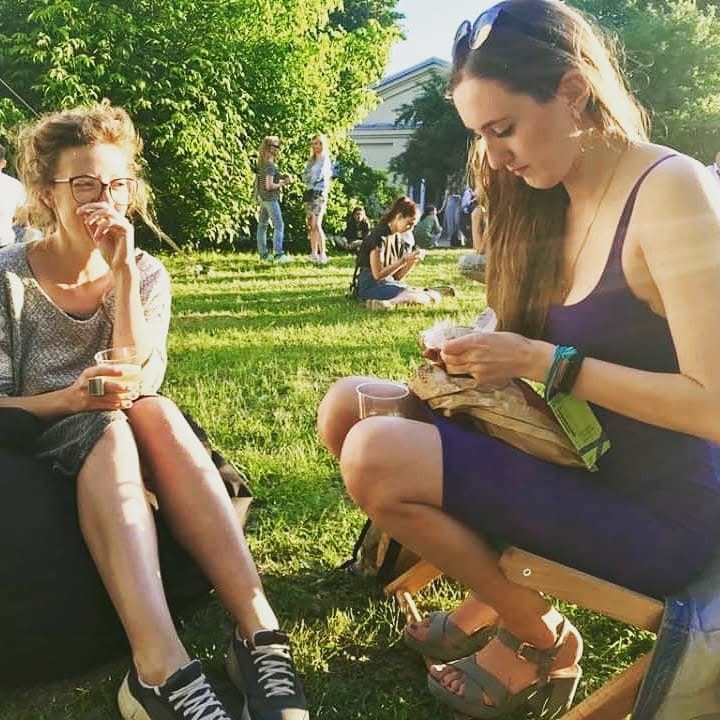
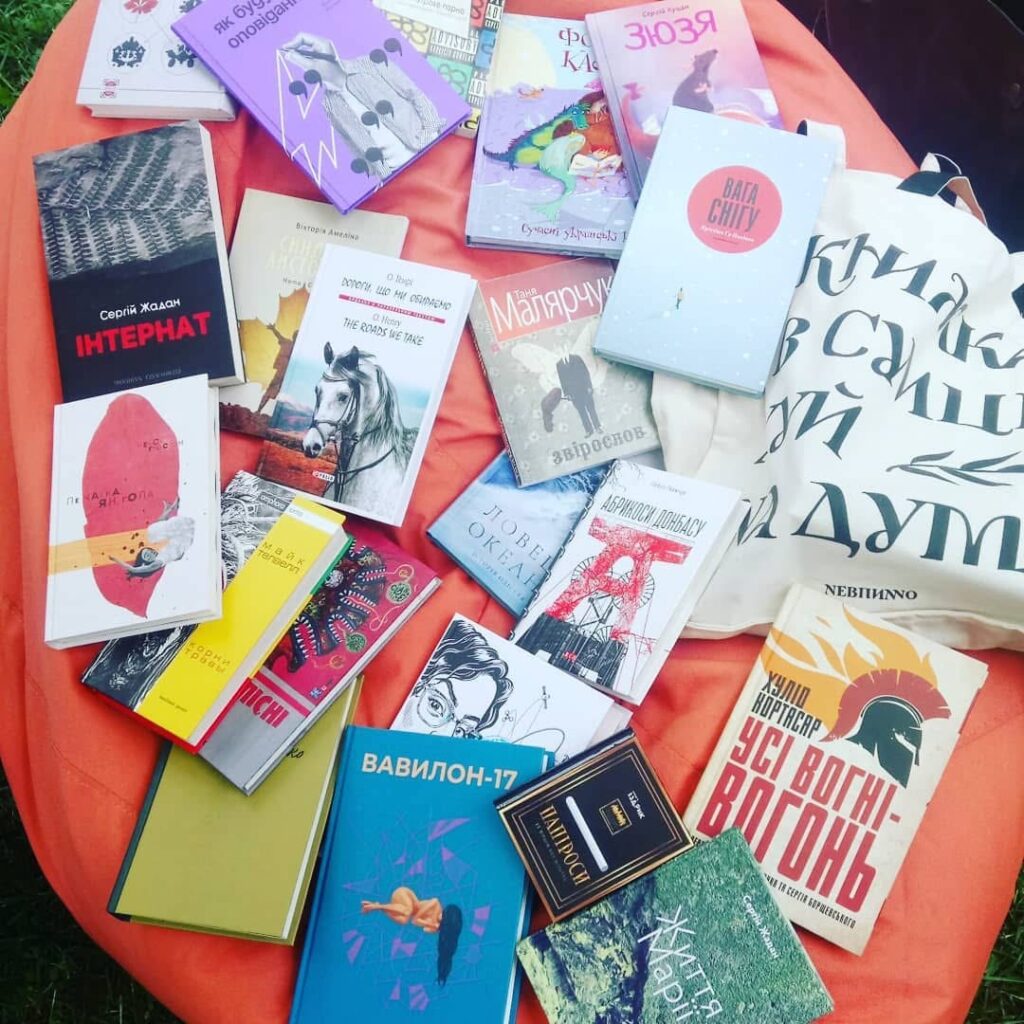
My own Arsenal story started in 2015, when I fled Donetsk to Kyiv and found, once again, what I had lost: a community of booklovers and cultural professionals that felt like home. In the years when I wasn’t working in culture full-time, I would take a week off work just for the festival, spending days discovering new books, listening to authors, panel discussions, and then finding friends in the garden as the evening came, reading poetry to each other and talking for hours.