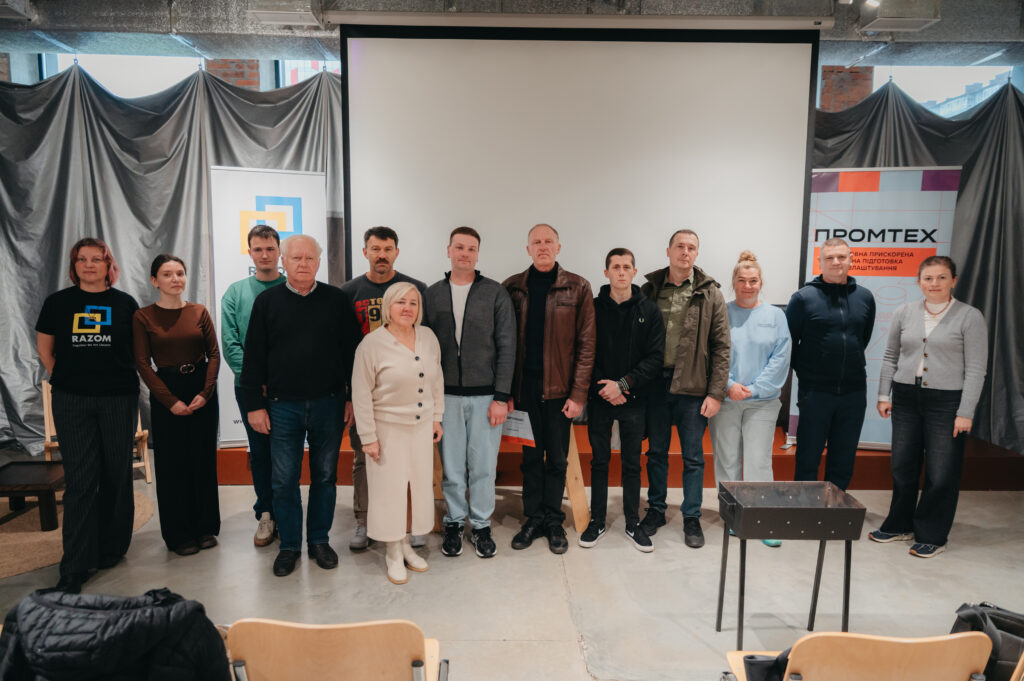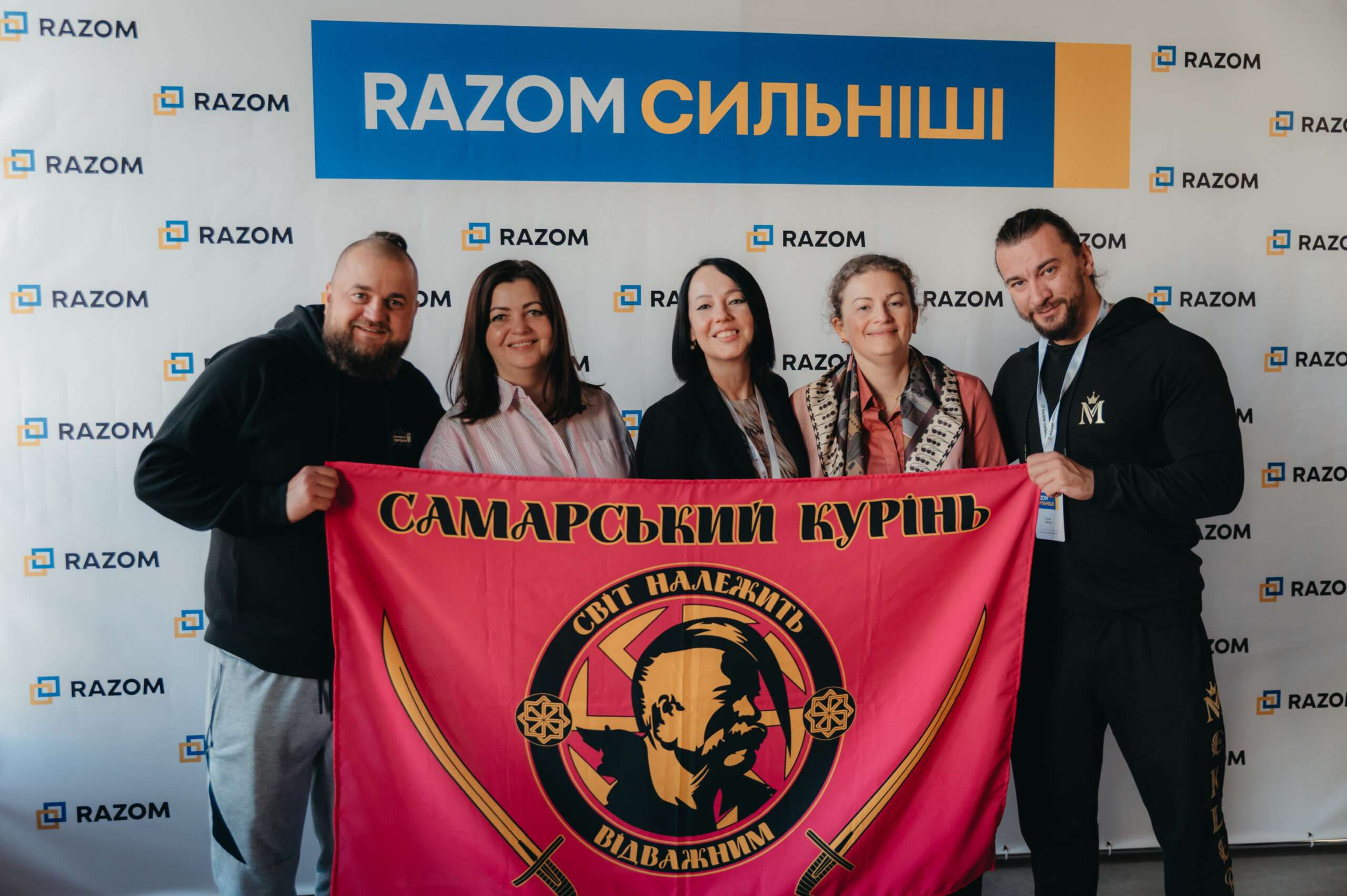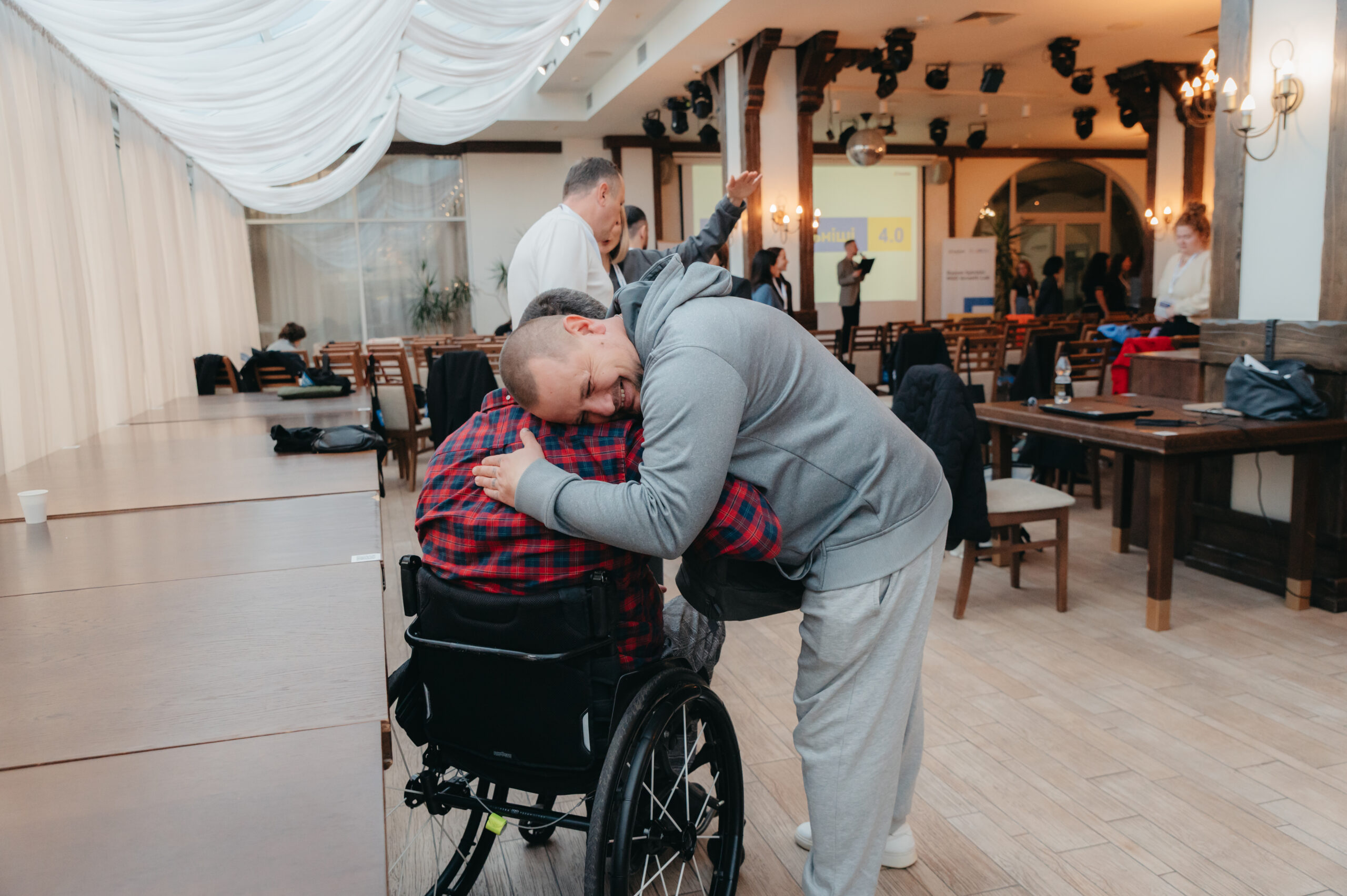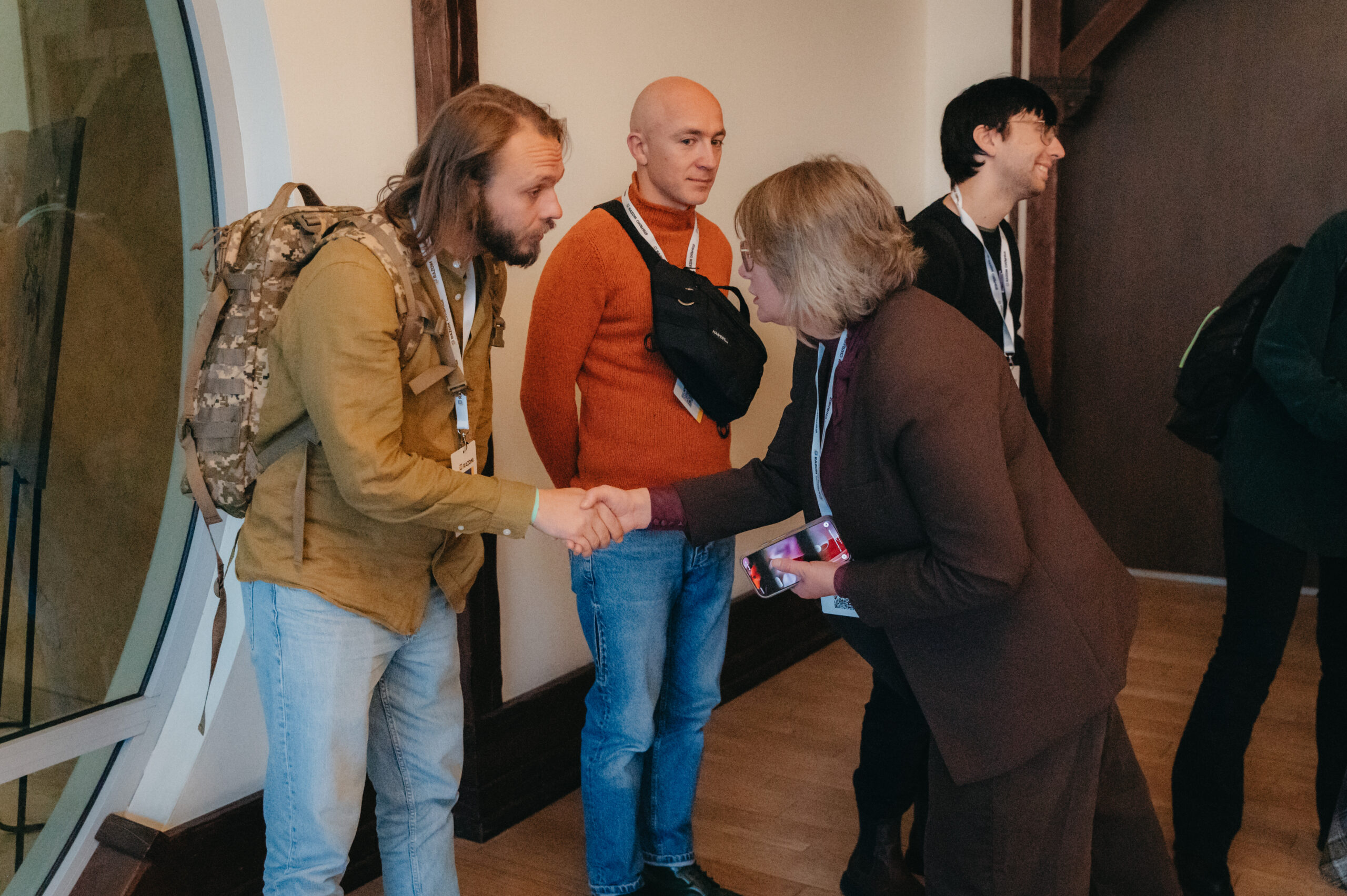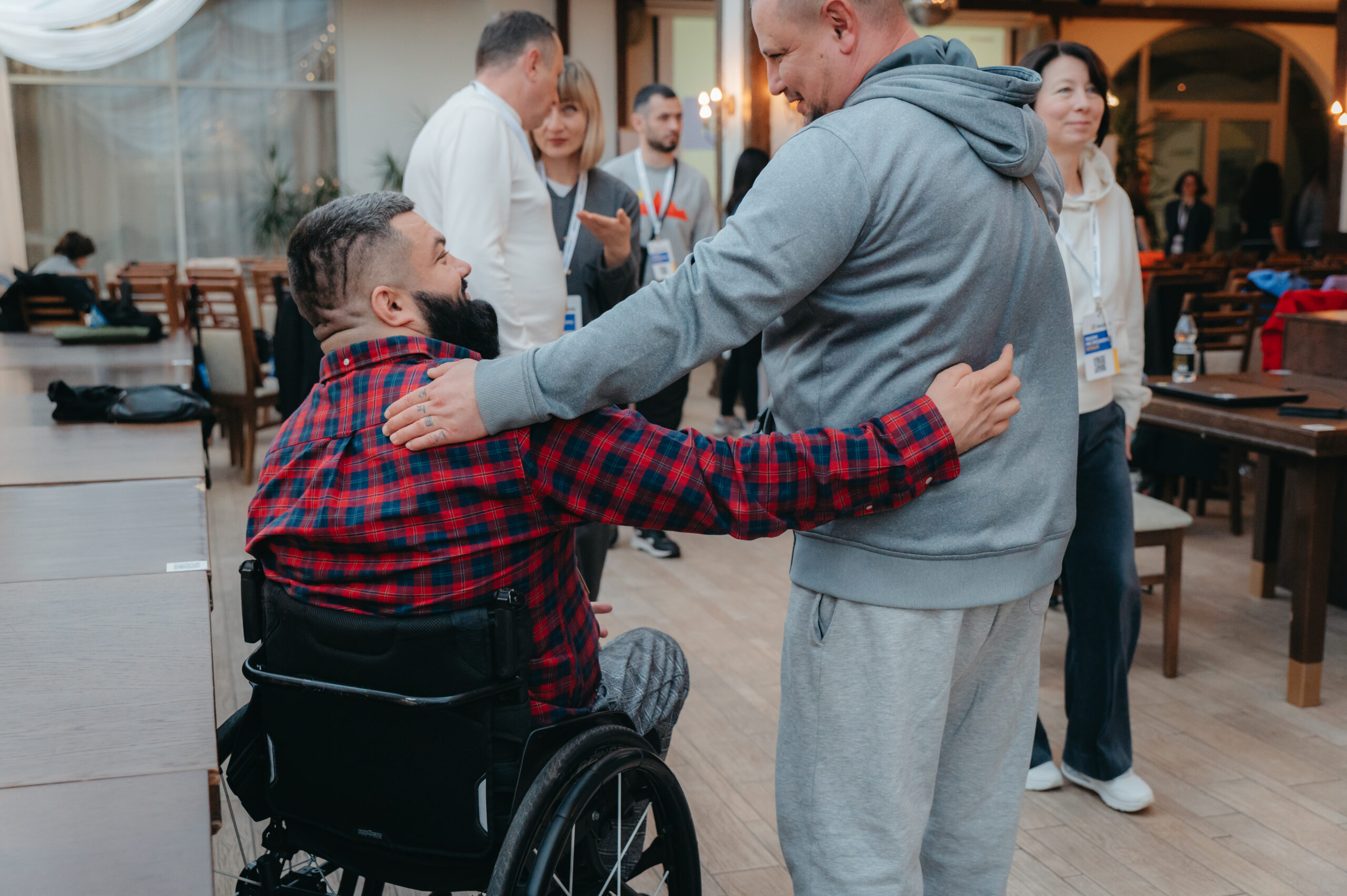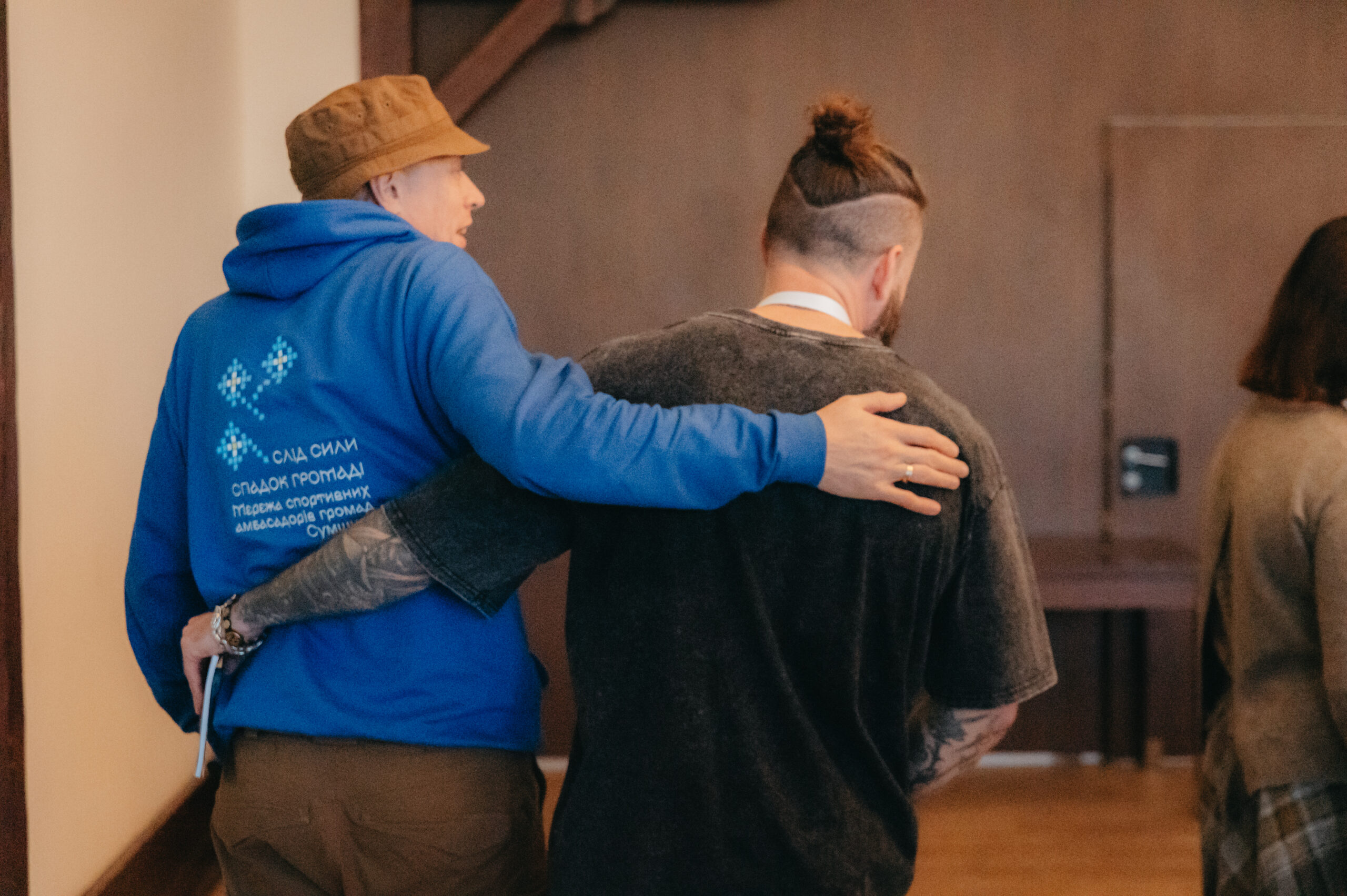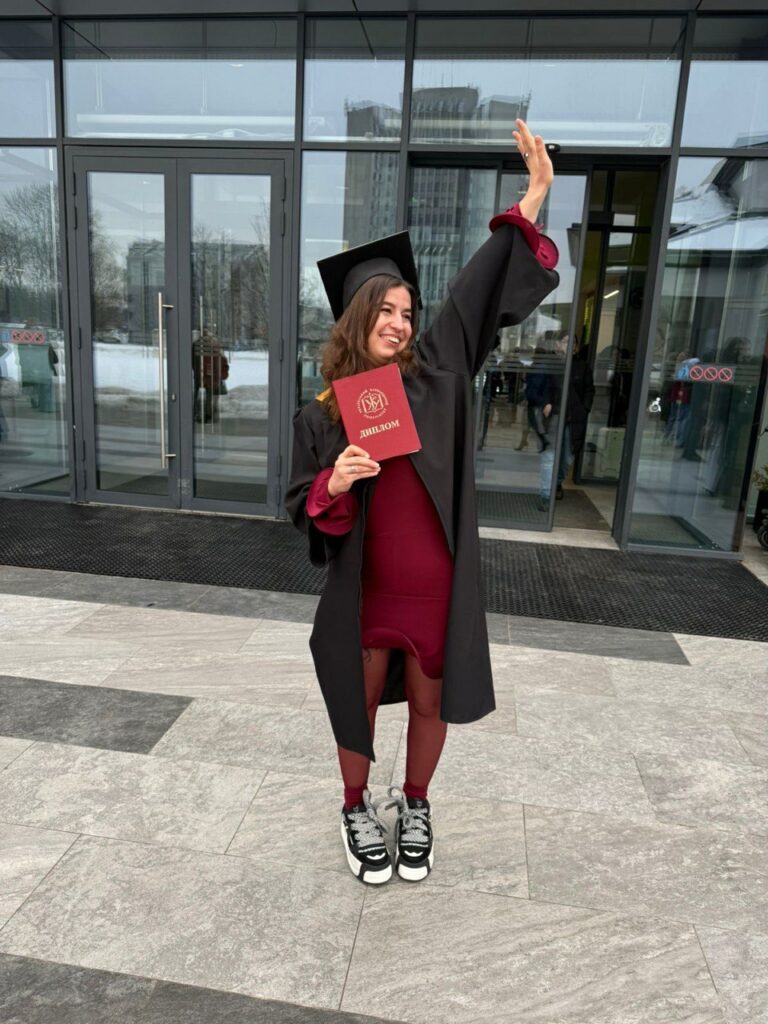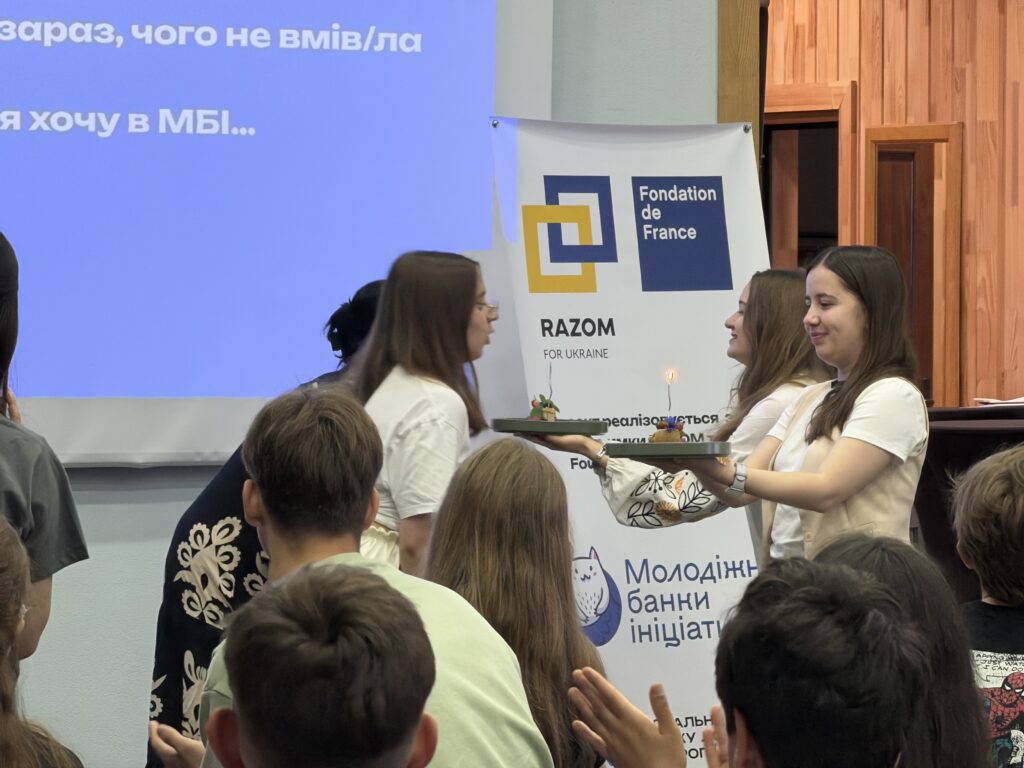

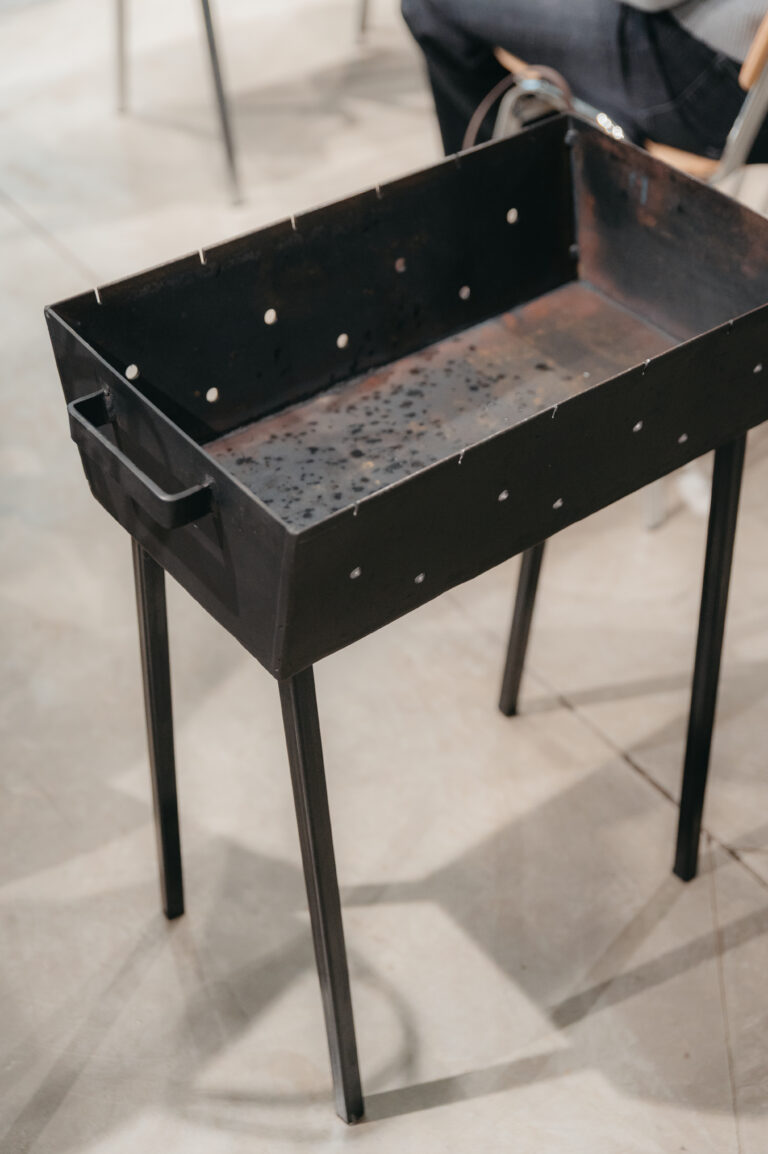
At the graduation ceremony, students bring out… a barbecue grill. They joke that it’s their final exam, fitting for a group that has just completed a welding course.
In welding, every joint needs to hold strong. The same is true of a country’s economy. Ukraine has plenty of work to do, but not enough workers to do it. Some Ukrainians have left the country, while others have left their jobs to defend Ukraine.
That’s why Razom supports the Prymprylad Charitable Foundation’s PromTech educational initiative, which offers short-term training programs to prepare skilled workers for today’s manufacturing industries.
Russia’s war against Ukraine has forced many industrial businesses to relocate to the country’s western regions. At the same time, the defense industry is expanding and construction is picking up. All of these sectors need skilled workers.
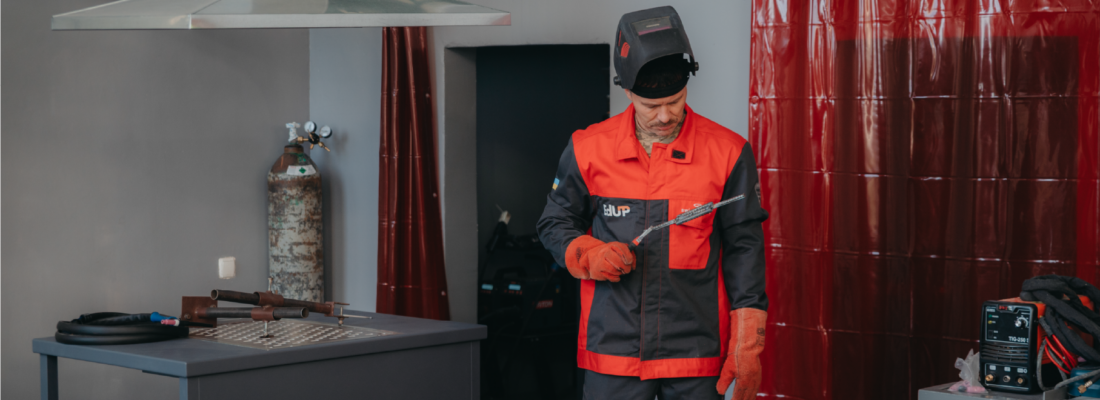
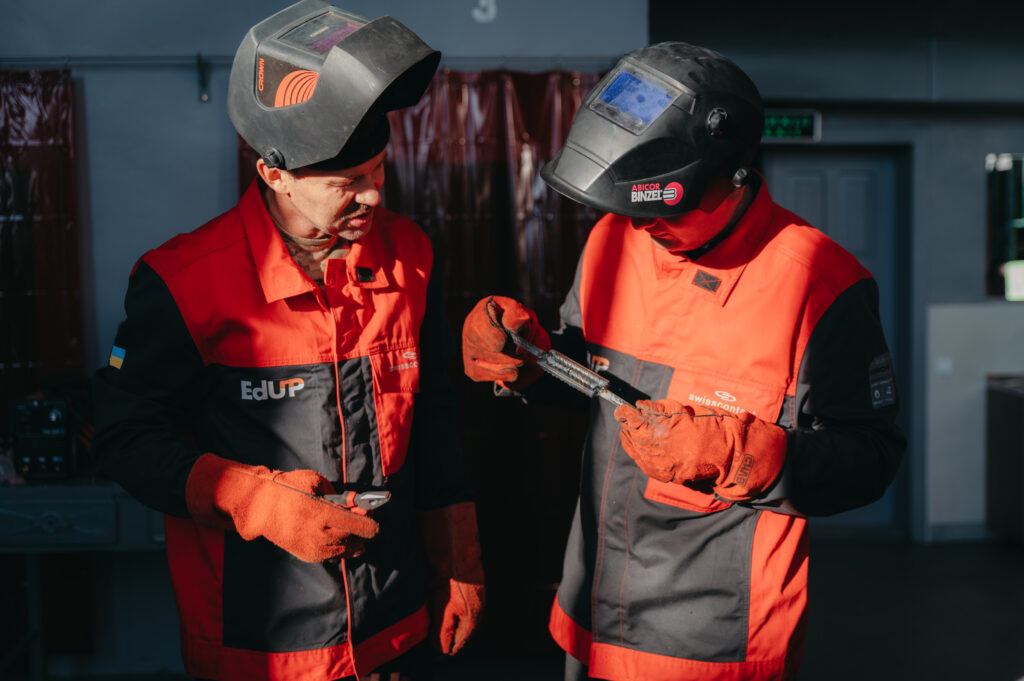
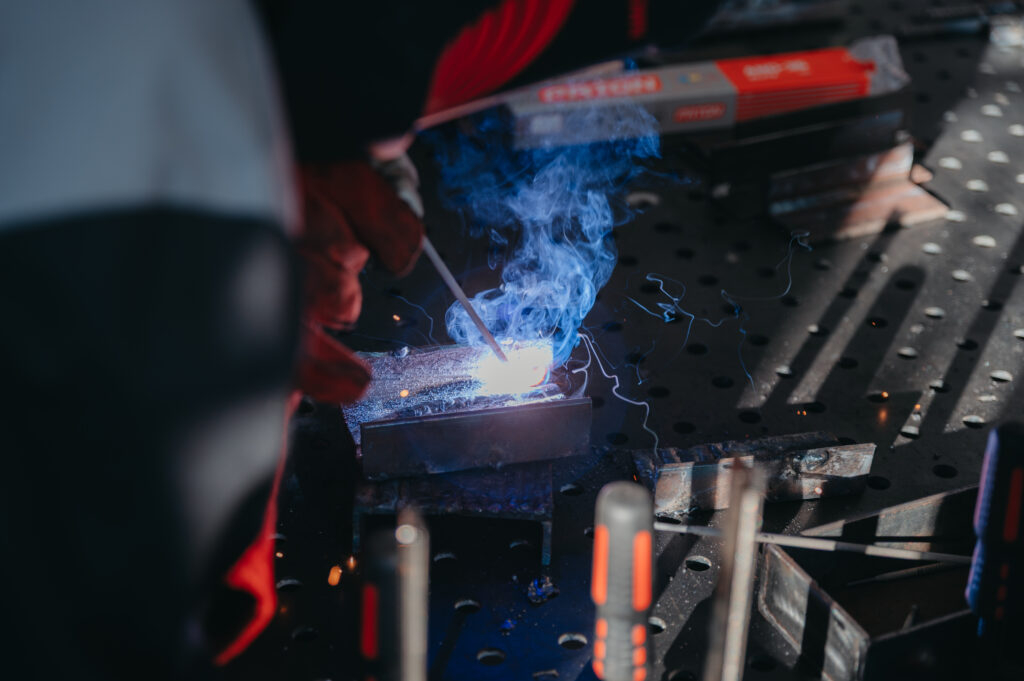
Ten participants completed 80 hours of welding training at the Ivano-Frankivsk Construction Vocational School. The program covered three main welding techniques: manual metal arc welding (MMA), gas metal arc welding (MIG/MAG), and gas tungsten arc welding (TIG). Students began with safety procedures, materials, and welding technology. Then they moved on to hands-on practice, learning to strike and maintain an arc, create even welds, and make butt and fillet joints in different positions.
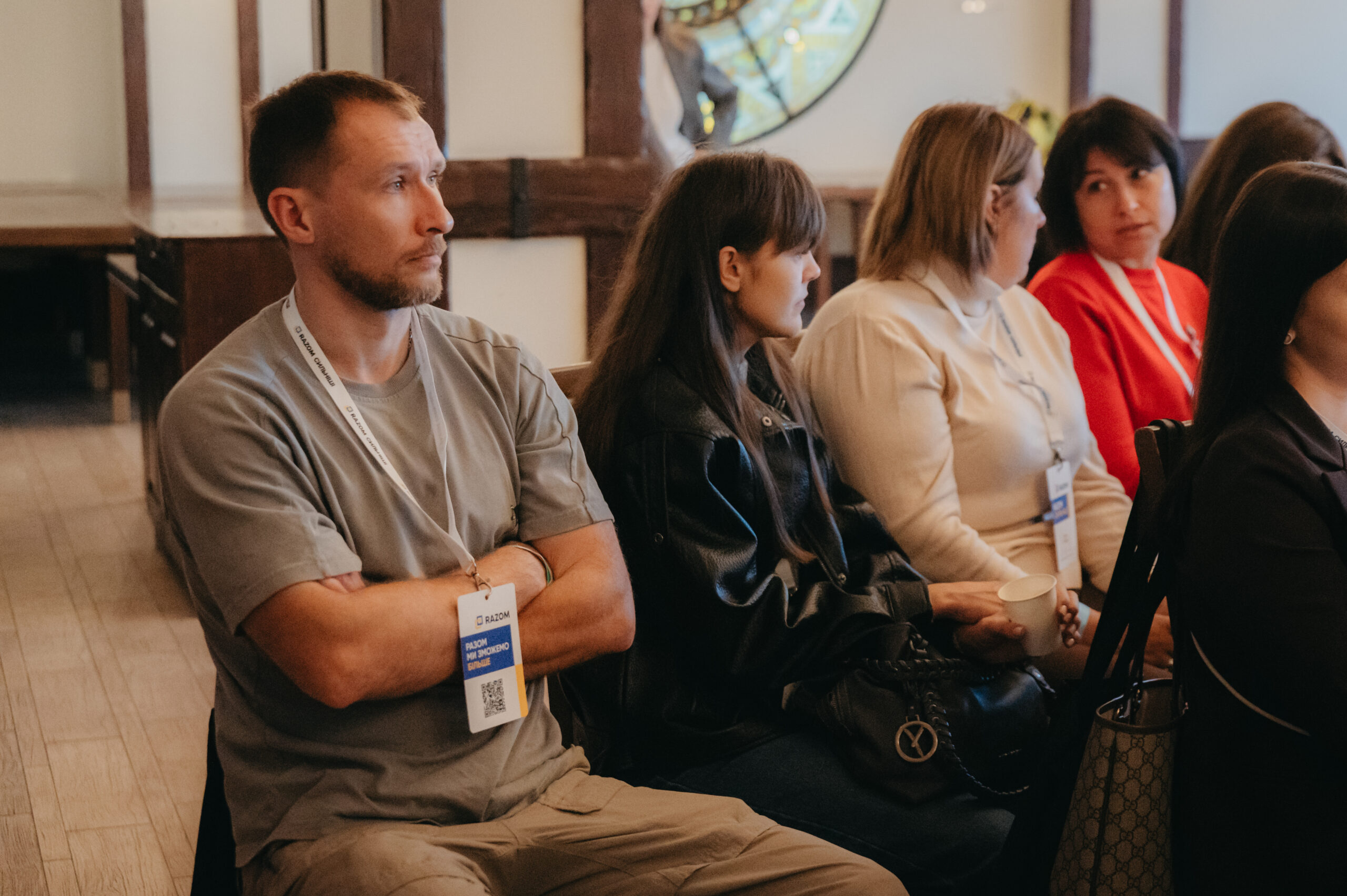
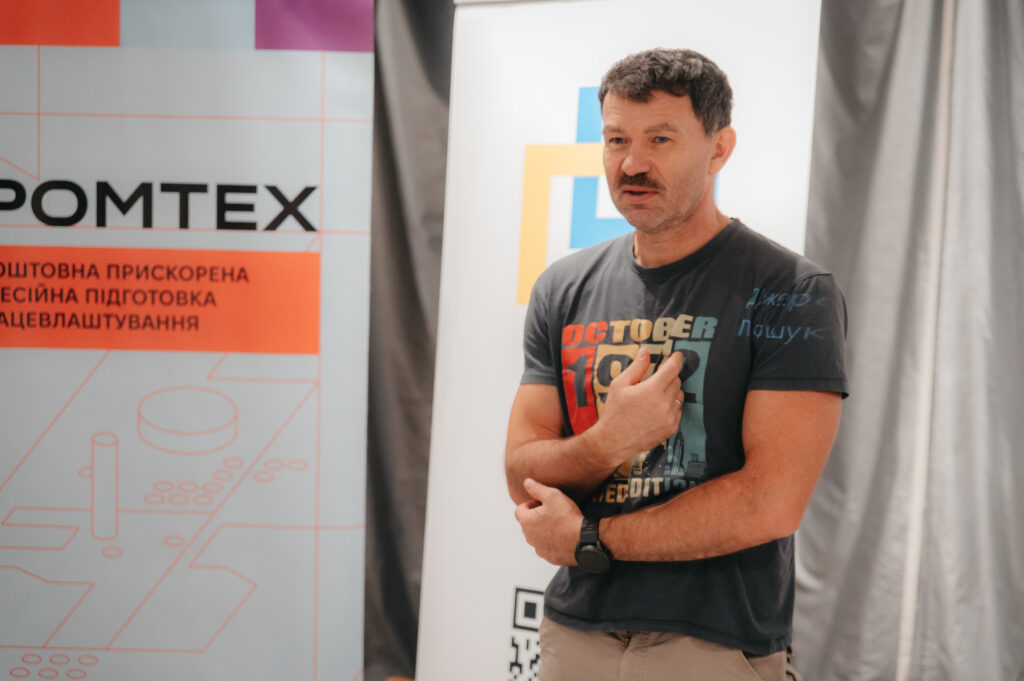
At the welding course graduation ceremony, we met Oleh Kovalskyi. He spoke candidly about whether four weeks of training can really provide the skills needed to find work.
When Experience Isn’t Enough
Oleh smiles as he says he has never been afraid of hard work. Over the years, he has worked as a physical education teacher, a civil servant, and the CEO of a football club. There has always been plenty to do at home, too. He has renovated his own apartment, installed drywall, and feels confident handling electrical wiring.
“I once needed to build a brick wall. I had watched other people do it, so I went ahead and built one myself. It wasn’t perfectly straight, but I got it done. That wall is still standing in the village today. It does its job,” he says.
Oleh had also been familiar with welding equipment for years, dating back to his service in the Soviet Army. But knowing how to operate a welding machine and having the skills to work as a welder were two different things.
“I knew what a welding machine was. I knew where to connect everything. But I didn’t understand why the electrode kept sticking or why I couldn’t get a proper weld. I simply couldn’t get the job done,” Oleh recalls.
He found out about PromTech’s courses through social media while searching for job openings. An advertisement caught his attention.
“I was surprised that the courses were free. But when I read about how they were funded, I understood the idea behind them: they were designed for internally displaced people, veterans, and anyone who wanted to learn a new trade. I also understood what a meaningful goal the donors were supporting,” Oleh says.
Training That Meets Real-World Needs
After an interview, Oleh spent four weeks learning the theory and practicing different welding techniques. Things didn’t always go smoothly at first, but the instructors’ support made a difference.
“When you start welding using one method or another and things aren’t working out, the instructors come over and say, ‘All right, all right, keep going.’ Even when things are clearly not all right,” he says with a laugh.
Oleh realized just how valuable the theoretical knowledge he had gained was when he applied for a welding job abroad.
“They don’t ask how much welding experience you have or ask you to show them your work. They ask, ‘What about 111?’ And I know what that means. It refers to manual metal arc welding with a covered electrode. Or they ask about semi-automatic welding. After the course, I know what they’re talking about and where to look for the information I need.”
While still taking the course, Oleh found a new job. It wasn’t a welding position, but his newly acquired skills soon came in handy. Within a month, he had a chance to put them to the test.
“We needed to build a metal stand. I looked at it and said it wasn’t strong enough. The welds were poor and wouldn’t hold. Rather than spend money on replacing it, I went to my instructors and asked if I could use their workshop ahead of time.
It’s great to have a properly equipped space like that. There are angle grinders, versatile welding machines, and, importantly, worktables where you can secure the metal pieces.
And there I was, doing the work — and it was actually turning out well! Maybe 50% of it even looked good. I felt this surge of pride. It meant those four weeks hadn’t been wasted,” he says, smiling.
An Idea for a Business
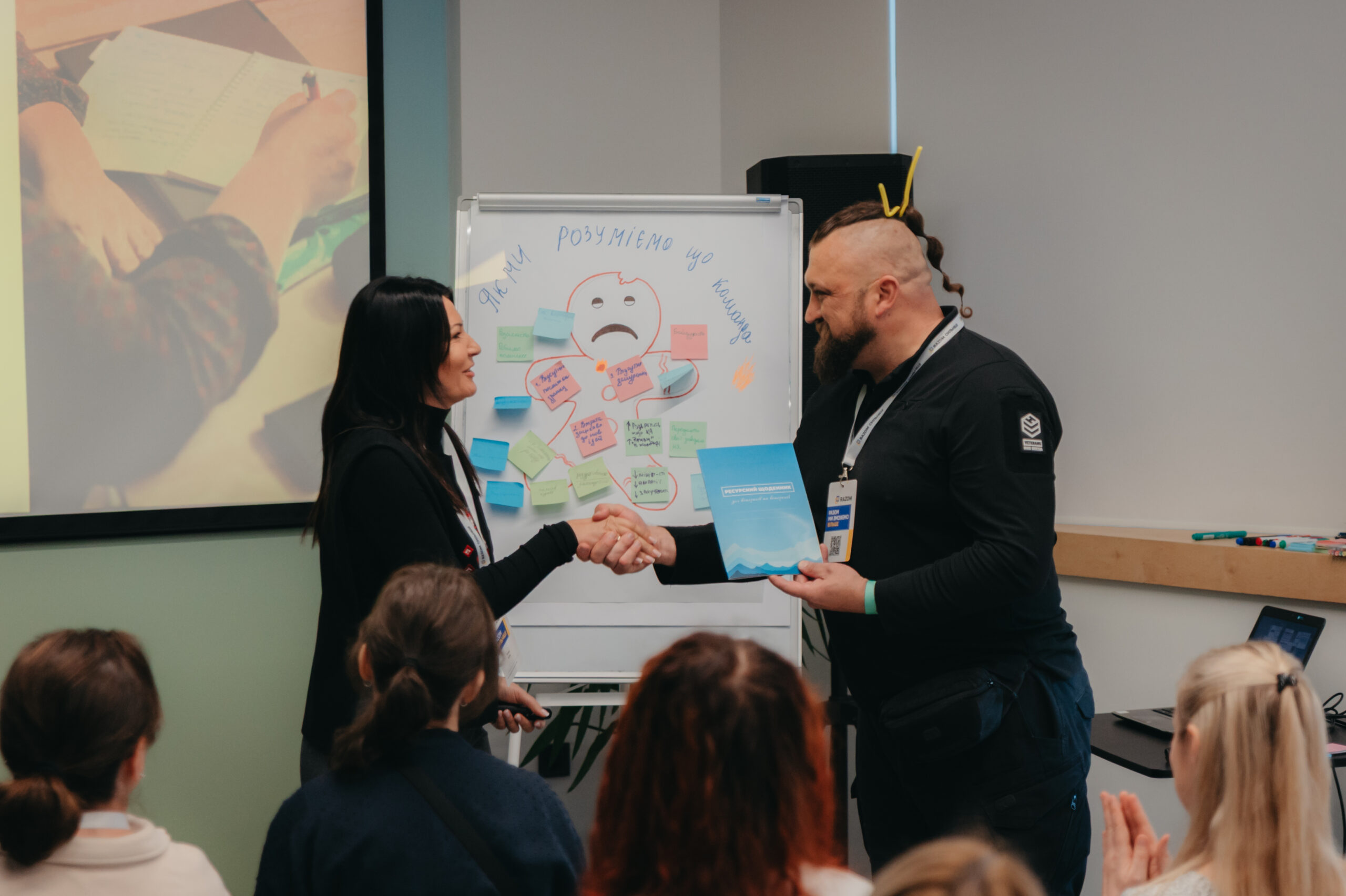
At the graduation ceremony, the director of the Ivano-Frankivsk Construction Vocational School invites graduates to return to the workshop whenever they need it. Oleh shares his experience of working with the instructors and says he would be happy not only to come back but also to pay for access.
In fact, he encourages the instructors to consider turning the workshop into a social enterprise. He is even willing to help brainstorm ideas and develop a business plan.
“Set an hourly rate for using the workshop — say, 500 hryvnias an hour. I’d be the first to show up and pay those 500 hryvnias, knowing the money would go back into the school. A quality workshop costs money to maintain. If the school has already equipped one with grant funding, and you can also get advice or ask an instructor for help when you run into a difficult situation, that’s ideal,” he says.
Among the things Oleh gained from the course is something no certificate can capture: confidence in himself.
I jokingly ask whether his wife is proud of him. He looks a little embarrassed but smiles and says she is.
“The most important thing is that this is my own personal upgrade. When I need to do something, I’ll take it on and get it done. And if I have doubts or feel unsure, I know who to turn to for help. That’s what matters most,” Oleh says.
Support That Helps Ukraine Stay Strong
Four weeks may not be enough to become an experienced professional, but they can give someone the skills and confidence to take on real work. Oleh’s story shows that Ukrainians are ready to work, and with the right support, they can accomplish a great deal — and inspire others along the way.
What they need is access to the skills employers are looking for. Investing in vocational training strengthens Ukraine’s economy, helps people regain a sense of dignity and purpose, and builds the capacity of communities to recover despite Russia’s ongoing attacks.
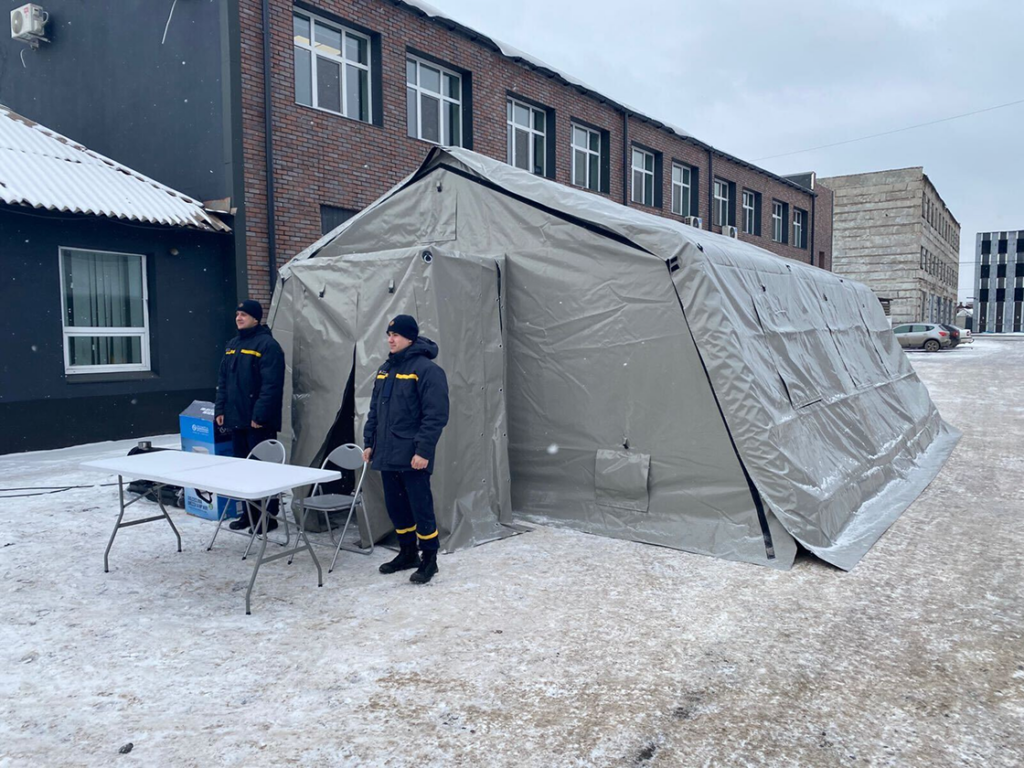
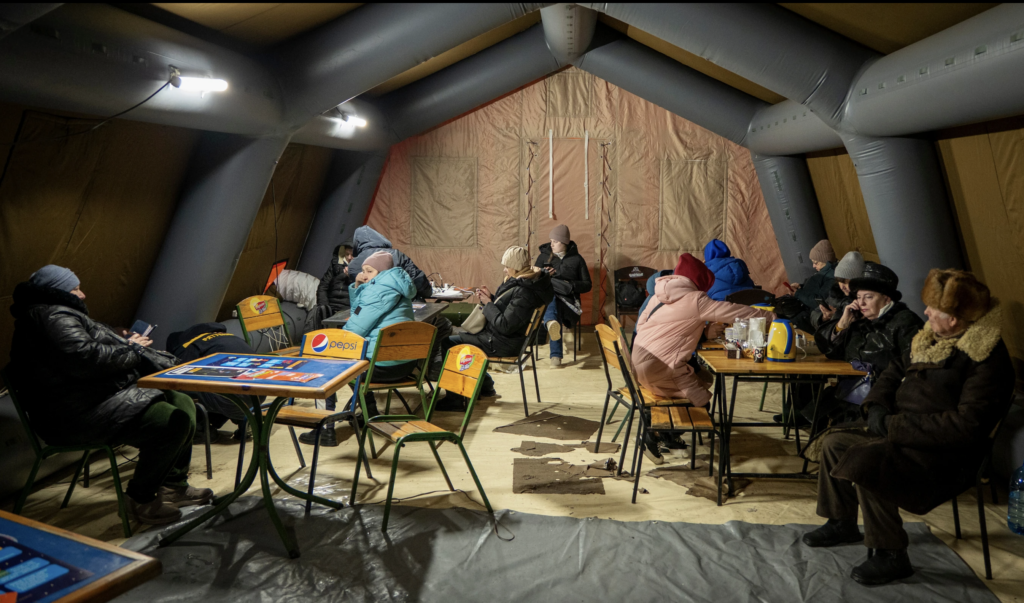
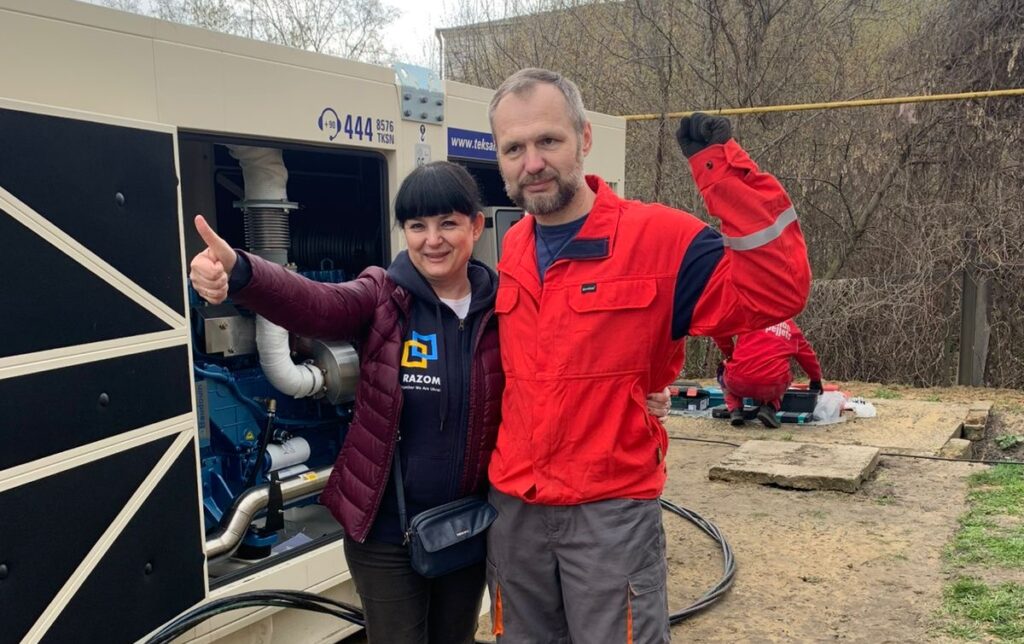
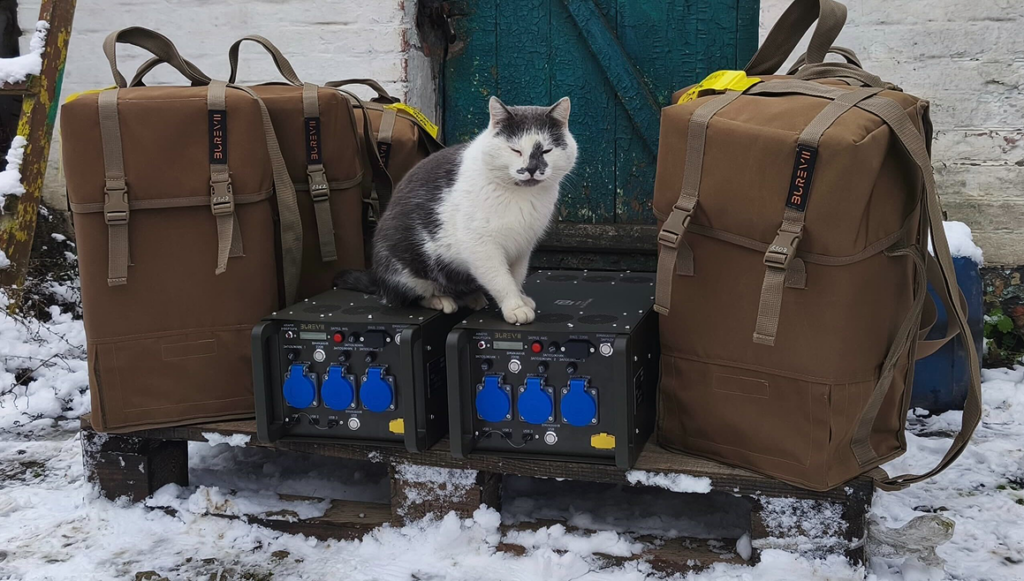
Supporting Ukrainians as winter approaches is just as important. Russia continues to target Ukraine’s energy infrastructure with missiles and drones, leaving people without electricity, heat, and water.
Learn more about Razom’s winter support initiative and join us in helping Ukrainians get through the winter at the link below.