
How women from Razom grantee “We Are Brothers, We Are Ukrainians” support communities across Kharkiv region
Twenty-six kilometers from Kharkiv, in the town of Liubotyn, a dormitory has become a temporary home for dozens of people who lost their homes during the war. Here, life is gradually rebuilding after shelling, shaped by international support, local volunteer efforts, and the resilience of residents.
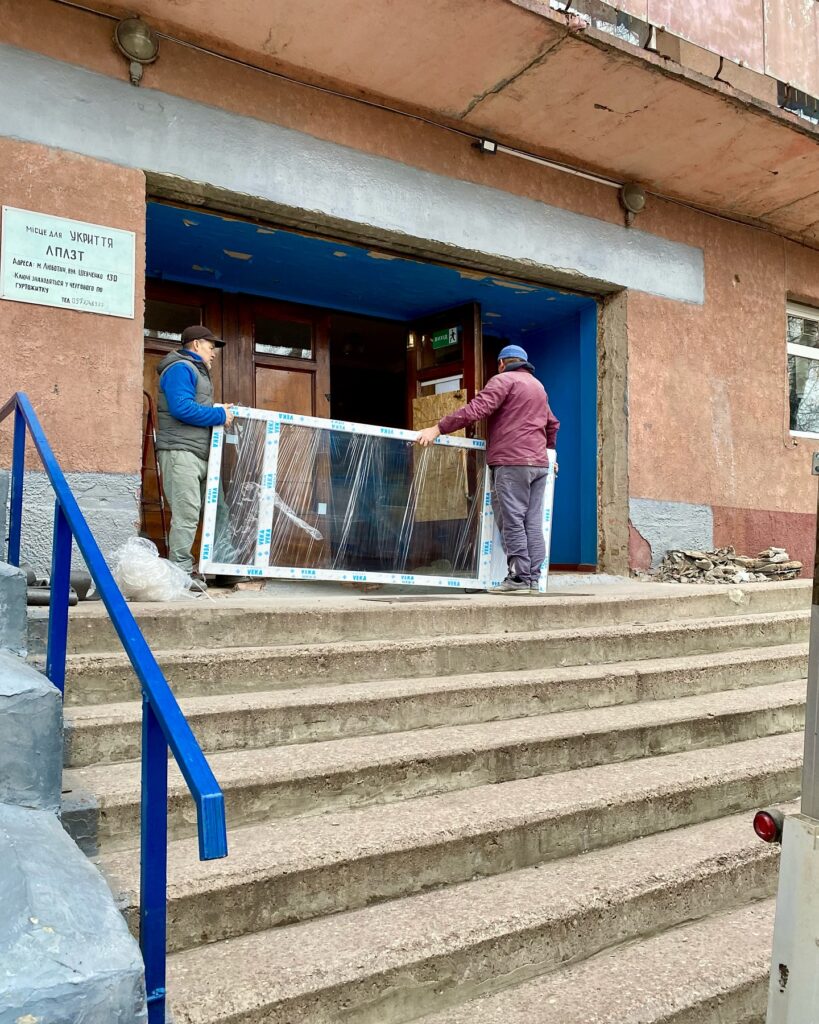
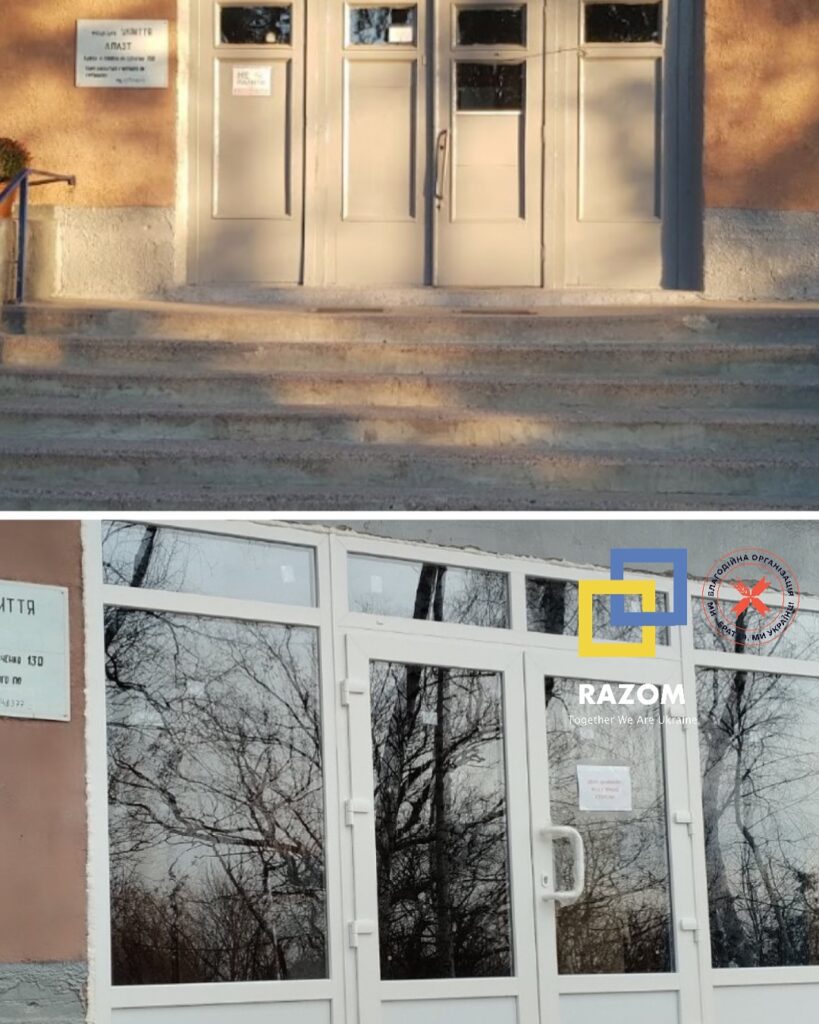
Restoration of the dormitory was supported by Razom, which funded the installation of a new entranceway and roof repairs. During our visit, we spoke with Kateryna Posokhova, Executive Director of the foundation “We Are Brothers, We Are Ukrainians,” which has been working across the Kharkiv region for years.
The foundation’s team works daily with dormitory residents and other displaced people in the region.
When Evacuation Reshapes Communities
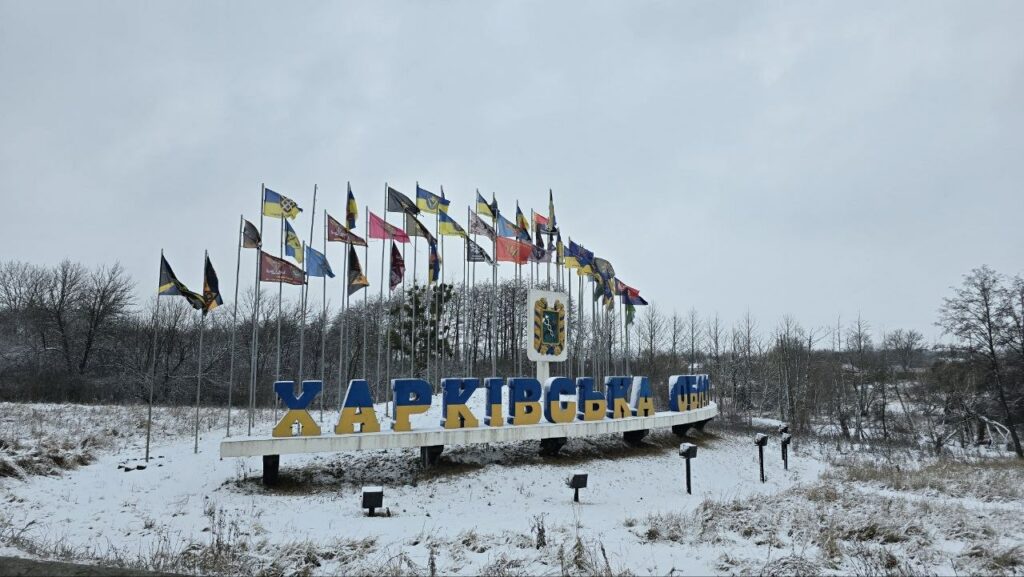
The foundation expanded its work during mass evacuations from frontline areas of the Kharkiv region, particularly from Vovchansk district and communities near Lyptsi.
People moved in large numbers into dormitories and collective centers, which became emergency housing for internally displaced people.
“We started working as soon as large-scale evacuations began. Children were arriving in dormitories and collective centers, and we began working with them, as well as with adults,” Posokhova says.
Foundation psychologists organized group sessions for children and provided individual support for adults coping with displacement, loss, and the ongoing stress of war.
How Repairs Begin
While working in dormitories, the team collected requests from residents about their most urgent needs.
At first, those needs were basic.
“People initially asked for showers and toilets. Then they asked about repairing the basement, the entranceway, and eventually the roof,” Posokhova recalls.
Over time, these requests developed into larger restoration projects.
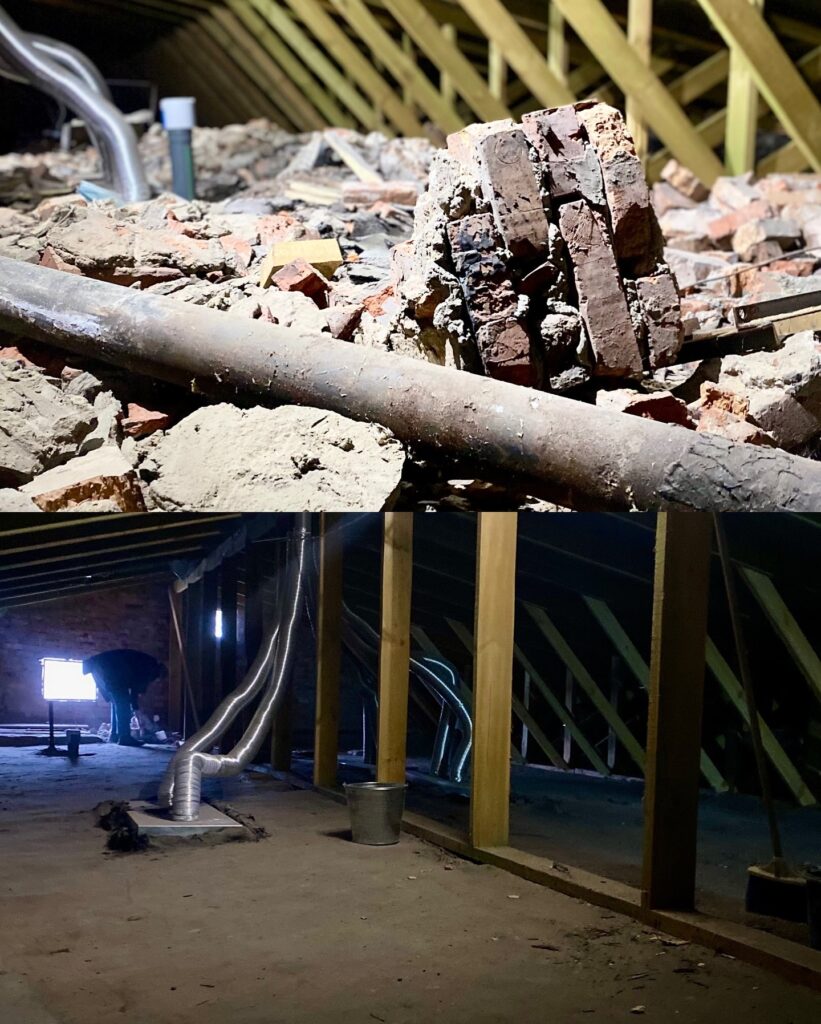
Together with partners, including international organizations, the foundation supported multiple repairs. In one case, workers removed more than five tons of debris from a roof before repairs could begin.
“We cleared the roof, insulated it, repaired the structure, and installed pumping equipment for the boiler system,” she explains.
Psychosocial Support
Psychosocial support is a core part of the foundation’s work.
The team works with children, teenagers, parents, and older residents.
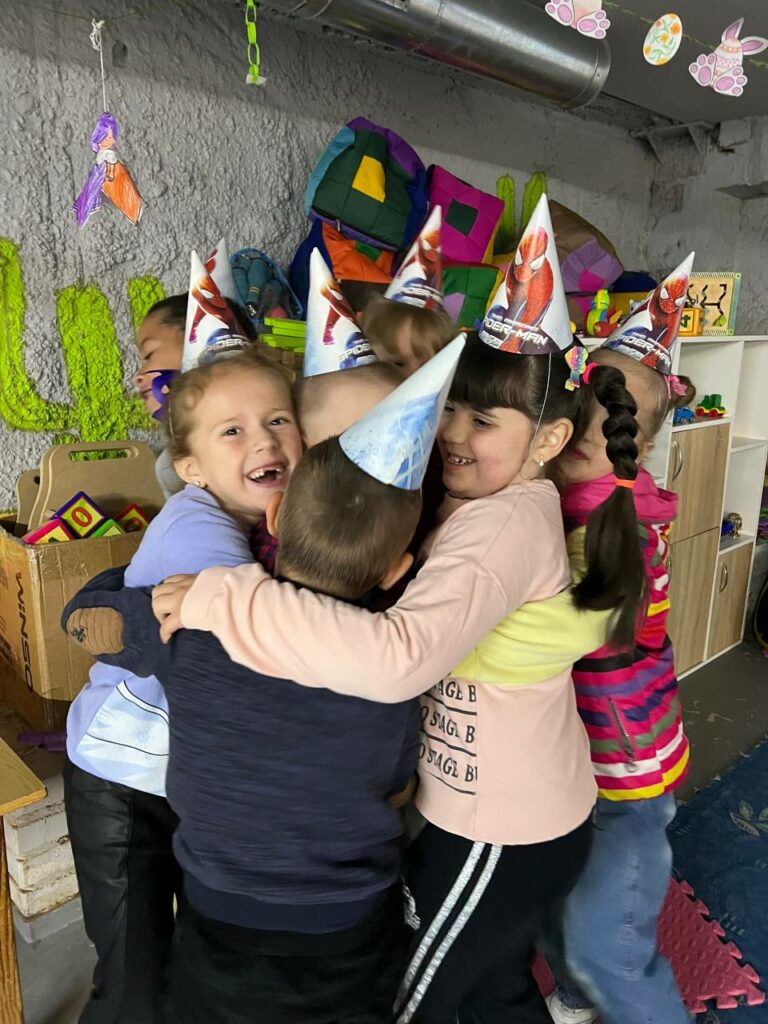
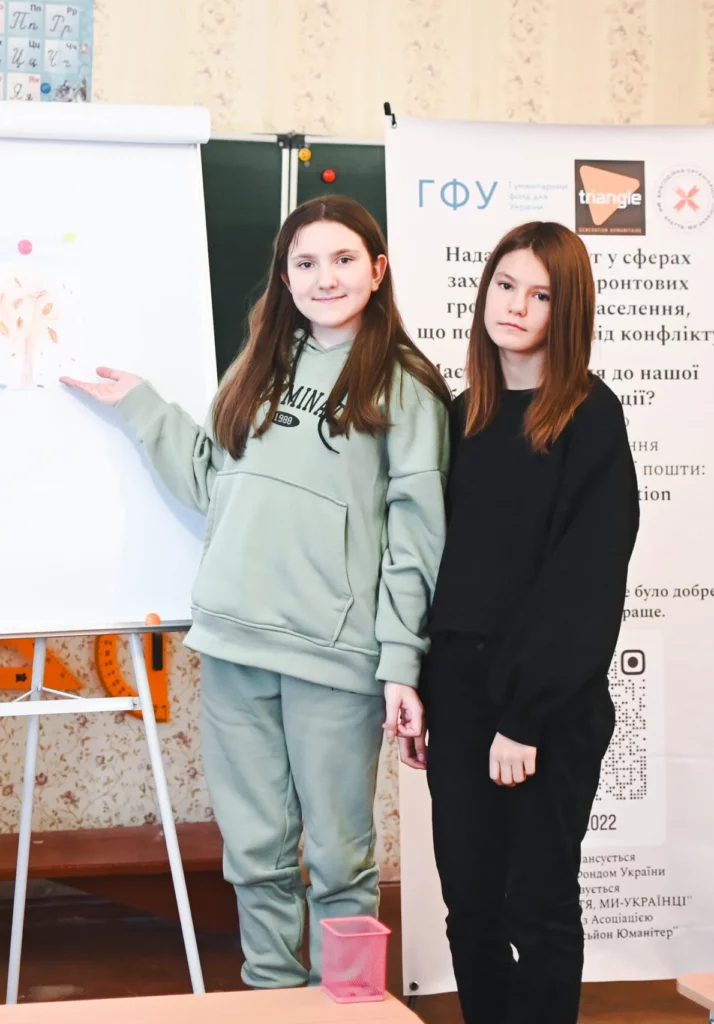
In Liubotyn, activities for children are held inside a shelter.
“It is a reinforced shelter that allows us to safely conduct educational activities with children and teenagers,” Posokhova says.
The foundation also works with local social care centers that support elderly residents. These meetings create space for connection and routine.
“Our older residents sew, paint, and even organized what they call a ‘work brigade.’ They repainted benches near the playground together,” she says.
Some gatherings include cooking or singing. These simple activities help restore a sense of normal life.
Why Support Matters
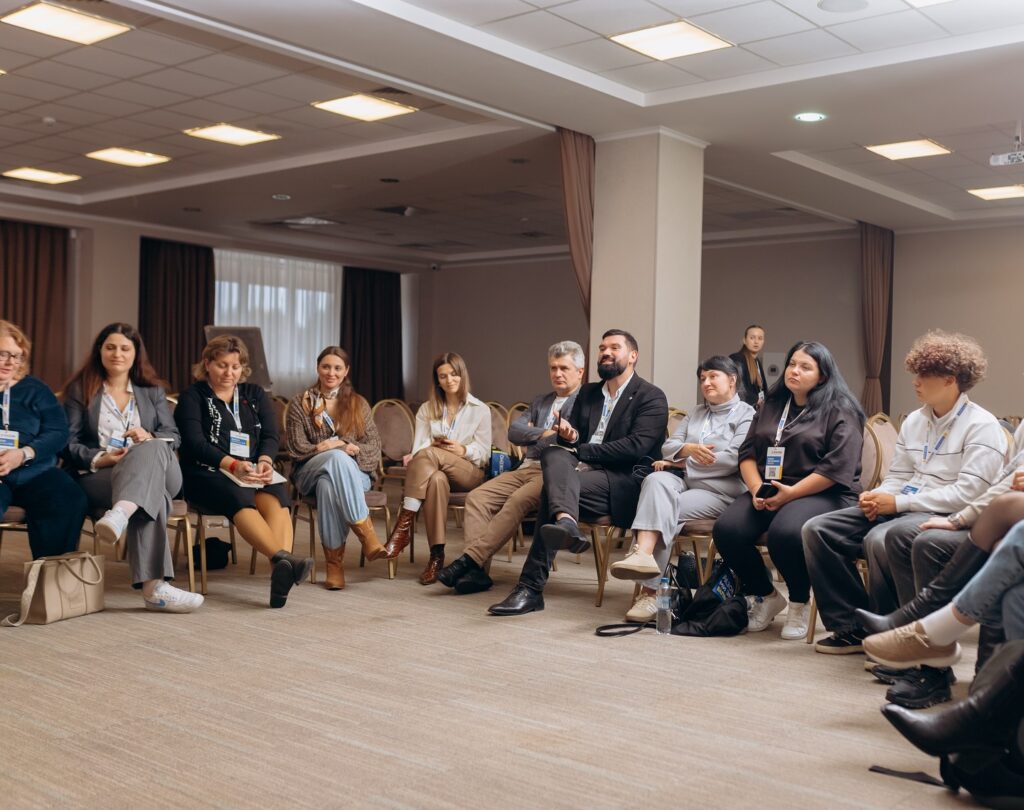
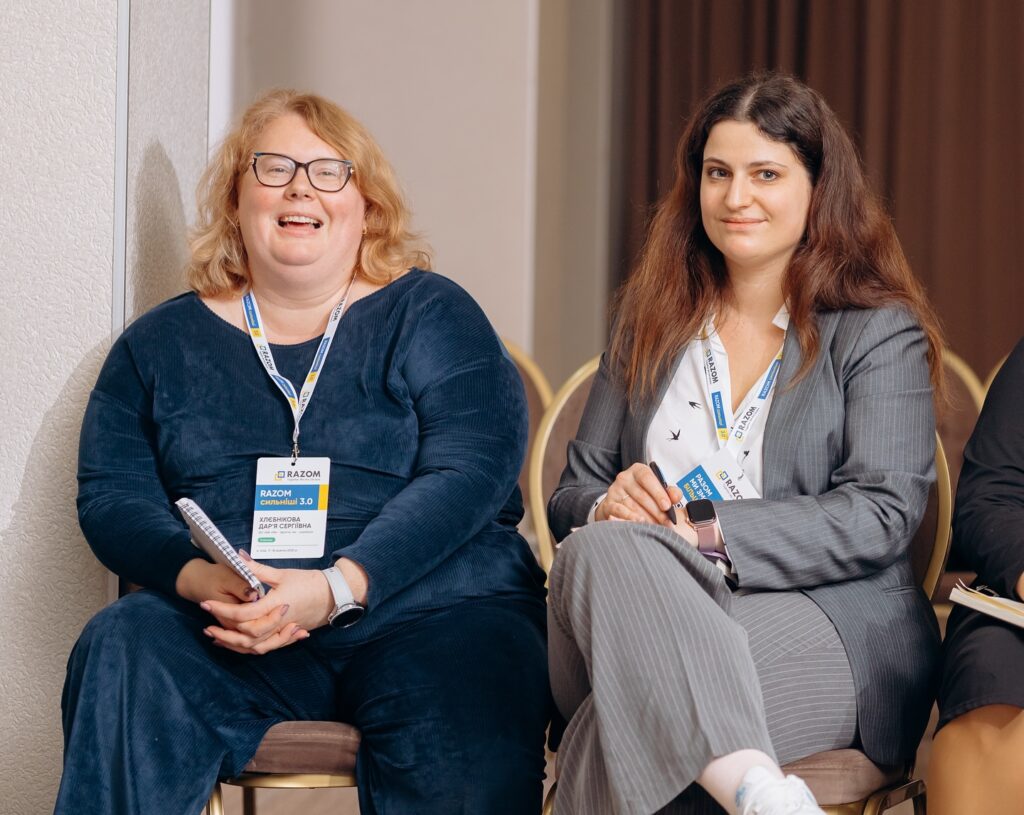
According to Posokhova, supporting collective centers would not be possible without international partners and donors.
“For places like these, support from foundations and international organizations makes a significant difference,” she says.
Many residents have lost everything. Their homes are destroyed or located in occupied territories.
“People were left without housing. Every bit of support becomes a chance to start again.”
This is why cooperation between local initiatives and international partners is essential.
“When donors support repairs, psychological programs, or financial assistance, people feel that they are not alone,” Posokhova says.
When People Choose to Stay
Work in collective centers often reveals how meaningful even temporary housing becomes.
Many residents are already displaced. In these dormitories, they began rebuilding their lives, forming new connections and support systems.
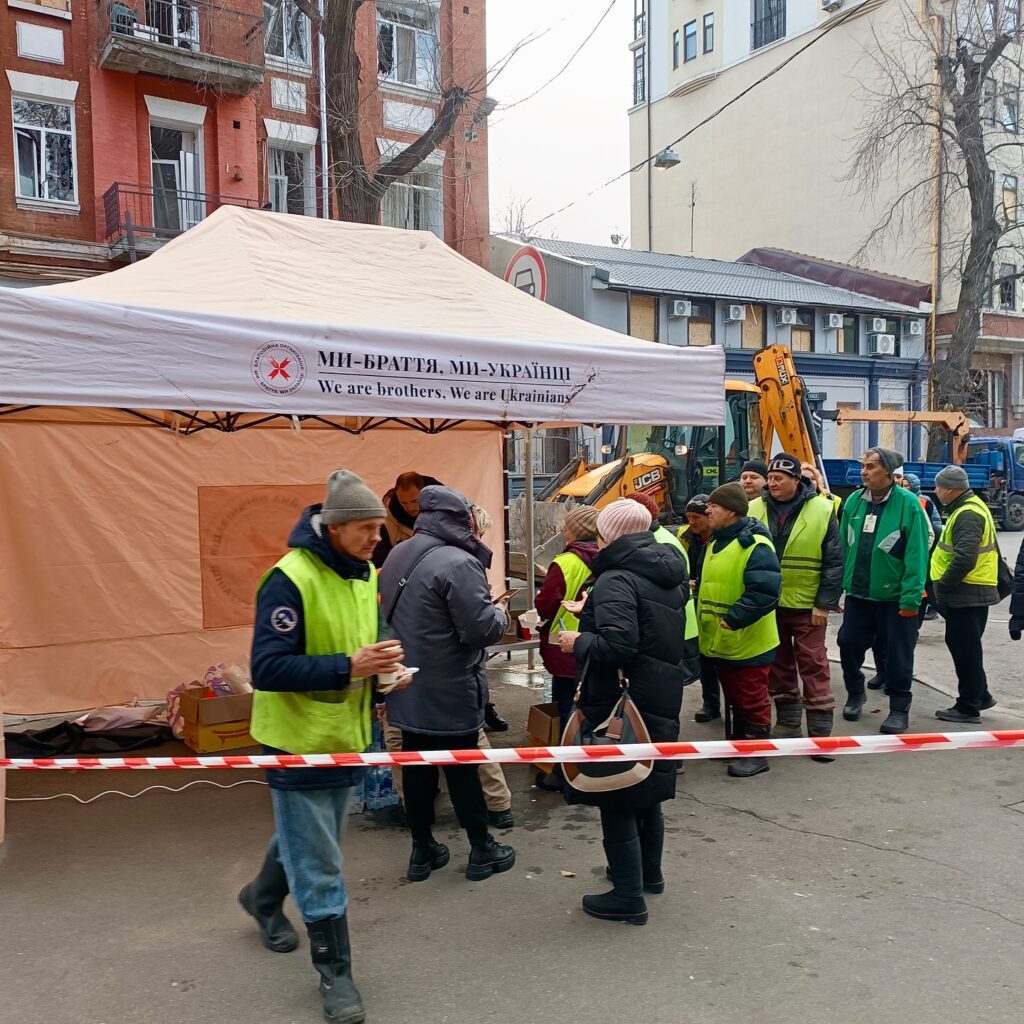
One dormitory in Kharkiv was recently damaged by a nearby missile strike.
“Windows were blown out, doors damaged, and walls cracked. Residents were temporarily relocated,” Posokhova says.
But many returned.
“The windows were boarded up, and it was about 50 degrees Fahrenheit inside. They were offered safer accommodation during repairs, but they chose to stay.”
For them, it is no longer just a dormitory. It is a community.
“They found neighbors, support, and a sense of stability here. That is why they stay together,” she says.
A Foundation Led by Women
The foundation’s name emphasizes unity. In practice, most of the team are women.
“Our foundation is called ‘We Are Brothers, We Are Ukrainians,’ but about 95 percent of our team are women,” Posokhova says.
“Our partners often say ‘brothers.’ But when they meet the team, they see it is all sisters.”
The team coordinates humanitarian programs, travels to communities, and works directly with residents. Sometimes in basements. Sometimes in frontline villages.
Always alongside people rebuilding their lives.
“We do everything we can to help people return to some form of normal life,” Posokhova says.
Looking at the dormitory in Liubotyn, where residents are gradually rebuilding, it is clear that this work matters.