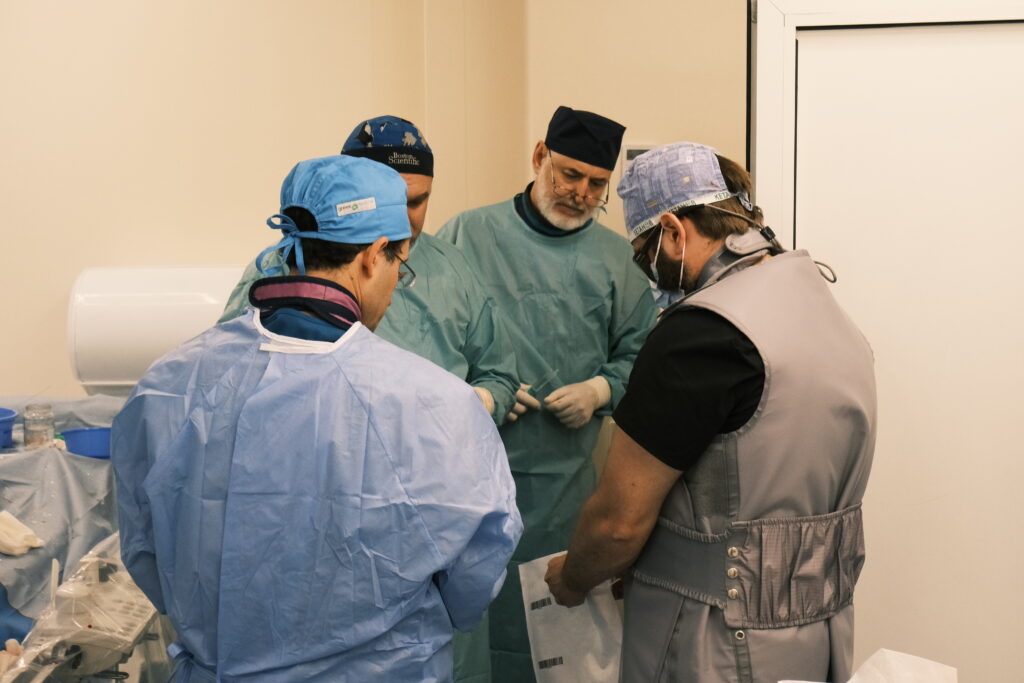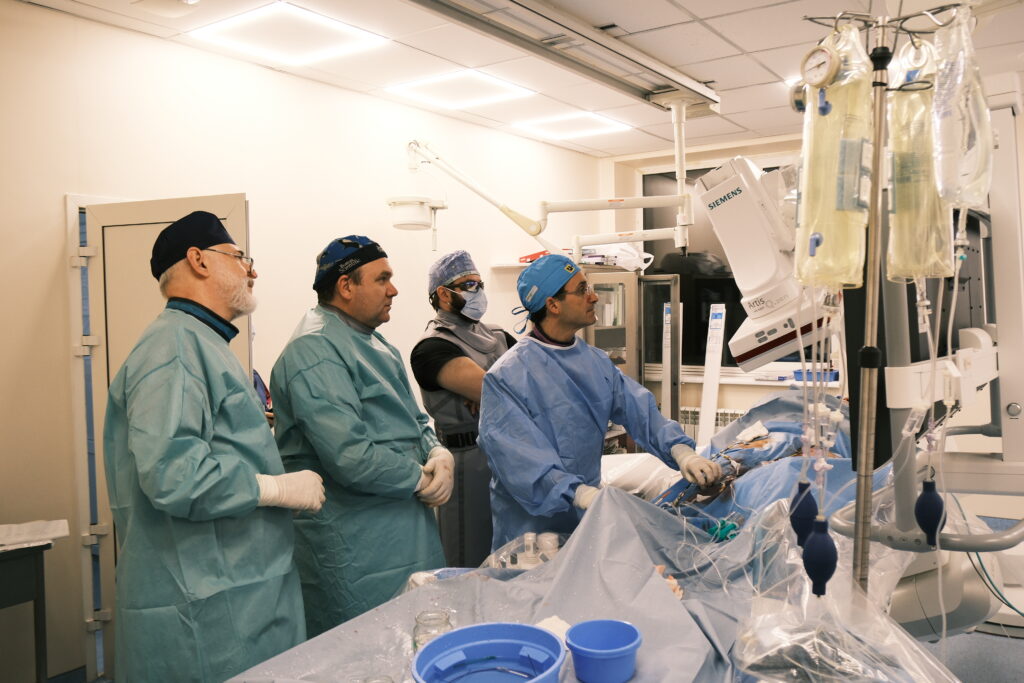

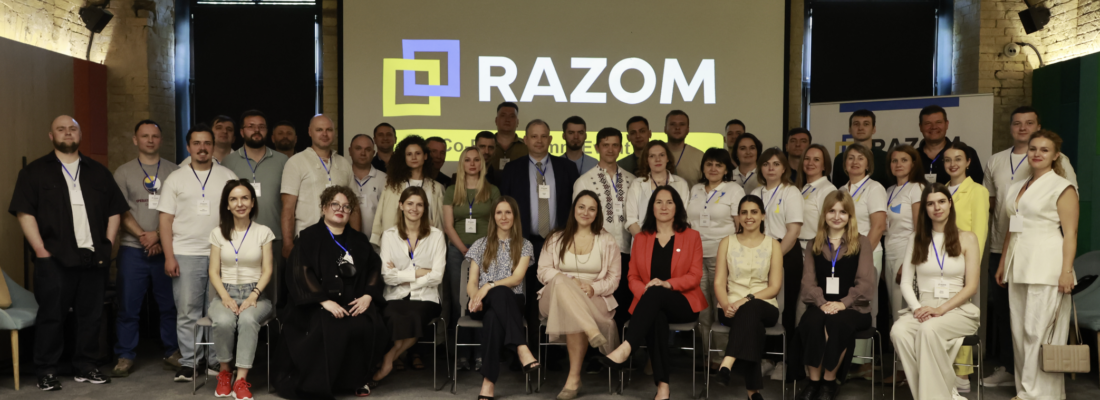
Ten years ago, the first Razom surgical mission brought together Ukrainian and international doctors for the first time. Since then, what started as a small initiative has grown into a community of medical professionals who continue to learn from each other, share knowledge, and work together to improve surgical care in Ukraine.
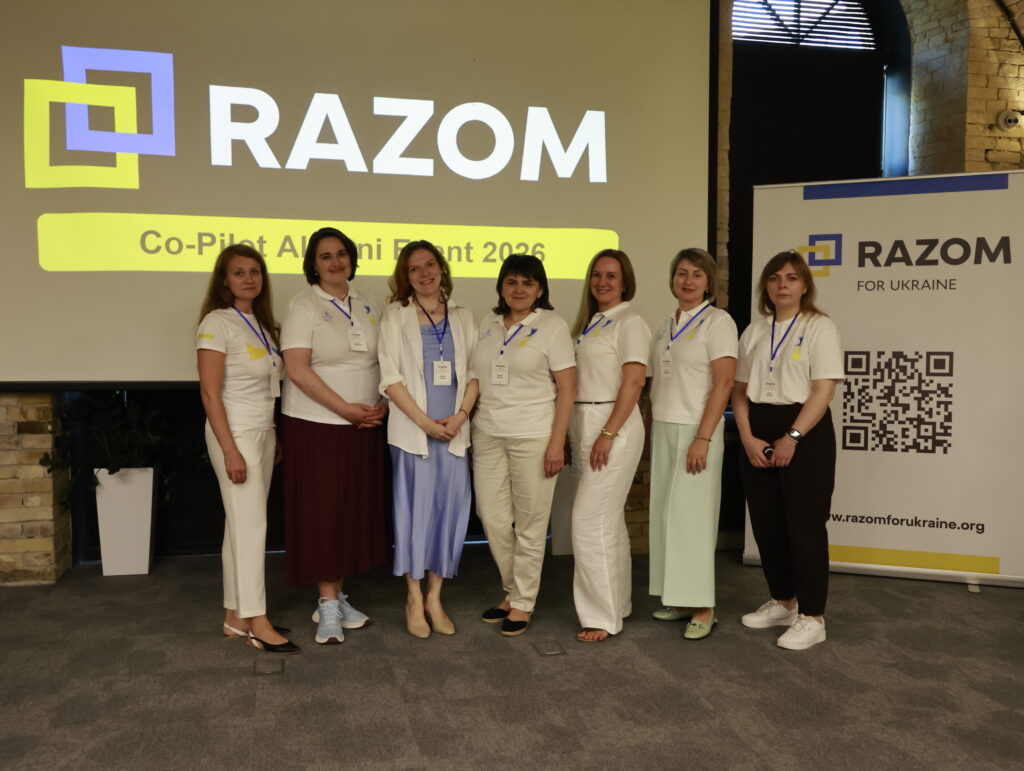
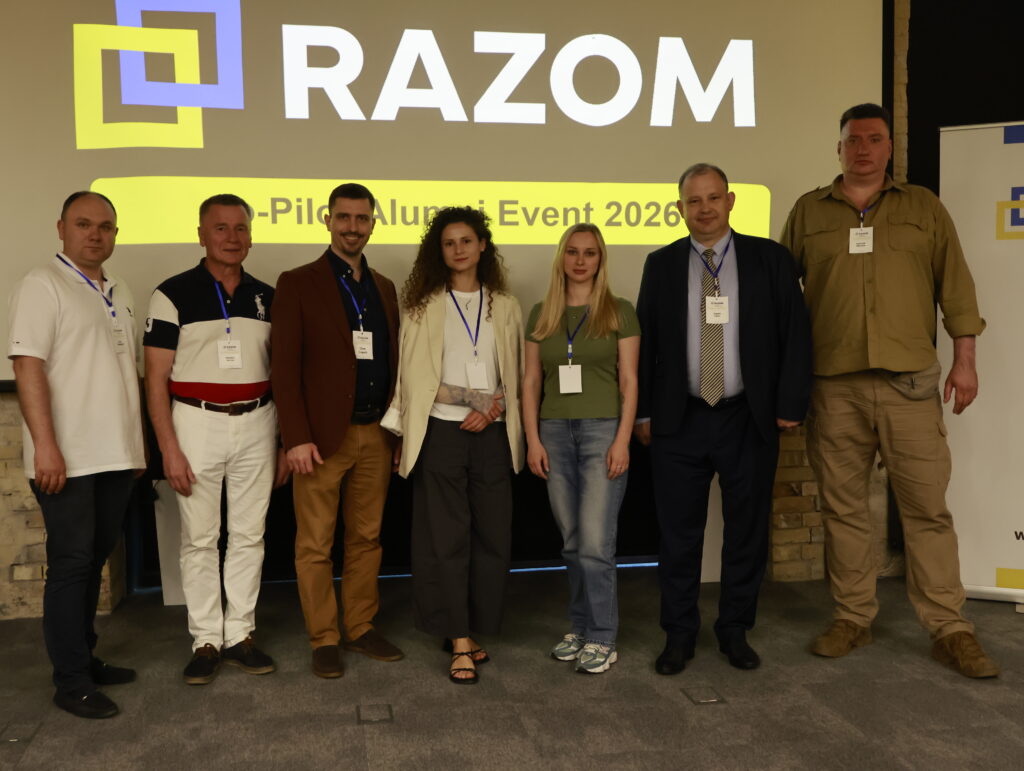
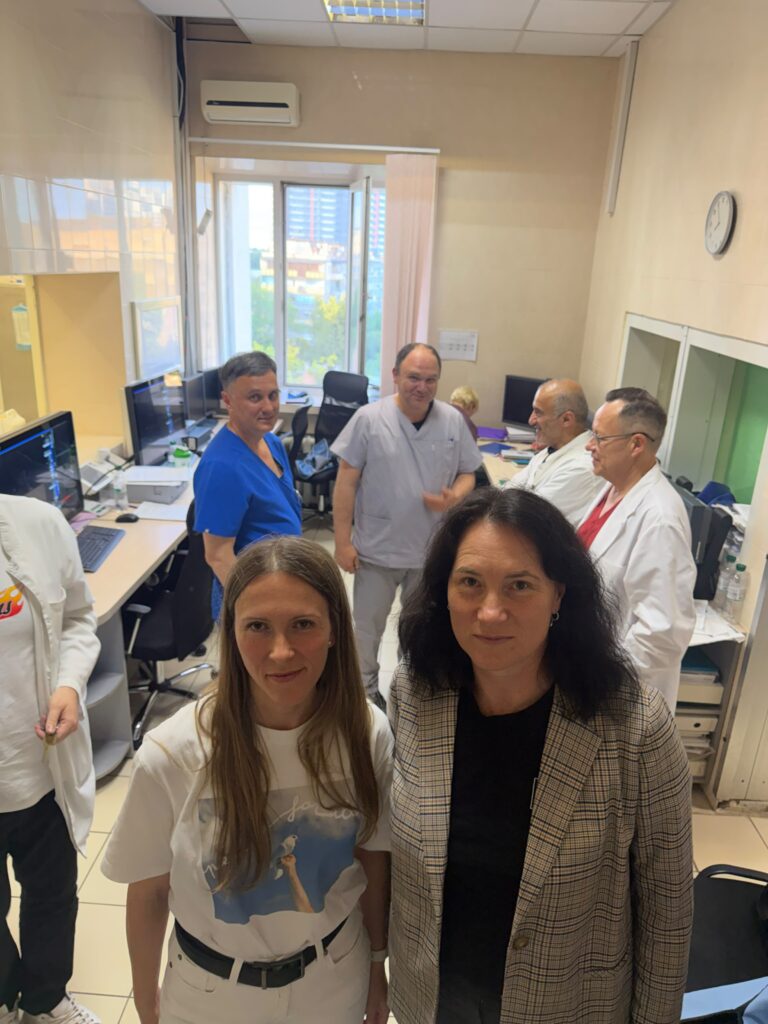
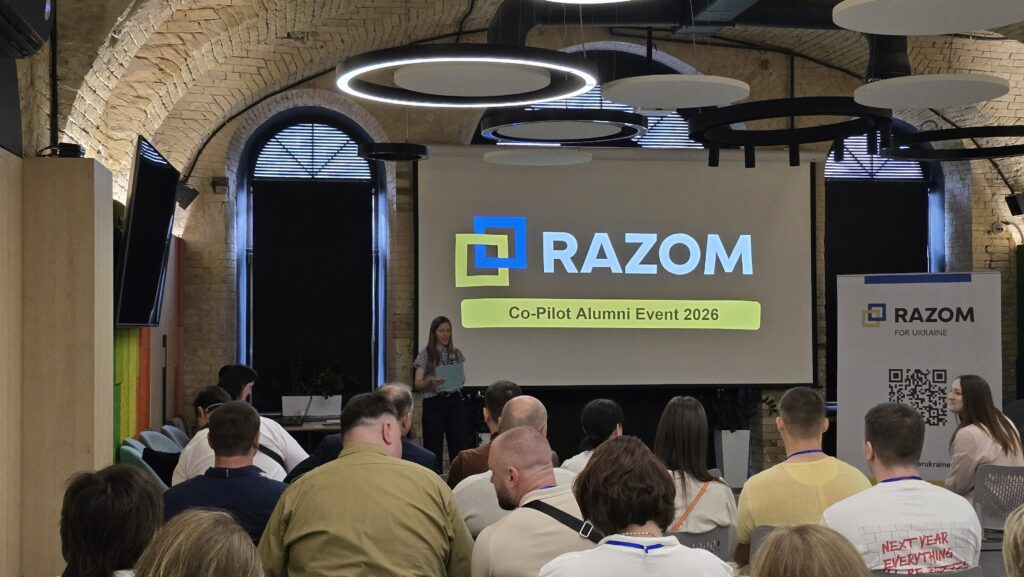
This June, the Razom team brought together more than 70 Ukrainian medical professionals in Kyiv — doctors, surgeons, nurses, and partners from across Ukraine — for the Co-Pilot Alumni gathering.
“Our mission is to strengthen Ukraine’s healthcare system by sharing knowledge, supporting medical education, and building strong international partnerships. Through this work, Ukrainian medical professionals gain access to global expertise, while Ukraine’s experience continues to contribute to the future of medicine worldwide,” said Yuliia Shama, Head of the Razom Health Co-Pilot project.
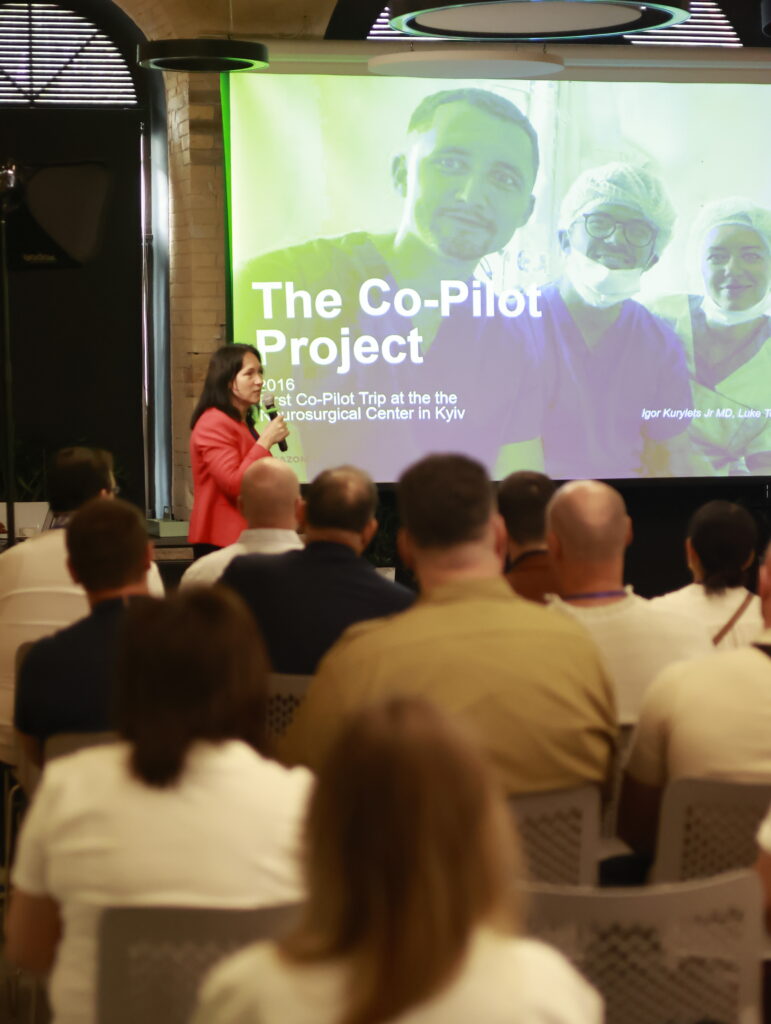
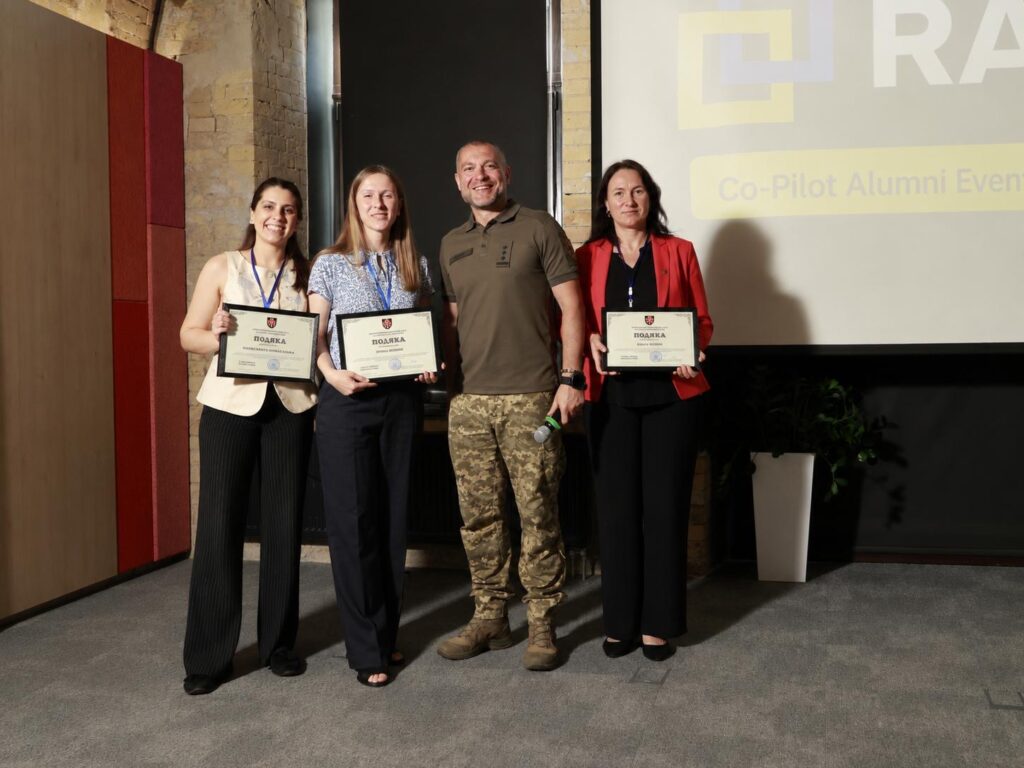
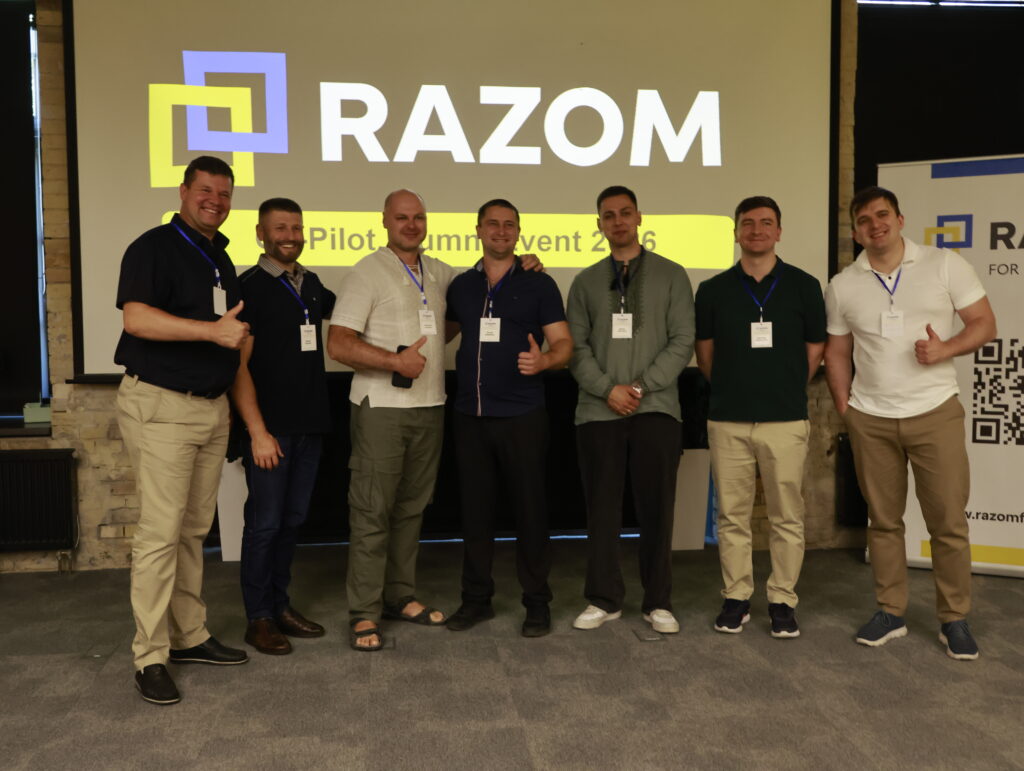
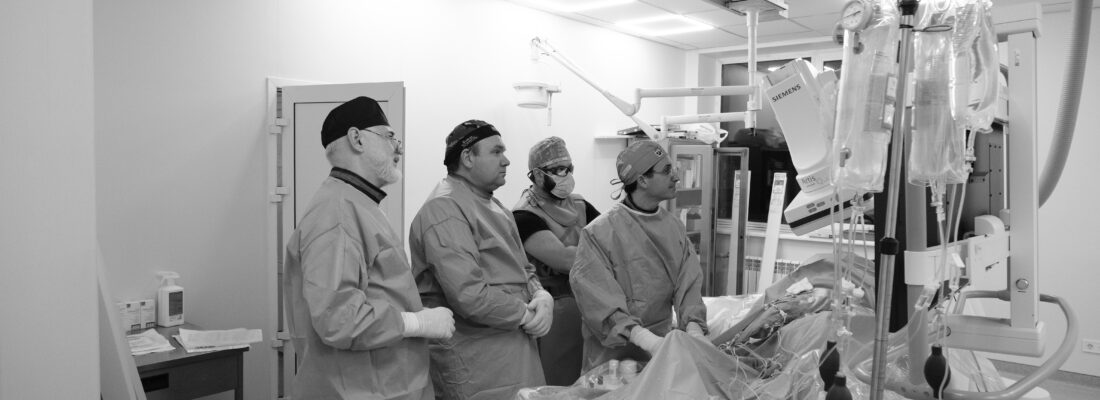
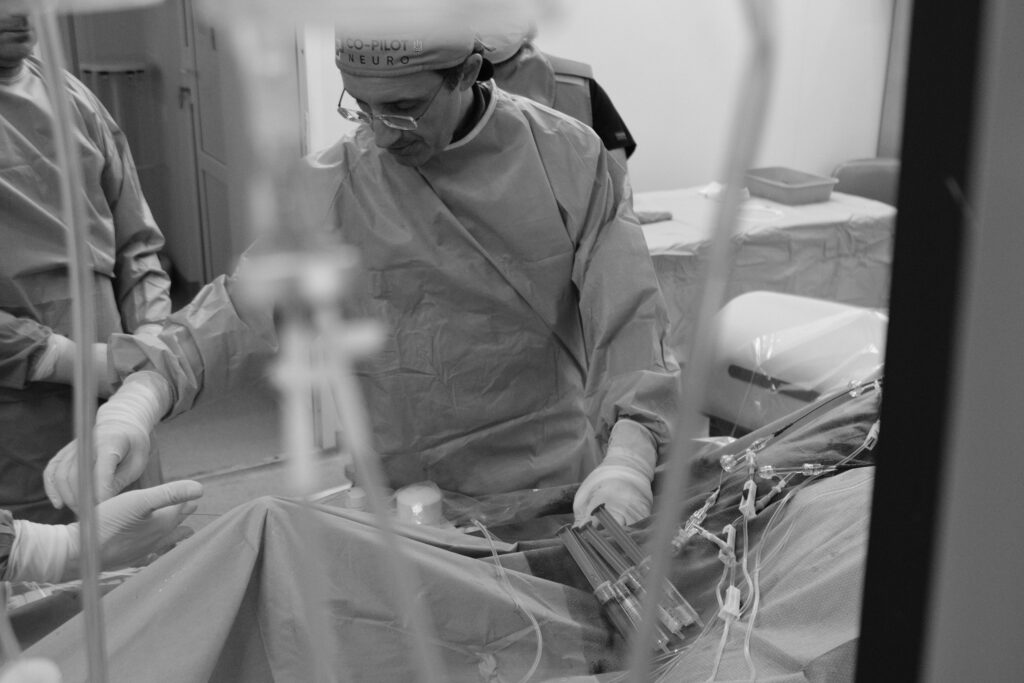
In Ukraine, strengthening civilian-military healthcare cooperation is essential. It requires trust, coordination, and sustained joint effort. Over the past decade, we’ve worked alongside these professionals through medical missions, training, conferences, observerships and operating rooms in both Ukraine and the United States. We have focused on improving surgical care for patients with complex war-injuries by supporting critical specialities including neurosurgery, orthopedics, facial plastic surgery, trauma, and nursing.
Today, that collaboration has evolved into something even more meaningful: a true partnership built on reciprocal learning, where knowledge flows in both directions.
“It is a ripple effect: by saving Ukraine, the world is also saving itself. The United States and international partners, especially Razom, provide Ukrainian surgeons with expertise, knowledge, and support. At the same time, Ukrainian doctors save lives every day in the most challenging conditions of war, creating unique clinical experience that will return to the global medical community through new approaches, knowledge, and standards that can help save patients around the world,” emphasized Dr. Andriy Sirko, the head of neurosurgery at Mechnikov Hospital in Dnipro, Ukraine.
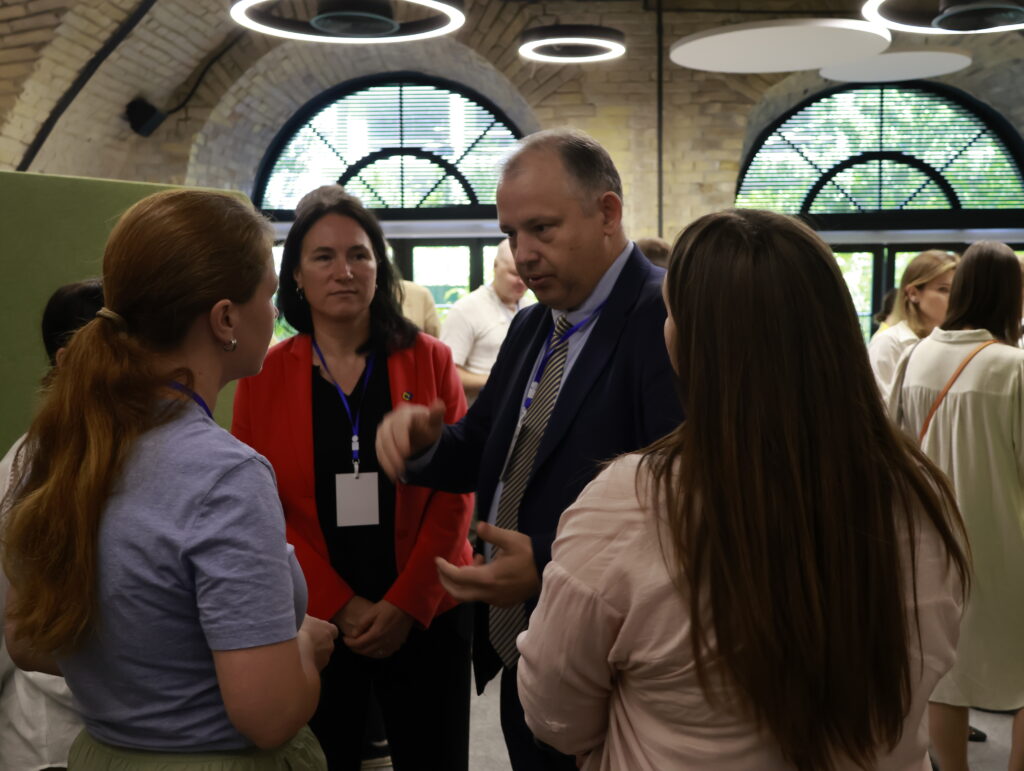
Tetiana Pavlychuk, oral and maxillofacial surgeon, began working with Razom during the Face the Future mission in Ivano-Frankivsk four years ago. Since then, she has collaborated with the team on strengthening military trauma care in Ukraine. Looking back on the early days of the full-scale invasion, she reflects on how Razom and its network of American experts helped transform clinical practice and supported the development of Ukraine’s national military trauma protocol.
“When the full-scale war started, it was a huge challenge for our medical community. We had never seen these types of injuries before. We began looking for partners, and step by step, we built those relationships. Our international colleagues came to Ukraine, and we traveled to the United States for courses and training. We brought that knowledge back to Ukraine and introduced new approaches that had never existed before.” said Tetiana.
Learning from Ukrainian Leaders
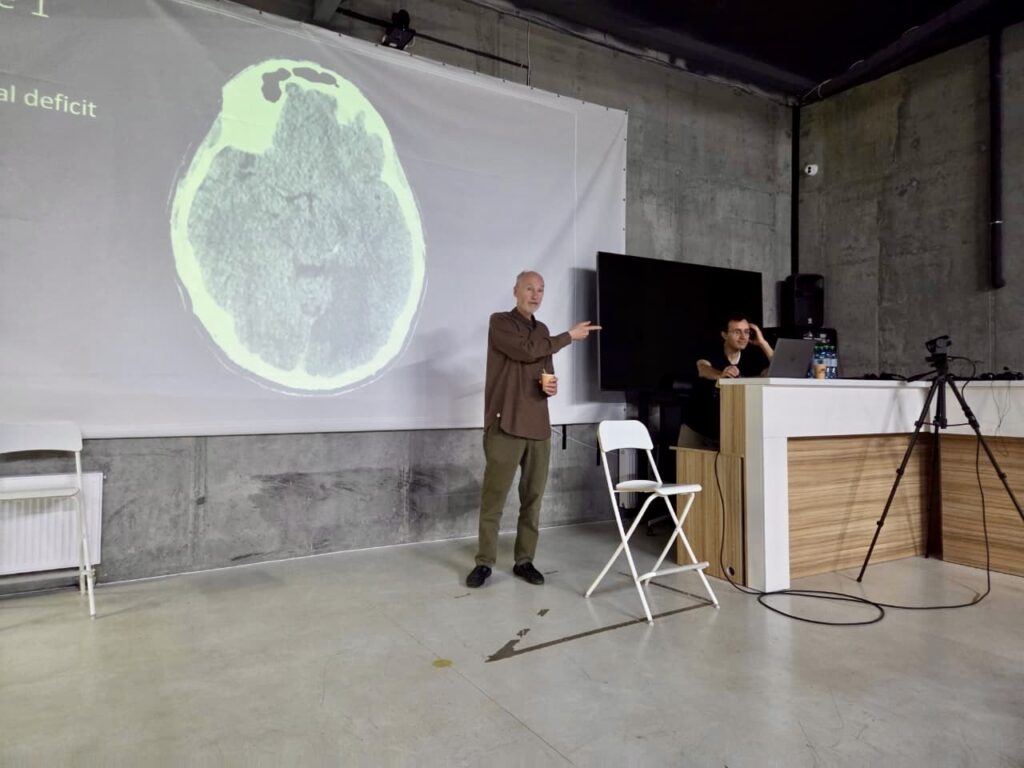
The Alumni event brought together medical professionals to reconnect, exchange best practices, and discuss the future of Ukrainian surgical care. Key topics focused on training the next generation of physicians and the impact of international collaboration.The event featured presentations from Ukrainian experts, as well as specialty working sessions focused on shared challenges and future priorities. Speakers included:
- Dr. Victoria Kovach – Leadership in Context
- Dr. Oksana Popova – American College of Surgeons: Ukrainian Perspective
- Dr. Andrii Sirko – From wartime experience to global standards: How Ukrainian and USA team are changing global standards to the treatment of brain injuries,
- Dr. Yuriy Demyan – How international partnership helps save limbs in Ukraine
- Dr. Tetiana Pavlychuk – Reconstructive and restorative interventions in patients with facial injuries
- Natalia Ruzhylo, Deputy Medical Director for Nursing – The profession that keeps the system going: how nursing changed during the war and whether systemic changes are possible in these conditions.
From Presentations to Working Groups
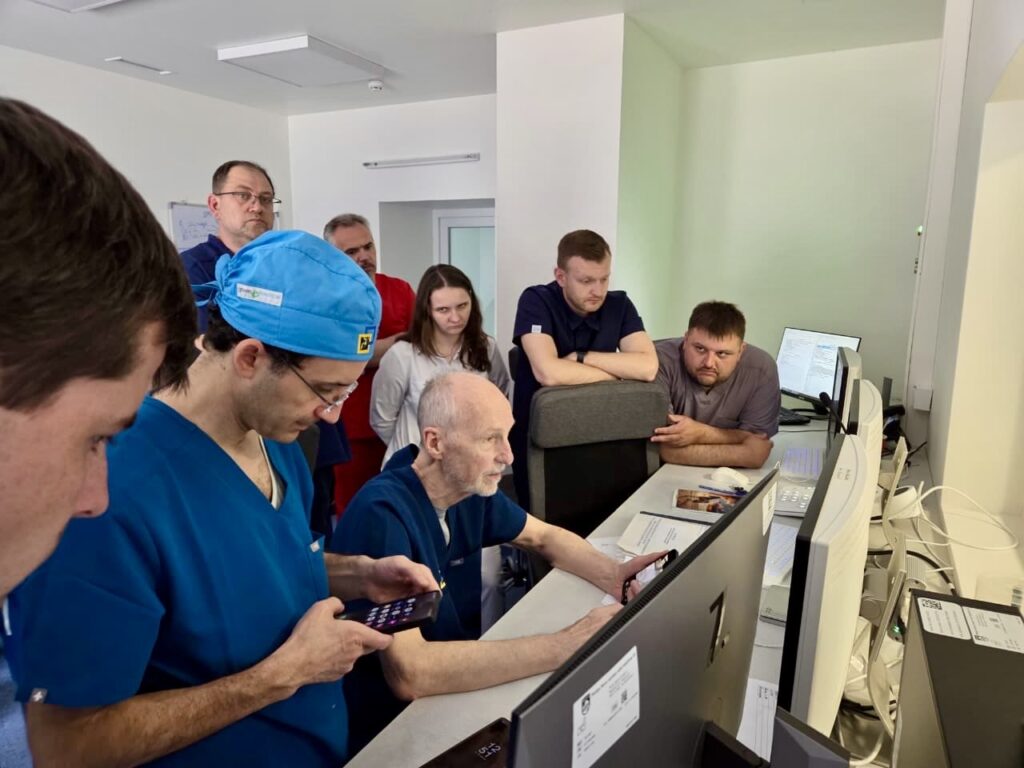
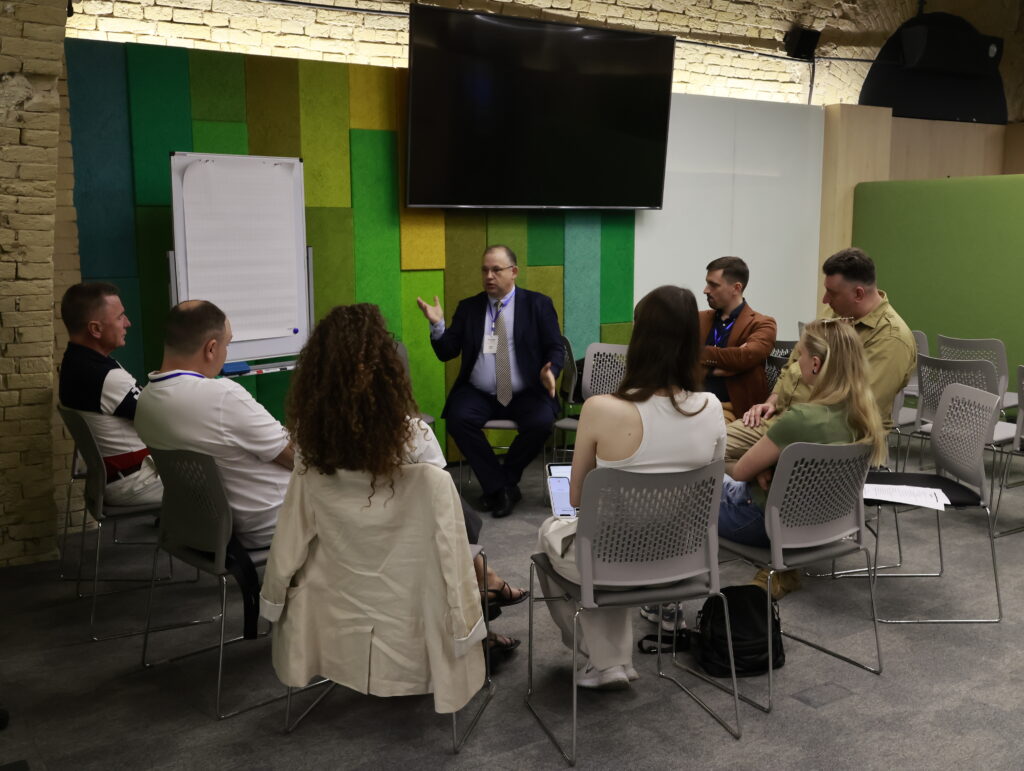
While the presentations inspired participants, the specialty working groups transformed those ideas into concrete plans for the future.
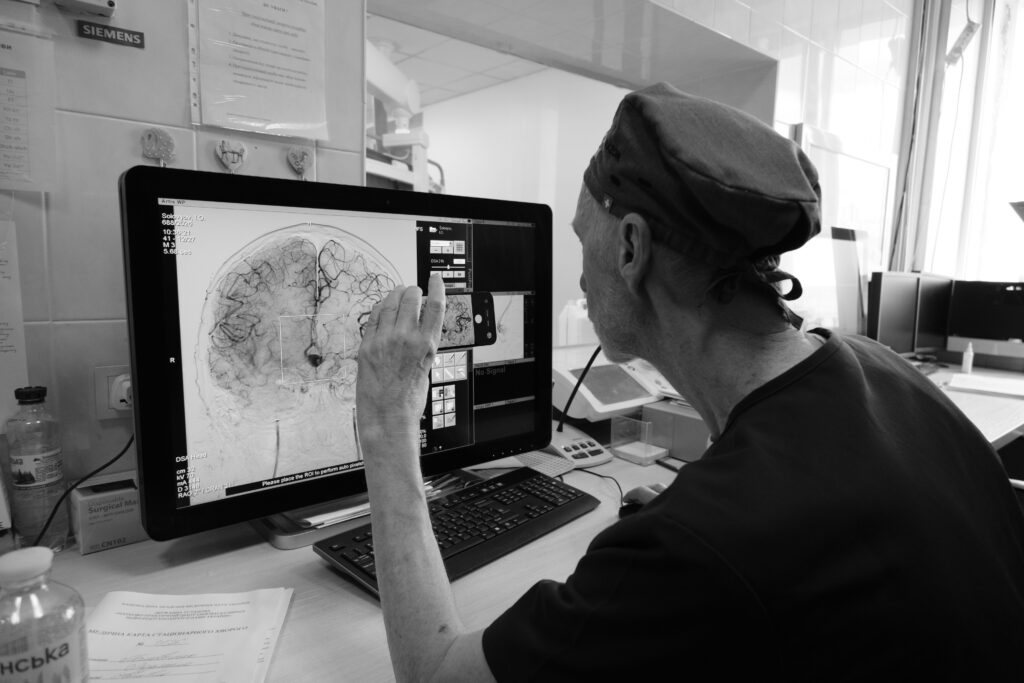
- Neurosurgeons discussed implementing modern endovascular and hybrid surgical techniques, developing Ukrainian clinical protocols informed by wartime experience, and strengthening military-civilian cooperation through formal referral pathways and multidisciplinary collaboration.
- Orthopedic surgeons emphasized that Ukraine’s wartime experience has become one of its greatest strengths. The discussions focused on translating individual expertise into lasting system-wide improvements through standardized treatment protocols, mentoring young physicians, stronger professional associations, and better patient pathways.
- The facial reconstruction working group identified workforce shortages, national treatment standards, multidisciplinary care, and improved access to rehabilitation and facial prosthetics as critical priorities for the years ahead.
- Nursing leaders highlighted the urgent need for safe staffing standards, stronger legal recognition of the nursing profession, expanded educational opportunities, improved compensation, and greater professional autonomy to build a resilient healthcare workforce.
Even though each specialty faced unique challenges, every group arrived at a similar conclusion: the future of Ukrainian healthcare depends not only on clinical excellence but on building stronger systems, investing in people, and continuing to collaborate across institutions and disciplines.
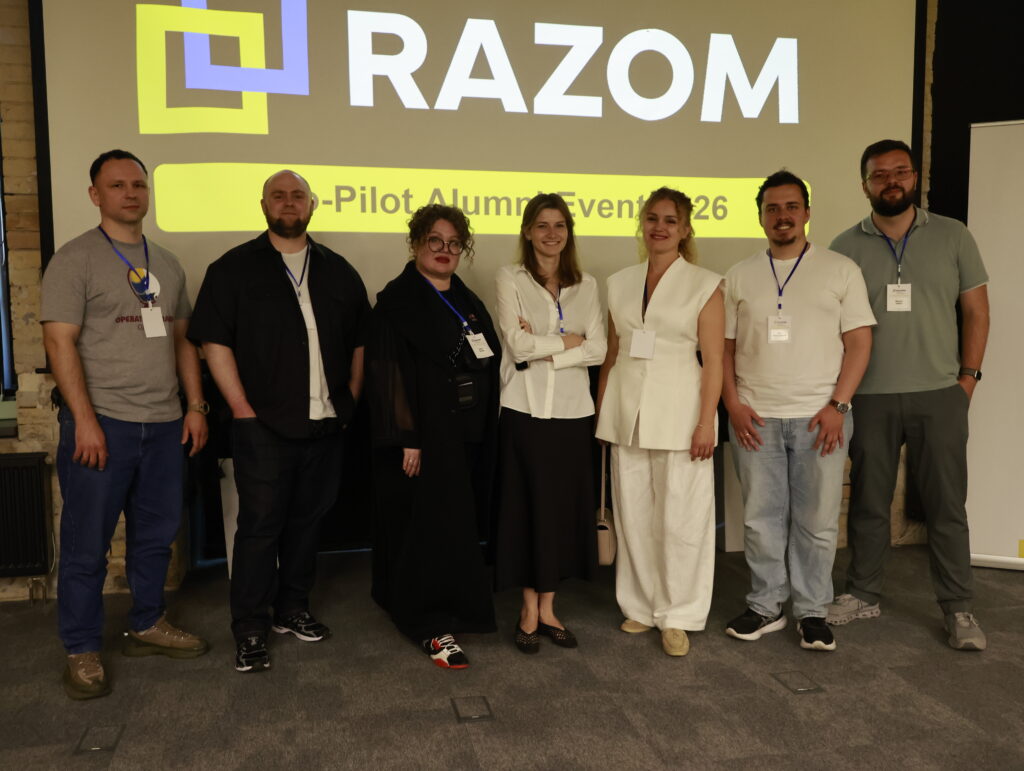
“I want to highlight our Ukrainian doctors and nurses who, despite the challenges of war and limited resources, continue to grow, adapt, and find new ways to care for their patients. But what is most inspiring is the community they are building” said Iryna Matsiuk, Co-Pilot Project Coordinator.
Natalia Rhyzhylo, who spoke about the changing role of nurses in Ukraine, commented on the importance of the support Ukraine receives from the Razom community.
“As long as we have this support, we know we are not standing alone. The strength of this global community — especially our partners in the United States — gives Ukraine the ability to keep moving forward. We are stronger because we know we have people standing with us,” said Natalia Ruzhylo, Deputy Medical Director for Nursing at Ivano-Frankivsk Regional Clinical Hospital and Director of the Pre-Carpathian School of Nursing.
Measuring the Impact
Over the years, more than 300 North American medical volunteers have joined Razom Co-Pilot missions in Ukraine, more than 500 Ukrainian doctors & nurses have participated in programs, and thousands of medical professionals have gained access to training, education, and international exchange opportunities.
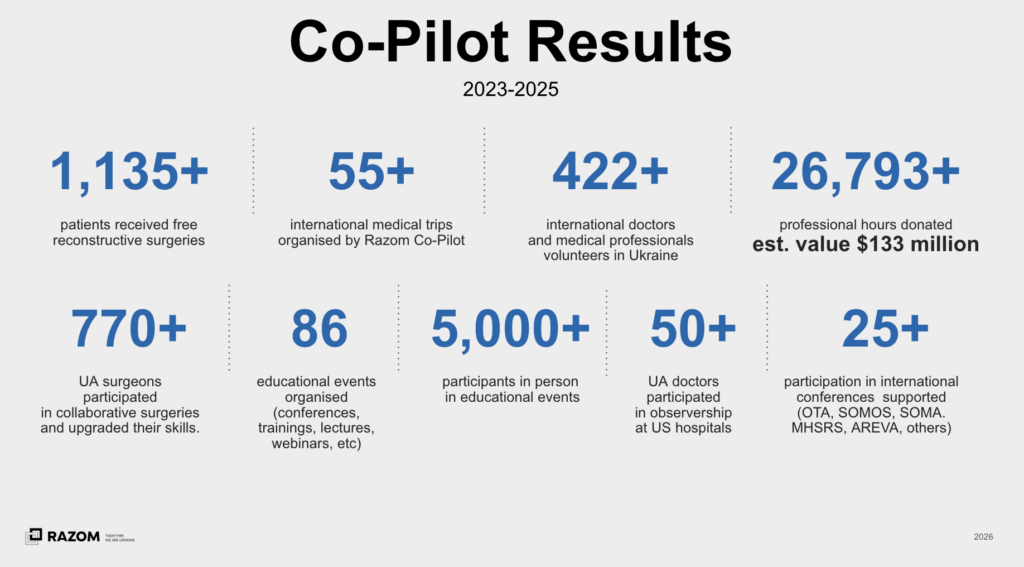
Feedback from the Alumni gathering demonstrated the strength of these professional relationships. More than 92% of participants established new cross-sector professional connections, and the same percentage reported having concrete plans for future collaboration. Additionally, more than 84% shared that the working group discussions closely reflected the realities of their clinical practice.
“It was a warm gathering that brought together people we have worked with for many years. It reminded me of hosting a big birthday celebration, where you get to introduce the people you appreciate most, knowing they will connect over their commitment to treating patients with war injuries.” said Alex Domaradsky, Co-Pilot Project Manager.
But the greatest achievement cannot be measured in numbers — it is the people. Ukrainian medical professionals who are now becoming educators, instructors, innovators, and leaders of change in their hospitals and professional communities. This is how lasting change happens.