
For many Ukrainian service members, returning home from the front marks the beginning of a new chapter —one of recovery, readjusting to civilian life, and finding new sources of purpose and support.
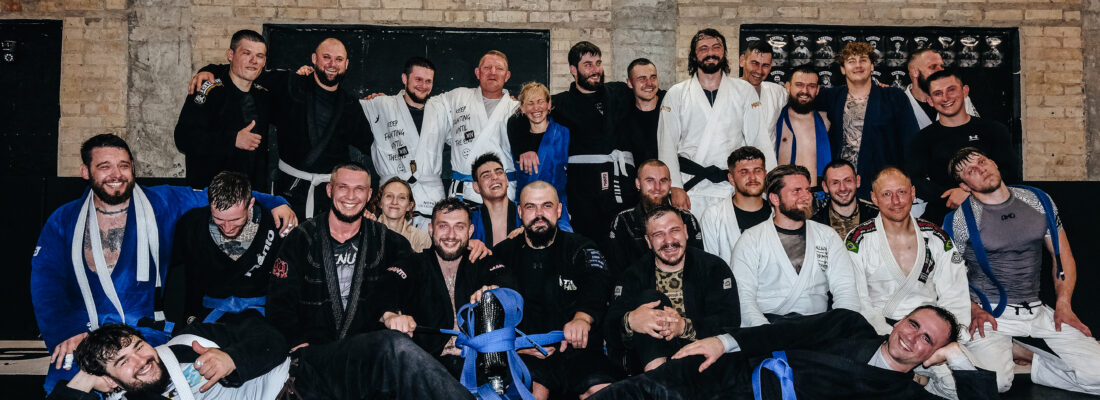
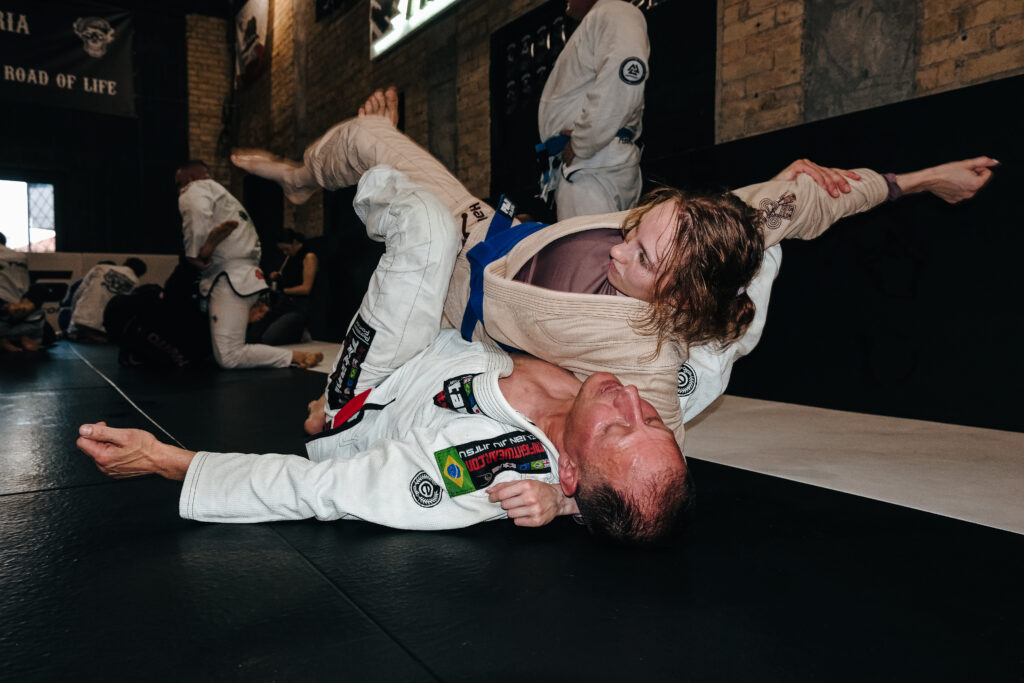
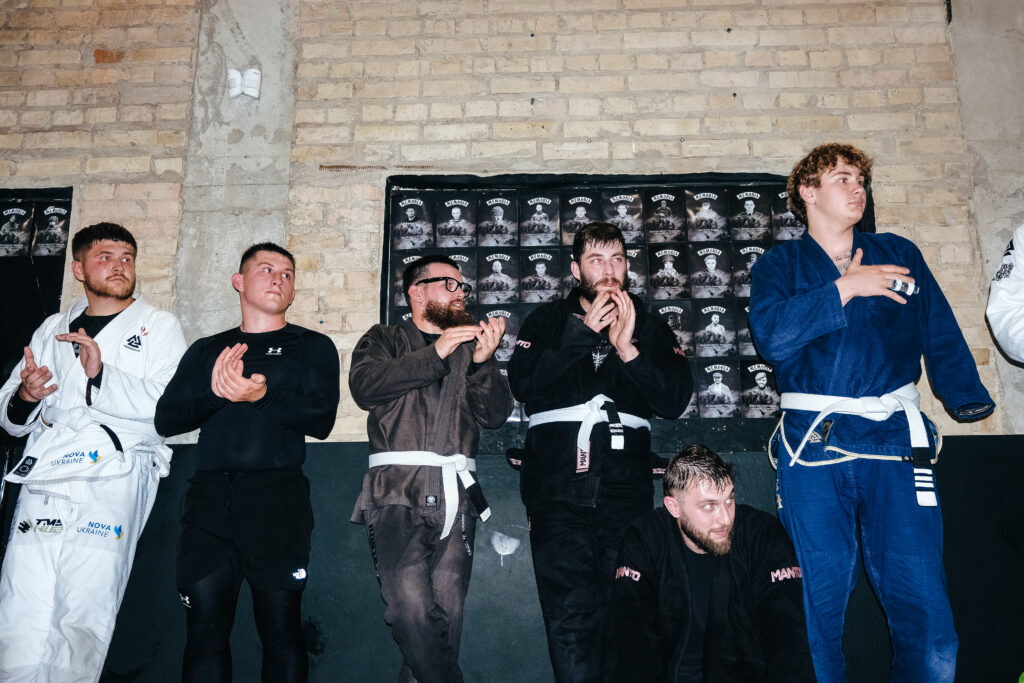
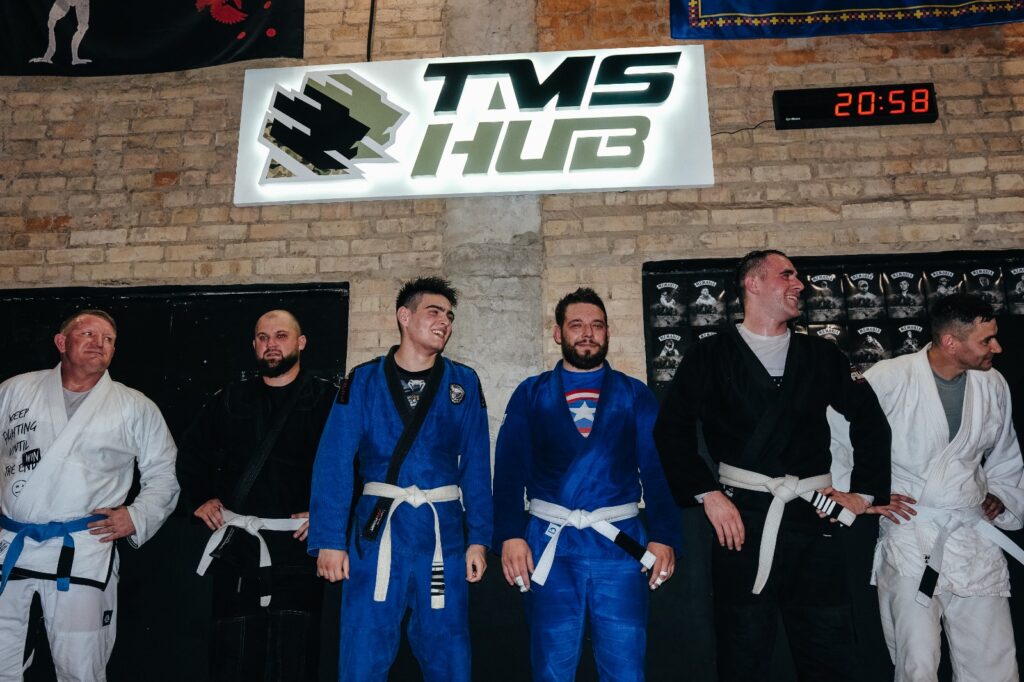
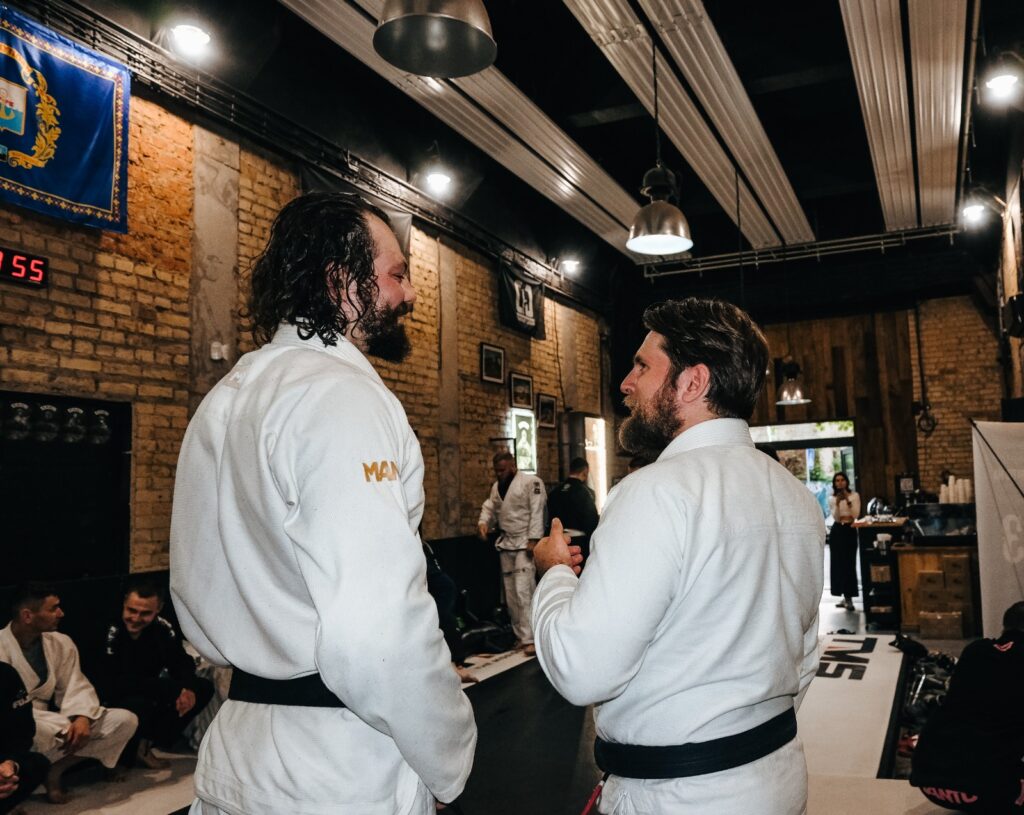
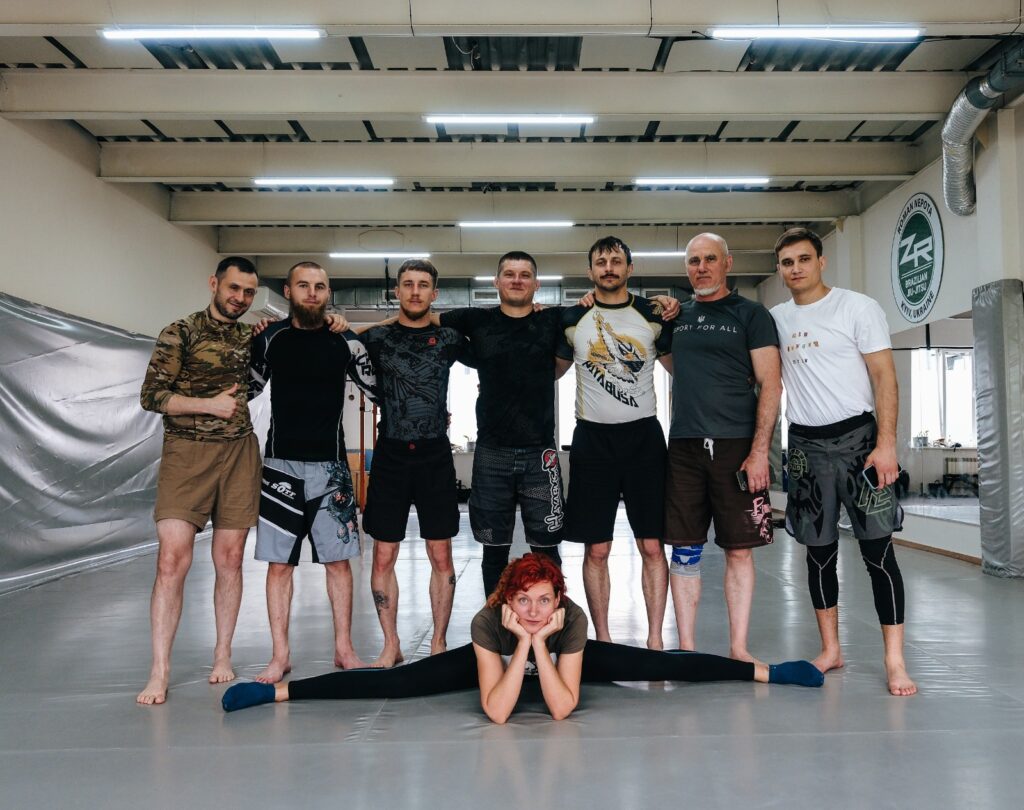
A training gym tucked inside a garage in Kyiv’s Podil district feels like its own little world. Blues and rock music fill the air, while the exposed brick walls are covered with military flags and unit patches. Veterans gather here to train, learn Brazilian jiu-jitsu, and spend time among people who understand their experiences without requiring lengthy explanations.
On the mats, there is friendly competition, laughter, and a strong sense of camaraderie. It is a place to focus on movement, challenge yourself, support others, and simply be yourself. Every person returns from war with a different story, different needs, and a different pace of recovery. For some, the priority is regaining confidence in their body. For others, it is finding a community, discovering a new role, or creating a space where they can begin planning for the future.
Adaptive sports are athletic activities tailored to an individual’s abilities and needs. For veterans — especially those recovering from injuries or living with disabilities — they can play an important role in physical rehabilitation, psychological well-being, and social connection.
Since 2025, Razom has supported initiatives that help veterans recover through sports, train adaptive sports coaches and instructors, strengthen veteran leadership programs, and build local communities. This summer, we visited two of these projects and witnessed participants not only discovering new opportunities through sports, but also passing their knowledge on to others, creating safe spaces, and bringing their communities together.
A New Chapter
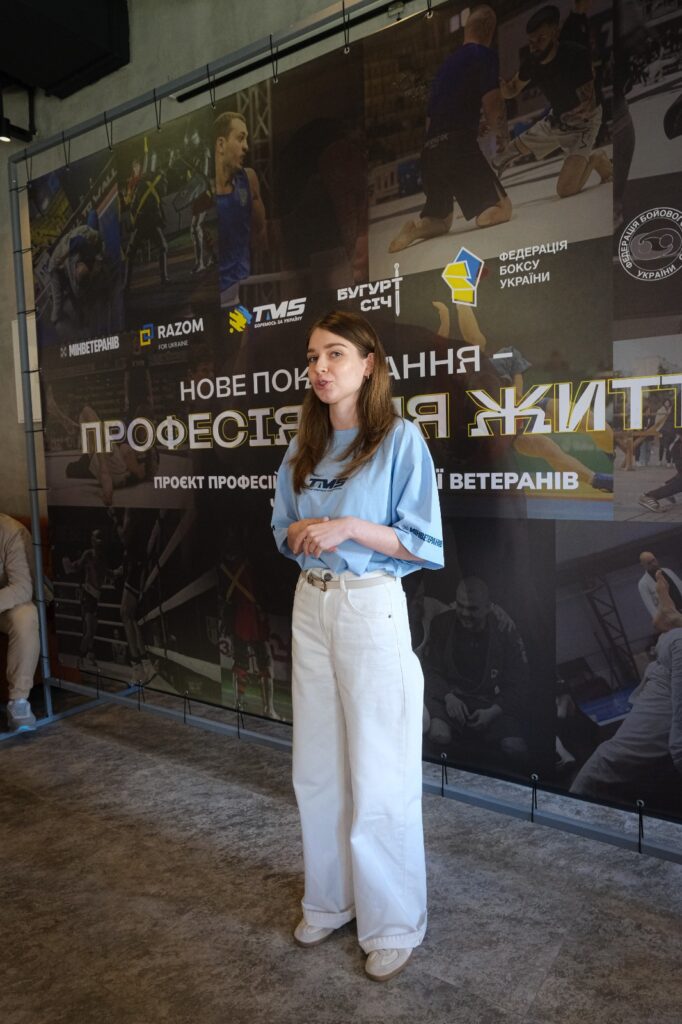
“We have immense respect for those still serving on the front lines, and just as much respect for those who return home,” says Nataliia, project manager of “New Calling: A Profession for Life”. “The transition back to civilian life can be challenging, which is why it is so important for veterans to feel supported by society.”
That support is especially critical in smaller communities, where access to infrastructure, specialized services, and spaces for connection is often limited. Every veteran follows their own path of readjustment after returning home. When support is unavailable, emotional struggles may go unnoticed, leaving people to face them alone.
Project participant Artem remembers his own experience after demobilization:
“There were certain mental processes I didn’t like.”
One day, a friend invited him to a jiu-jitsu practice. Over time, the sport became an important source of stability.
“It gave me direction—somewhere to channel my emotions and a healthy way to clear my mind.”
Nearly ten years later, Artem remains part of the jiu-jitsu community. His experience showed him just how important movement, teamwork, and a sense of belonging can be in rebuilding life after military service.
Another participant, veteran Artem P., underwent a long recovery after being wounded and losing both legs.
“I was unconscious for a long time. For nearly two months, I was constantly under medication following multiple surgeries. When you finally return to everyday life after that, it’s difficult to find your place again,” he says.
Throughout his recovery, his greatest source of support was his family — his wife and daughter. Later, he joined an adaptive archery program. Training helped him better understand the capabilities of his body, regain confidence, and discover new goals.
“The most important thing is changing the way you see yourself — not as someone who is helpless, but as someone who is still capable of so much.”
For Artem, adaptive sports became much more than part of his physical rehabilitation. They became a space where he could test his limits, keep moving forward, and once again feel like an active participant in life.
How Do Adaptive Sports Help?
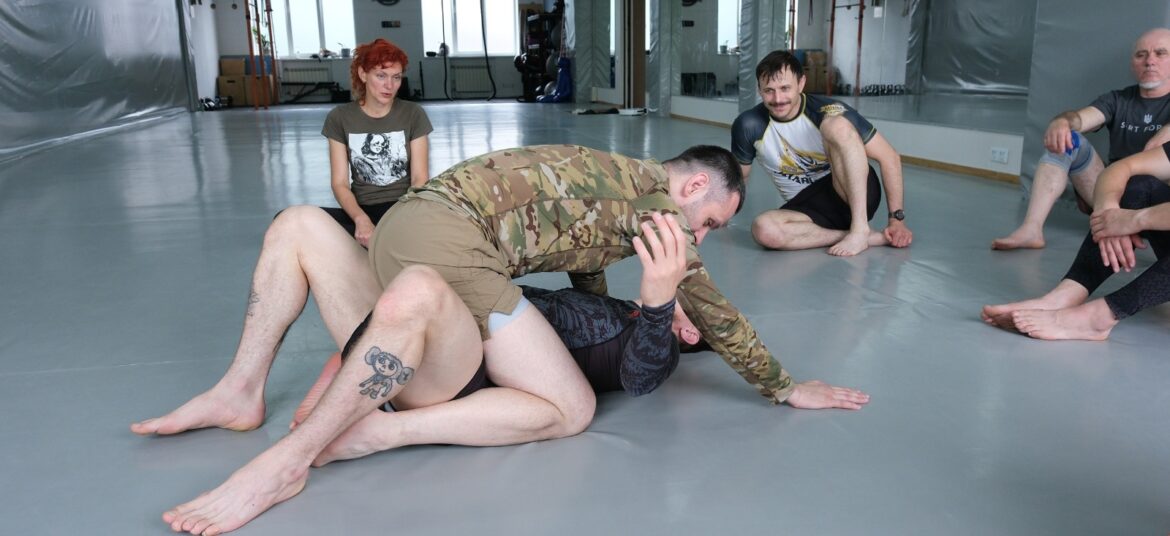
Oleh, the head coach of the “New Calling: A Profession for Life” project, explains that adaptive sports help participants develop body awareness, regain control over their movements, and improve their sense of balance.
“During the first few months of training, we focus on learning how to fall safely without getting injured. For people with disabilities, this is a skill that can make a real difference in everyday life.”
The ability to fall safely, maintain balance, or simply feel confident in your own body may seem like a small thing — until one day you have to learn those skills all over again.
Supporting Mental Health and Healing from PTSD
War leaves behind more than physical wounds. After returning home, many veterans face the psychological consequences of combat, including post-traumatic stress disorder (PTSD), anxiety, irritability, and feelings of isolation. Adaptive sports offer a safe and structured way to work through these challenges.
Oleh, who primarily teaches Brazilian jiu-jitsu, explains the science behind the process:
“In training, we redirect the aggression associated with PTSD into a controlled environment. We know the violence isn’t real — it can stop at any moment — but hormonally, the body responds as if the danger is real. When the sparring session ends, the brain receives a clear message: I survived. Dopamine is released, and the person’s emotional state begins to improve.”
In this way, adaptive sports support recovery on multiple levels, helping veterans rebuild both physical strength and psychological resilience.
Nataliia, the project’s program manager, emphasizes that recovery is never one-size-fits-all. Different people need different entry points.
For some veterans, working with a psychologist comes first, giving them the confidence to eventually step onto the training mat.
For others, the process unfolds in the opposite direction. They need to release tension through physical activity before they are ready to open up in therapy.
Adaptive sports make both paths possible, meeting veterans where they are and allowing recovery to begin in the way that works best for each individual.
Rebuilding Confidence and Finding New Purpose
Adaptive sports do more than support rehabilitation — they also open the door to new careers and ambitions. For many veterans, they become an opportunity to pursue competitive athletics or become coaches after military service.
With just two or three years of training, many Ukrainian veteran-athletes are already competing at national and international tournaments, earning podium finishes and proving that recovery can lead to new achievements.
Nataliia recalls one particularly inspiring story:
“We had a participant with bilateral above-the-knee amputations. He had been training for only one year, and he came home with a gold medal.”
Ukrainian athletes continue to achieve remarkable success on the world stage. At the 2025 World Jiu-Jitsu Championship in Abu Dhabi, Ukraine’s national team finished second in the overall team standings and third among participating nations.
Coach Oleh hopes to see the team reach the very top — and is determined to help make that happen.
“Brazilians used to dominate jiu-jitsu. They were used to being the ones everyone looked up to. In 2024, Ukraine burst onto the scene, and people were genuinely surprised. In 2025, we performed even better. We want to keep building on that success and show the world how strong we are.”
Adaptive jiu-jitsu is unique because it allows athletes to transform what others might see as limitations into competitive advantages. Some of Oleh’s athletes with disabilities even aspire to compete in open divisions alongside able-bodied competitors.
“In this sport, your disability can actually become your strength. When your opponent encounters it for the first time, they’re disoriented — they simply don’t know how to respond.”
Jiu-Jitsu as “Human Chess”
Andrii, a participant in the “Sports Ambassadors” project, an experienced jiu-jitsu coach, and a veteran who defended Donetsk Airport in 2014, describes the sport as “human chess.”
Every match, he says, is a contest of two minds, with opponents solving complex problems under constant pressure. Success depends not on physical dominance but on strategy, timing, and the ability to use an opponent’s strength against them. In jiu-jitsu, the smaller or seemingly weaker competitor can defeat a stronger one through skill and tactical thinking.
For Ukrainians, this idea feels deeply familiar. Throughout Russia’s war against Ukraine, Ukrainian defenders have repeatedly faced a much more powerful enemy, relying on ingenuity, adaptability, and determination to overcome overwhelming odds.
For many veterans, adaptive jiu-jitsu recreates that mindset in a safe environment. It allows them to experience familiar emotions — stress, focus, determination, and resilience — without the life-threatening danger of combat. On the mat, they learn not only how to respond under pressure, but also that they are capable of regaining control, trusting themselves again, and moving forward.
From Athletes to Community Leaders
Training offers veterans more than physical recovery — it creates opportunities to reconnect with others who share similar experiences, both on and off the mat. For veteran Artem, the gym has become much more than a place to exercise. It is a place to meet friends, unwind, and talk openly with people who understand.
“These are the same people I stood in line with at the military enlistment office.”
Inspired by the support he found through jiu-jitsu, Artem dreams of returning to his hometown of Uman and building a local jiu-jitsu community where fellow veterans can train, connect, and support one another.
This is precisely the kind of impact Razom’s adaptive sports initiatives are designed to create. By equipping veterans with new skills, professional training, and leadership opportunities, these programs empower them to build lasting support networks in their own communities.
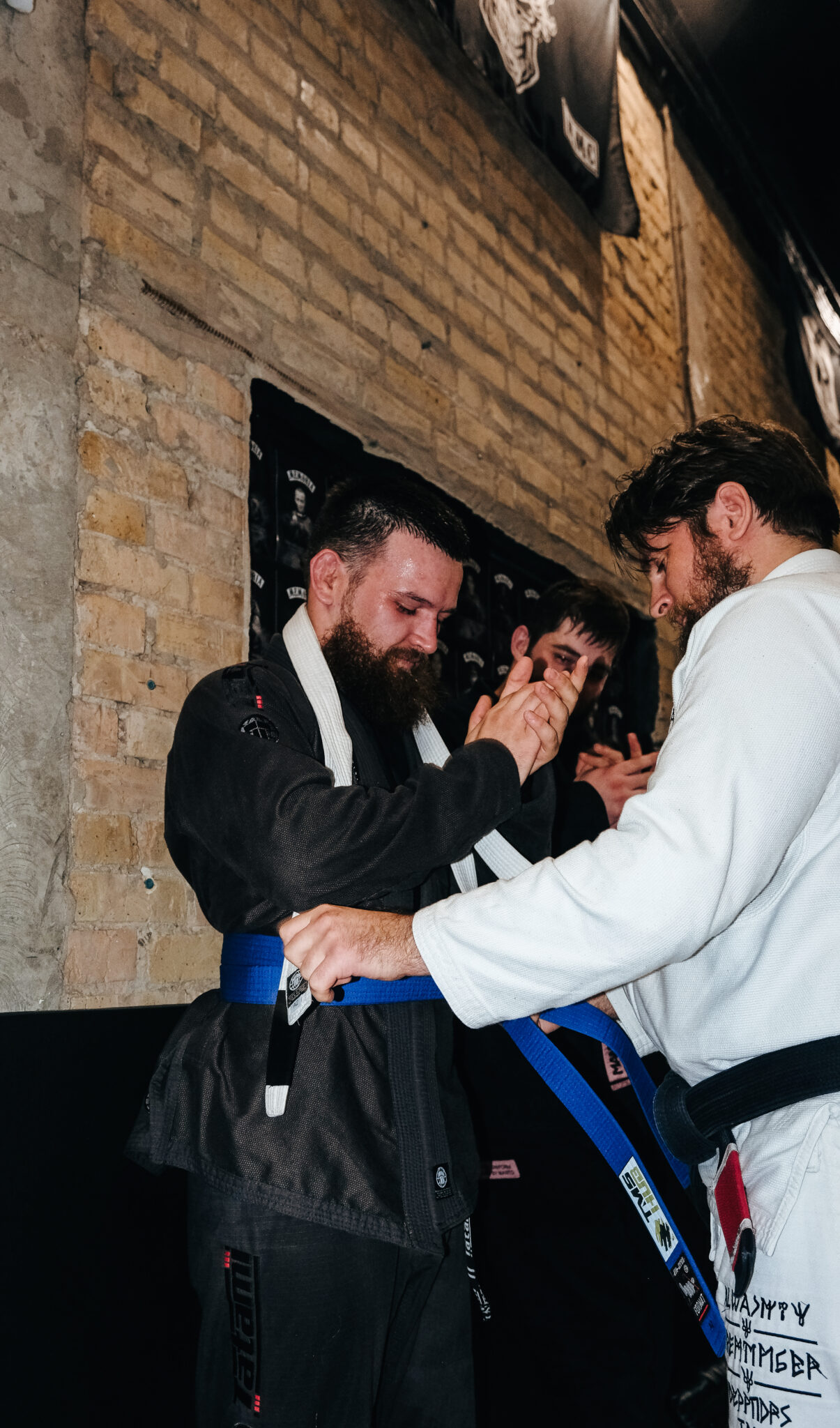
“New Calling: A Profession for Life”, implemented by the nonprofit “TMS – Fighting for Ukraine”, helps veterans build new careers as adaptive sports coaches. Participants completed comprehensive training in coaching, rehabilitation methods, psychological resilience, and entrepreneurship. Upon graduation, they received professional certificates and support with admission to the National University of Ukraine on Physical Education and Sport.
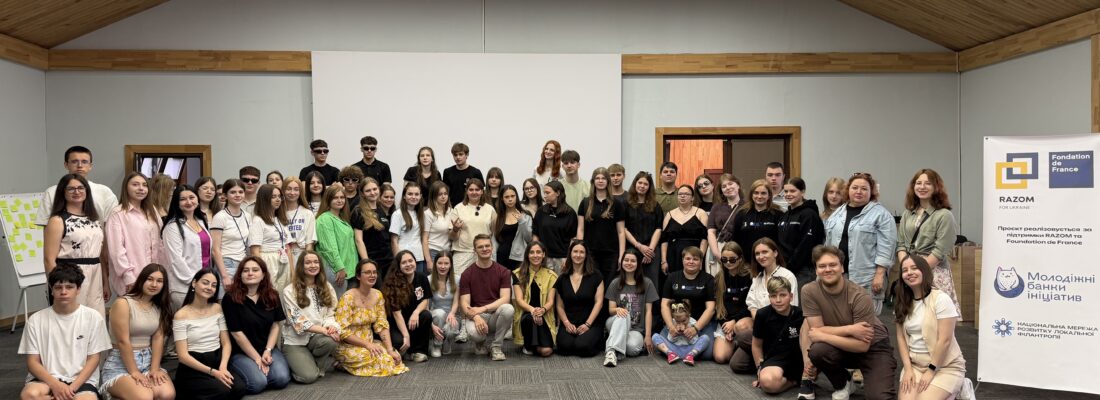
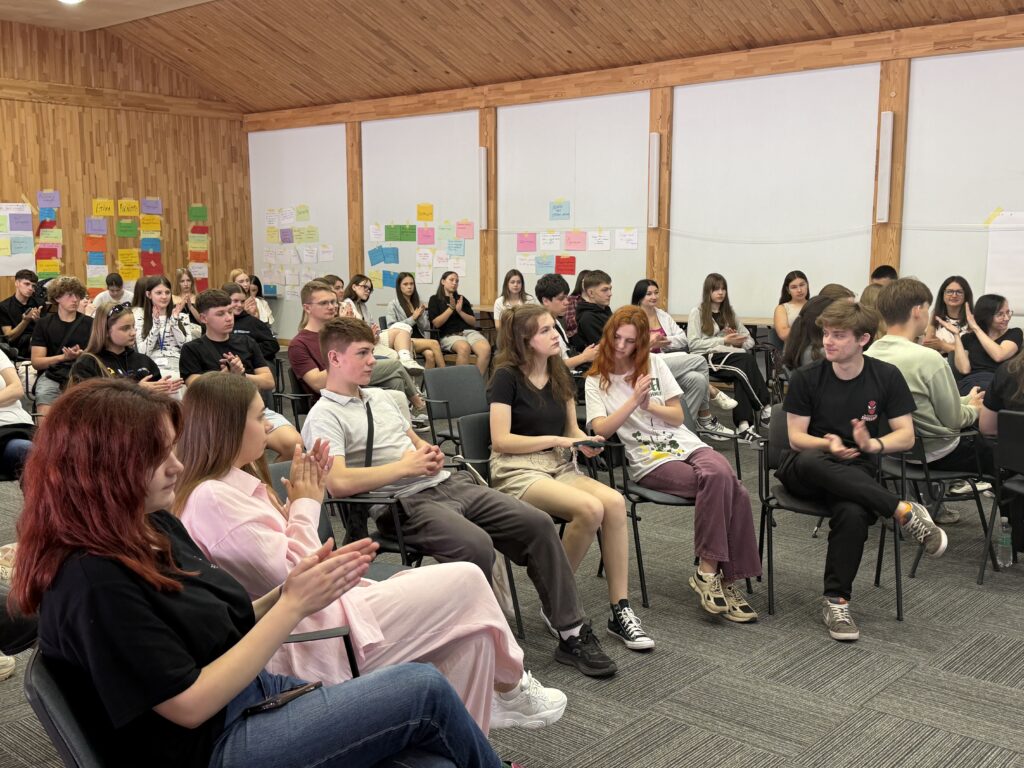
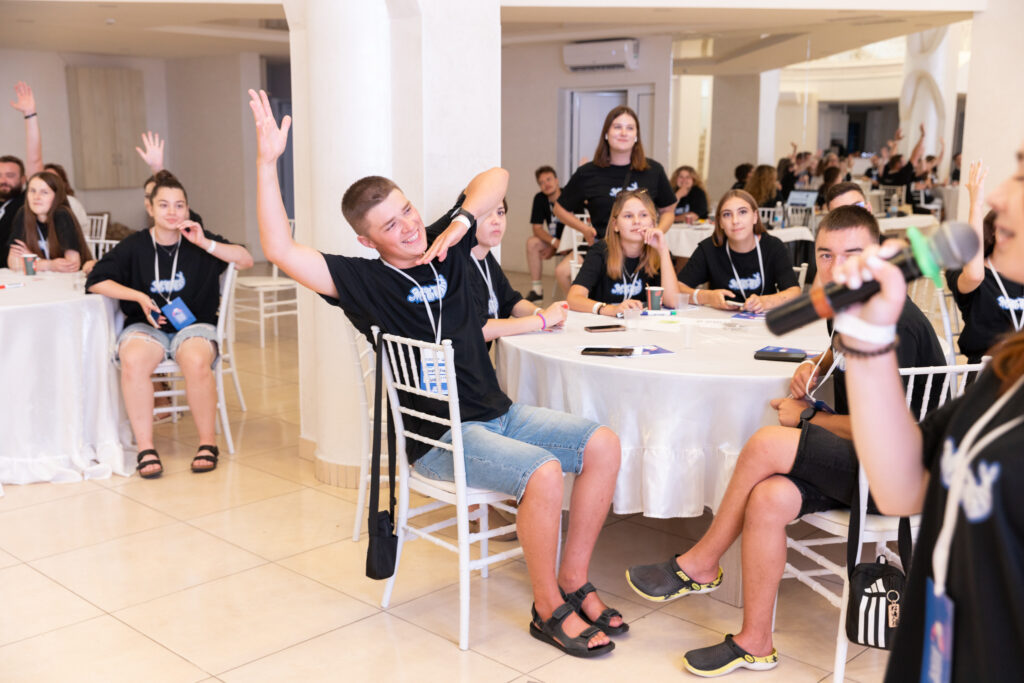
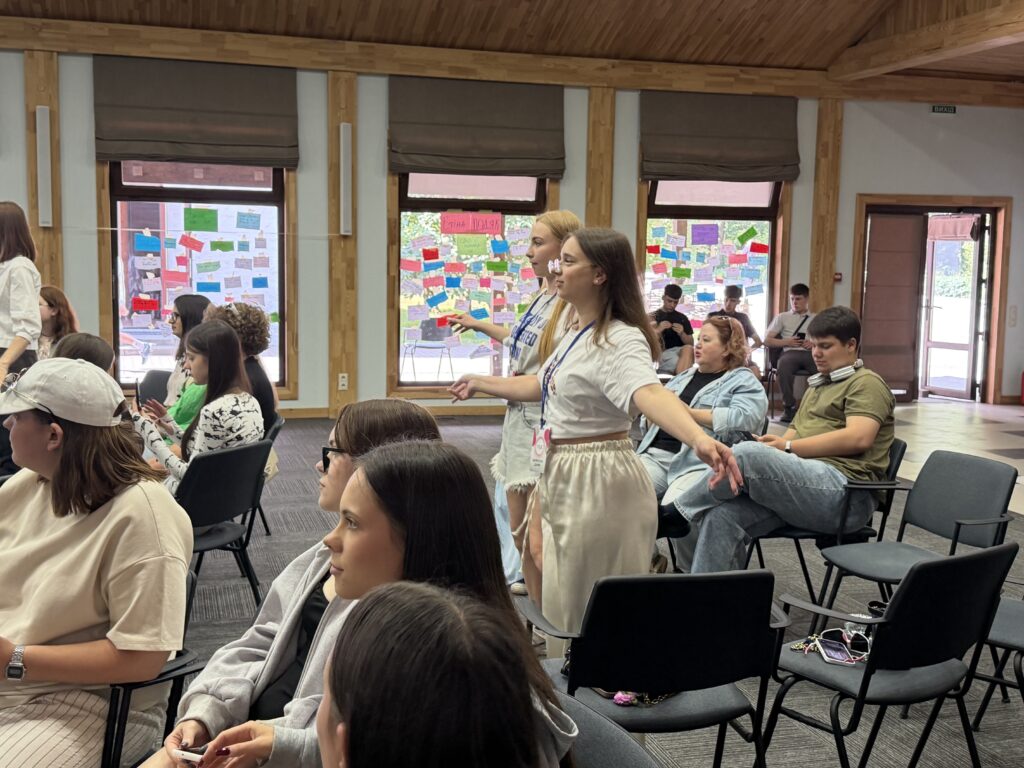
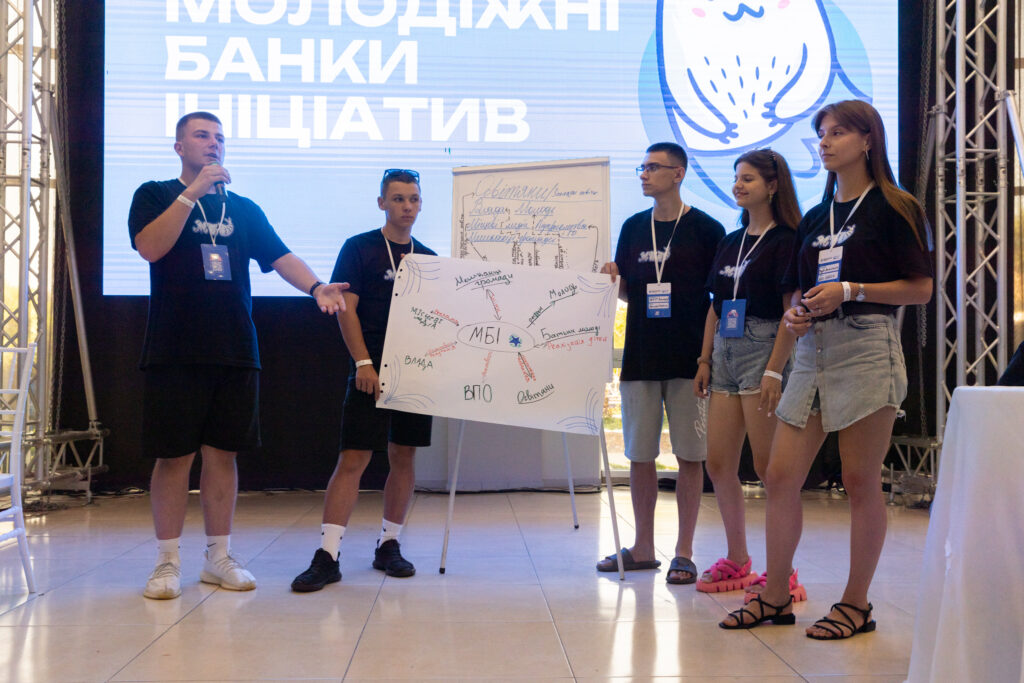
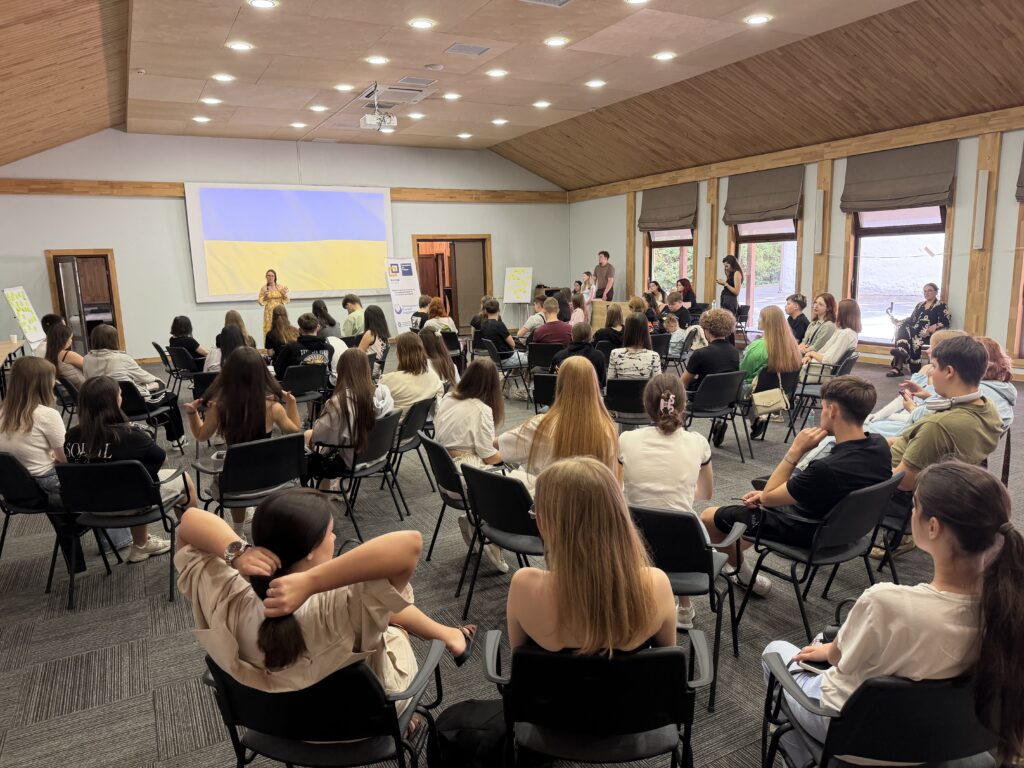
“Sports Ambassadors 3.0”, implemented by “StratCom UA”, focuses on developing veteran leadership through adaptive sports. Over five months, participants completed training in leadership, communications, grant management, and community project development. Thirty finalists representing 20 communities took part in an in-person intensive program, where they presented their own adaptive sports initiatives. At least seven of these community projects will receive grant funding from Razom to bring their ideas to life.
The impact of these programs extends far beyond the participants themselves. Every graduate becomes someone who can pass on their knowledge, mentor others, and strengthen their local community. One trained coach can support veterans for years. One adaptive sports program can transform an entire community. And one veteran who regains confidence often goes on to help dozens of others begin their own journey of recovery.
Step by step, these initiatives are restoring more than individual lives—they are helping build a stronger, more resilient, and more connected Ukraine.
Author Mariia Krychevska