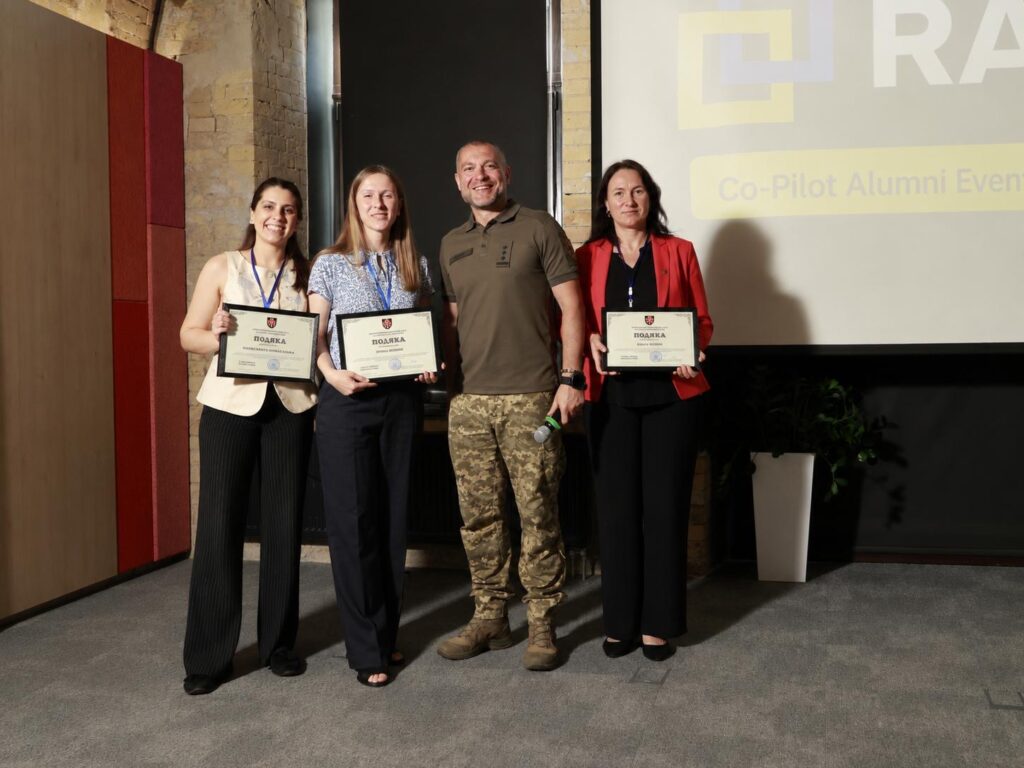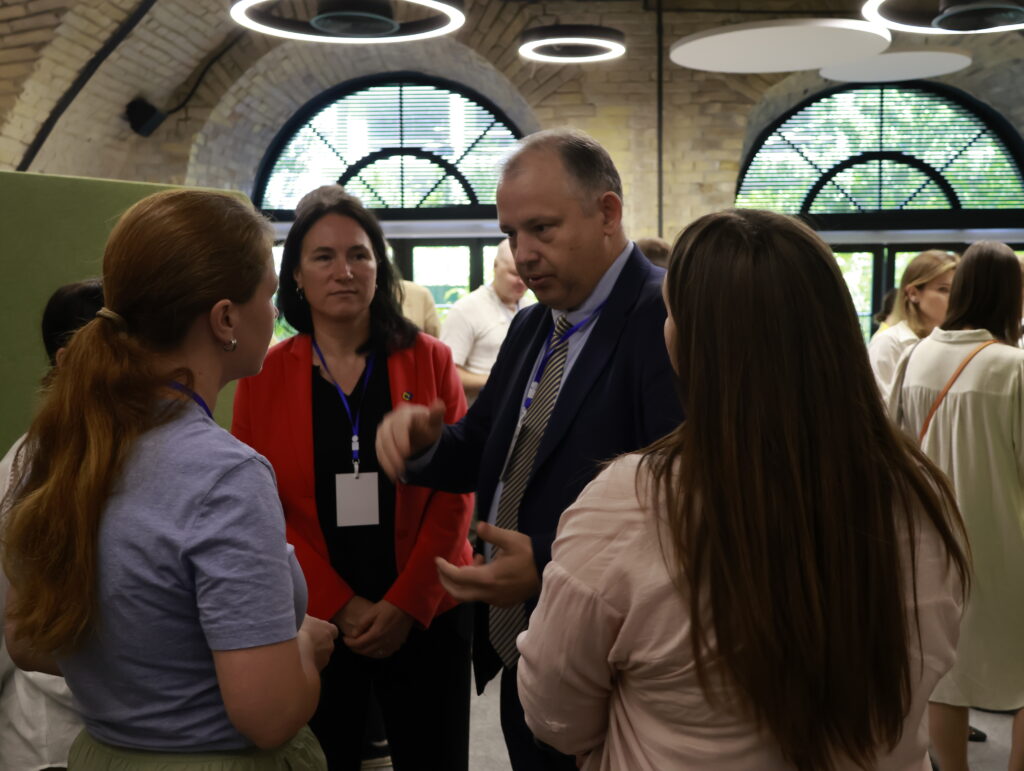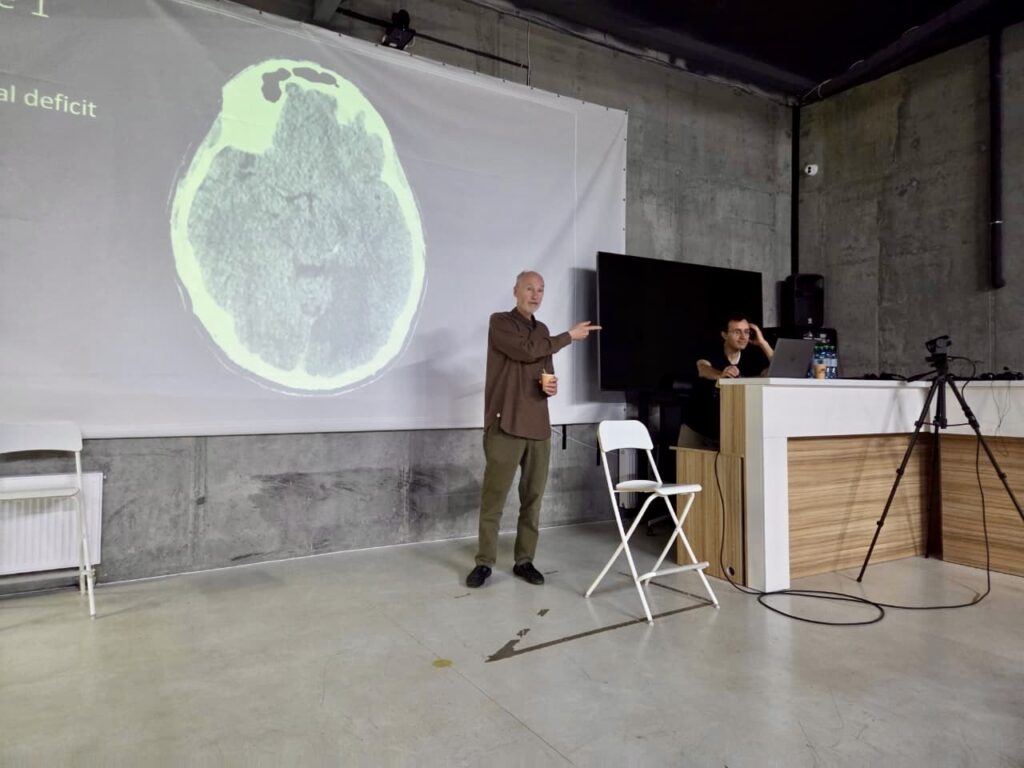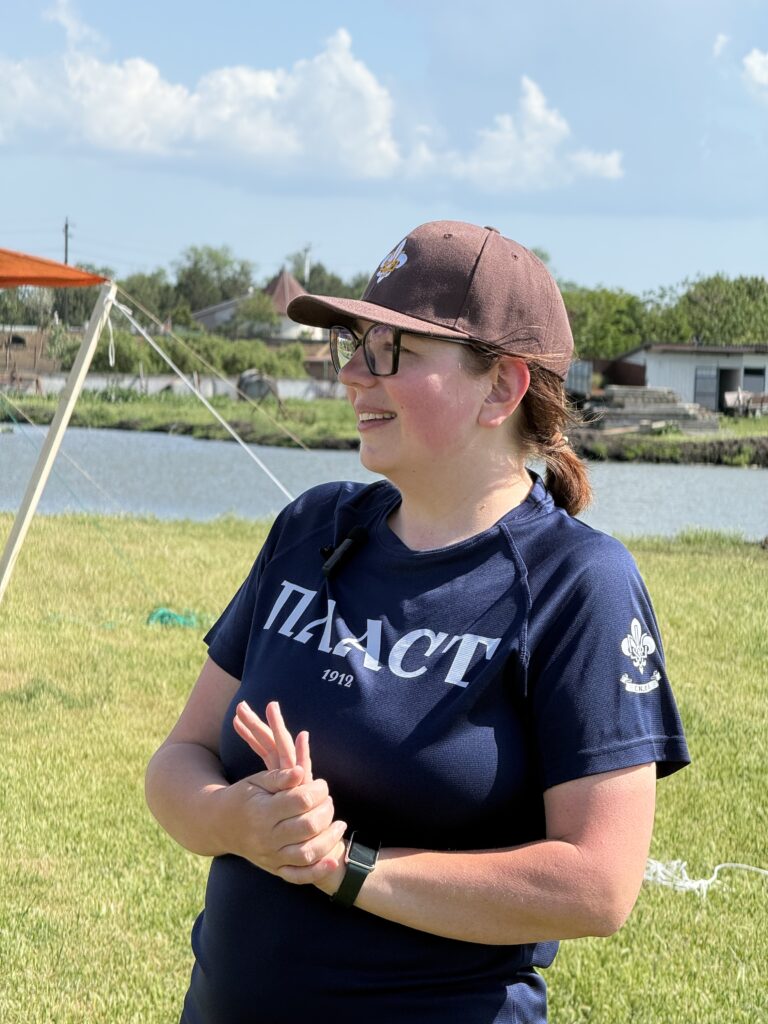

How is the war changing Ukraine’s cultural scene — and what can a psychologist see in the process? Olha Uhryn, a psychologist with the “RAZOM z toboyu” project, created by Razom for Ukraine to support Ukrainians during the war, has joined the President’s “Tyshchovesna” project as an ethics expert. As part of the project, she helped cultural teams navigate sensitive topics, traumatic experiences, and people’s personal stories with care.
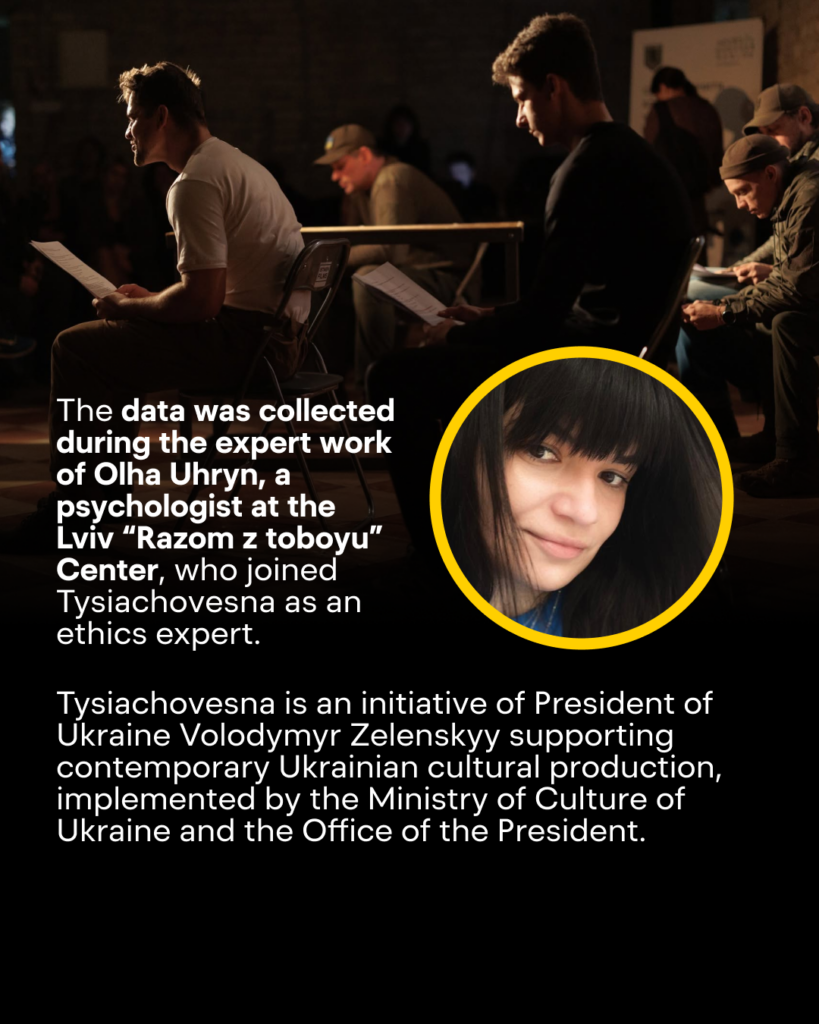
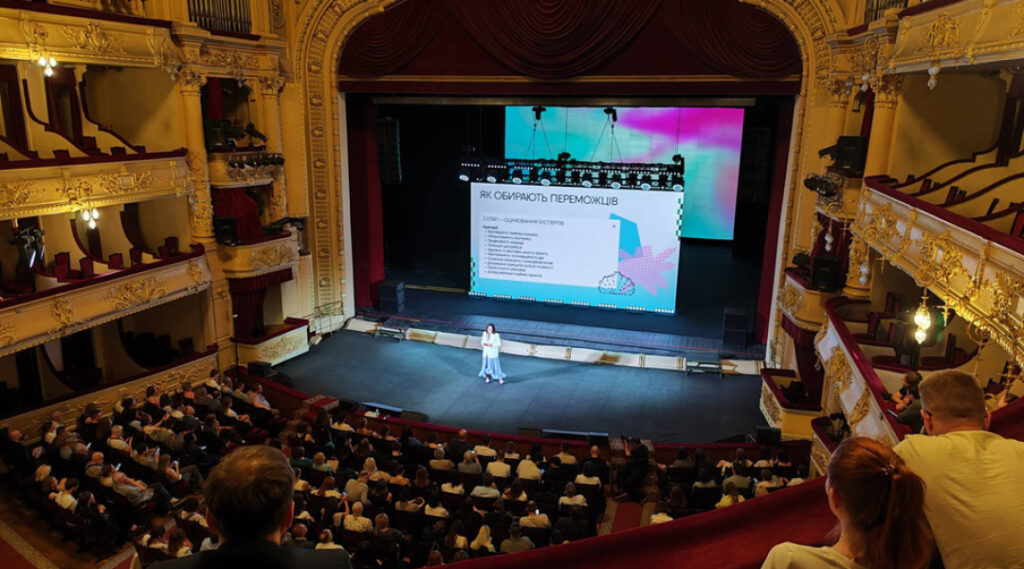
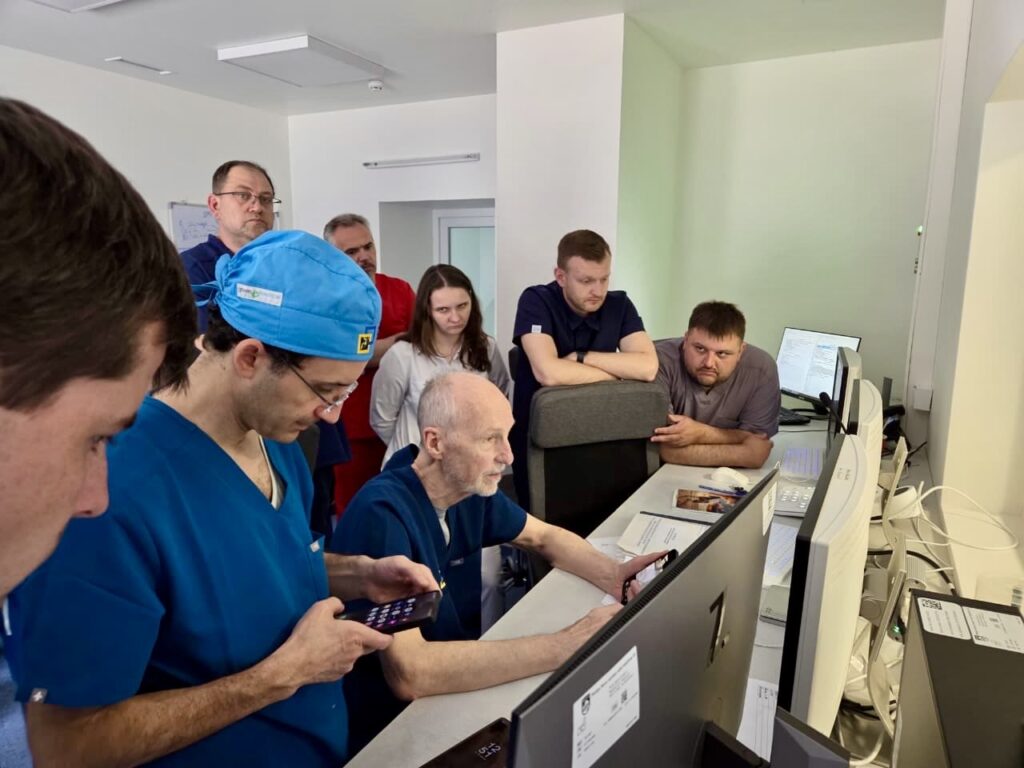
During the project’s third stage, held from August 12 to 16, 2026, Olha joined other experts in evaluating cultural projects, with particular attention to how they approached sensitive topics, traumatic experiences, vulnerable groups, and personal stories. Taking part in the process gave her a chance to see Ukraine’s contemporary cultural scene not only as an audience member, but from the inside — and to observe how the war is changing it.
“Tyshchovesna” — Government Initiative Supporting Ukrainian Culture
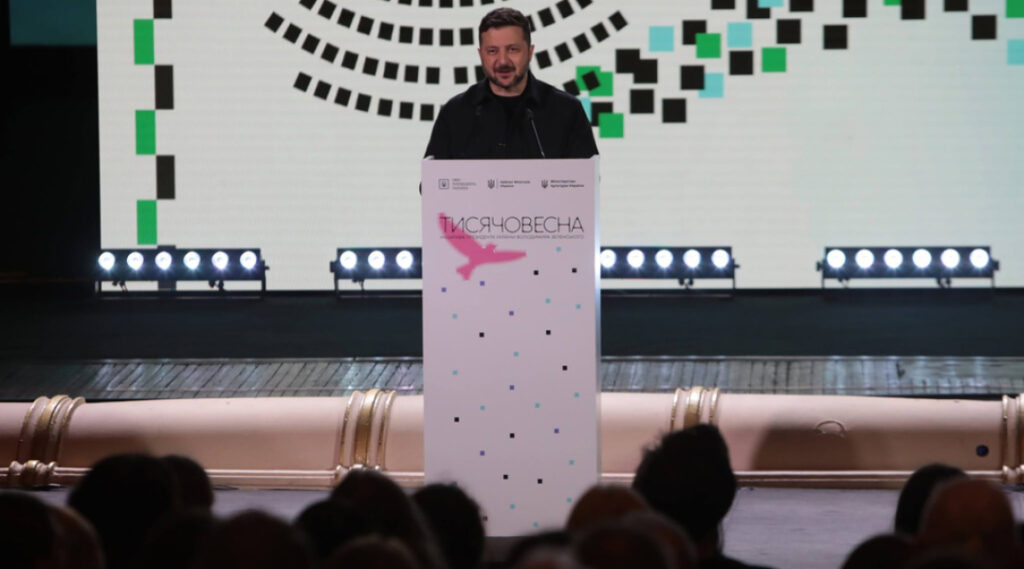
“Tyshchovesna” was created to support artists and creators who produce Ukrainian cultural content, tell Ukrainian stories, and strengthen the cultural resilience of society. Another goal of the project is to create a Ukrainian information environment for the growth and development of young people. The project was initiated by President of Ukraine Volodymyr Zelenskyy. The Ministry of Culture of Ukraine and the Office of the President of Ukraine are responsible for its implementation. A total of 282 projects advanced to the second stage of the competition. Each section included an inclusivity expert and a psychologist — an ethics consultant.
How the War Is Changing Ukrainian Theater
The work on “Tyshchovesna” clearly demonstrates how Ukrainian theater is shifting its focus toward a people-centered and inclusive approach — both physically and mentally. Sign language interpretation, audio description, and physical accessibility of venues are no longer treated as “services upon request.” They are becoming part of the artistic concept and an expression of respect for the audience.
The themes are changing, too. Ukrainian theater is increasingly turning to subjects rooted in the country’s present and its history: the experience of war and how people process it, the reintegration of veterans, loss, and family stories. At the same time, the stage is finding new ways to interpret classical works and bringing the names of prominent Ukrainian writers and cultural figures back into the spotlight, including those associated with the Executed Renaissance.
“From a psychological perspective, this return to our roots and the modernization of our heritage are signs of the decolonization of our identity. We are learning to see ourselves and understand who we are not through stereotypes imposed by foreign narratives, but through our own depth, dignity, and authentic history,” says Olha Uhryn.
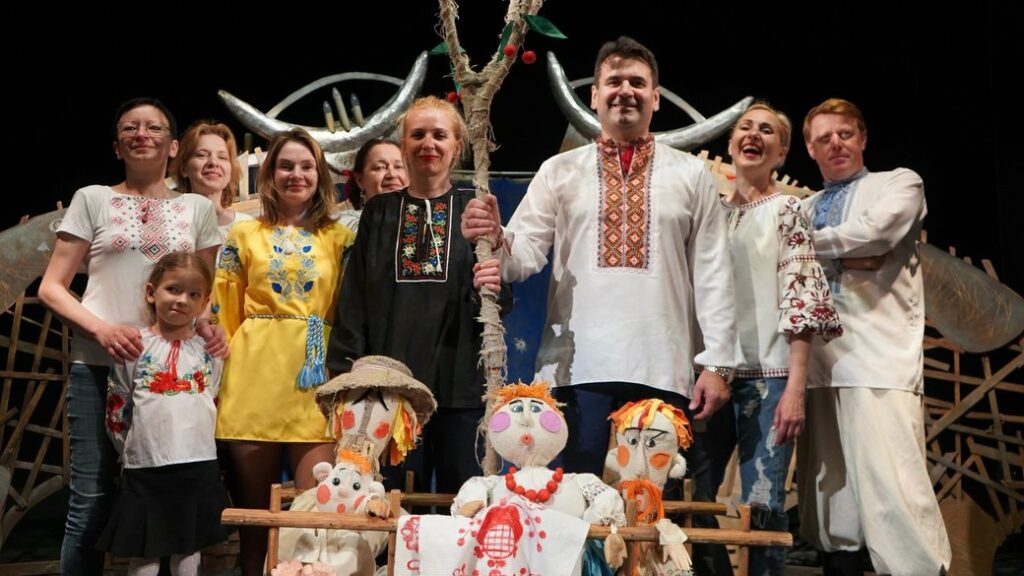
At the same time, there is less need to wrap complex and painful topics in a simplified, pseudo-traditional framework that was often referred to in the past as “sharovarshchyna.” There has also been a noticeable increase in the number of theater initiatives themselves. These include independent theater companies and the Veterans’ Theater, which seek to speak to audiences in their own authentic way about what hurts and matters to people right now.
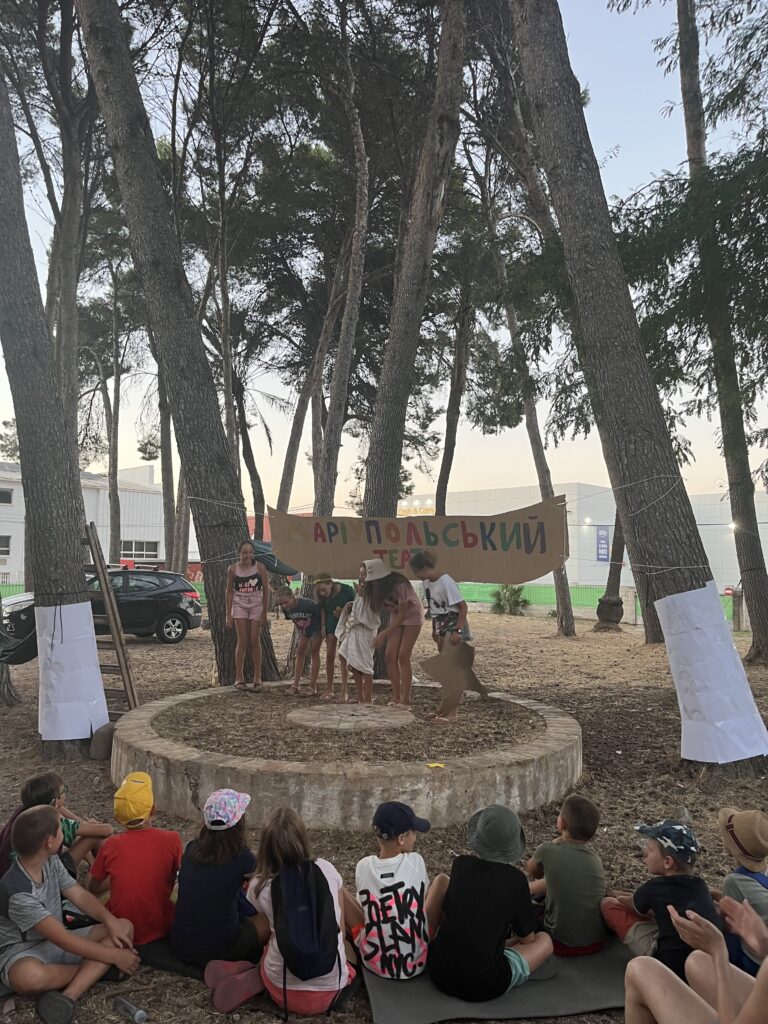
Alongside them are puppet theaters, therapeutic fairy tales, ethnographic festivals, televised theater productions, adaptations of Ukrainian bestsellers, reimagined classics, and the revival of productions that had been absent from Ukrainian stages for years. In other words, Ukrainian theater is not narrowing into a “theater of war.” On the contrary, it is expanding its themes, formats, and audiences.
Trauma-Sensitive Approach: Not About Censorship, but About Safety
An important part of this transformation is a more attentive approach to how a performance may affect its audience. Olha advises being very cautious with complete darkness and sudden loud sounds. When in complete darkness, a person loses visual reference points, which can lead to a loss of control, increased anxiety, fear, or a panic attack. Sudden sounds, in turn, can become a direct physiological trigger for an exhausted nervous system. Psychological assessment therefore helps identify such risks and address sensitive topics without retraumatization.
According to Olha, the authors responded to these recommendations with understanding and acceptance. She added:
“The boundary between art and reality is very thin for Ukrainian audiences, while the nervous system is already exhausted. The psychologist’s task here is not to prohibit a difficult topic or smooth over the edges, but to suggest how to put ‘safeguards’ in place. It is important for us to avoid retraumatizing the audience.”
Ukraine can learn from the experience of countries that have gone through wars, large-scale historical transformations, or sought ways to preserve mental health through culture and national memory. However, this experience cannot simply be transferred to the Ukrainian context — we need to develop our own.
“RAZOM z toboyu” — Space for Psychological Support
Olha Uhryn is a psychologist with “RAZOM z toboyu,” a project of Razom for Ukraine that provides psychological support to Ukrainians whose lives have been changed by the war. The project combines psychological assistance for adults, support groups, educational webinars, and psychoeducational training for professionals.
“The experience our ‘RAZOM z toboyu’ team has gained supporting people through the war has shown us that this expertise can be valuable far beyond one-on-one psychological support. It matters in the places where cultural narratives are being shaped for millions of Ukrainians. Olha’s participation in ‘Tyshchovesna’ is one example of that. It reminds us that a nation’s mental health is shaped not only in a psychologist’s office, but also on stage, through the stories we bring to life and the way we tell our own stories,” said Iryna Gudyma, Head of the “RAZOM z toboyu” project at the U.S.-based nonprofit organization Razom for Ukraine.
The team works online throughout Ukraine and offline in Dnipro, Bucha, Khmelnytskyi, Lviv, and Ivano-Frankivsk. The project’s mission is to develop a system of mental health support for Ukrainians during the war and after it ends.