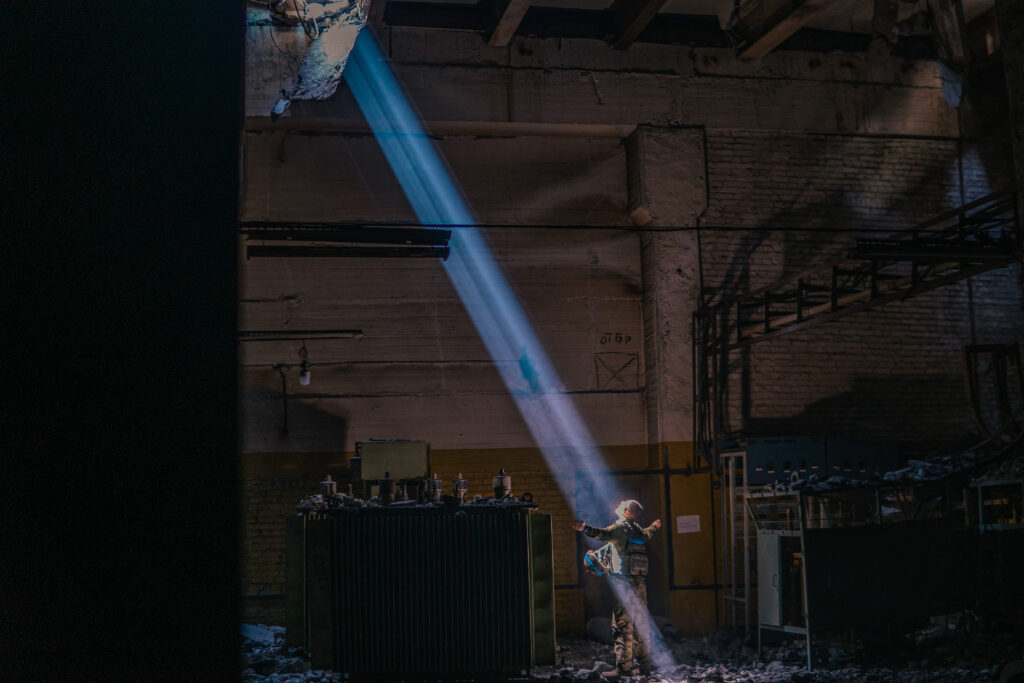

Every morning, Ukrainian children head to school knowing that an air raid alert could interrupt their lessons at any moment. Russia could launch another missile or drone, and suddenly, solving for “x” is no longer important. What matters is getting to a shelter in time.
Supporting STEM education in Ukraine is one of Razom’s priorities. By supporting educational programs today, we help young people gain the skills they need to develop new technologies and shape the future of Ukraine and the world.
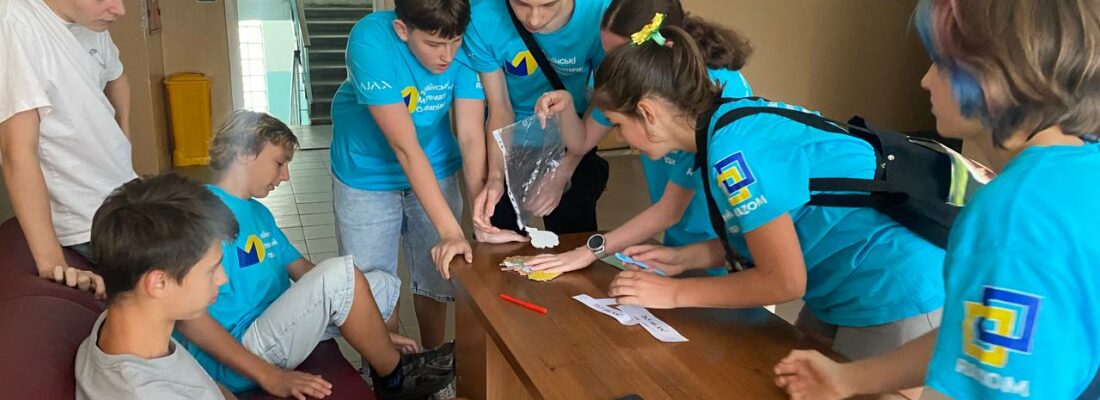
This summer, Razom supported three organizations that ran special summer camps for students with a strong interest in mathematics and programming: Boiko Foundation, the Center for Children’s Science and Creativity “Digit” (Tsyfra), and the AFINA Charitable Foundation.
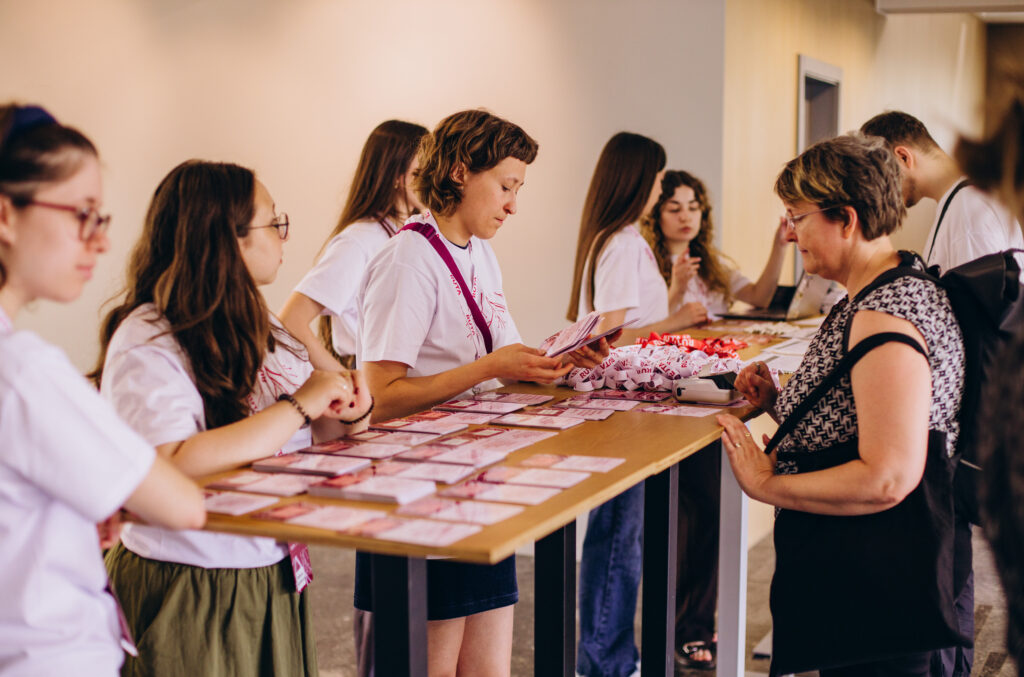
Razom helped cover the cost of food and accommodation for 259 children out of nearly 400 who attended the camps. Without this support, these students would not have been able to take part. Many were winners of math competitions and Olympiads, while others had shown a strong interest in mathematics and technology.
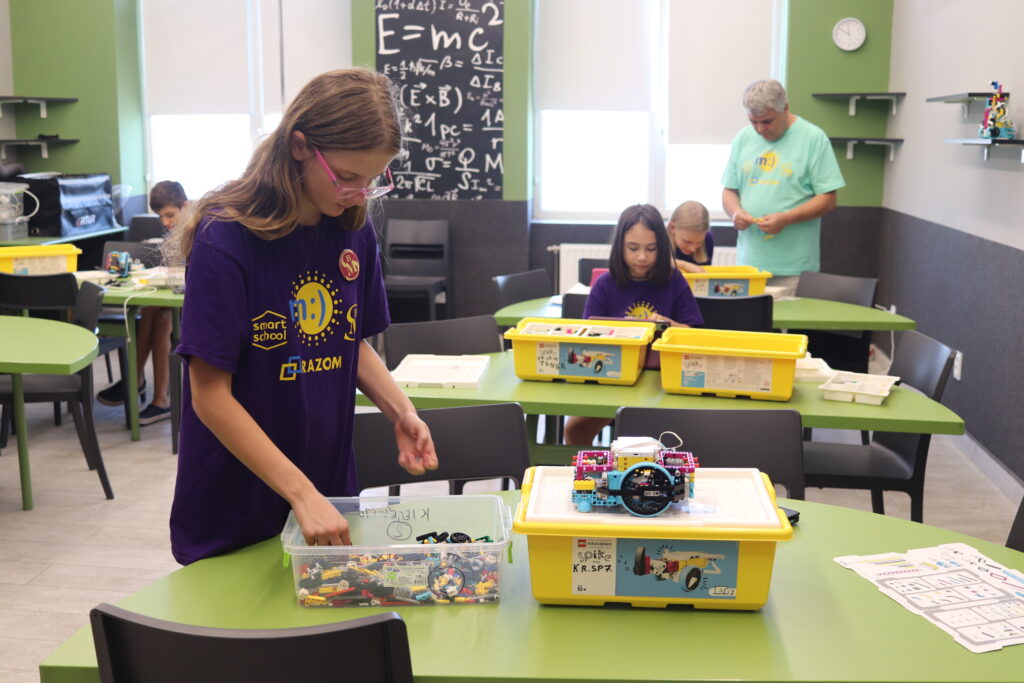
A Place Where Loving Math Is Normal
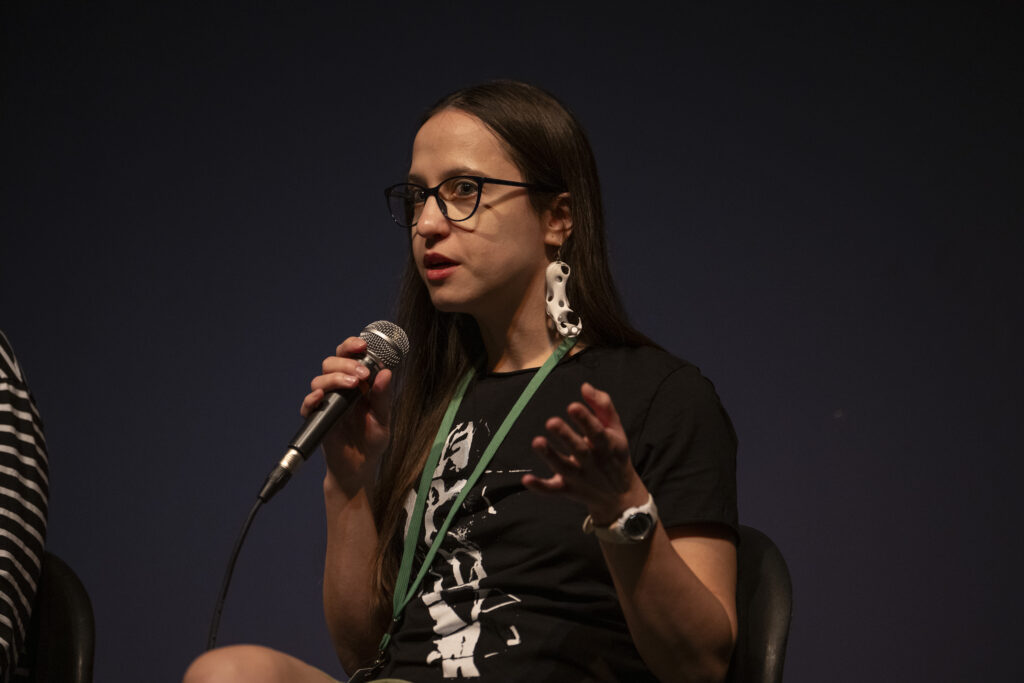
“Honestly, before the camp, I was thinking about quitting math. But some of the lectures made me want to keep going,” says Yana Maltashova, a 10th-grade student at a specialized math and physics high school. She was also a finalist in Ukraine’s 2026 National Mathematics Olympiad.
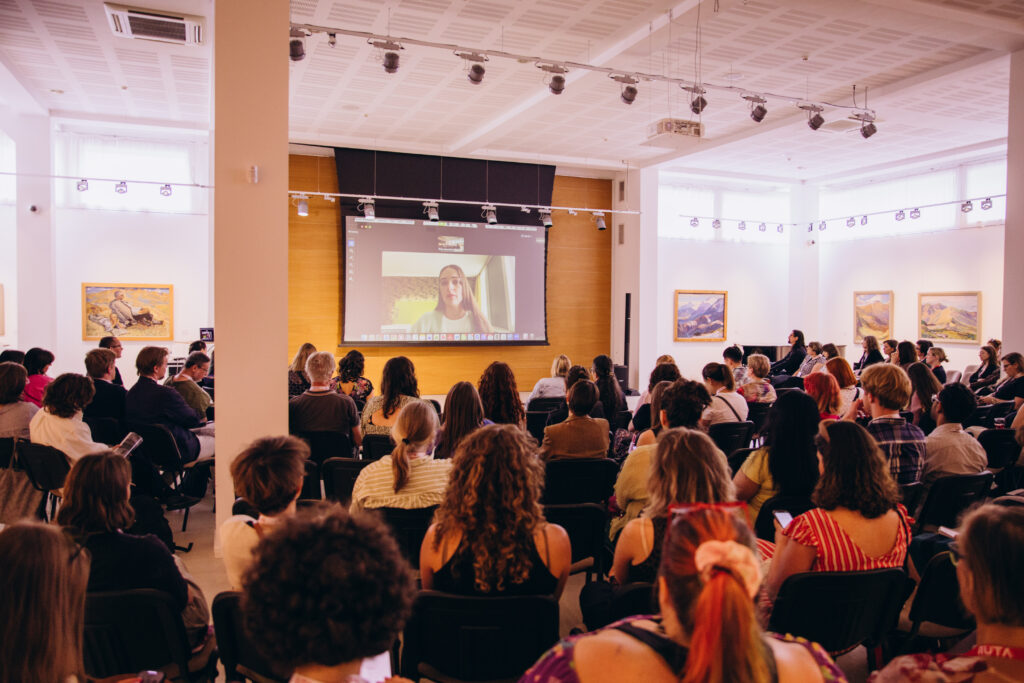
Because of frequent Russian missile and drone attacks, many Ukrainian students have to study online. Their whole school life—classrooms, hallways, teachers, classmates, breaks, and snacks from the school cafeteria—has been reduced to a screen.
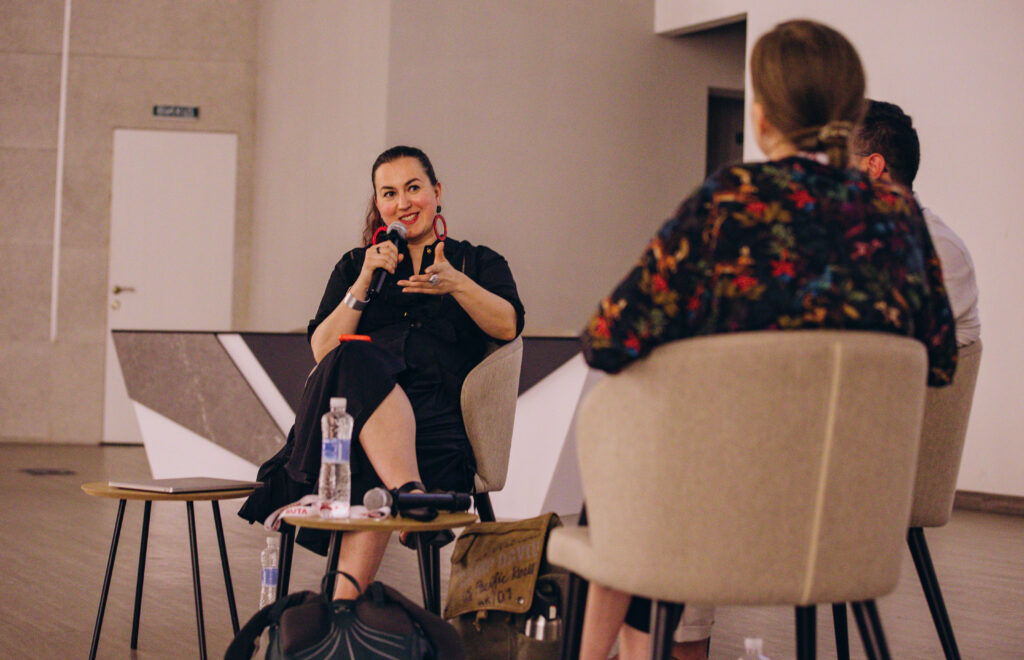
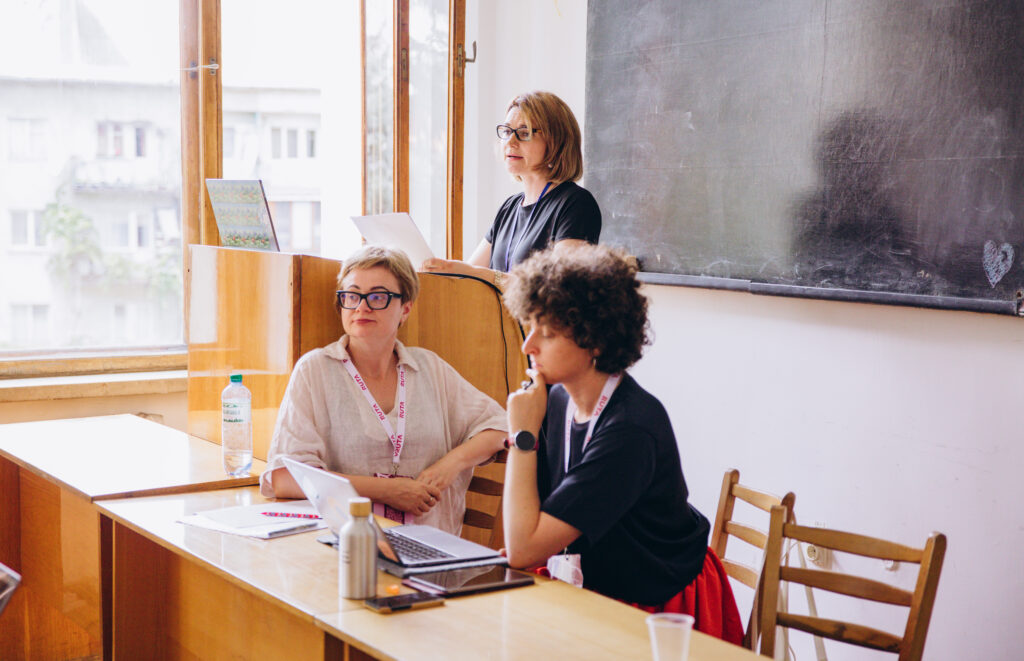
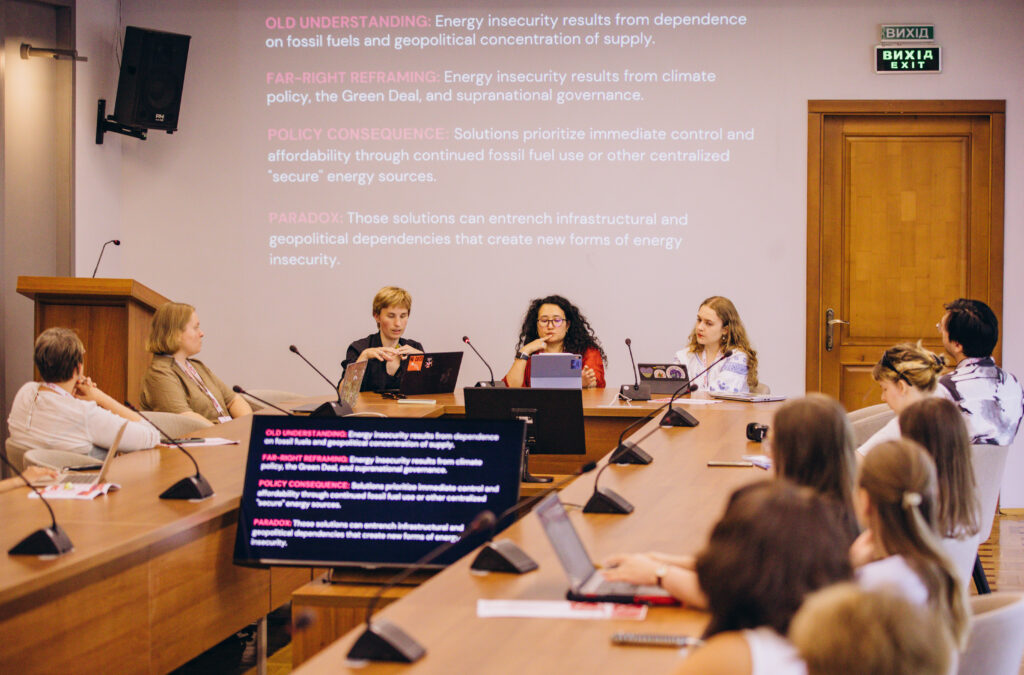
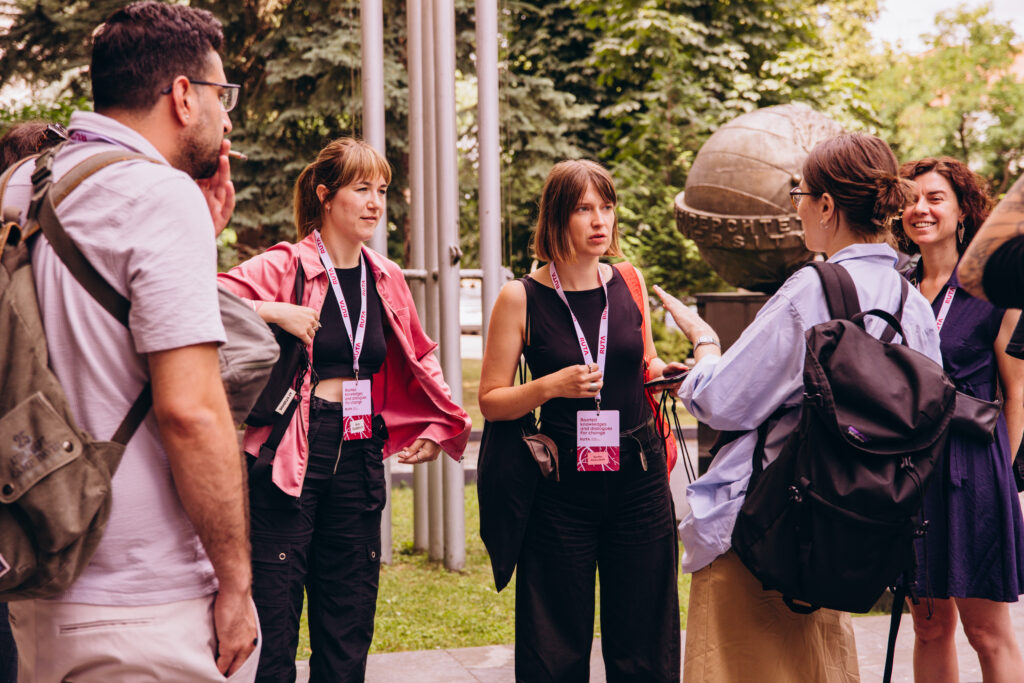
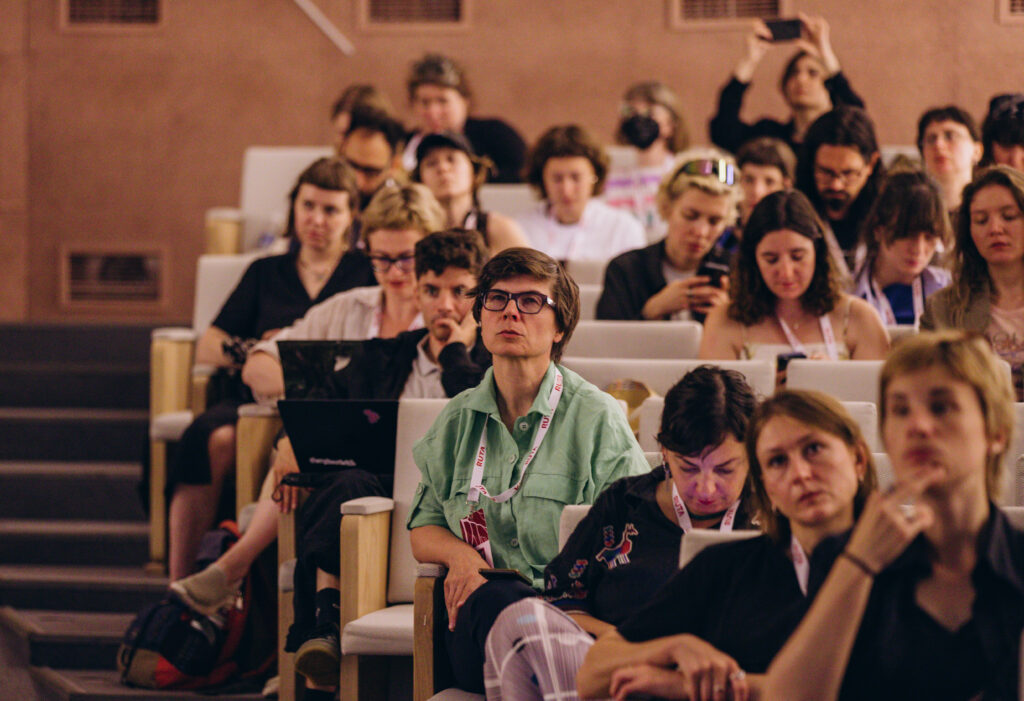
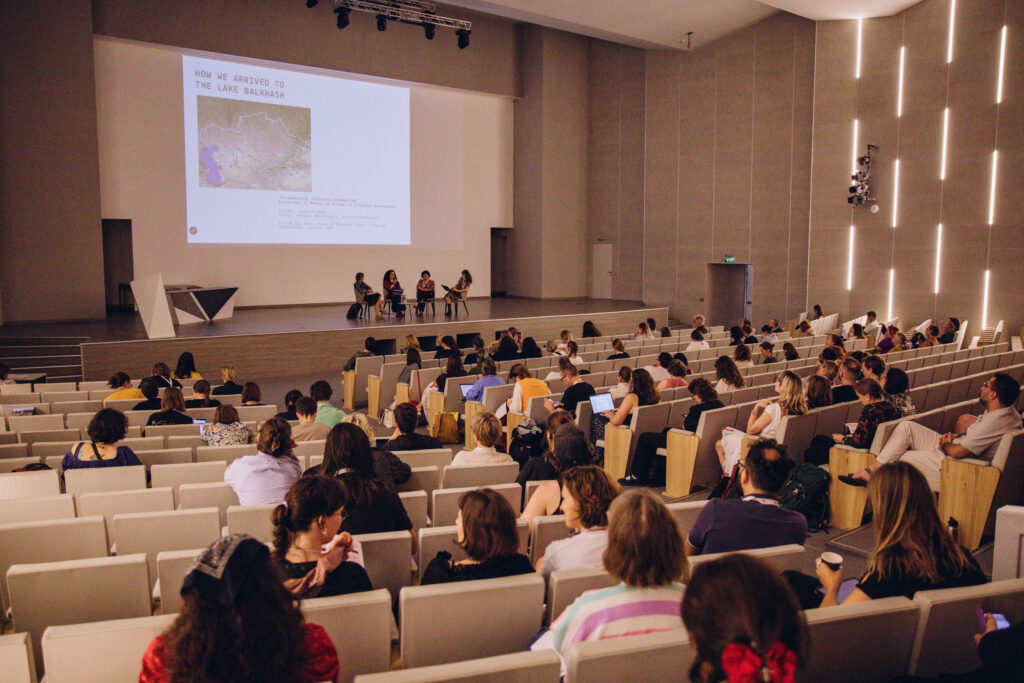
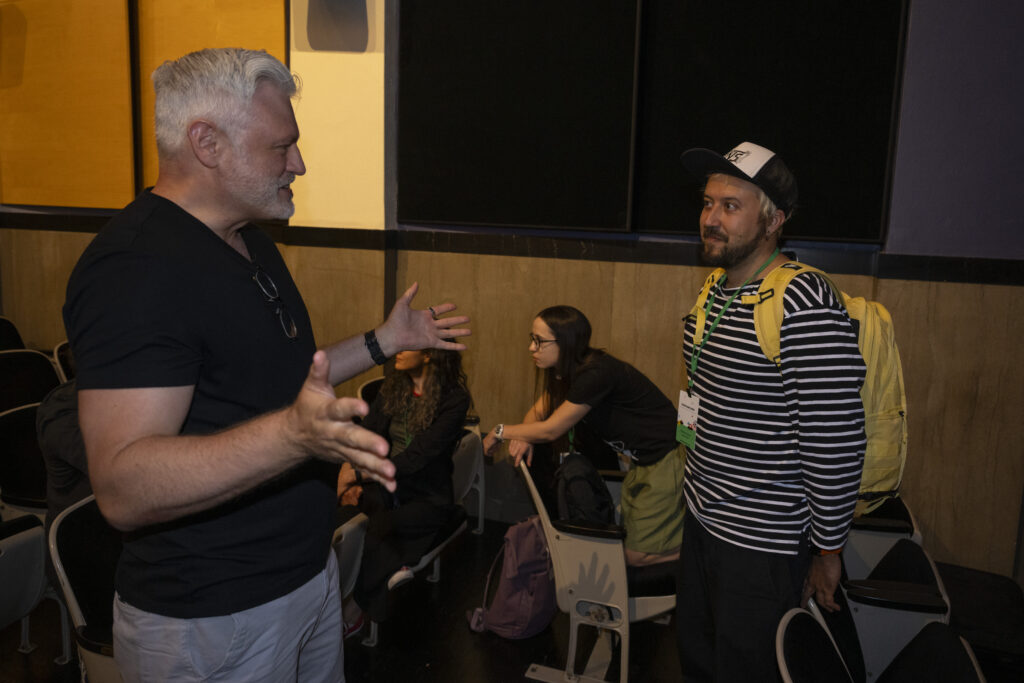
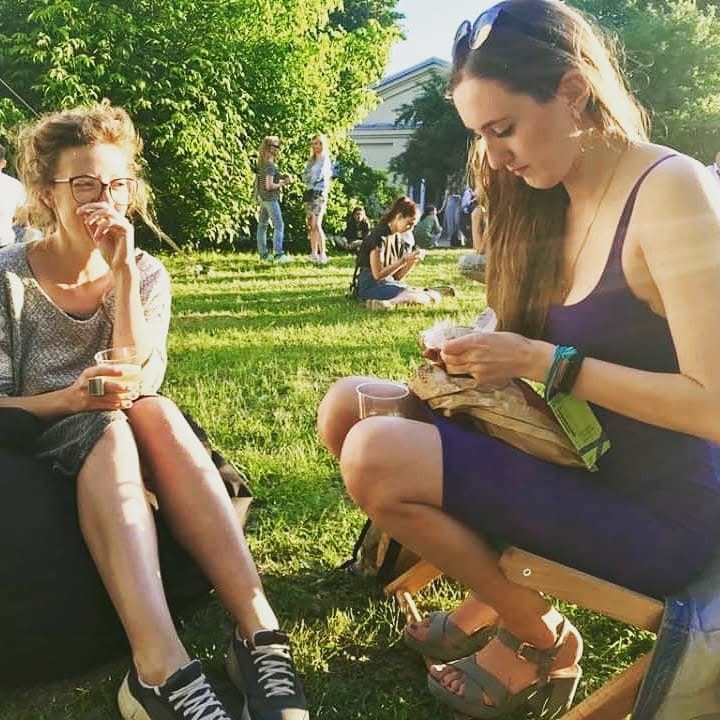
Summer math camps bring students back into real classrooms, where they can work at a board and learn directly from teachers. They offer something just as important: a place where it is normal to love math. A place where students can be just as excited about playing volleyball as they are about talking about black holes.
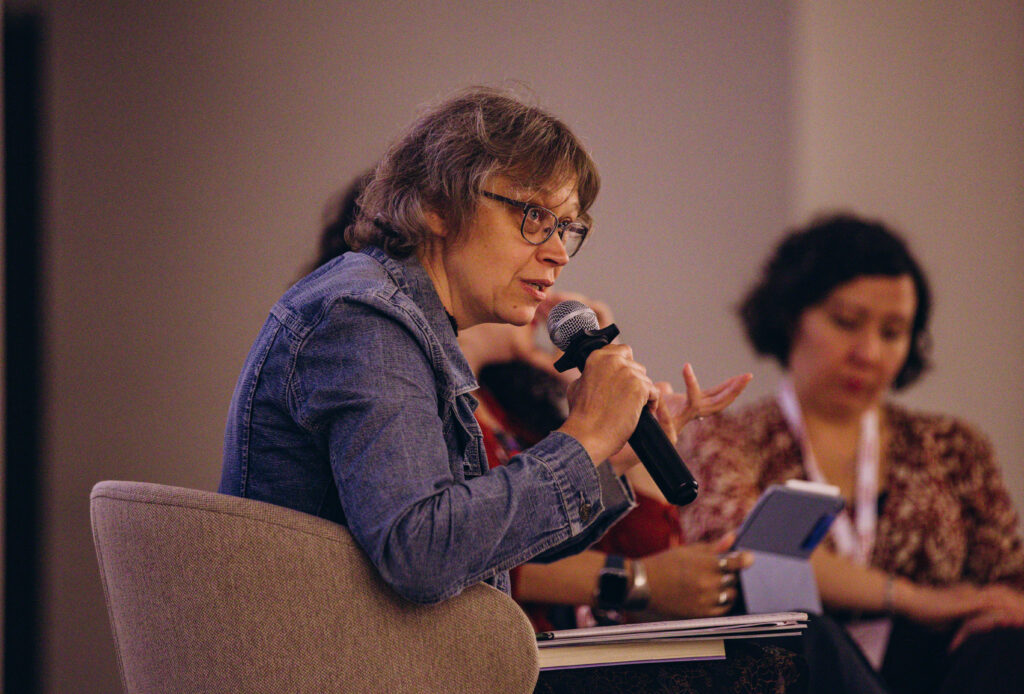
“Spending time with other students who share their interests often helps children stay motivated, take part in Olympiads, and consider STEM careers in the future,” says Viktoriia Tsan of the Mathematical Olympus Charitable Foundation.
Some students have had to leave Ukraine because of the war and move to Germany, Romania, Moldova, Hungary, or Malta.
“I really like the people here. They’re unique, and it’s hard to find people like them anywhere else. I live in Germany, and there’s no one like them there,” says Yeva Kozynets, a ninth-grade student who moved from Sumy to Germany because of the constant shelling in her hometown.
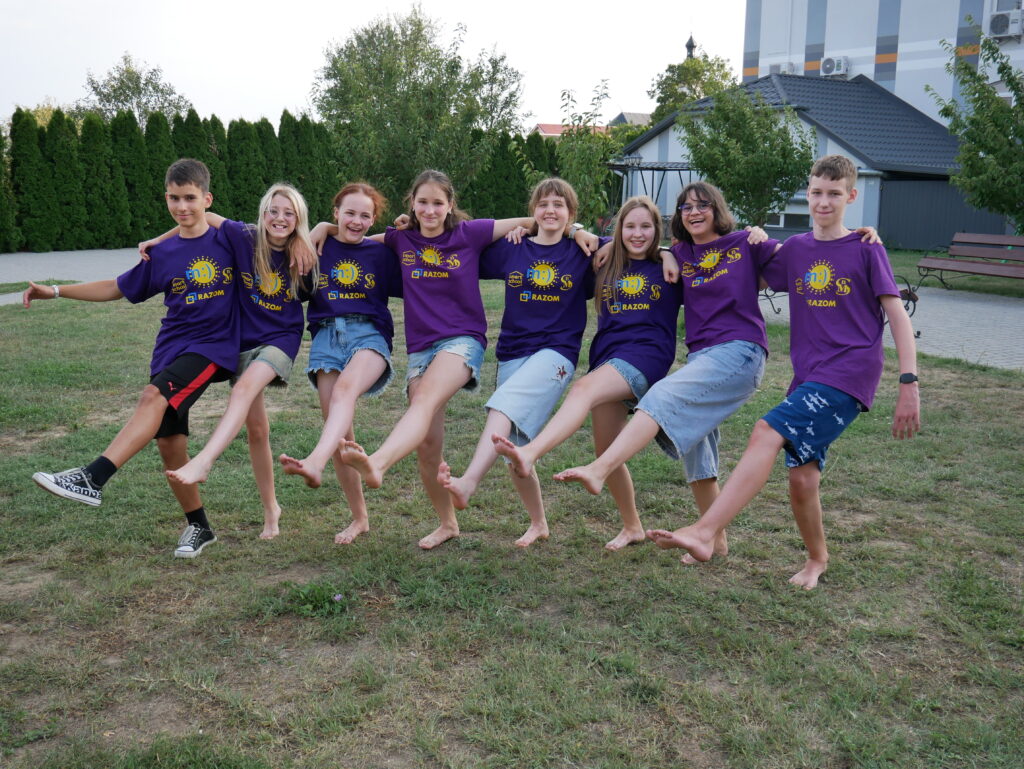
From a Love of Math to a Future Career
These summer camps are part of longer educational programs that help students deepen their knowledge of mathematics and related subjects. For many children, a camp is more than a summer experience. It is one step on a longer journey—from discovering a passion to choosing a career.
Razom has supported Boiko’s independent school and the SmartSchool network of after-school learning centers for more than three years. In the 2025–2026 school year, 18 graduates of Boiko’s school scored an average of 189.7 out of 200 on Ukraine’s National Multidisciplinary Test (NMT) in mathematics. The national average for mathematics on the 2026 test was 131.9.
Graduates of the educational programs Razom supports go on to study at the University of Cambridge, École Polytechnique in Paris, Jagiellonian University in Kraków, and other universities. Some have already become teachers in Ukrainian schools.
STEM education helps Ukrainian children keep learning and exploring science and technology, even as the war disrupts their lives and forces families to move. Today, these programs give children a chance to return to the classroom, meet others who share their interests, and keep learning. In the future, these same children could become the scientists, engineers, and technology experts who help Ukraine rebuild and grow.
Behind every high test score, place at Cambridge, or first teaching job are years of learning, caring teachers, and a place where a child can grow. The war has made it harder for Ukrainian students to access these opportunities. By supporting STEM programs today, we can help children continue learning, discover what they are capable of, and prepare for careers that will help shape Ukraine’s future.