
Today marks the 40th anniversary of the Chornobyl disaster, a milestone recognized by the United Nations as International Chornobyl Disaster Remembrance Day. On April 26, 1986, the explosion at Reactor No. 4 in Soviet-controlled Ukraine became the world’s worst nuclear accident, unleashing a torrent of radiation that forever altered millions of lives and reshaped global consciousness.
Four decades later, history does not remain in the past. The Razom team has curated a selection of essential cultural works that have helped the world process this trauma. Through the lens of cinema, art, and literature, these creators ensure that Chornobyl is never forgotten. They remind us that while the Zone may be silent, its story is still being written.
Performing Arts
Archaeological Opera: Chornobyldorf
Created in 2020 by composers Roman Grygoriv and Illia Razumeiko, Chornobyldorf stands as arguably the most internationally acclaimed contemporary Ukrainian performing arts work on the subject of nuclear catastrophe.
Framed as an “archaeological opera,” it depicts the descendants of humanity navigating a post-apocalyptic world. Wandering among the ruins of nuclear power plants, abandoned churches, and decaying galleries, these survivors attempt to piece together the fragments of a lost civilization through surreal performance rituals.
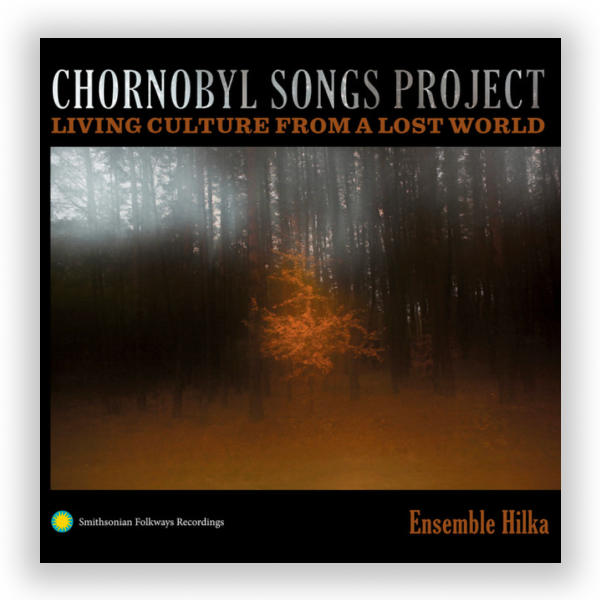
The Chornobyl Songs Project
Released via Smithsonian Folkways, the project – titled Living Culture from a Lost World – is a monumental effort to recreate centuries-old Polissian village traditions. The collection features harvest songs, wedding melodies, and ancient church carols, all reconstructed from field recordings made just before the 1986 disaster forced these ancient communities to abandon their ancestral lands.
By breathing new life into these “captured” sounds, Ensemble Hilka ensures that the cultural identity of the Polissia region survives, even as the villages themselves remain empty.
Listen on Spotify
Listen on Apple Music
Literature
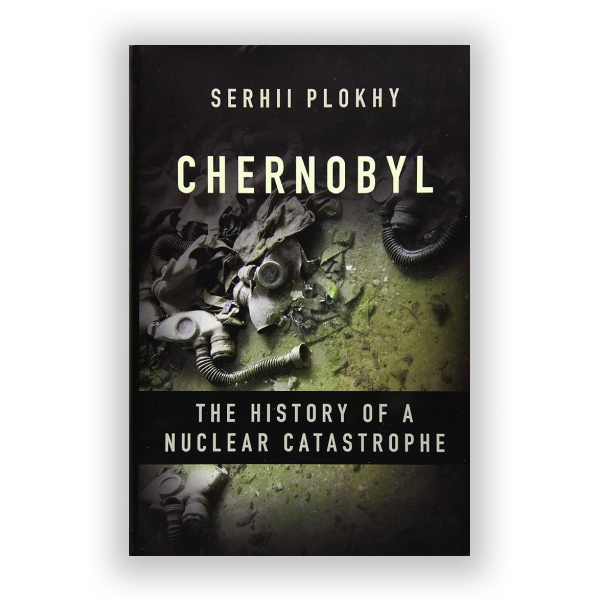
In “Chornobyl: The History of a Nuclear Catastrophe,”Plokhy draws on recently declassified sources to chronicle the 1986 explosion. He “mercilessly chronicles the absurdities of the Soviet system” (Wall Street Journal), tracing the disaster to the flaws of authoritarian rule and a regime that prioritized economic goals over human safety. It remains a vivid, empathetic tribute to the firefighters and scientists who extinguished the nuclear inferno.
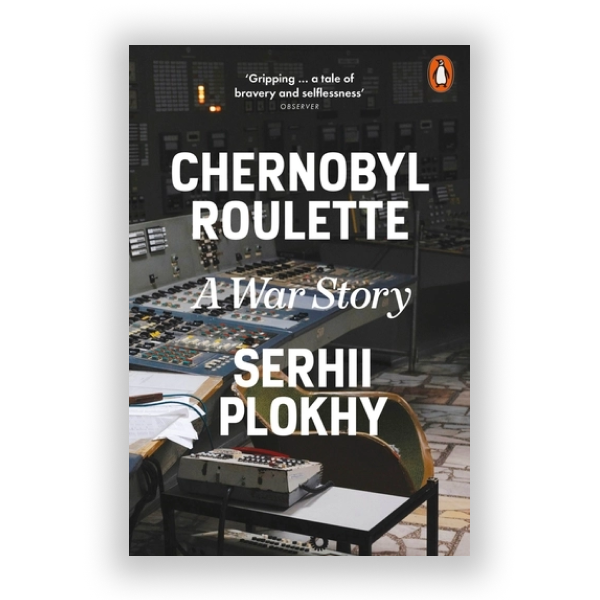
Plokhy continues this narrative in his latest book, “Chernobyl Roulette.” He recounts the harrowing 35-day Russian occupation of the plant during the 2022 full-scale invasion. This “real-life thriller” follows the Ukrainian staff held hostage who worked grueling, weeks-long shifts to prevent a new catastrophe. From the veteran foreman Valentyn Heiko to the workers who maintained safety under the shadow of Russian tanks, Plokhy sounds an urgent alarm about the unprecedented dangers facing nuclear sites in wartime.
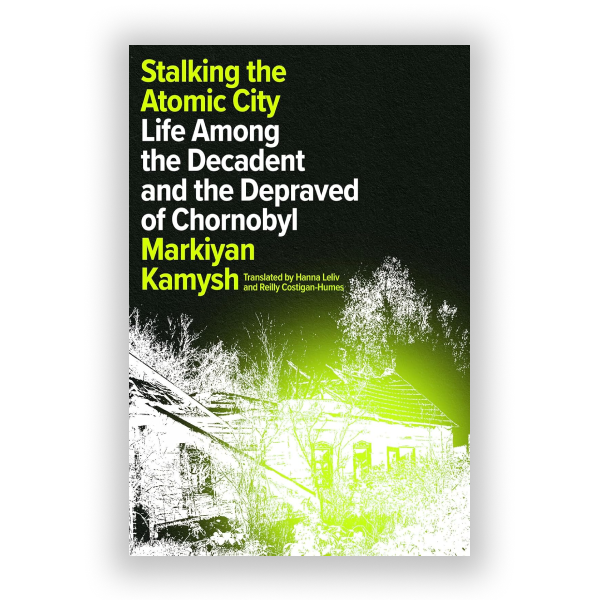
Stalking the Atomic City: Life Among the Decadent and the Depraved of Chornobyl by Markiyan Kamysh
Translated by Hanna Leliv & Reilly Costigan-Humes
Since the 1986 disaster, Chornobyl has remained a forbidden wasteland that exerts a magnetic pull on “stalkers” – illegal adventurers who treat the barbed wire as a pilgrimage. Markiyan Kamysh offers a “gonzo” guide to this dystopian reality, introducing readers to the thieves, police, and romantic utopists who inhabit the Zone despite its toxic legacy.
Featuring photographs that may be the last images of the site’s desolate beauty before the 2022 Russian occupation, Kamysh’s brash and bold prose captures Chornobyl’s timeless, alien elegance.
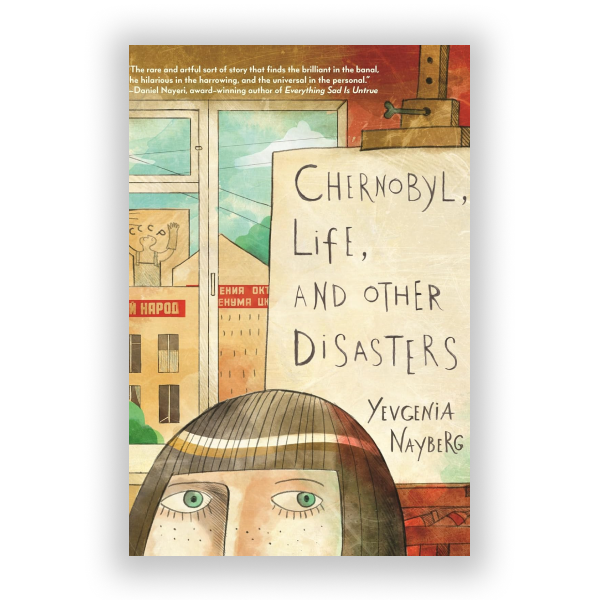
Chornobyl, Life, and Other Disasters: A Graphic Memoir
By Yevgenia Nayberg
In this salient and slyly funny graphic memoir, Yevgenia “Genya” Nayberg recounts her childhood in 1980s Ukraine. As Genya dreams of attending a prestigious art school, she navigates the absurdities of Soviet control, the paranoia of the Cold War, and systemic antisemitism. Her world shifts forever on April 26, 1986, when a neighbor is called to a town she’s never heard of: Chornobyl. It is a deeply personal story of artistic perseverance and a rare glimpse into the life of the Soviet intelligentsia during a national catastrophe.
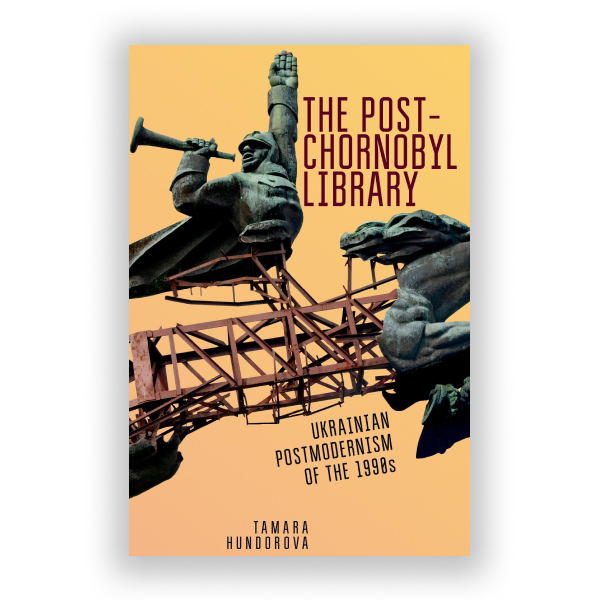
The Post-Chornobyl Library
By Tamara Hundorova
Translated by Hanna Leliv & Reilly Costigan-Humes
Tamara Hundorova explores how the Chornobyl disaster not only marked the end of the Soviet Union but also birthed a new era of Ukrainian literature. Using the “Post-Chornobyl Library” as a metaphor, Hundorova analyzes how the 1990s generation used postmodernism, irony, and “apocalyptic carnival” to process nuclear trauma. This scholarly work tracks the decolonization of Ukrainian culture as writers broke totalitarian taboos, filled historical gaps, and liberated themselves from a fractured past to enter a new, globalized landscape.
Cinema
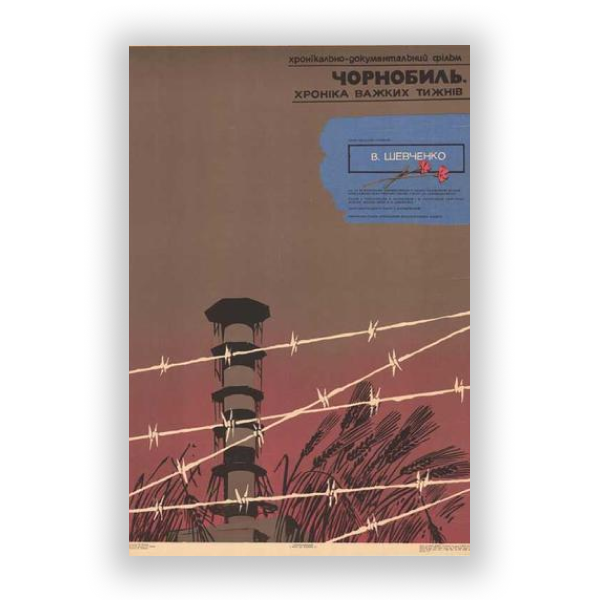
Chornobyl: Chronicle of Difficult Weeks, 1988
Volodymyr Shevchenko
On April 26, 1986, reactor four at the Chornobyl nuclear power station exploded, releasing a massive radioactive cloud over Northern Ukraine and Belarus. The danger was kept secret from the public. Only two film crews, including one from the Ukrainian studio of chronicle and documentary films (Ukrkinokhronika) led by director Volodymyr Shevchenko, managed to get access. They arrived on May 14, 1986, and spent the next hundred days documenting the efforts of firefighters, engineers, military personnel, and dosimetrists dealing with the aftermath of the explosion.
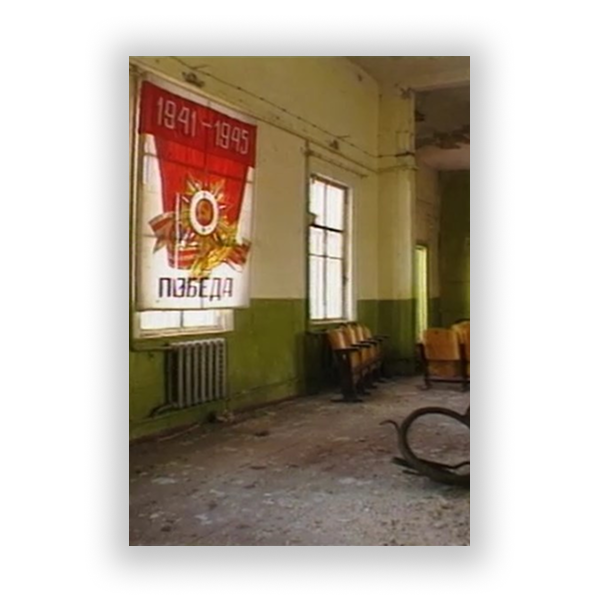
Ten Years of Alienation, 1997
Serhii Bukovskyi
Originally filmed as a series of daily dispatches for the 10th anniversary of the disaster, this documentary explores the physical and emotional state of the Zone. Bukovskyi captures the life of the “settlers” – those who refused to leave their homes despite the radiation – showcasing a deep-rooted Ukrainian connection to one’s birthplace.
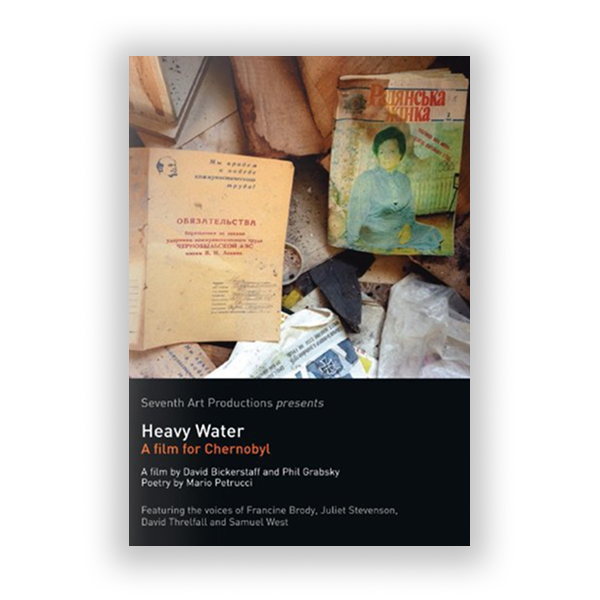
Heavy Water: A Film for Chornobyl, 2007
David Bickerstaff & Phil Grabsky
Based on Mario Petrucci’s award-winning poetry, this moving film bypasses technical details to focus on the human cost. Unflinching archival footage of the ghost-town Pripyat is woven with location shots from inside the destroyed reactor, giving voice to the liquidators and families who dealt with the disaster at ground level.

The Gateway, 2017
Volodymyr Tykhyi
Blending horror with magical realism, this film follows a family living illegally in the Exclusion Zone. Led by the mystic grandma Prisya, who claims to befriend mythological creatures, a supernatural warning of an impending catastrophe disrupts the family’s quiet, dystopian life.
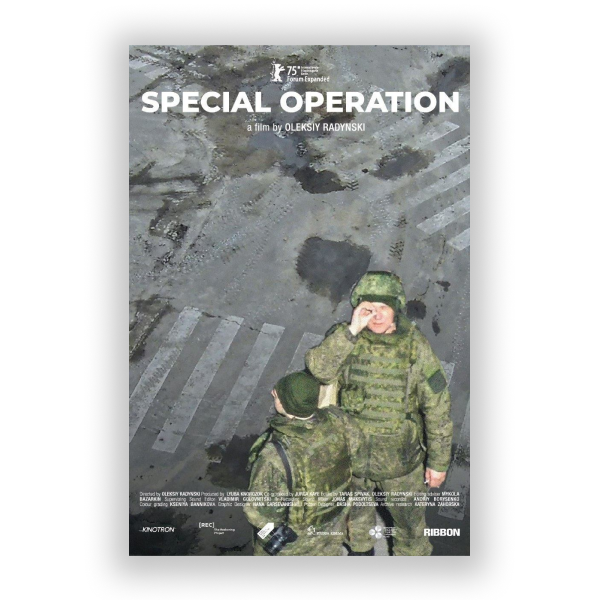
Special Operation, 2026
Oleksiy Radynskyi
An “almost disembodied” examination of military logic, this film uses CCTV footage from the 2022 Russian occupation of the Chornobyl plant. By documenting the reckless military base established at the radioactive site, Radynskyi presents each shot as forensic evidence of a modern war crime and nuclear terror.
Photography & Visual Arts
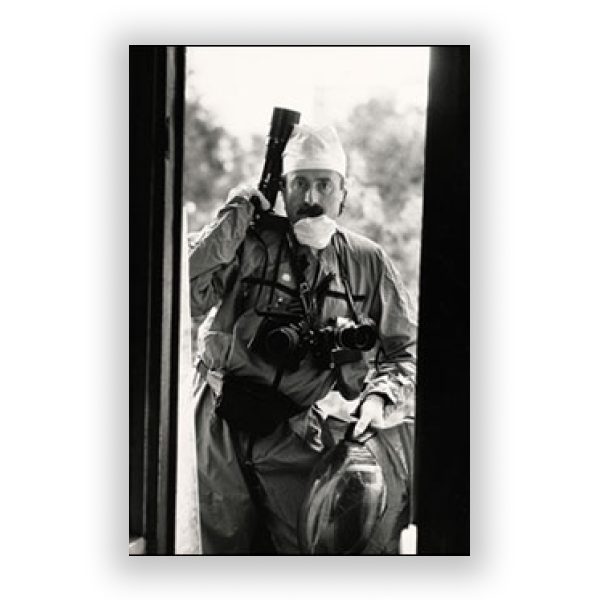
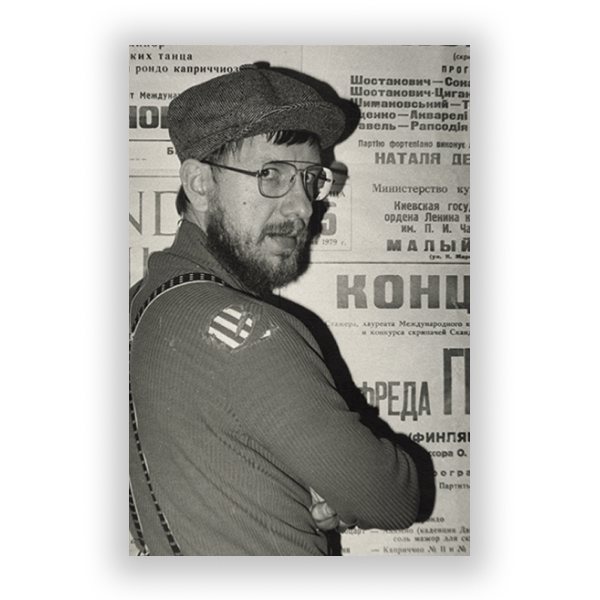
Ukrainian photojournalist Igor Kostin created the photo story “Chornobyl” in the wake of the accident at the power plant on April 26, 1986. Over the course of a year, he documented the aftermath of the disaster, enduring radiation exposure that was five times above the permissible limit. His work received recognition at the World Press Photo competition in 1987.
Ukrainian photojournalist Viktor Marushchenko was among the first to break through bureaucratic barriers to document the Chornobyl tragedy. Over the decade, he persistently returned to the exclusion zone, recording life there despite the unimaginable circumstances. In 2001, his extensive Chornobyl archive was included in the central exhibit of the 49th Venice Biennale, curated by Harald Szeemann.
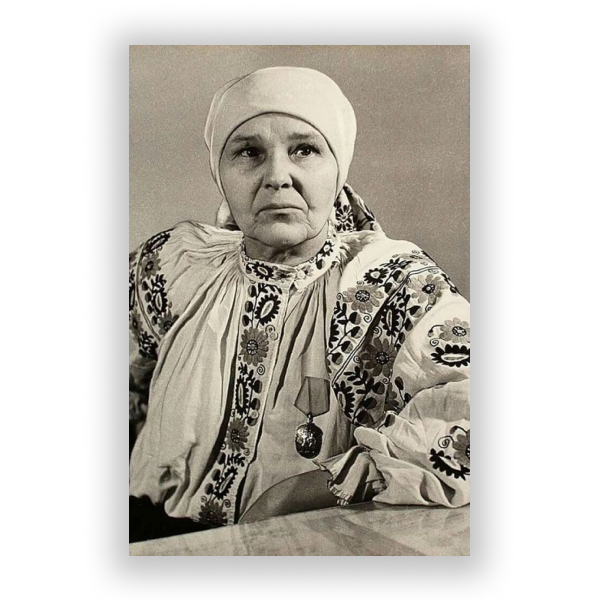
Maria Prymachenko was a Ukrainian folk artist known for her naïve art. A self-taught painter from the village of Bolotnia, near Chornobyl, she began her career with embroidery and gained international recognition later on. Friends recalled that Maria had nightmares about the impending disaster before the fourth reactor explosion. The tragedy deeply influenced her art, particularly in her magical beasts. Furthermore, her family suffered personally as her nephew, Valerii Khodymchyk, a station worker, was killed during the accident, and she dedicated several paintings to his memory.
Untitled project from Chornobyl, Maksym Dondyuk
Since 2016, Maksym Dondiuk has been working on “Untitled Project from Chernobyl,” a photographic research project that combines his images with archival materials found in the Chornobyl restricted areas. This series explores memory, territory, atomic energy, and nature. Initially reflecting on the emptiness of abandoned land, Dondiuk’s work evolved into a deeper investigation of the past, revealing fragments of life in the Chornobyl area before the nuclear disaster, including old films, photographs, postcards, and letters exposed to nature and radiation.
Painting and monumental art
The Chornobyl disaster significantly influenced a generation of Ukrainian painters from the late 1980s to the 2000s, leading to the emergence of dystopian art reflecting nuclear pollution. Notable artists include Heorhii Senchenko, Yurii Nikitin, Oleksandr Roitburd, and Khrystyna Katrakis, who used various techniques from iconography to postmodern collage.
One remarkable piece is Aleliaksandr Kishchanka’s tapestry “Chornobyl,” gifted to the United Nations to commemorate international cooperation after the explosion. The exclusion zone has also become a canvas for street artists, with abandoned buildings in Prypiat attracting both anonymous graffiti and renowned muralists.
Notable works include Guido van Helten’s mural inspired by Ihor Kostin’s photograph of a liquidator and Pantonio’s mural of blue rabbits.