In Ukraine, war does not only come through the front line. It shows in the stairwells blackened by fire, children carried to shelters at night, medics saving neighbors even when their own emergency stations are damaged, artists returning to homes that no longer exist.
Photo: Libkos 02/07/2026
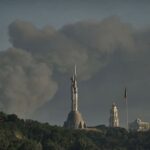
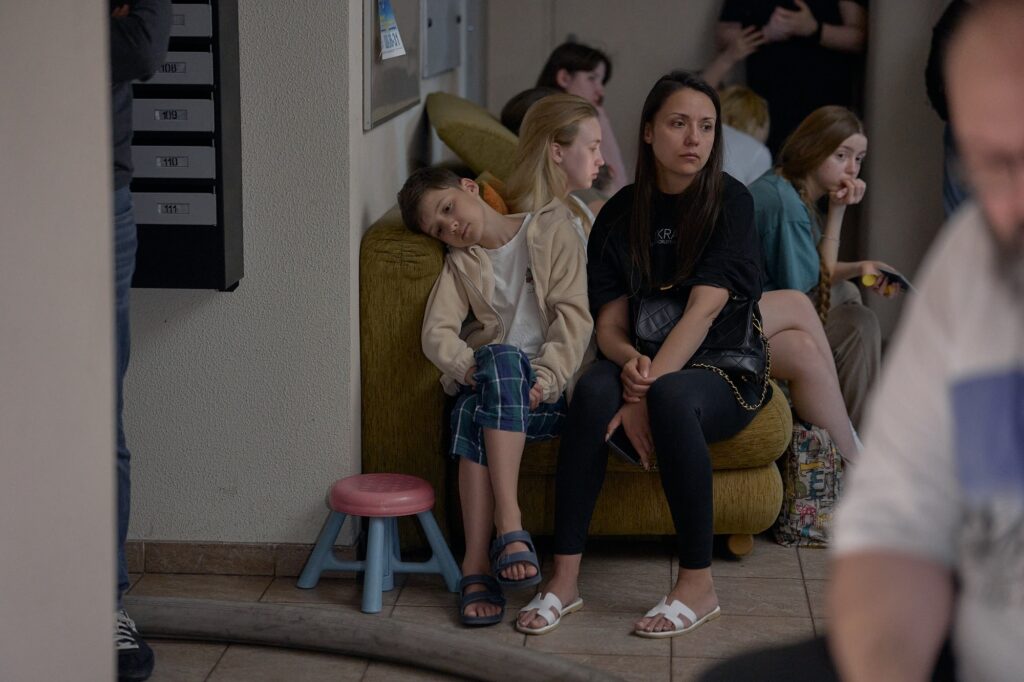
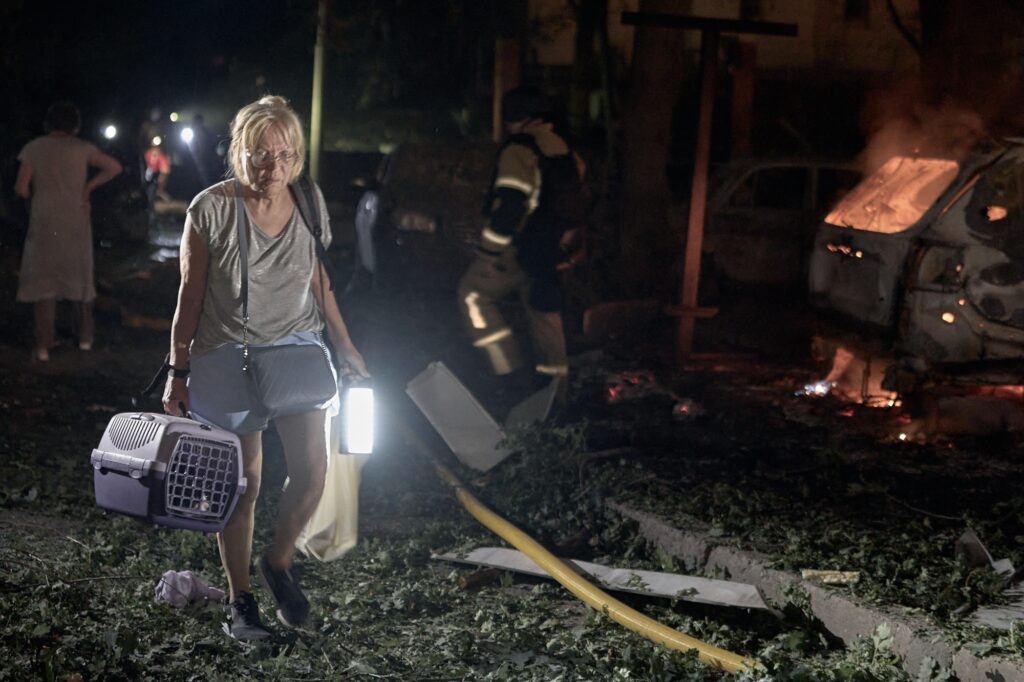
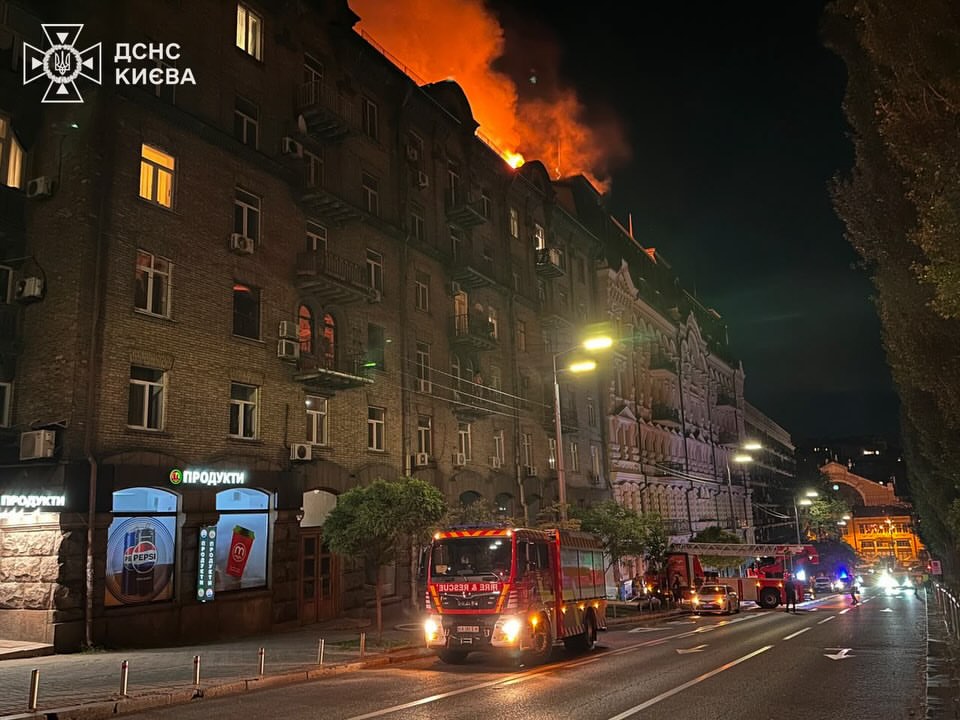
On the night of July 2, Kyiv once again woke up to explosions. People rushed into metro stations, basements, and hallways. They hid their children, called loved ones, and waited for news from neighborhoods where buildings were burning and rescuers were already at work.
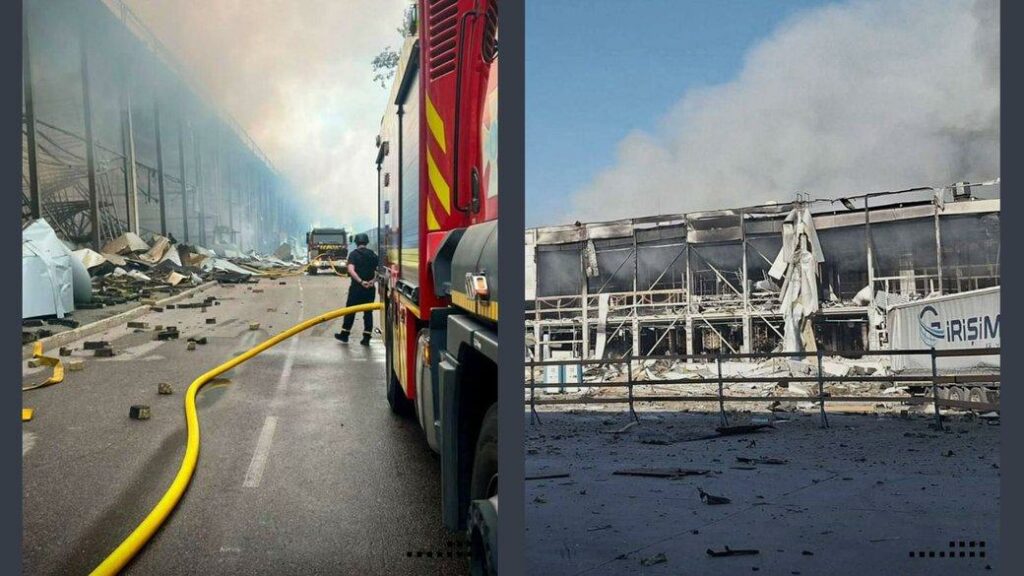
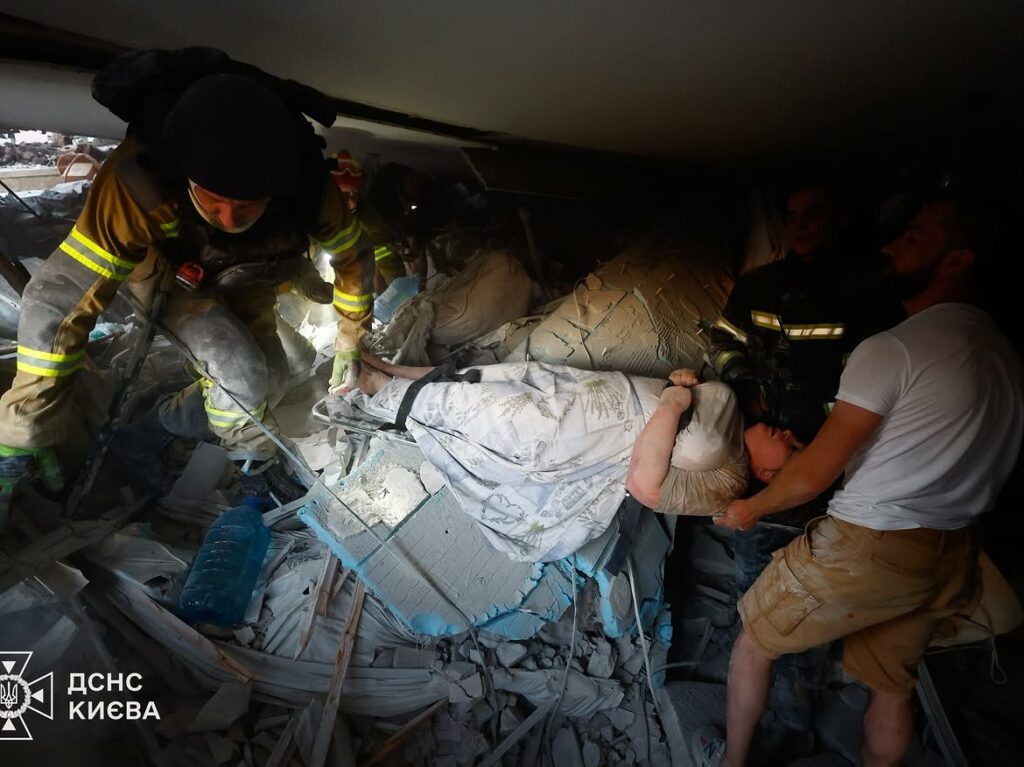
It was one of the largest combined attacks on the capital: missiles and drones struck the city in waves. Nearly 20 people were killed and dozens were injured. Among those hurt were children, residents of apartment buildings, and emergency medical workers. Homes, cars, medical infrastructure, historic buildings, and places connected to Ukrainian culture were damaged.
Photo: Libkos 02/07/2026
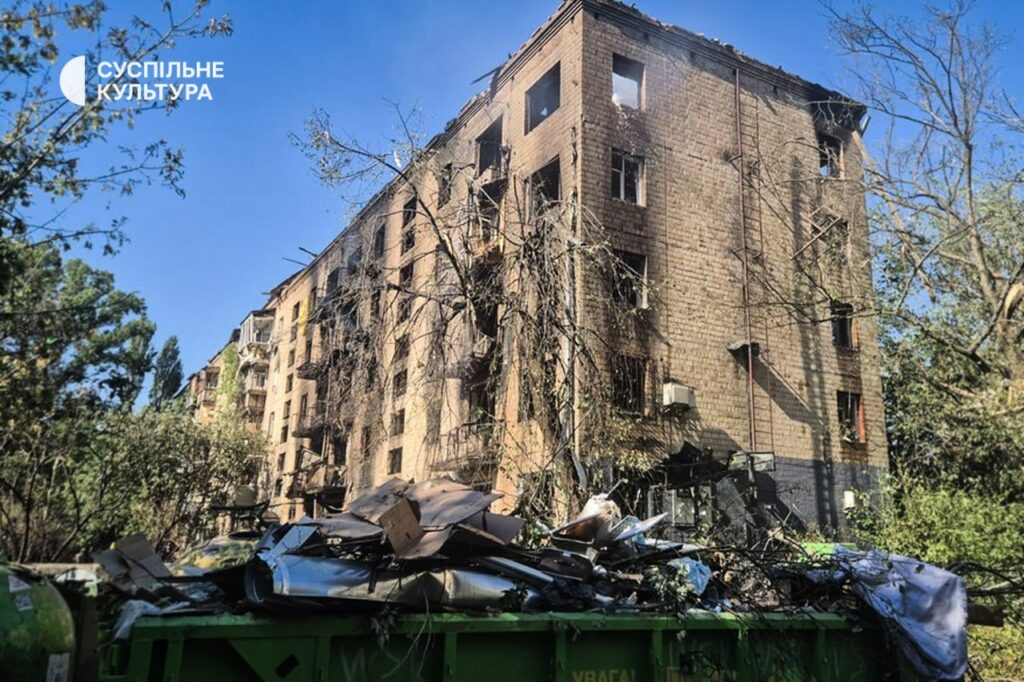
In Kyiv’s Shevchenkivskyi district, the apartment of cultural manager Iryna Plekhova, director of the Lira cinema, and filmmaker and screenwriter Oleh Chornyi burned down. Their building is historic, long connected to workers of the Oleksandr Dovzhenko Film Studio and their families. Two sections of the building burned completely. During the evacuation, Iryna and Oleh helped two elderly neighbors get out.
The home of filmmaker Iryna Tsilyk was damaged for the sixth time. The courtyard of Vadym Miskyi, program director at Detector Media, was also hit. These were not only damaged walls. They were places where people lived, created, preserved memories, and built Ukraine’s cultural life.
On this same day, the attack destroyed the central storage facility of the BookChef publishing house that held nearly 800 thousand books.
Civilian emergency medicine also came under attack. In Kyiv, an emergency medical station was damaged. Ambulance workers — medics and drivers — were injured, and ambulances were damaged. The people who are first to rush toward danger to save others became victims of the attack themselves.
Kyiv was not alone. Communities in the Zaporizhzhia region endured hundreds of strikes in a single day, including FPV drone attacks. In Kharkiv and the surrounding region, civilians were killed, including a 15-year-old boy, and dozens of people were injured. In the Dnipro region, drones damaged homes, cars, gas stations, and other civilian infrastructure.
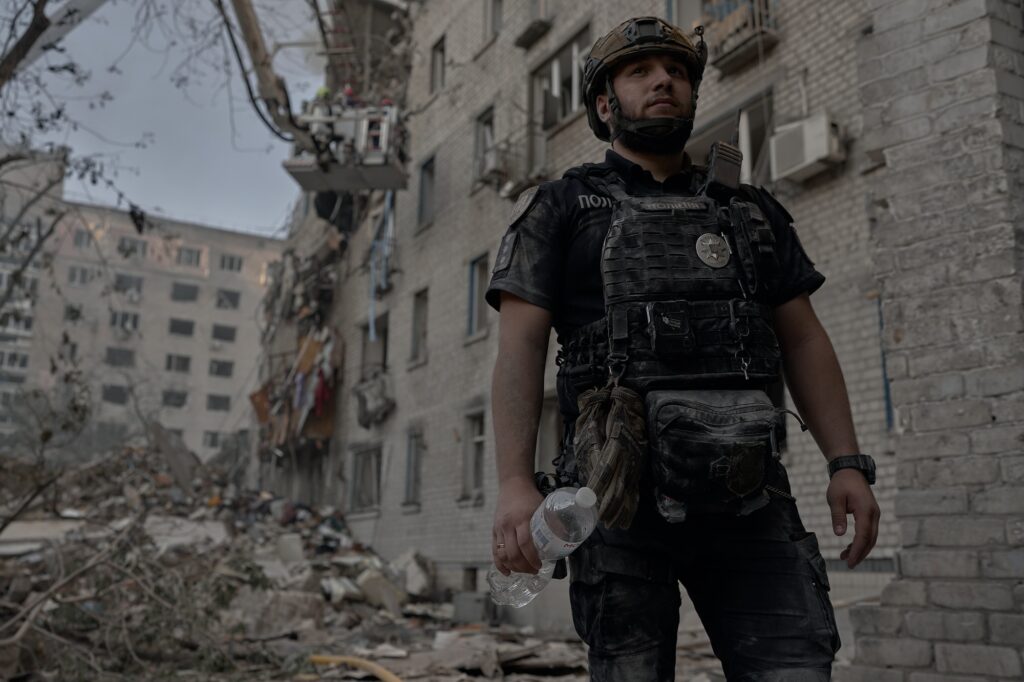
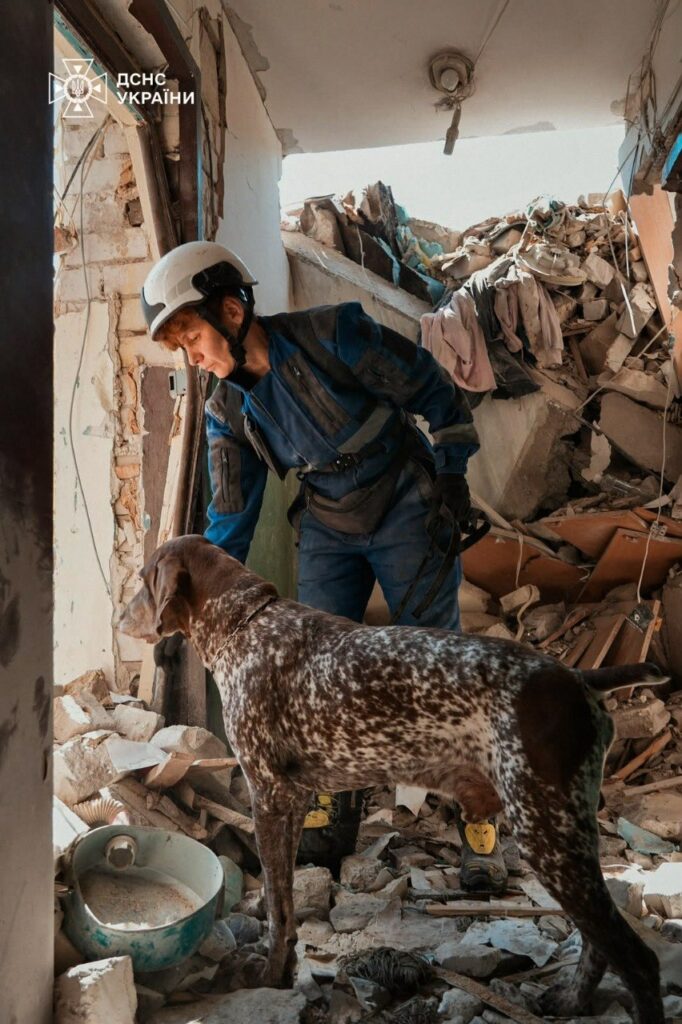
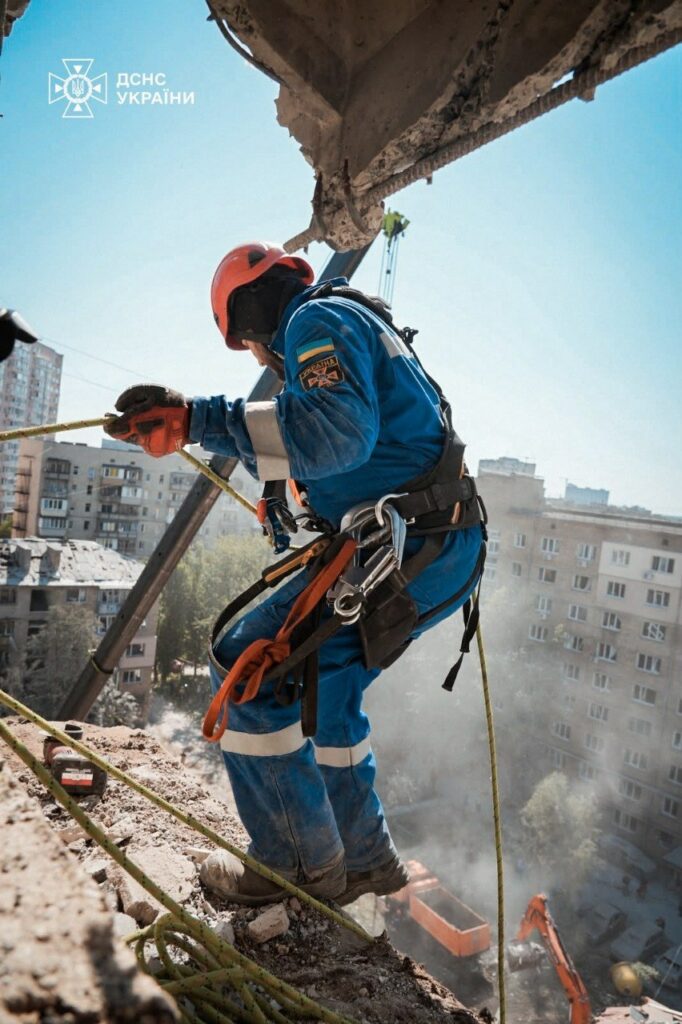
On nights like this, the work of those who arrive first becomes especially visible: the State Emergency Service of Ukraine, police, medics, volunteer teams, and rapid response groups.
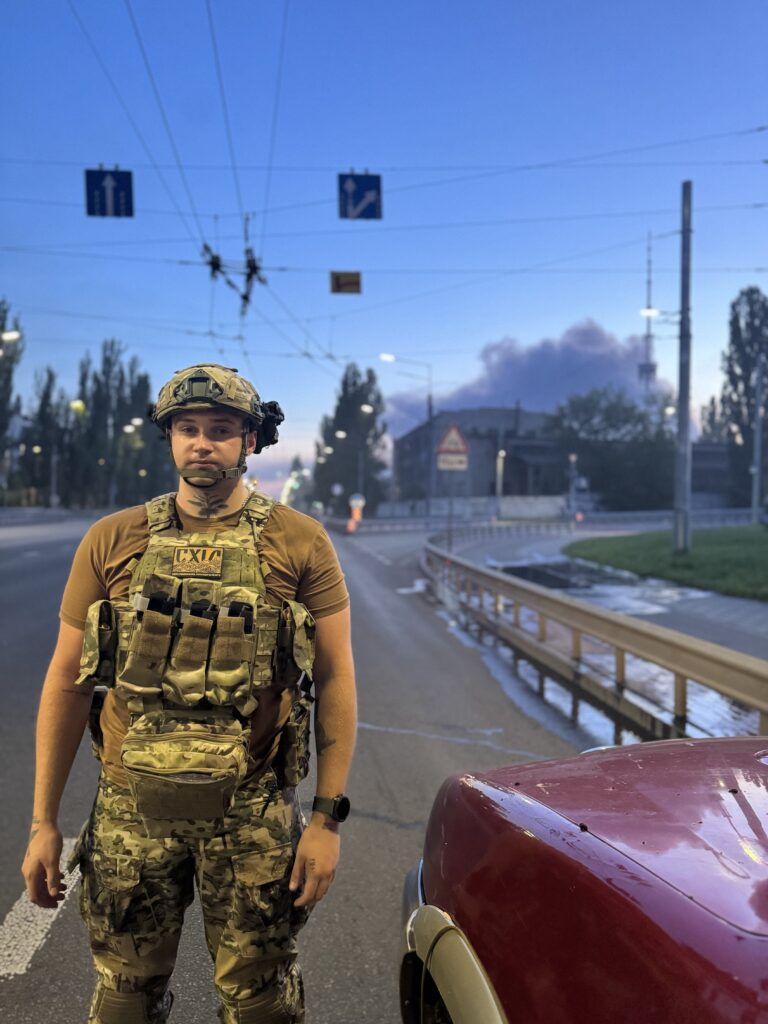
That night, Matviy Suslov, Razom’s Tactical Medicine Project Manager, worked in Kyiv alongside these response teams. They helped move people rescued from the rubble to safer areas and provided first aid to civilians.
“The shelling was so dense and massive that we had to move in small leaps, hide in underpasses, or quickly leave dangerous areas by car,” Matviy said. Near Lukianivka, after one of the explosions, the car doors jammed. “We were lucky the door issue was resolved quickly”.
Matvii Suslov
Kyiv Police Photo: Libkos 02/07/2026
What stayed with him most was a couple who approached and asked what had happened to their home. Their building was burning. In their eyes, he saw confusion, grief, and the disbelief of people trying to understand how life could change in a single moment.
Matvii also emphasized the work of the State Emergency Service and the police at the strike sites. For the Razom team, it was another reminder of why it is so important to strengthen the institutions that are first to stand beside people after an attack: through prehospital care training, essential medical supplies, and the ability to respond in the first critical minutes.
In moments like these, this work is not abstract. It is about real skills, real people, and real lives — Ukrainians and visitors to the country — that can be saved when help arrives in time.
Russia continues to strike civilians, children, medics, cultural workers, and families in their own homes. Ukraine continues to endure because people keep showing up for one another, even after the darkest nights.