
During a work trip to the United States, people ask me, ‘Don’t you think you have a weak government if civil society has to do so much?’ I say no. Let’s look at it another way. Ukrainian society is so active that it can sometimes step in and perform functions that would normally belong to the government.
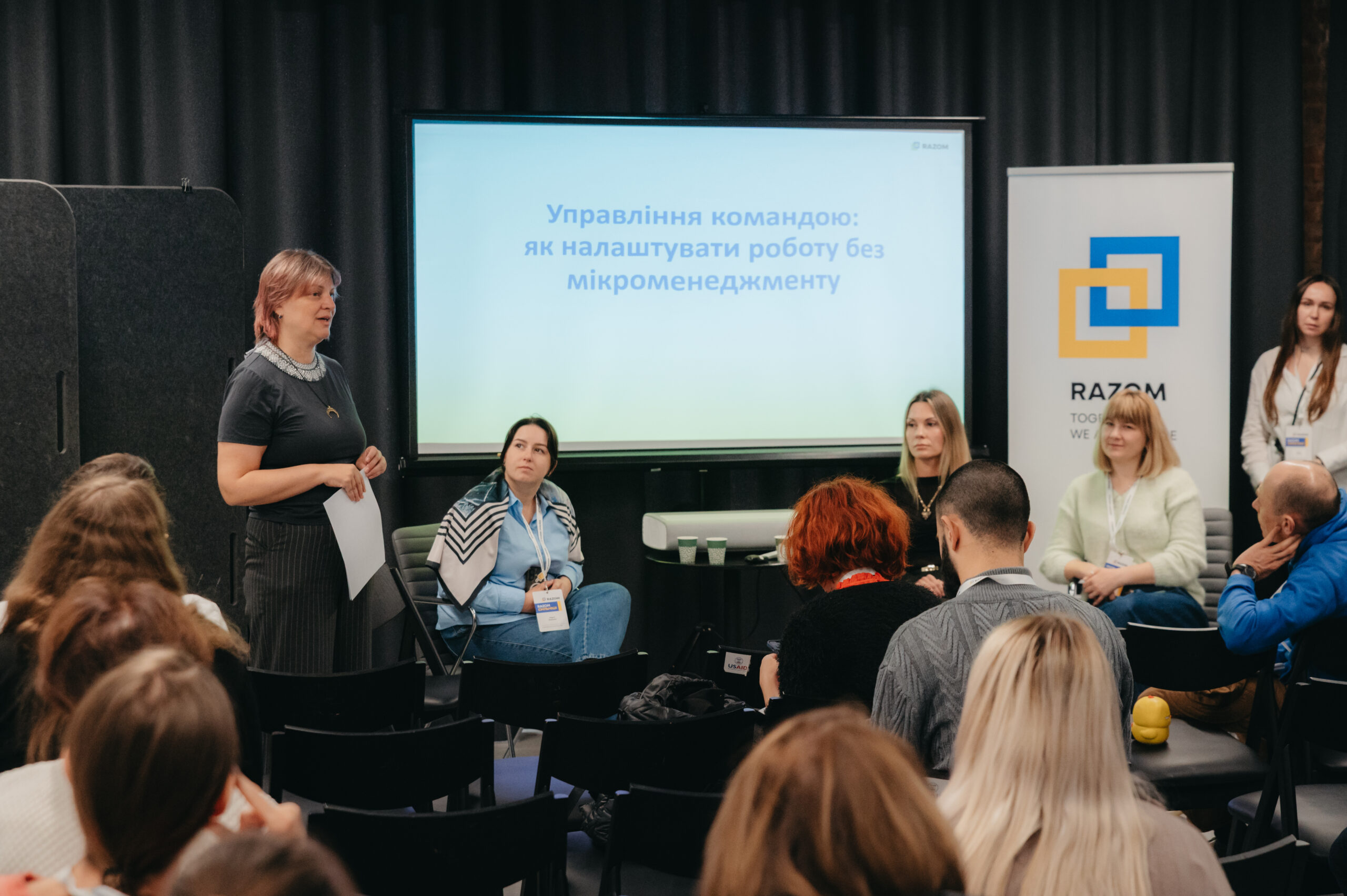
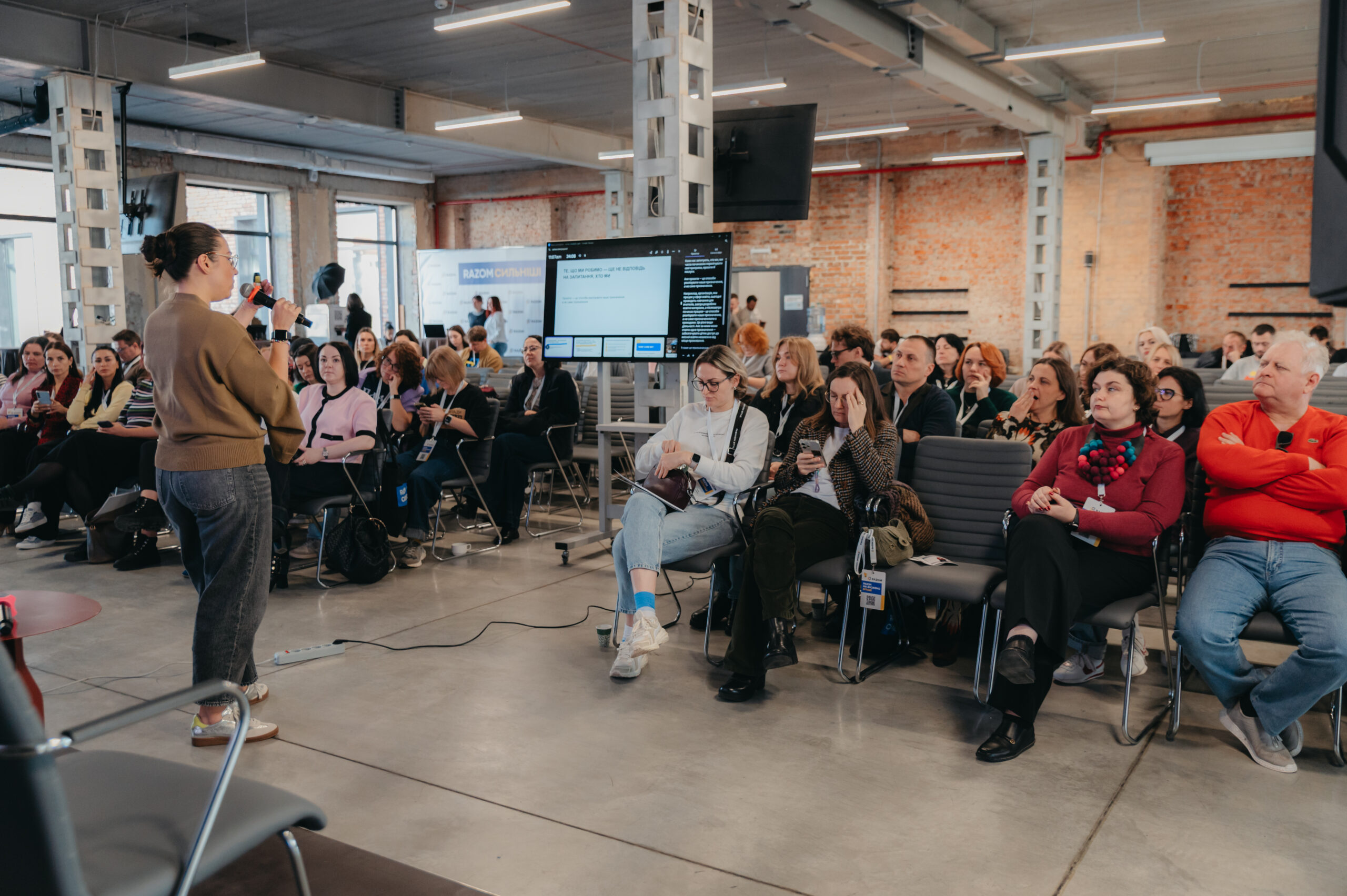
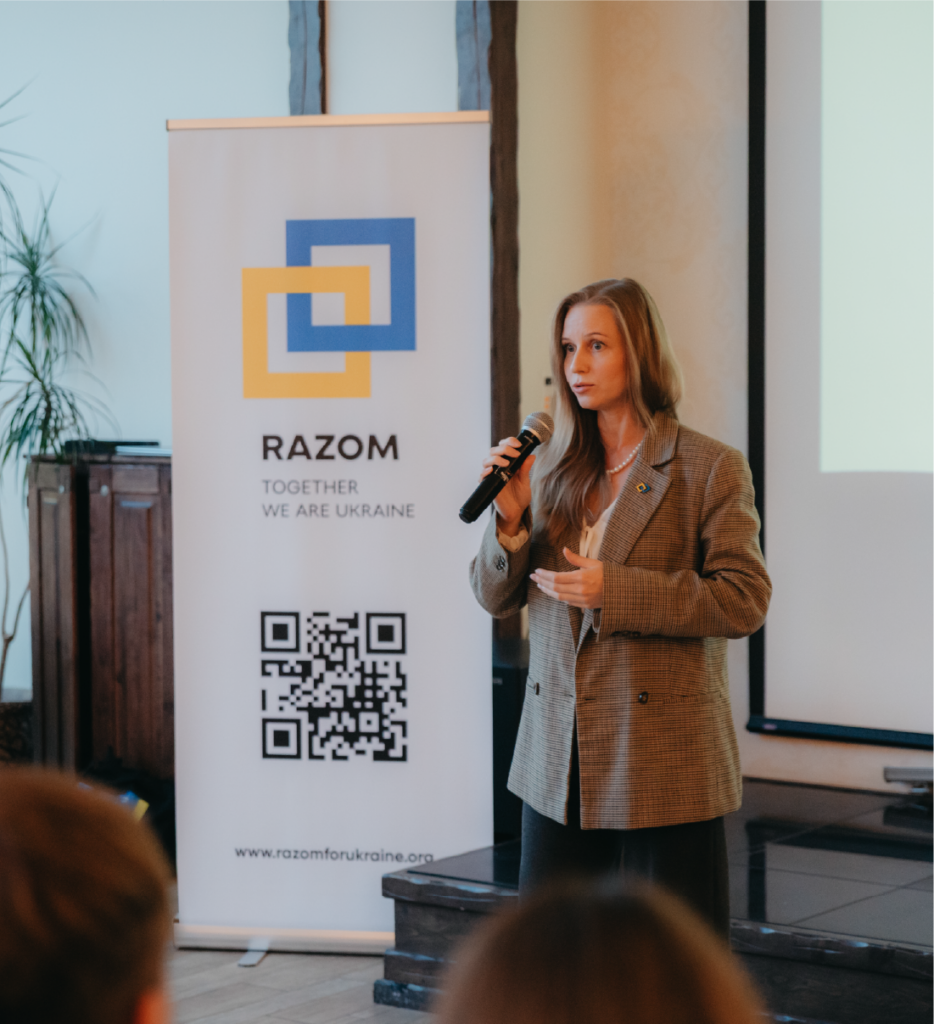
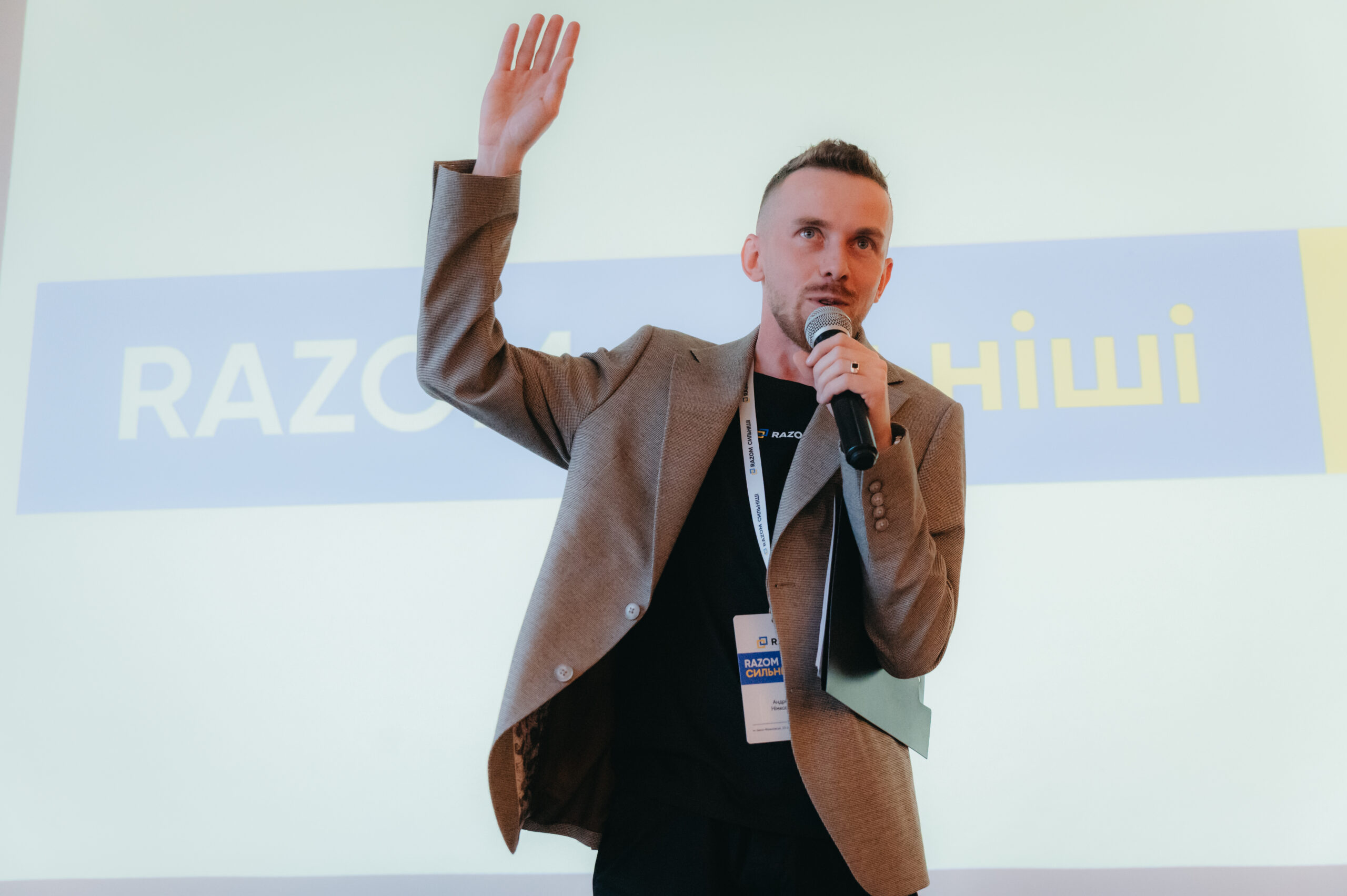
Viktoriia Klymchuk-Dluhach, General Manager at Razom for Ukraine, during her opening remarks at the fourth annual Razom Sylnishi (Razom Stronger) conference.
Since Russia’s full-scale invasion began, Ukraine’s civil society has taken on enormous responsibility. Nonprofits and charitable organizations support the government, the military, and civilians. They help people get through crises and rebuild their lives. But who supports the people who help others?
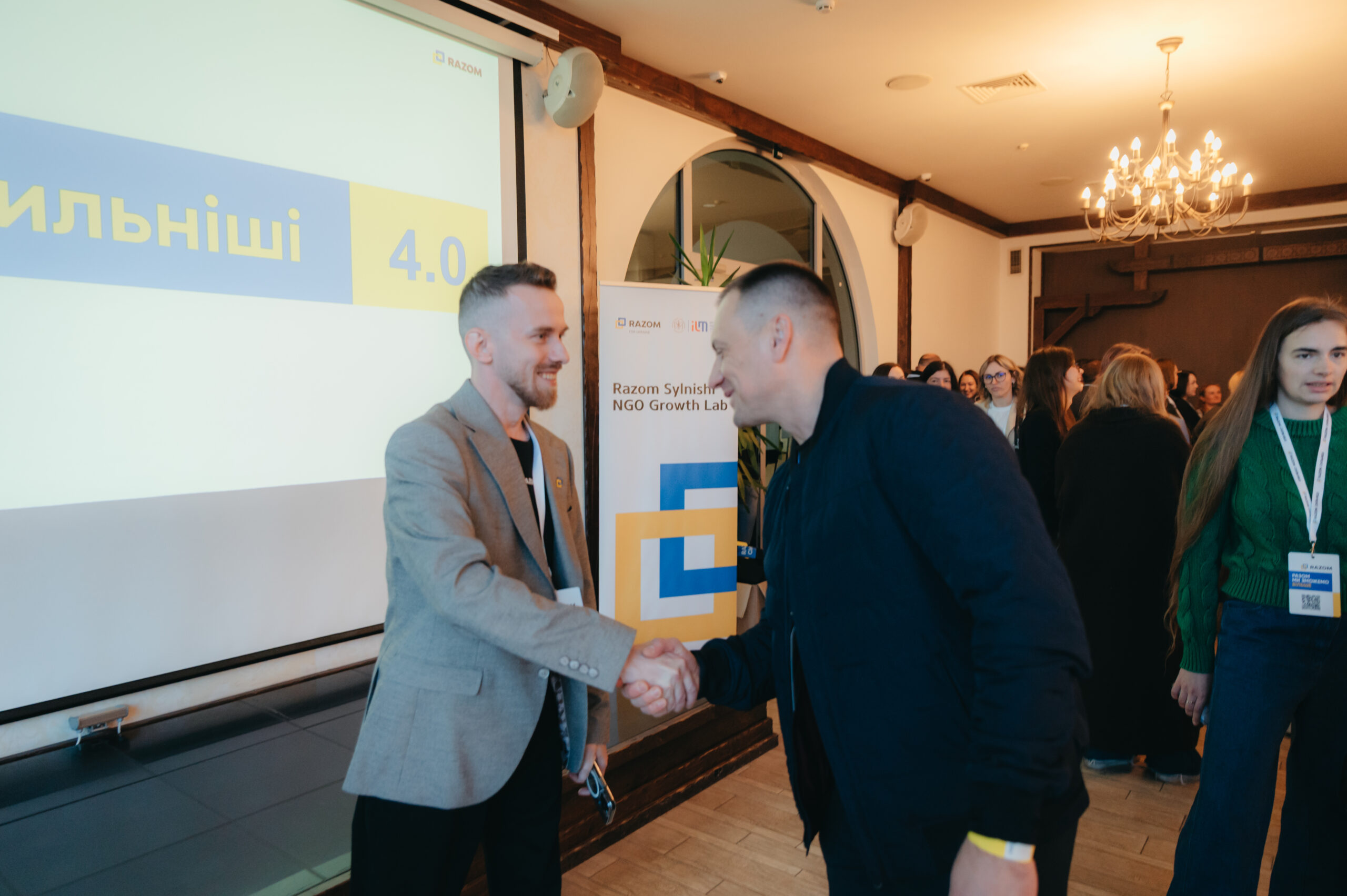
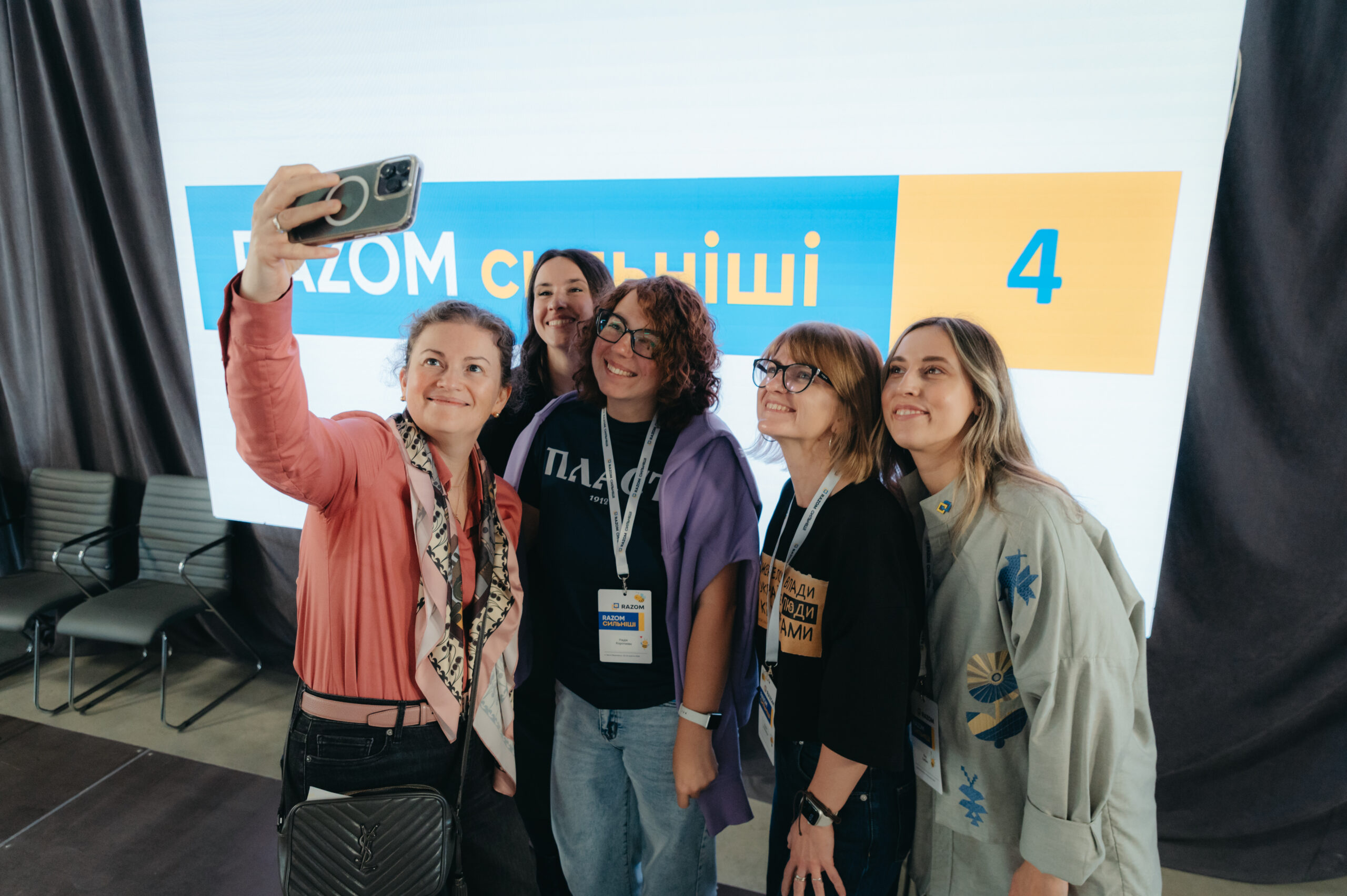
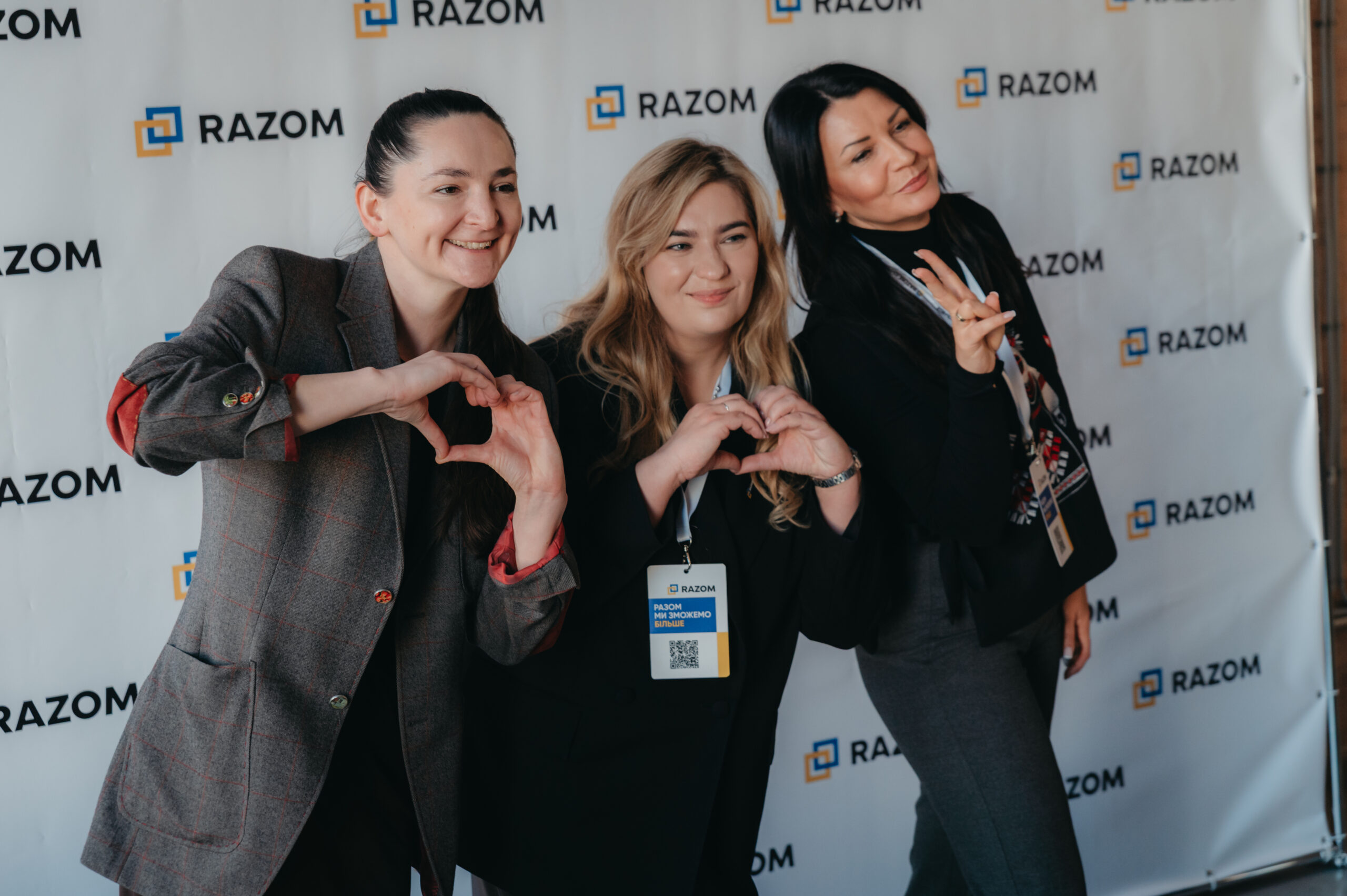
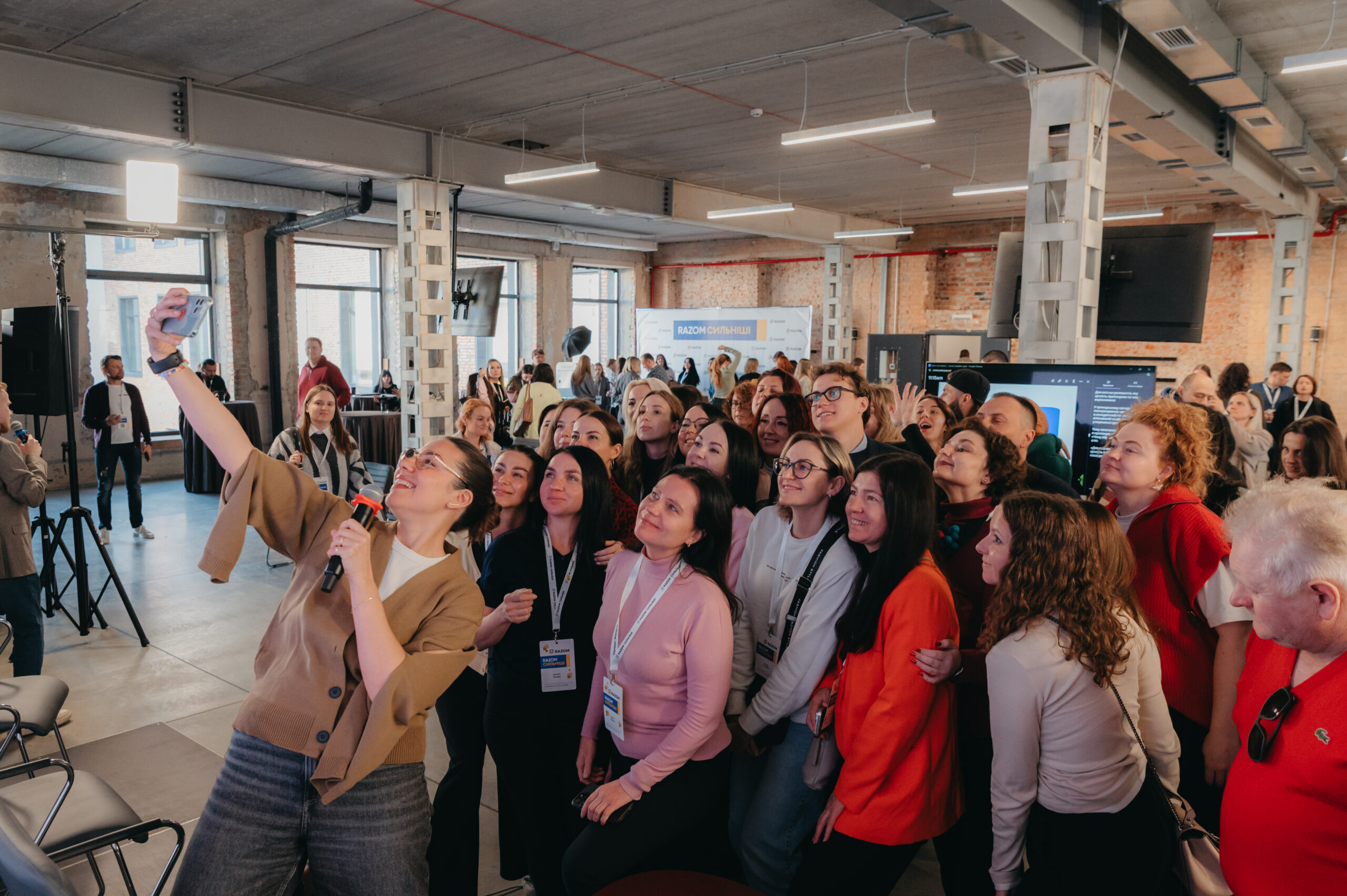
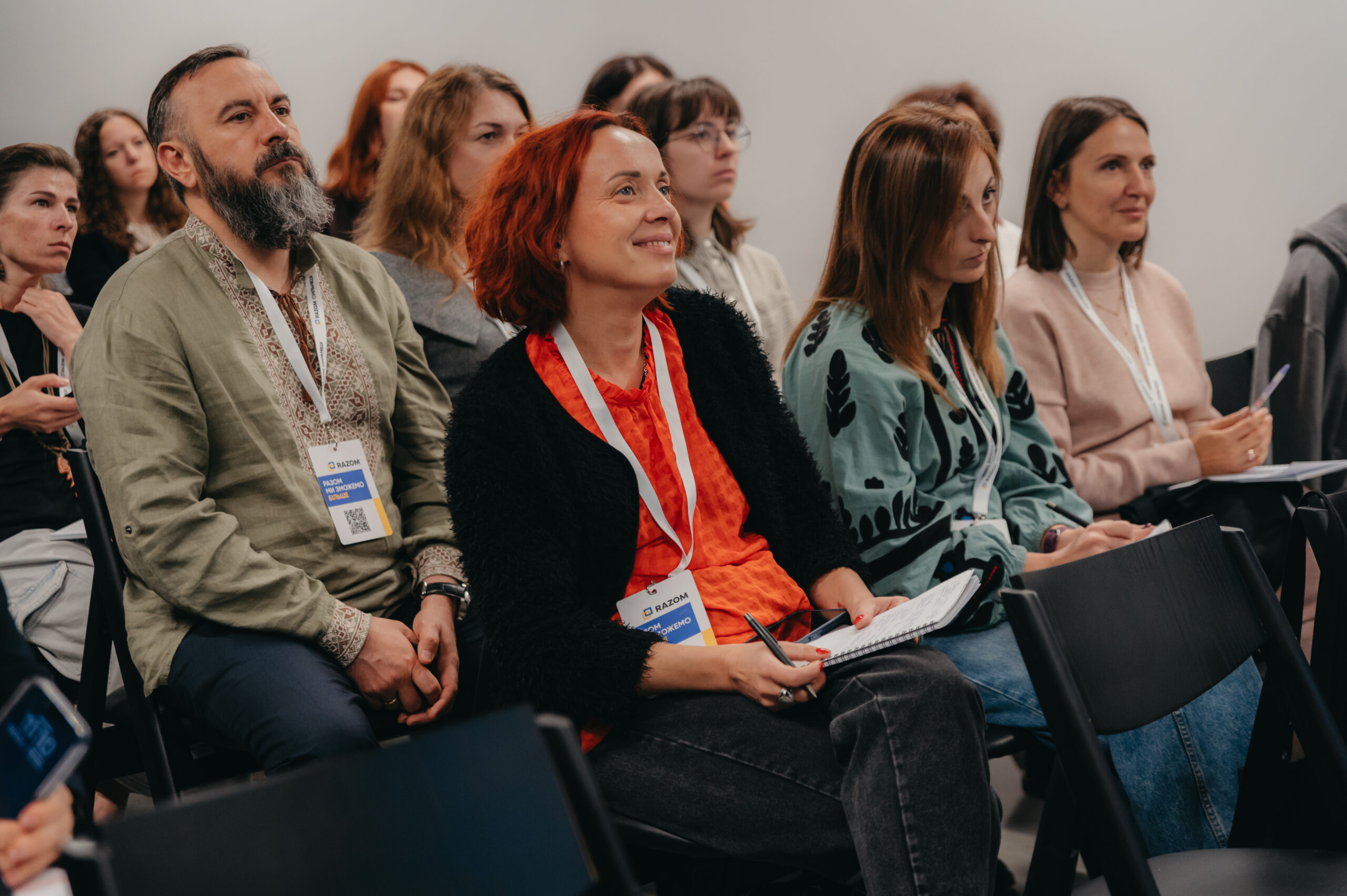
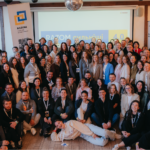
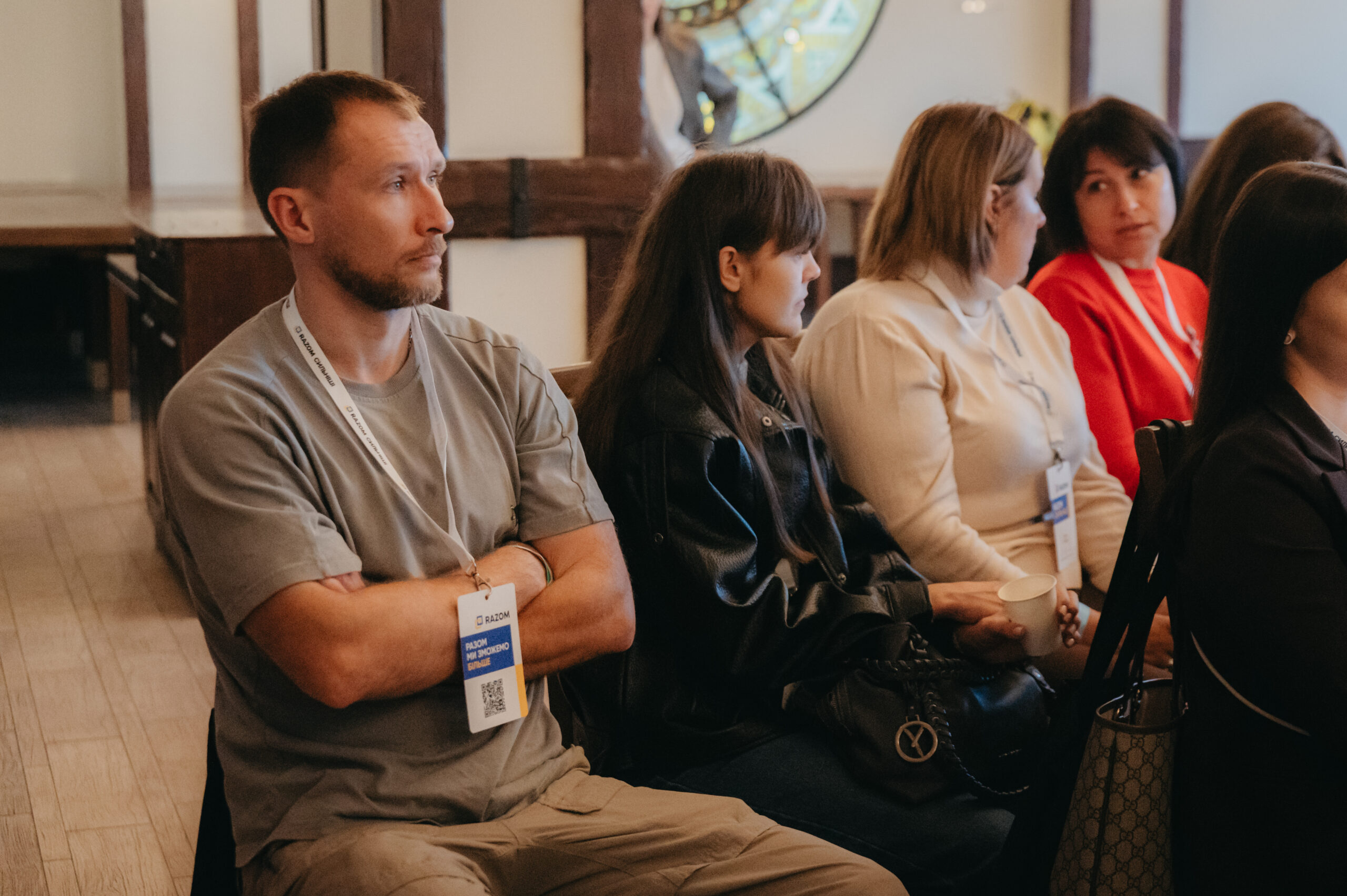
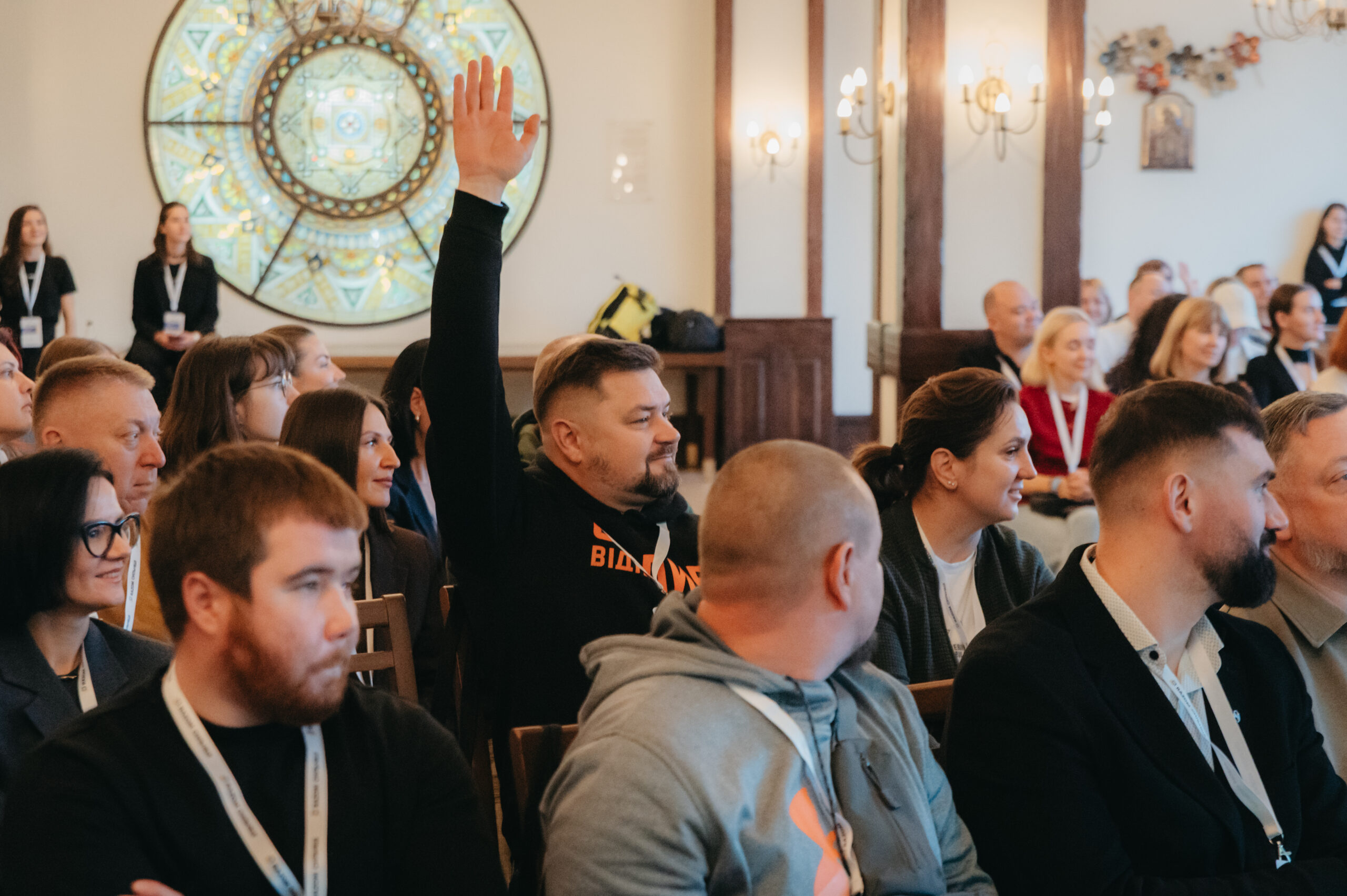
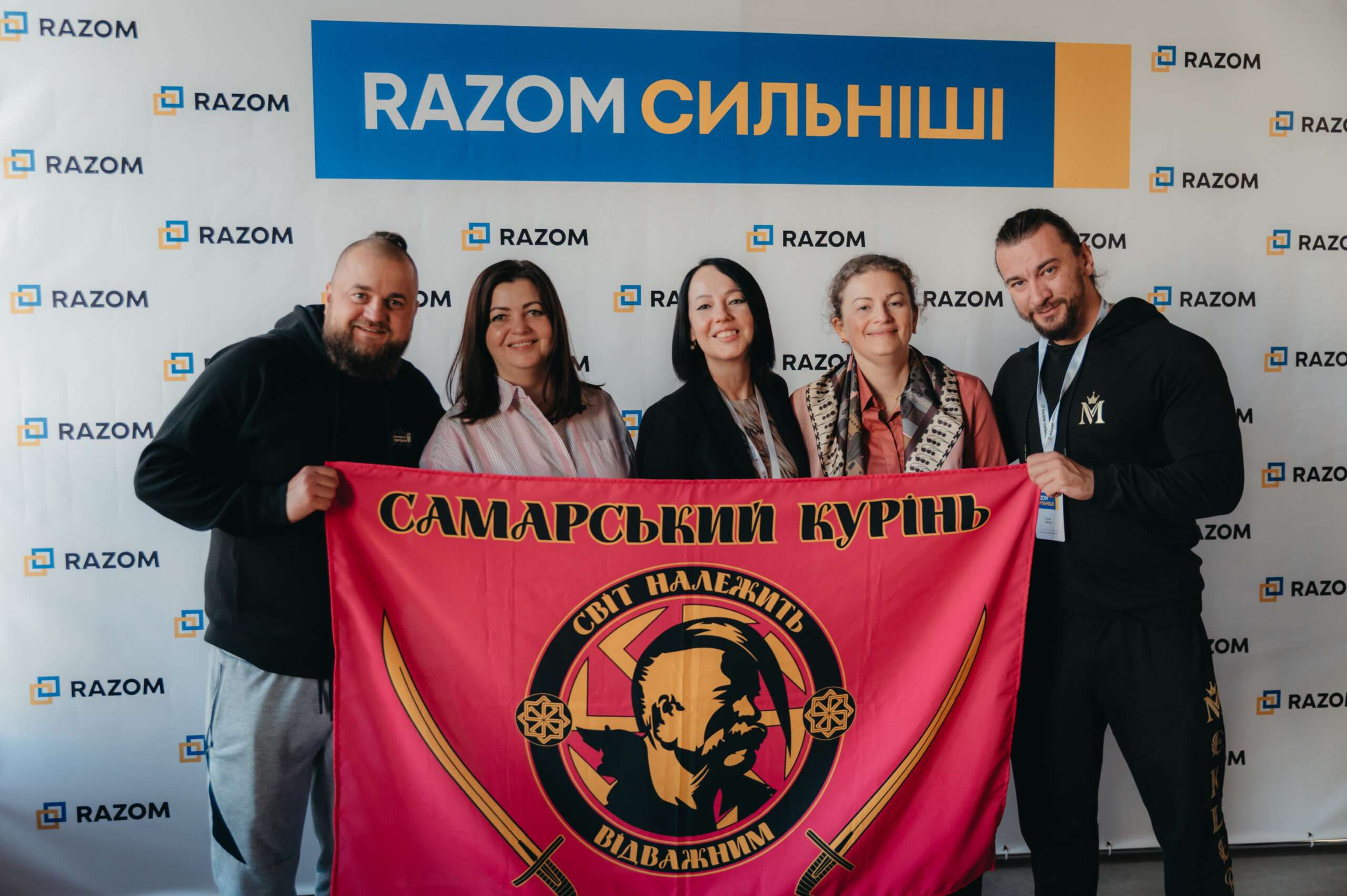
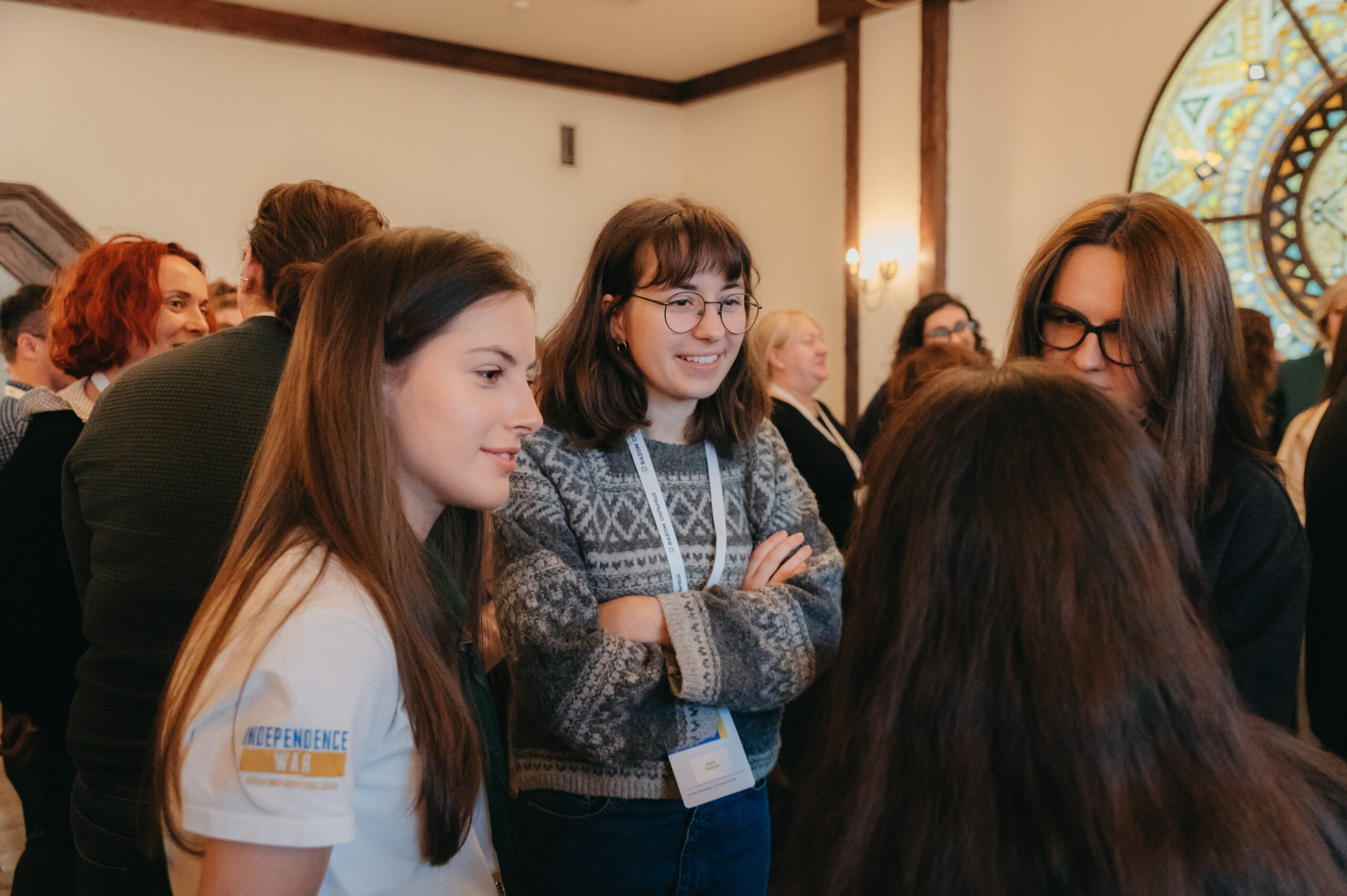
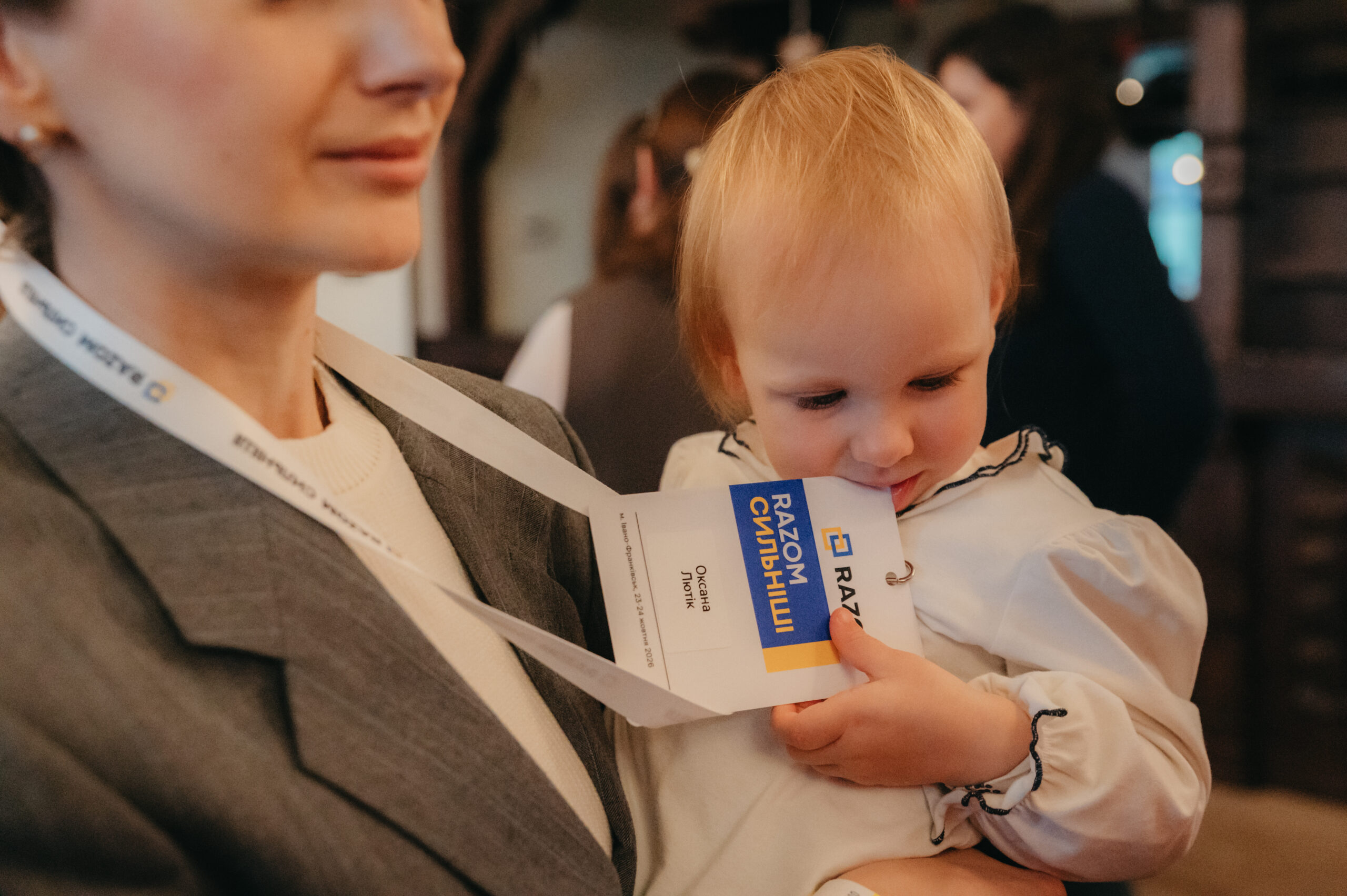
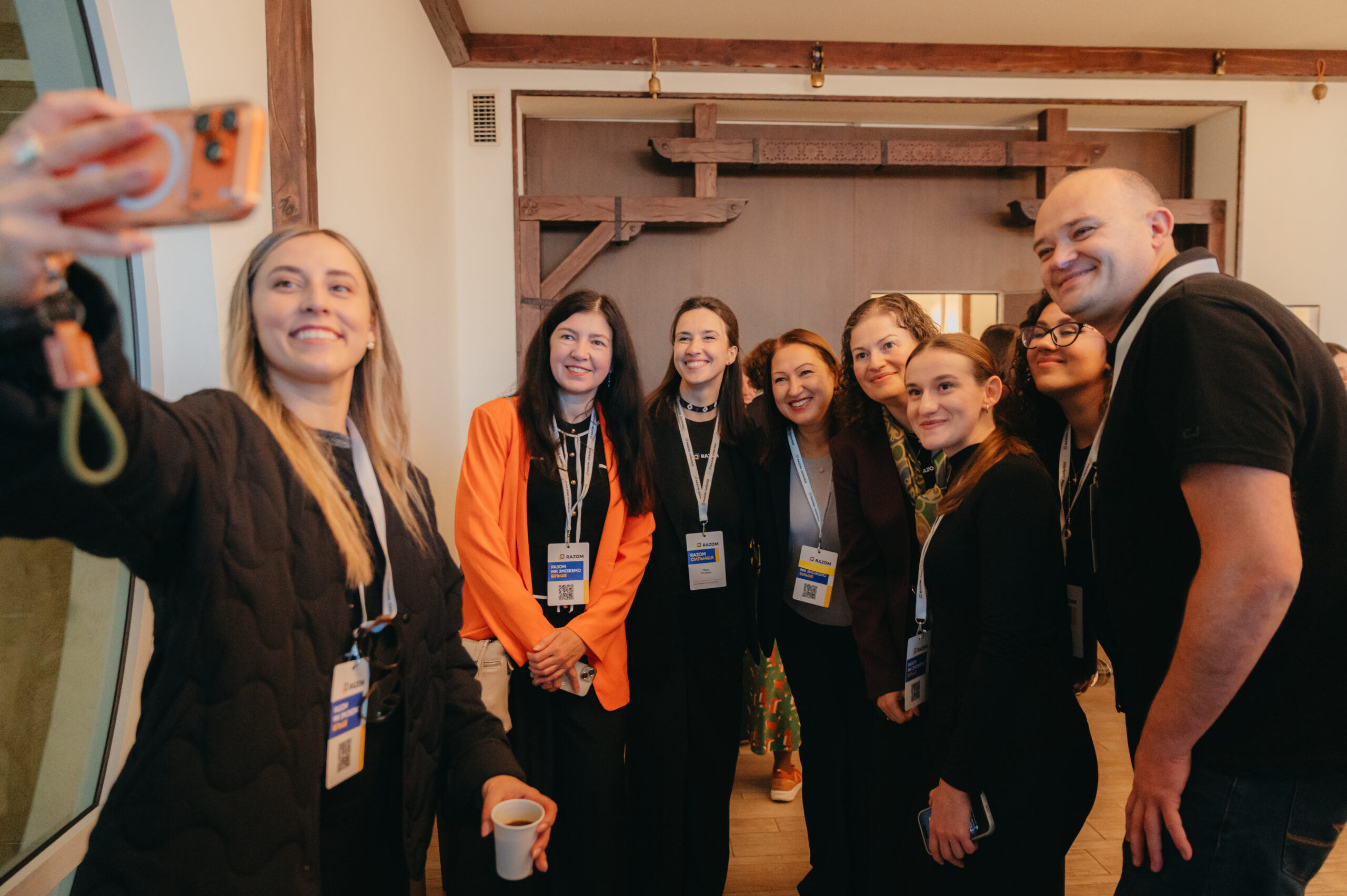
That was the question at the fourth Razom Sylnishi (Razom Stronger) conference, which brought together nearly 200 representatives from more than 80 local nonprofits and charitable organizations supported by Razom through grants. Held in Ivano-Frankivsk, the conference is part of Razom’s long-term program to strengthen Ukraine’s civil society. Its goal is to help organizations grow, build their capacity, find partners, and continue their work even in difficult conditions. Many other organizations in Ukraine had to cancel their planned conferences because of security concerns and financial constraints.
Razom Sylnishi 4.0 took place at Promprylad, a Razom partner. One of the main themes was collaboration: how organizations can join forces, find partners, and work together to address challenges that no single organization can tackle alone.
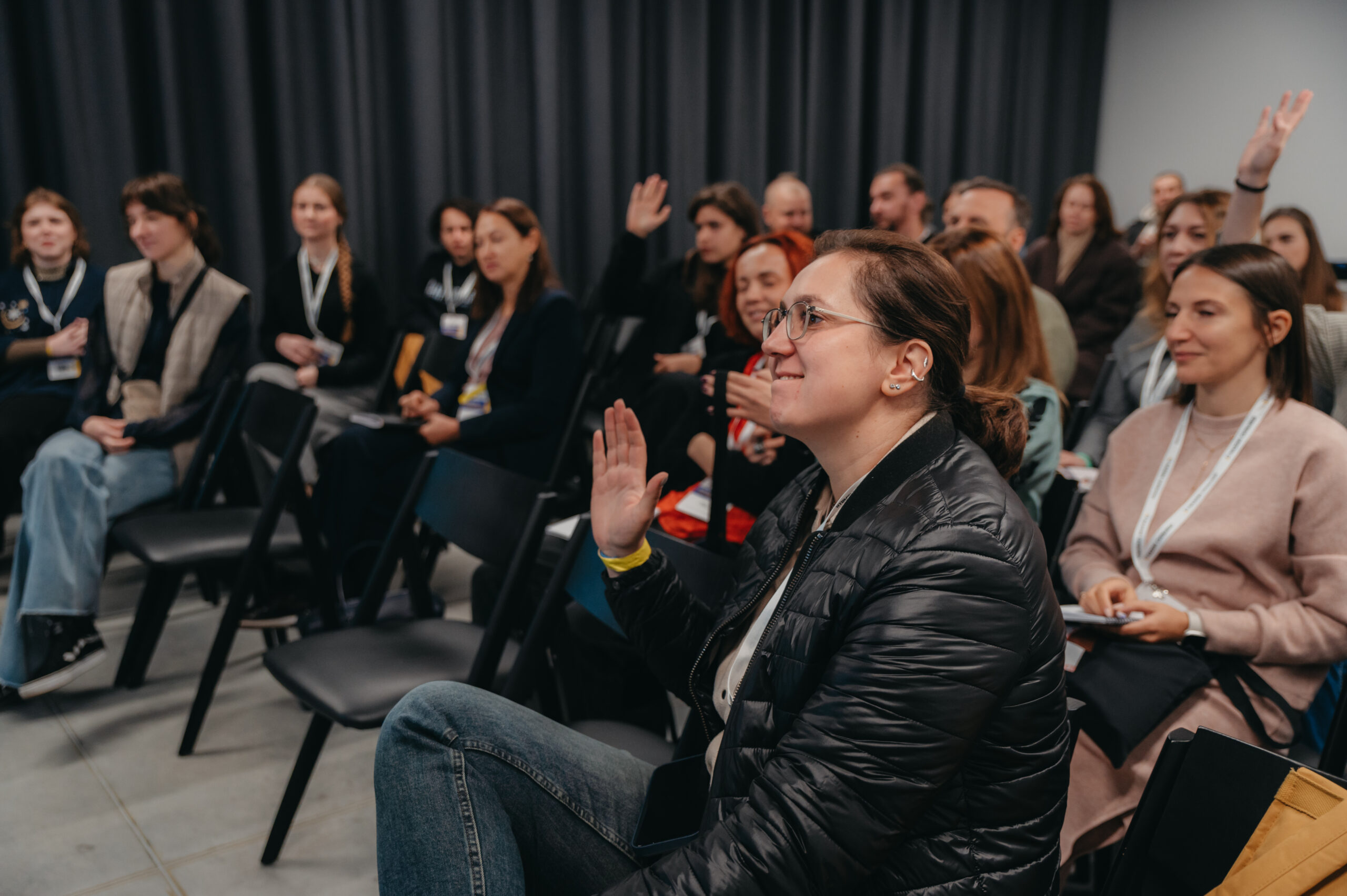
The conference program was shaped by the needs of organizations receiving grant support from Razom. Topics included fundraising and financial sustainability, team mental health, and micromanagement.
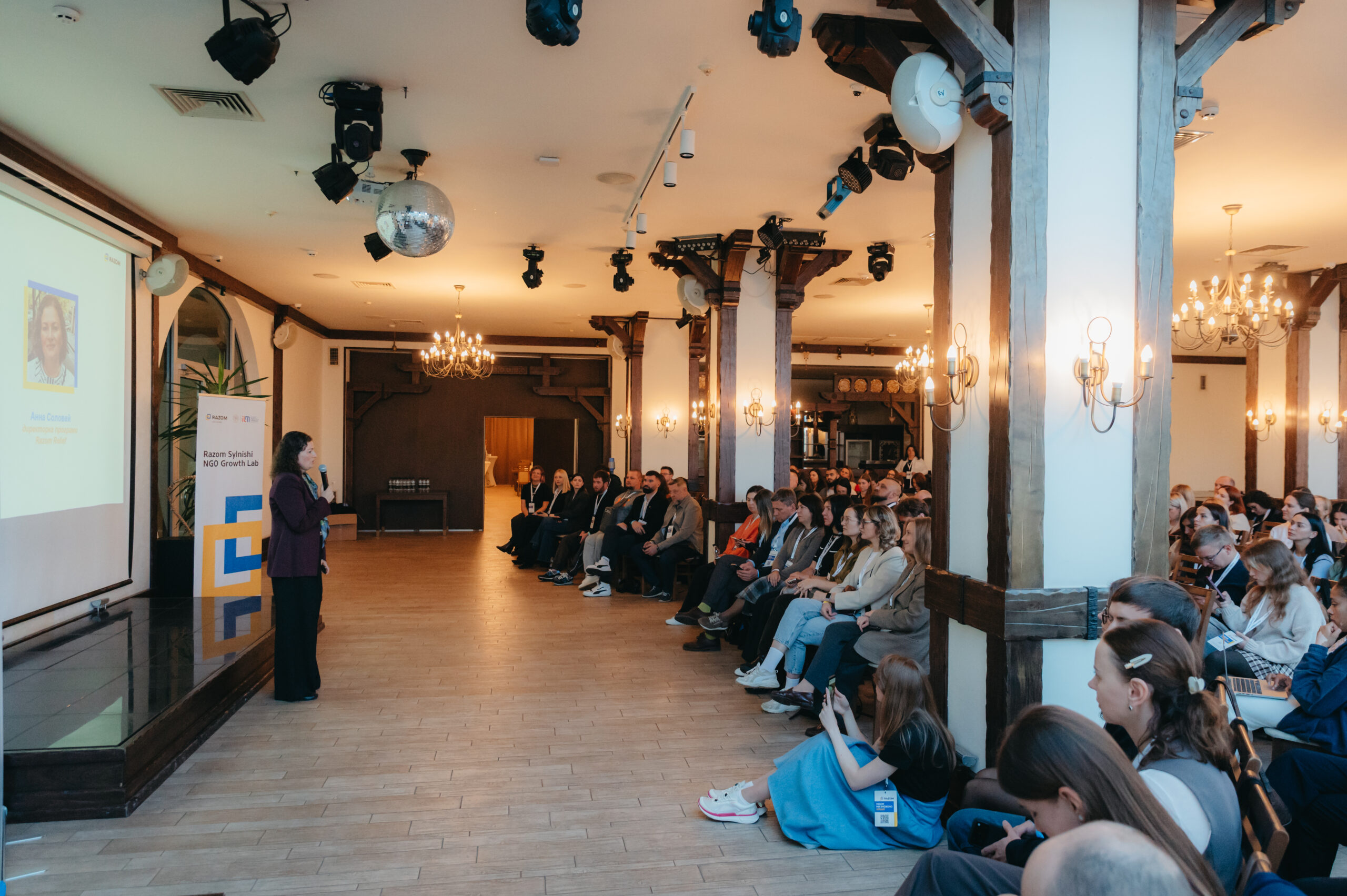
“We want this conference to be a place of inspiration and support, where new connections are made and a new day begins. We hope you feel that this conference was created for you,” said Anna Solovei, Director of Relief and Connect Programs.
The Power of Partnerships
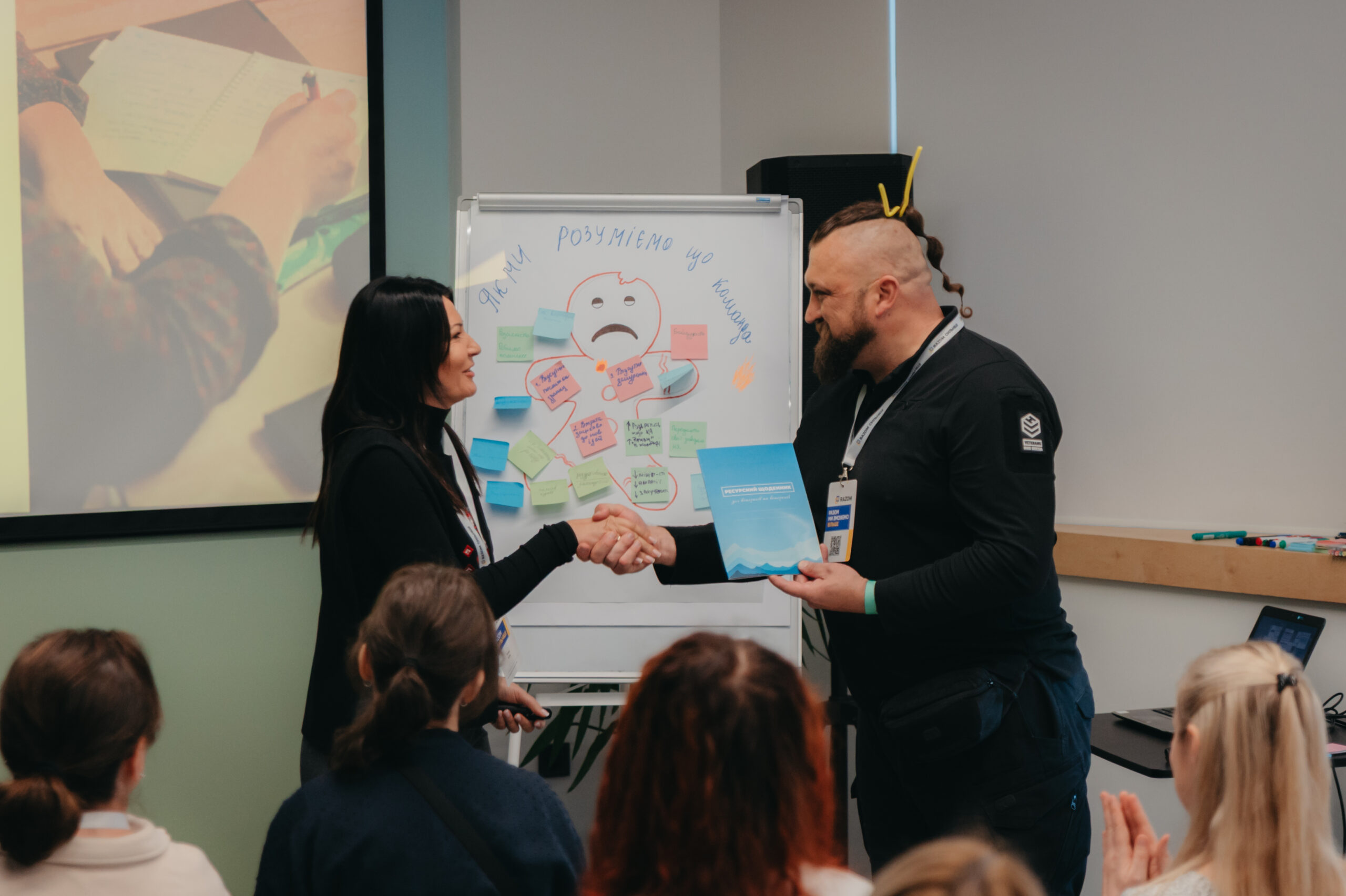
During a workshop for organizations working with young people, participants identified more than 15 potential partnerships in less than ten minutes. They discussed joint training programs for young people and teams, sharing expertise, and ways organizations could support one another.
“We do everything we can to encourage our grantees to connect and develop joint projects,” said Andrii Nimkovych, Razom Sylnishi project manager and conference organizer.
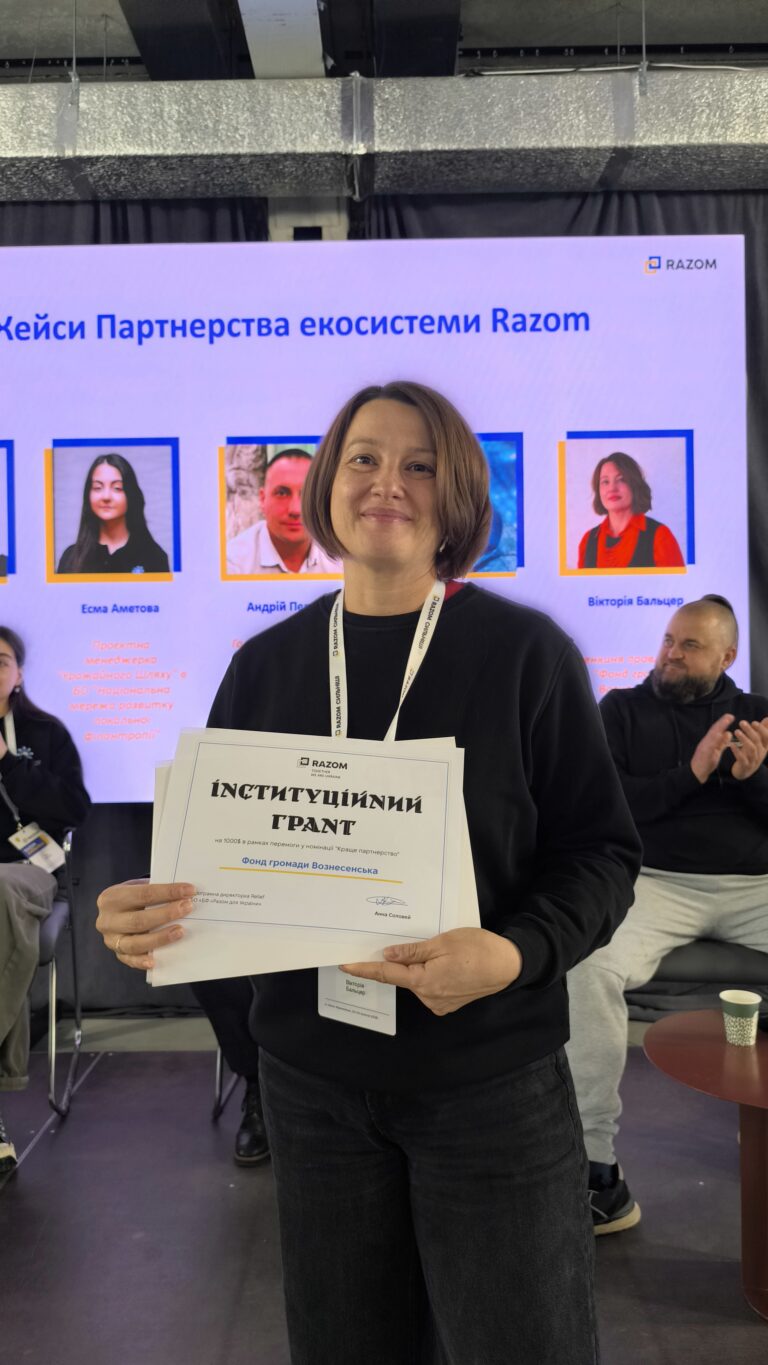
This year, Razom also recognized the winner of the Best Partnership award. The Voznesensk Community Foundation received the award along with a $1,000 institutional grant.
At a panel discussion on partnerships, the foundation’s leader, Viktoriia Baltser, noted that her organization was already carrying out or planning joint projects with nearly every speaker on the panel. Her team had even more partnerships in the works after the conference.
People United by a Common Purpose
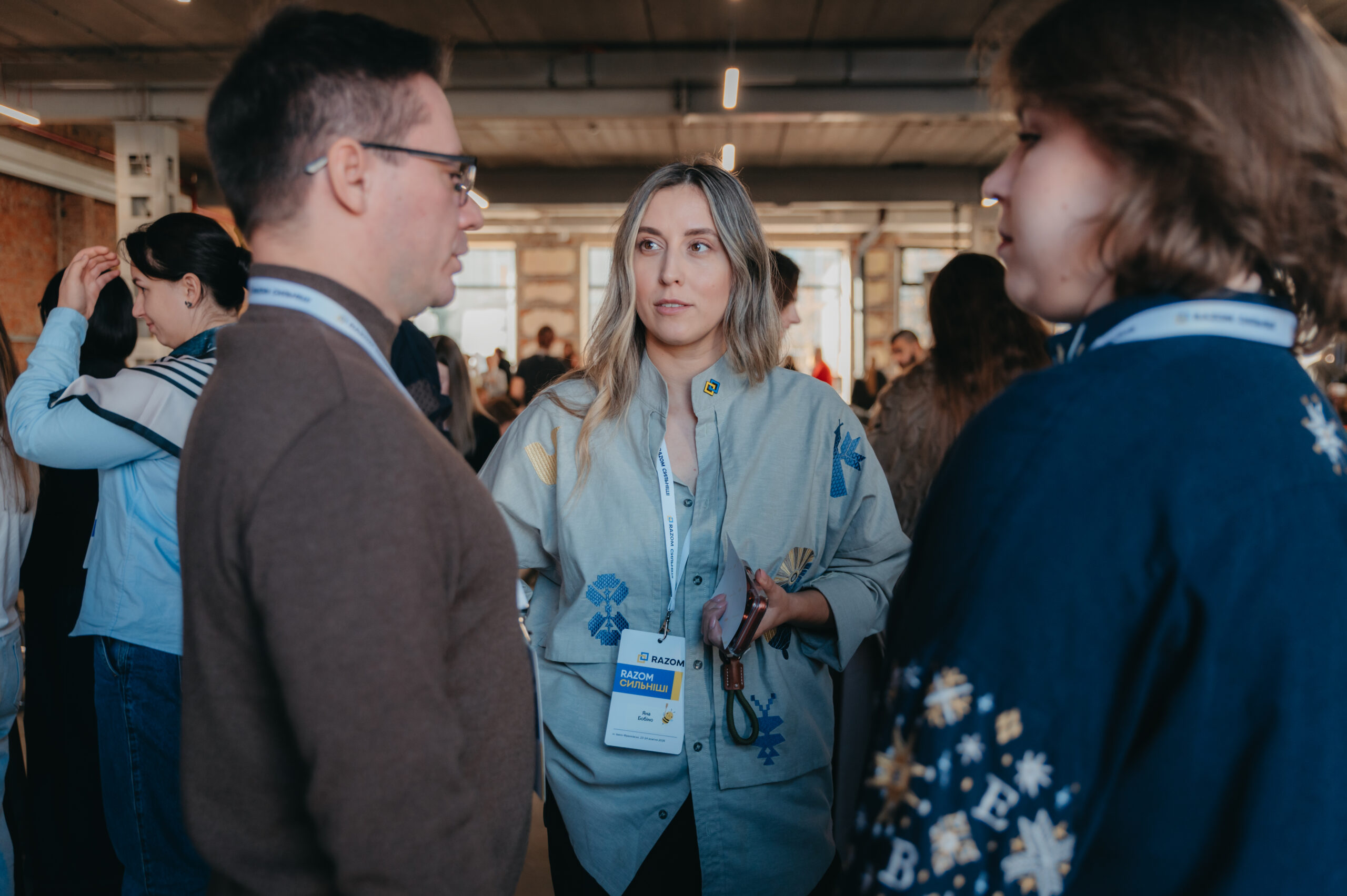
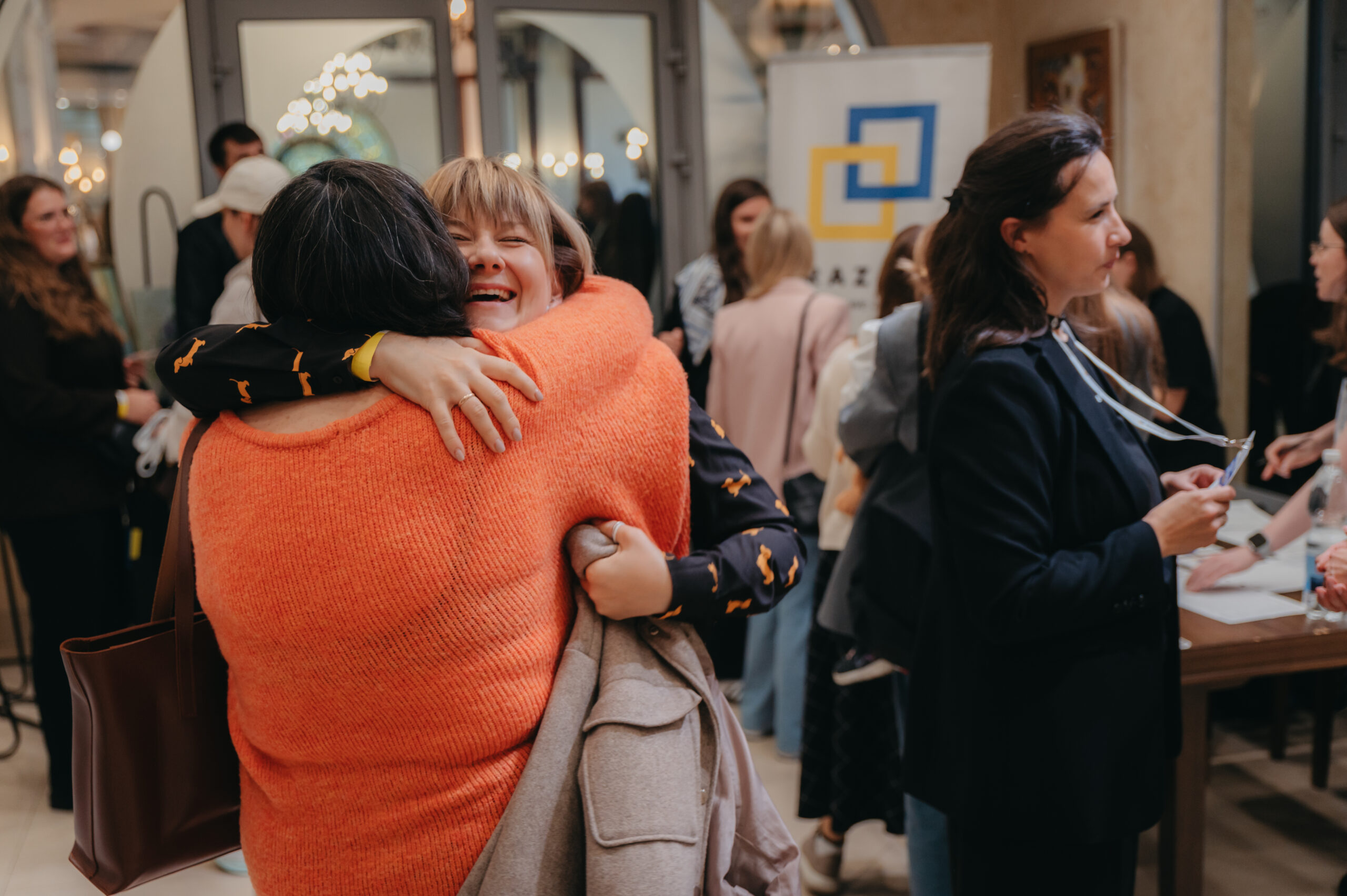
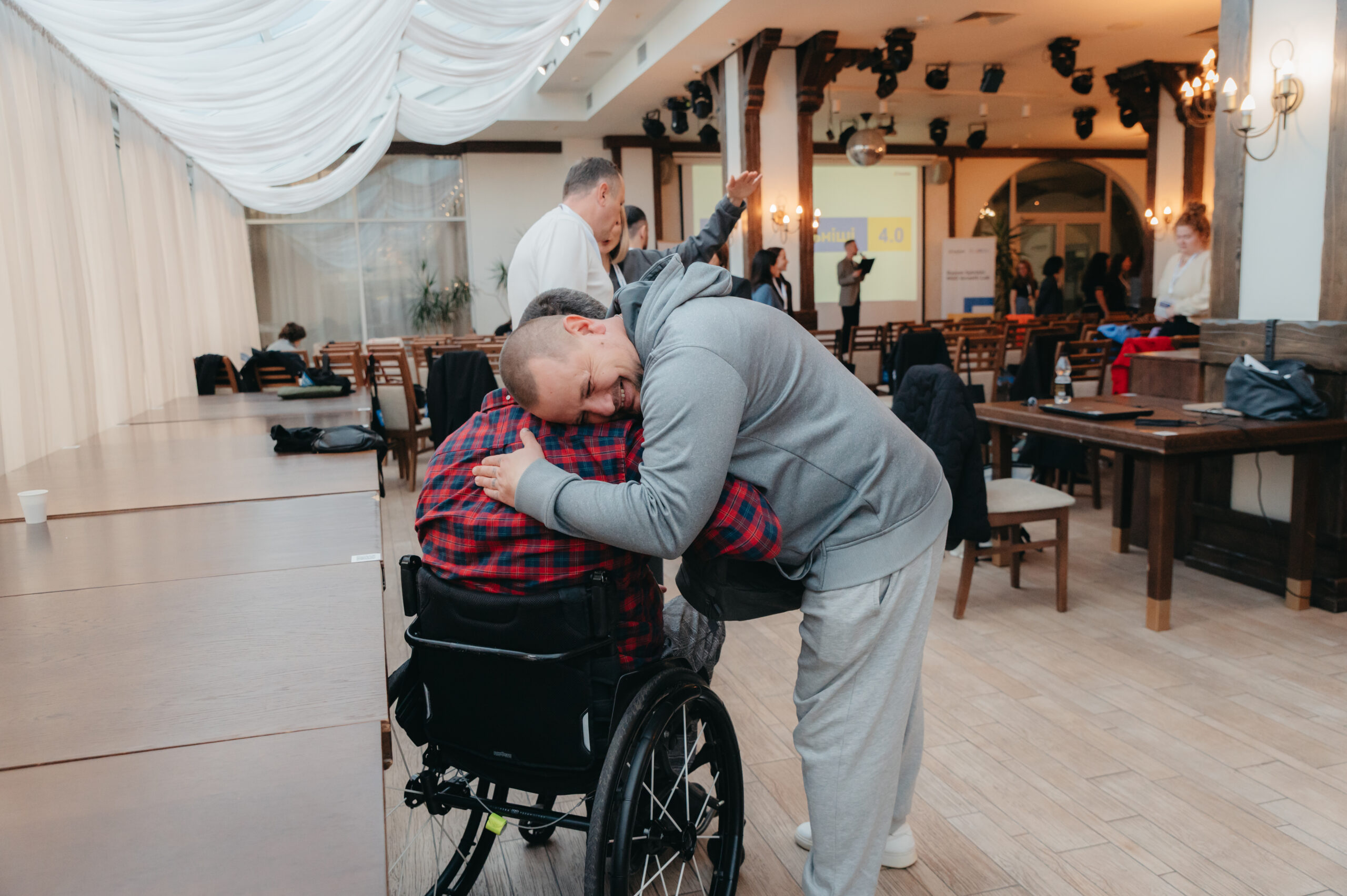
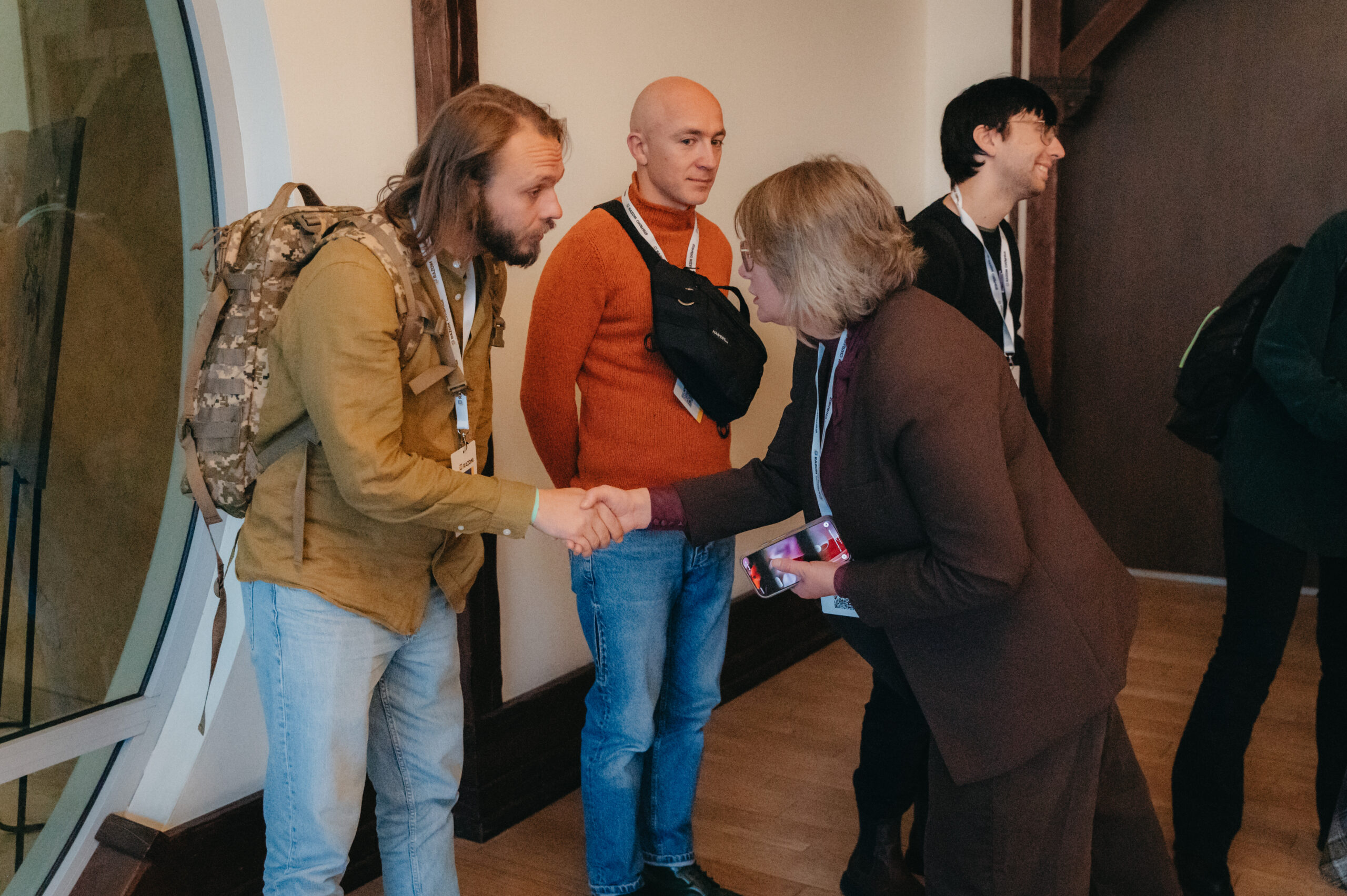
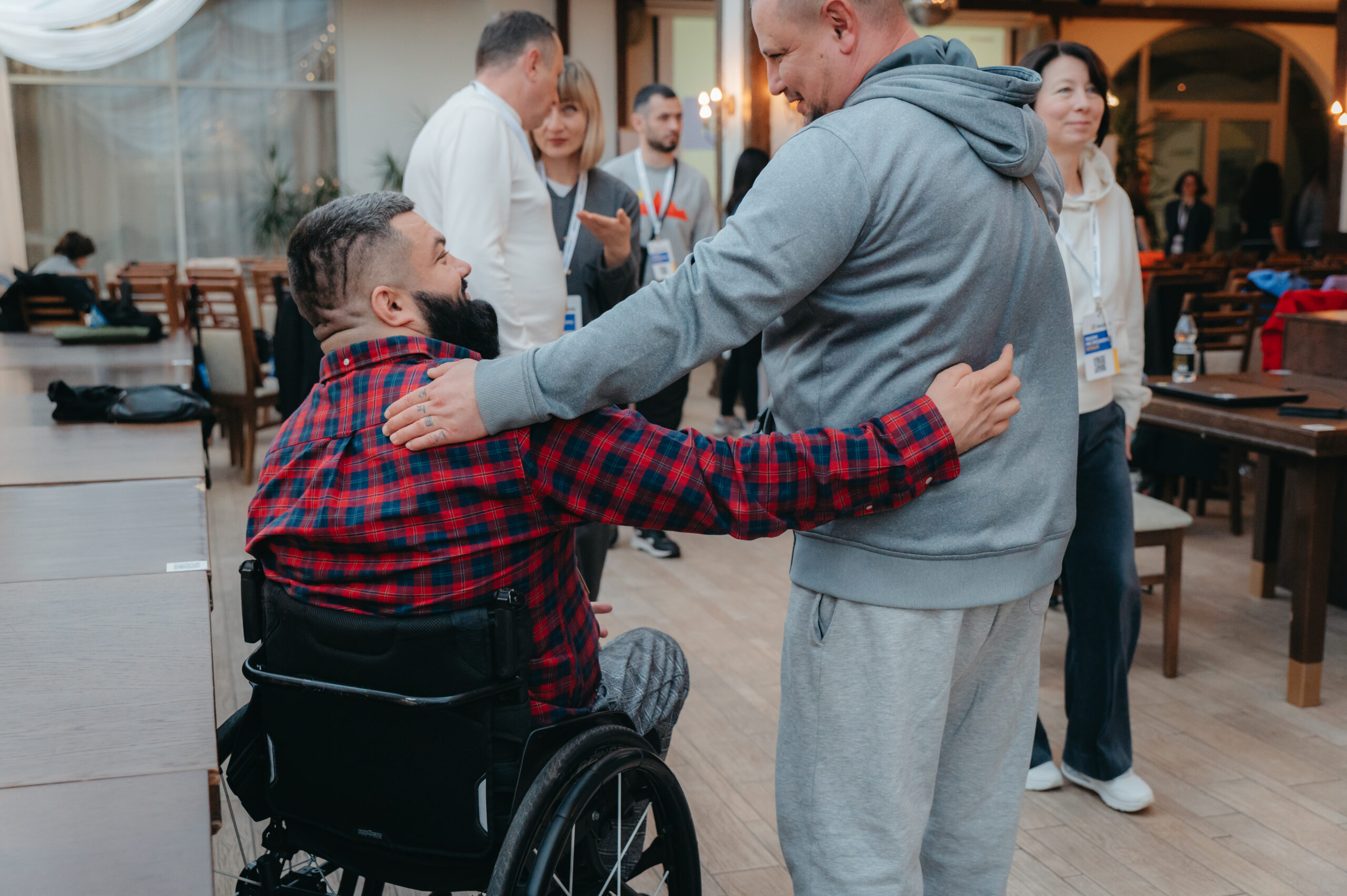
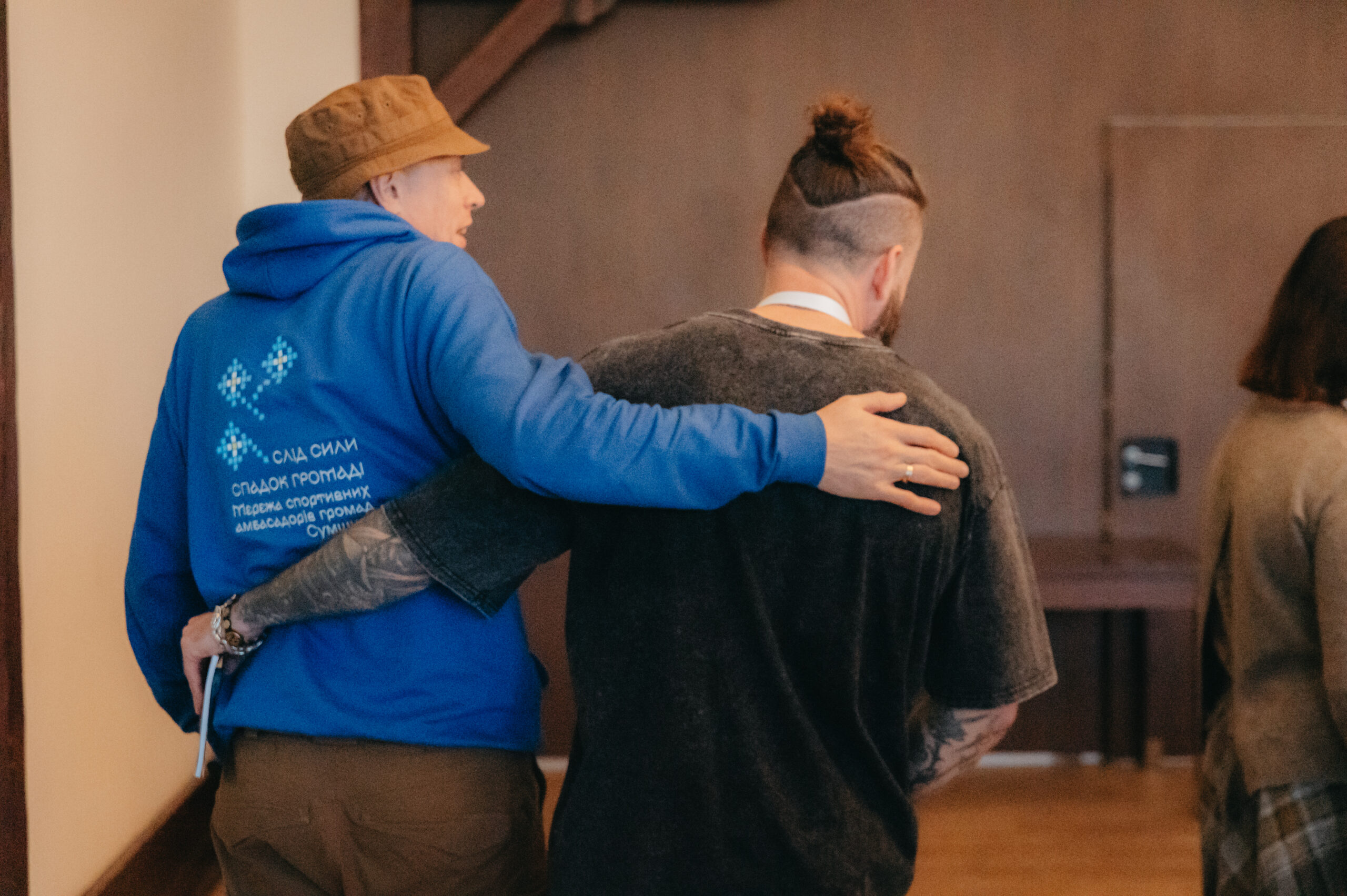
Off the record, participants shared that they wished they had had more time to talk with one another. Their conversations covered education in Ukraine, employment, and the integration of veterans into society.
Some stepped outside their usual circles and learned about the challenges other organizations face. Others discovered that their experiences were not so different from those of their peers—and felt relieved to know they were not alone.
“This is my first conference, and I’ve realized one thing: we need to talk to one another. No problem is unimportant, and no problem is too small. Everything can be worked out. I’ve learned a lot today,” said Vladyslav from Volia Veteraniv (Veterans’ Will).
Culture Brings People Together, Too
The conference was about more than working sessions and sharing experience. It was also an opportunity to get to know the city, its culture, and the people creating new spaces for communities to connect.
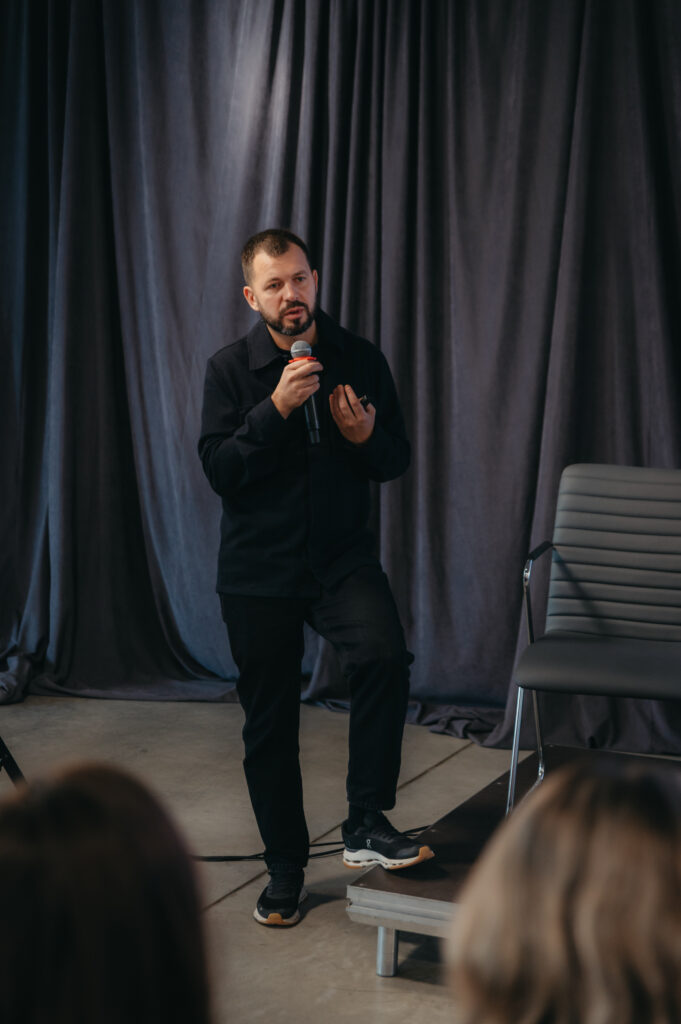
Participants had the opportunity to visit the Ivan Franko National Academic Drama Theater. One of the conference speakers was Yurii Fyliuk, an entrepreneur, civic leader, and founder and CEO of the Promprylad project. Promprylad has transformed an industrial site into a place where different communities, ideas, and initiatives come together.
Like civil society, culture creates space for dialogue. It brings people with different experiences together, helps them better understand one another, and opens up possibilities for collective action.
Finding the Strength to Keep Helping Others
People who support others need support themselves. That is why the conference program included a workshop by Razom z Toboyu (Razom With You) on burnout and mental health.
Some participants admitted that they had not realized how exhausted they were until they ended up in intensive care. For people who are responsible for teams, projects, and helping others every day, their own well-being often comes last.
One participant, whose organization works to restore homes and support families affected by Russian attacks in the Kyiv region, joked that her team had sent her to the conference to “get some sleep.”
Behind the joke was an experience many Ukrainians know well. Russian attacks, overnight air raid alerts, and constant sleep deprivation take a particularly heavy toll on people living in Kyiv and Ukraine’s eastern and southern regions. Ivano-Frankivsk was chosen not only as a place for civil society organizations to meet, but also for safety reasons and to give participants a chance to rest.
“ I wasn’t in a very good place emotionally before the conference, but now I’ll go home feeling so much better!” shared Nadiia Korotaieva from Plast, Ukraine’s national scouting organization in the Odesa region.
Sometimes, continuing to help others starts with taking care of yourself. It also means being among people who understand your challenges, can offer support, and remind you why your work matters.
Creators or Victims of History?
At the end of her opening speech, Viktoriia Klymchuk-Dluhach recalled a quote by Yevhen Konovalets that she had shared during a conversation with Americans:
“We have a choice: to be creators or victims of history.”
“Ukraine’s civil society is choosing to be a creator of history, not a victim of it. Razom supports you as the people shaping Ukraine’s history,” Viktoriia said.
Nonprofits and charitable organizations across Ukraine put this choice into action every day. They support service members and veterans, help civilians, advance education, and find solutions to complex social challenges. They keep going even when they need support themselves.
The Razom Sylnishi conference is one way to provide that support. As part of Razom’s long-term commitment to strengthening Ukraine’s civil society, it creates a space where organizations can find the energy, connections, and inspiration to continue their work and help those who need it.
Razom brings together people who do not wait for history to decide Ukraine’s future for them. They are helping shape it themselves.