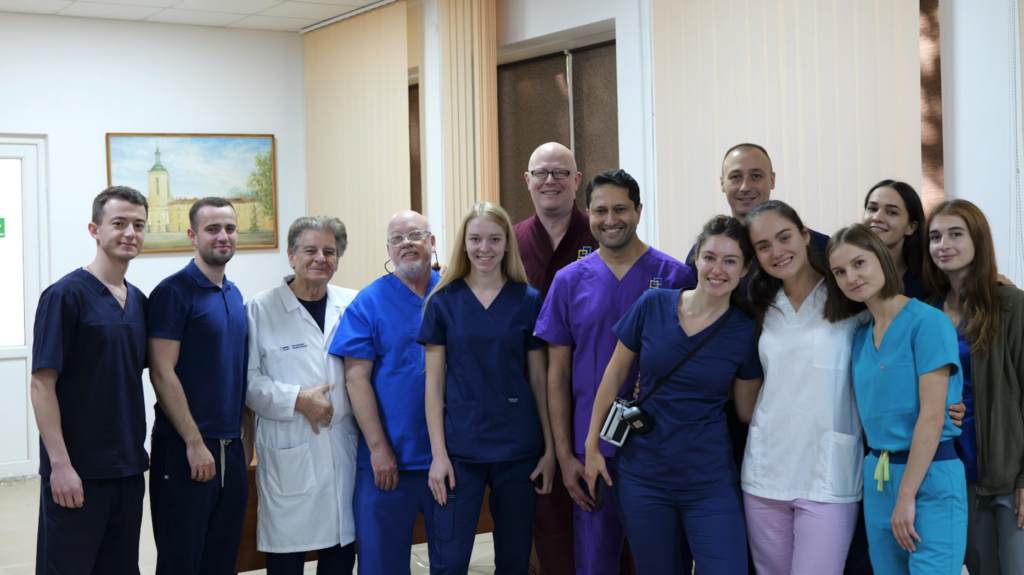
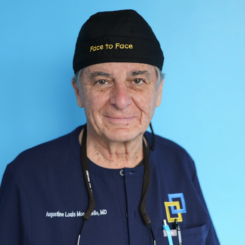
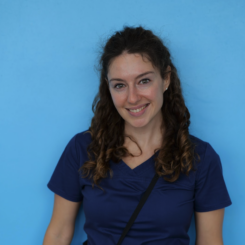
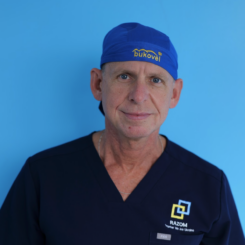
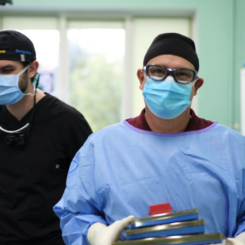
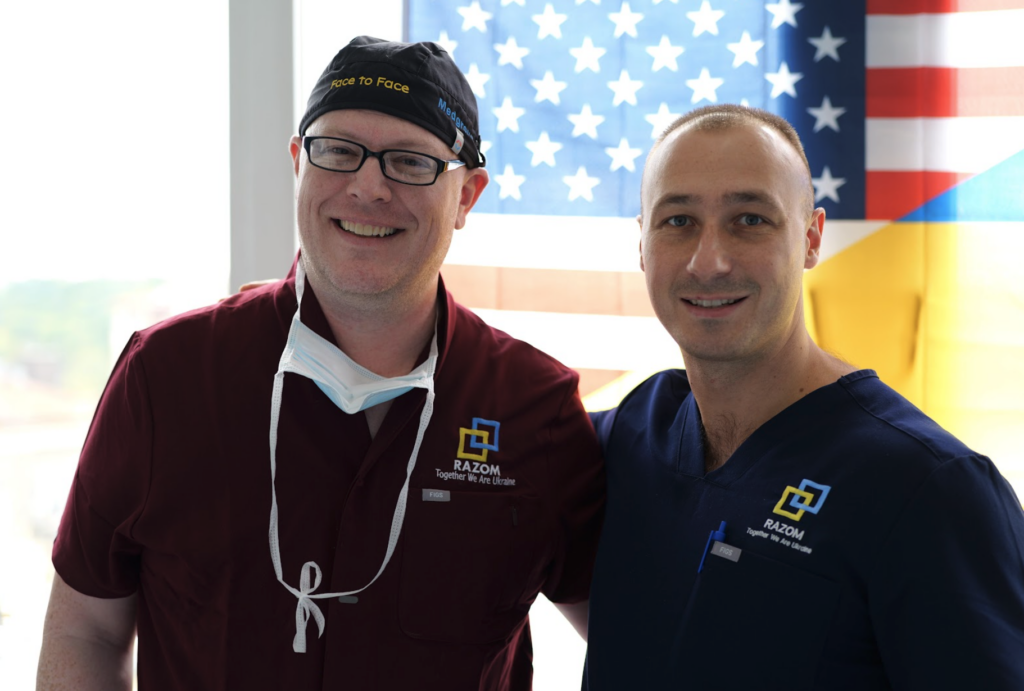
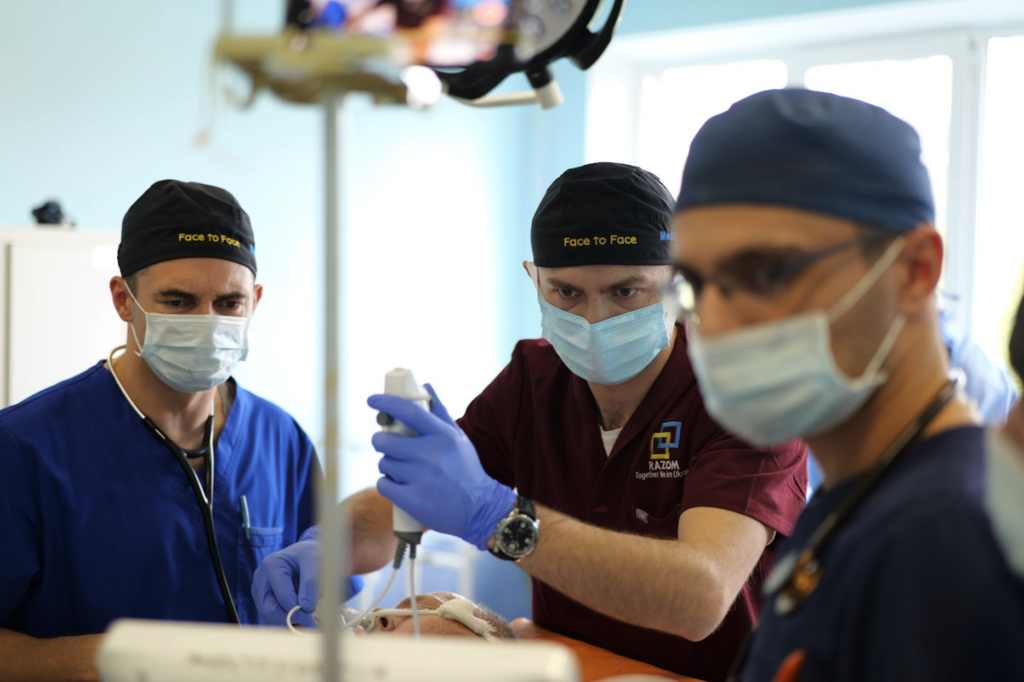
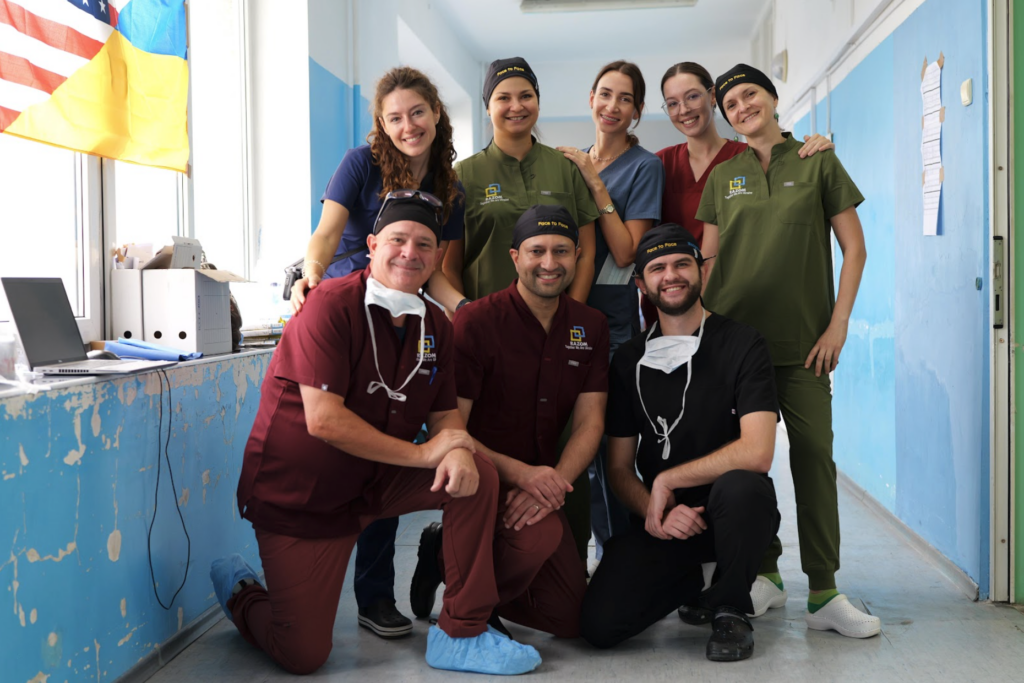
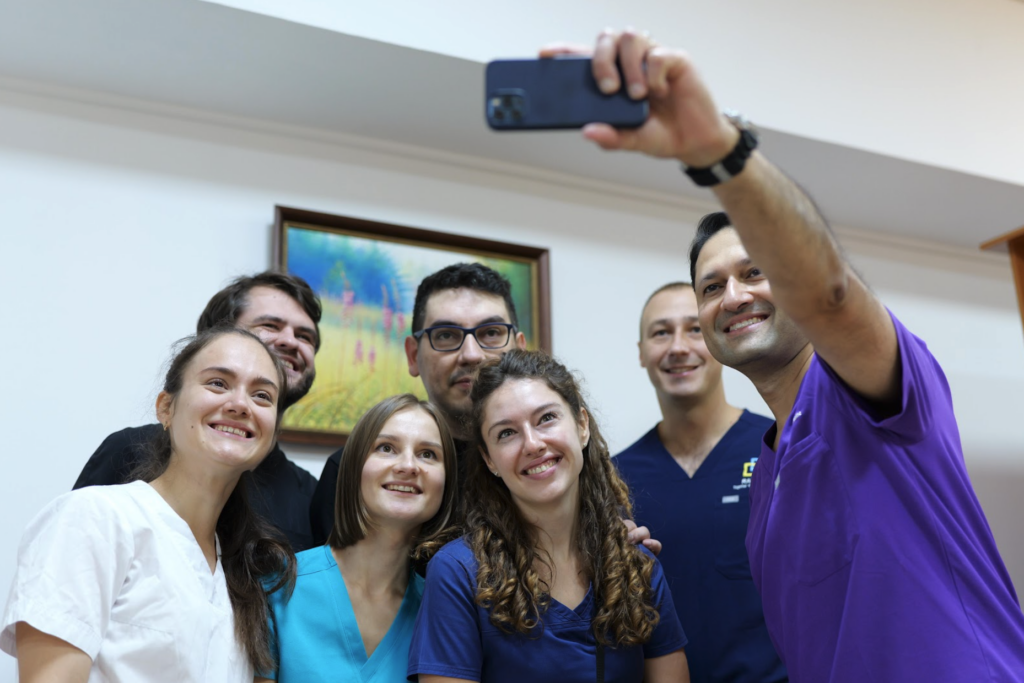
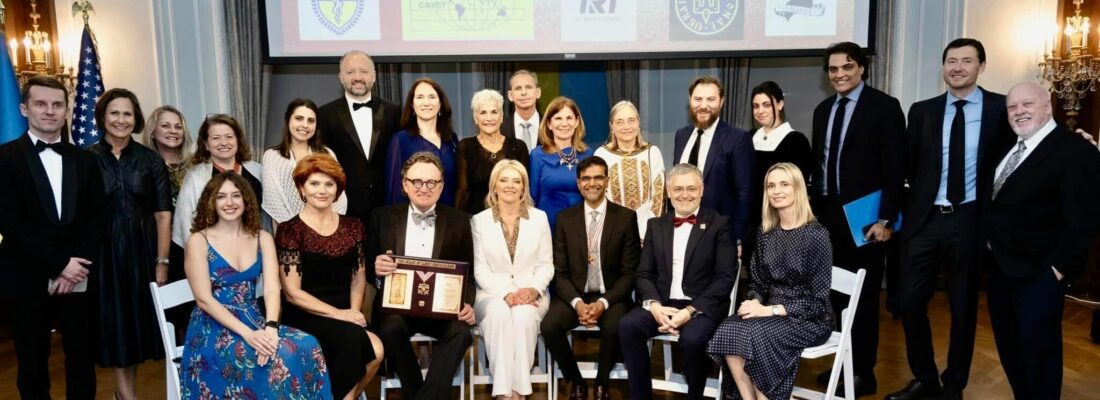
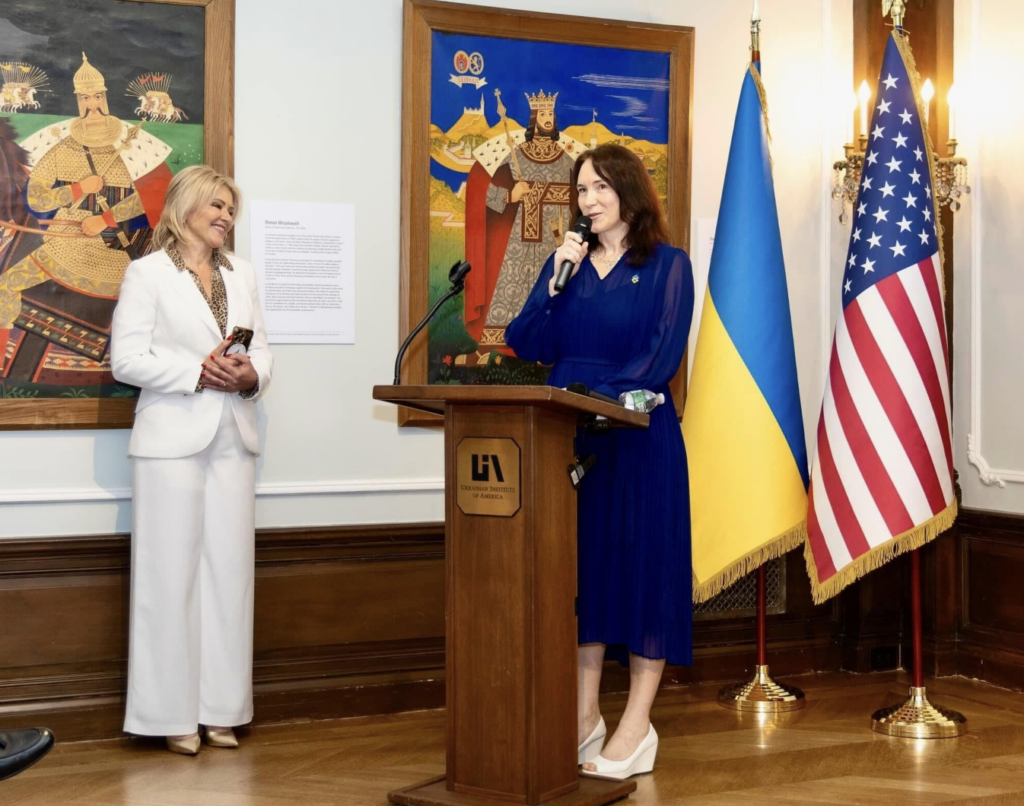
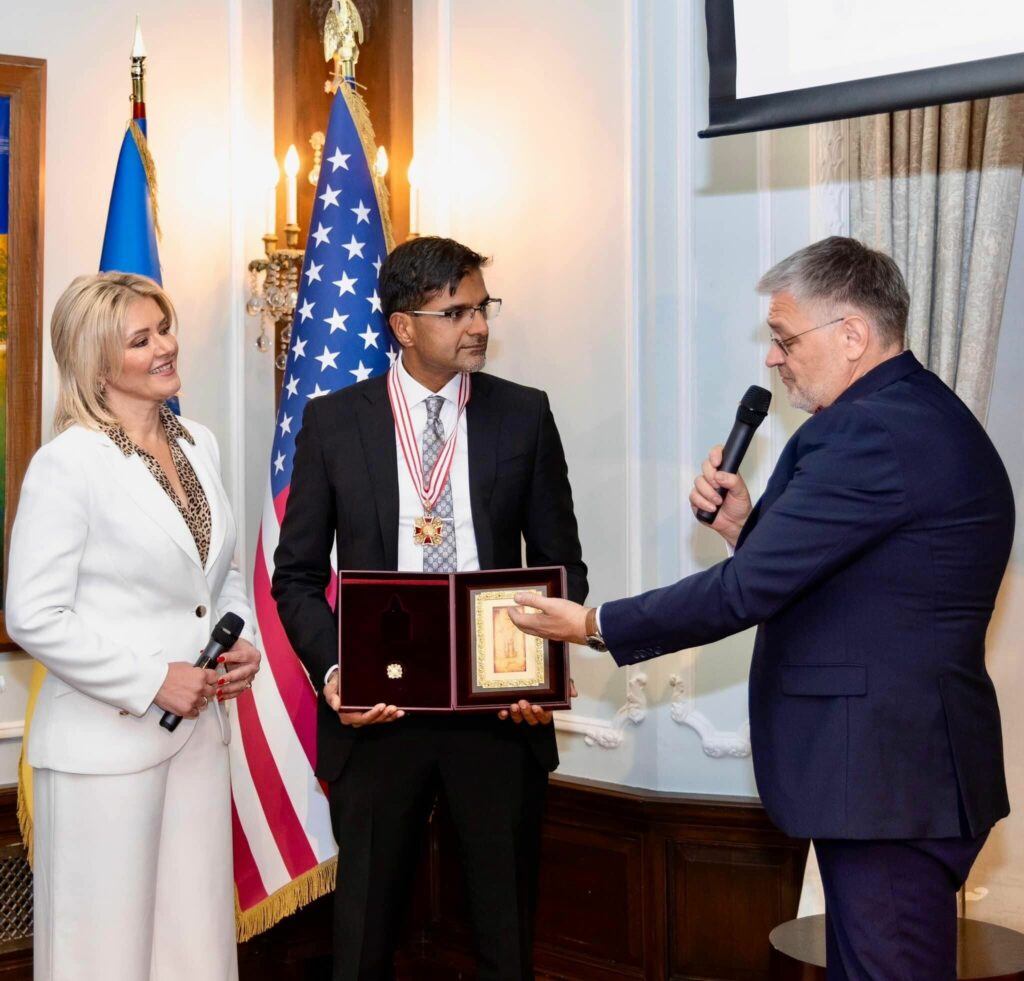
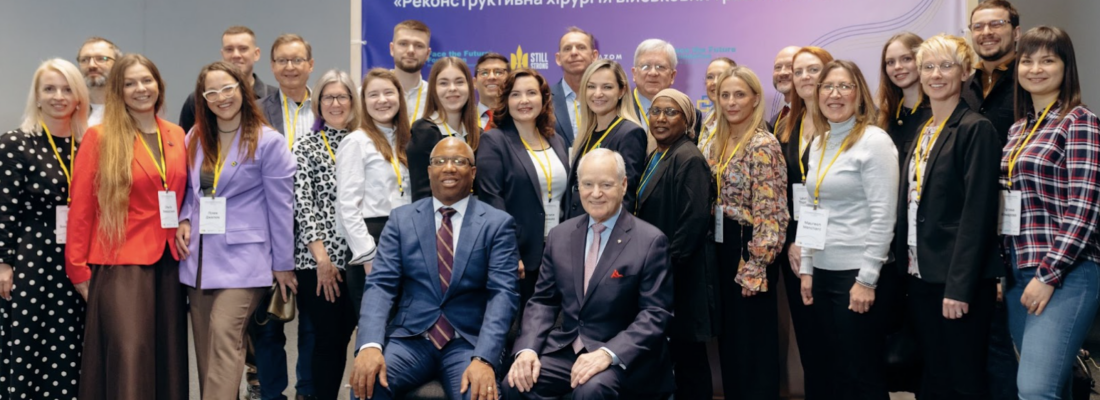
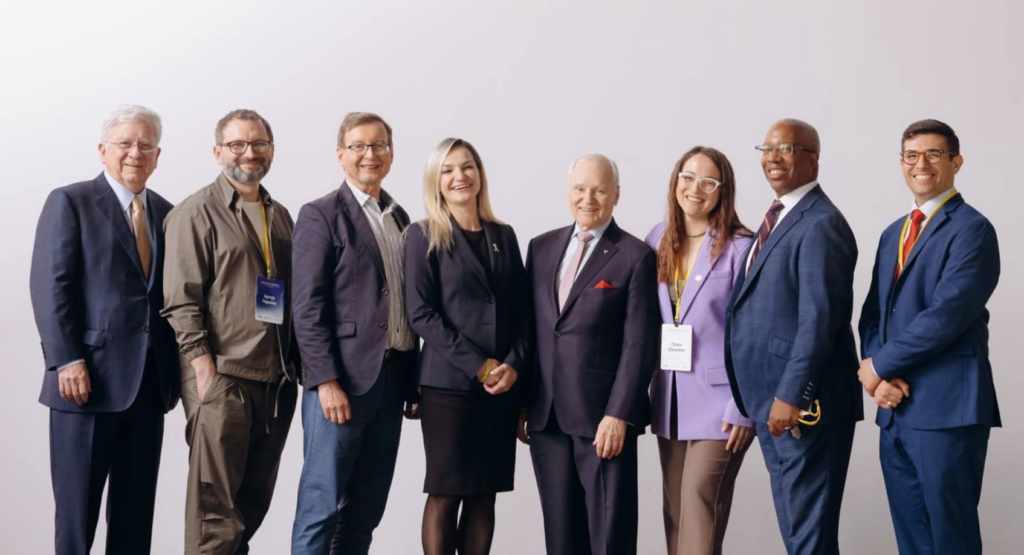
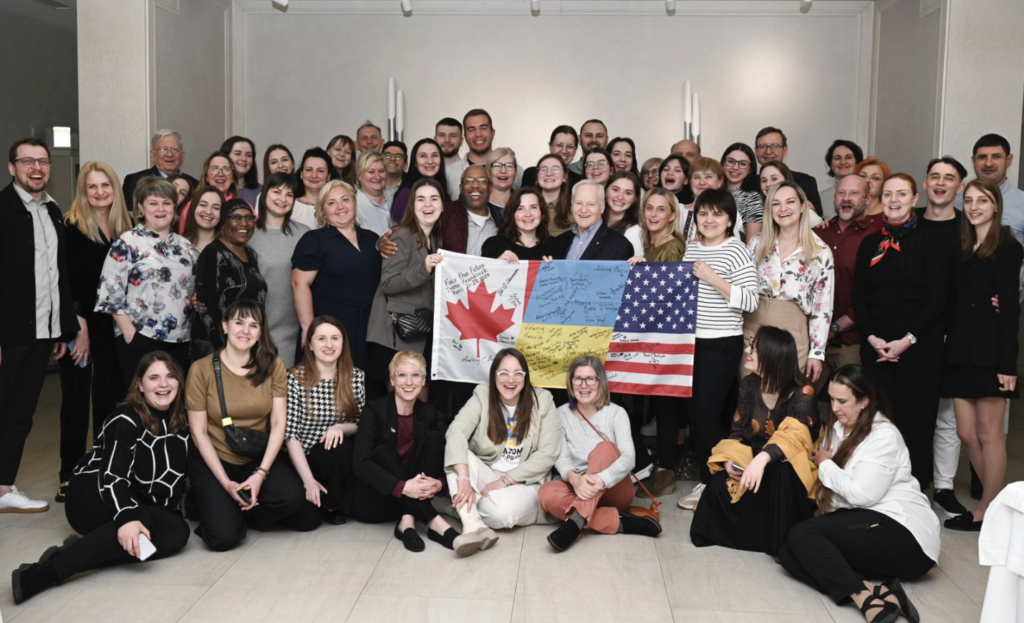
Razom Health’s Co-Pilot Project Honored at the First U.S. Orden of St. Panteleimon Awards
Advancing Neurosurgical Expertise: Razom’s Co-Pilot Project and Pioneering Ukrainian American Collaboration
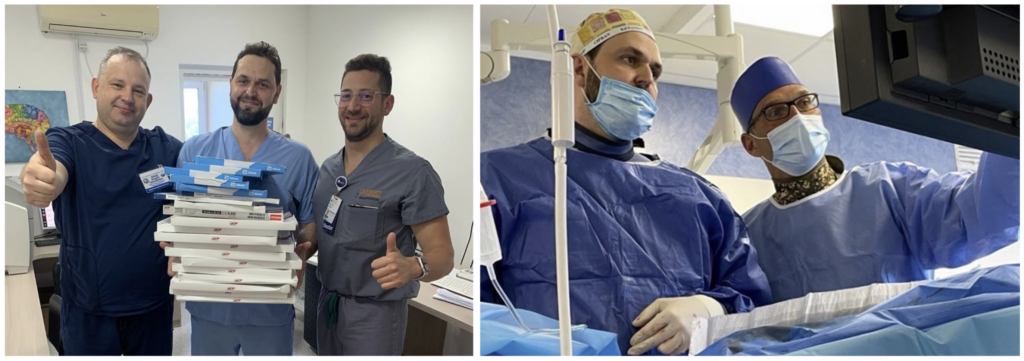
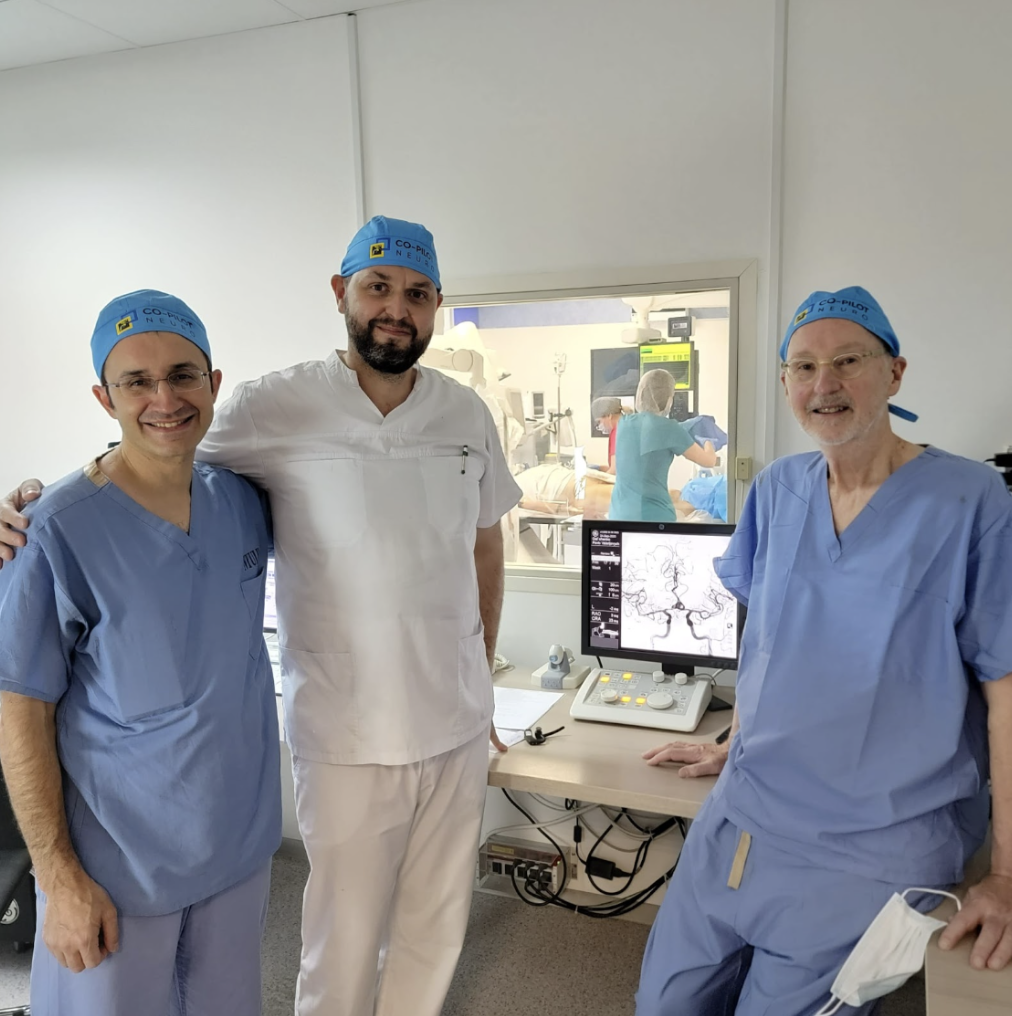
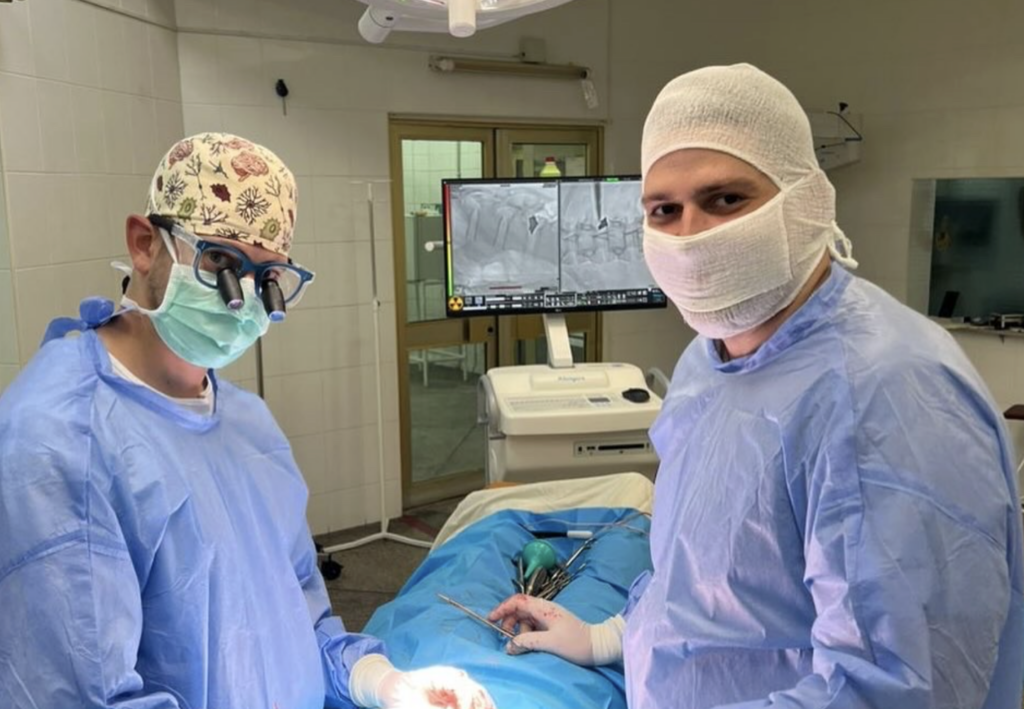
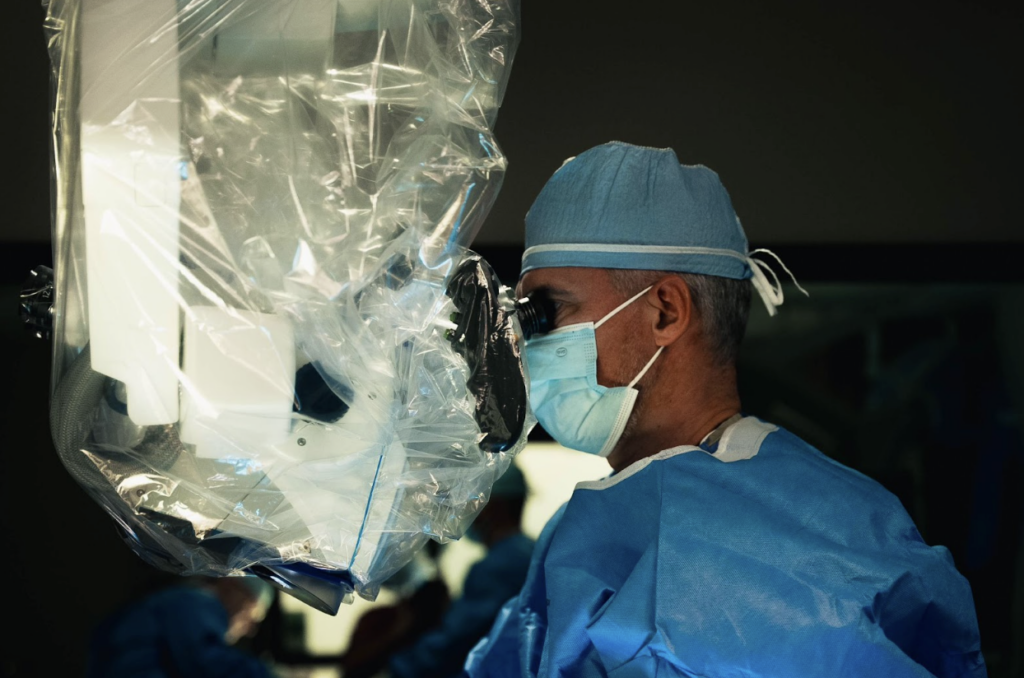
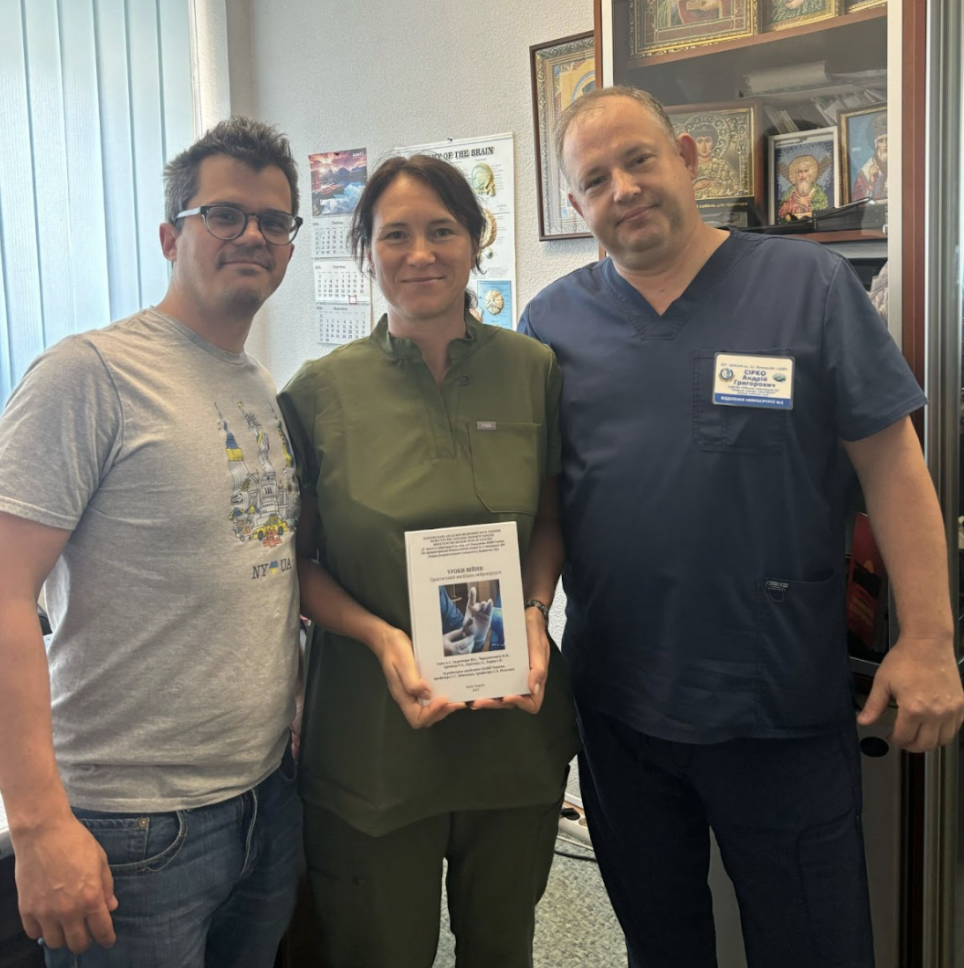
In the spirit of Razom’s mission, which exhorts us to work on initiatives that motivate us to meet, partner and do, we are pleased to highlight how Razom’s Co-Pilot Project has facilitated a very meaningful collaboration between American and Ukrainian neurosurgeons. Specifically, Dr. Rocco Armonda, Dr. Alex Valadka, Dr. Maksim Shapiro, Dr. Kim Nelson, Dr. Luke Tomycz and Dr. Conner Berlin, and Mechnikov neurosurgeons from Dnipro, Dr. Andrii Sirko and Dr. Yuriy Cherednychenko. This ongoing partnership has led to presentations at several international conferences and the co-authoring of 6 medical articles in prestigious journals. Together, these colleagues are advancing trauma care and elevating Ukrainian medical expertise on the global stage.
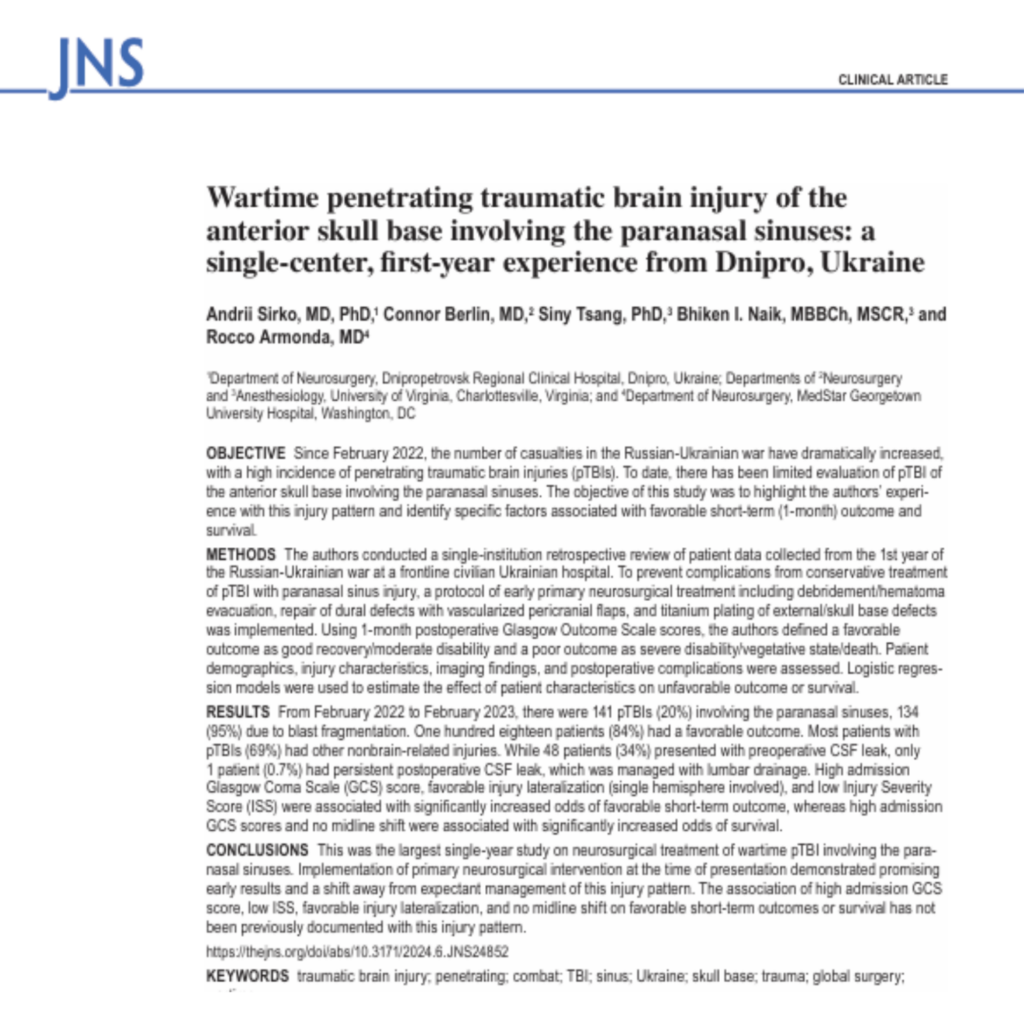
Last year, Razom organized a trip for Conner Berlin, who was a senior neurosurgery resident at the time. During his 16-day visit, he performed 20+ emergency surgeries and participated in reciprocal learning, helping to train the neurosurgical staff while gaining invaluable insights himself. After returning, Conner asked to write an article with Dr. Sirko. Along with Dr. Armonda, they co-authored ‘Wartime Penetrating Traumatic Brain Injury of the Anterior Skull Base Involving the Paranasal Sinuses: A Single-Center, First-Year Experience from Dnipro, Ukraine,’ which was published on November 31 in the Journal of Neurosurgery.
Below are a few of the notable articles and publications that exemplify the groundbreaking research and clinical advancements emerging from this collaboration:
- Wartime penetrating traumatic brain injury of the anterior skull base involving the paranasal sinuses: a single-center, first-year experience from Dnipro, Ukraine – Published in Journal of Neurosurgery.
- Operation Rescue: Ukrainian Wartime Neurosurgery—Past Results and Future Prospects – A feature article in the July newsletter of the World Federation of Neurosurgical Societies.
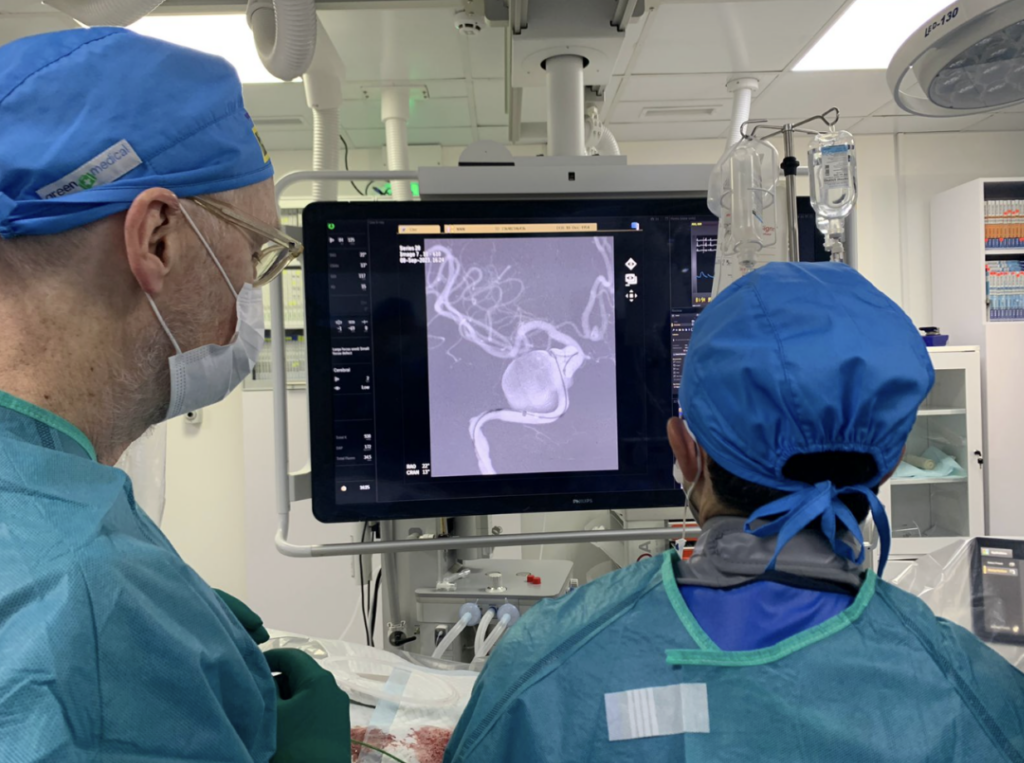
- Intracranial aneurysms treatment using new generation FRED X flow diverters with antithrombotic coating and preoperative PreSize Neurovascular software simulation: literature review and clinical observations analysis – Published in the Ukrainian Neurosurgical Journal.
Each paper is proof of the dedication, expertise, and shared commitment of Ukrainian and American neurosurgeons. Their ongoing collaboration is setting new benchmarks in neurosurgical trauma care and creating a lasting impact on Ukraine’s medical landscape under extreme circumstances. Razom’s Co-Pilot Project is honored to support this partnership, which is as inspiring as it is transformative.
Your support is crucial in enabling Razom’s Co-Pilot Project to continue its life-saving efforts and drive global advancements in neurosurgery.
Learn more about and support the Co-Pilot Project and Razom Health.
Empowering Ukrainian Surgeons: U.S. Training in Reconstructive and Neurosurgery
We are excited to share that Razom Health’s Co-Pilot Project and OU Health have hosted the 15th participant of our 4-week observership program, focused on facial plastic reconstructive surgery and neurosurgery at the University of Oklahoma. A huge thanks to Dr. Mark Mims, Dr. Andrew Bauer, and the McGrail Family for leading this project.
One participant shared their experience:
“The acquired knowledge is extremely important, and I’ve already used it in practice. Every day, we face patients who need these life-saving reconstructive surgeries.”
This cohort included Dr. Andrii Kopchak, Dr. Tetiana Pavlychuk, and Dr. Ievgen Shumynskyi from Kyiv Regional Hospital and Bogomolets Medical University, who frequently collaborate on symposiums focused on the reconstruction of head and neck war injuries with the Co-Pilot Face the Future Foundation and Co-Pilot Face to Face Medical Trips.
Your support is crucial in enabling the Co-Pilot Project to continue its work of providing life-changing and modern medical care to Ukrainians. Please consider donating to Razom and help us bring hope to those who need it most. Together, we can make a difference.
Learn more about and support the Co-Pilot Project and Razom Health.
Supporting Ukraine’s Mental Health: The Impact of Razom z Toboyu
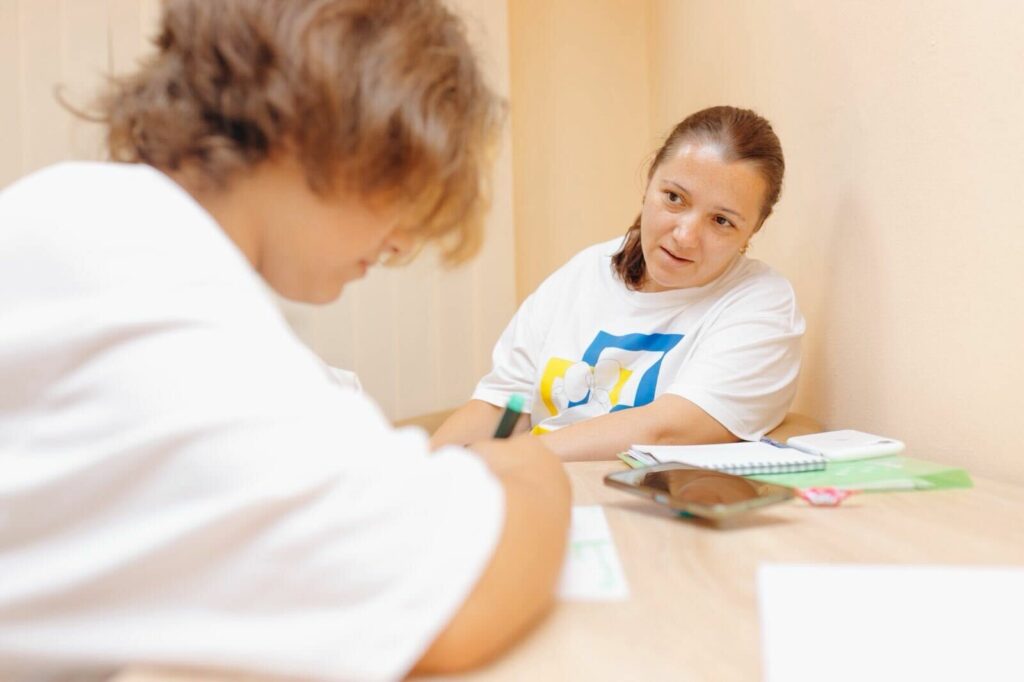
Today, October 10, marks World Mental Health Day, a timely reminder of the importance of mental well-being, especially for those affected by war. In Ukraine, where the trauma of war has deeply impacted millions, the Razom z Toboyu (Razom with You) program is offering critical psychological support to children, adolescents, and adults.
For this Mental Health Day, we had the opportunity to interview Iryna Gudyma, Razom z Toboyu (RzT) Project Manager, who reflected on the project’s mission:
1. Can you describe the mission and goals of the Razom z Toboyu project and how it addresses the mental health needs of Ukrainians affected by war?
Razom z Toboyu was born out of the urgent need to support Ukrainians grappling with the psychological toll of war. Since the launch in July 2022, we have conducted over 18,000 individual sessions and over 2,500 hours of group work.
Recent statistics suggest a deepening mental health crisis in Ukraine, exacerbated by ongoing war. Reports indicate that the number of Ukrainians seeking mental health support has surged, with 77% experiencing stress or severe nervousness and 40% feeling the need for psychological help in the past six months, according to Gradus. Furthermore, a study published in The Lancet found that 54% of Ukrainians, including refugees, are suffering from PTSD. The war has led to a staggering increase in antidepressant sales, which have jumped nearly 50% since 2021 (Ukrainian Ministry of Health).
We aim to provide accessible, high-quality psychological support to those affected by the war, whether they’re internally displaced, veterans, or families who’ve lost loved ones.
Our key goals are multifaceted. We work to prevent the development of long-term mental health disorders, particularly PTSD, among those experiencing war trauma. We look to stabilize people’s emotional states and help them tap into their inner resources for resilience.
Importantly, we’re also focused on building capacity within Ukraine’s mental health system by training professionals in trauma-informed care and developing innovative support programs.
What drives us is the belief that mental health care is crucial not just for individual well-being, but for Ukraine’s collective recovery and future. We’re committed to breaking down the stigma around seeking help and making mental health support a normalized, integral part of the country’s post-war healing process.
2. What specific services or resources does RZT provide to support mental health, and how have these been received by the community?
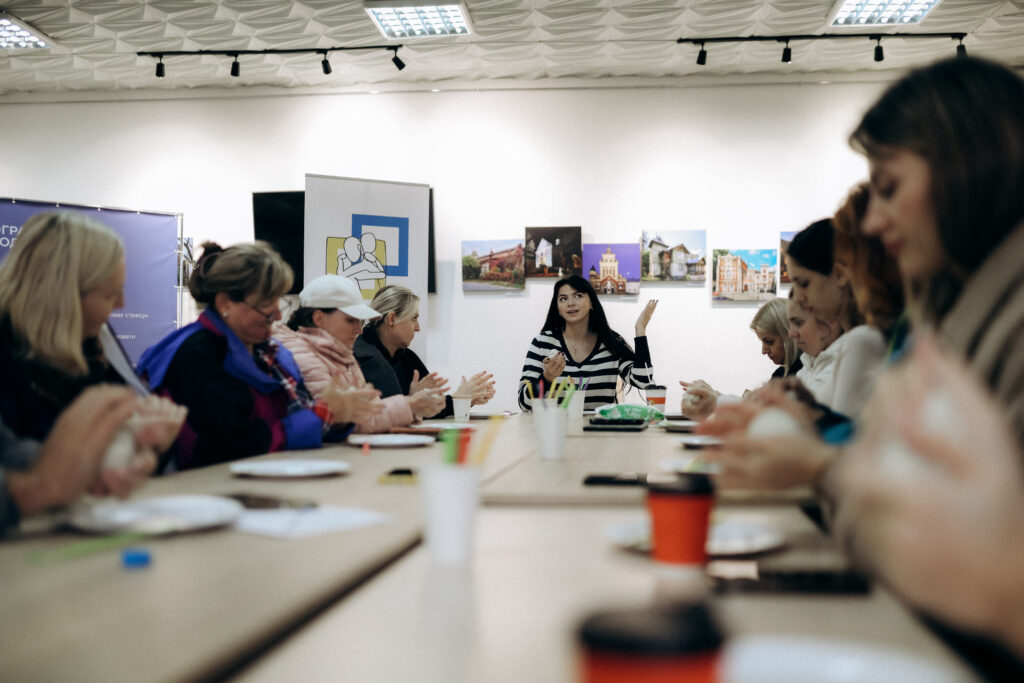
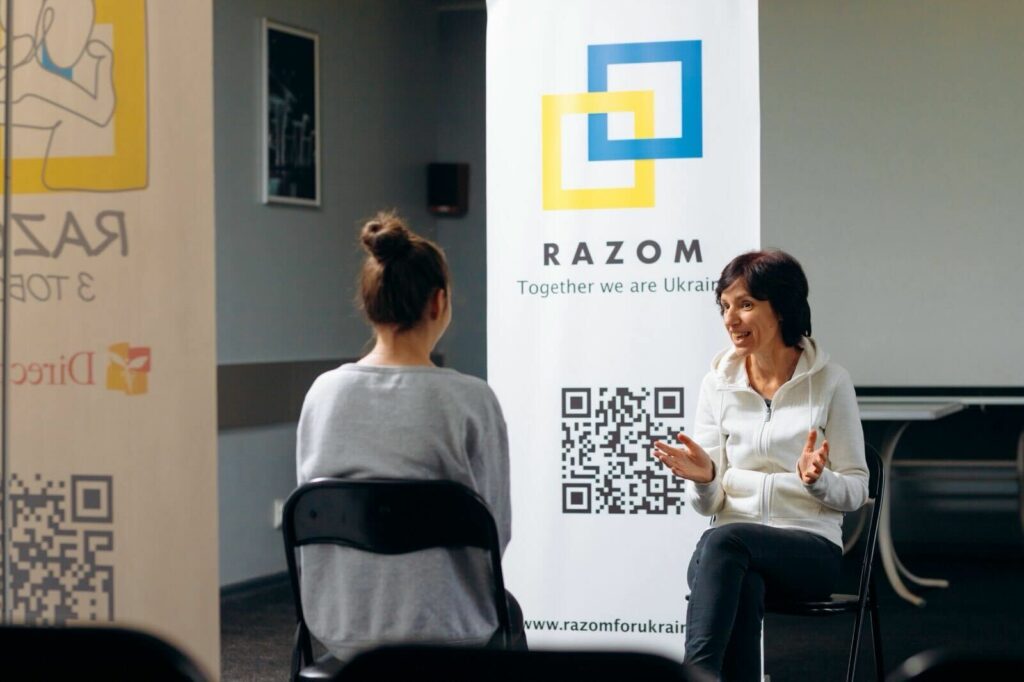
We offer a range of services tailored to the diverse needs we’re seeing. This includes individual counseling, group therapy sessions aimed at posttraumatic growth, specialized training for special groups including social workers, medical professionals, teachers, etc. We’ve also developed psychoeducation workshops to help people understand trauma responses and learn coping strategies.
The response from communities has been overwhelmingly positive as evidenced by an anonymous survey of over 450 participants who received support. For instance, 95% reported establishing a trusting relationship with their psychologist, while 74% noticed improvements in their emotional well-being. Impressively, 85% felt that their psychologist helped them cope with their specific issues, and all participants indicated they would recommend the “Razom z Toboyu” project to others.
Many people tell us they’ve never had access to mental health support before, or that they were hesitant to seek help until they learned about our services.
One service that’s been especially well-received is our growth groups that provide a safe space for people to share experiences and coping strategies with others who truly understand their situation. We’ve seen remarkable bonds form within these groups, creating support networks that extend beyond our formal sessions.
3. Could you share a memorable success story or experience from the RZT project that highlights its impact on individuals or families?
One of the many stories that struck me is that of an eight-year-old Mykyta from Mariupol. After escaping the besieged city, we discovered he had stopped eating meat because the smell reminded him of burnt bodies he’d witnessed during the war. This heartbreaking detail shows how deeply conflict affects children, creating fears that persist long after the immediate danger has passed.
Our psychologists worked closely with Mykyta and his family, helping them process their trauma and rediscover a sense of normalcy. His journey emphasizes the critical need for specialized mental health support for war-affected children. Mykyta’s progress reminds us that with the right care, even the deepest wounds can heal, allowing children to reclaim their childhoods and look towards a brighter future.
4. What challenges has RZT faced in delivering mental health support, and how have you worked to overcome them?
One of our most pressing challenges has been addressing the mental health needs of a country still at war, with an estimated 1.3 million veterans and projections of 4-6 million in the future. To tackle this, we’ve developed specialized programs for veterans and their families, focusing on preventing secondary traumatization and preparing society for their reintegration.
Another significant challenge is the sheer scale of need versus our resources. To tackle this, we’ve focused on a train-the-trainer model, where we work with social workers, teachers, medical professionals and community leaders, equipping them to provide ongoing support in their areas. This approach not only increases our capacity but also ensures culturally sensitive care tailored to the Ukrainian context.
The ongoing nature of the conflict poses unique challenges for treatment approaches. We’ve also had to be innovative by adapting evidence-based practices to the unique context of wartime Ukraine. This has involved developing shorter-term intervention models and integrating traditional Ukrainian cultural practices into our therapeutic approaches to make them more resonant and effective for our clients.
Additionally, we are actively working to combat the stigma surrounding mental health care by promoting awareness and offering free services that encourage individuals to seek help.
5. October 10th is Mental Health Day, what message do you want to convey to the community regarding the importance of mental health support for those affected by war in Ukraine?
On this Mental Health Day, I want to remind everyone that it’s absolutely okay not to be okay, especially during these challenging times. Prioritizing mental health isn’t a luxury—it’s essential for both individual and national resilience. If you or someone you know is struggling, please remember that seeking help is a sign of strength, not weakness.
The war has left deep scars on many hearts, but healing from trauma is possible. Reaching out for support is a vital step in the recovery process. For those not directly affected by the conflict, I urge you to show empathy, patience, and support for those who are struggling.
To the international community, I want to emphasize that the mental health impacts of this war will extend far beyond the physical conflict. Supporting mental health initiatives must be a key component of any long-term recovery and development plans for Ukraine.
Despite the immense challenges, we’ve witnessed incredible resilience and growth among the individuals and communities we work with. This gives me hope. By supporting one another and prioritizing mental health, I believe Ukrainians can not only recover from this trauma but emerge stronger and more united than ever before.
To learn more about Razom z Toboyu and support its mission, visit https://razomztoboyu.org/
The project is implemented by Razom for Ukraine, Americares, Direct Relief and GlobalGiving.
Razom Volunteers Targeted in Airstrikes While Delivering Aid in Sumy Region
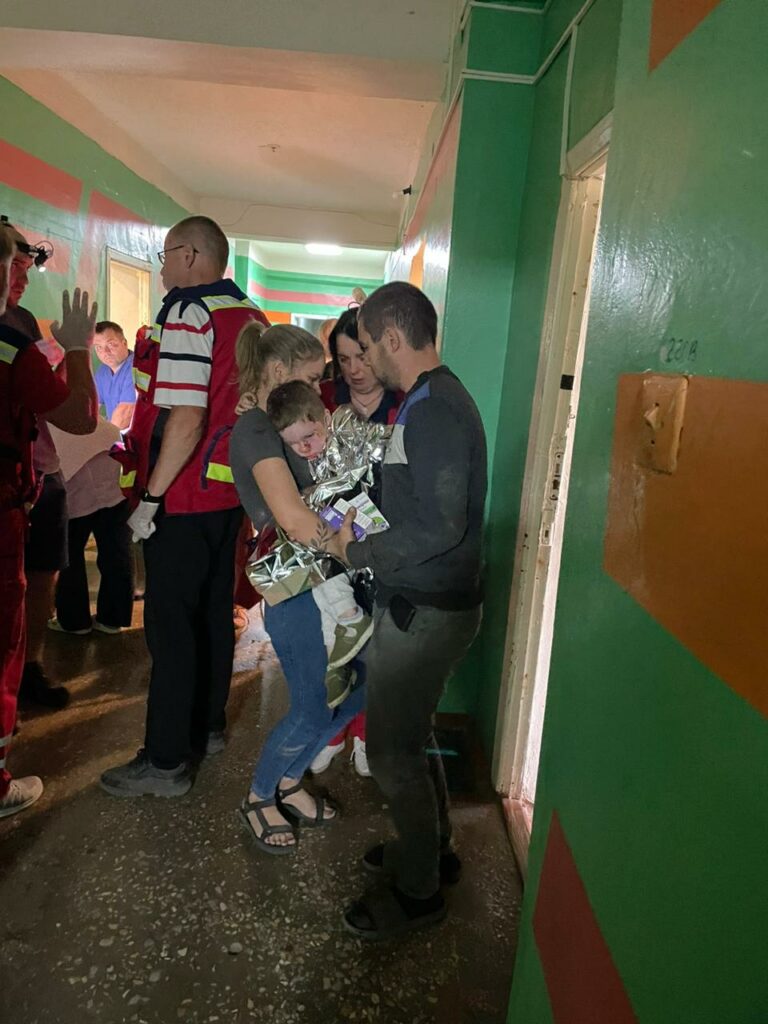
On the morning of September 13, Razom’s volunteers came under heavy airstrikes while delivering humanitarian aid to Yampil Hospital in the Sumy region. As they were unloading supplies, two air-dropped bombs (KABs) exploded just 100 meters from the hospital. Thankfully, the volunteers and hospital staff escaped serious injury. However, the hospital’s windows were shattered, and vehicles, along with the much-needed aid, were damaged by shrapnel.
Immediately after the attack, the hospital began receiving injured civilians, mainly women, children, and the elderly. Under extremely difficult conditions, the medical staff provided urgent care, even relocating to the hospital’s basement for safety.
Yampil, located just 7 miles from the Russian border, has been enduring nearly daily airstrikes, according to local residents.
In response to the worsening situation in Sumy and nearby regions, Razom for Ukraine launched an emergency program to supply hospitals in Sumy with essential medications, orthopedic equipment, and other critical materials. With today’s delivery to Yampil and previous deliveries to Sumy, Khotin, Shostka, and Hlukhiv, Razom has now provided nearly 10 tons of humanitarian aid, valued at $200,000.
Razom needs your help!
Innocent Ukrainians and volunteers are being targeted while delivering humanitarian aid. Let’s also remember the recent Red Cross tragedy on September 12, where three workers lost their lives in a similar attack.
Support Razom for Ukraine to replace the damaged vehicle and continue delivering life-saving aid across Ukraine. Every contribution saves lives!
Razom Participated in the First International Congress on Military Medicine and Mental Health
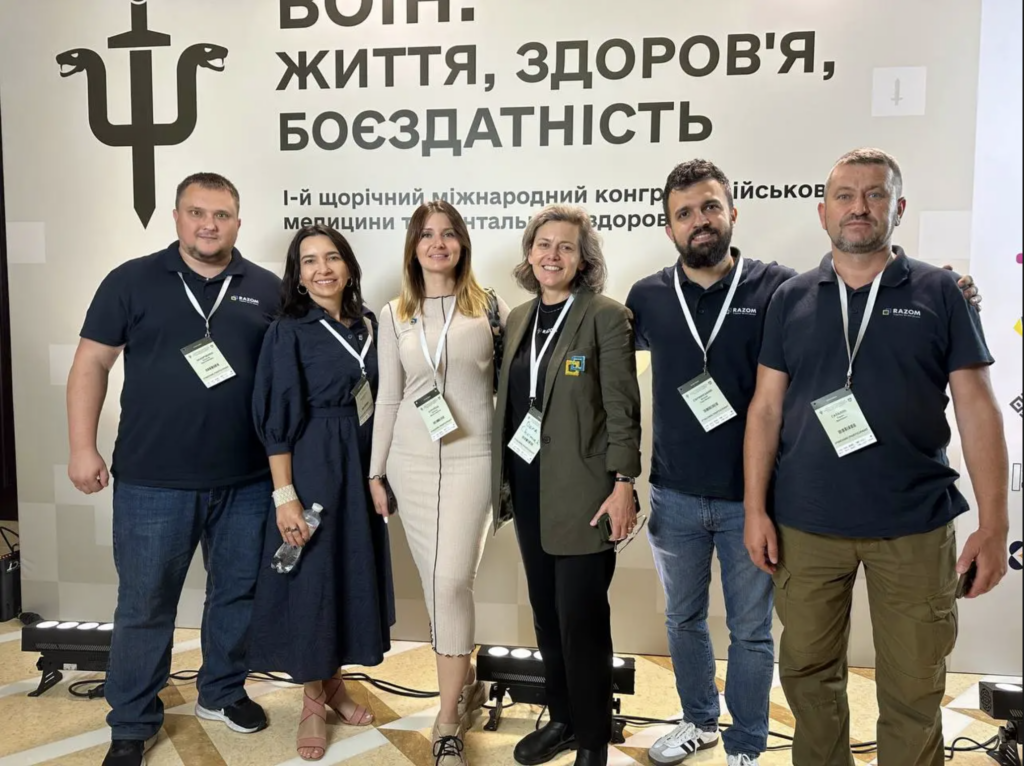
The First International Congress on Military Medicine and Mental Health, titled “Warrior: Life. Health. Combat Readiness,” was a pivotal moment for Ukraine. Held in Kyiv on July 27, 2024, the event brought together a distinguished assembly of Ukrainian and international experts in healthcare, rehabilitation, mental health, and military medicine.
Among the attendees were key government figures, including President Volodymyr Zelensky, First Lady Olena Zelenska, Head of the President’s Office Andriy Yermak, Chairman of the Verkhovna Rada Ruslan Stefanchuk, Minister of Defense Rustem Umerov, Minister of Health Viktor Liashko, Ukrainian parliamentarians, diplomats, military personnel, representatives of specialized medical centers, public organizations, and charitable foundations.
Razom for Ukraine was honored to participate in this critical congress. Our team, led by CEO Dora Chomiak, CFO Oksana Falenchuk, and Executive Director Evelina Kurilets, actively participated in the event.
The congress delved deeply into the pressing issues facing Ukraine’s military and its personnel: physical and psychological health, rehabilitation, field medicine, and innovative solutions. Participants shared their experiences and expertise, fostering a collaborative environment to address these challenges.
Since the outset of the full-scale Russian invasion, Razom has been steadfast in its commitment to saving lives. “Razom has already purchased and delivered over 150,000 tactical first aid kits and over 3,500 medic backpacks to frontline areas. We have also created our own teams of instructors who conduct medical training for service-members and first responders. All of this is done with one goal in mind – to save lives, which is the most valuable thing,” shared Taras Hatalyak, Head of Razom Heroes program.
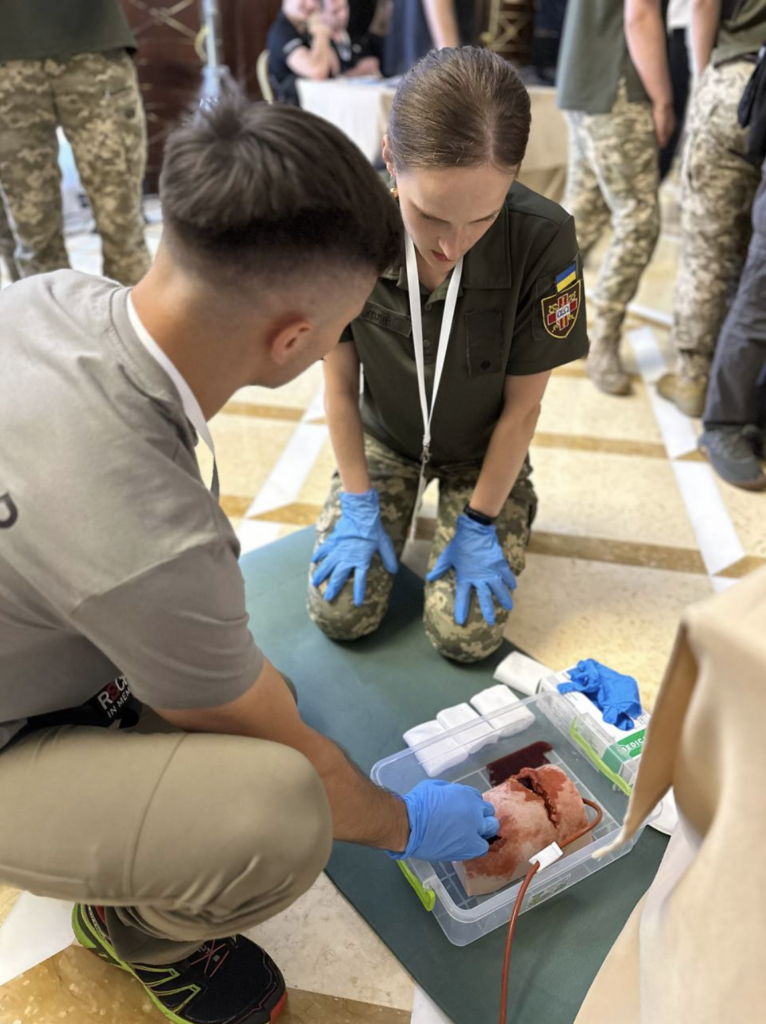
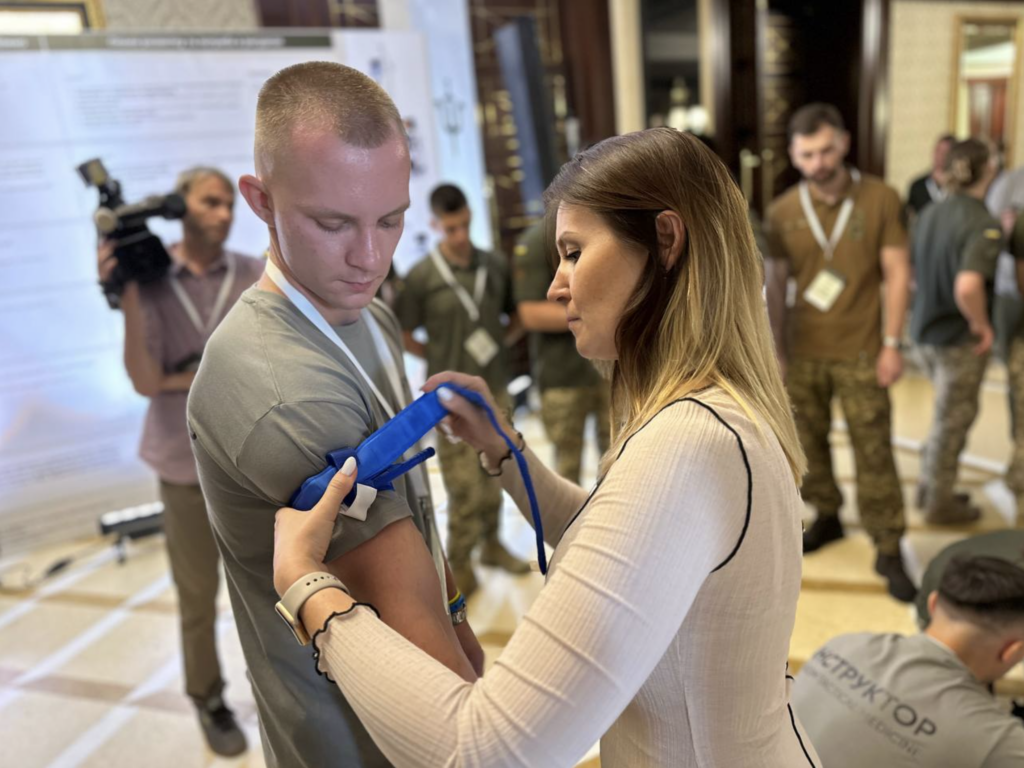
To further support first responders and civilians, Razom organized a hands-on workshop at the congress, teaching participants essential life-saving skills like applying tourniquets and packing wounds. Our experienced instructors shared their knowledge, empowering attendees with practical skills to make a difference.
Beyond addressing immediate medical needs, Razom is committed to supporting long-term recovery efforts. At the congress, during a meeting of the Interagency Working Group on the implementation of a pilot project aimed at reforming rehabilitation in the healthcare sector for military personnel, Oleksii Zakharchenko, Razom’s Communications Director in Ukraine, introduced the “Ukraine Rehabilitation Platform” project. This initiative is being carried out by Razom with support from SAP Ukraine. The online platform, accessible at rehabukraine.com, offers comprehensive information on over 415 rehabilitation centers throughout Ukraine. By mapping these centers, we strive to simplify the process of finding appropriate care and ensuring access to essential rehabilitation services.
The First International Congress on Military Medicine and Mental Health was a significant step forward in improving the lives of Ukrainian service-members and veterans. Razom for Ukraine remains committed to supporting their physical and mental well-being, and we will continue to work tirelessly to ensure they have the resources and support they need.
Okhmatdyt’s Medical Staff: Faces of Resilience in the Face of Tragedy
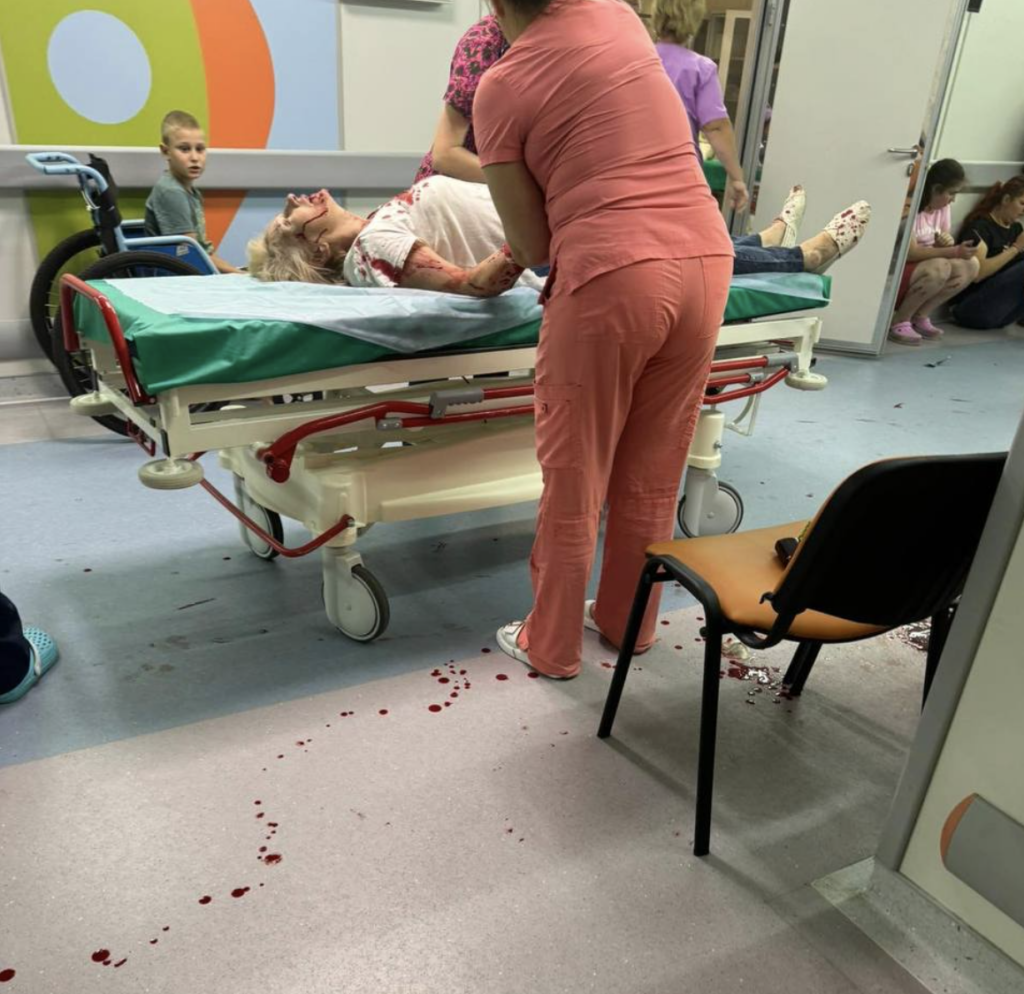
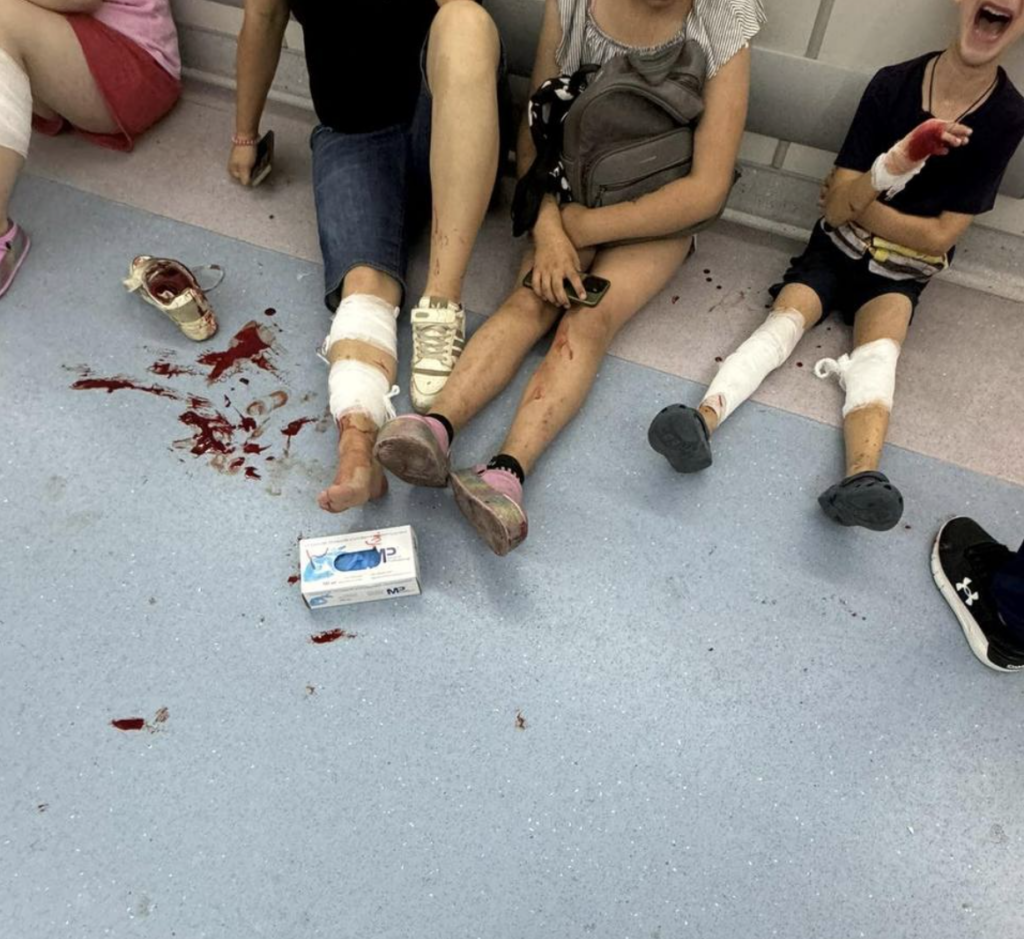
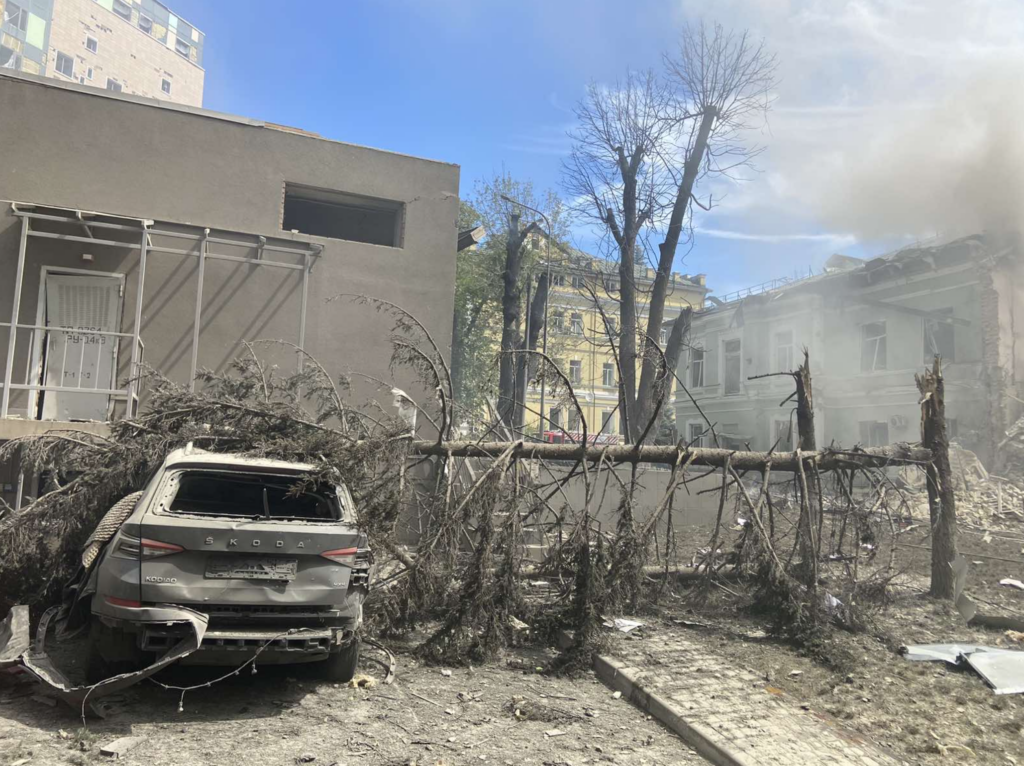
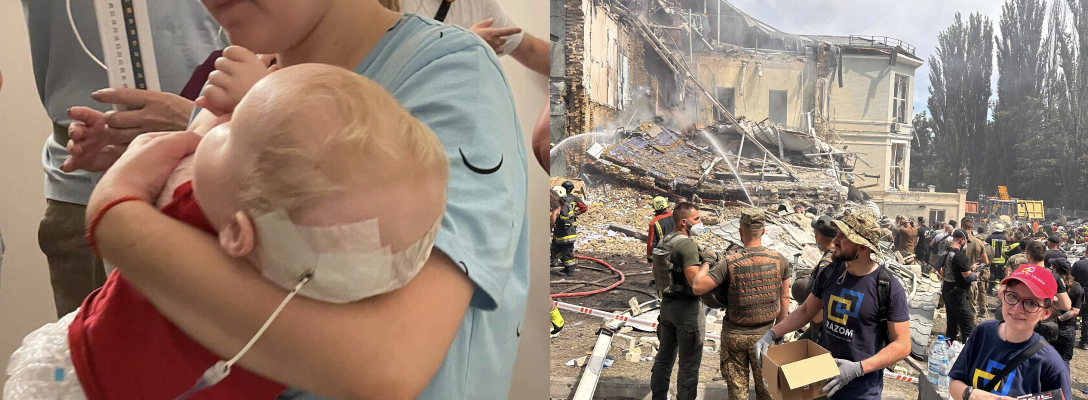
On July 8, 2024, a day that will forever be etched in our hearts, the world witnessed the incomprehensible destruction caused by a massive Russian bombing campaign that targeted civilian areas in Ukraine, including a major cancer center, Kyiv’s Okhmatdyt Children’s Hospital. The stories of the brave medical professionals and the innocent children affected by this heinous attack, paint a vivid picture of the resilience and determination of the Ukrainian people.
Mariyana Morozova: A Day of Unimaginable Horror
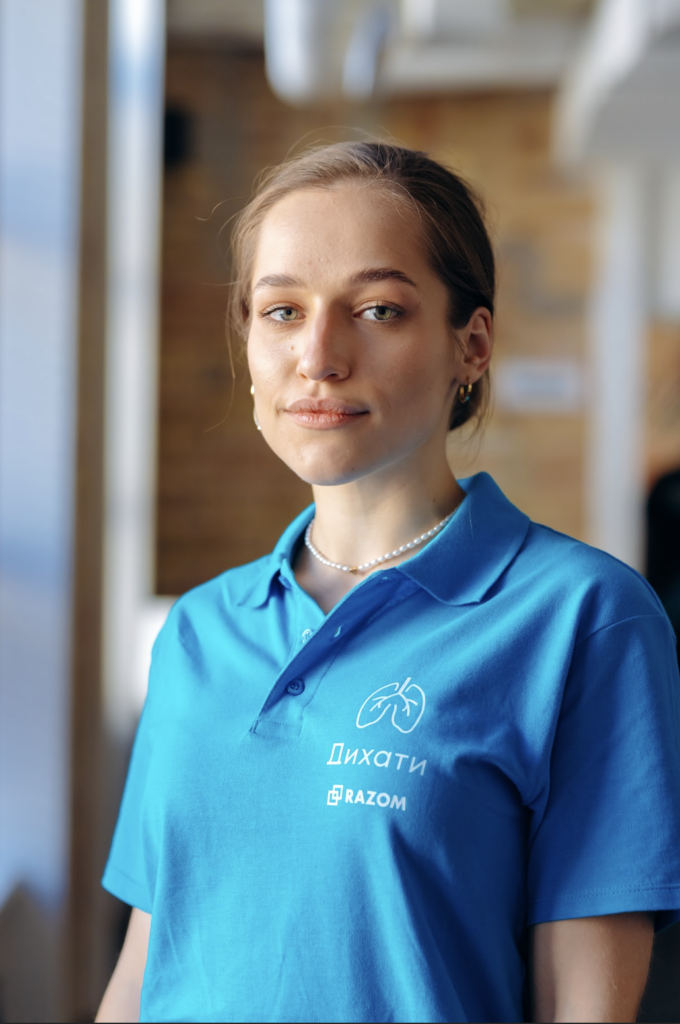
Dr. Mariyana Morozova, a pediatric anesthesiologist at Okhmatdyt and expert in Razom’s Breathe initiative, shared her harrowing experience. She splits her time between a private clinic and Okhmatdyt, located just across the street from each other. On that fateful day, Dr. Morozova was working at the private clinic when the air raid sirens blared and explosions shook the ground.
“I tried to contact my colleagues at Okhmatdyt, but there was no response. I ran over there, and it was just a disaster! There were so many wounded,” she recalled. The intensive care unit’s lab technician was severely injured, suffering from a concussion, a jaw fracture, and bleeding. With the help of the entire community, they evacuated the most critical patients, including those in the neonatal ICU (Intensive Care Unit), neuro ICU, and surgical ICU. Dr. Morozova’s department was among the most severely damaged, and she tragically lost a dear friend and colleague, Dr. Svitlana Luk’yachuk. Miraculously, all the children survived, but the emotional scars will remain forever.
Alyona Bezlehka: First Day Back Turns into a Nightmare
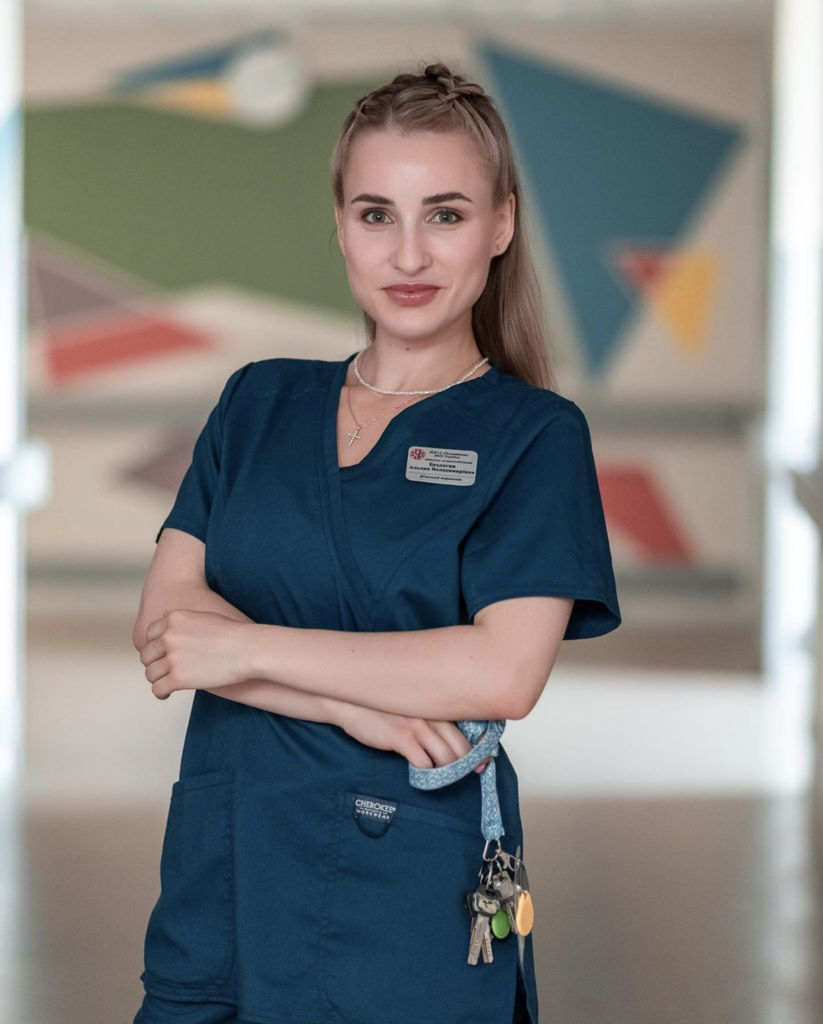
For rehabilitation specialist Alyona Bezlehka, it was her first day back at work after a vacation. She had been eagerly anticipating reuniting with her patients. As the explosions began, she quickly led her patients to the corridor and then to the bomb shelter. Returning to her department on the 5th floor, she encountered her colleague, covered in blood and holding a child they couldn’t evacuate in time.
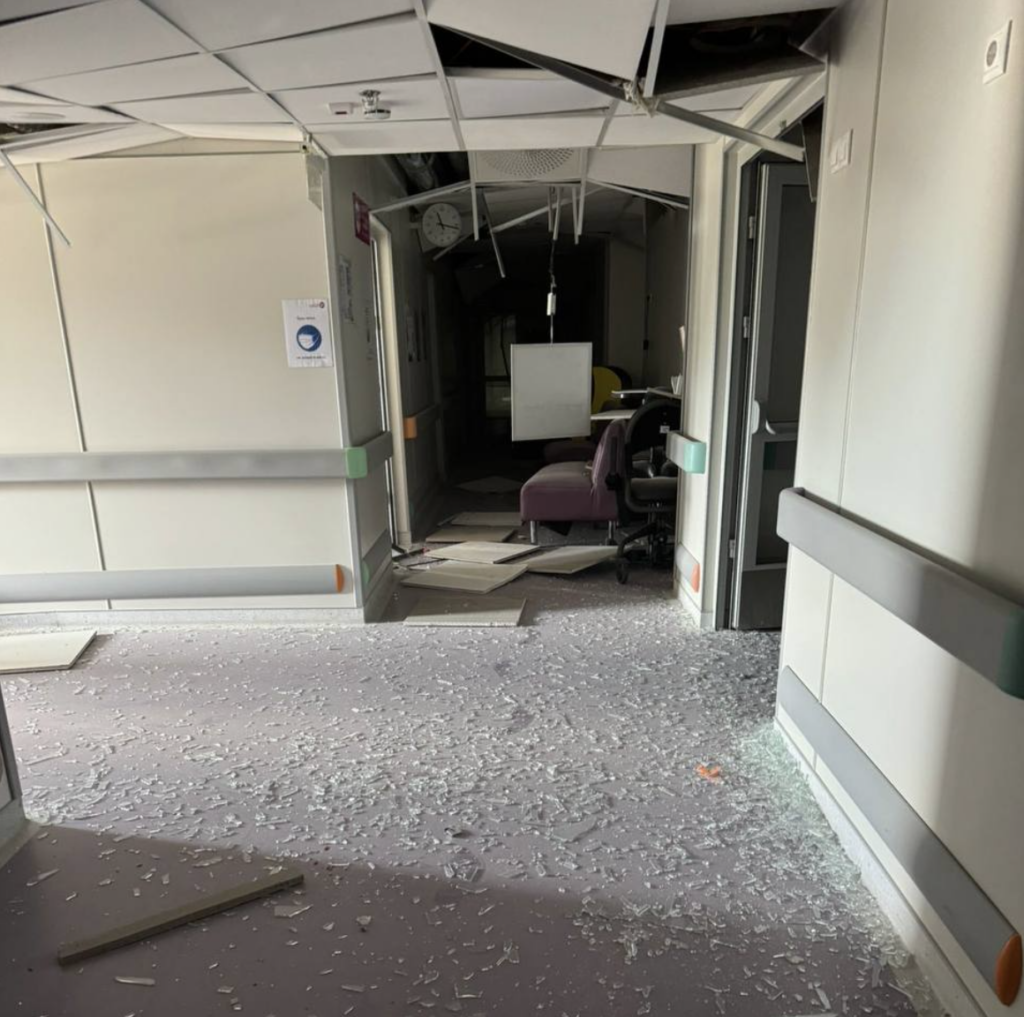
“The floor was covered in blood and dust. I am not a surgeon, but I saw bandages and started applying them to stop the bleeding,” she recounted. Among the chaos, one boy’s cries for his grandmother haunted her. He was in shock, shivering, and vomiting, with his hand covered in blood. The sight of injured children, medical staff on stretchers, and parents with bandaged heads was overwhelming. Her department was almost completely destroyed, with windows blown out and the ceiling collapsed. Despite the devastation, the motivation to help and the outpouring of support from the community kept her going.
Valeriy Bovkun: Narrow Escape from Death
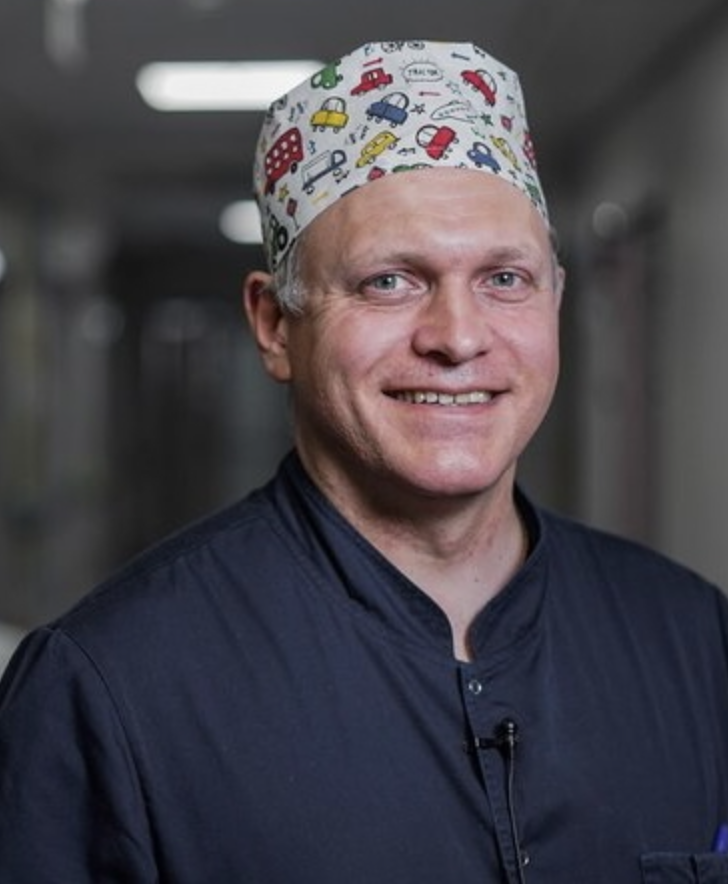
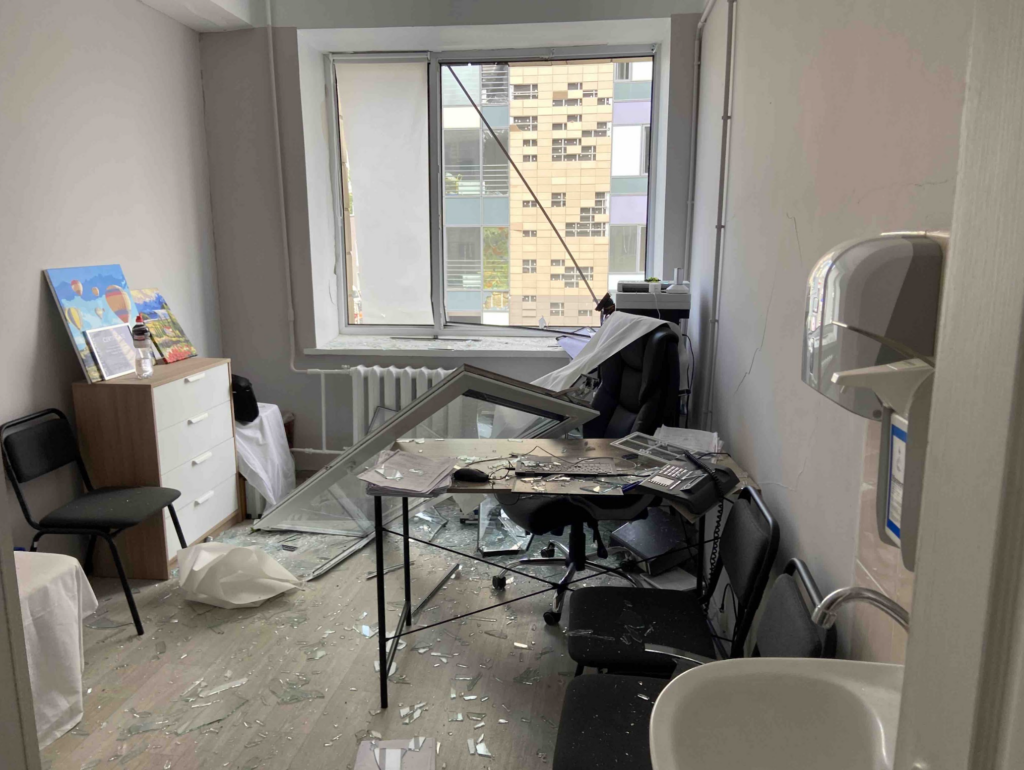
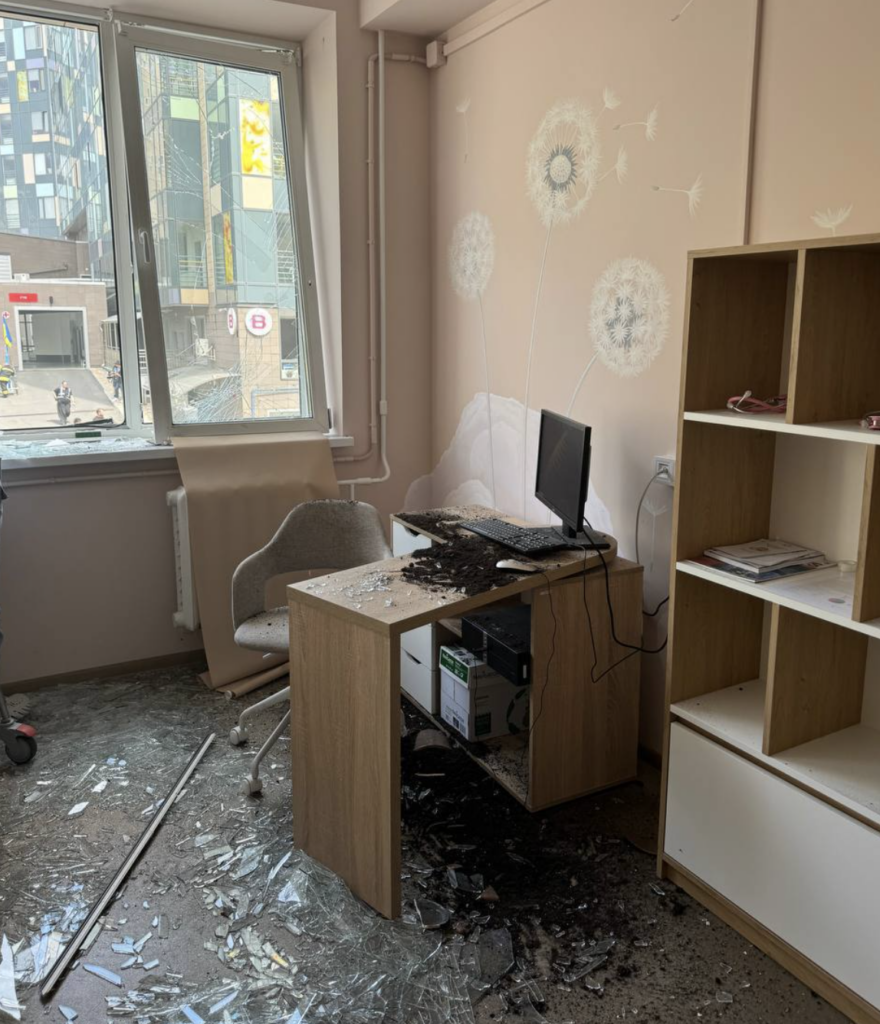
Valeriy Bovkun, head of the Department of Reconstructive-Plastic Microsurgery at Okhmatdyt, was organizing the evacuation of patients when the explosion occurred. “I was in my office when the sirens started, and then went out to check if the patients were moving to safe places. Moments later, the explosion occurred. My office was critically damaged: the blast wave tore out the window and threw it right onto my workspace,” he recounted. If he had stayed a moment longer, he would likely have been buried under the rubble. Thanks to the timely evacuation, most patients were unharmed, but five staff members were injured by glass shards.
Despite being in a state of shock, Valeriy and his colleagues immediately began providing first aid to the injured. “We applied bandages and sutures, examined the children, and did everything we could to help,” he said.
Roman Shevchenko: From Routine to Ruin
Roman Shevchenko, head of the Children’s Sleep Laboratory at Okhmatdyt, was in the laboratory next to the building hit by the missile. “By the time the explosion happened, we had not yet managed to get to the shelter, so after the impact, glass shards flew at us. I was slightly injured, but our nurse was severely cut by glass and bleeding. We started looking for something to bandage her with, but there was nothing nearby, so we went down to the floor, and there I provided her with first aid,” he explained. Despite the devastation, most of the laboratory’s equipment remained intact and continued to function. “We had a laptop on the windowsill, it was covered with glass but still working!” Roman recounted in astonishment.
He emphasized the unexpected timing of the attack: “Russia struck right after all the morning meetings were over and all the doctors had started working. We were already used to Russia striking at night, so this attack was completely unexpected.”
Photos courtesy of Okhmatdyt medical staff.
How You Can Help:
The attack on Okhmatdyt Children’s Hospital has devastated the lives of many innocent victims and shaken the global community. Razom Health is actively on the ground, mobilizing crucial supplies and support for those affected.
You can make a difference today by supporting our dedicated teams as they work tirelessly to aid the victims of the Okhmatdyt tragedy and other healthcare facilities in Ukraine that remain under constant threat of attack.
Donate now to provide immediate relief and assistance to those in need.
Razom Responds to Massive Russian Bombing of Ukraine, Including Major Children’s Hospital in Kyiv
July 8, 2024
Contact: press@razomforukraine.org
Razom Responds To Massive Russian Bombing Of Ukraine, Including Major Children’s Hospital In Kyiv
New York: Today’s bombardment of Kyiv’s Okhmatdyt Children’s Hospital by Russia was one of several strikes around Ukraine resulting in at least 30 deaths and 130 injuries nationwide. The massive attack demonstrates again that Putin sees no norm as too sacrosanct to violate, no war crime as too heinous to contemplate, and no child as too innocent to target in his quest for imperial domination over Ukraine.
The destruction of one of Europe’s leading children’s hospitals, specializing in complicated cases of cancer and heart disease in kids, constitutes a brazen assault on international law and the notion of human decency. It is part of a broader terror bombing campaign unleashed by Russia against Ukrainian civilian targets.
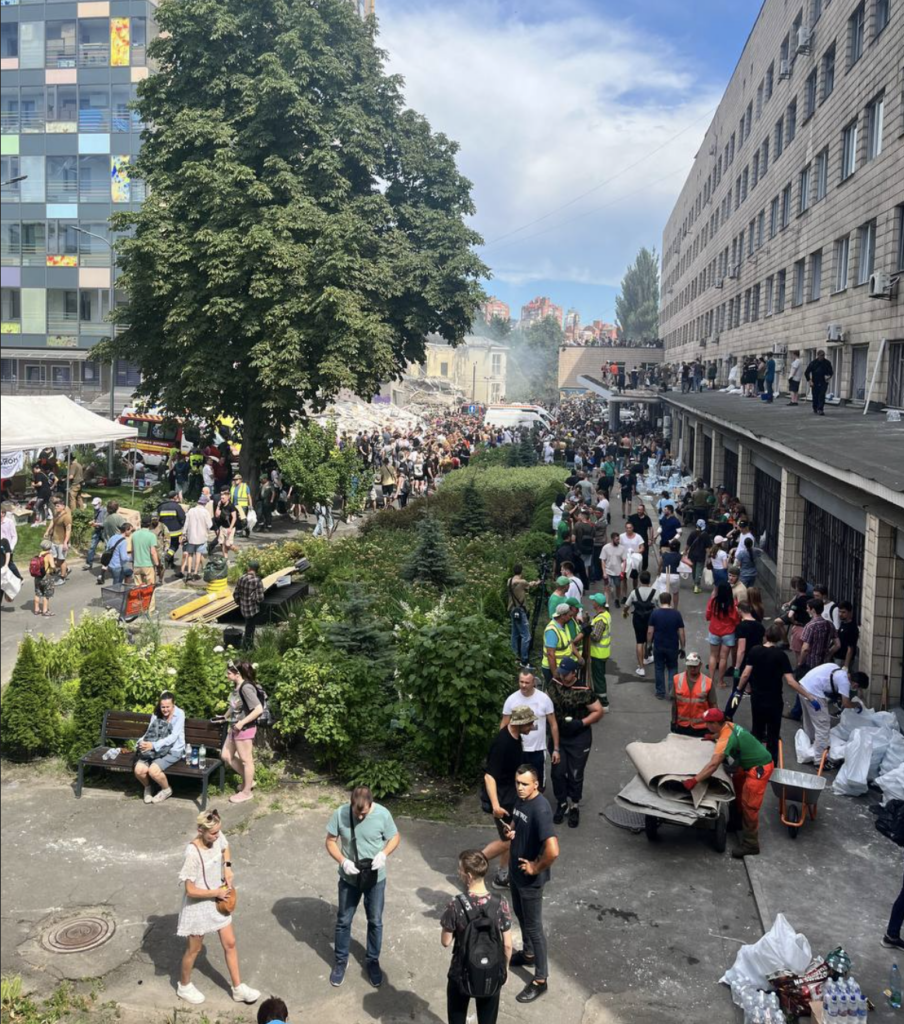
Today, Razom volunteers and staff joined hundreds of Kyivans on the grounds of the Okhmatdyt Children’s Hospital to provide immediate support and deliver gloves, protective equipment, and water. Since 2016, Razom for Ukraine (Razom) has been working with hundreds of hospitals throughout Ukraine and will continue to support their lifesaving work with supplies, expertise and funds.
“We are gutted by yet another indiscriminate and brutal attack on civilian infrastructure in Ukraine, particularly as innocent, critically ill children and their caregivers were the unfortunate victims,” said Dora Chomiak, Razom’s CEO, “Our colleagues across Razom are as determined as ever to save lives and to bring a lasting victory by delivering aid, and by advocating for a stronger U.S. policy that defends Ukraine against Russia’s violence.”
Currently, Razom is working with the leadership of the Okhmatdyt hospital, providing supplies to doctors and nurses enabling them to care for their patients. Razom is also cooperating with the Ministry of Health and with other nonprofits to continue supplying urgently-needed medical supplies and energy generation. The Razom Health program will continue to advance its goals of immediate and long-term assistance to support the patients of this world-class hospital and other healthcare facilities across Ukraine under constant threat of attack.
We anticipate more assaults in the days to come. As Ukrainian volunteers work to pull children out from under the rubble, one thing is clear: giving Ukraine the means to defend itself is the only thing that can prevent such heartbreaking scenes from being repeated.
If Ukraine were permitted to defend itself by striking military airfields in Russia, it could protect itself and its vital infrastructure. If Ukraine had been able to destroy the Russian bombers responsible for today’s attack before they took off, countless lives might have been saved.
Razom is calling on the White House to immediately change its policy restricting the use of U.S.-supplied weapons by Ukraine inside of Russia. Ukraine must be enabled to strike all legitimate military targets in Russia to properly defend itself.
Support for Razom’s emergency humanitarian response efforts can be made by donating today.
#####
Razom for Ukraine (Razom) was founded in 2014 and is a leading US-based nonprofit dedicated to supporting Ukraine. Razom, which means “together” in Ukrainian, is dedicated to upholding the principles of the Revolution of Dignity (Maidan) and actively contributing to the establishment of a secure, prosperous, and democratic Ukraine. We deliver on our mission through five program areas: Razom Heroes, Razom Health, Razom Relief, Razom Advocacy, and Razom Connect, which enable us to provide humanitarian aid and support to Ukrainians, and advance Ukraine’s interests in the U.S. Since 2022, it has deployed over $116MM in aid.
Face the Future Ukraine: Advancing Reconstructive Surgery in Ivano-Frankivsk
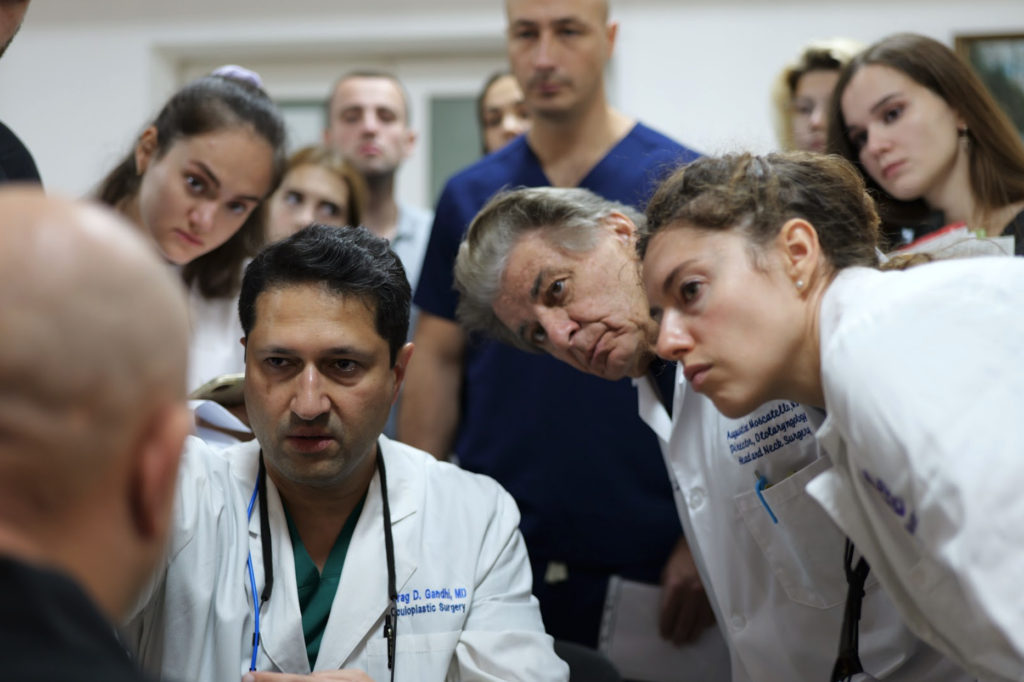
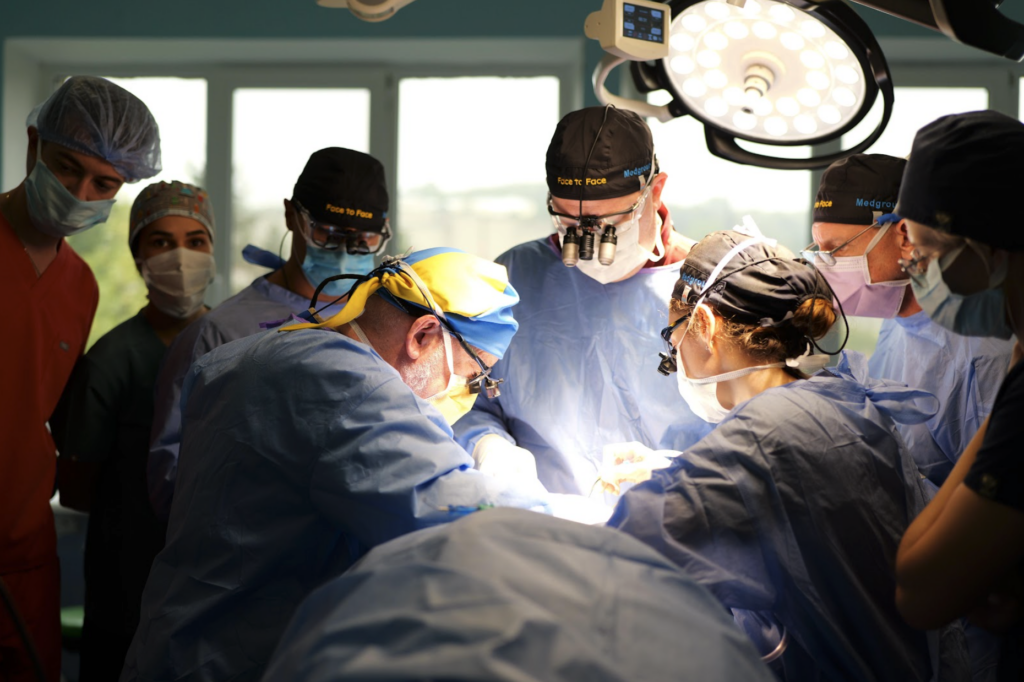
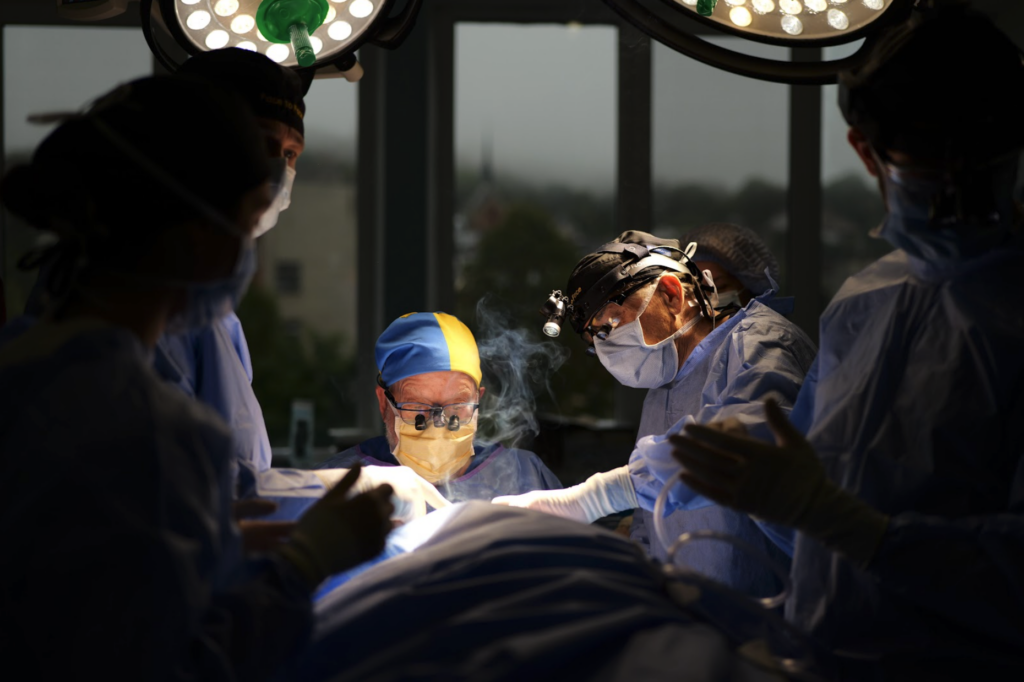
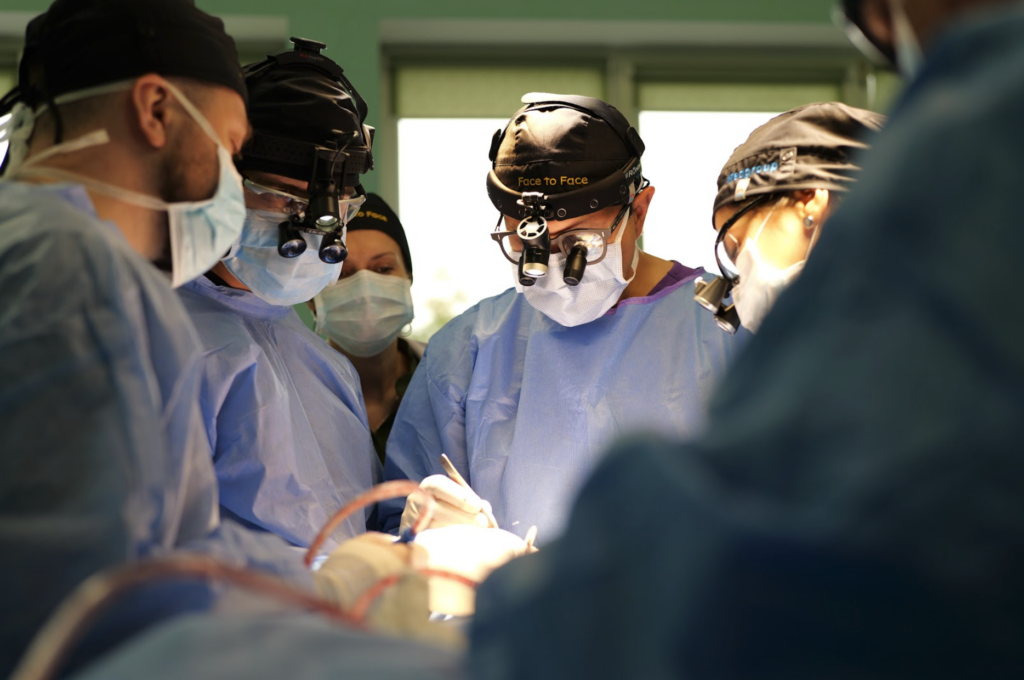
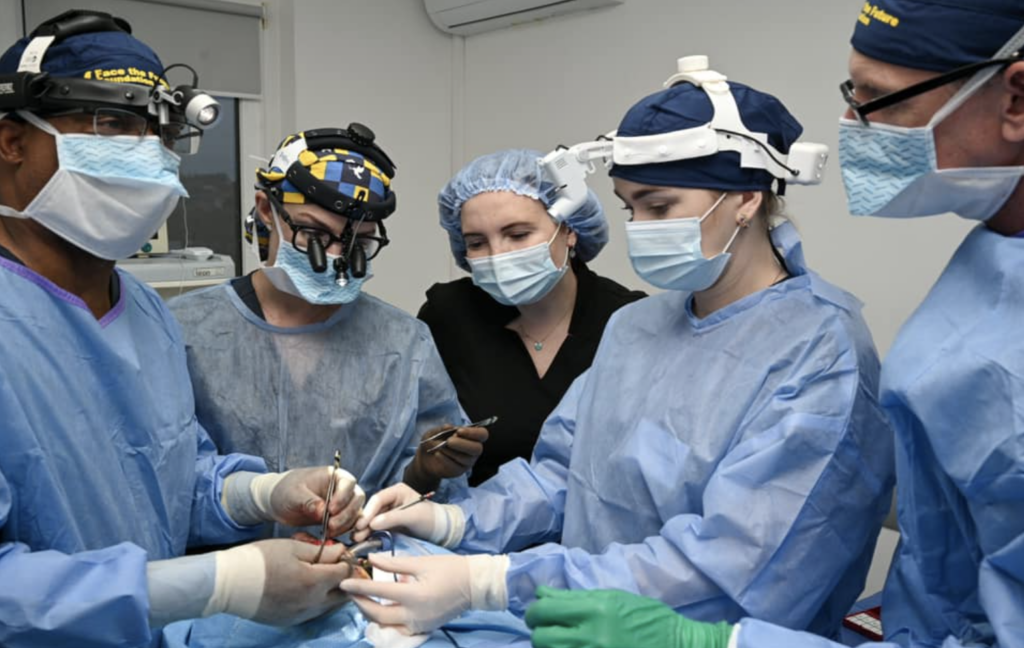
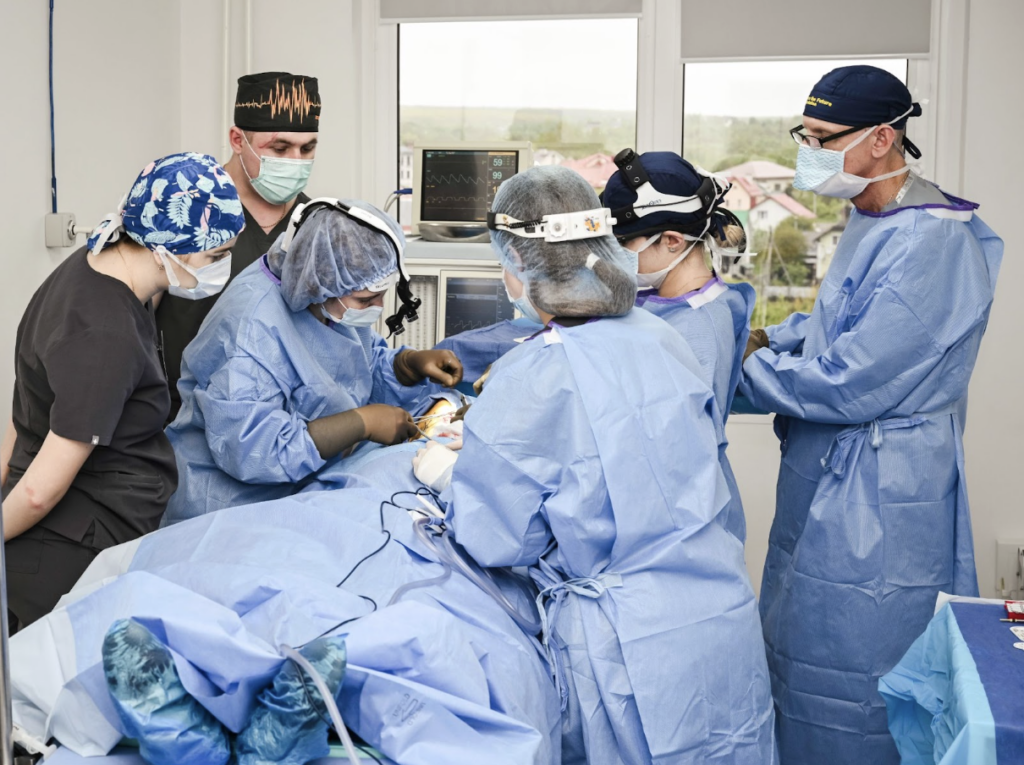
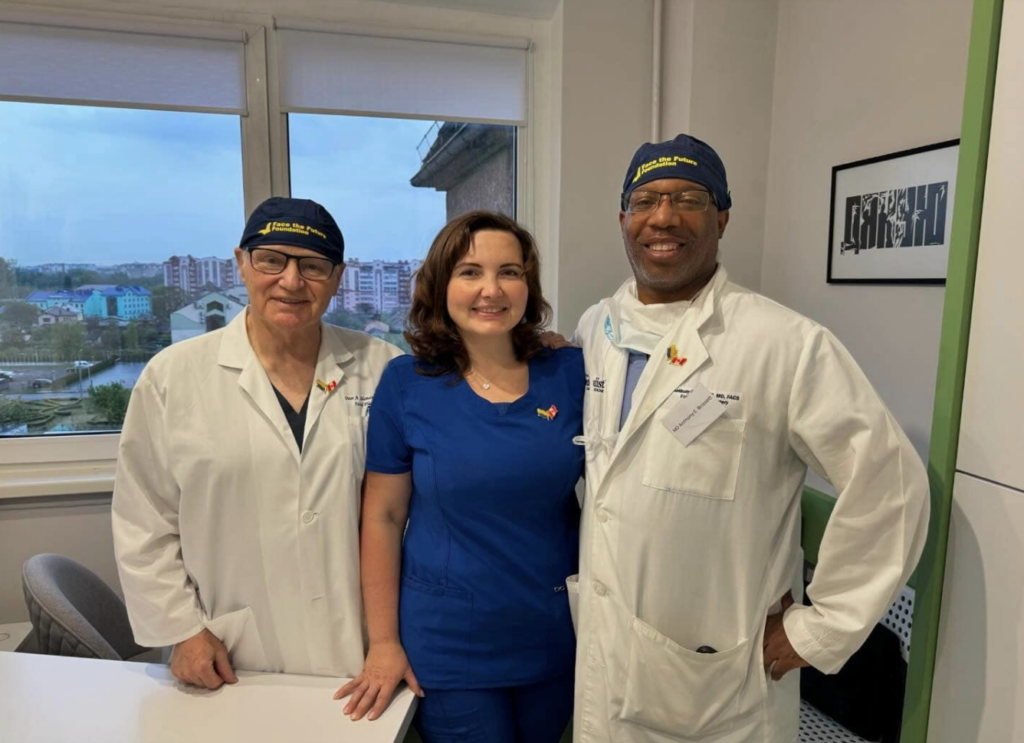
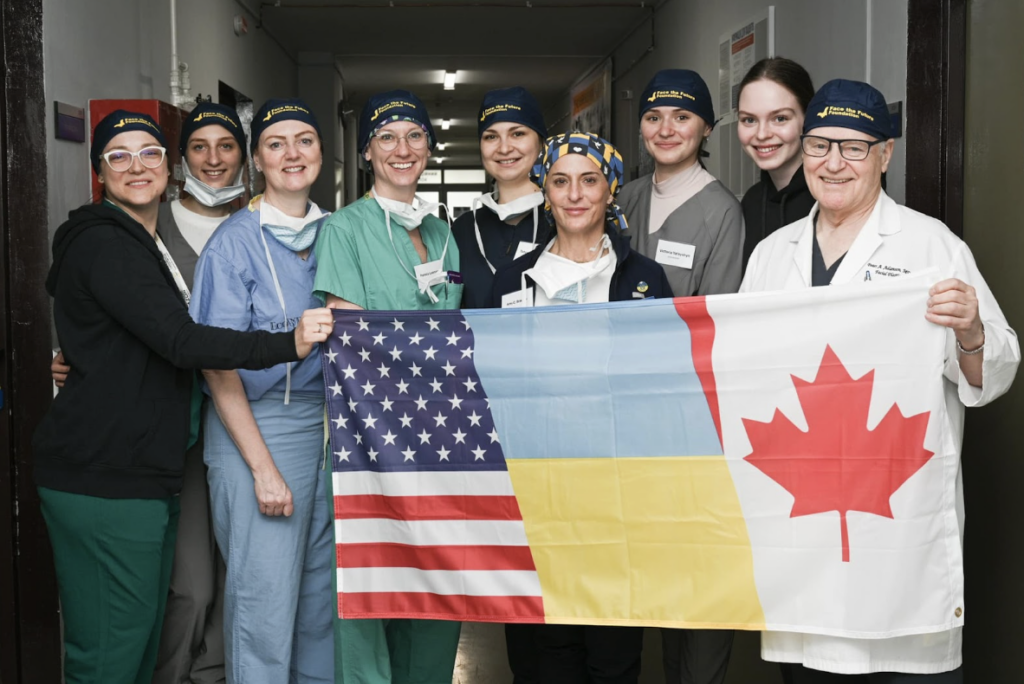
The Face the Future Ukraine team, consisting of 15 specialists from Canada and the U.S., visited Ivano-Frankivsk Regional Hospital for the third time this spring to perform complex reconstructive surgeries. The team included reconstructive and plastic surgeons, an oculoplastic surgeon, an anesthesiologist, and nurses. They also shared their knowledge at the Third International Symposium for Surgeons “Reconstructive Surgery of Military Trauma of the Head and Neck” and the Third Symposium for Nurses “Peculiarities of Management of Patients with Military Trauma and Posttraumatic Disorders,” which saw over 130 surgeons and 230 nurses in attendance.
During their trip, the team performed 88 procedures on 32 severely injured Ukrainian heroes, focusing on major head and neck reconstruction. Collaborating with foreign colleagues provides Ukrainian surgeons a unique opportunity to diagnose complex injuries, plan treatments, and perform intricate reconstructive surgeries.
“Preparation for this mission begins long before our foreign colleagues arrive in Ukraine. Over the past five months, we have examined more than a hundred patients to plan surgeries, select specialists, and develop individual implants. It’s a big team effort. It’s very valuable that many surgeries are performed for the first time in the Ivano-Frankivsk Regional Hospital. During these missions, we not only restore the health of our soldiers but also learn from foreign colleagues and start performing new surgical interventions on our own,” says Nataliya Komashko, ENT, Head of the Ukrainian Medical Team.
“Every year, we conduct missions in different parts of the world, but in Ukraine, we encounter the most serious cases. No surgeon has faced such injuries unless they were in a war zone. We will return to Ukraine to help restore the faces of as many soldiers as possible. They are heroes who stand for the freedom of their people,” says Dr. Peter Adamson, founder of the Face the Future Foundation, who has just been awarded the prestigious Teasdale-Corti Award by The Royal College of Physicians and Surgeons of Canada (RCPSC).
Nurses
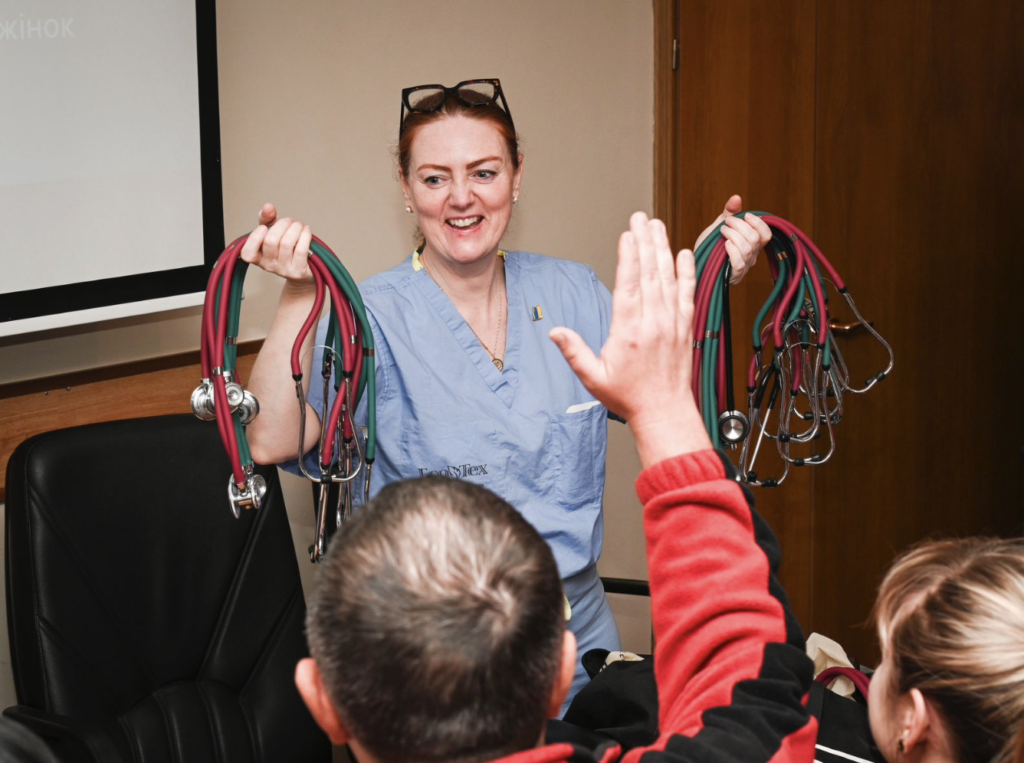
The Face the Future nurses, led by Laurie Thomas, RN, set up a nursing training center and provided simulation models and stethoscopes for nurses to advance their skills. Laurie organized a stethoscope drive in Canada, donating dozens of stethoscopes during the conference. The team also developed protocols for a PACU (post-anesthesia care unit) and introduced this component of postoperative care in Ivano-Frankivsk hospital.
Personal Implants
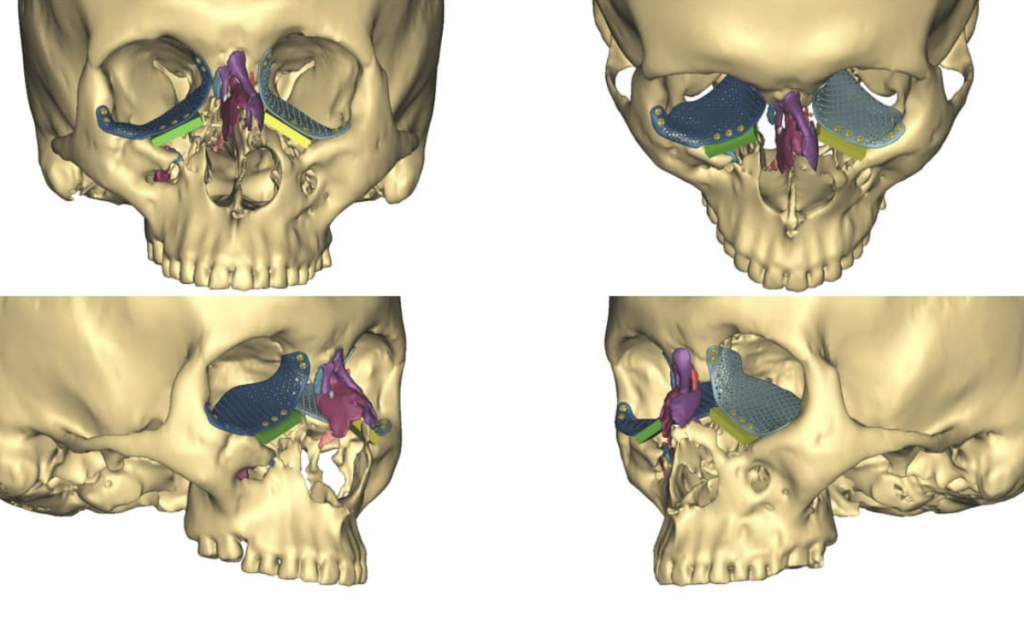
A volunteer team of bioengineers from Materialise (3D printing company) designs and prints individual implants for patients. They provide an online platform for surgeons to recreate patient scans in 3D, allowing for a clear understanding of trauma and designing specific implants. This platform enables Ukrainian and Canadian surgeons to work together on the same patient, sharing documentation and collaborating comfortably.
Materialise engineers prepared 3D anatomy simulations and patient-specific 3D-printed implants for eight patients.
Medical Supplies
Medical supplies are vital for such projects, as many surgeries require specific instruments. Debbie Fritz, RN, Team Leader of Procurement, coordinates the needs of surgeons, leveraging connections with suppliers to secure donations or discounts. Razom procures critical supplies in Ukraine, which are then donated to the hospital.
Through targeted medical trips, conferences, and training sessions, providers working with the Razom Co-Pilot Project are empowering healthcare professionals, enhancing skills and methods, and ultimately improving surgical care in Ukraine.
We are immensely grateful to the Face the Future team for their continued support of Ukrainian healthcare:
– Dr. Peter Adamson, Chef de Mission
– Dr. Anthony E. Brissett, Mission Director
– Susan Truax, Administrative Support
– Dr. Josh Kain, Surgeon
– Dr. Irena Karanetz, Surgeon
– Dr. Vladimir Kratky, Surgeon
– Dr. Terry Taylor, Surgeon
– Dr. Burke Bradley, Anesthesiologist
– Amy Bradley, RN
– Debbie Fritz, RN, Team Leader for Procurement
– Maureen Merchant, RN
– Heather Leard, CST
– Laurie Thomas, RN, Head of RNs Team, Leader of Nursing Academic Day
– Bibi Yasin, RN
– Yurij Tsuvanyk, CST
– Pam Leeman, RN
We are thankful to all Ukrainian doctors, nurses, and medical professionals who tirelessly provide treatment to Ukrainian patients, both civilians and military, during the hardships of war.
Patient’s Story
“My daughter did not recognize me after the injury. I dream that the doctors will give me back my face,” said 29-year-old Oleksii before the operation. He was one of the 32 patients of the international mission of reconstructive surgeons Face the Future Ukraine in Ivano-Frankivsk.
Oleksii was seriously injured in the Donetsk area during an assault on enemy positions, where he came under mortar fire. His brother died, and Oleksii was severely injured in the face and hand. He was in a coma for five days and could not speak or eat for several months, but doctors managed to repair his face and final results will be visible in six months.
The humanitarian program “Face the Future Ukraine” was founded by Face the Future Foundation, Razom for Ukraine, and Still Strong to provide free reconstructive surgeries to Ukrainian patients and train Ukrainian surgeons. It is implemented in partnership with the CF “Patients of Ukraine,” the project “Rehabilitation of War Injuries,” the Ukrainian Association of Endoscopic Head and Neck Surgery, the Regional Clinical Hospital of the Ivano-Frankivsk Regional Council, Healing The Children North East, UMANA, Americares, with the support of the Embassy of Switzerland in Ukraine, Ivano-Frankivsk OVA, companies Metinvest, Nova Ukraine, Materialise, Yellow Blue Force Foundation, and Transmed.
Learn more about and support the Co-Pilot Project and Razom Health.
Advancing Women’s Health Care in Ukraine: Insights from Dr. Irena Karanetz and Dr. Alina Andriiv
The Current State of Women’s Health Care in Ukraine
Dr. Irena Karanetz, a renowned New York City plastic surgeon, provides an eye-opening assessment of the current state of women’s health care in Ukraine. Originally from Ukraine, Dr. Karanetz moved to Chicago at the age of 15 and trained in plastic surgery in New York. Through her connection toRazom, she joined the Face the Future Team of facial reconstructive surgeons in 2023, and has since participated in two medical trips to Ukraine. A dedicated member of the Ukrainian Medical Association of North America (UMANA), Dr. Karanetz is passionate about women’s health, particularly post-mastectomy breast reconstruction, and is committed to improving healthcare in her homeland. During her work with the Face the Future team in the Ivano-Frankivsk hospital, she had a chance to research cancer breast reconstruction options available for women in Ukraine and was inspired to bring to them her knowledge and expertise in this field.
“Public medicine has significant flaws,” Dr. Karanetz observes. “For instance, there might be only one mammogram machine available in an entire city, leading to months-long waits for cancer diagnoses.” She highlights the disparity between public and private healthcare facilities, noting that advanced treatments like implants for breast reconstruction are often unavailable in socialized medicine, creating a significant gap in care.
Dr. Alina Adriiv, the Medical Director of the Prykarpattia Oncology Center in Ivano-Frankivsk, shares these concerns. Dr. Adriiv, who has been working in oncology since 2010, previously served as an associate professor and head of the hormone-dependent tumors department at the oncology faculty. She holds a Candidate of Medical Sciences degree and has completed numerous international internships in the U.S., Israel, and across Europe.
Envisioning a Better Future
Both doctors envision a future when Ukrainian healthcare is significantly bolstered by international collaboration and the adoption of advanced medical techniques. Dr. Karanetz emphasizes the importance of training and equipping younger doctors to overcome the current limitations, such as lack of equipment and treatments, and seize future opportunities. Her efforts have included substantial donations of medical supplies, amounting to $100,000, to support breast reconstruction.
Dr. Adriiv shares this optimistic outlook. Her primary focus is not just on improving survival rates but also on enhancing the quality of life for women undergoing breast cancer treatment. “It’s important to support women not only physically but also psychologically,” she asserts. Dr. Adriiv aims to ensure that treatment guidelines are rigorously adhered to, reducing disparities in the quality of care.
The Role of Medical Conferences
A key highlight of their partnership was the organization of a major Breast Cancer Symposium in Ivano-Frankivsk. This event, the first of its scale in Prykarpattia, was a significant milestone for both doctors. Despite challenges such as securing sponsorships and dealing with limited state support, the symposium was a success.
It was Dr. Karanetz’s dream to hold an event like the Breast Cancer Symposium in Ukraine. With support from Dr. Adriiv, Dr. Natalia Komashko, and the CF Patients of Ukraine, she was able to realize this dream last spring, by combining her participation in the Face the Future medical trip with the symposium. The symposium featured live surgeries and presentations from leading oncologists and oncologic surgeons, offering invaluable learning experiences. Participants described it as a crucial platform for demonstrating new techniques and fostering professional growth among young surgeons.
Dr. Adriiv, who spearheaded the organization of the symposium, shares her experience: “The journey was incredibly challenging due to funding issues, but the outcome was rewarding. Many leading oncologists and surgeons participated, and the event was a significant step towards improving breast cancer care in Ukraine.” Her extensive network and international experience were instrumental in bringing together top professionals for this collaborative effort.
Written by Stephania Korenovsky
Learn more about and support the Co-Pilot Project and Razom Health.
- « Previous Page
- 1
- 2
- 3
- 4
- ...
- 7
- Next Page »