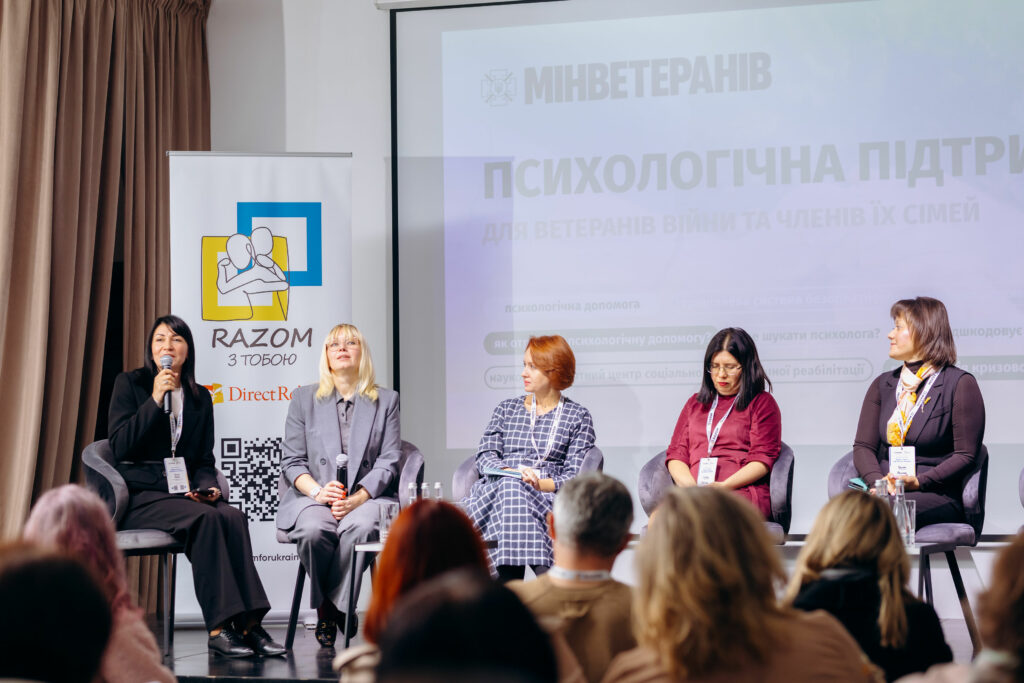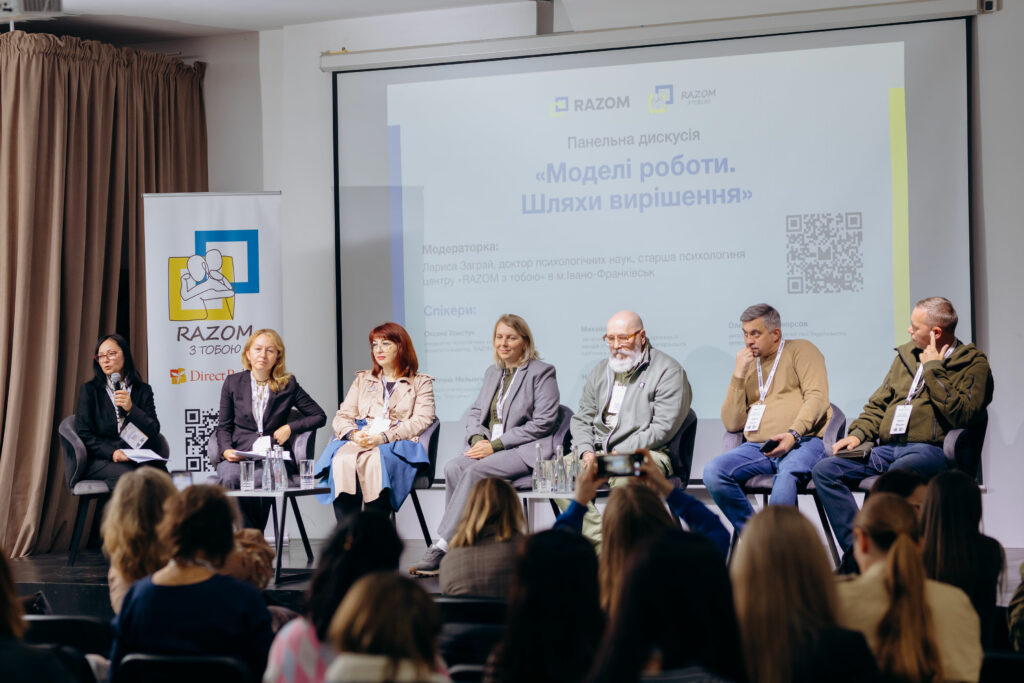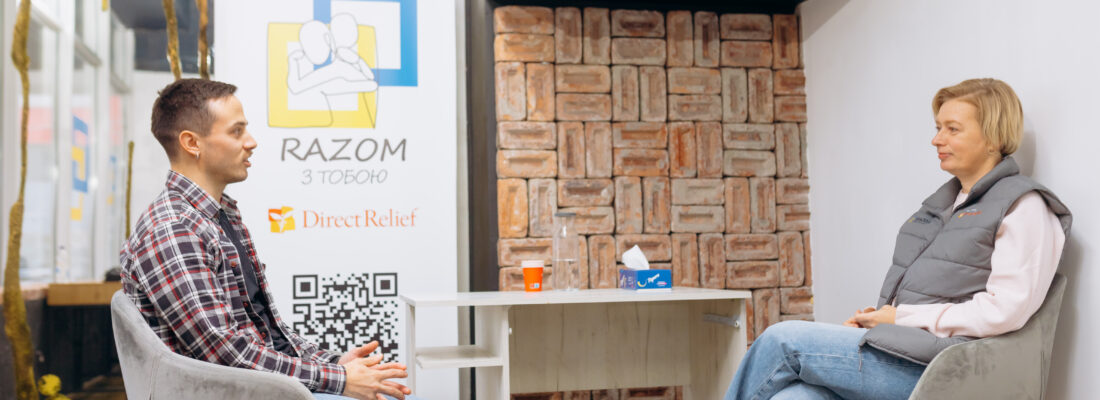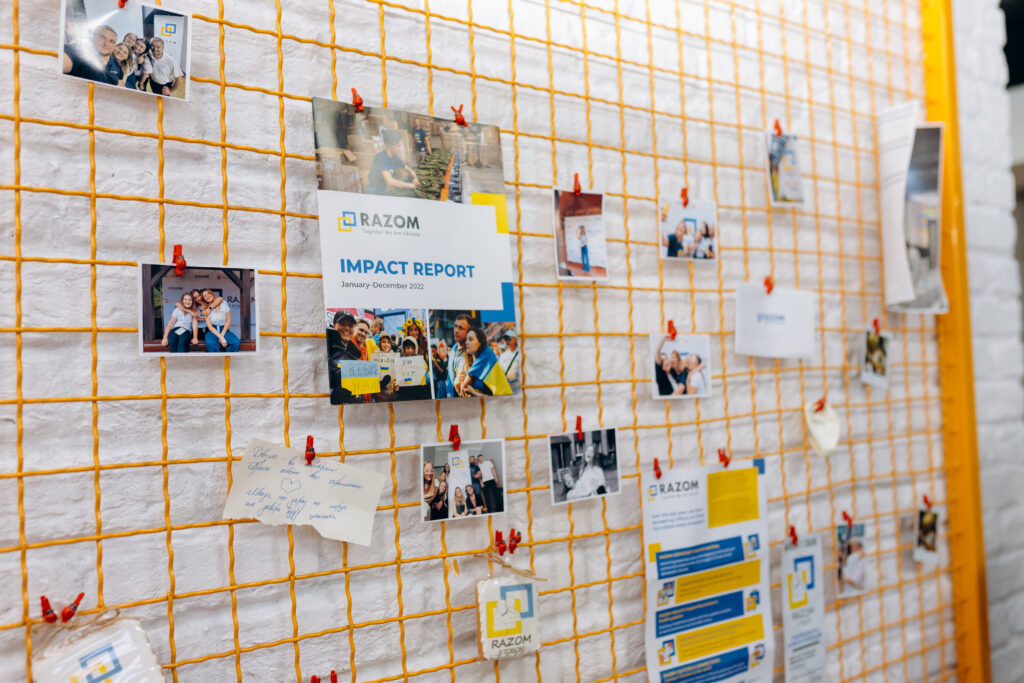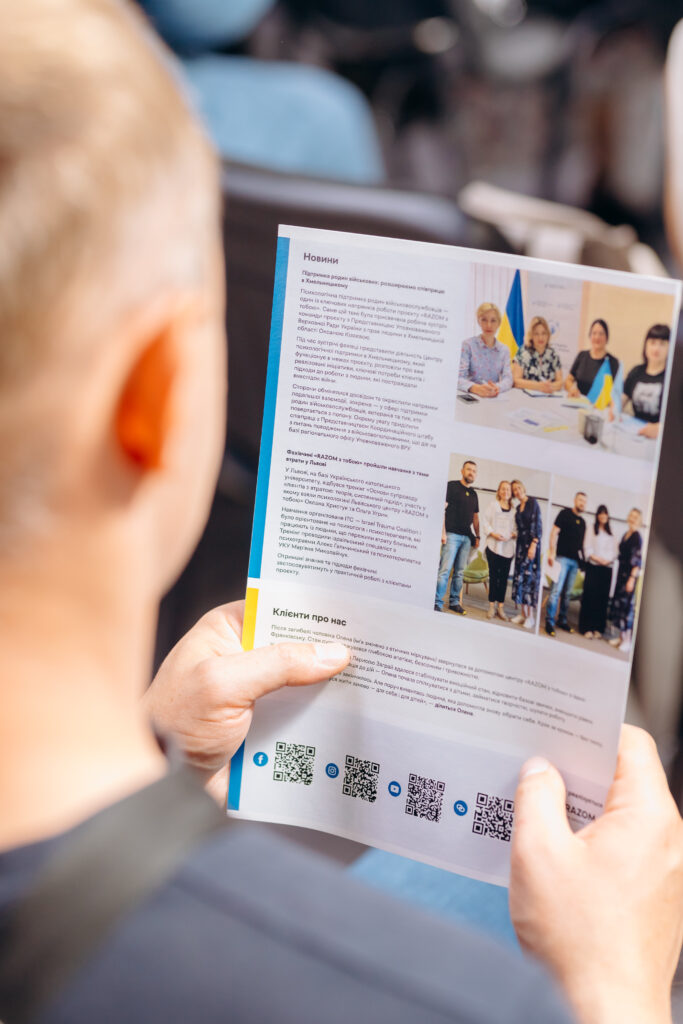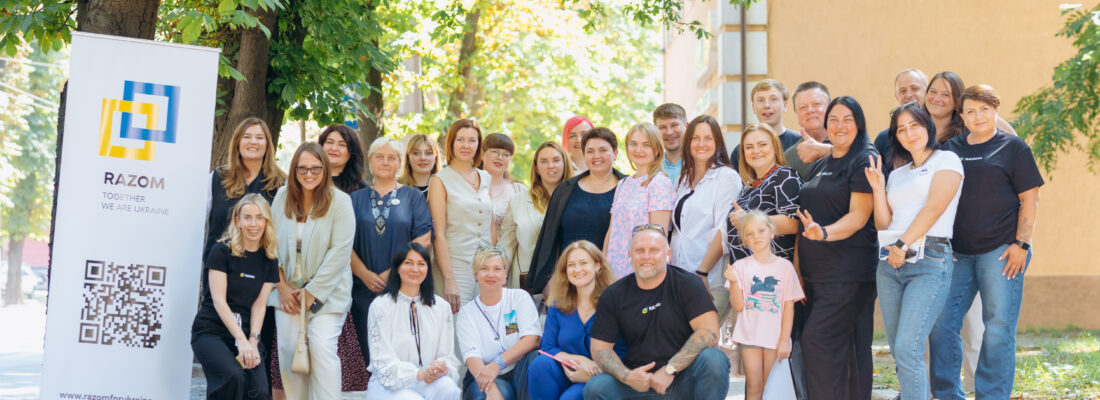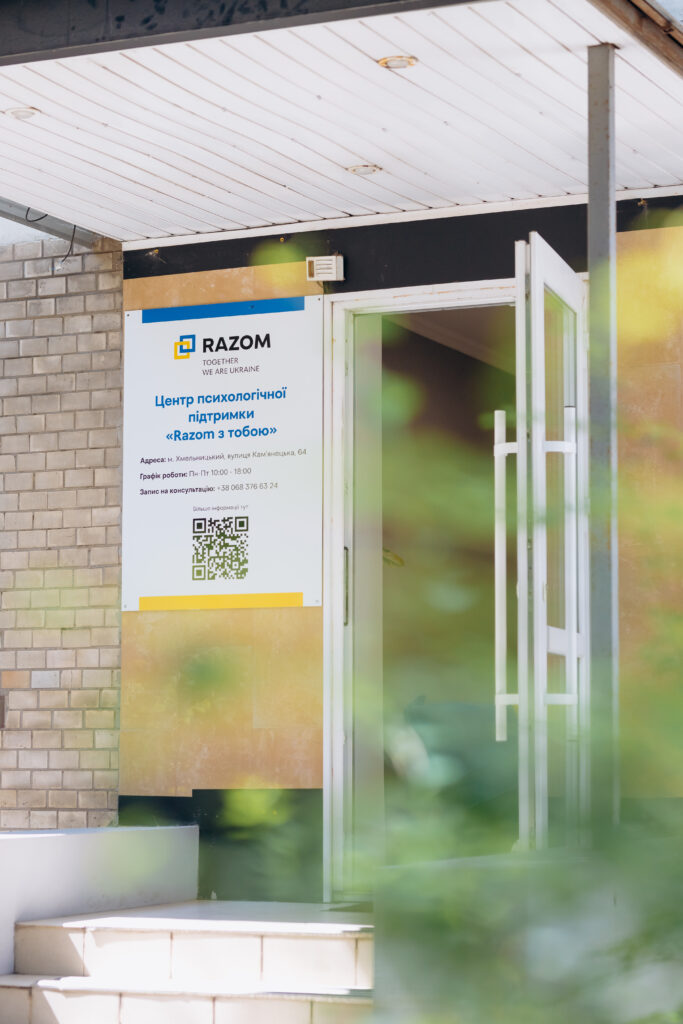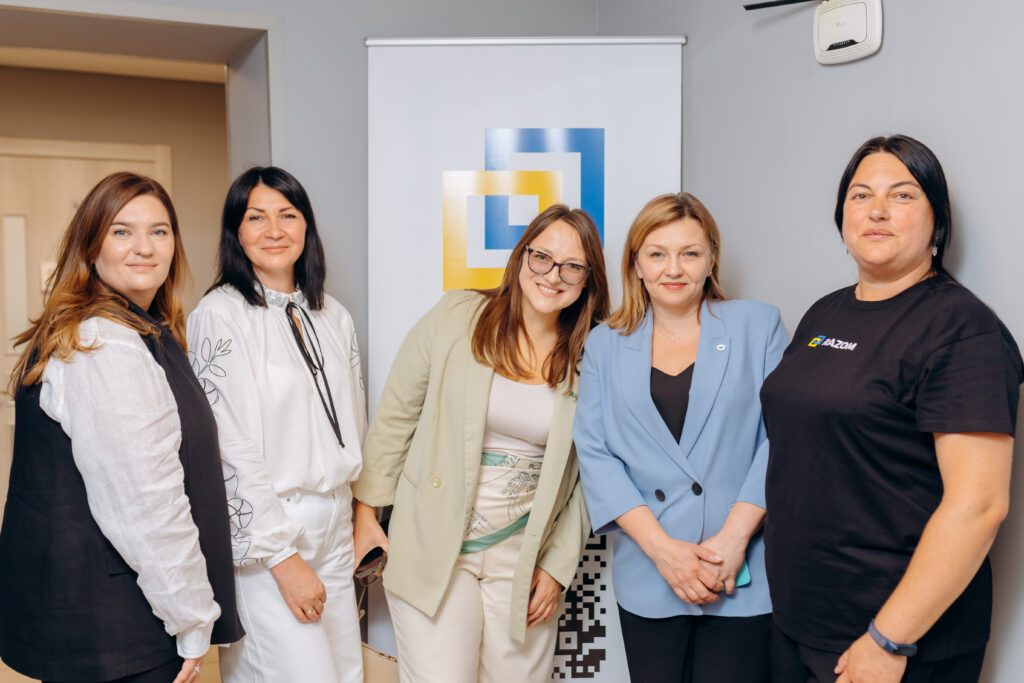

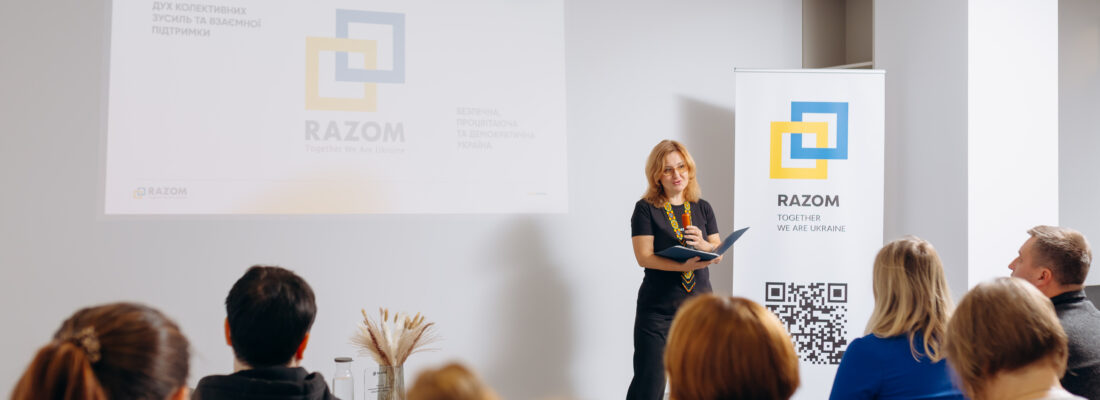
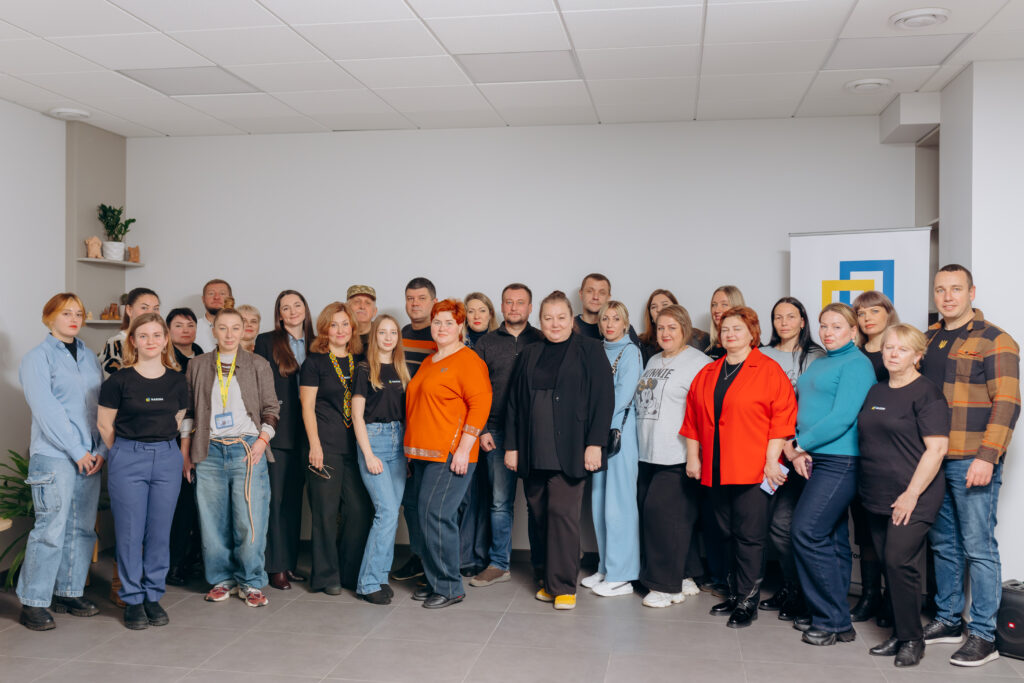
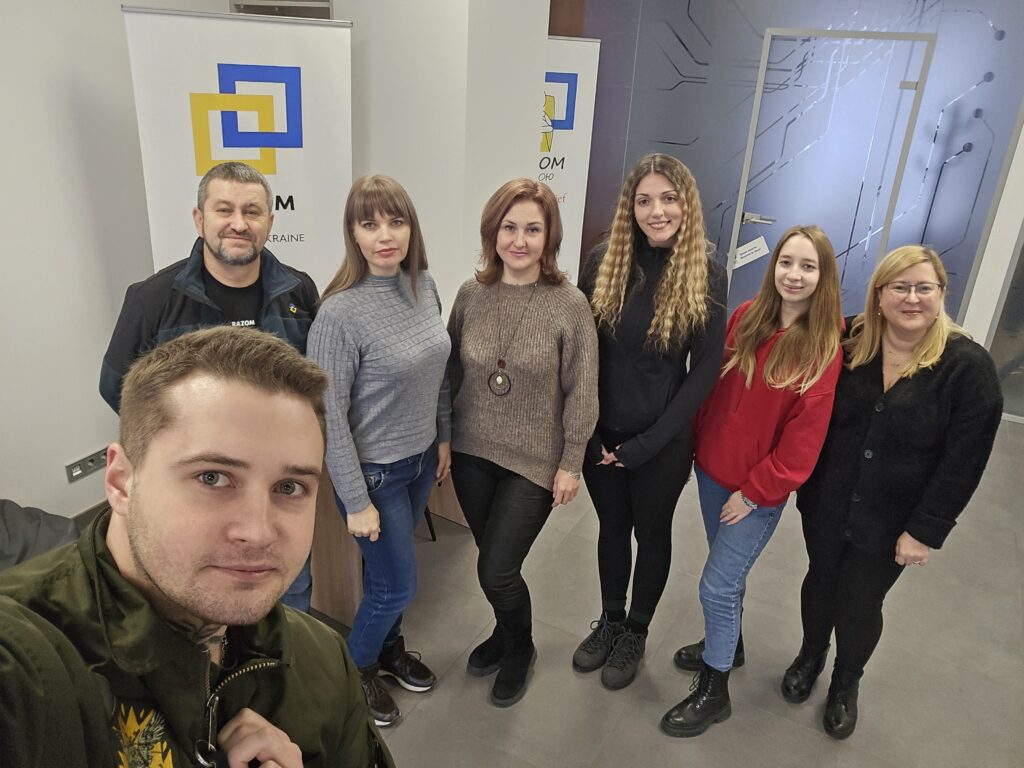
During wartime, psychological support becomes just as essential as medical care. In the city of Dnipro, the “Razom z Toboyu” Psychological Center, run by Razom for Ukraine, offers free counseling sessions to those in need. The center supports soldiers, their families, and civilians who are going through difficult life situations.
Natalia, the center’s senior psychologist, has been working on the project since 2023. She says that for many people, access to free counseling can make all the difference.
“I always say a big thank you to those who support this project. Many of our clients simply cannot afford mental health care,” she explains.
According to Natalia, the war has dramatically increased the psychological strain people are living under.. Constant tension, air raid alarms, and everyday challenges build up over time.
“I see how exhausted and irritable people are now. And that’s natural—we are all living in extremely difficult conditions. That’s why psychological support is so important right now,” she says.
The center offers both individual consultations and group sessions where participants learn about emotional wellbeing and coping strategies.
“When people begin to understand what they are experiencing, things start to feel more manageable. They start to see how they can help themselves and support others,” Natalia adds.
A Soldier’s Story
Natalia recalls the story of a soldier who came to the center after being injured.
At first glance, his injury was barely noticeable, but he had serious difficulties with hand mobility. After returning to civilian life, he struggled to adapt.
“He came to me because he struggled to find his place in civilian life again. There was a lot of tension, conflicts at home, and his relationships with loved ones had deteriorated,” Natalia says.
At the center, clients can receive a series of six counseling sessions. The goal is to stabilize a person’s condition and help them take the first steps toward recovery.
“We worked on self-regulation techniques — ways he could calm himself and better understand his emotions. ” she explains.
Over time, things began to improve. His sleep got better, and there was less tension at home.
“He even brought his wife to one of the sessions. It’s very important when family members become part of the process,” Natalia adds.
After completing the six sessions, the man decided to continue therapy.
“When he first came, he felt that nothing would ever change. But little by little he saw that things could actually improve,” Natalia says.
The First Step Toward Change
According to Natalia, six counseling sessions cannot solve every problem , but they often become the starting point for meaningful change.
Sometimes clients return months later when they face a new challenge or simply need someone to talk to again.
“Sometimes people call and say, ‘Can we talk again?’ And we continue working together,” she says.
Often, helping one person opens the door for others to seek support as well.
“First one person comes, then they bring their spouse, their children, or friends. People share their experience, and that’s how others learn that support is available,” Natalia explains.
She believes that centers like this play an important role not only today, but also in the future.
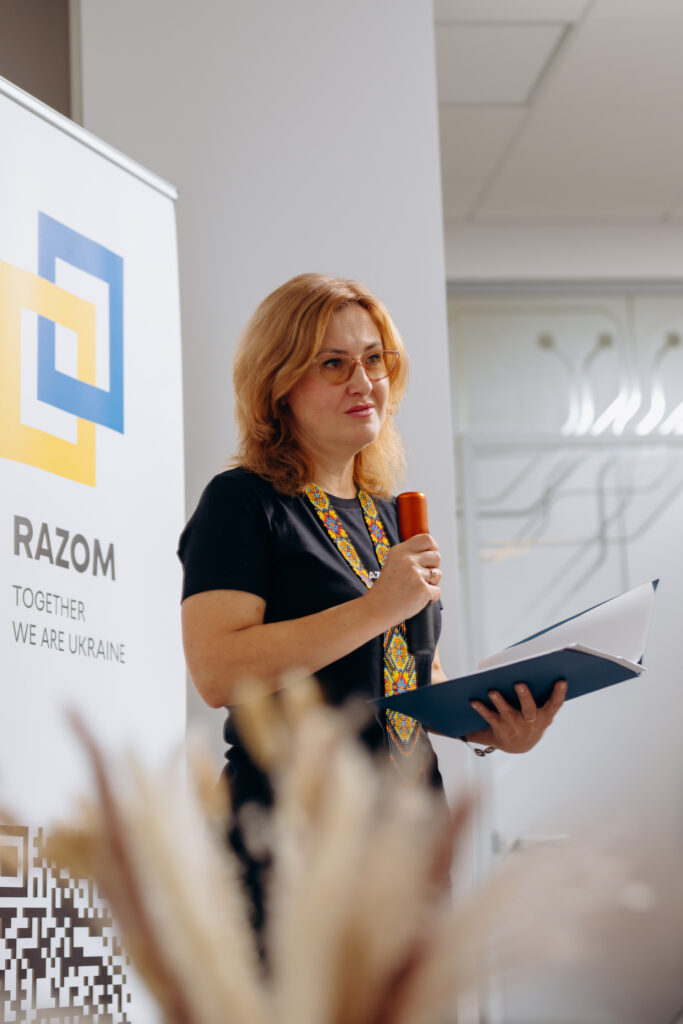
“All of this is aimed at helping Ukraine remain as mentally resilient as possible.,” Natalia says.
Sometimes change begins with a simple step—the courage to come in and ask for help.