Empowering Ukrainian Surgeons: U.S. Training in Reconstructive and Neurosurgery
Supporting Ukraine’s Mental Health: The Impact of Razom z Toboyu
Today, October 10, marks World Mental Health Day, a timely reminder of the importance of mental well-being, especially for those affected by war. In Ukraine, where the trauma of war has deeply impacted millions, the Razom z Toboyu (Razom with You) program is offering critical psychological support to children, adolescents, and adults.
For this Mental Health Day, we had the opportunity to interview Iryna Gudyma, Razom z Toboyu (RzT) Project Manager, who reflected on the project’s mission:
1. Can you describe the mission and goals of the Razom z Toboyu project and how it addresses the mental health needs of Ukrainians affected by war?
Razom z Toboyu was born out of the urgent need to support Ukrainians grappling with the psychological toll of war. Since the launch in July 2022, we have conducted over 18,000 individual sessions and over 2,500 hours of group work.
Recent statistics suggest a deepening mental health crisis in Ukraine, exacerbated by ongoing war. Reports indicate that the number of Ukrainians seeking mental health support has surged, with 77% experiencing stress or severe nervousness and 40% feeling the need for psychological help in the past six months, according to Gradus. Furthermore, a study published in The Lancet found that 54% of Ukrainians, including refugees, are suffering from PTSD. The war has led to a staggering increase in antidepressant sales, which have jumped nearly 50% since 2021 (Ukrainian Ministry of Health).
We aim to provide accessible, high-quality psychological support to those affected by the war, whether they’re internally displaced, veterans, or families who’ve lost loved ones.
Our key goals are multifaceted. We work to prevent the development of long-term mental health disorders, particularly PTSD, among those experiencing war trauma. We look to stabilize people’s emotional states and help them tap into their inner resources for resilience.
Importantly, we’re also focused on building capacity within Ukraine’s mental health system by training professionals in trauma-informed care and developing innovative support programs.
What drives us is the belief that mental health care is crucial not just for individual well-being, but for Ukraine’s collective recovery and future. We’re committed to breaking down the stigma around seeking help and making mental health support a normalized, integral part of the country’s post-war healing process.
2. What specific services or resources does RZT provide to support mental health, and how have these been received by the community?
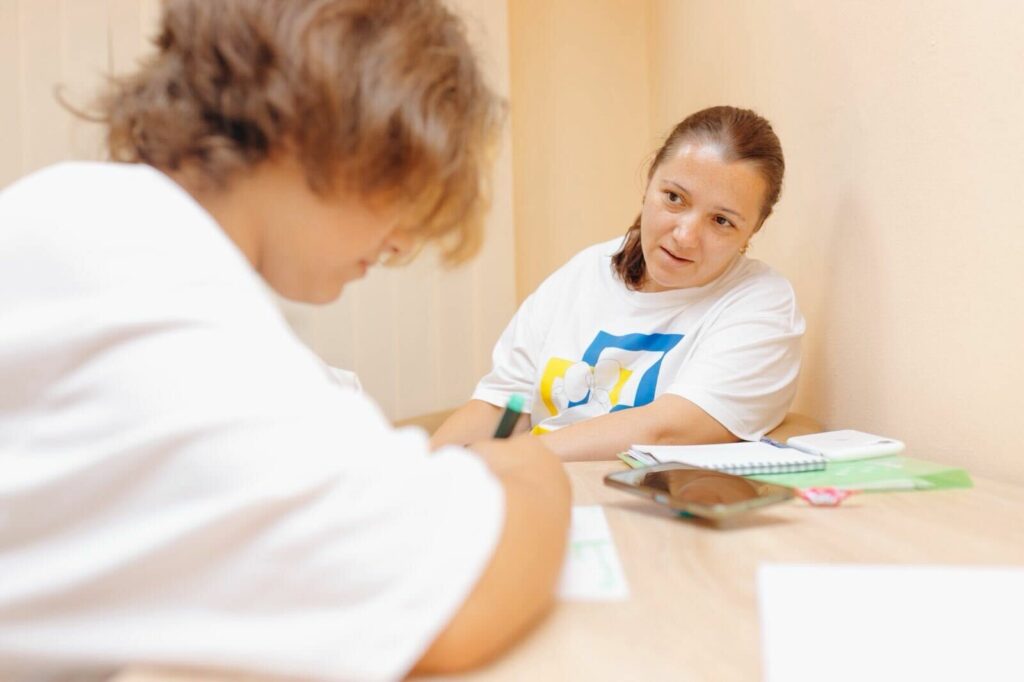
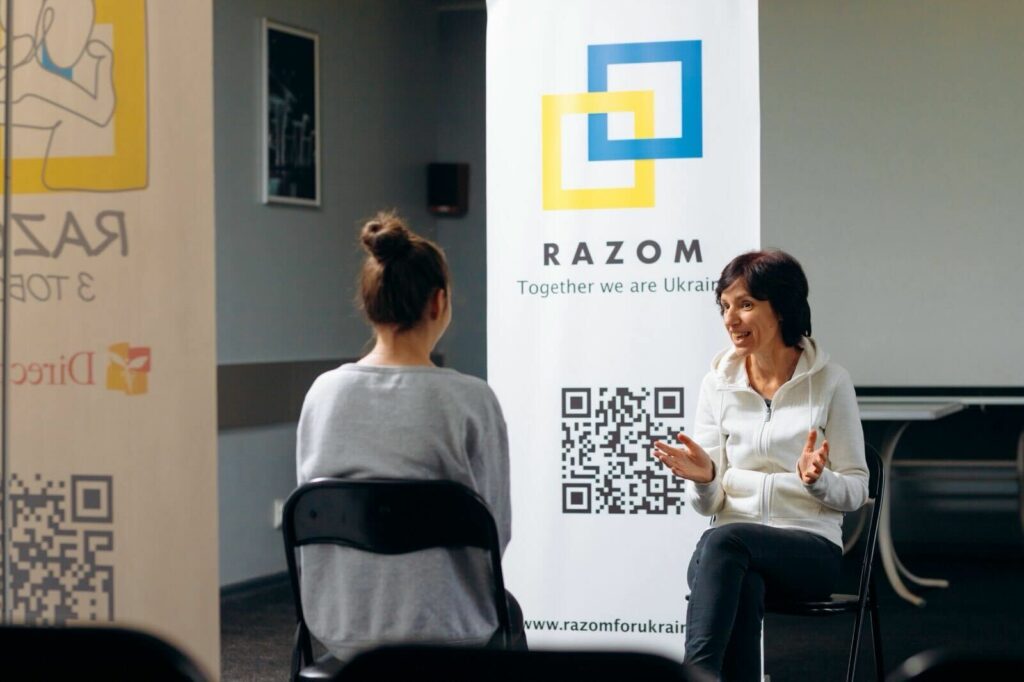
We offer a range of services tailored to the diverse needs we’re seeing. This includes individual counseling, group therapy sessions aimed at posttraumatic growth, specialized training for special groups including social workers, medical professionals, teachers, etc. We’ve also developed psychoeducation workshops to help people understand trauma responses and learn coping strategies.
The response from communities has been overwhelmingly positive as evidenced by an anonymous survey of over 450 participants who received support. For instance, 95% reported establishing a trusting relationship with their psychologist, while 74% noticed improvements in their emotional well-being. Impressively, 85% felt that their psychologist helped them cope with their specific issues, and all participants indicated they would recommend the “Razom z Toboyu” project to others.
Many people tell us they’ve never had access to mental health support before, or that they were hesitant to seek help until they learned about our services.
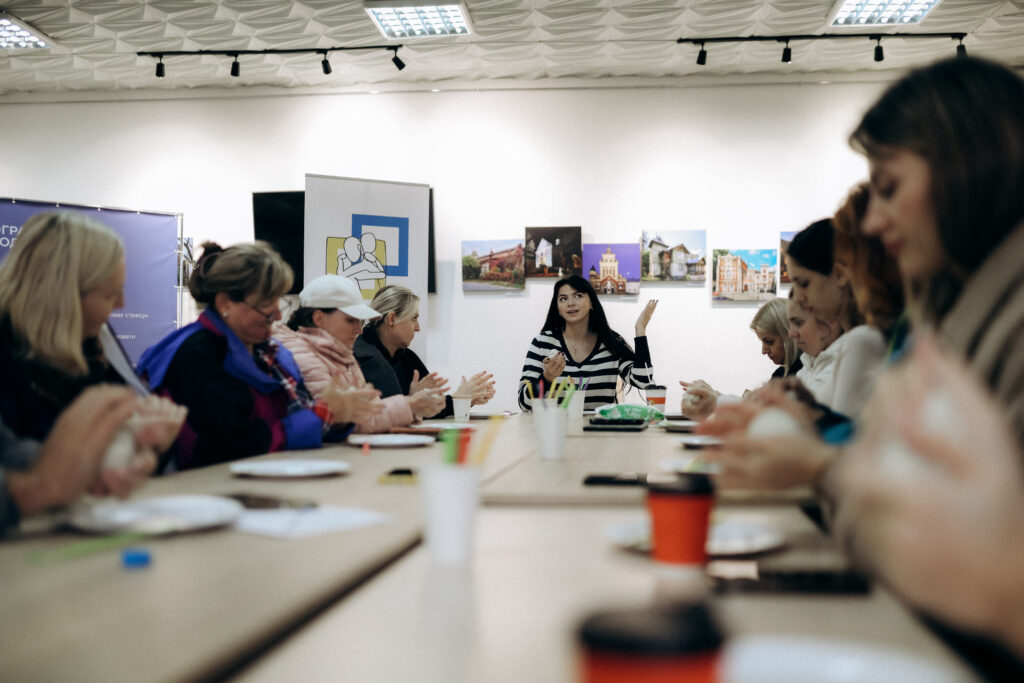
One service that’s been especially well-received is our growth groups that provide a safe space for people to share experiences and coping strategies with others who truly understand their situation. We’ve seen remarkable bonds form within these groups, creating support networks that extend beyond our formal sessions.
3. Could you share a memorable success story or experience from the RZT project that highlights its impact on individuals or families?
One of the many stories that struck me is that of an eight-year-old Mykyta from Mariupol. After escaping the besieged city, we discovered he had stopped eating meat because the smell reminded him of burnt bodies he’d witnessed during the war. This heartbreaking detail shows how deeply conflict affects children, creating fears that persist long after the immediate danger has passed.
Our psychologists worked closely with Mykyta and his family, helping them process their trauma and rediscover a sense of normalcy. His journey emphasizes the critical need for specialized mental health support for war-affected children. Mykyta’s progress reminds us that with the right care, even the deepest wounds can heal, allowing children to reclaim their childhoods and look towards a brighter future.
4. What challenges has RZT faced in delivering mental health support, and how have you worked to overcome them?
One of our most pressing challenges has been addressing the mental health needs of a country still at war, with an estimated 1.3 million veterans and projections of 4-6 million in the future. To tackle this, we’ve developed specialized programs for veterans and their families, focusing on preventing secondary traumatization and preparing society for their reintegration.
Another significant challenge is the sheer scale of need versus our resources. To tackle this, we’ve focused on a train-the-trainer model, where we work with social workers, teachers, medical professionals and community leaders, equipping them to provide ongoing support in their areas. This approach not only increases our capacity but also ensures culturally sensitive care tailored to the Ukrainian context.
The ongoing nature of the conflict poses unique challenges for treatment approaches. We’ve also had to be innovative by adapting evidence-based practices to the unique context of wartime Ukraine. This has involved developing shorter-term intervention models and integrating traditional Ukrainian cultural practices into our therapeutic approaches to make them more resonant and effective for our clients.
Additionally, we are actively working to combat the stigma surrounding mental health care by promoting awareness and offering free services that encourage individuals to seek help.
5. October 10th is Mental Health Day, what message do you want to convey to the community regarding the importance of mental health support for those affected by war in Ukraine?
On this Mental Health Day, I want to remind everyone that it’s absolutely okay not to be okay, especially during these challenging times. Prioritizing mental health isn’t a luxury—it’s essential for both individual and national resilience. If you or someone you know is struggling, please remember that seeking help is a sign of strength, not weakness.
The war has left deep scars on many hearts, but healing from trauma is possible. Reaching out for support is a vital step in the recovery process. For those not directly affected by the conflict, I urge you to show empathy, patience, and support for those who are struggling.
To the international community, I want to emphasize that the mental health impacts of this war will extend far beyond the physical conflict. Supporting mental health initiatives must be a key component of any long-term recovery and development plans for Ukraine.
Despite the immense challenges, we’ve witnessed incredible resilience and growth among the individuals and communities we work with. This gives me hope. By supporting one another and prioritizing mental health, I believe Ukrainians can not only recover from this trauma but emerge stronger and more united than ever before.
To learn more about Razom z Toboyu and support its mission, visit https://razomztoboyu.org/
The project is implemented by Razom for Ukraine, Americares, Direct Relief and GlobalGiving.
Face the Future Ukraine: Advancing Reconstructive Surgery in Ivano-Frankivsk
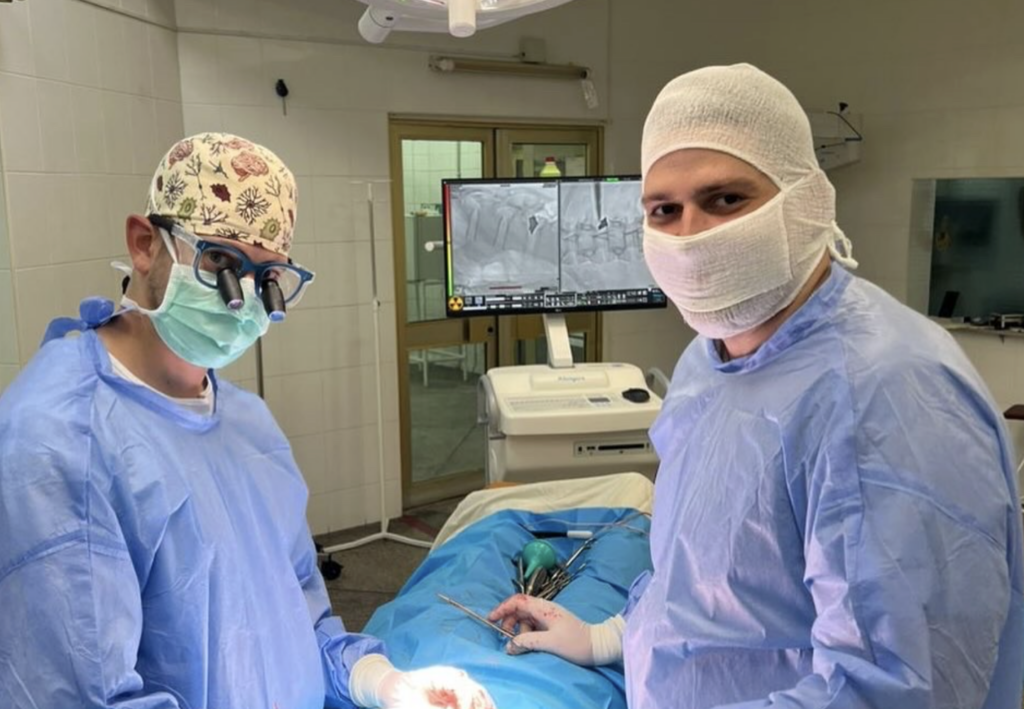
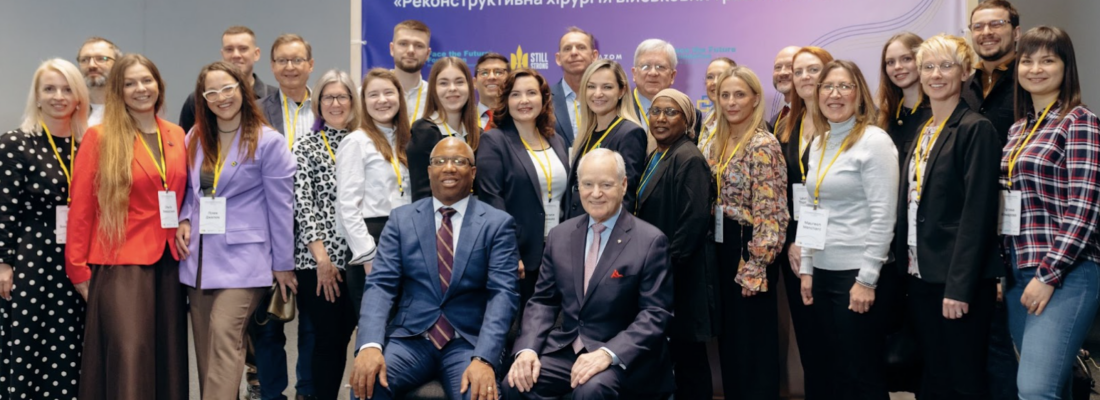
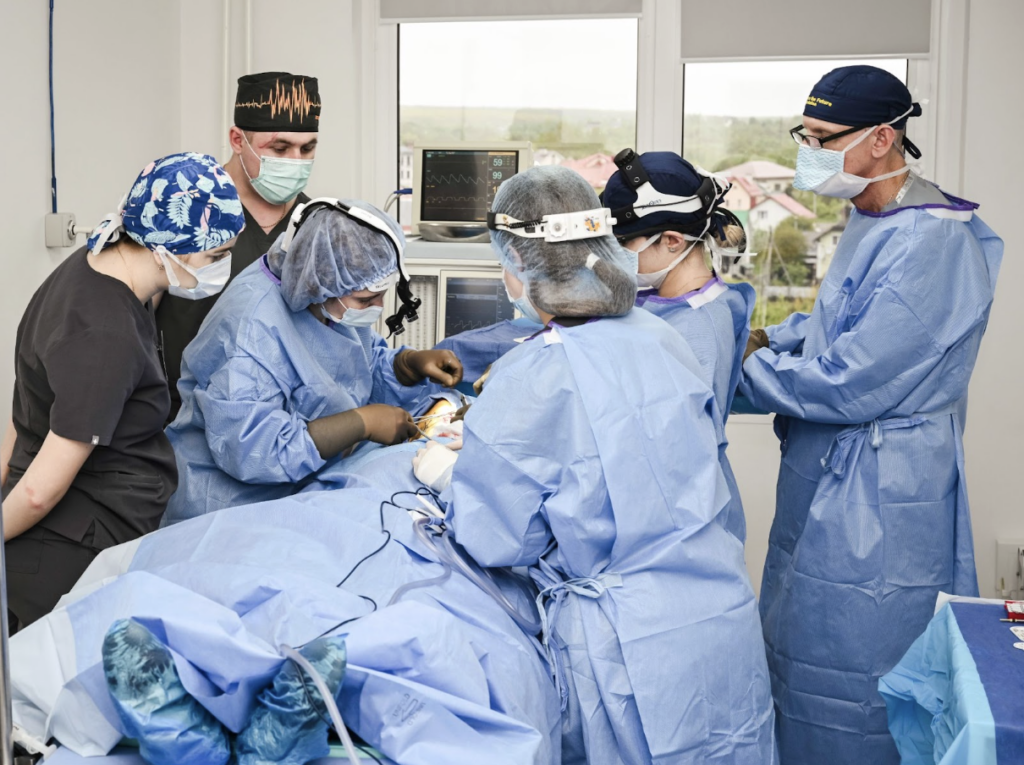
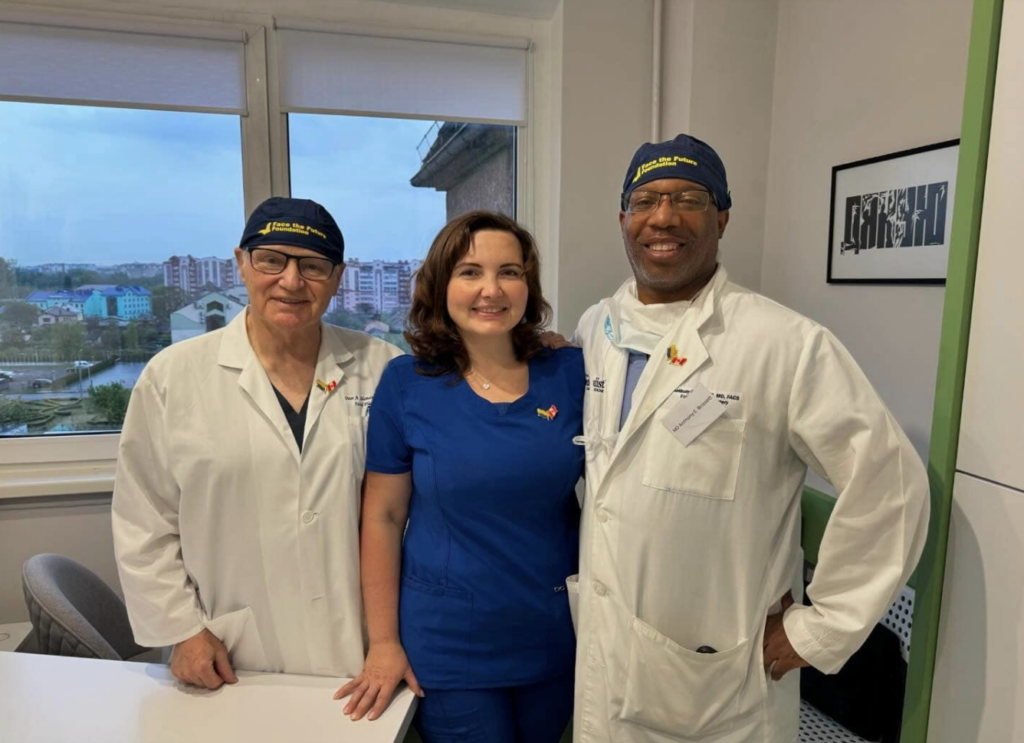
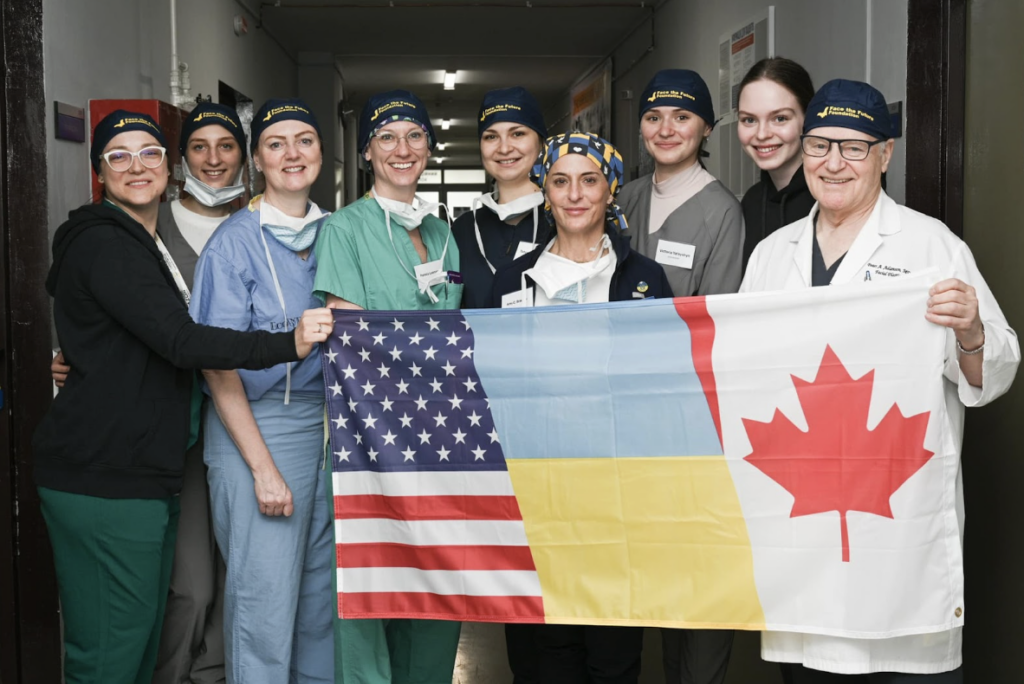
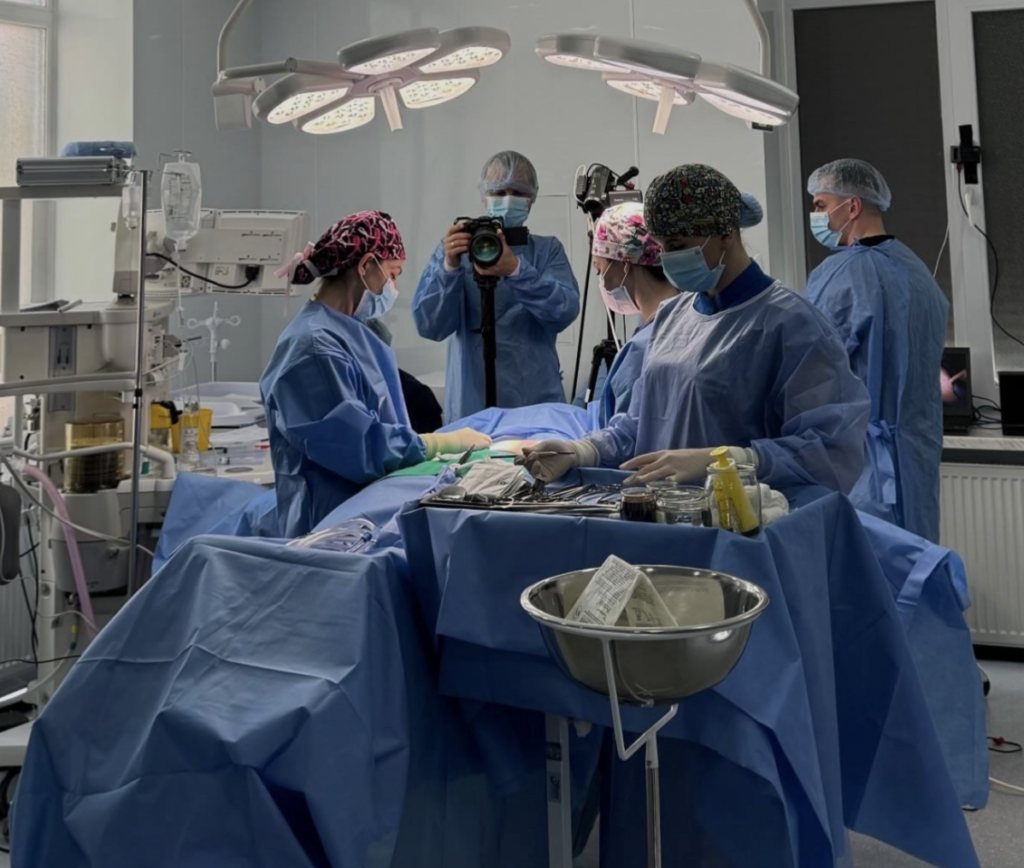
The Face the Future Ukraine team, consisting of 15 specialists from Canada and the U.S., visited Ivano-Frankivsk Regional Hospital for the third time this spring to perform complex reconstructive surgeries. The team included reconstructive and plastic surgeons, an oculoplastic surgeon, an anesthesiologist, and nurses. They also shared their knowledge at the Third International Symposium for Surgeons “Reconstructive Surgery of Military Trauma of the Head and Neck” and the Third Symposium for Nurses “Peculiarities of Management of Patients with Military Trauma and Posttraumatic Disorders,” which saw over 130 surgeons and 230 nurses in attendance.
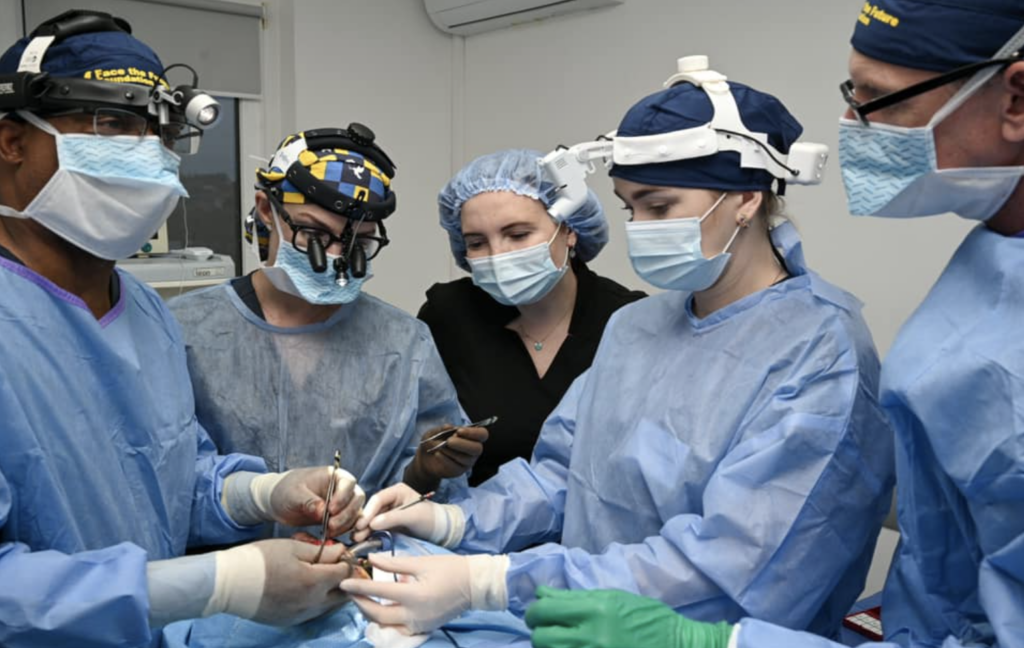
During their trip, the team performed 88 procedures on 32 severely injured Ukrainian heroes, focusing on major head and neck reconstruction. Collaborating with foreign colleagues provides Ukrainian surgeons a unique opportunity to diagnose complex injuries, plan treatments, and perform intricate reconstructive surgeries.
“Preparation for this mission begins long before our foreign colleagues arrive in Ukraine. Over the past five months, we have examined more than a hundred patients to plan surgeries, select specialists, and develop individual implants. It’s a big team effort. It’s very valuable that many surgeries are performed for the first time in the Ivano-Frankivsk Regional Hospital. During these missions, we not only restore the health of our soldiers but also learn from foreign colleagues and start performing new surgical interventions on our own,” says Nataliya Komashko, ENT, Head of the Ukrainian Medical Team.
“Every year, we conduct missions in different parts of the world, but in Ukraine, we encounter the most serious cases. No surgeon has faced such injuries unless they were in a war zone. We will return to Ukraine to help restore the faces of as many soldiers as possible. They are heroes who stand for the freedom of their people,” says Dr. Peter Adamson, founder of the Face the Future Foundation, who has just been awarded the prestigious Teasdale-Corti Award by The Royal College of Physicians and Surgeons of Canada (RCPSC).
Nurses
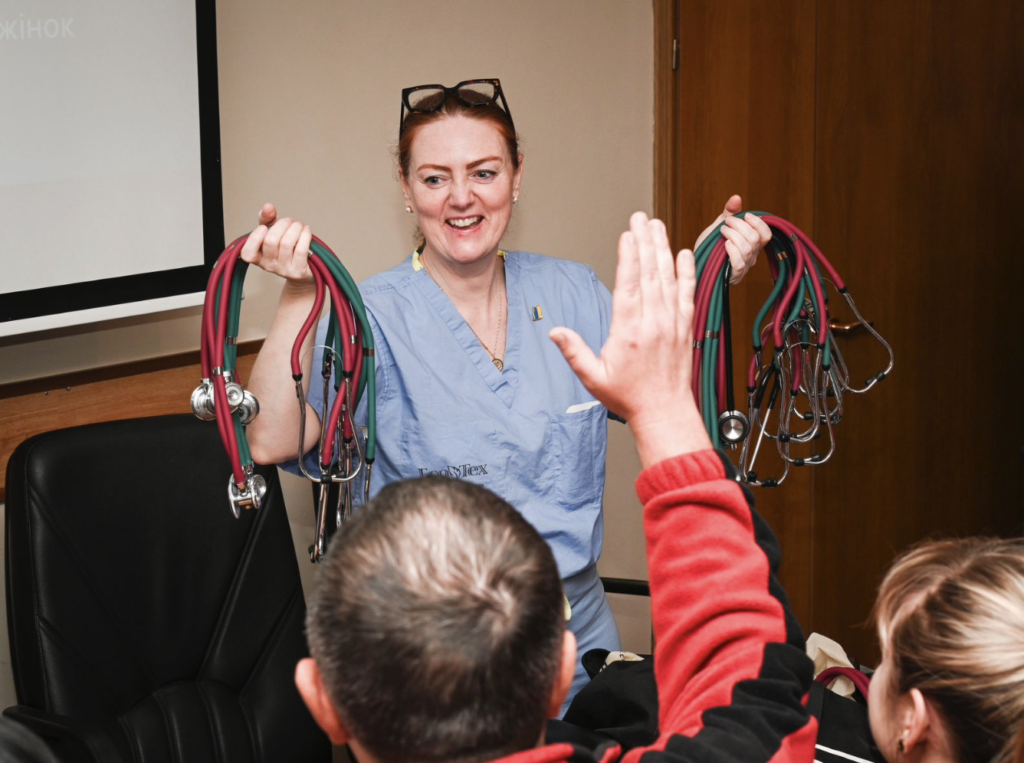
The Face the Future nurses, led by Laurie Thomas, RN, set up a nursing training center and provided simulation models and stethoscopes for nurses to advance their skills. Laurie organized a stethoscope drive in Canada, donating dozens of stethoscopes during the conference. The team also developed protocols for a PACU (post-anesthesia care unit) and introduced this component of postoperative care in Ivano-Frankivsk hospital.
Personal Implants
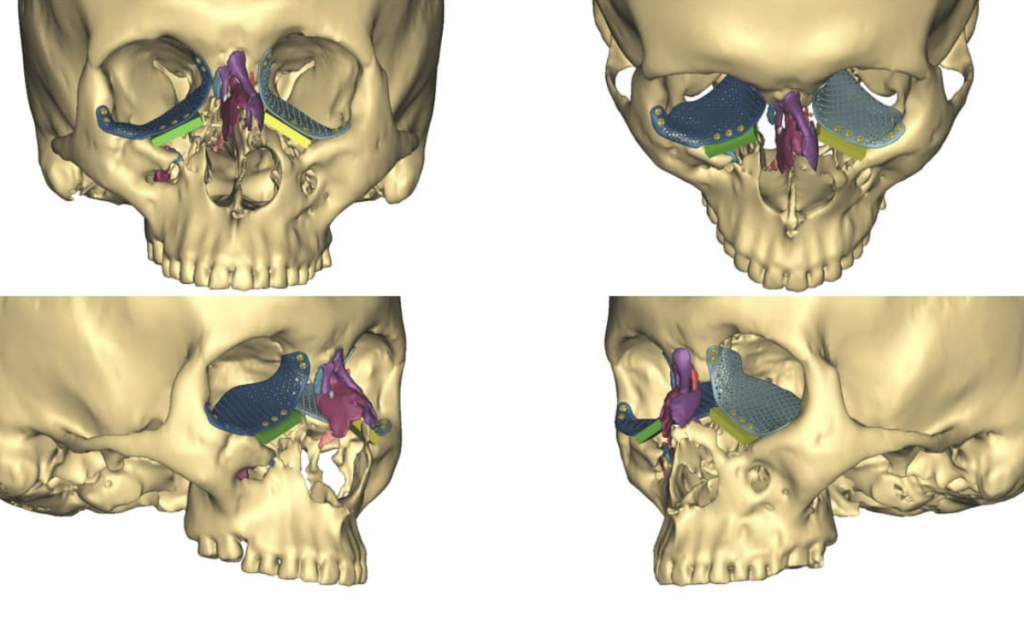
A volunteer team of bioengineers from Materialise (3D printing company) designs and prints individual implants for patients. They provide an online platform for surgeons to recreate patient scans in 3D, allowing for a clear understanding of trauma and designing specific implants. This platform enables Ukrainian and Canadian surgeons to work together on the same patient, sharing documentation and collaborating comfortably.
Materialise engineers prepared 3D anatomy simulations and patient-specific 3D-printed implants for eight patients.
Medical Supplies
Medical supplies are vital for such projects, as many surgeries require specific instruments. Debbie Fritz, RN, Team Leader of Procurement, coordinates the needs of surgeons, leveraging connections with suppliers to secure donations or discounts. Razom procures critical supplies in Ukraine, which are then donated to the hospital.
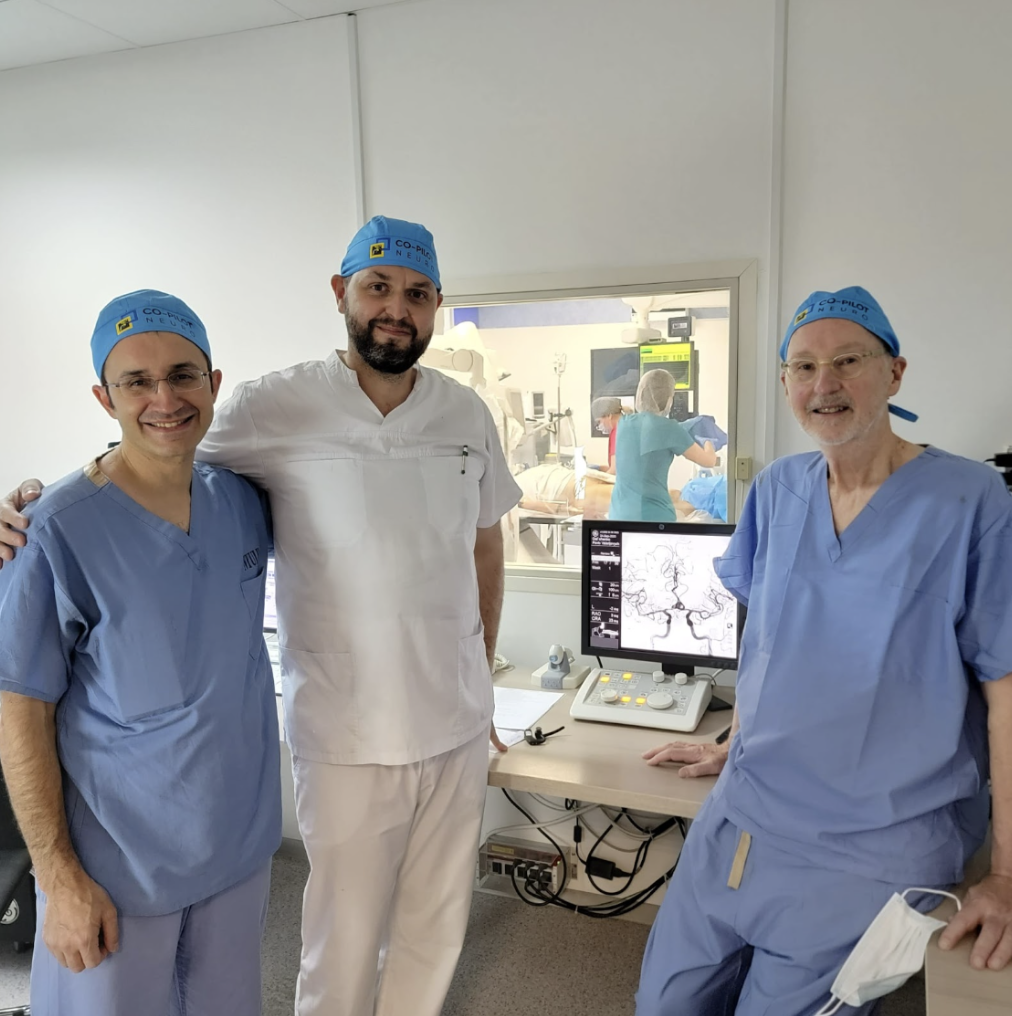
Through targeted medical trips, conferences, and training sessions, providers working with the Razom Co-Pilot Project are empowering healthcare professionals, enhancing skills and methods, and ultimately improving surgical care in Ukraine.
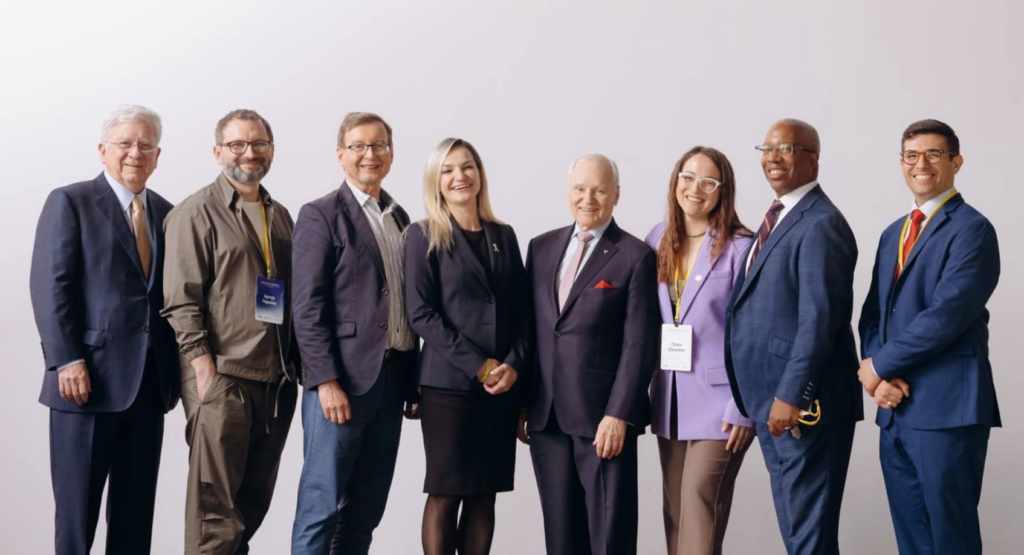
We are immensely grateful to the Face the Future team for their continued support of Ukrainian healthcare:
– Dr. Peter Adamson, Chef de Mission
– Dr. Anthony E. Brissett, Mission Director
– Susan Truax, Administrative Support
– Dr. Josh Kain, Surgeon
– Dr. Irena Karanetz, Surgeon
– Dr. Vladimir Kratky, Surgeon
– Dr. Terry Taylor, Surgeon
– Dr. Burke Bradley, Anesthesiologist
– Amy Bradley, RN
– Debbie Fritz, RN, Team Leader for Procurement
– Maureen Merchant, RN
– Heather Leard, CST
– Laurie Thomas, RN, Head of RNs Team, Leader of Nursing Academic Day
– Bibi Yasin, RN
– Yurij Tsuvanyk, CST
– Pam Leeman, RN
We are thankful to all Ukrainian doctors, nurses, and medical professionals who tirelessly provide treatment to Ukrainian patients, both civilians and military, during the hardships of war.
Patient’s Story
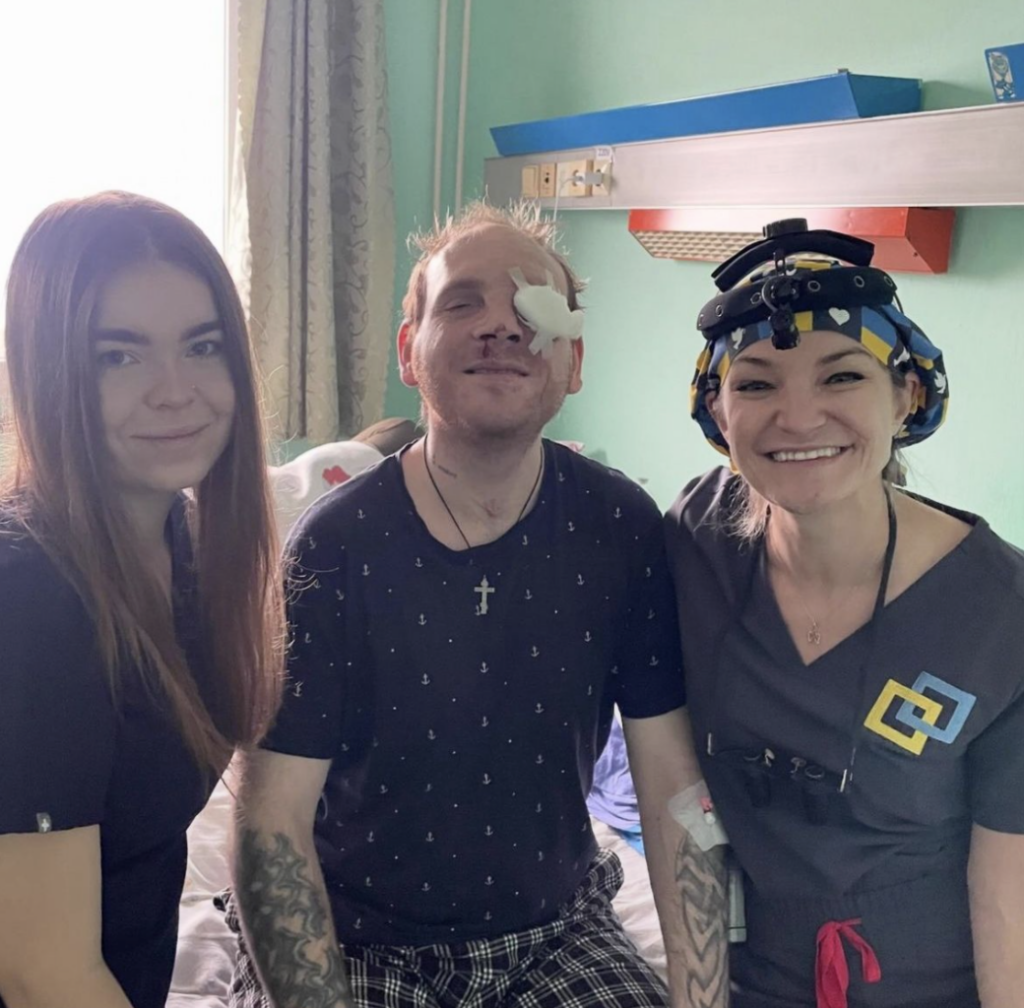
“My daughter did not recognize me after the injury. I dream that the doctors will give me back my face,” said 29-year-old Oleksii before the operation. He was one of the 32 patients of the international mission of reconstructive surgeons Face the Future Ukraine in Ivano-Frankivsk.
Oleksii was seriously injured in the Donetsk area during an assault on enemy positions, where he came under mortar fire. His brother died, and Oleksii was severely injured in the face and hand. He was in a coma for five days and could not speak or eat for several months, but doctors managed to repair his face and final results will be visible in six months.
The humanitarian program “Face the Future Ukraine” was founded by Face the Future Foundation, Razom for Ukraine, and Still Strong to provide free reconstructive surgeries to Ukrainian patients and train Ukrainian surgeons. It is implemented in partnership with the CF “Patients of Ukraine,” the project “Rehabilitation of War Injuries,” the Ukrainian Association of Endoscopic Head and Neck Surgery, the Regional Clinical Hospital of the Ivano-Frankivsk Regional Council, Healing The Children North East, UMANA, Americares, with the support of the Embassy of Switzerland in Ukraine, Ivano-Frankivsk OVA, companies Metinvest, Nova Ukraine, Materialise, Yellow Blue Force Foundation, and Transmed.
Learn more about and support the Co-Pilot Project and Razom Health.
Advancing Women’s Health Care in Ukraine: Insights from Dr. Irena Karanetz and Dr. Alina Andriiv
The Current State of Women’s Health Care in Ukraine
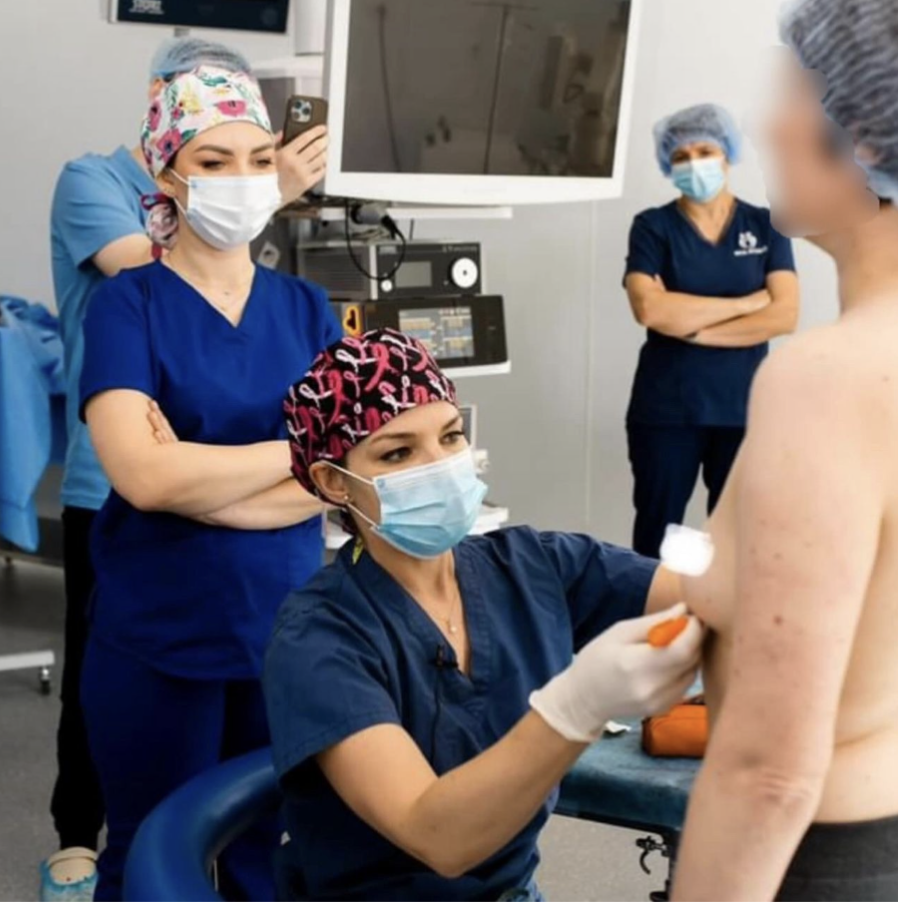
Dr. Irena Karanetz, a renowned New York City plastic surgeon, provides an eye-opening assessment of the current state of women’s health care in Ukraine. Originally from Ukraine, Dr. Karanetz moved to Chicago at the age of 15 and trained in plastic surgery in New York. Through her connection toRazom, she joined the Face the Future Team of facial reconstructive surgeons in 2023, and has since participated in two medical trips to Ukraine. A dedicated member of the Ukrainian Medical Association of North America (UMANA), Dr. Karanetz is passionate about women’s health, particularly post-mastectomy breast reconstruction, and is committed to improving healthcare in her homeland. During her work with the Face the Future team in the Ivano-Frankivsk hospital, she had a chance to research cancer breast reconstruction options available for women in Ukraine and was inspired to bring to them her knowledge and expertise in this field.
“Public medicine has significant flaws,” Dr. Karanetz observes. “For instance, there might be only one mammogram machine available in an entire city, leading to months-long waits for cancer diagnoses.” She highlights the disparity between public and private healthcare facilities, noting that advanced treatments like implants for breast reconstruction are often unavailable in socialized medicine, creating a significant gap in care.
Dr. Alina Adriiv, the Medical Director of the Prykarpattia Oncology Center in Ivano-Frankivsk, shares these concerns. Dr. Adriiv, who has been working in oncology since 2010, previously served as an associate professor and head of the hormone-dependent tumors department at the oncology faculty. She holds a Candidate of Medical Sciences degree and has completed numerous international internships in the U.S., Israel, and across Europe.
Envisioning a Better Future
Both doctors envision a future when Ukrainian healthcare is significantly bolstered by international collaboration and the adoption of advanced medical techniques. Dr. Karanetz emphasizes the importance of training and equipping younger doctors to overcome the current limitations, such as lack of equipment and treatments, and seize future opportunities. Her efforts have included substantial donations of medical supplies, amounting to $100,000, to support breast reconstruction.
Dr. Adriiv shares this optimistic outlook. Her primary focus is not just on improving survival rates but also on enhancing the quality of life for women undergoing breast cancer treatment. “It’s important to support women not only physically but also psychologically,” she asserts. Dr. Adriiv aims to ensure that treatment guidelines are rigorously adhered to, reducing disparities in the quality of care.
The Role of Medical Conferences
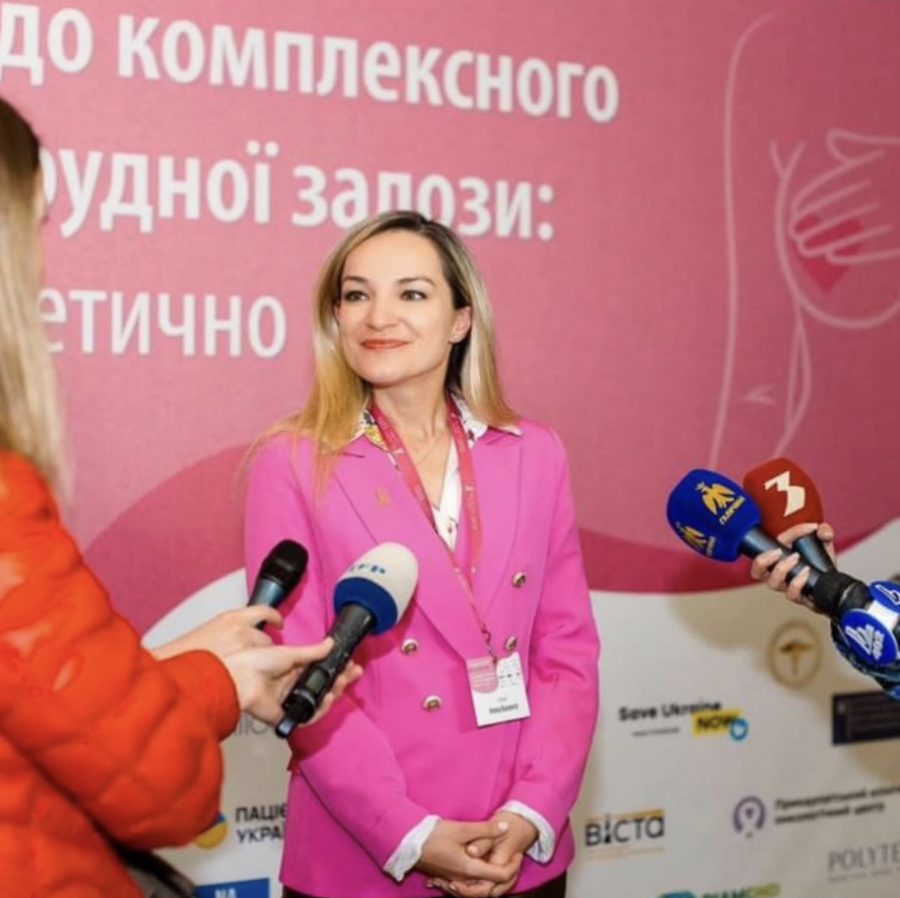
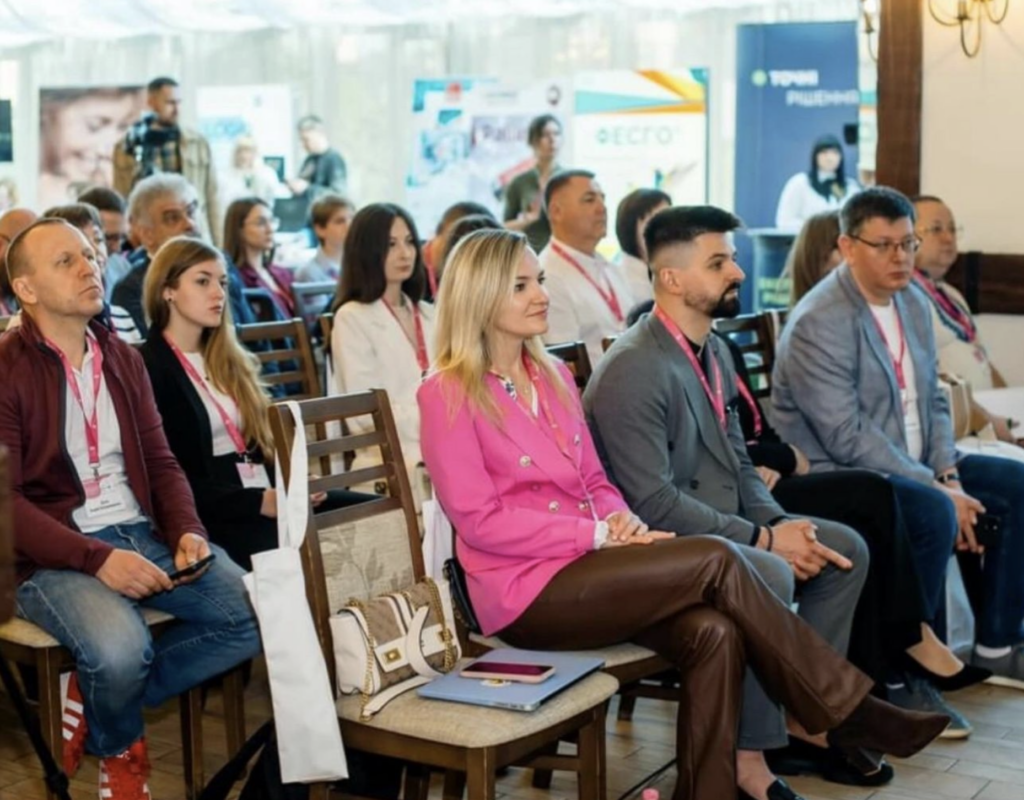
A key highlight of their partnership was the organization of a major Breast Cancer Symposium in Ivano-Frankivsk. This event, the first of its scale in Prykarpattia, was a significant milestone for both doctors. Despite challenges such as securing sponsorships and dealing with limited state support, the symposium was a success.
It was Dr. Karanetz’s dream to hold an event like the Breast Cancer Symposium in Ukraine. With support from Dr. Adriiv, Dr. Natalia Komashko, and the CF Patients of Ukraine, she was able to realize this dream last spring, by combining her participation in the Face the Future medical trip with the symposium. The symposium featured live surgeries and presentations from leading oncologists and oncologic surgeons, offering invaluable learning experiences. Participants described it as a crucial platform for demonstrating new techniques and fostering professional growth among young surgeons.
Dr. Adriiv, who spearheaded the organization of the symposium, shares her experience: “The journey was incredibly challenging due to funding issues, but the outcome was rewarding. Many leading oncologists and surgeons participated, and the event was a significant step towards improving breast cancer care in Ukraine.” Her extensive network and international experience were instrumental in bringing together top professionals for this collaborative effort.
Written by Stephania Korenovsky
Learn more about and support the Co-Pilot Project and Razom Health.
Surgeons From War-Torn Ukraine Are Receiving Life-Saving Training in the U.S.
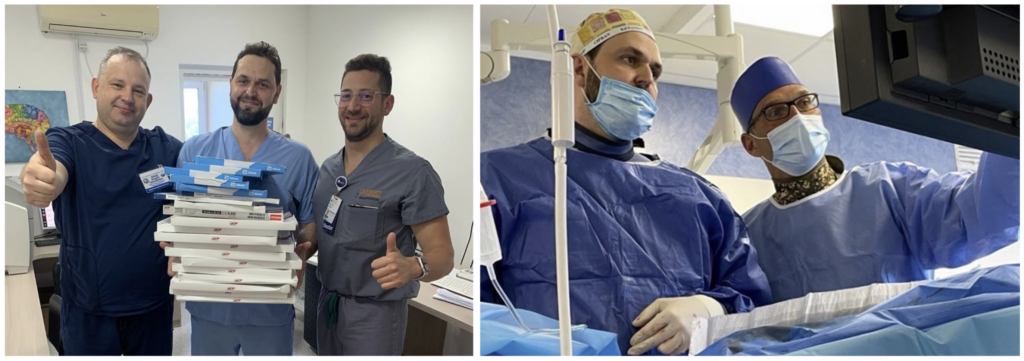
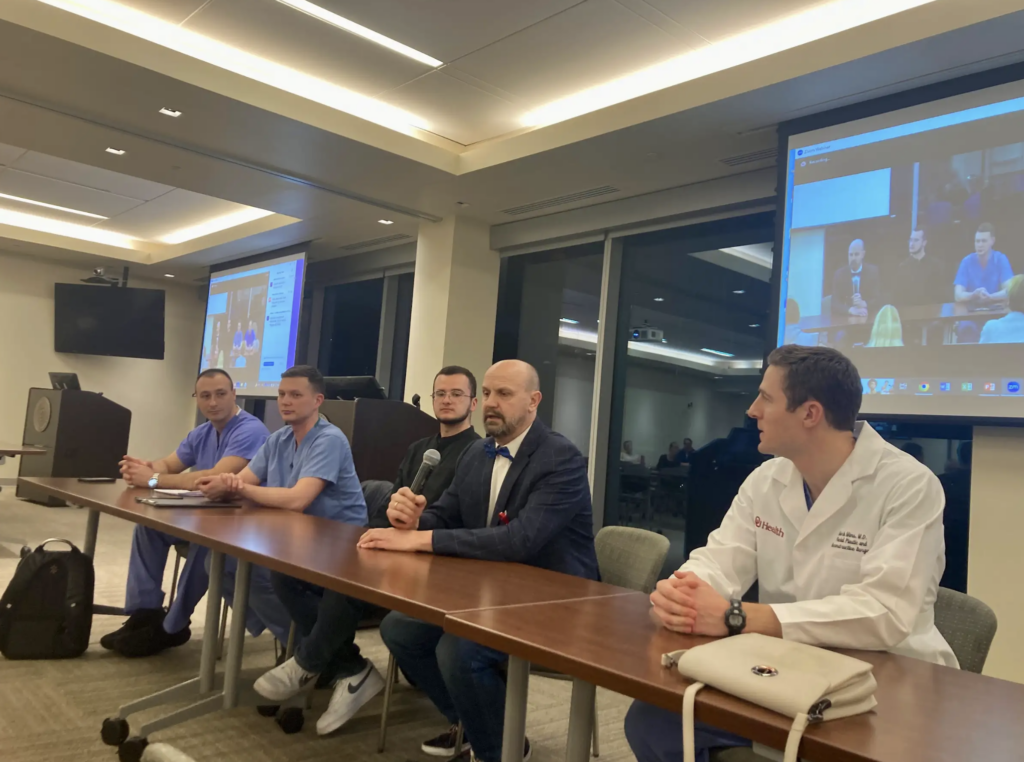
Razom’s Co-Pilot Project, in partnership with Oklahoma University Health and the American Academy of Facial Plastic & Reconstructive Surgeons, is bringing skilled surgeons from Ukraine to America for a one-month clinical observership.
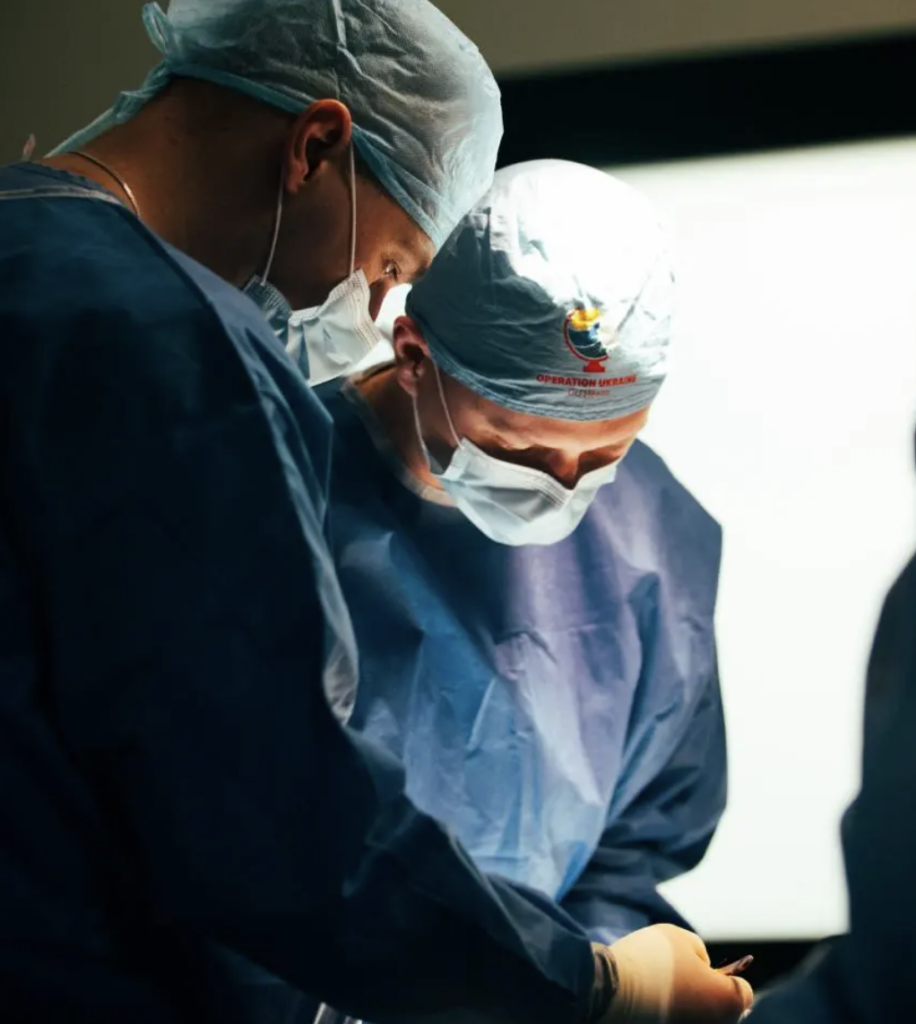
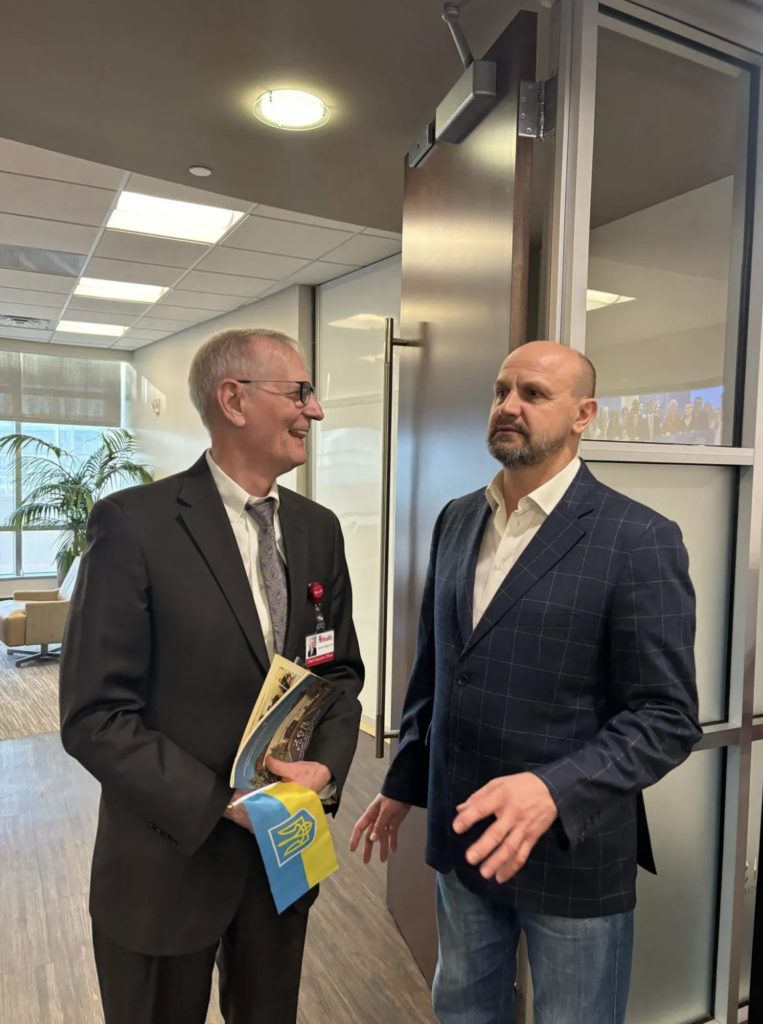
Led by Dr. Mark Mims, OU Health’s Operation Ukraine program has sponsored its third cohort of surgeons, who practice in military hospitals in Lviv and Kyiv, tending to wounded soldiers daily.
The primary goal of the observership is to provide these surgeons with advanced training in microvascular and reconstructive techniques, addressing critical gaps in complex care in Ukraine. Before the full-scale invasion, the microvascular subspecialty was unavailable in Ukraine, but it has now become one of the most necessary specialties due to the prevalence of blast injuries.
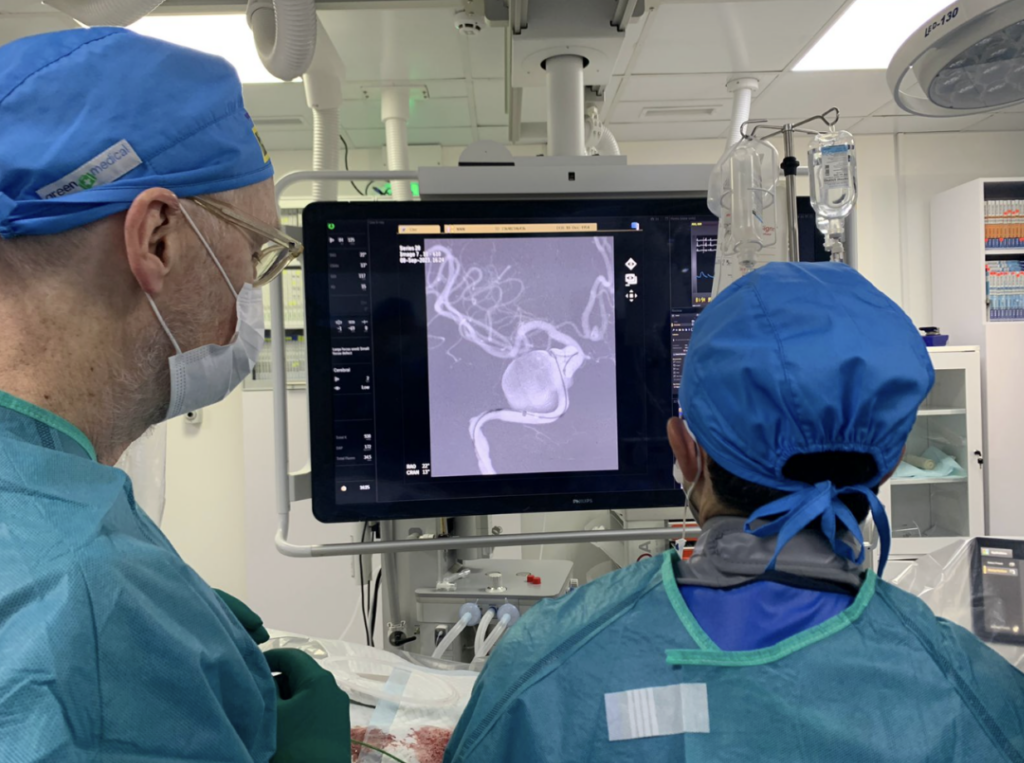
Through the Co-Pilot Program, Ukrainian surgeons have the opportunity to gain these critical skills. This is done with extensive training, including direct training by American surgeons during medical trips, an observership in America, and continuous mentorship upon their return to Ukraine.
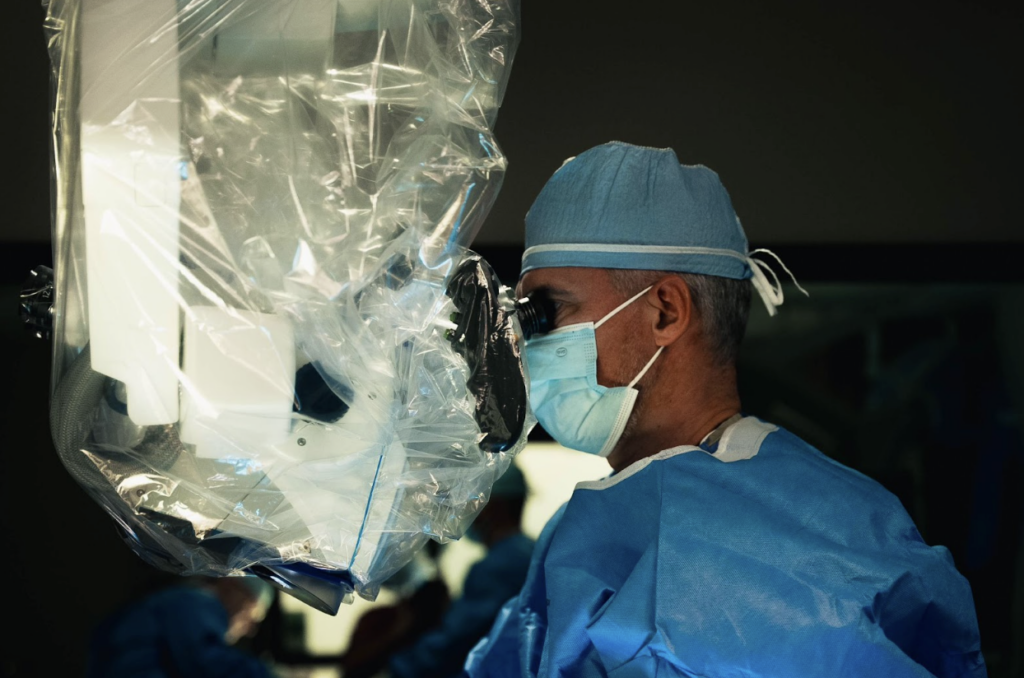
The observership at OU Health is a pivotal component of their training, featuring hands-on experiences, cadaver lab sessions, virtual instruction, and active participation in surgeries with a temporary medical license in Oklahoma. Their training encompasses microsurgery, otolaryngology, head and neck surgery, plastic surgery, oral and maxillofacial surgery, and oculoplastics.
Dr. Panchenko shares, “This opportunity has completely changed my thinking – I now have the skills, experience, and confidence to perform complex microvascular reconstructive surgeries at home.”
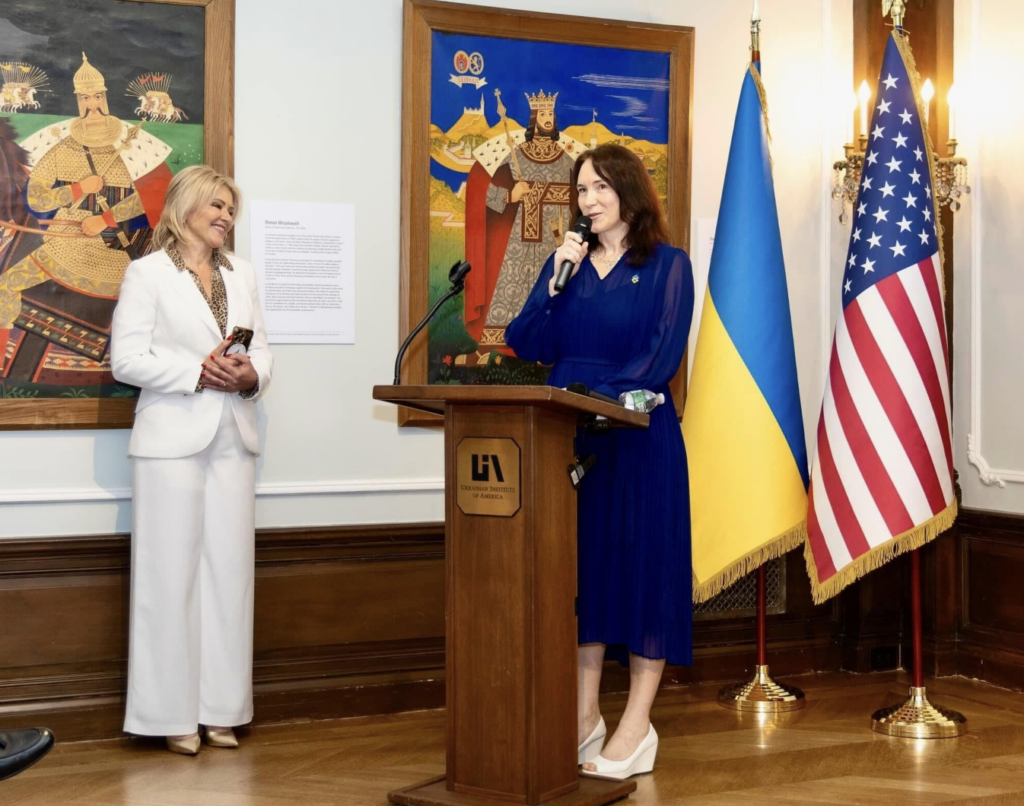
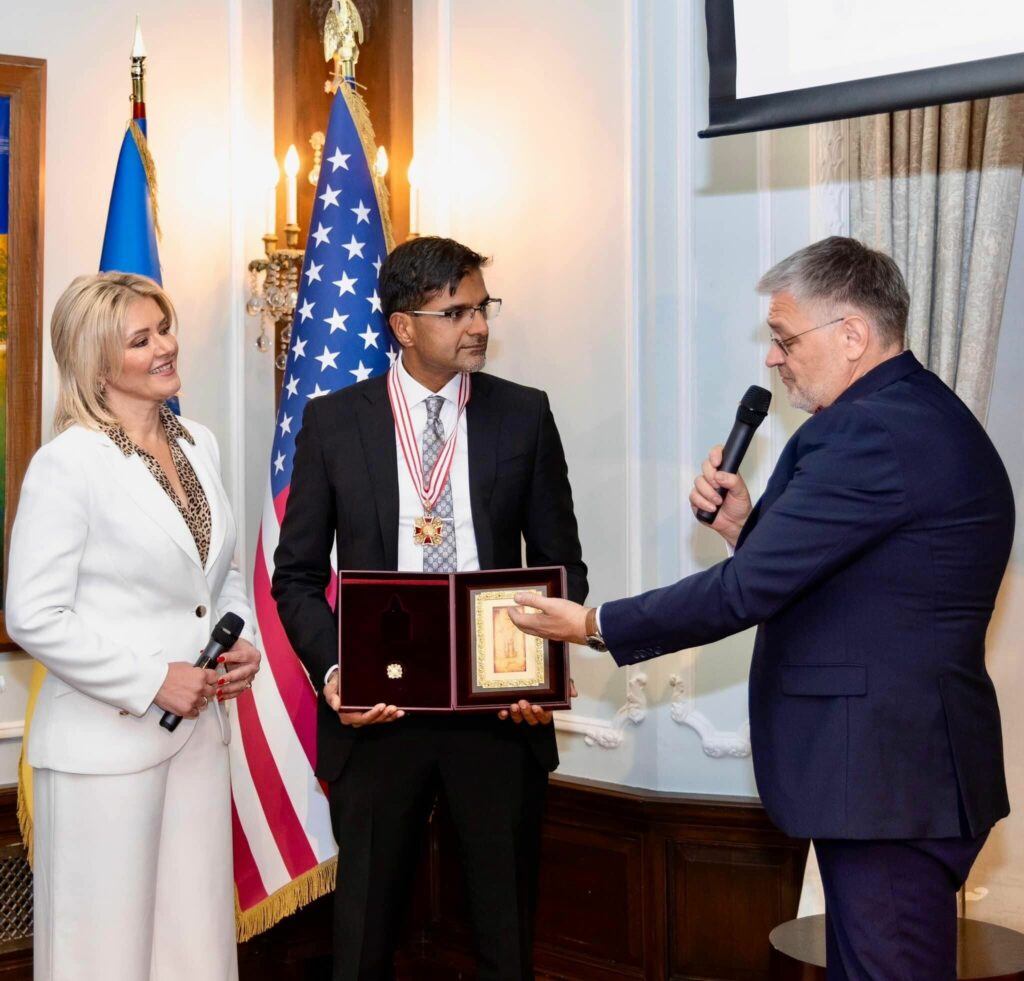
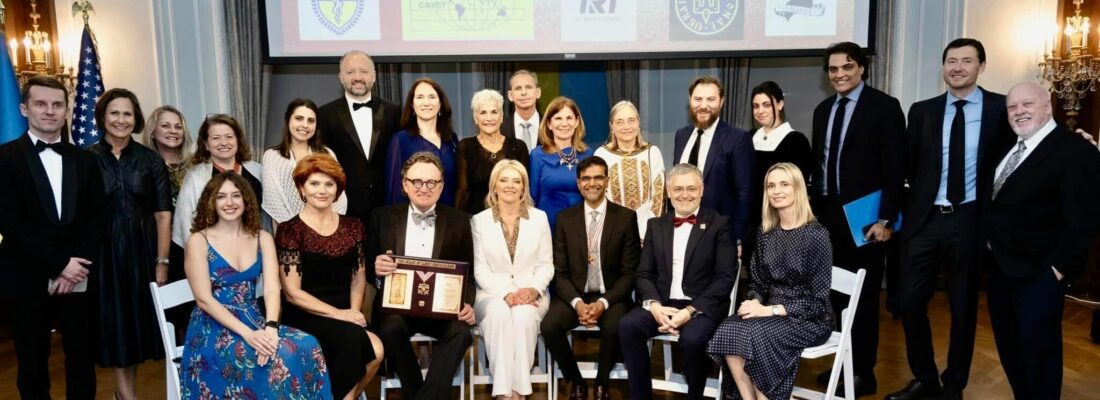
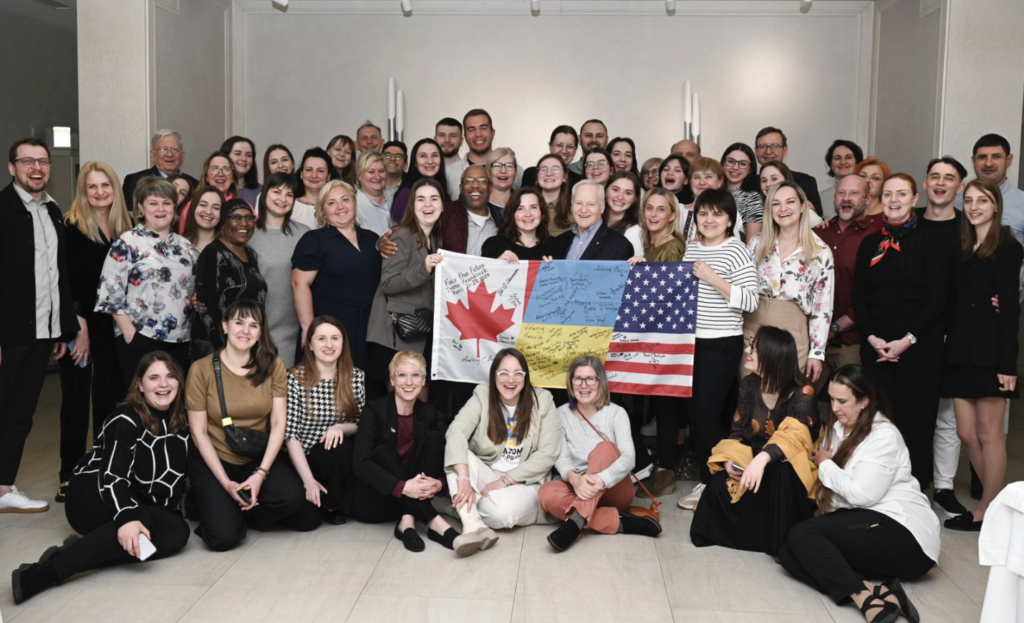
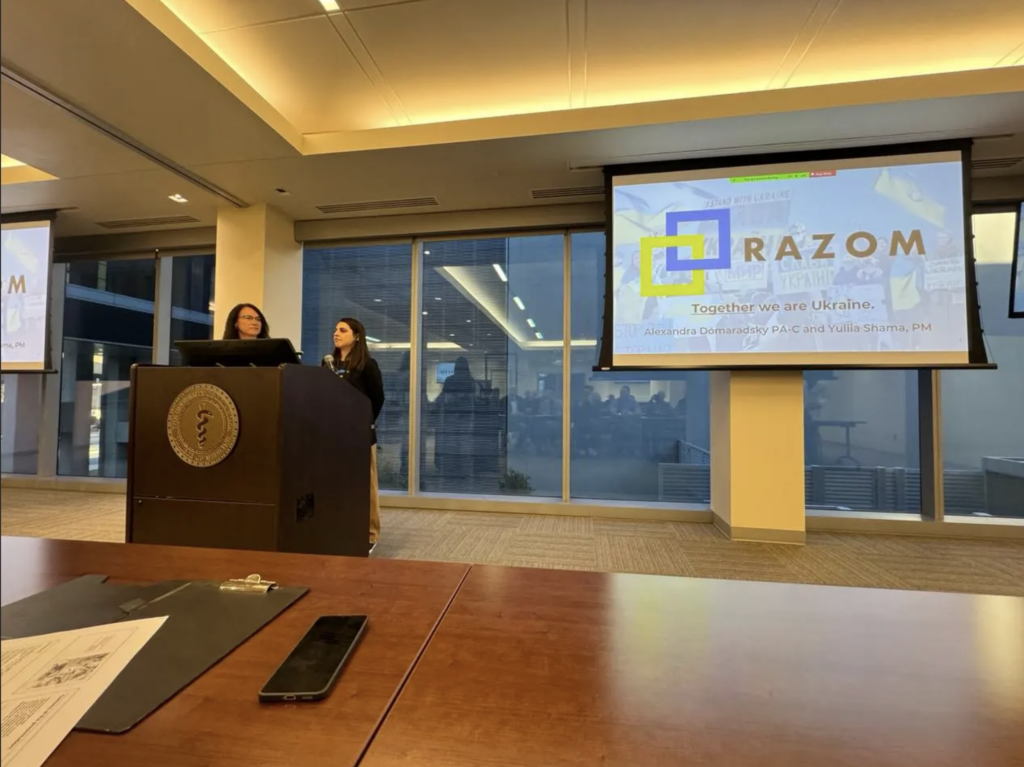
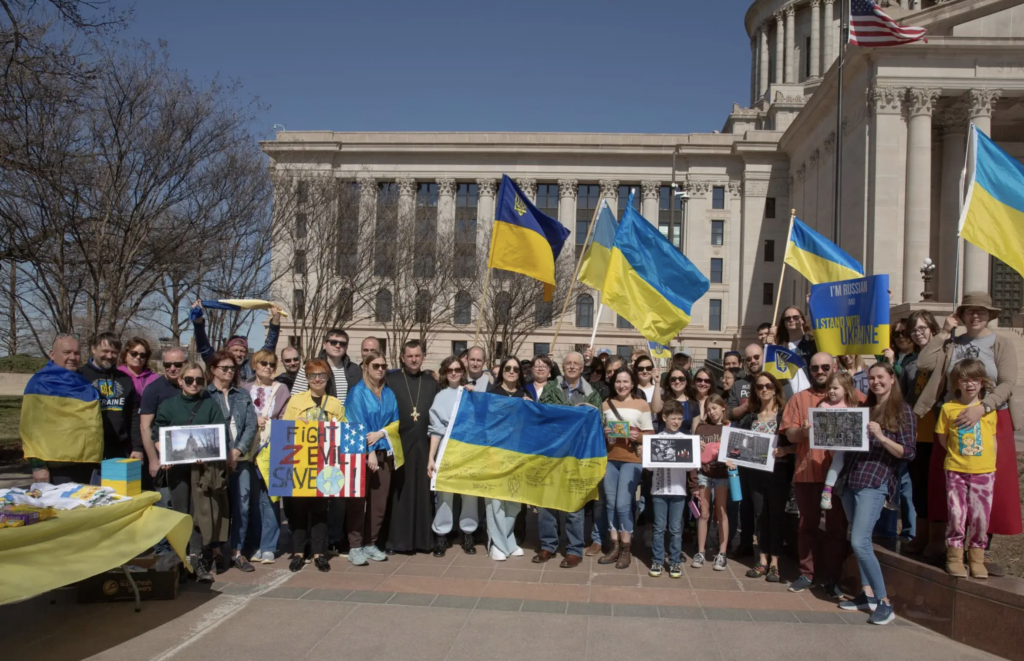
Beyond the operating room, the recent cohort of surgeons participated in a grand rounds lecture, a breakfast gathering of local leaders, and a commemorative event in Washington, DC on February 24th, marking the two-year anniversary. Attended by the local Ukrainian community, government senators and representatives, OU community members, donors, doctors, and healthcare staff, these events fostered meaningful discussions, collaborative efforts, and mutual support.
This approach underscores the profound impact of the Co-Pilot Project not only on surgical expertise but also on healthcare networks, partnerships, and advocacy, marking a significant milestone in global healthcare collaboration.
Learn more about and support the Co-Pilot Project and Razom Health.
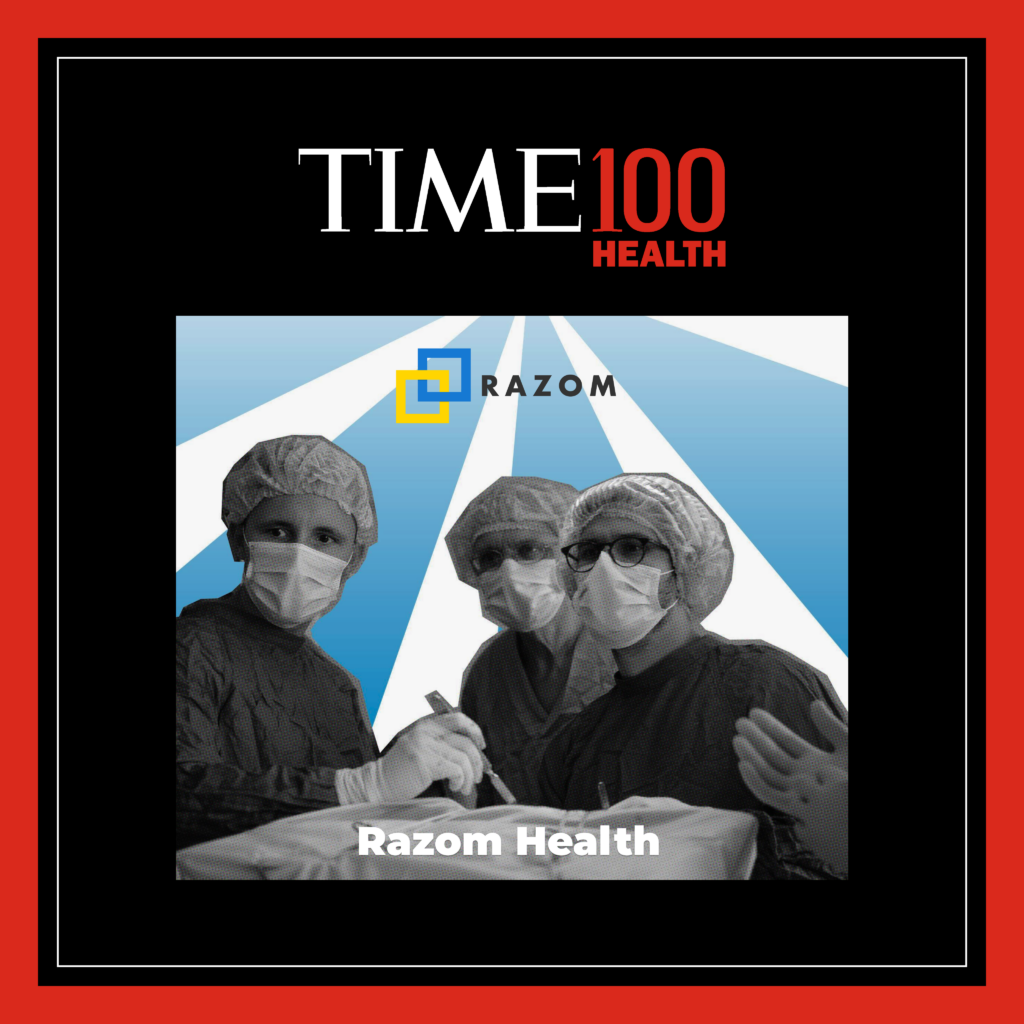
Razom is proud to be included in the 2024 #TIME100HEALTH list
Razom is proud to be included in the 2024 #TIME100HEALTH list!
Read more: time.com/RazomHealth
This recognition is a testament to the dedication of our incredible team and volunteers within our Razom Health program, who are working tirelessly to support healthcare professionals and institutions in Ukraine. 🇺🇦
Conceived in 2016 as the Co-Pilot Project neurosurgery initiative led by Dr. Luke Tomycz, Razom Health currently responds to humanitarian needs in the wake of the 2022 full-scale invasion of Ukraine. The program concerns itself with procuring and delivering medical aid, partnering with health organizations, organizing medical training and trips, and mental health support through its Razom z Toboyu centers in Ukraine.
See the full @TIME’s list of profiled honorees including Razom CEO Dora Chomiak: time.com/time100health
We invite you to learn more and support Razom’s Health Program!
International Humanitarian Conference “New Medicine – Together” in Kyiv
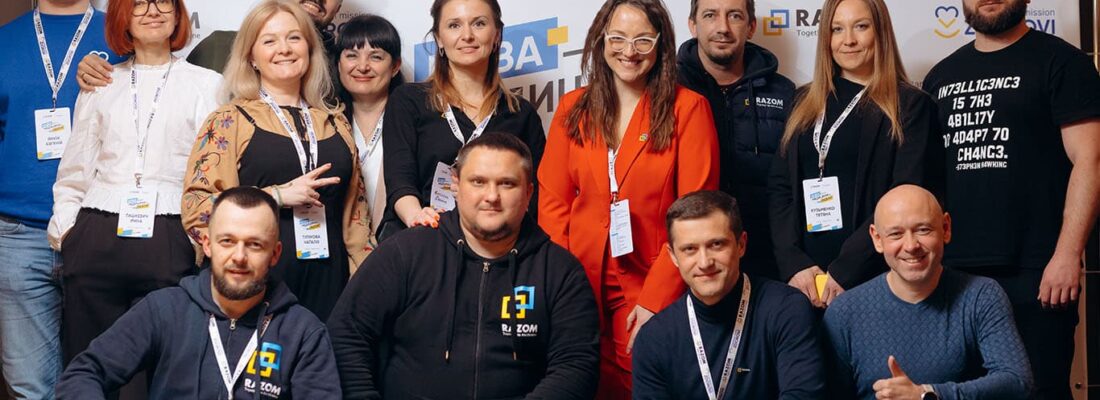
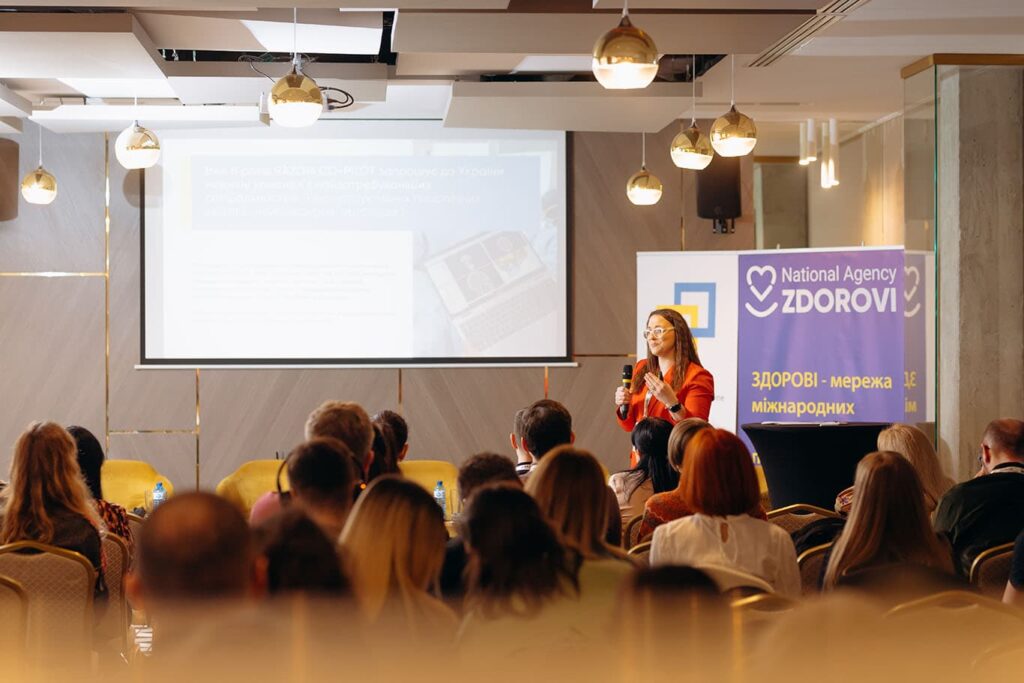
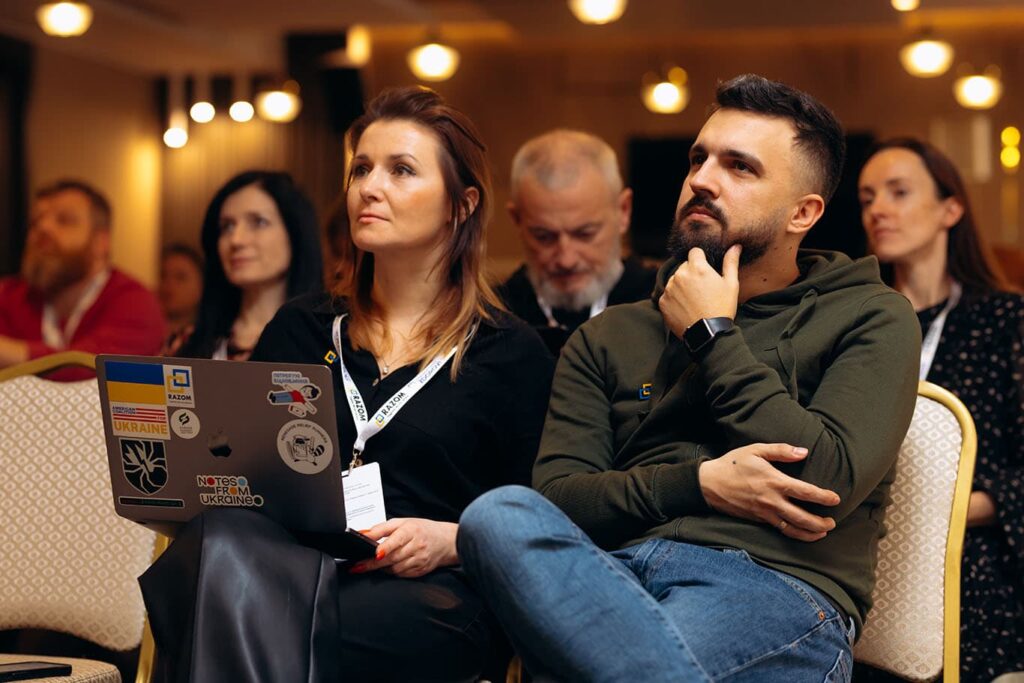
The “New Medicine – Together” conference, organized under the auspices of the national humanitarian aid agency ZDOROVI and Razom, recently brought to Kyiv, Ukraine over a hundred representatives from the humanitarian and medical fields across Ukraine and abroad.
This gathering of representatives from the Ukrainian and international humanitarian and charitable sectors, was deemed incredibly important for the resilience and development of Ukrainian medicine today. The head of the Ministry of Health discussed the department’s work and the industry’s overall priority tasks.
Natalia Husak, head of the National Health Service, presented conference participants with the results of the medical reform and innovative approaches to financing and procurement in the sector.
Speakers included representatives from the Ministry of Health, the National Health Service of Ukraine, the HEALTH CLUSTER OCHA, the Population Fund, charitable organizations like Razom, the International Medical Corps, ZDOROVI, Tabletochki, Patients of Ukraine, and others. Participants presented successful case studies of humanitarian response in light of today’s medical needs and requests.
The conference focused on:
- Assistance to servicemen, veterans, and victims of Russian aggression.
- Development of international partnerships.
- Mechanisms for managing humanitarian aid.
- Transformation of Ukrainian hospitals to international standards.
- Counteracting the destructive impact of military actions.
- Restoration of the medical sector.
- Improving accessibility and quality of medical services throughout Ukraine, etc.
“I am grateful to my colleagues for two days of fruitful joint work,” said Natalia Tulinova, founder of the National Humanitarian Aid Agency. “I am confident that the achievements and ideas we gained during this time will have a significant impact on the development of humanitarian partnerships and further support for doctors and patients in Ukraine.”
“We work every day to ensure Ukrainian medicine withstands the pressure of war, and as few people as possible lose the opportunity to receive timely and quality assistance. We face numerous challenges, but effective partnerships, sharing experiences, joint generation of new ideas and projects by responsible participants of the humanitarian, charitable, and medical sectors – this is an opportunity for all of us together to create a new Ukrainian medicine,” summed up Vitaliy Svichinsky, Director of Operations of Razom in Ukraine.
In addition to the formal program, event participants had an opportunity to engage in a community service project that the organizers dubbed “Sharing Bread”. Each attendee personally prepared treats for over a hundred residents of the Kyiv Nursing Home for Labor Veterans.
Razom is proud to have been involved in mounting this conference, an important aspect of our Health program, which aims to strengthen a modern Ukrainian healthcare system to serve Ukrainians now and after victory.
We invite you to learn more and support Razom Health.
Razom Contributes $100,000 in Aid to Sumy Hospitals
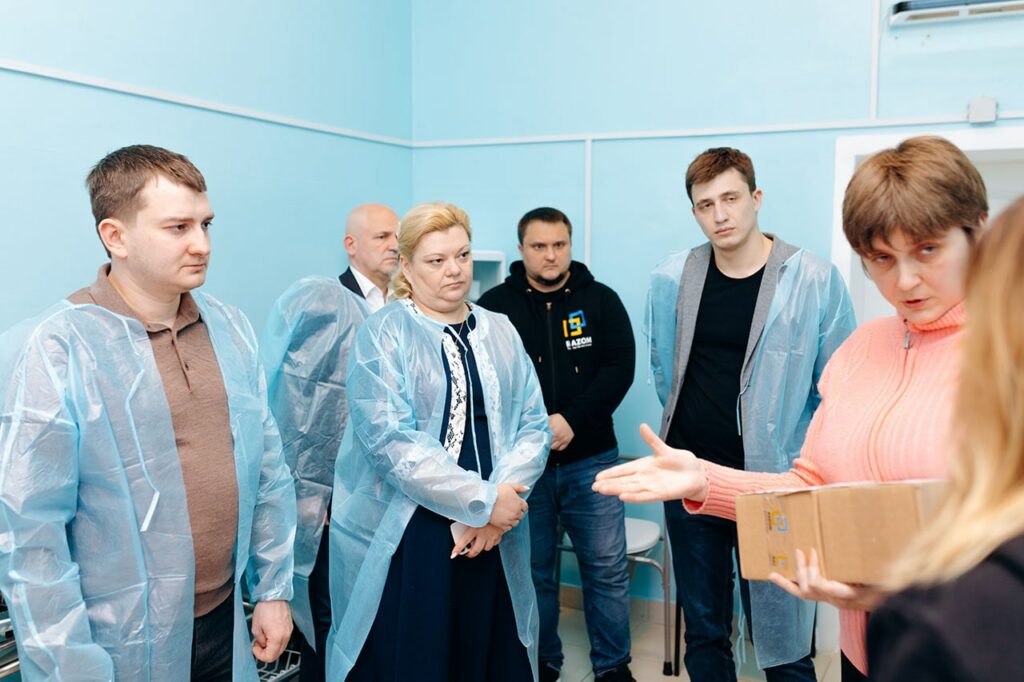
Recently, the Razom team in Ukraine undertook a working visit to the Sumy region, where donors provided much-needed aid to Sumy hospitals. During the visit, they engaged with medical staff, delivered assistance and participated in a roundtable discussion titled “Healthcare Facilities in the Sumy Region During War and Engagement of Charitable Aid.”
Since the onset of the full-scale invasion, Razom has been working with healthcare institutions in Sumy and the surrounding area.
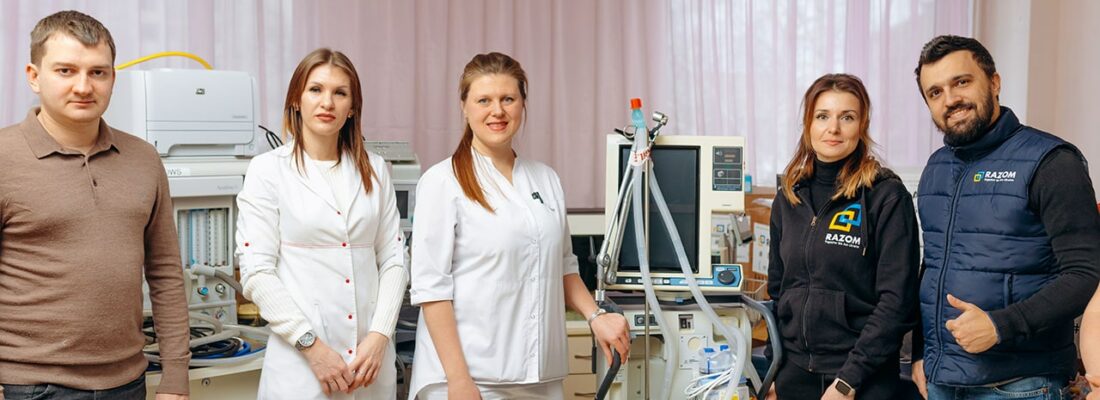
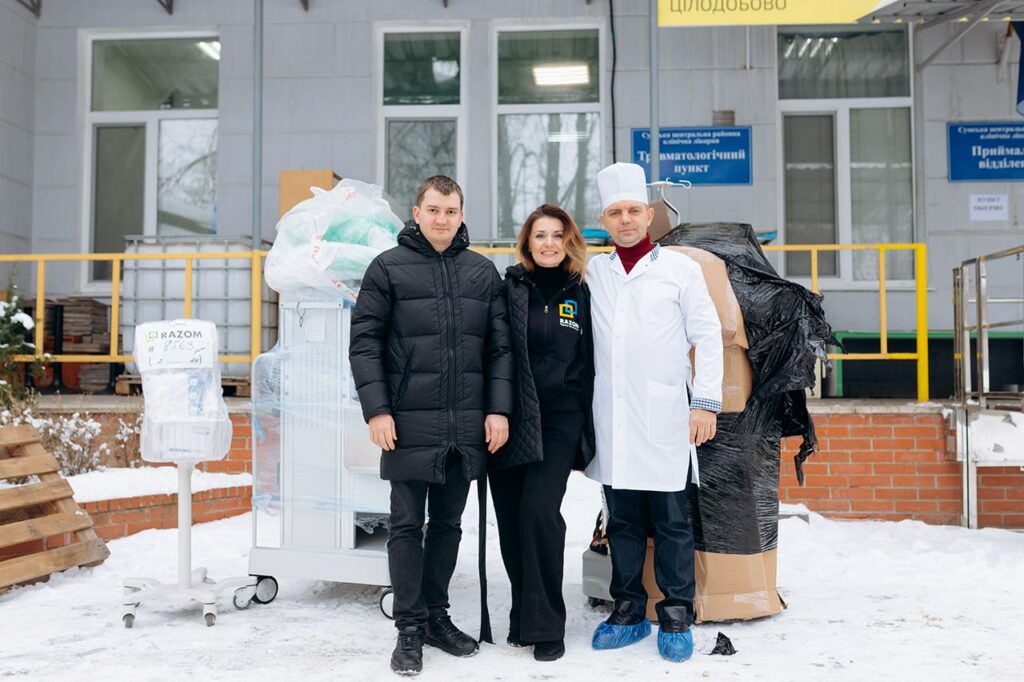
During this most recent visit, Razom’s team delivered aid to several medical institutions in Sumy, including the Sumy City Hospital of St. Panteleimon, Sumy Central City Clinical Hospital, Sumy Regional Perinatal Center, Sumy Regional Children’s Clinical Hospital, and Sumy Regional Cardiology Center. This assistance, totaling over $100,000, included equipment such as a modern anesthesia machine, incubator for newborns, ventilators, ultrasound machine, hemodialysis machine, oxygen monitor, and more.
Olena Teriayeva, a medical expert with Razom Health, emphasized the importance of this aid in allowing medical institutions to reallocate funds to other areas. By communicating directly with medical directors and verifying their needs, Razom ensures precise delivery of assistance tailored to each institution’s requirements.
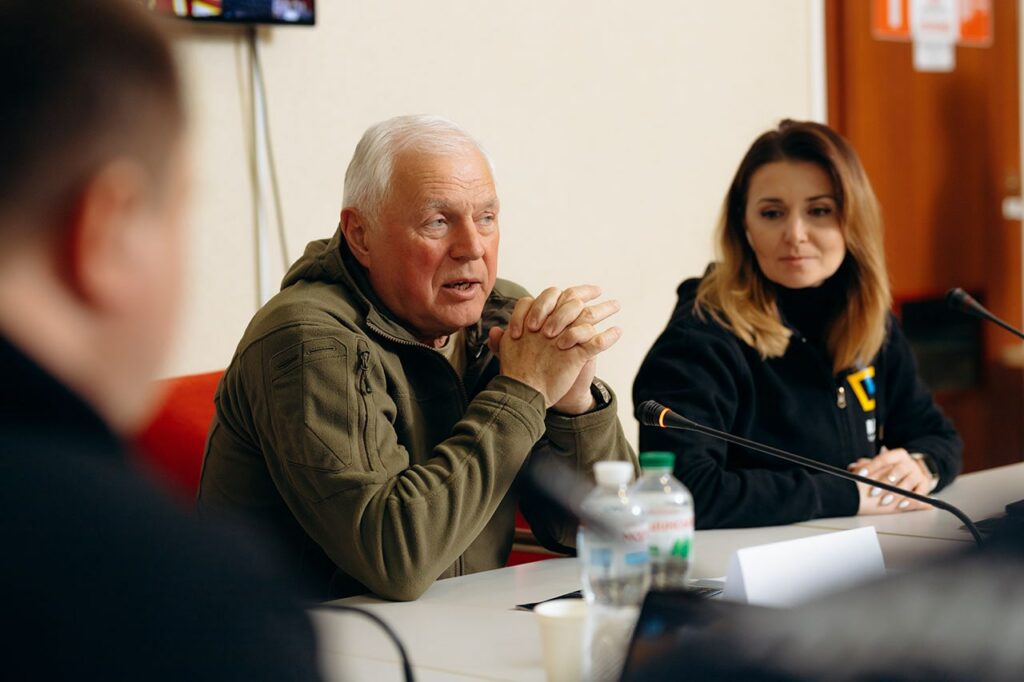
During the roundtable discussion, Razom representatives, alongside regional authorities, members of the Ukrainian Parliament, and medical institution representatives, deliberated about healthcare reform, material and technical support for hospitals, and the challenges of operating in a wartime environment.
Evelina Kurilets, Executive Director of Razom in Ukraine, highlighted the significance of supporting medical facilities in the Sumy region, given its proximity to the border with Russia and the enduring impact of the invasion on local communities. Through effective collaboration with local authorities, self-government bodies, and hospital teams, Razom has helped facilitate positive outcomes for healthcare in the region.
In 2023 alone, Razom for Ukraine delivered goods worth over $1.5 million, with an additional $600,000 allocated for medical equipment, medicines, and consumables for healthcare facilities in Sumy.
Razom for Ukraine has raised over $100,000,000 since the onset of the full-scale invasion, demonstrating unwavering support for Ukraine.
We invite you to learn more and support Razom’s Health Program!
International Orthopaedic Conference: Advancements in Trauma and Arthroplasty
Friday, March 29 – Saturday, March 30, 2024
Join us for a comprehensive two-day conference for orthopedic surgeons interested in expanding their knowledge in trauma and arthroplasty. Our panel of speakers is composed of international, national, and regional experts in their respective fields. The conference will encompass a wide array of topics crucial to modern orthopedic practice, including amputations, upper and lower extremity injuries, complex fractures, total joint replacements and more. A dedicated segment will focus on discussing challenging cases that participants submit prior to the conference. A selection of surgeries will be live-streamed in English and Ukrainian with the operating surgeons available to answer questions.
Location:
Hosted by the First Medical Union of Lviv St. Panteleimon Hospital and Unbroken Rehabilitation Center in partnership with Razom for Ukraine
Located in the Clinical Municipal Communal Emergency Hospital Conference Hall at Ivan Mykolaichuk St, 9, Lviv, Lviv Oblast, Ukraine, 79000
Directors:
Schedule:
- Friday, March 29, 2024: Presentations with Clinical Case Discussions in the Afternoon
- Saturday, March 30, 2024: Live Surgery with available Ukrainian translation
Arthroplasty Topics:
- Unicompartmental knee replacement update.
- Extensile exposures during hip arthroplasty.
- Unicompartmental versus High tibial osteotomy in the athlete.
- Periprosthetic fractures; best options for stable fixation.
Trauma Topics:
To be announced
Speakers:
To be announced
Participants:
- Ukrainian surgeons with a specialty or interest in orthopedic trauma or arthroplasty.
- In-person maximum of 180 participants with an unlimited maximum of online participants.
- The conference will be held in English with Ukrainian translation.
For in-person participants, registration includes: entry to conference presentations, case discussions, and conference space with the ability to ask questions during live surgery, refreshments, and lunch for the two conference days, certificate accreditation from Unbroken.
For virtual participants, registration includes: access to all presentations, case discussions, and access link to live surgeries. e-certificate for presentation and participation.
Complimentary lunch and refreshments will be provided by the conference for both days. Please book your own travel and accommodations to the conference, those will not be included.
By enrolling for the conference, you hereby acknowledge and accept the following terms and conditions:
The organization reserves the right to modify the program, date, and/or venue of the conference at any time without prior notice. The organization is absolved of responsibility for any loss or damage arising from substitution, alteration, postponement, or cancellation of the event due to causes beyond its control. The organization retains the right and holds sole discretion to cancel any conference at any time in the event of unavoidable and unforeseeable circumstances. In the event of cancellation, the organization will make reasonable and suitable alternative arrangements, such as posting the cancellation on the official event website to inform those who have booked arrangements for the event.
Learn more about and support the Co-Pilot Project and Razom Health.
Generous Healthcare Donations Illuminate the Spirit of Giving
The holiday season brings a spirit of compassion and giving. Two major donations recently accepted by Razom Health illuminate this spirit and the positive impact created by our partnerships. The contributions from Dr. Rocco Armonda, and Partners for World Health brought much-anticipated medical supplies to assist healthcare efforts in Ukraine. The commitment and generosity demonstrated by these donors is commendable, and their contributions will undoubtedly help alleviate the stress on Ukraine’s health system.
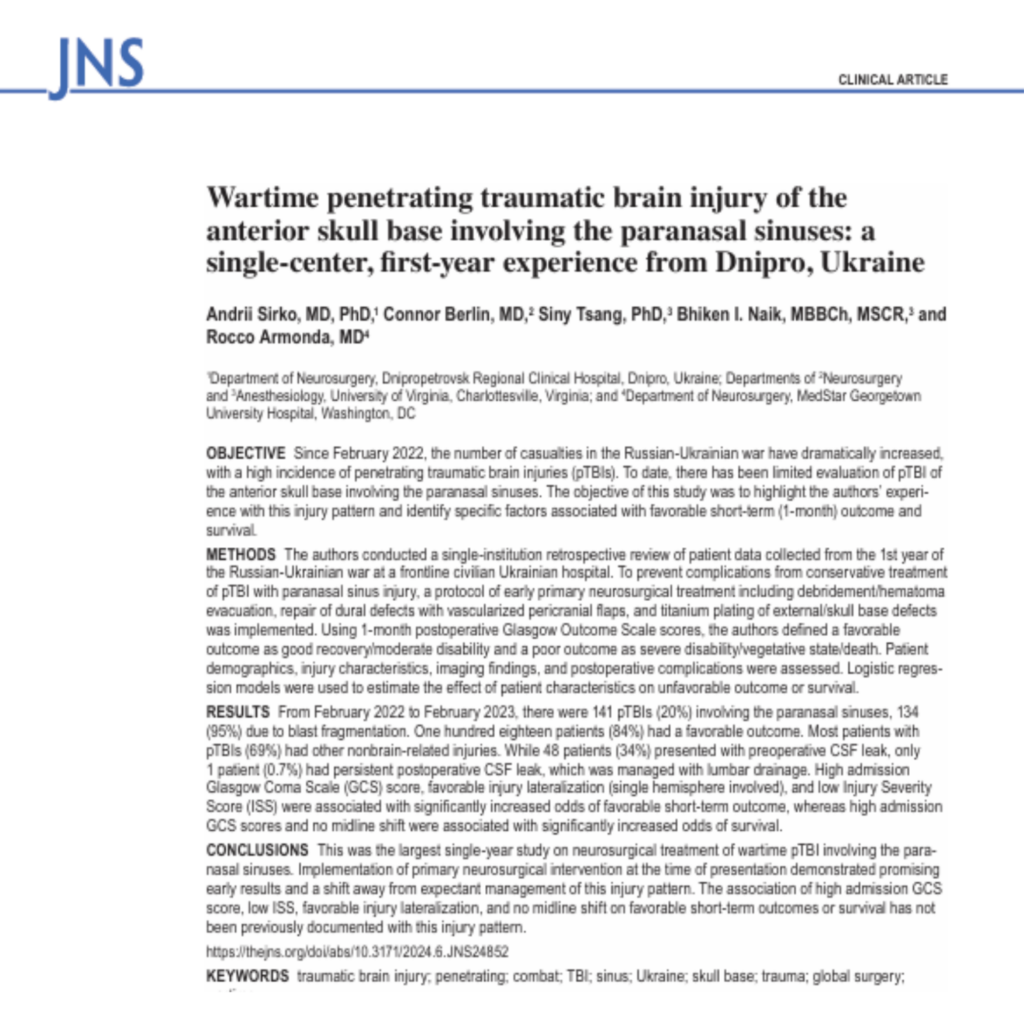
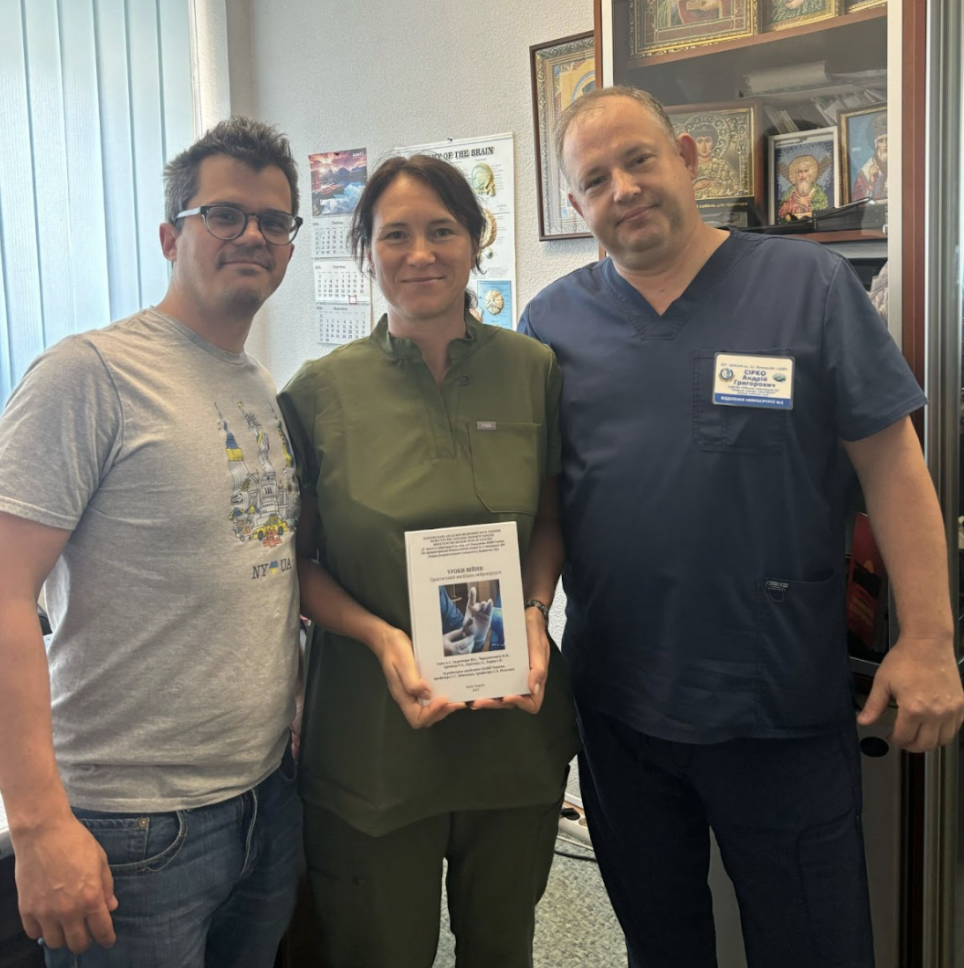
Razom Health expresses heartfelt gratitude for the impactful gift from Dr. Rocco Armonda, which arrived at Dnipro Mechnikov Hospital: four pallets of neurosurgical supplies. This valuable donation is crucial to the dedicated doctors, who heroically save lives every day. The delivery is Dr. Armonda’s twelfth shipment since the full-scale invasion began, bringing the total to 29 pallets, weighing over 5,000 kilograms, with a value exceeding 4 million USD. Razom Health is grateful for Dr. Armonda’s continued support over the past two years, contributing significantly to our cause.
A long-awaited container of medical supplies from Partners for World Health (PWH) has arrived in Ukraine, marking the first time Razom Health has navigated a new tracking system required by the Ukrainian government. This donation from PWH is the fourth in the past two years, a testament to the organization’s stalwart commitment to support healthcare efforts in Ukraine. With a total weight of 22,000 pounds, the 40-foot container boasts an entire emergency hospital’s worth of supplies, a treasure trove of high-quality medical equipment and supplies including hospital beds, stretchers, defibrillators, ultrasound machines, and various essential medical consumables. We are truly grateful for the tireless efforts of PWH donors and volunteers to ensure that these vital resources reach those in need.
Once again, Razom Health would like to express our appreciation for all of these partnerships and substantial contributions. As we celebrate the season of giving, these transformative healthcare donations serve as inspiring reminders of the impact that partnerships like these have on communities in need. The stalwart support from Dr. Rocco Armonda and Partners for World Health embodies the true spirit of the holidays, offering hope, healing, and a brighter future for Ukraine.
Razom says Dyakuyu!
Thank you to our esteemed partners and individuals for their invaluable support: Institutional Support – Duke University Neurosurgery, Thomas Jefferson University Neurosurgery, MedStar Georgetown University Neurosurgery, Miami University Hospital Neurosurgery, Balt Corporation, Doro, NeuroOptics (Pupillometry), Longevity (Cranial Implants), Neurovascular Divisions for Medtronic, Stryker, and Microventions, Uniformed Services University of the Health Sciences, Jackson Foundation, Mizuho Microsurgical Sugita Aneurysm Clips, Raumedic Neuromonitoring, Baxter Hemostatics.
Special Recognition to – Ivan Bezkoravanny, Heidi Armonda, Michelle Armonda, Dr. Mario Golokovsky, Dr. Catherine Reilly and Family, Jeremy Kaczaniuk, Steve Brown, Dr. Gerry Grant (Chairman of Duke Neurosurgery), Dr. Rober H. Rossenwasser (Chairman of Neurosurgery Thomas Jefferson University), Dr. Maxim Shapiro (NYU NeuroIR), Alex Razmovsky (PhD), Ken Green (DDS).
We invite you to learn more and support Razom’s Health Program!
Lorem ipsum dolor sit amet, consectetur adipiscing elit. Ut elit tellus, luctus nec ullamcorper mattis, pulvinar dapibus leo.