

It feels almost surreal to sit across from Svitlana Blinova in the basement of Lviv City Hall. Down here, in a concrete shelter, we are waiting out news of a possible missile strike. It is the safest place to conduct an interview today. Svitlana smiles softly as she speaks – composed, thoughtful, almost delicate in appearance. And yet, as she begins to tell her story, it becomes clear that she is exactly the kind of leader Ukraine has produced in wartime: steady, determined, and quietly transformative.
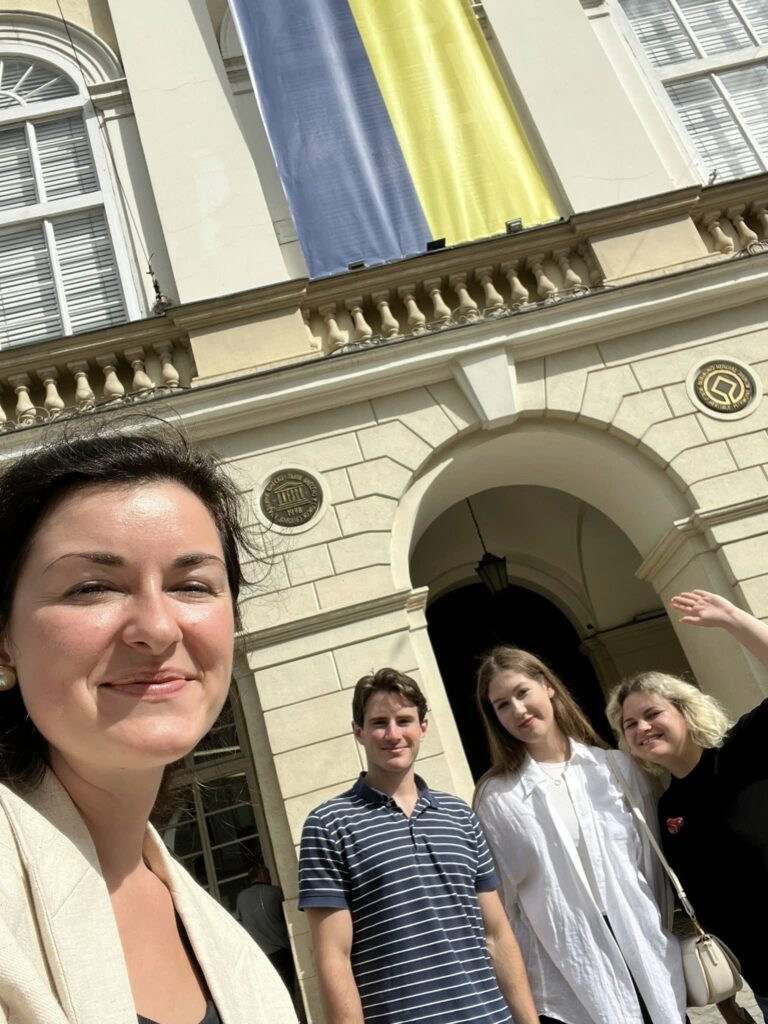
Razom first met Svitlana not at a conference or on a panel – but through partnership. Through the inaugural Impact UA internship program, developed by Razom and Brave Generation, Svitlana’s organization Cities4Cities hosted Aidan Stretch, a recent Yale graduate focused on history and journalism. From the start, Svitlana stood out.
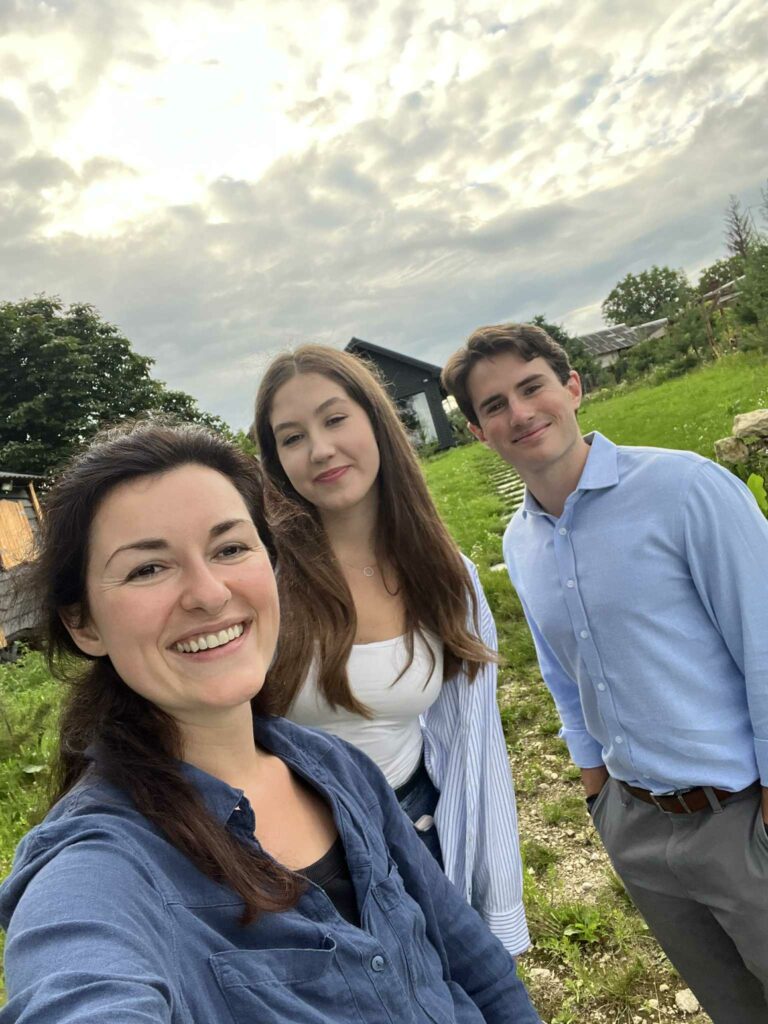
She did not simply assign tasks. She took Aidan under her wing. She brought him into the real work of building international municipal partnerships. And later she went further, bringing him to her grandparents’ village outside Lviv so he could experience rural Ukrainian life firsthand. Her grandmother cooked potatoes grown on their own land. Her grandfather, who does not speak English, offered a simple “hello.” It was not staged hospitality. It was trust.
That experience shaped Aidan’s reporting and the work he now continues as a freelance journalist based in Kyiv, contributing to outlets such as The Kyiv Independent and CBS. Through his writing, American audiences encounter Ukrainian municipalities not as abstractions, but as communities rebuilding, partnering, and leading.
Svitlana’s commitment impressed us. And we kept watching her work. Born in 1991 – the year Ukraine regained independence – Svitlana’s life has unfolded alongside the country’s own search for voice and agency. She studied journalism and law, but her real education began during a summer internship at Lviv City Council. Officially, it was four hours a day. In practice, she stayed fourteen.
Before the full-scale invasion, she worked on municipal development strategies. On February 24, 2022, she packed a shelter bag for her family and went straight to City Hall asking one thing: How can I help? Within days, she helped coordinate international journalists. Soon after, she redirected humanitarian aid from Lviv to harder-hit communities. From that emergency response grew something more lasting.
Together with the City of Lviv, SALAR International (part of the Swedish Association of Local Authorities and Regions), and the German city of Sindelfingen, Svitlana helped launch Cities4Cities, which is now a robust platform connecting Ukrainian municipalities with European and American partners. Today, the network spans nearly 100 municipalities across seven EU countries and the United States. For Svitlana, sister-city agreements are not paperwork. They are relationships. “International cooperation is not magic,” she says. “It’s soft skills.”
Through the Cities4Cities Academy, her six-person team trains municipalities across Ukraine to identify their priorities, seek aligned partners, and build sustainable, win-win cooperation. There are over 1,400 municipalities in Ukraine. The scale of the task is immense.
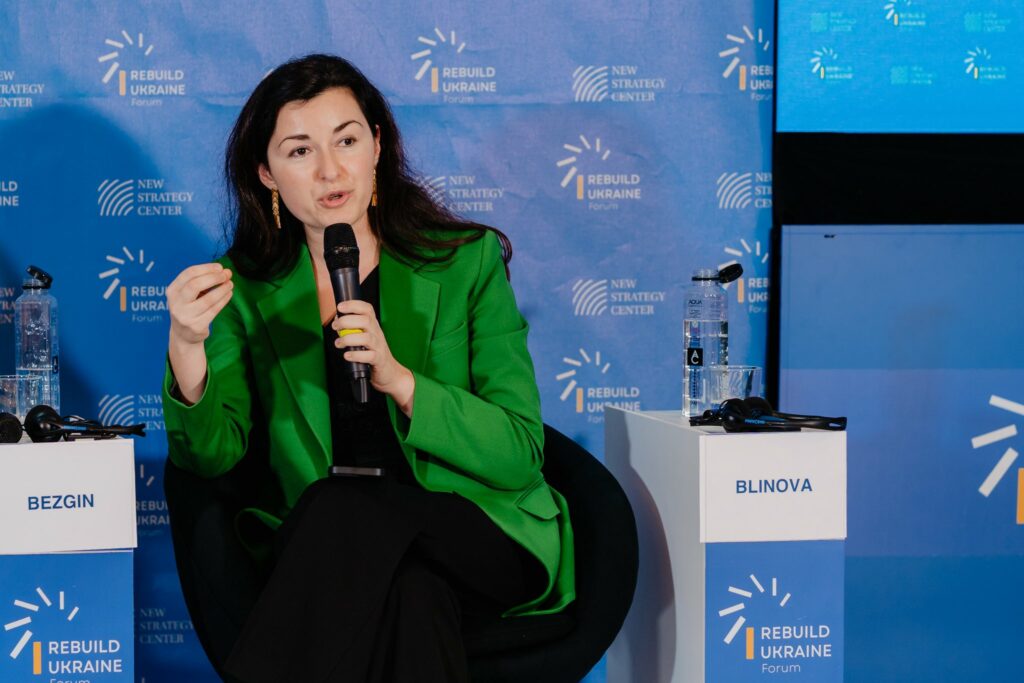
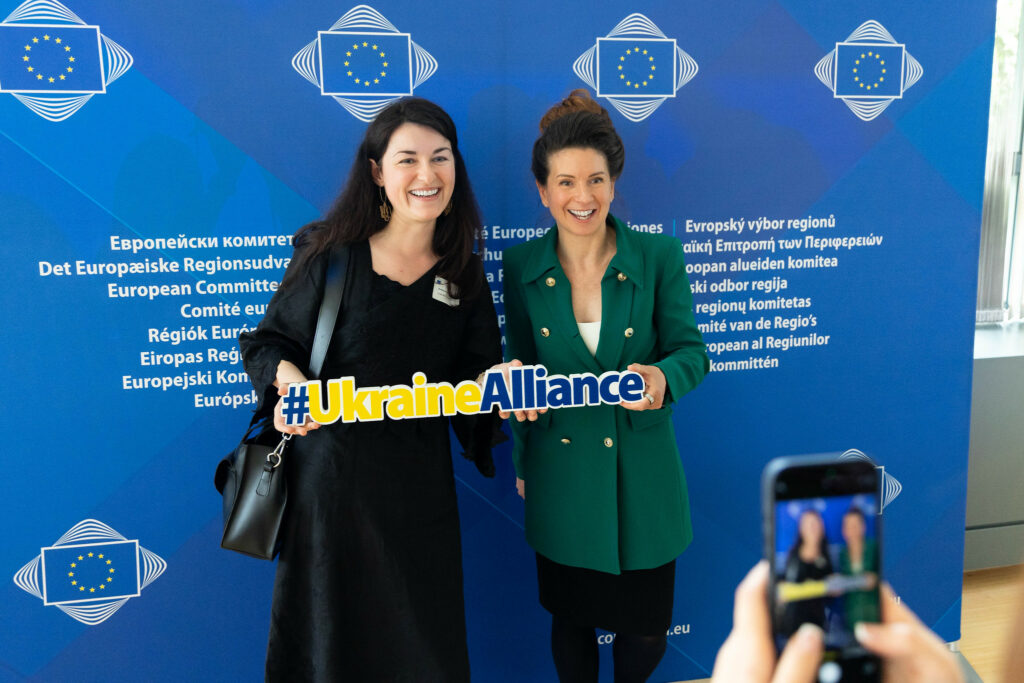
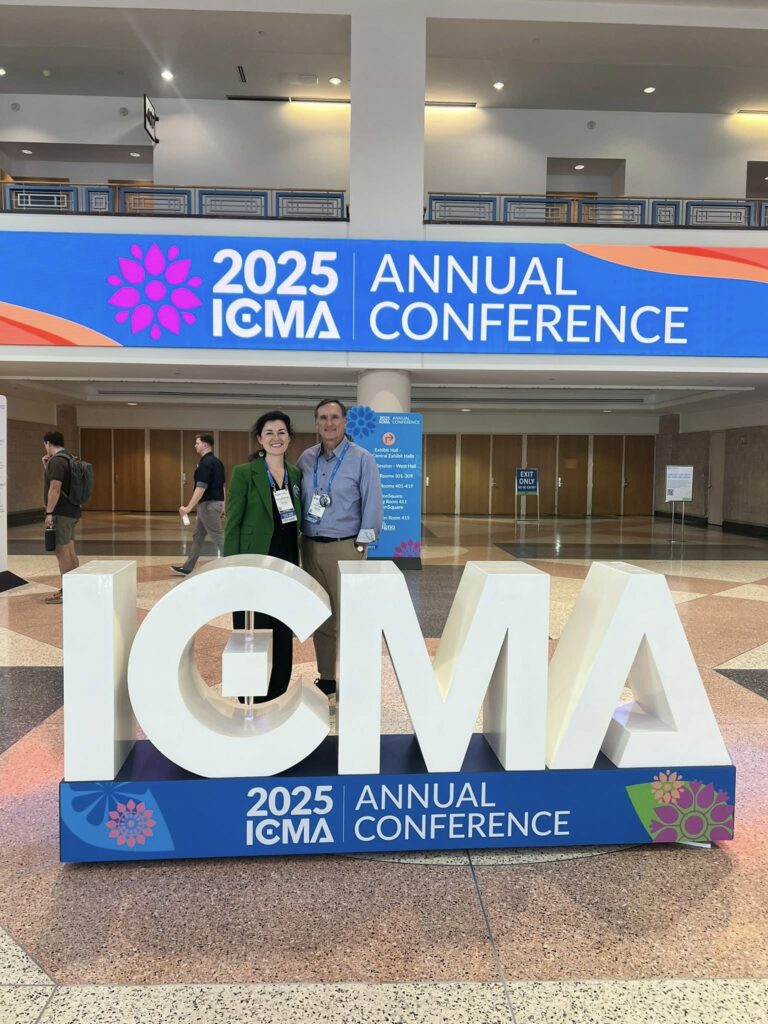
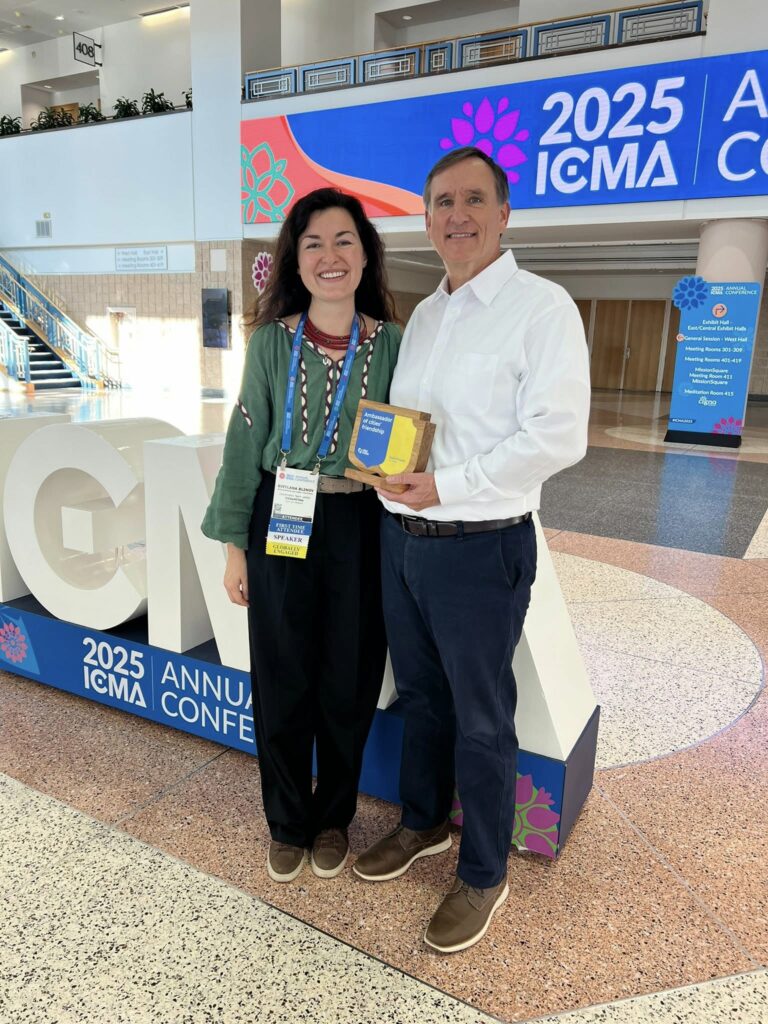
And then came a moment that could change everything. Last year, Svitlana received an invitation to speak at the International City/County Managers Association conference in Florida, one of the most influential gatherings of municipal leaders in the United States. The registration fee was waived. She secured a visa just two days before the event. But she did not have the money for a last-minute plane ticket – nearly $1,000. For many civic leaders in Ukraine, that is where opportunities end. There is no simple travel grant to apply for on short notice. No rapid-response fund for moments like this. Conferences move on. Connections are lost.
Because we had already worked with Svitlana through Impact UA – because we had seen her leadership up close – Razom stepped in through our Razom Sylnishi program, which strengthens Ukrainian civil society leaders. Within days, the ticket was secured. “That ticket was the missing puzzle piece,” Svitlana says.
The impact was immediate. Standing before American city managers – in a country she had never spoken publicly in, in a language she only began studying after the invasion – Svitlana presented the case for partnering with Ukrainian municipalities. When she finished, there was a line of leaders waiting to speak with her. Today, she carries a stack of business cards from U.S. municipal officials eager to build sister-city partnerships. Those conversations are already translating into new connections – opening doors for Ukrainian communities seeking expertise, collaboration, and long-term integration with American counterparts. A $1,000 plane ticket did not just fund travel. It unlocked access. It accelerated U.S. engagement. It shifted the trajectory of Cities4Cities’ expansion into America. This is what catalytic support looks like. And Svitlana’s leadership does not stop there.
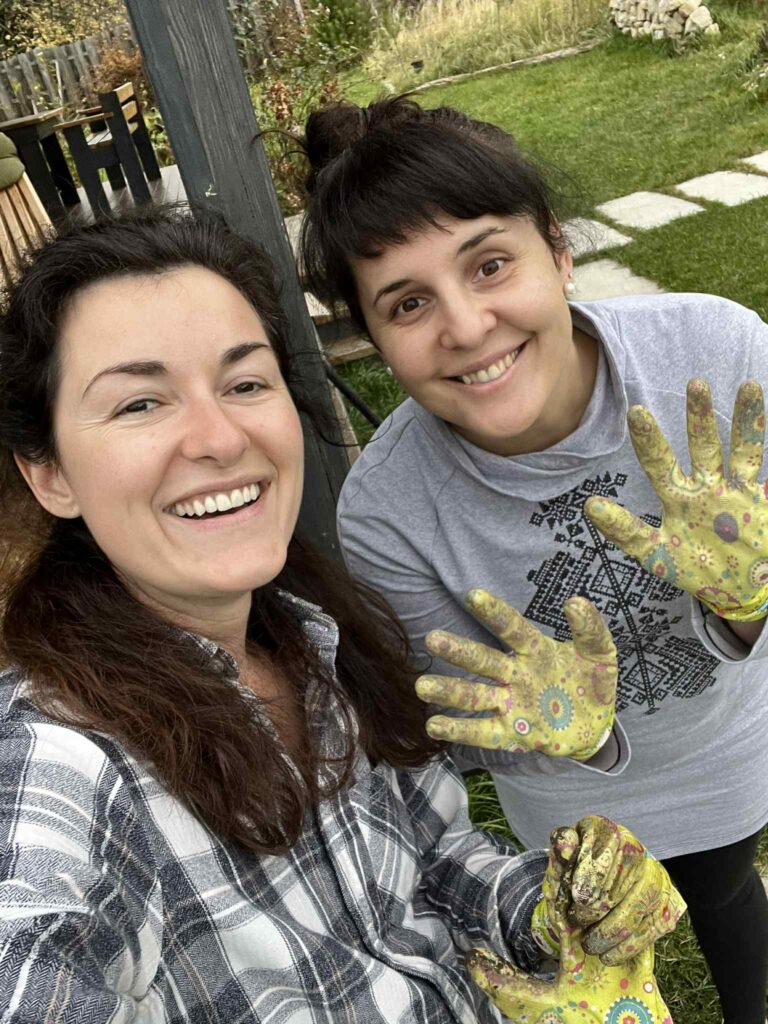
After burning out in a previous political communications role, she once spent a summer living in a tent in her grandparents’ village. Seeing its decline, she helped mobilize residents to rebuild it through securing grants, improving roads, creating a youth coworking and cultural space, and launching a regional tourism brand marking forest routes across multiple municipalities.
She and her husband built a small guesthouse in the village. When the war began, he became a defender. She finished the house herself. Today, it ranks in the top 10% of Airbnb listings worldwide. She personally communicates with guests and even offers “voluntourism” stays in exchange for beautifying the community. “This house is from my heart” – she says.
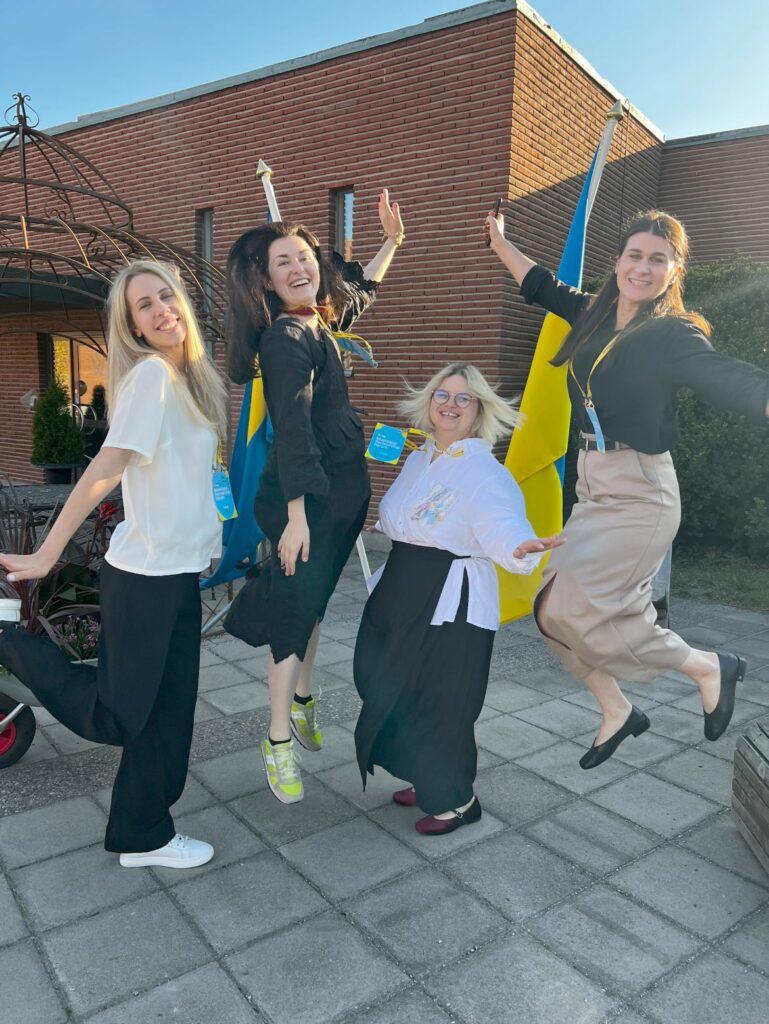
At the start of the invasion, Svitlana briefly relocated to Poland – only to return. “I didn’t feel that I was with my people,” she says. She later chose to have a second child during wartime. “We will rebuild Ukraine also with kids.”
In the quiet of the shelter beneath Lviv City Hall, it becomes clear that leadership like Svitlana’s does not seek attention. It builds systems. It strengthens communities. It studies English at night so Ukraine can speak to the world.
Razom did not create Svitlana Blinova. Ukraine did. But sometimes, what makes the difference between a missed opportunity and a transformative one is the ability to act quickly – to remove one obstacle at exactly the right time.
One plane ticket. One missing puzzle piece. And the ripple effect continues.
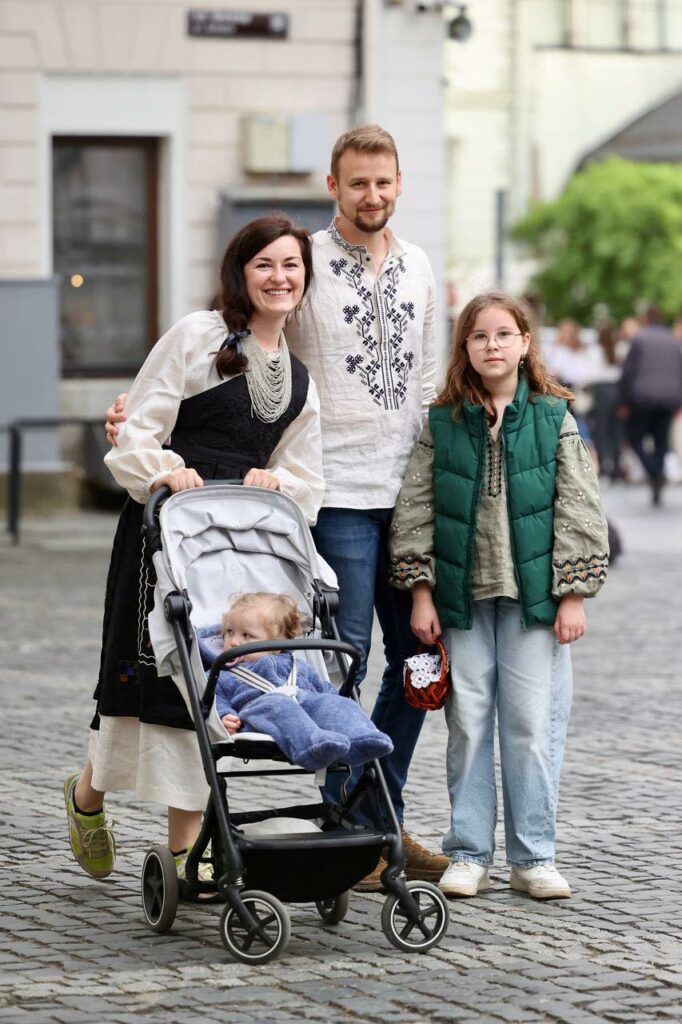
And when leaders like Svitlana are met with trust, flexibility, and timely support, their impact multiplies far beyond a single conference, a single partnership, or a single moment. It ripples outward – connecting cities, strengthening communities, and weaving Ukraine more tightly into a global network of solidarity that will help shape its recovery for years to come.
If you believe in leaders like Svitlana – pragmatic, courageous, and deeply rooted in their communities – we invite you to stand with them. Your support allows Razom to continue providing the flexible, rapid-response backing that turns pivotal moments into lasting impact for Ukraine.