
In Ukraine’s frontline regions, police officers are often the first on the scene after missile strikes and mass-casualty attacks, arriving before ambulances can reach the site. Their actions in those first minutes often determine whether someone survives.
In these moments, it’s practice under expert guidance, repeated until the response becomes instinctive, paired with the right equipment, that determines the outcome.
With support from the Howard G. Buffett Foundation, Razom for Ukraine launched a project to strengthen the medical response capability of the National Police of Ukraine in the Dnipropetrovsk and Zaporizhzhia regions, which are frequently targeted by Russian attacks.
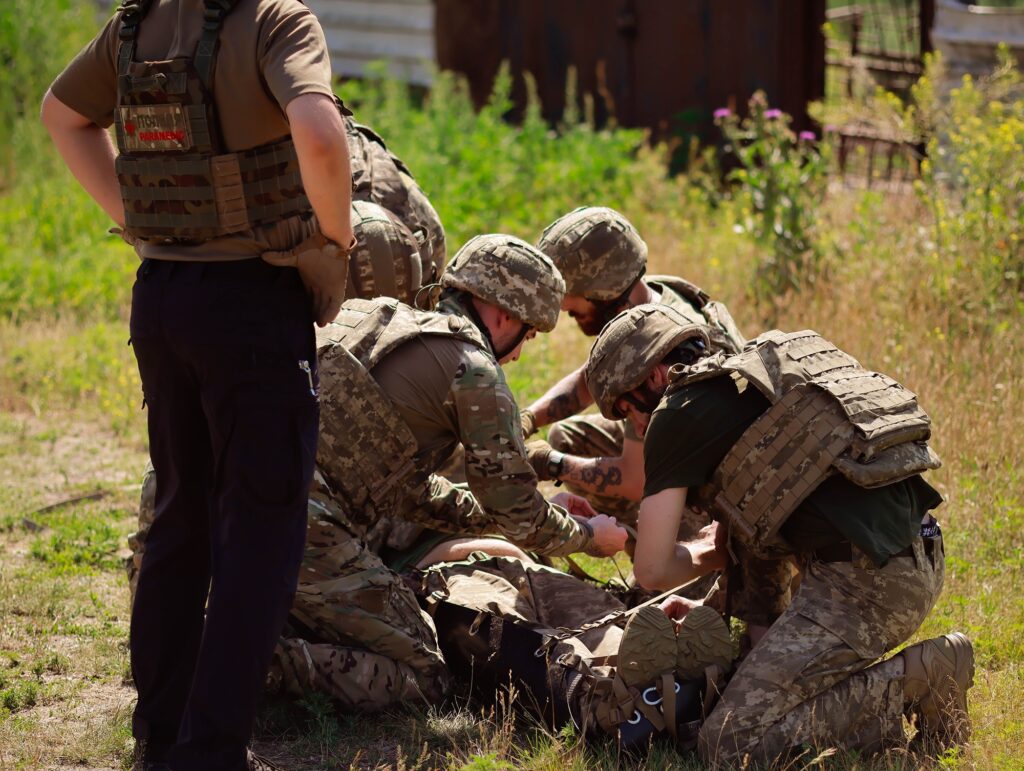
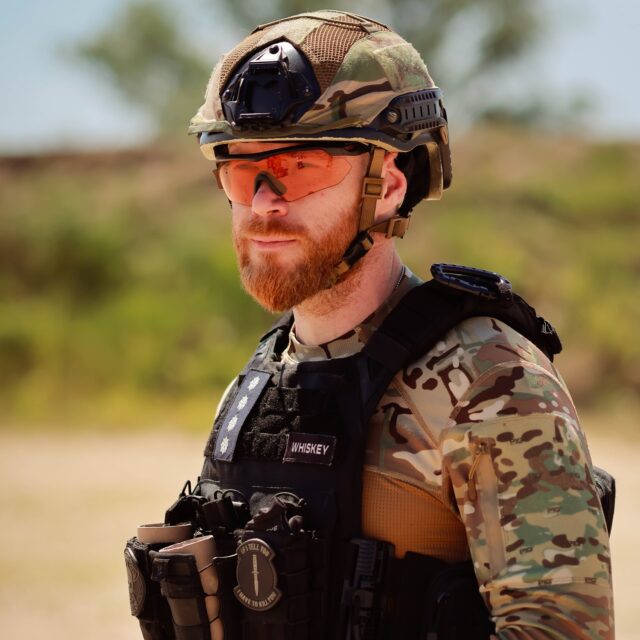
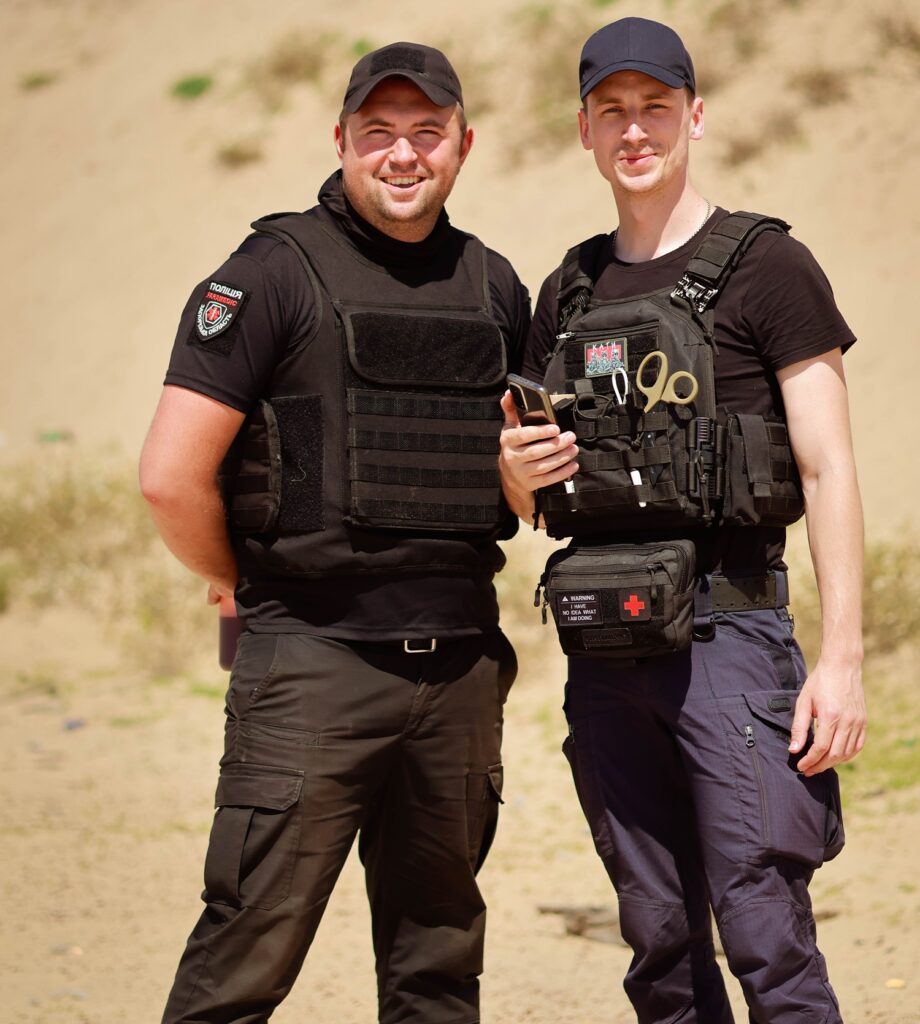
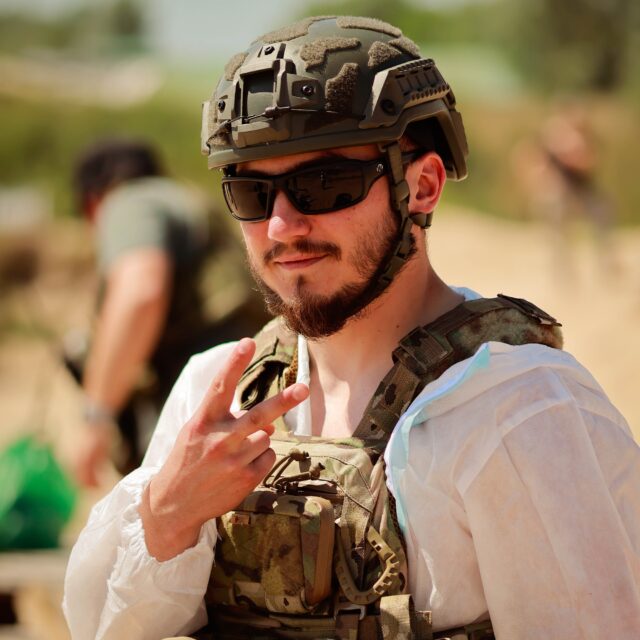
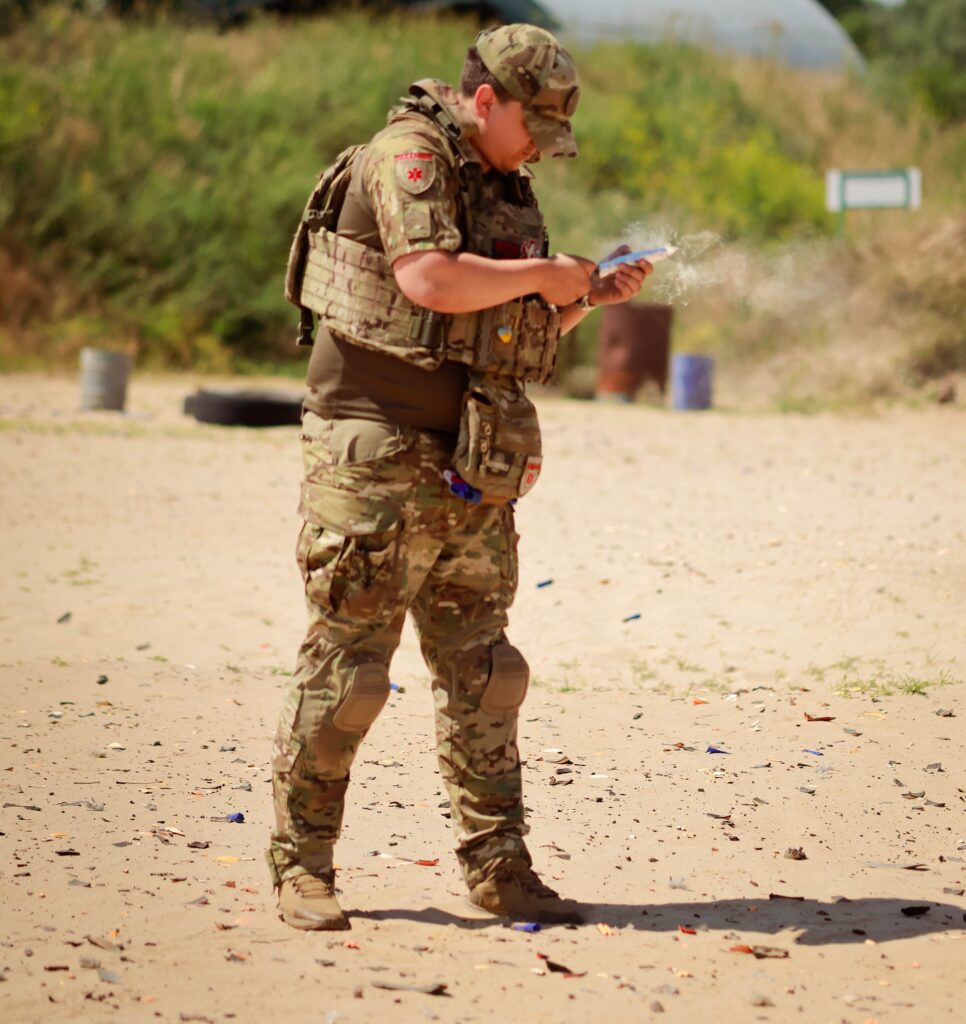
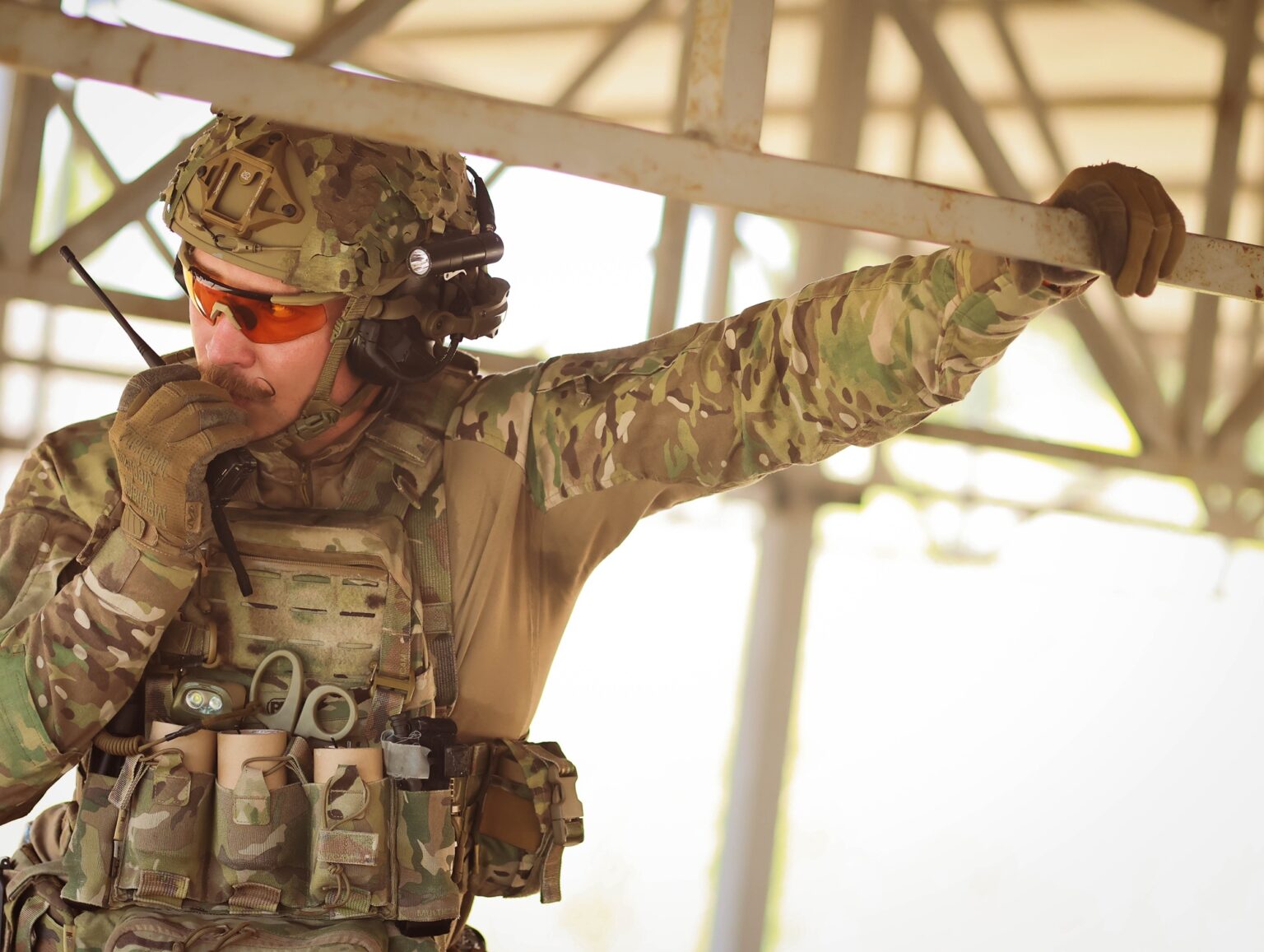
Police officers completed training based on Tactical Combat Casualty Care (TCCC) protocols, at levels ranging from Combat Lifesaver to Combat Medic/Corpsman depending on the student, alongside training in Point-of-Care Ultrasound (POCUS). Training was paired with equipment, so officers left with the tools they need to apply these skills directly in the field.
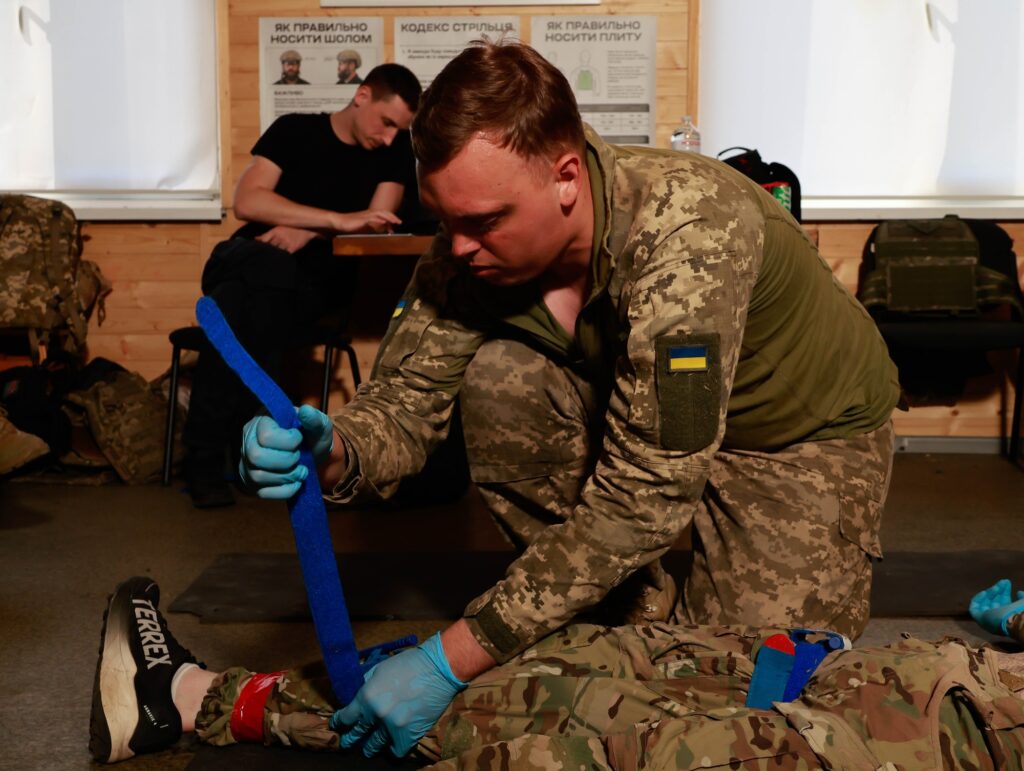
Participants practiced interventions that are critical in the first minutes after injury: controlling massive bleeding, maintaining a patient’s airway, identifying signs of shock, stabilizing casualties, conducting triage, and preparing patients for evacuation.
Maksym Zhurba
Since the start of the full-scale invasion, the nature of our work has changed drastically. Patrol officers are often among the first to arrive at the scenes of ballistic missile and drone strikes, where seconds decide everything. Having first aid skills in these moments is critical.
Oleh Danilov
Our responsibilities have transformed completely: police are now the first line of response at strike locations and during evacuations. The risks are higher, and the time to save a life is measured in minutes.
The CLS (Combat Lifesaver) course gave me the confidence to act quickly under pressure and follow the MARCH protocol step by step.
Serhiy Pavliv
The skills I gained during training have already proven vital during missions in the Zaporizhzhia region.
During wartime, our job looks completely different: we arrive first at shelling sites, evacuate civilians, and provide trauma care. This knowledge allows us to buy time and preserve lives until medical teams arrive.
Darya Arbuzova
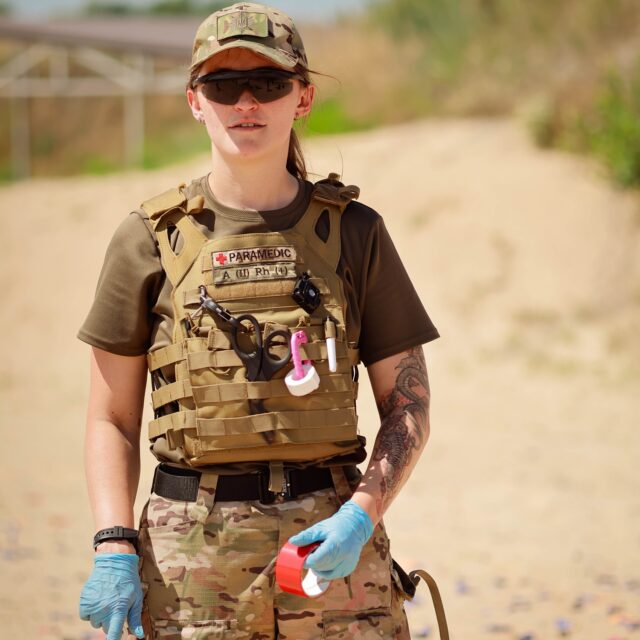
With the onset of the war, the National Police in Zaporizhzhia formed a mobile medical response group to reach strike locations first, with a mission to save lives.
I regularly deploy to combat missions and train others to save themselves and their loved ones. Completing the CMC and ‘CLS Instructor’ courses has been invaluable.
Kostyantyn Zavgorodniy
War changed everything. Today, police officers don’t just maintain public order—we are the first to arrive at strike sites, rescue people, and evacuate the wounded. In many cases, a person’s survival depends entirely on our actions.
Courses like these allow us to sharpen our skills to the point of instinct and apply them directly in the field.
Volodymyr Shcherbakov
As first responders, we must all be prepared to act as professional rescuers.
The Combat Medic (CMC) course provided an in-depth mastery of the MARCH protocol—from controlling massive bleeding, chest decompression, and IV therapy to pain management and evacuation planning. Realistic training equipped us to make quick decisions under stress.
Yevhen Bohun
The role of the police has expanded significantly: beyond maintaining order, we conduct combat missions, evacuate people from hot spots, staff checkpoints, and document war crimes.
This course taught me to act systematically, and the skills I gained have become a core foundation for my work. Tactical medicine is no longer an ‘extra option’ — today, it is a basic requirement for every police officer. Now, I can pass this knowledge on.
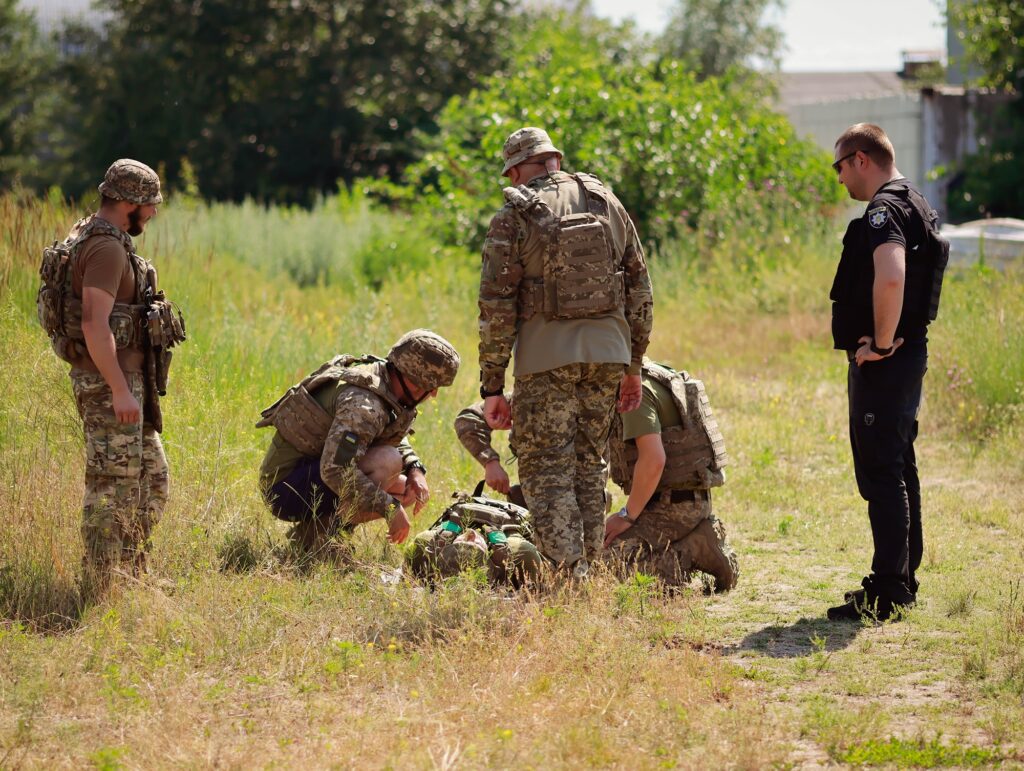
A key focus was training police instructors, so these skills carry forward internally and build long-term capability within the departments.
Implemented by Razom for Ukraine, with support from the Howard G. Buffett Foundation.
A saved life begins with preparation.
We are grateful to The Howard G. Buffett Foundation for their support, which enables us to continuously strengthen those who protect and save lives in Ukraine every day.