

Did you know that 3 in 4 Ukrainians experienced mental health issues over the past year? The World Health Organization’s 2026 survey found that 76% reported stress, anxiety, low mood, or other mental health difficulties. As another winter approaches, access to psychological support matters more than ever, including for those who care for others.
Razom provides free psychological support to people affected by the war. Our mental health program Razom z Toboyu (“Razom with You”) has delivered more than 40,000 counseling sessions and supported over 22,000 people dealing with trauma, grief, and stress. It also trains local professionals who work with people affected by the war, helping them recognize psychological distress and respond with greater understanding.
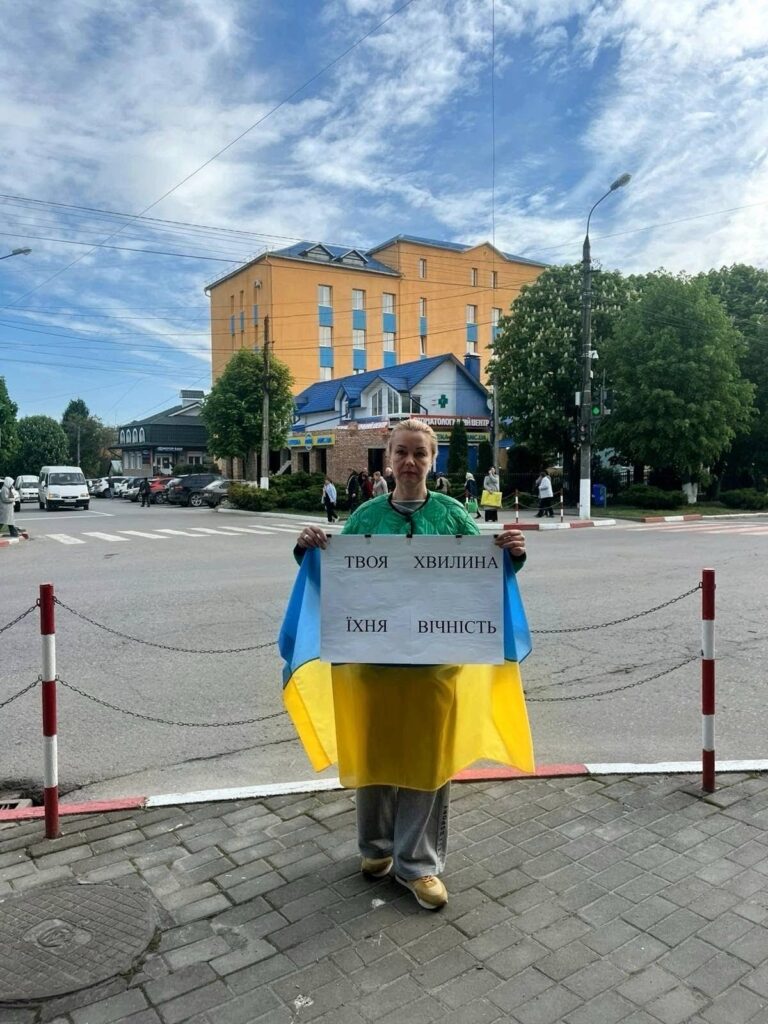
Across Ukraine, this work also reaches the people who support veterans and their families. In Volochysk, in the Khmelnytskyi region, Svitlana Darmoroz knows how important this support can be. When Russia’s full-scale invasion began, Svitlana volunteered by collecting supplies for Ukrainian defenders, sending aid to the front lines, and bringing together people who wanted to help. She continued volunteering in the years that followed. On May 1, 2025, she took on a new role, joining the local Veterans Support Center as a specialist supporting veterans and service members returning from war.
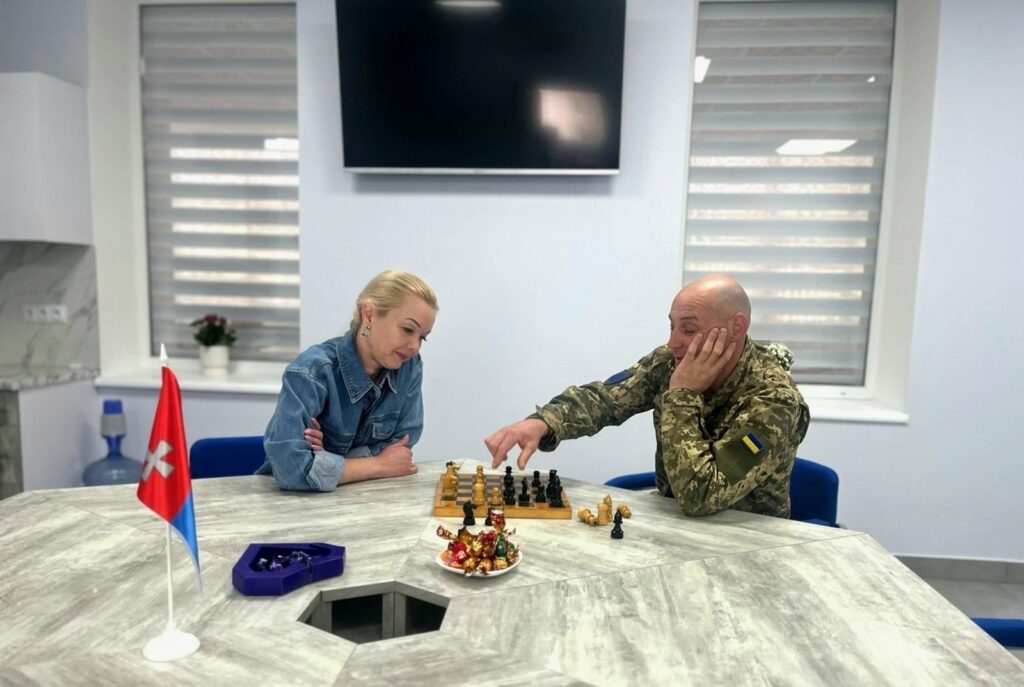
She supports veterans as they adjust to civilian life and helps their families navigate the uncertainty and loss that can come with war. Some are waiting for news of loved ones who are missing or held captive; others are grieving someone they have lost.
“For families waiting for news, not knowing what has happened to a loved one can be incredibly difficult. Those who are grieving or adjusting to a loved one’s return also need understanding, patience, and support,” Svitlana says.
But supporting others can take an emotional toll. Svitlana knows this from experience:
“There are times when I’m so exhausted that I feel I can’t go on. But somehow, I always find a reason to keep going. I don’t see myself as anyone special. I just can’t stand by and do nothing when someone needs help.”
Svitlana first reached out to Razom psychological support center in Khmelnytskyi, for guidance on complex cases involving veterans and their families. She later invited the center’s team to provide training for her colleagues.
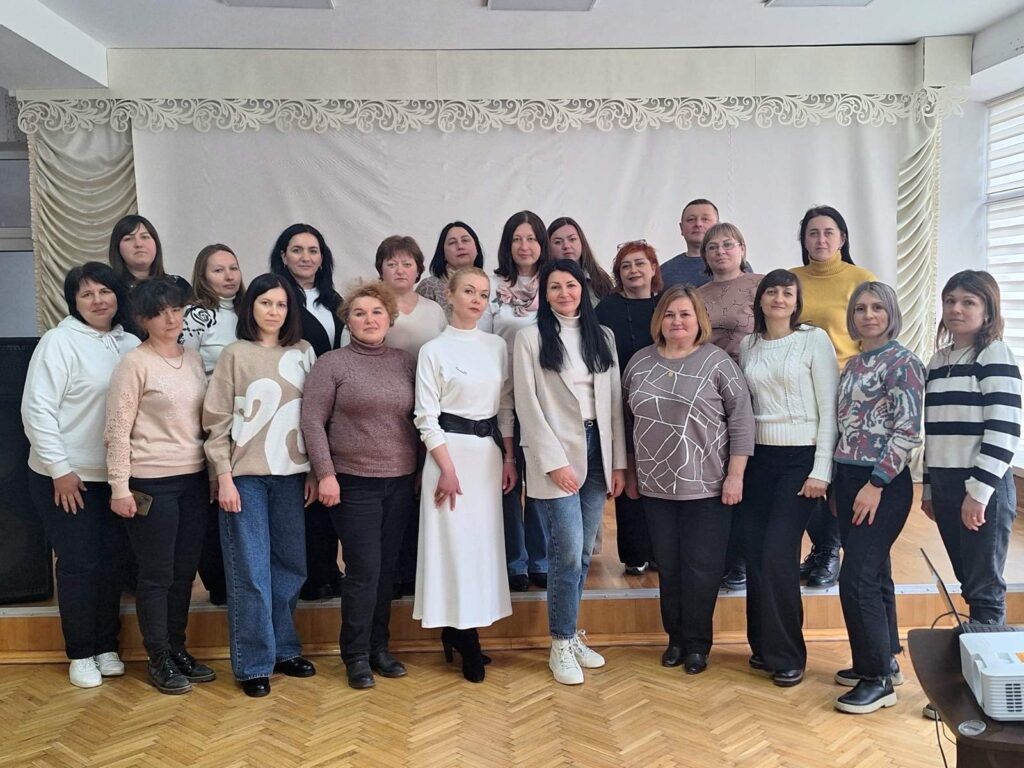
Through the Razom z toboyu Resilience program, four training sessions were held in villages across the community. Social workers, healthcare professionals, educators, and veterans’ support specialists learned about psychological first aid, grief, communication with veterans and service members, and professional burnout.
Svitlana found the practical exercises and case studies especially useful. They gave her and her colleagues concrete ways to approach difficult conversations and better understand what veterans and their families may be going through.
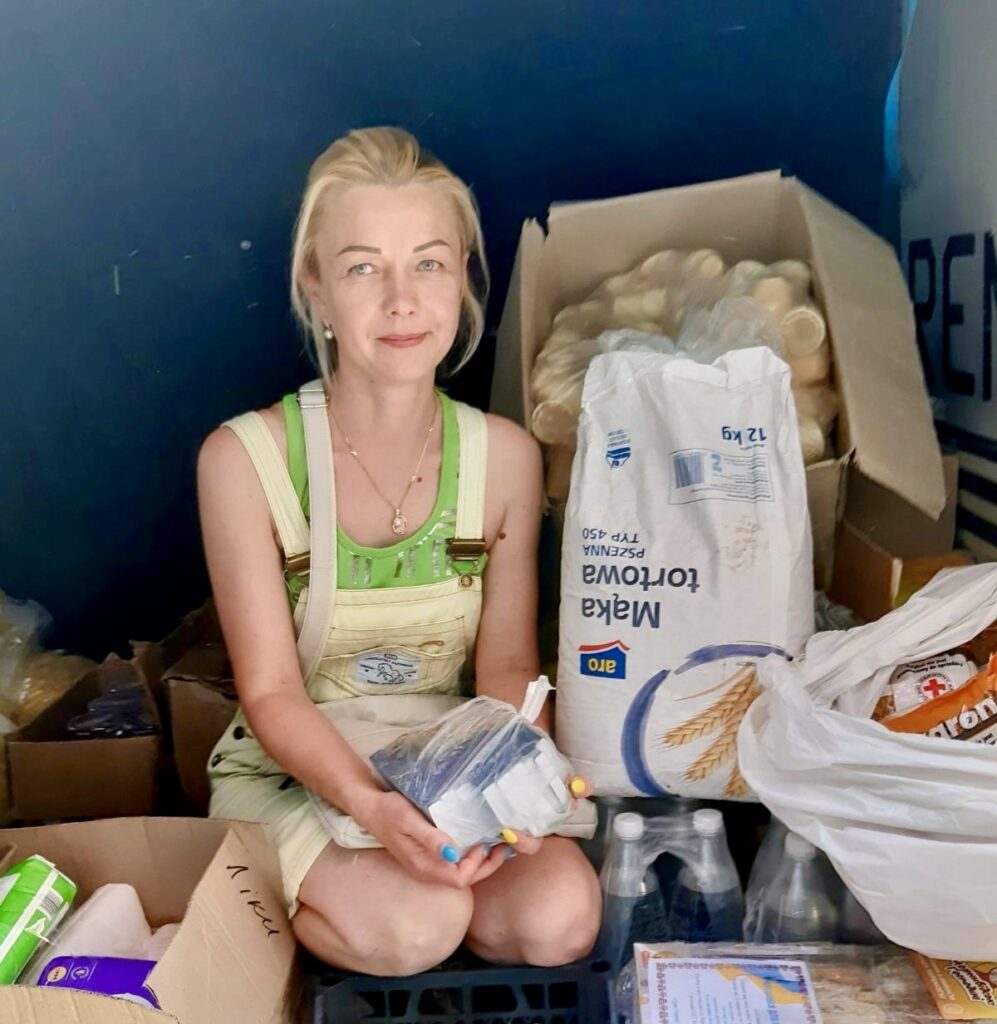
“Knowing the procedures isn’t enough in our line of work. Thanks to Razom’s training, we better understand what a person is going through, how to respond to difficult emotions, and how to offer support while respecting personal boundaries,” Svitlana emphasizes.
The sessions also helped Svitlana and her colleagues work out how to approach sensitive conversations and when to refer someone to a psychological professional. For Svitlana, supporting veterans starts with making sure that the people they turn to know how to listen, understand, and help without overstepping.
Svitlana’s story shows just how much psychological support can matter. For veterans adjusting to civilian life and families waiting for news of missing loved ones, having someone who knows how to help can make a real difference. In some cases, that support can save a life.
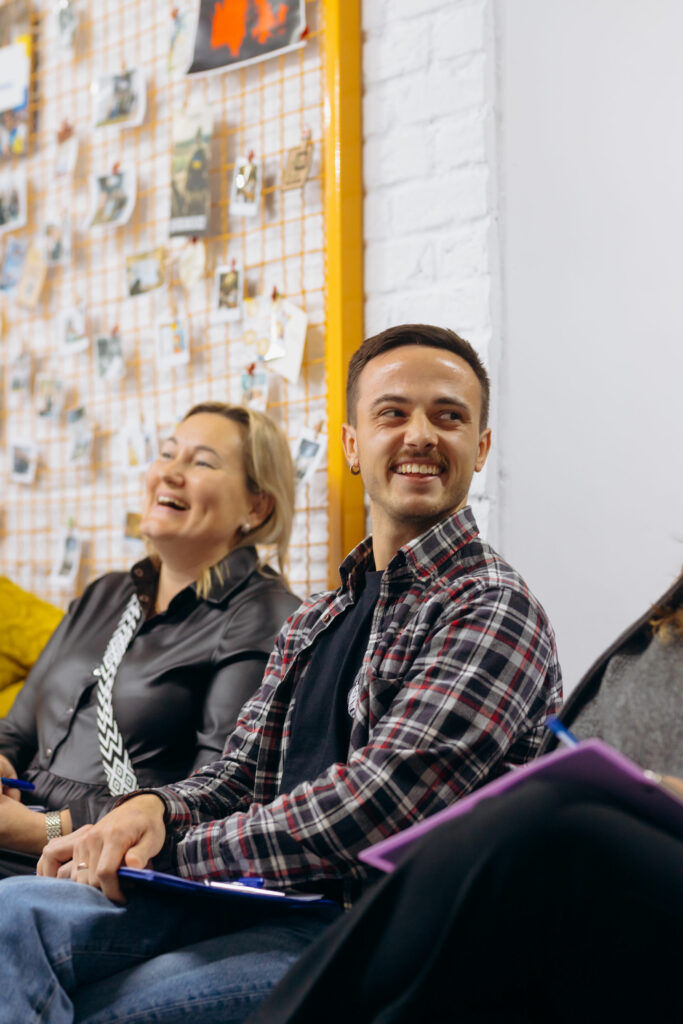
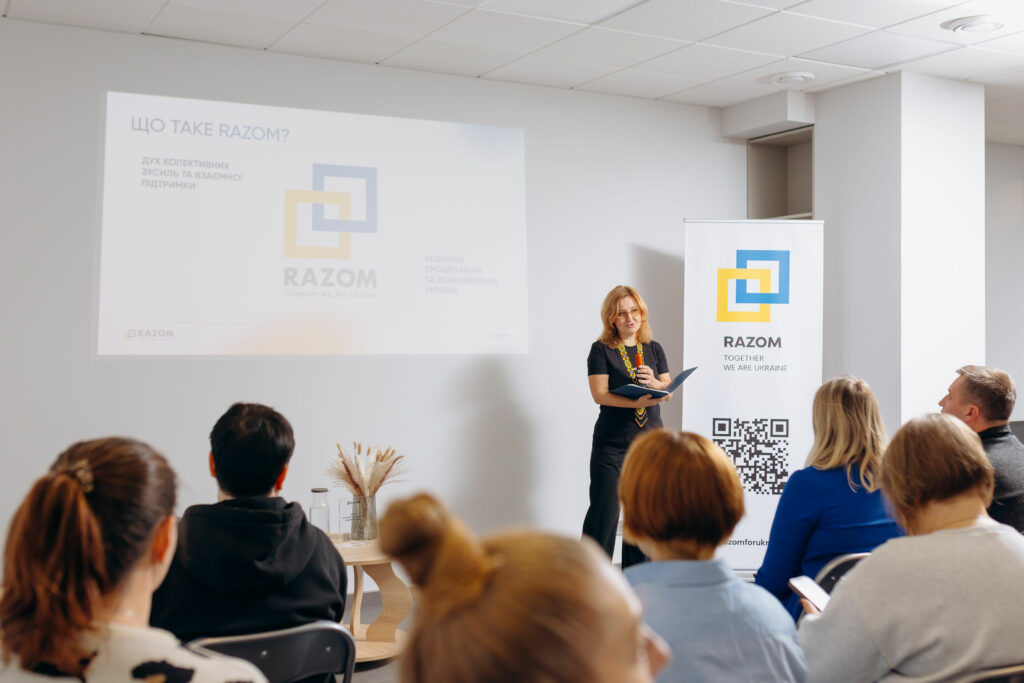
Razom helps local professionals support people facing these challenges. This winter, your support can help this work continue. Support Ukraine through Razom’s winter campaign.