Every year on May 18, Ukraine commemorates the Day of Remembrance of the Victims of the Crimean Tatar Genocide — a day that honors the lives lost and the resilience of an indigenous people whose history continues to shape Ukraine today.
In 1944, the Soviet regime forcibly deported the entire Crimean Tatar population from their homeland. Families were given minutes to gather their belongings before being loaded onto trains and sent to remote regions. Tens of thousands perished due to starvation, disease, and inhumane conditions. These events are now recognized as genocide.
Since Russia’s occupation of Crimea in 2014 — and especially after the full-scale invasion in 2022 — Crimean Tatars have once again faced repression, arrests, and persecution. Today, remembrance is not only about the past. It is about an ongoing struggle for rights, identity, and the right to live freely on their land. This day invites us not only to remember, but to learn — to engage with Crimean Tatar culture, language, and history in ways that deepen understanding and solidarity. Below is a curated selection of resources to help you begin.
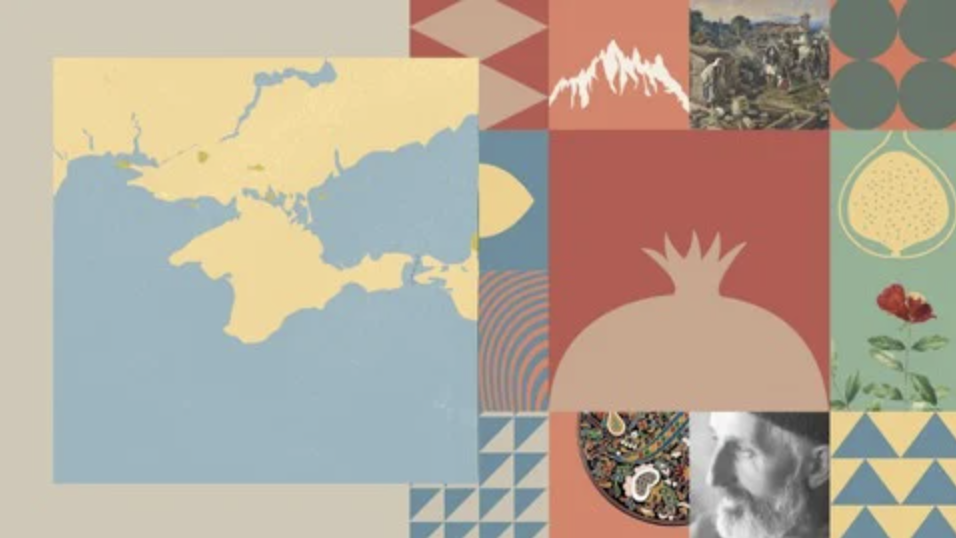
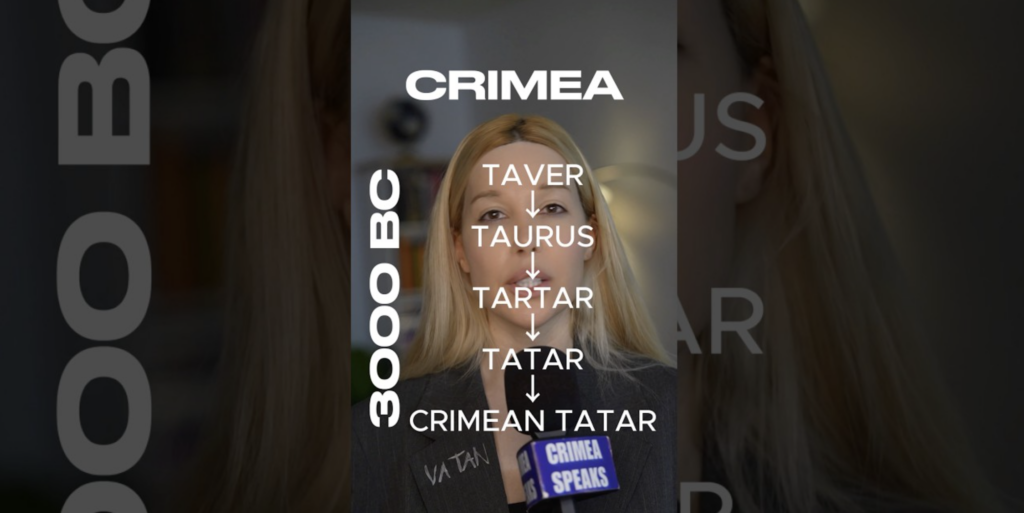
A comprehensive course exploring Crimea through the perspective of its indigenous people. Led by scholars and experts, it covers history, identity, and the political realities shaping the region today — offering a deeper understanding of both past and present.
A free, English-language course featuring 12 video lectures on Crimean Tatar history, culture, and their long struggle to return home. Ideal for anyone looking for a structured, accessible introduction to Crimea beyond headlines.
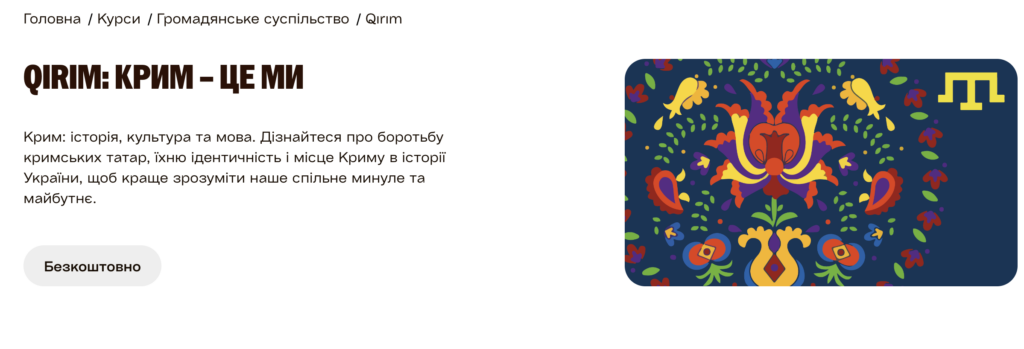
This Ukrainian-language course challenges stereotypes and reframes Crimea as a story of people, identity, and resistance. It explores the place of Crimea and Crimean Tatars in Ukraine’s past, present, and future through a thoughtful, reflective lens.
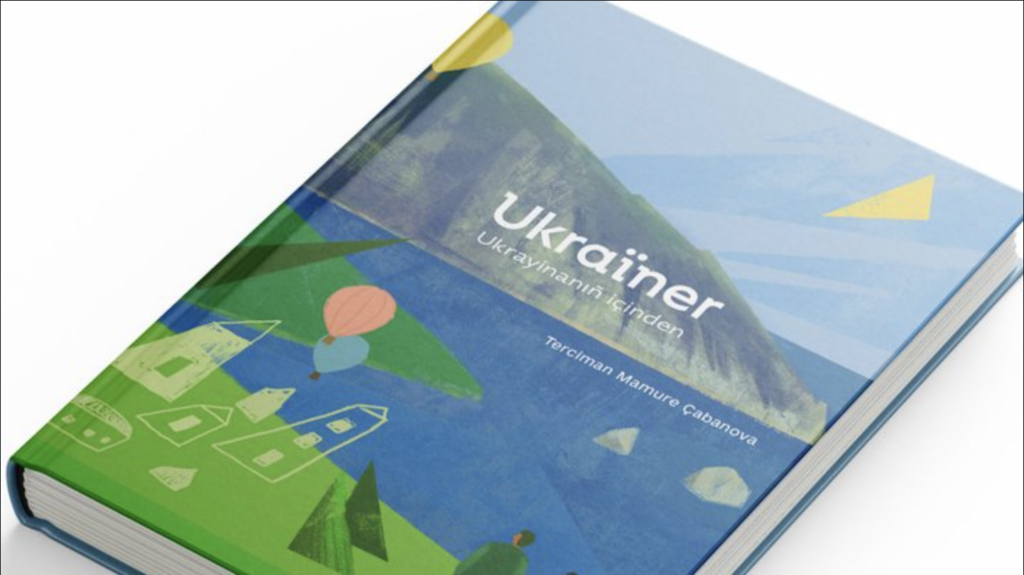
A cultural exploration of Ukraine that includes perspectives and stories reflecting the diversity of its regions and peoples, including Crimea. A visually rich and narrative-driven entry point into Ukrainian identity.
This academic work examines global art as historical evidence of Crimean Tatar presence and identity. By analyzing paintings as primary sources, authors Zera K. Mustafaieva and Zarema K. Mustafaieva offer a unique and rigorous approach to understanding indigenous history through visual culture.
A novel weaving personal and historical narratives, tracing generations shaped by deportation, repression, and resilience. Through storytelling, it explores identity, belonging, and the enduring impact of Crimean Tatar culture.
A multimedia platform designed for young children — but equally valuable for beginners of any age. Featuring songs, stories, cartoons, and a dictionary with audio pronunciation, it’s a gentle and engaging introduction to the language.
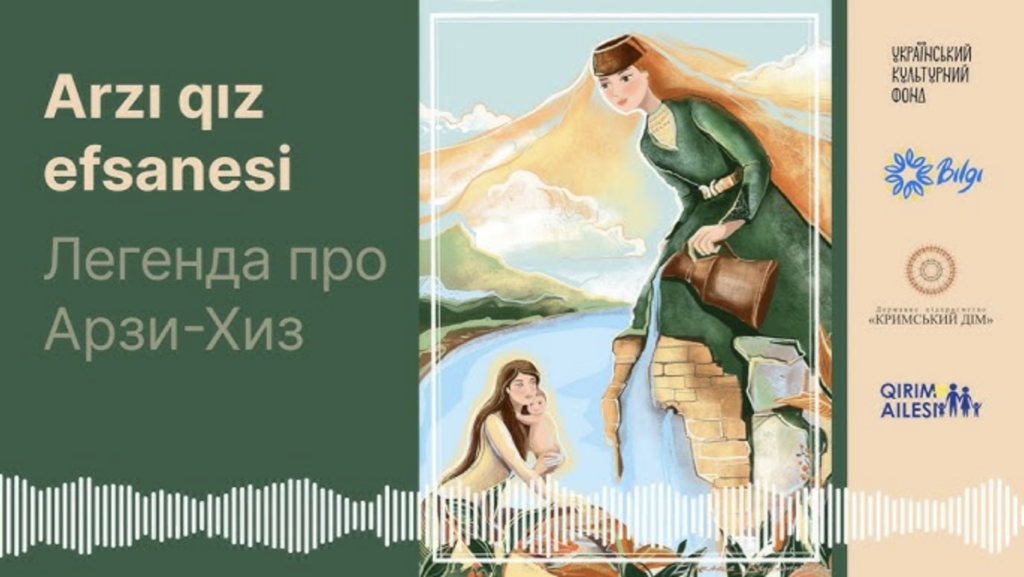
A collection of Crimean Tatar fairy tales and legends told in the original language. Listening to these stories offers a powerful way to connect with cultural traditions and hear the rhythm of the language firsthand.
Engaging with Crimean Tatar culture is not just about learning history — it is about recognizing a living, resilient people whose identity has survived displacement, repression, and attempted erasure. Culture carries memory. Language carries belonging. Stories carry truth. When we read, listen, and learn, we help ensure that these voices are not silenced — that Crimea is understood not as an abstract territory, but as a homeland with a deep and complex human story.
This May 18, remembrance can include curiosity and a step toward deeper solidarity. Because to truly stand with Ukraine, we must also know Crimea — and the people who have always called it home.