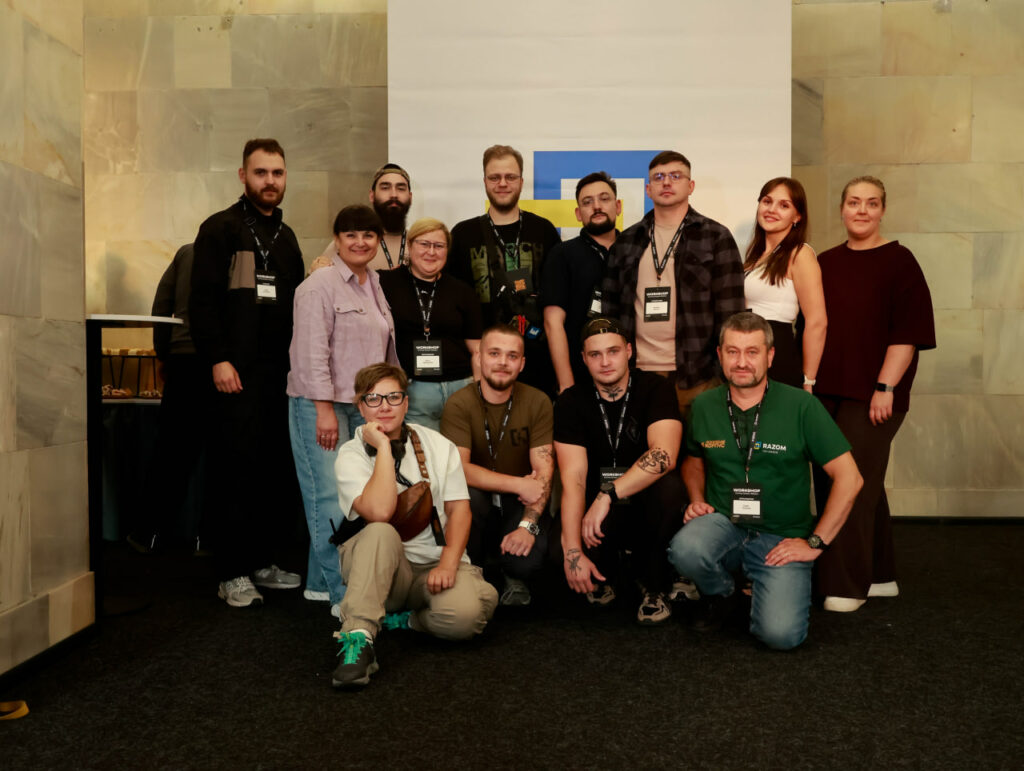


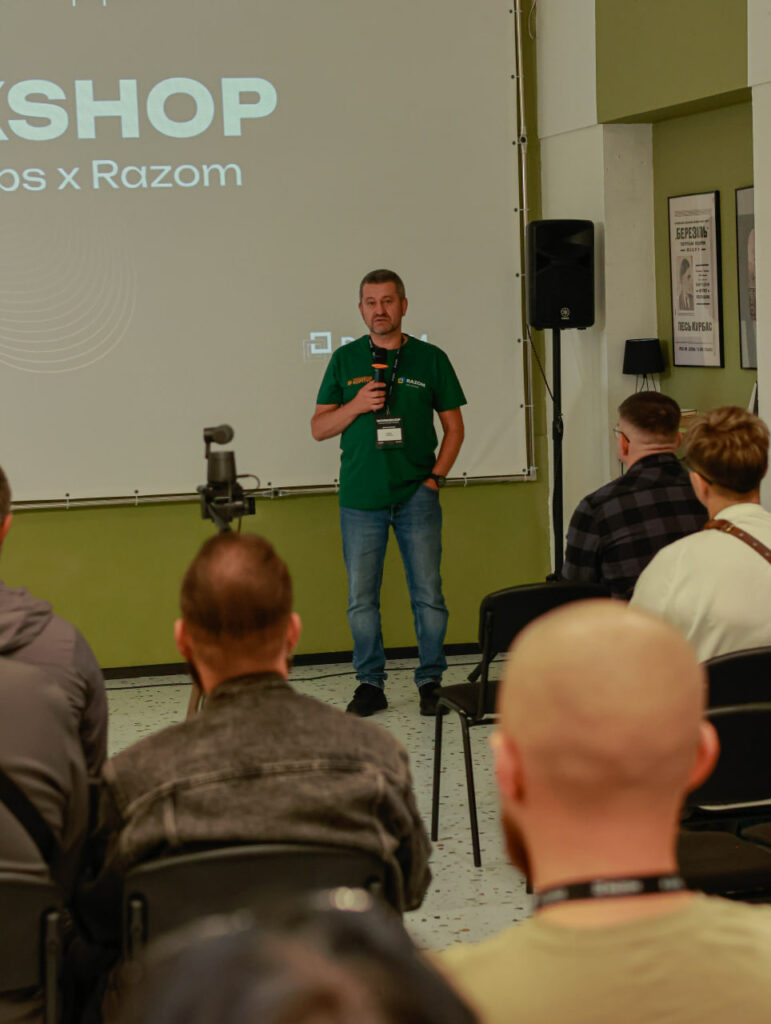
KYIV, August 2026 — The Third Army Corps, together with the Razom Foundation, held a working session in Kyiv titled “Combat Medic Doctrine.” The workshop marked the first practical step in a long-term effort to develop unified standards for frontline medical personnel. It was the second joint initiative between the Corps and Razom, following the previously held Tourniquet Forum.
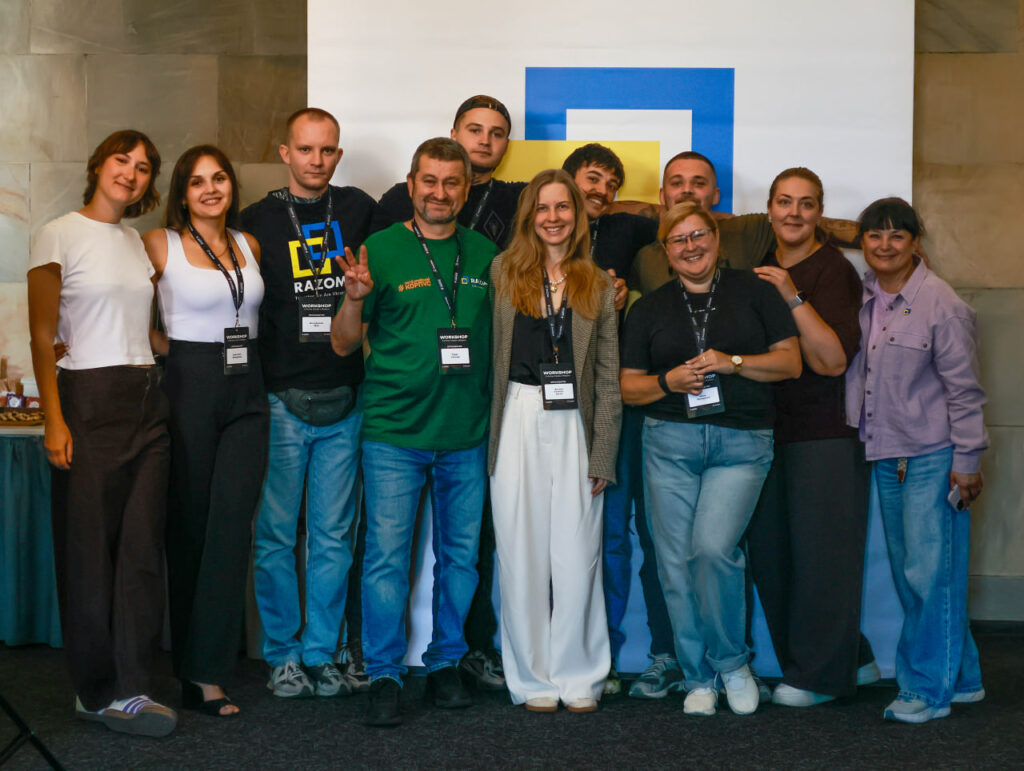
The workshop brought together combat medics from the Third Army Corps, representatives of other army corps, and experts from the Department of Health of Ukraine’s Ministry of Defense and the Medical Forces Command.
The workshop was organized in response to a critical gap in existing military regulations. The positions of “platoon combat medic” and “senior combat medic” were introduced in the Armed Forces of Ukraine in 2017. However, neither position has clearly defined official responsibilities or a unified standard of practice. Without established guidelines, units take different approaches to how medics are deployed, where they are positioned, and how their responsibilities are assigned.
The workshop focused on real-world data rather than theoretical assumptions. Participants were presented with an analytical overview of how medics are currently deployed across various units within the Corps. They then worked in four groups, using a Function Matrix to examine 25 key areas of responsibility for combat medics at different levels — from direct medical care and casualty evacuation to administrative and non-medical duties.
The organizers emphasized that developing a comprehensive doctrine is a complex, long-term process that requires careful analysis of a substantial body of practical experience.
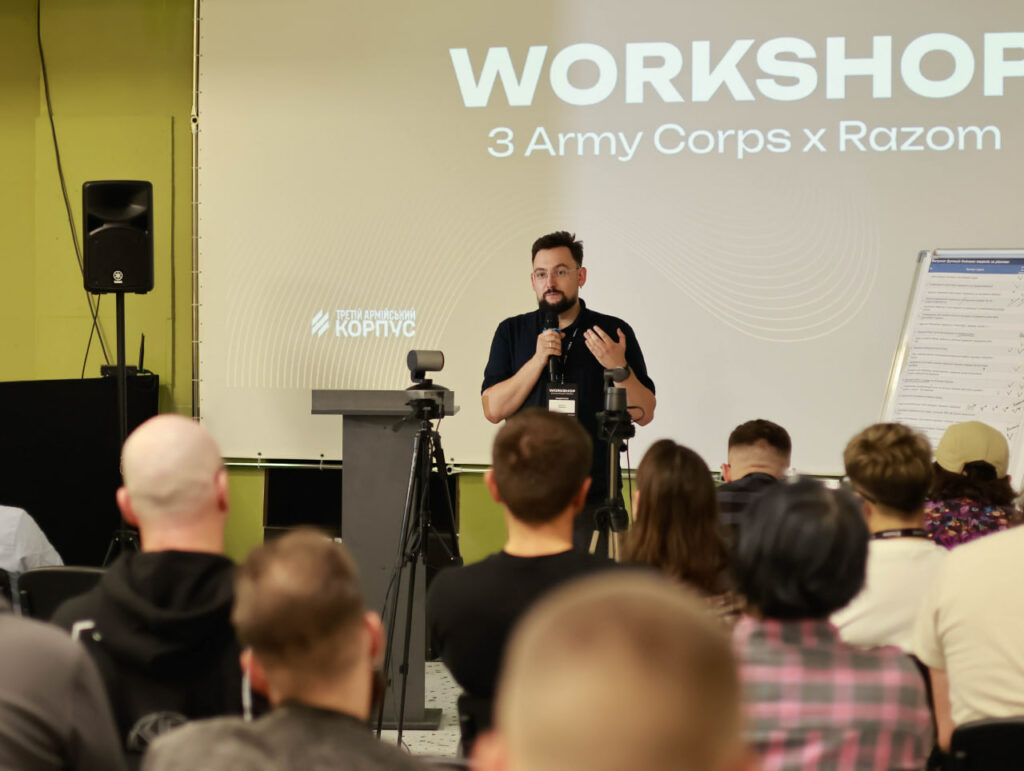
“Today, a combat medic’s responsibilities extend far beyond providing care under fire. Combat medics are also responsible for documentation, telemedicine, training service members, and administrative work. That is why we see a need to introduce the position of junior squad medic — a frontline specialist with more advanced skills than a Combat Lifesaver, but without an unnecessarily overloaded training program. Their role is to remain close to their unit and provide immediate care on the ground, where and when it is needed,” said Lemonade and Hedgehog, representatives of the Third Army Corps Tactical Medicine Group.

“We have already identified the required set of skills, and in September we will launch a pilot training course together with the Yevhen Konovalets Military School. This vision is already beginning to reshape training approaches both within our Corps and among our partner organizations.”
For Razom, initiatives like this are part of a broader strategy focused on saving lives and strengthening systemic approaches to military medicine.
“Our previous joint initiative, the Tourniquet Forum, demonstrated that Ukraine’s experience can do more than address local challenges — it can also influence practices worldwide,” said Taras Hataliak, Program Director at Razom. “The Forum proved to be an exceptionally successful platform. It helped drive changes in tactical medicine training in Ukraine while also setting new directions for international organizations and instructors around the world.
“The Combat Medic Doctrine is the next major step. We see how the unique operational experience of the Third Army Corps can serve as a foundation for standardizing the entire system. Razom is proud to support this process because its ultimate goal is to save lives.”
Following the workshop, organizers began systematizing the proposals and recommendations collected from participants. The immediate objective is to develop a unified standard for units within the Third Army Corps and introduce corresponding changes to combat medic training programs. The broader goal is to submit the validated practices to the General Staff of the Armed Forces of Ukraine to help eliminate regulatory ambiguity at the national level.