2025 Impact Report: Building What Sustains Ukraine
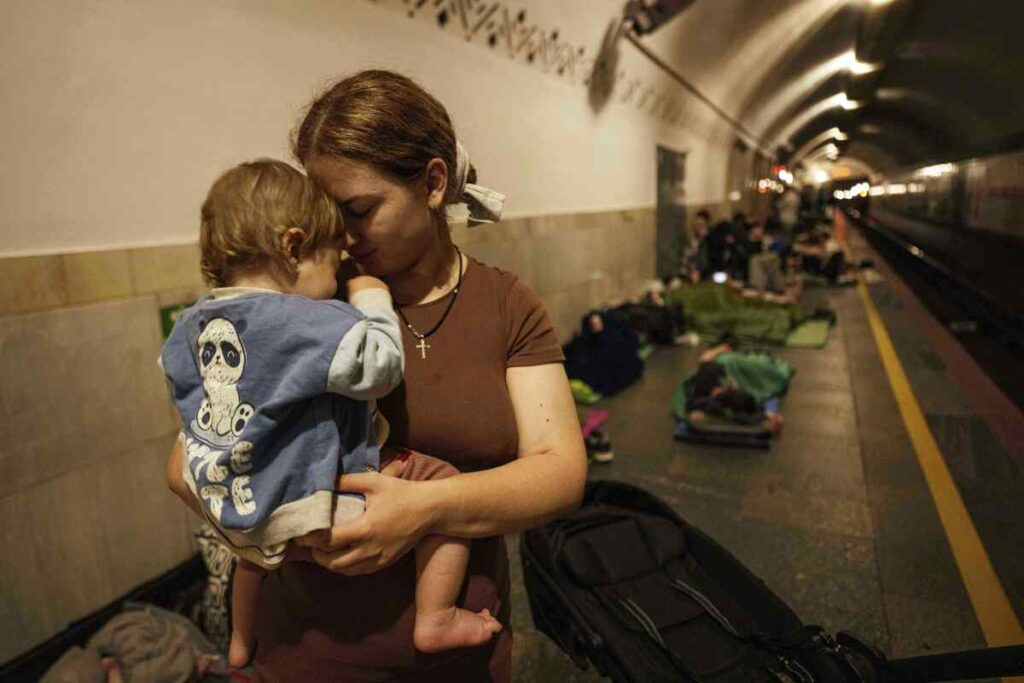
In 2025, Ukraine did more than endure. Under relentless attacks on infrastructure, hospitals, and civilian life, Ukrainians continued to function, adapt, and build for the future. And because of your support, Razom strengthened the systems that make that possible — not just emergency relief, but durable capacity: the local leadership, infrastructure, and institutional strength that allow Ukraine to function under prolonged attack. Here is what that looked like.
Strengthening the Survival Chain
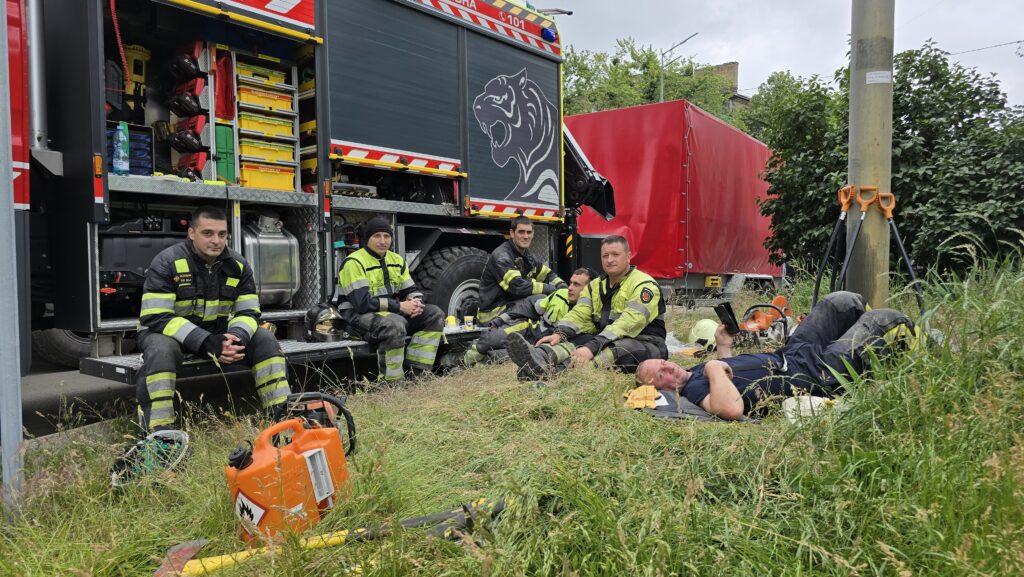
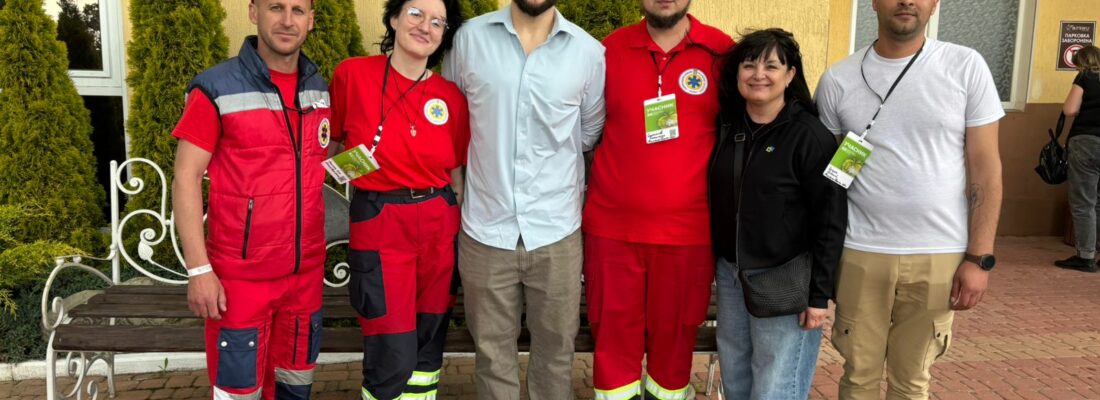
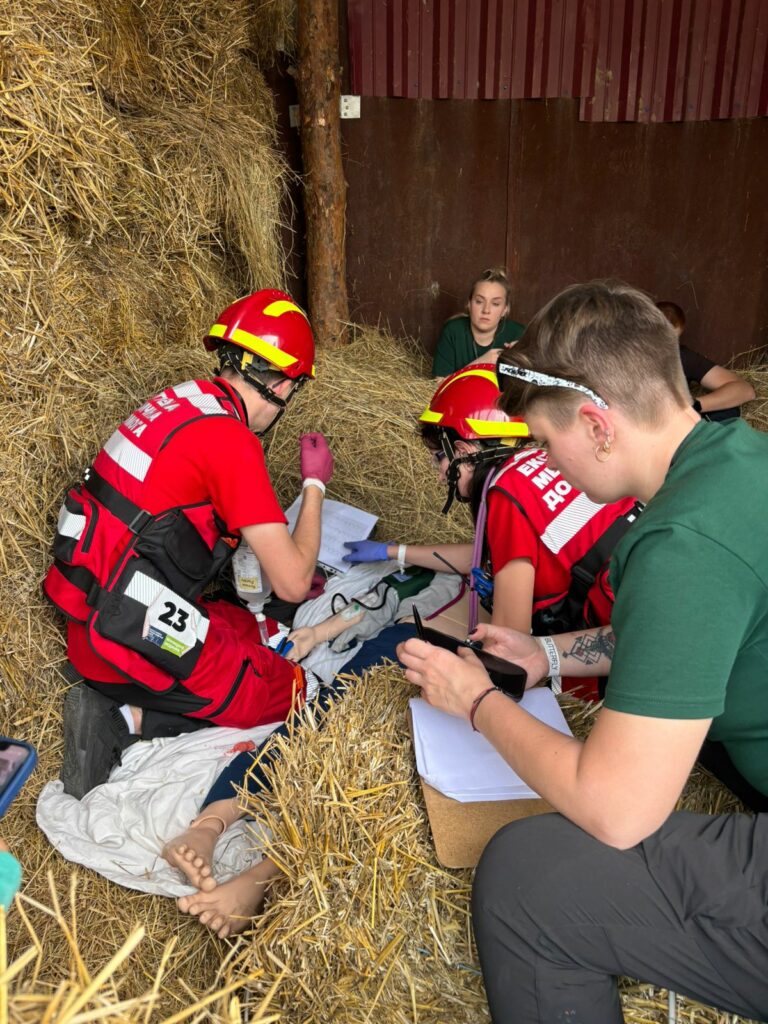
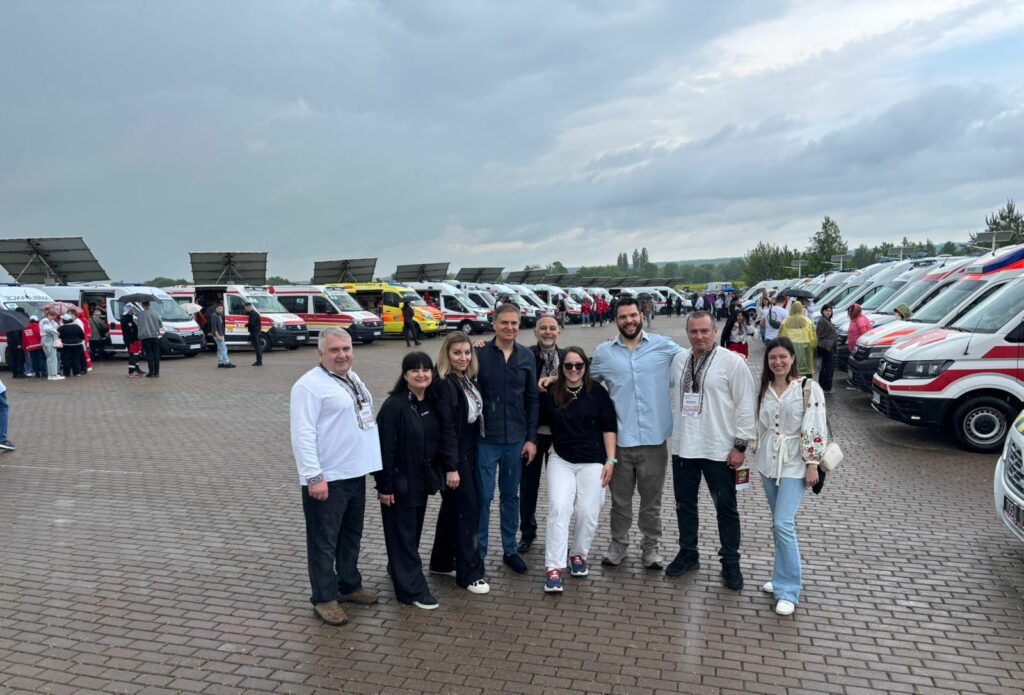
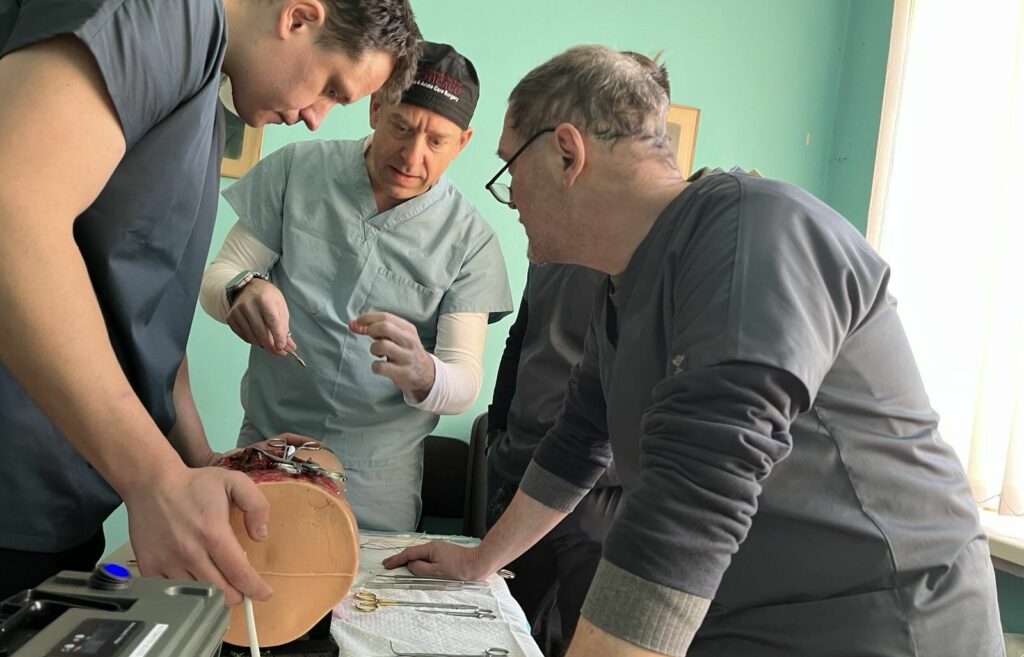
When seconds determine survival, systems matter. In 2025, Razom reinforced Ukraine’s full chain of survival — from frontline stabilization to hospital recovery. We trained tactical medics, delivered 56 Mobile Stabilization Points to bring care closer to the front line, strengthened EMS capacity across multiple regions, and delivered over $15 million in lifesaving medical supplies through 147 in-country distribution trips.
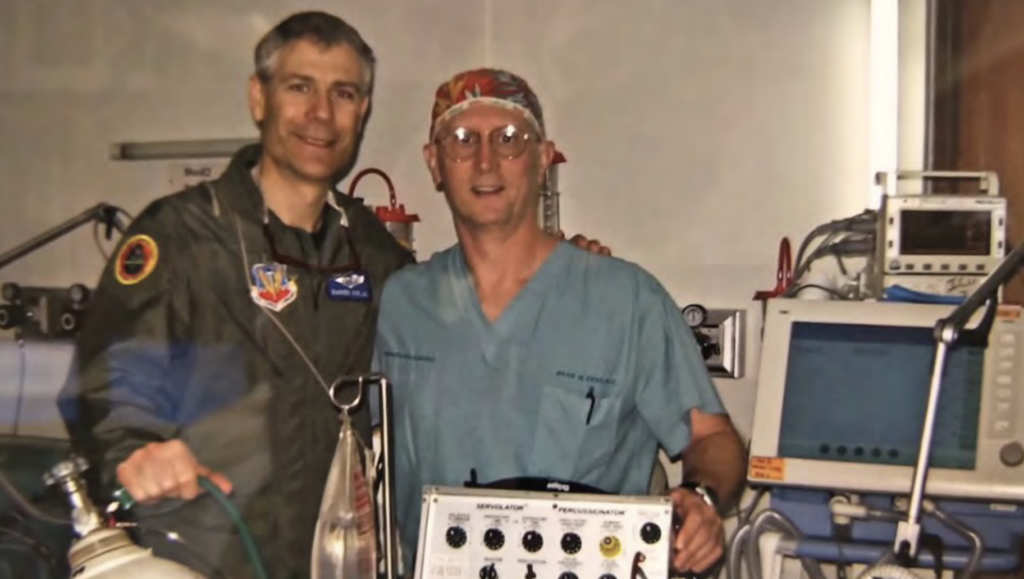
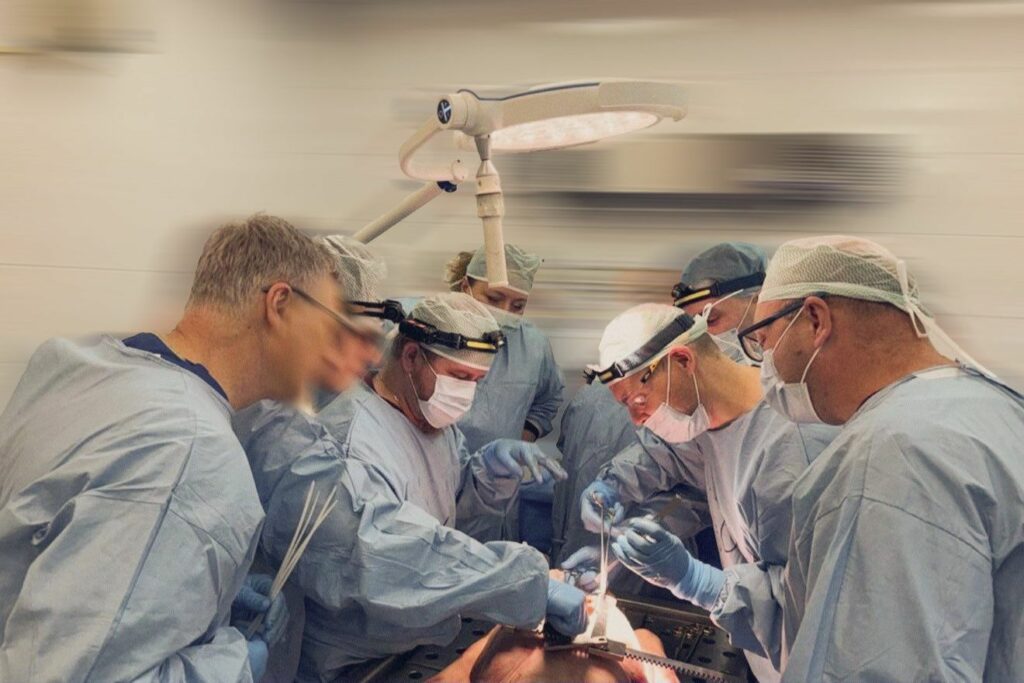
We also scaled our advanced trauma training and surgical exchange programs through the Co-Pilot Project, bringing international collaboration to elevate Ukraine’s surgical capabilities.
That is what your support creates: conditions where lives can be saved
Powering Local Leadership for Ukraine’s Future
Resilience is not imported. It is built locally. When international funding disruptions placed enormous strain on Ukraine’s civil society, Razom invested in strengthening Ukrainian organizations themselves. Through Razom Sylnishi (“Stronger Together”), NGOs received training, mentorship, and institutional grants to stabilize operations and build for long-term growth.
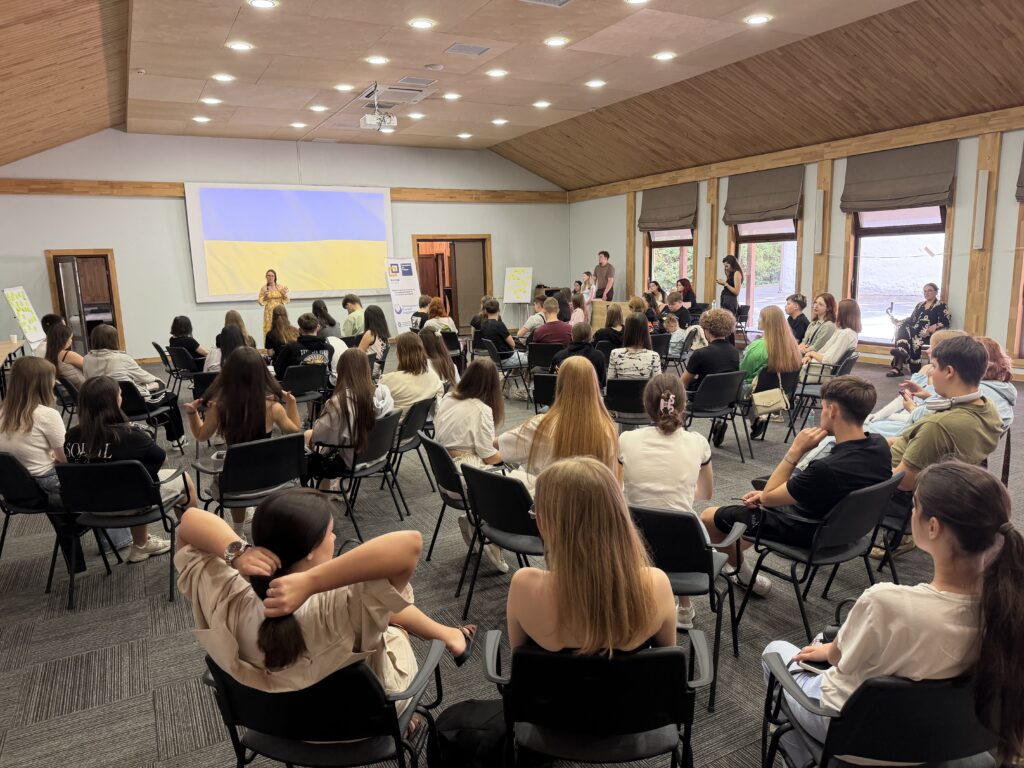
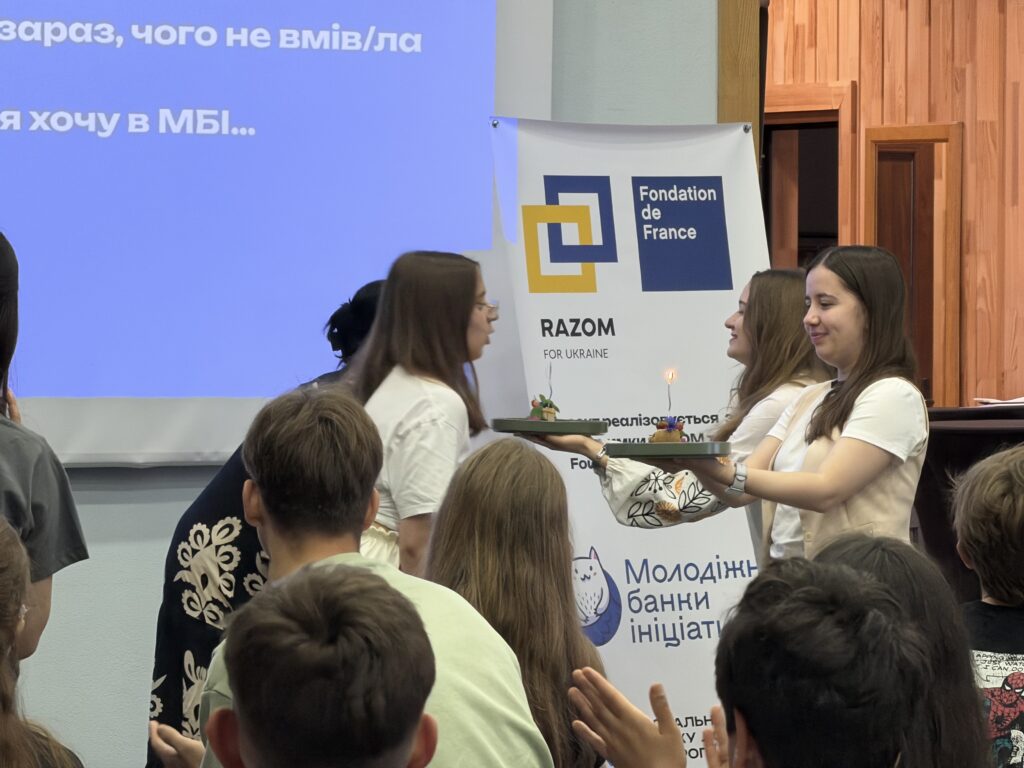
We supported 15 workforce and reskilling projects across more than 10 regions, helping over 3,300 Ukrainians rebuild livelihoods. Veterans found new pathways to leadership through adaptive sports and professional programs. Medical and military leaders completed tailored Mini-MBA programs designed specifically to equip them for crisis leadership.
Ella Petrenko, founder of the Bilozerka Center for Regional Development in Kherson Oblast, described the shift: “Doing good work is not enough — you have to do it efficiently and sustainably. These grants are about more than money. They give us time to reflect, to grow, and to build organizations that will be here for the long run.”
Through intentional investment in local leaders, recovery becomes durable — and your support allows us to infuse targeted capacity building where it will make the most difference, creating ripple effects in numerous communities.
Inspiring the World with Ukraine
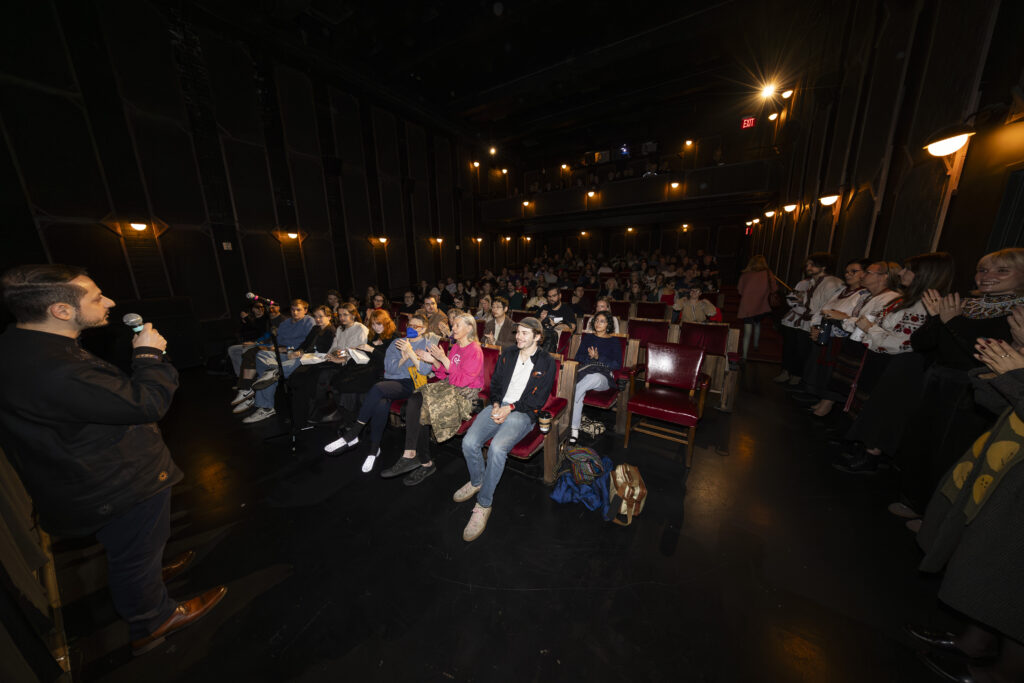
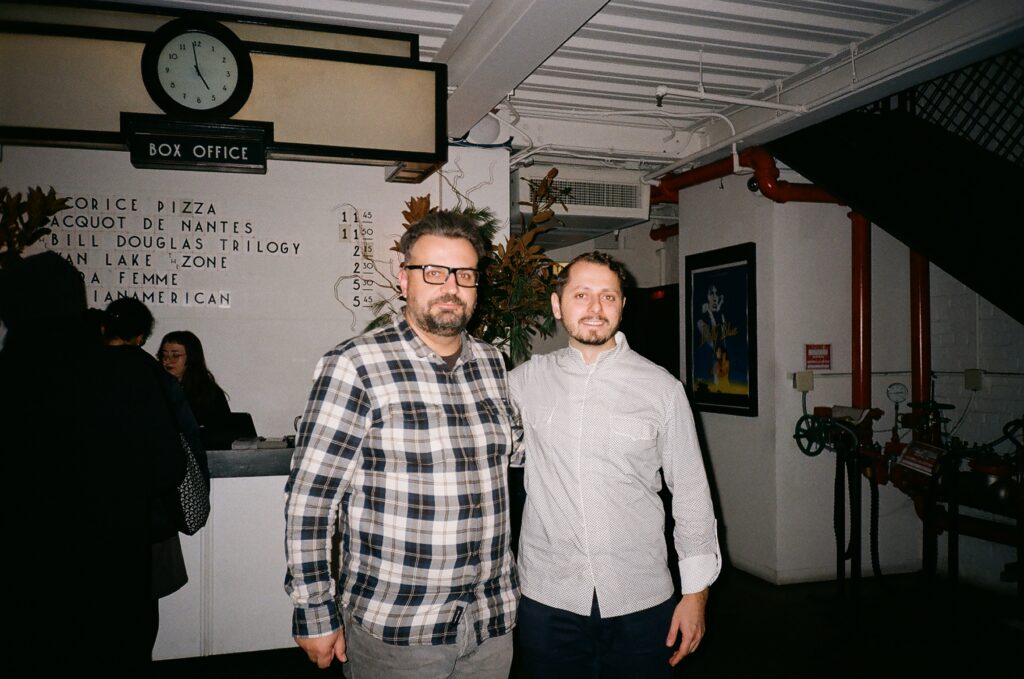
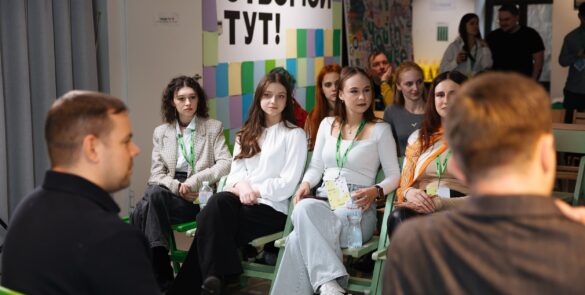
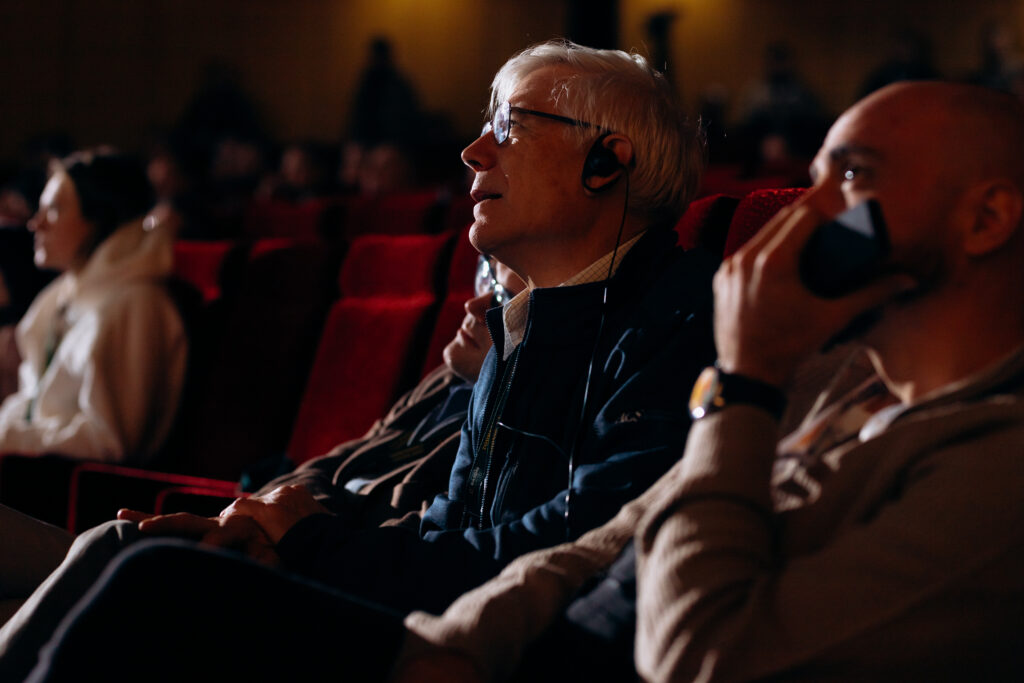
Ukraine’s story is not only one of war — it is one of creativity, expertise, and leadership. In 2025, Razom’s Ukrainian Cultural Festival transformed October in New York into a month-long celebration of Ukrainian cinema, theater, literature, and visual arts. Ninety percent of attendees were non-Ukrainian — expanding Ukraine’s cultural presence far beyond the diaspora and into mainstream artistic spaces.
One Ukrainian Cultural Festival attendee captured the shift:
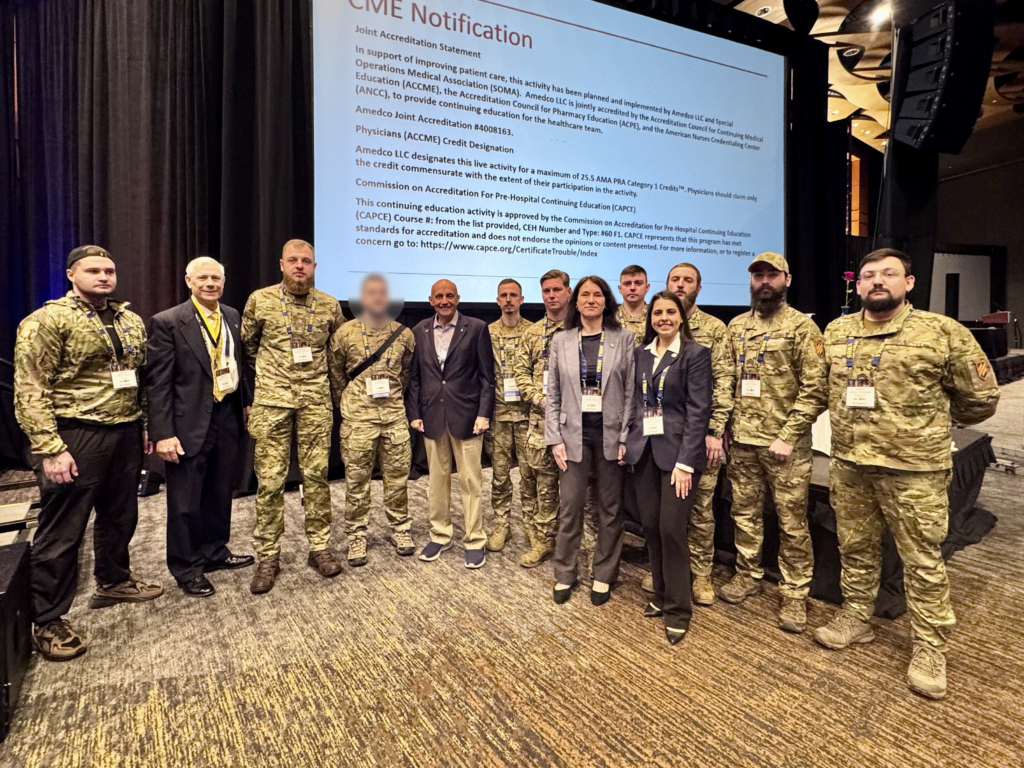
Through Ukraine on Campus, Razom supported students and scholars across major universities, creating space for Ukrainian research, literature, and lived experience to enter academic conversations on their own terms. Ukrainian medics led record-breaking workshops at international medical conferences. Journalists traveled to Ukraine to report firsthand, replacing abstraction with experience.
In 2025, Razom also launched ImpactUA, an immersive, in-country internship program that brought U.S.-based and Ukrainian students studying abroad to work alongside Ukrainian NGOs. For many, the experience transformed into long-term commitment — with several choosing to relocate, launch initiatives, or return to Ukraine in professional capacities.
Throughout 2025, Razom ensured that Ukraine’s lived reality was present where global policy decisions are made. Working closely with more than 70 congressional offices across 41 committees, Razom helped advance pro-Ukraine priorities in U.S. legislation, including $400 million for the Ukraine Security Assistance Initiative. In Europe, Razom elevated the strategic use of frozen Russian sovereign assets as a viable pathway to finance Ukraine’s reconstruction — co-organizing high-level discussions with partners such as the Atlantic Council and the Center for American Studies at the Ukraine Recovery Conference in Rome.
That showcases the deeper impact of Razom’s work in bringing Ukraine’s inspiration to audiences worldwide:
Ensuring Ukraine is understood not only through crisis, but
through contribution
Innovation Under Pressure
War accelerates innovation — and Razom helped Ukrainian professionals scale the interventions and inventions that prove to be most useful. From Ukrainian-engineered communication systems now achieving state certification, to nationwide Point-of-Care Ultrasound training influencing Ministry of Health standards, 2025 showed that some of Ukraine’s most consequential solutions are emerging directly from wartime necessity.
As Ukrainian ultrasound pioneer Dr. Oksana Popova explains:
Through Razom z Toboyu (Together with You), more than 11,000 individual counseling sessions were delivered in 2025 alone, expanding access to modern, evidence-based psychological care.
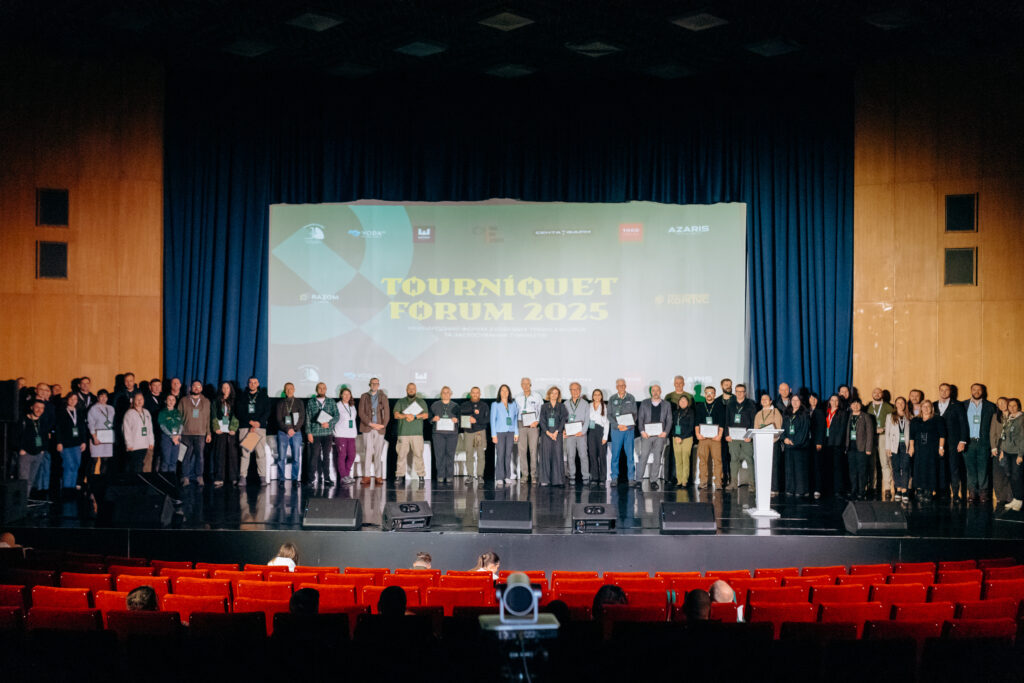
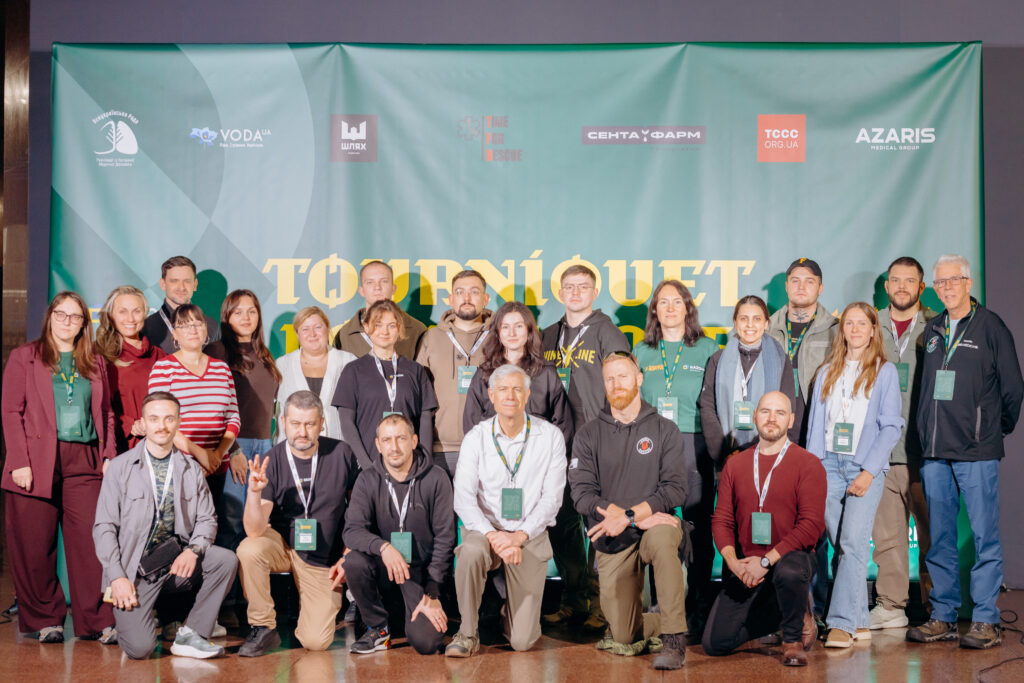
Tourniquet protocols were standardized nationally through the first-ever Tourniquet Forum.
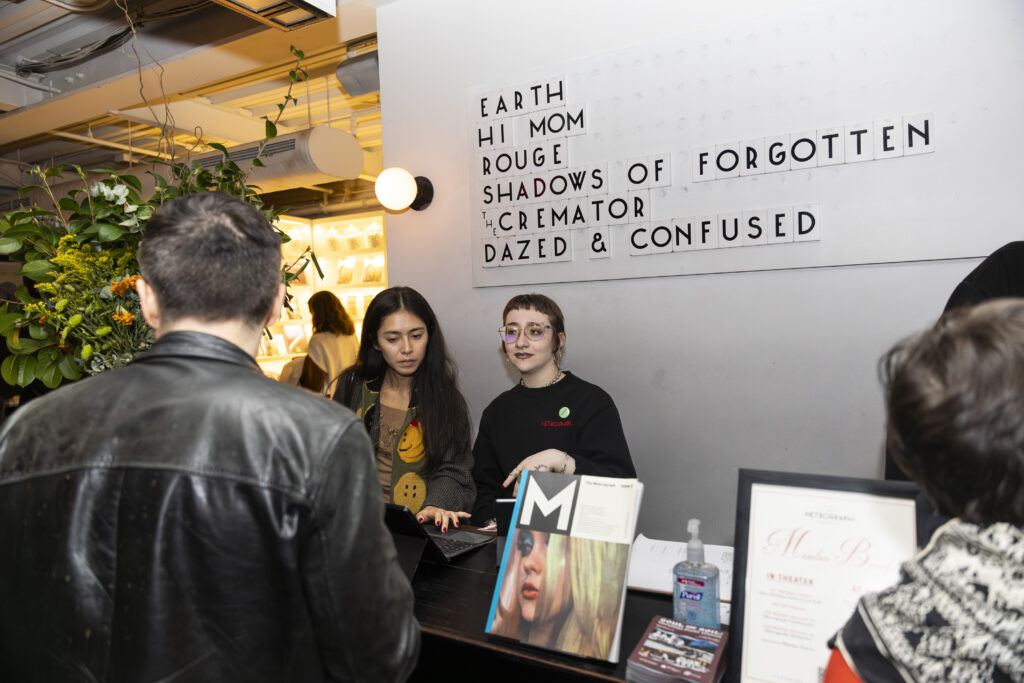
Through Razom Cinema, we reimagined how Ukrainian films are distributed and experienced globally. We partnered for the first time with Metrograph in New York to present Soul & Soil: Ukrainian Poetic Cinema, a curated series of landmark Ukrainian films.
This is innovation that strengthens Ukraine today, enhances Ukraine’s capacity to rebuild, and informs global best practices for tomorrow. Razom is proud to act as a catalyst for developing Ukrainian-led innovation and invest in solutions produced by people who excel under the toughest conditions, often with no margin for error.
Investing in Ukraine’s Next Generation
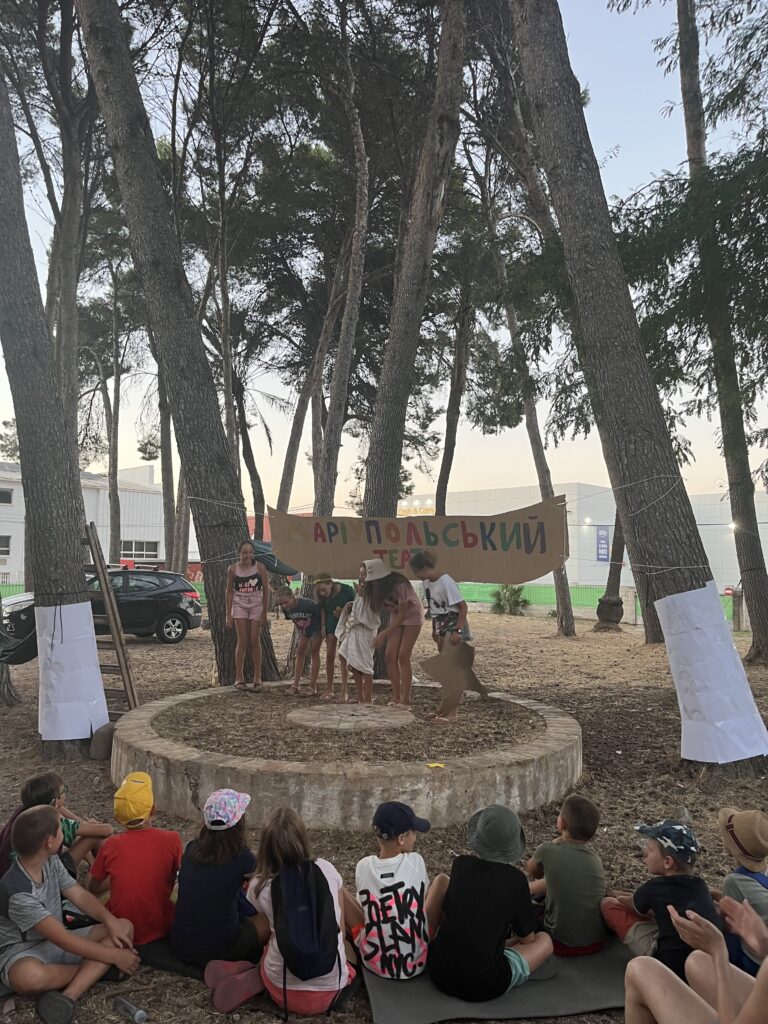
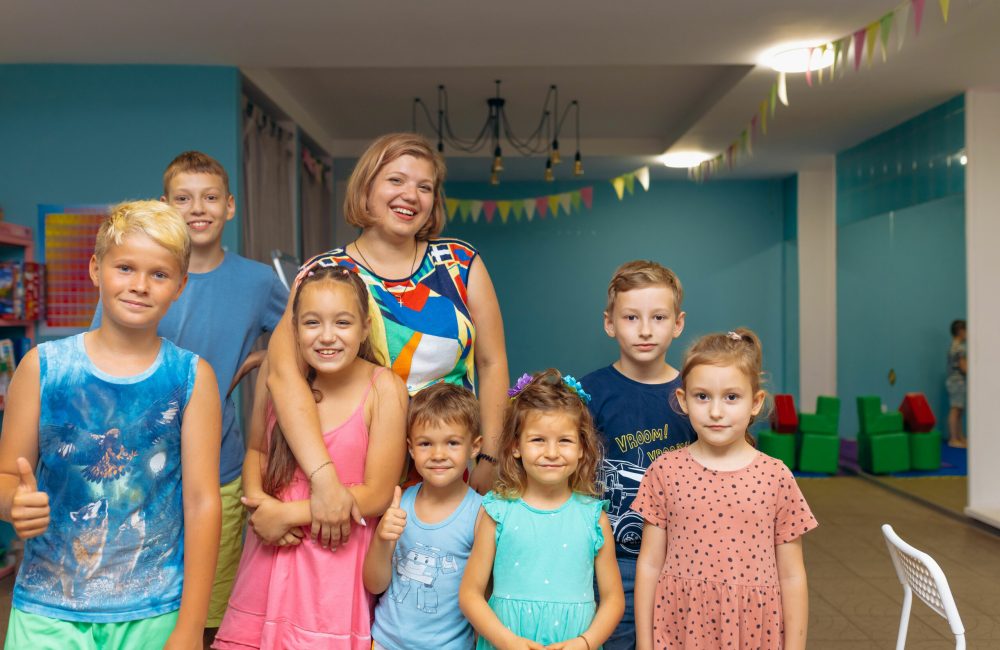
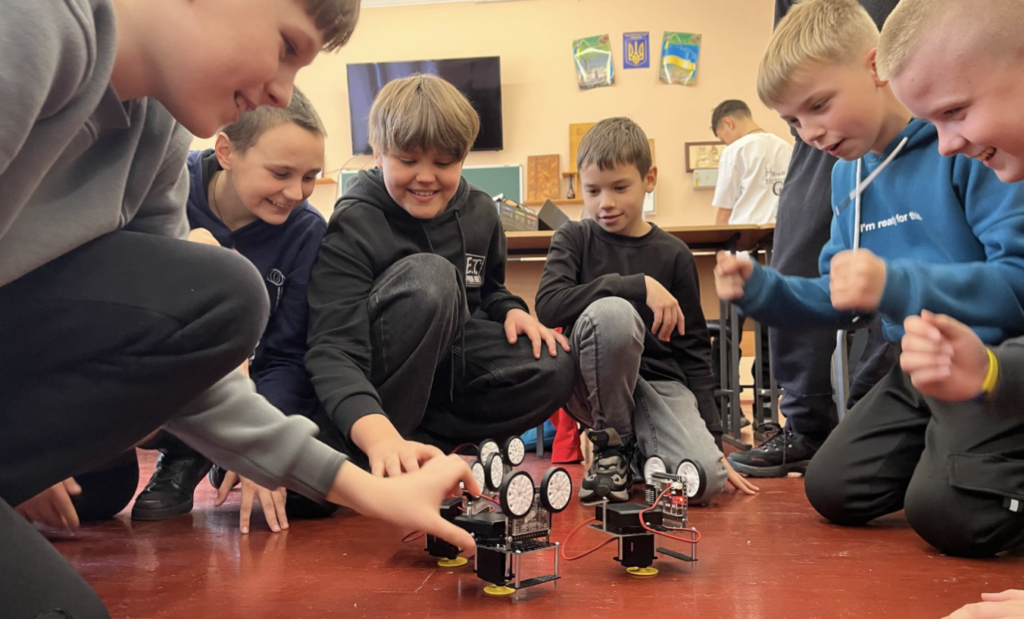
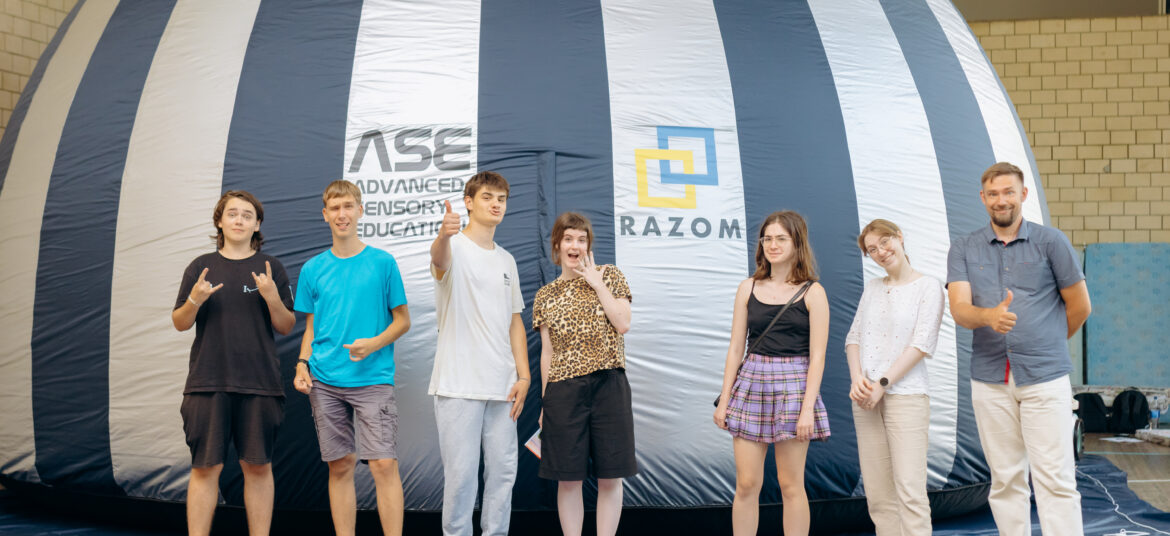
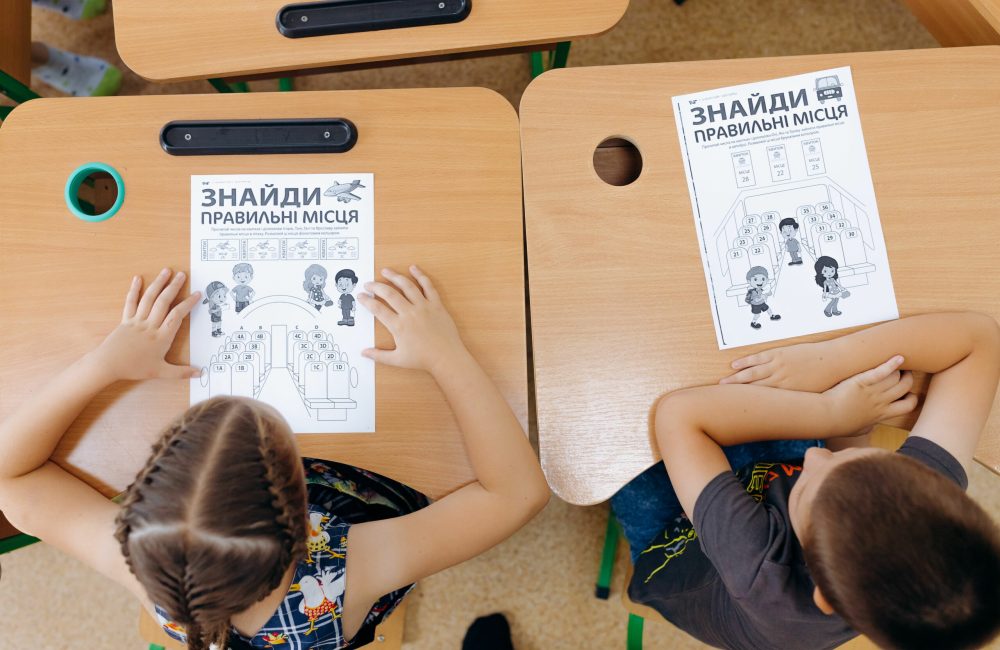
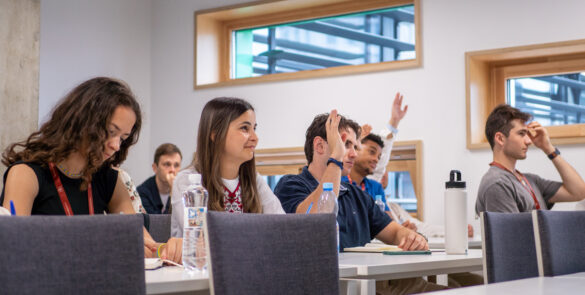
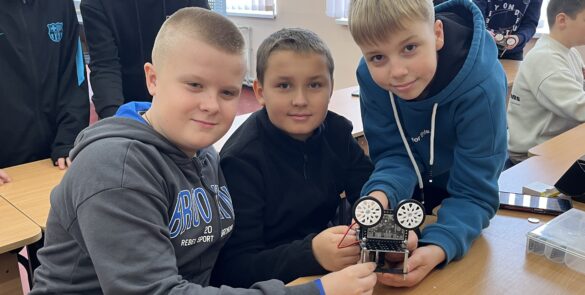
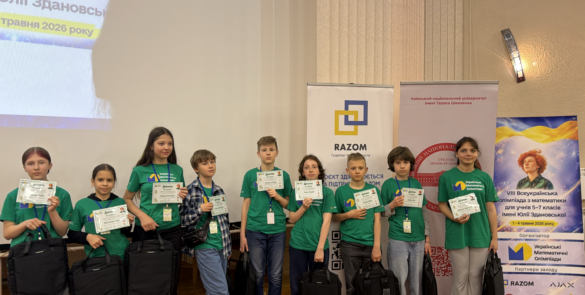
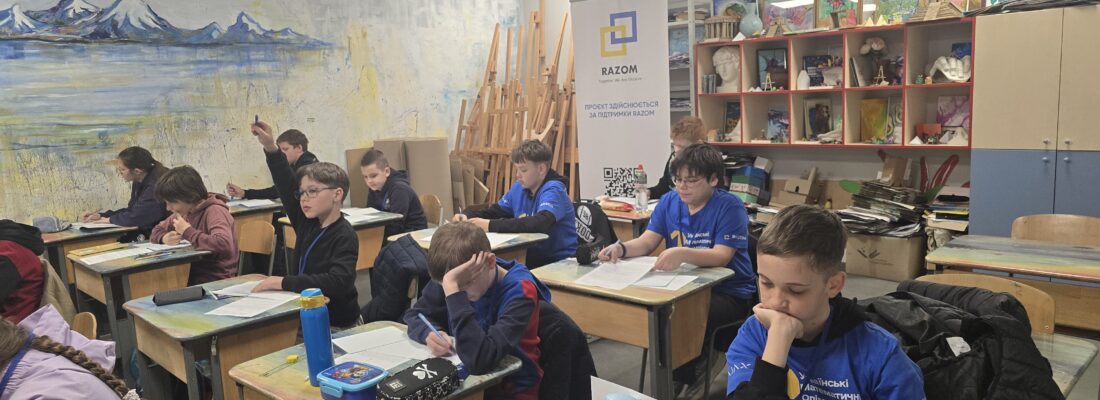
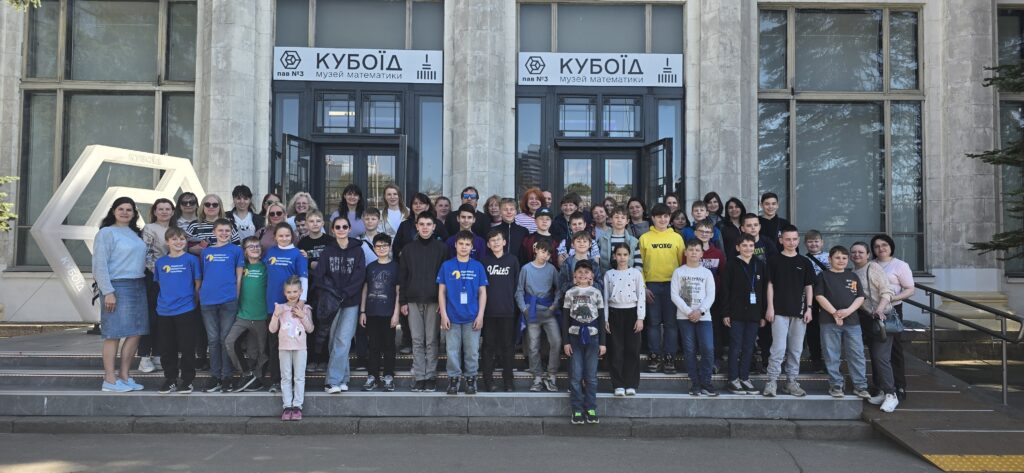
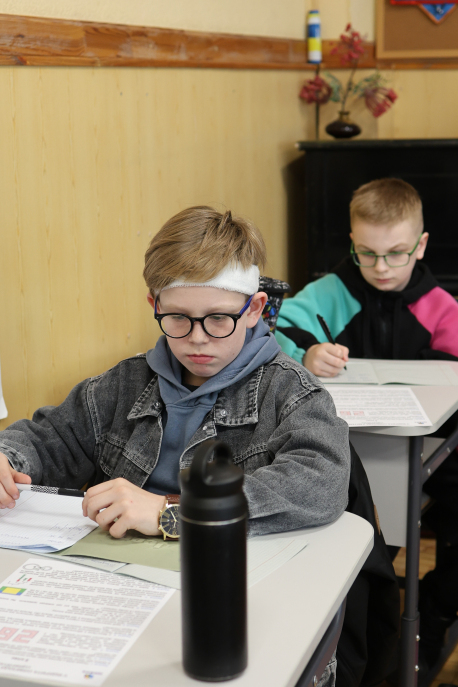
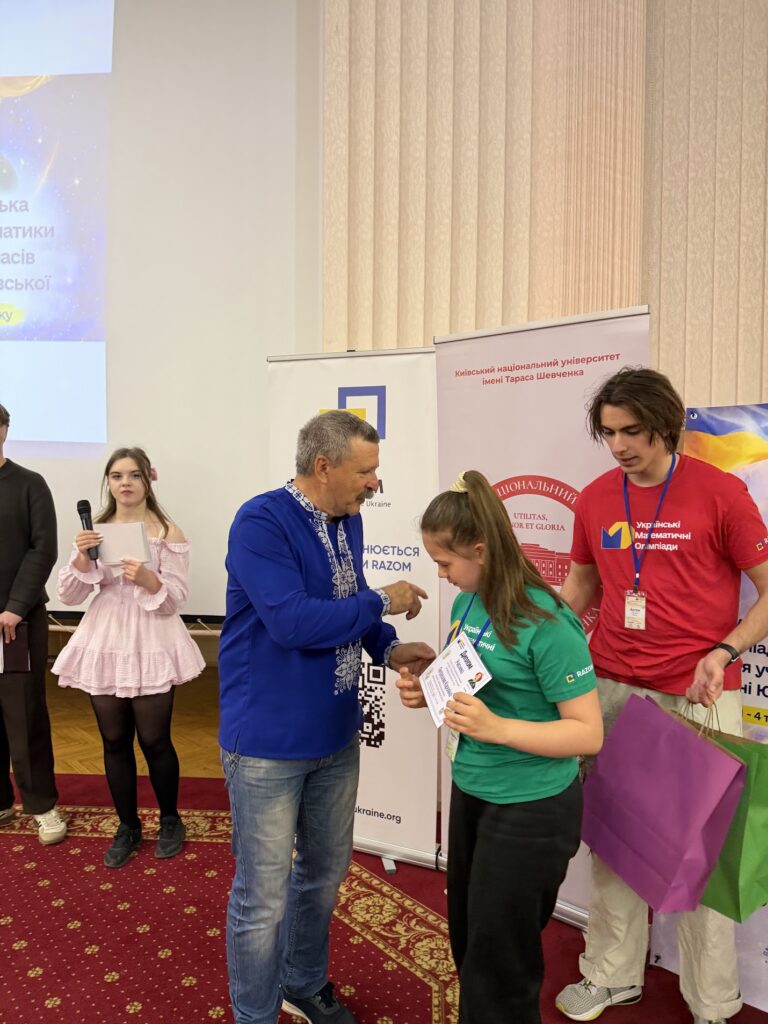
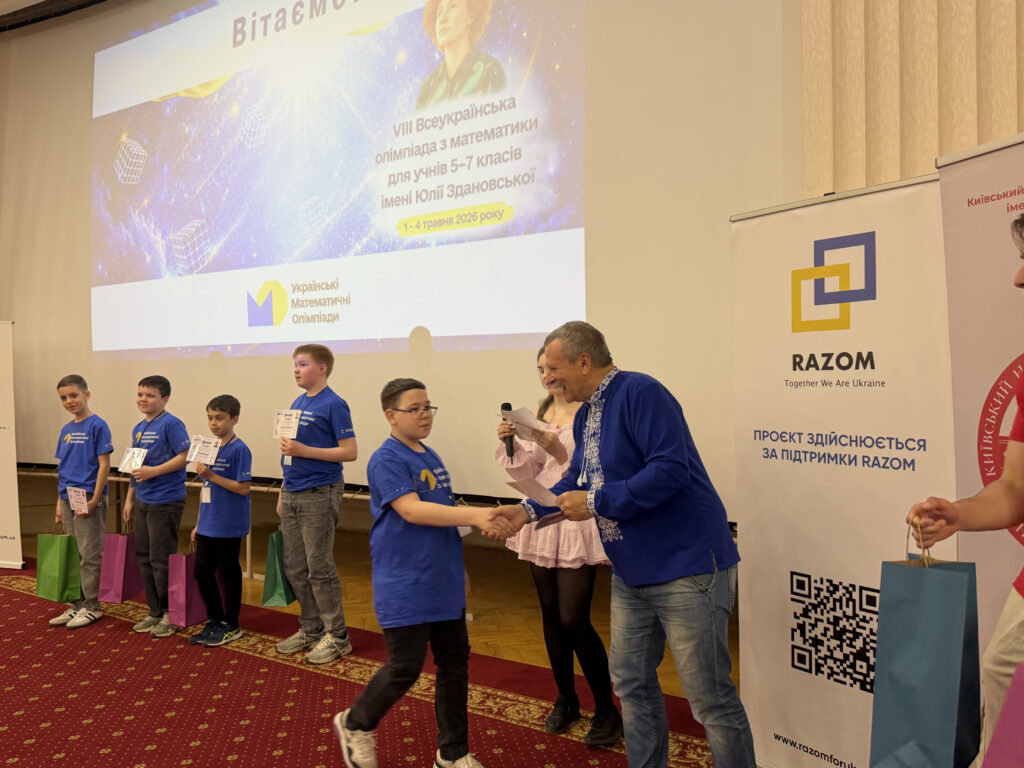
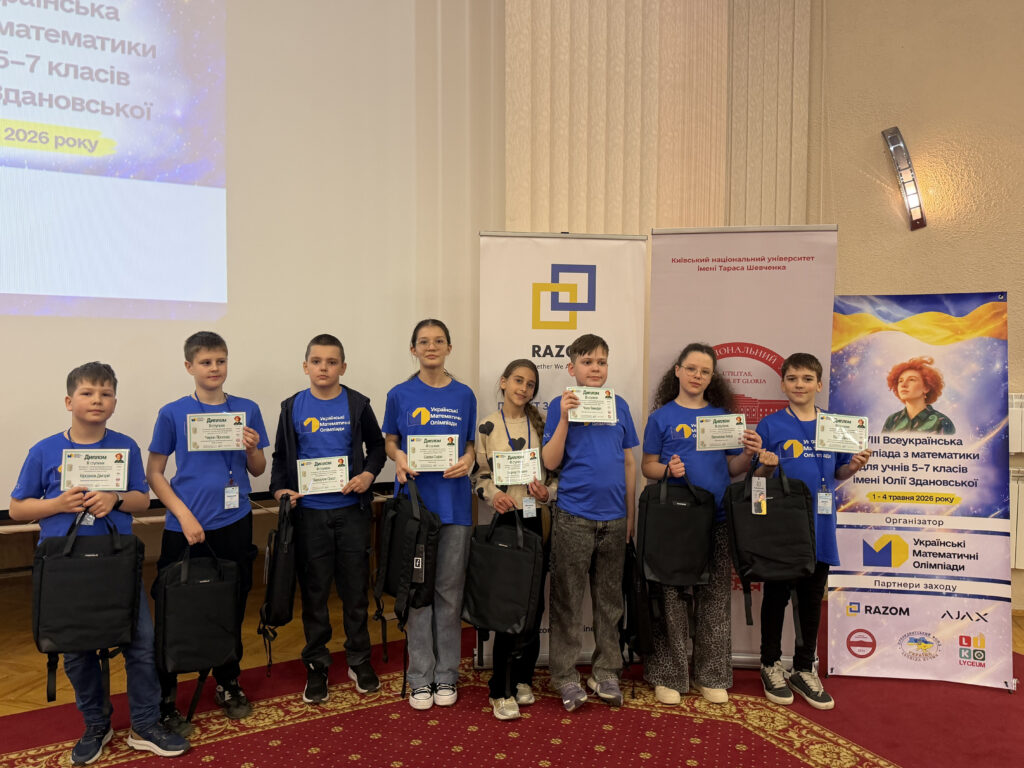
Ukraine’s future is being built in classrooms, volunteer camps, robotics labs, and youth leadership programs. Razom supported 25+ STEM classrooms reaching 9,500 students, national education festivals engaging 2,500 teachers, and international Olympiad teams earning medals on global stages. Through entrepreneurship programs like Create HERE!, 783 young people developed business plans, with projects already implemented in frontline communities.
Razom also invests in global exposure that strengthens Ukraine from the inside out. In 2025, Ukrainian theater professionals completed internships at the Metropolitan Opera in New York, gaining hands-on experience in large-scale production, fundraising, and institutional management.
At the same time, Ukraine’s Youth Delegates to the United Nations carried the lived realities of wartime Ukraine directly into global decision-making spaces, delivering more than 20 speeches and forming a cross-continental youth network spanning 20+ countries.
One participant reflected: “We are not just coordinating projects — we are coordinating hope.”
Investing in youth is not symbolic — it is a structural decision that ensures sustainability of workforce and talent as well as sustained involvement of youth in Ukraine’s recovery.
Building Forward — Together
The work documented in the 2025 Impact Report reflects more than response. It reflects long-term systems building. As CEO Dora Chomiak writes:
That is what Razom is building — a Ukraine that can defend itself, sustain its people, and shape its own democratic future. Your support makes this possible. If you believe in a secure, livable, and connected Ukraine — one led by its own people — we invite you to continue building with us.
Stand with Razom.
Invest in Ukraine’s long-term resilience
Razom Recommends March 2026
After another long and brutal winter, Ukraine is stepping into spring. War has not paused, but the return of longer days and warmer light brings a familiar rhythm — a reminder that renewal is part of life, even in the hardest seasons.
As the sun returns and communities begin to gather outdoors again, there is a quiet but steady sense of hope. This month’s Razom Recommends reflects that shift. Just as spring nourishes new growth, we’re sharing events that invite connection, creativity, and renewed inspiration — opportunities to stay engaged with Ukraine’s culture, resilience, and future.
5 Mar| 6:30-8:00 PM| NYC
Signals of Being: An Evening With Writer Volodymyr Rafeyenko
Please join the Ukrainian Studies Program at the Harriman Institute for an evening featuring Ukrainian writer Volodymyr Rafeyenko in discussion with Mark Andryczyk. On the occasion of the recent publication of Andryczyk’s English-language translation of Rafeyenko’s play “Signals of Being or Verbum Caro Factum Est” (2025), the two will read excerpts from the publication and discuss how Ukraine’s culture continues to respond to Russia’s enduring drive to eliminate Ukrainian identity.
5, 7, 14, 26-28 Mar|Washington, DC
Jewish Film x Music Festival: Segment on Ukraine
Jewish roots in Kyiv stretch back to the eight century, and it has served as fertile ground for Jewish art, philosophy, and culture. From the rise of the Hasidic movement to the flourishing of klezmer music, Jewish communities persisted and remained fully engaged in present-day Ukrainian society. This month we celebrate the Ukrainian spirit of resistance, a groundbreaking tradition of filmmaking, and the outpouring of creative energy that shines through ongoing conflict. The segment includes Second Wind (March 5), SHTTL (March 7), Man with a Movie Camera (March 14-15), and a suit of Ukrainian shorts (March 26-28).
6 Mar| 2:30-8:00 PM| NYC
Ukraine Tech: On the Battlefield and Beyond
The Ukrainian Institute of America will host a conference on Ukraine’s emergence as a key proving ground for advanced technology. Drawing on longstanding scientific and engineering expertise, Ukrainian innovations—from drones and AI to cyber capabilities—are reshaping modern warfare and global security far beyond the battlefield.
6 Mar| 3:00-5:00 PM| Princeton, NJ
Event with Volodymyr Rafeyenko: Signals of Being
In the early days of Russia’s 2022 invasion of Ukraine the residents of a small co-op community outside of Kyiv find themselves in increasingly desperate circumstances, surrounded by occupying Russian forces. Pinched between Bucha and Borodianka, cut off from aid, and unable to escape, their attempts at survival rely on connection: a cellphone signal in the forest, their bonds with each other, and, ultimately, new understandings of what it means to be Ukrainian. Weaving Shakespeare with both Ukrainian literary classics and contemporary works, “Signals of Being or Verbum Caro Factum Est” stages a captivating dramatic interpretation of a country at war.
7 Mar| 12:00-4:00 PM| Chicago, IL
L.A. Woman, Irene Antonovych
The Ukrainian Institute of Modern Art proudly presents L.A. Woman, a memorial exhibition surveying the life’s work of model, actress, artist, curator, and documentary filmmaker, Irene Antonovych, née Zmurkevych.
The show also highlights her personal collection, which includes works by portraitist Julian Butsmaniuk; California artists Nick Brigante, Peter Max, Morgan Russell, and Volodymyr Balas.
9 Mar| 7:00 PM| NYC
Procrustean Bed Group Exhibition
On March 9, Mercury Art Center in collaboration with Rukh Art Hub and Fridman Gallery will present Procrustean Bed, a group exhibition that reflects on migration, conformity, and systemic pressure on the individual, featuring artists Taras Haida, Anna Luhovska, Yurii Syvyryn, and Nikita Tsoy.
10 Mar| 4:00-5:30 PM| NYC
Perspectives on the Hidden Cost of War
This talk will bring together three perspectives on the hidden cost of Russia’s brutal war against Ukraine. As questions about a prospective peace plan continue to circulate, Olga Rudneva, Roksolana Yurchyshyn, and Mary Jordan bring firsthand accounts of soldiers on the frontlines, Ukrainians coping with trauma, and rescued children from the Temporarily Occupied Territories. Together, their work paints the sweeping cost of war beyond the headlines and centers a conversation on what a just peace really means for Ukraine.
15 Mar| 1:00 PM| Chicago, IL
Testimony of a dissident: 16 years of imprisonment
The Ukrainian community of Chicago is honored to welcome a true living legend — Mykola Horbal, poet, dissident, former political prisoner, and member of the Ukrainian Helsinki Group. A lifelong advocate for human rights and Ukrainian independence, Horbal’s voice has endured imprisonment and repression. On Sunday, March 15, he will speak at the Ukrainian Institute of Modern Art in Chicago, offering reflections shaped by decades of resistance and cultural leadership.
19-21 Mar| NYC
Mosaics: Discover Ukrainian Composition
Opening our seventh season, UCMF teams up with International Contemporary Ensemble to showcase the diverse places that constitute Ukraine. The festival launches with Places on March 19, 2026, presented in collaboration with the International Contemporary Ensemble. This opening program explores the relationship between geography and imagination, portraying how Ukraine’s vast and varied landscapes — from the Carpathian Mountains to post-industrial mining towns — shape the sonic imagination of its composers. Featured works include Vela Invecti by Alla Zahaykevych, Branching by Ostap Manulyak, Voice of the Mountains by Victor Kaminsky, Terricone by Anna Korsun (new arrangement co-commissioned by International Contemporary Ensemble and UCMF), and Five Minutes After Leaving the Bomb Shelter by Ivan Nebesnyy.
26-27 Mar|NYC
Conference. 1990s Ukraine: Undertaken Initiatives & Squandered Opportunities
Please join the Ukrainian Studies Program at the Harriman Institute for the conference 1990s Ukraine: Undertaken Initiatives & Squandered Opportunities. Of late, several important scholarly publications have appeared that focus on the years leading to the Revolution of Dignity and Russia’s invasions of Ukraine in 2014 and 2022 in search of roots for the dramatic changes in identity and civil society that Ukraine has undergone in the recent past. These volumes are very insightful and informative in tracing the trajectory of developments on those fronts in Ukraine since 2000, but they largely ignore the first ten years of Ukrainian independence—roughly the 1990s. However, that decade, in fact, featured many of the key initiatives and strategies that would be further developed in the country in the decades to come. 1990s Ukraine will look back at the 1990s and identify crucial areas that can be linked with more recent experiences in Ukraine.
28 Mar|3:30PM|Ann Arbor, MI
Ann Arbor Film Festival: Films in Competition from Ukraine
This special focus on Ukrainian films includes a poetic film essay set in purgatory; a story of survival; a search for a roommate in Budapest; a jovial rumination on love and the passage of time; the toxic legacy of a Khimprom chemical plant; and a surreal night in the wilderness. The organizers acknowledge the generous support of the U-M Weiser Center for Europe and Eurasia, which covered the submission fees for all Ukrainian films this season.
As the seasons change, our commitment cannot. We invite you to stay engaged, stay informed, and keep your attention on Ukraine — not only in moments of crisis, but in the ongoing work of resilience, culture, and rebuilding. Your continued interest, presence, and support matter more than ever.
The Missing Puzzle Piece: Svitlana Blinova and the Power of Local Leadership
It feels almost surreal to sit across from Svitlana Blinova in the basement of Lviv City Hall. Down here, in a concrete shelter, we are waiting out news of a possible missile strike. It is the safest place to conduct an interview today. Svitlana smiles softly as she speaks – composed, thoughtful, almost delicate in appearance. And yet, as she begins to tell her story, it becomes clear that she is exactly the kind of leader Ukraine has produced in wartime: steady, determined, and quietly transformative.
Razom first met Svitlana not at a conference or on a panel – but through partnership. Through the inaugural Impact UA internship program, developed by Razom and Brave Generation, Svitlana’s organization Cities4Cities hosted Aidan Stretch, a recent Yale graduate focused on history and journalism. From the start, Svitlana stood out.
She did not simply assign tasks. She took Aidan under her wing. She brought him into the real work of building international municipal partnerships. And later she went further, bringing him to her grandparents’ village outside Lviv so he could experience rural Ukrainian life firsthand. Her grandmother cooked potatoes grown on their own land. Her grandfather, who does not speak English, offered a simple “hello.” It was not staged hospitality. It was trust.
That experience shaped Aidan’s reporting and the work he now continues as a freelance journalist based in Kyiv, contributing to outlets such as The Kyiv Independent and CBS. Through his writing, American audiences encounter Ukrainian municipalities not as abstractions, but as communities rebuilding, partnering, and leading.
Svitlana’s commitment impressed us. And we kept watching her work. Born in 1991 – the year Ukraine regained independence – Svitlana’s life has unfolded alongside the country’s own search for voice and agency. She studied journalism and law, but her real education began during a summer internship at Lviv City Council. Officially, it was four hours a day. In practice, she stayed fourteen.
Before the full-scale invasion, she worked on municipal development strategies. On February 24, 2022, she packed a shelter bag for her family and went straight to City Hall asking one thing: How can I help? Within days, she helped coordinate international journalists. Soon after, she redirected humanitarian aid from Lviv to harder-hit communities. From that emergency response grew something more lasting.
Together with the City of Lviv, SALAR International (part of the Swedish Association of Local Authorities and Regions), and the German city of Sindelfingen, Svitlana helped launch Cities4Cities, which is now a robust platform connecting Ukrainian municipalities with European and American partners. Today, the network spans nearly 100 municipalities across seven EU countries and the United States. For Svitlana, sister-city agreements are not paperwork. They are relationships. “International cooperation is not magic,” she says. “It’s soft skills.”
Through the Cities4Cities Academy, her six-person team trains municipalities across Ukraine to identify their priorities, seek aligned partners, and build sustainable, win-win cooperation. There are over 1,400 municipalities in Ukraine. The scale of the task is immense.
And then came a moment that could change everything. Last year, Svitlana received an invitation to speak at the International City/County Managers Association conference in Florida, one of the most influential gatherings of municipal leaders in the United States. The registration fee was waived. She secured a visa just two days before the event. But she did not have the money for a last-minute plane ticket – nearly $1,000. For many civic leaders in Ukraine, that is where opportunities end. There is no simple travel grant to apply for on short notice. No rapid-response fund for moments like this. Conferences move on. Connections are lost.
Because we had already worked with Svitlana through Impact UA – because we had seen her leadership up close – Razom stepped in through our Razom Sylnishi program, which strengthens Ukrainian civil society leaders. Within days, the ticket was secured. “That ticket was the missing puzzle piece,” Svitlana says.
The impact was immediate. Standing before American city managers – in a country she had never spoken publicly in, in a language she only began studying after the invasion – Svitlana presented the case for partnering with Ukrainian municipalities. When she finished, there was a line of leaders waiting to speak with her. Today, she carries a stack of business cards from U.S. municipal officials eager to build sister-city partnerships. Those conversations are already translating into new connections – opening doors for Ukrainian communities seeking expertise, collaboration, and long-term integration with American counterparts. A $1,000 plane ticket did not just fund travel. It unlocked access. It accelerated U.S. engagement. It shifted the trajectory of Cities4Cities’ expansion into America. This is what catalytic support looks like. And Svitlana’s leadership does not stop there.
After burning out in a previous political communications role, she once spent a summer living in a tent in her grandparents’ village. Seeing its decline, she helped mobilize residents to rebuild it through securing grants, improving roads, creating a youth coworking and cultural space, and launching a regional tourism brand marking forest routes across multiple municipalities.
She and her husband built a small guesthouse in the village. When the war began, he became a defender. She finished the house herself. Today, it ranks in the top 10% of Airbnb listings worldwide. She personally communicates with guests and even offers “voluntourism” stays in exchange for beautifying the community. “This house is from my heart” – she says.
At the start of the invasion, Svitlana briefly relocated to Poland – only to return. “I didn’t feel that I was with my people,” she says. She later chose to have a second child during wartime. “We will rebuild Ukraine also with kids.”
In the quiet of the shelter beneath Lviv City Hall, it becomes clear that leadership like Svitlana’s does not seek attention. It builds systems. It strengthens communities. It studies English at night so Ukraine can speak to the world.
Razom did not create Svitlana Blinova. Ukraine did. But sometimes, what makes the difference between a missed opportunity and a transformative one is the ability to act quickly – to remove one obstacle at exactly the right time.
One plane ticket. One missing puzzle piece. And the ripple effect continues.
And when leaders like Svitlana are met with trust, flexibility, and timely support, their impact multiplies far beyond a single conference, a single partnership, or a single moment. It ripples outward – connecting cities, strengthening communities, and weaving Ukraine more tightly into a global network of solidarity that will help shape its recovery for years to come.
If you believe in leaders like Svitlana – pragmatic, courageous, and deeply rooted in their communities – we invite you to stand with them. Your support allows Razom to continue providing the flexible, rapid-response backing that turns pivotal moments into lasting impact for Ukraine.
Razom Recommends February 2026
February marks four years since the start of Russia’s full-scale invasion of Ukraine. As communities gather to remember and show solidarity, this anniversary comes during an unusually harsh winter marked by escalating attacks on civilian infrastructure. Millions of Ukrainians are facing outages of heat and power never experienced before – challenges that directly affect daily life and survival itself.
This month’s Razom Recommends highlights events held in February that help bring clarity and renew resolve. Alongside these gatherings, Razom continues to respond on the ground, providing urgent winter and energy assistance to communities impacted by ongoing strikes. You can learn more about Razom’s response to the winter emergency here.
2 Feb| 4:15-5:45 PM| NYC
Crimea and the Crimean Tatars after 12 Years of Temporary Occupation
Please join the Ukrainian Studies Program at the Harriman Institute and the Global Coalition of Ukrainian Studies (GCUS) for a lecture by Alim Aliev. Moderated by Yuri Shevchuk.
This public discussion will examine the profound changes that have taken place in Crimea over the 12 years of its temporary occupation by the Russian Federation. The conversation will focus on how local residents continue to resist the occupation, how Crimean Tatars preserve and develop their identity under conditions of repression, and how they envision their future.
2-7 Feb| Washington, D.C.
Ukrainian Week in D.C.
Ukrainian Week has been held every February since 2022 in the U.S. capital, hosted at the city’s premier venues. Over the years, thousands of delegates from the United States, Europe, Ukraine, Israel, South Korea, and other countries have participated in Ukrainian Week. In 2026, the jubilee fifth Ukrainian Week will take place as part of the celebration of the 250th anniversary of the U.S. Independence Day, and close to 2,000 delegates are expected to attend.
3 Feb| 4:00-5:30 PM |NYC
Book Talk. “Maidan: Ukraine’s Democratic Revolution”
Please join the Ukrainian Studies Program at the Harriman Institute for a book talk by Sophia Wilson. Moderated by Mark Andryczyk. Sophia Wilson will discuss her book, “Maidan: Ukraine’s Democratic Revolution” – a carefully researched account of the underbelly of the Ukrainian revolutionary process in the winter of 2013-14. The book investigates how participants self-organized to create the resistance, why the peaceful movement eventually turned to violence, and how the revolutionary process changed those who came to change the country.
10 Feb| 6:00 PM | NYC
Special Screening of THE EUKRAINIAN hosted by Razom
THE EUKRAINIAN follows Olha Stefanishyna—recently appointed Ukraine’s Ambassador to the United States—during the full-scale invasion of Ukraine. Filmed from within the corridors of power and moments of profound personal strain, the film offers an urgent, human portrait of leadership, resistance, and democratic values under existential threat. Trailer
The evening will open with remarks by Erik Ullenhag, Consul General of Sweden in New York. The screening will be followed by a moderated conversation with director Viktor Nordenskiöld and Razom CEO Dora Chomiak, addressing the realities of war, diplomacy, and the responsibility of the international community. Free admission. RSVP required.
10 Feb| 6:00-9:00 PM | NYC
The World of Fake Values: Ukraine and the Global Fight for Freedom
The Ukrainian Institute of America and Renew Democracy Initiative invite you to The World of Fake Values: Ukraine and the Global Fight for Freedom, a conversation with RDI’s Founder and Chairman, Garry Kasparov and CEO, Uriel Epshtein, moderated by CNN’s Bianna Golodryga. Includes reception after the program. Gary’s new book will be available for purchase and signing.
13 Feb|6:00-9:00 PM| Chicago, IL
It Will Destroy You at UIMA: Opening Reception
It Will Destroy You brings together works by contemporary artists who interrogate the deconstruction of systems and structures that have long governed our lives. Through painting, sculpture, installation, and video, the exhibition reflects on themes of self-preservation and reconciliation as we navigate what the curators describe as a “crumbling socio-political landscape built on violence, greed, corruption, and brutality.”
21 Feb|1:00-3:00 PM| Madison, WI
Ukrainian Rally
Friends of Ukraine – Madison, Inc. invites everyone to join the rally and to honor the resilience and courage of the Ukrainian people and to remember the sacrifices they have made since the full-scale invasion of Ukraine began four years ago. During the Capitol gathering, the audience will hear from invited speakers including members of the local Ukrainian community.
Afterwards, the fellowship hour at The Guild Hall of Episcopal Church will offer an opportunity to connect with others, reflect, and engage in meaningful conversations over light refreshments.
21 Feb|1:30-3:30 PM| Washington, D.C.
Ukrainian Rally
On Saturday, February 21, the Ukrainian diaspora, together with the Ukrainian Embassy, supporters of Ukraine from the U.S. and around the world, will gather at the iconic Lincoln Memorial in Washington, D.C. for a mass rally, marking four years of Russia’s full-scale aggression against Ukraine. The gathering will take place from 1:30-2:00pm, with the program running 2:00-3:30pm.
22 Feb|2:00-4:00 PM| San Francisco, CA
Unite & Empower Ukraine Rally & March
The Ukrainian American Coordinating Council, Consulate General of Ukraine in San Francisco, the Ukrainian Community and its friends invite you, your family and friends to join us as we continue to support Ukraine’s resistance to the Russian invasion. The event will start with a gathering with flags at Harry Bridges Plaza, feature addresses by dignitaries, and conclude with a march towards Pier 39.
22-25 Feb|Washington, D.C.
Ukrainian Days
Sponsored by the Ukrainian National Information Service (UNIS), the Washington, DC public affairs bureau of the Ukrainian Congress Committee of America (UCCA), the advocacy event is in conjunction with the observance of the 4th anniversary of Russia’s war of aggression against Ukraine. The advocacy event is an important opportunity to meet with your elected officials, especially as peace negotiations to end Russia’s illegal invasion of Ukraine have begun. In addition, a special Ukraine Security Dialogue conference will also be held on Wednesday, February 25th.
February|Nationwide
Screenings of 2,000 Meters to Andriivka
Throughout February we are helping college communities host screenings of 2,000 Meters to Andriivka, a powerful documentary by Oscar-winning director Mstyslav Chernov. The film follows Ukrainian soldiers during the liberation of a village near Bakhmut, offering an unfiltered look at modern warfare and the human cost behind each meter reclaimed. These screenings invite reflection and conversation on what four years of full-scale war have meant on the ground in Ukraine. To request a screening kit, please fill out a request form here.
Current 2,000 Meters to Andriivka screenings:
- Feb 17: Miami University (Oxford, OH)
- Feb 24: University of Kansas (Lawrence, KS)
- Feb 24 Stetson University (Deland, FL)
A Letter from our CEO
A Letter from Our CEO
As this new year begins, Ukraine is facing its most severe winter since the start of the full-scale invasion.
In recent days, temperatures in Kyiv have fallen to –20°C (-4°F) as Ukraine’s electrical grid continues to be systematically degraded by years of Russian missile and drone attacks. Millions of Ukrainians in cities across the country are living through freezing temperatures with unstable access to heat, electricity, and water. The result is a humanitarian crisis unlike any Ukraine has faced during the war so far.
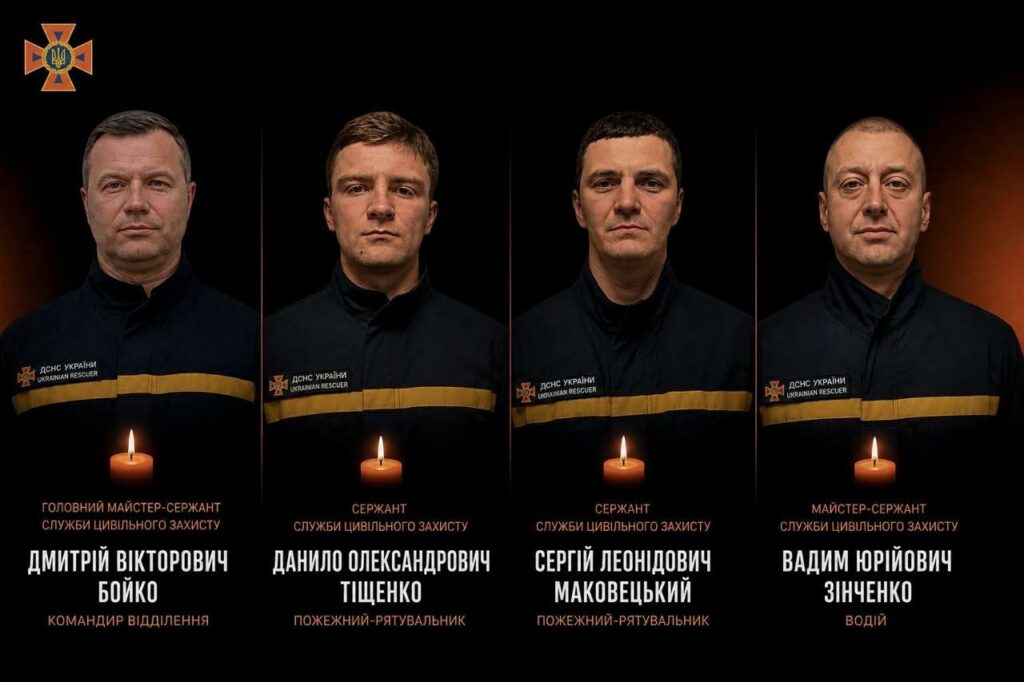
Parents plan their days around scheduled power outages, with utility companies publishing blackout times by neighborhood – often as long as 16 consecutive hours. Hospitals ration whatever power the city can spare. Heated tents are appearing in courtyards between apartment buildings scarred by drone fragments. First responders answer calls knowing that Russian “double-tap” strikes increasingly target those who arrive to help.
This is not an emergency that passes in a single news cycle. It is the daily reality of a nation still under full-scale assault after nearly four years.
Much of this no longer makes the front page.
What is less visible – but no less real – is the cumulative effect of these conditions. When electricity fails, hospitals strain. When heat is unreliable, chronic illness becomes acute. When first responders are killed, entire communities lose lifelines. And when political wavering pressures Ukraine to reach premature compromises with its aggressor, it is Ukrainian civilians – and future generations – who absorb the cost. This winter is forcing millions of Ukrainians back into survival mode, while testing whether the United States and its allies will substantiate their commitments.
This is the context in which Razom enters 2026.
Our work has never been about reacting to headlines alone. It is about ensuring that Ukrainians have the support, systems, and global partnerships needed not just to endure war—but to emerge from it with agency, dignity, and strength. This year, Razom will continue investing across five core areas: supporting first responders and medics on the front lines; strengthening Ukraine’s healthcare system; backing grassroots organizations serving the most vulnerable; advancing strong, principled Ukraine policy in Washington, D.C.; and connecting Ukrainian voices, culture, and innovation to the global mainstream.
Taken together, these efforts serve a single purpose: a secure, livable, and connected Ukraine capable of surviving this war, leading its own recovery, and standing as a model of democratic resilience and security for the world.
Global support for Ukraine cannot depend solely on moments of crisis. It must be built and sustained through strategy, partnership, and long-term commitment. That is the work ahead of us. And it is only possible because of you.
Thank you for standing with Ukraine, especially when the story feels harder to follow, and the outcome less certain. Your continued engagement matters more than ever.
With gratitude and resolve,
Dora Chomiak
Chief Executive Officer
Razom for Ukraine
What Razom Is Doing Right Now
That commitment is not theoretical. It is operational. Since November 2025 alone, Razom has delivered 118 generators and 175 mobile charging stations to frontline medics, emergency crews, and community organizations – keeping critical services running during prolonged blackouts. Since the start of the full-scale invasion, more than 200 generators have been placed in community hubs serving displaced families, older adults, and people with disabilities.
In Kryvyi Rih, where repeated missile and drone attacks force emergency responders to work under constant threat, Razom is supporting the State Emergency Service of Ukraine with mobile heated emergency tents and infrastructure. These allow responders to establish temporary rescue points during attacks – safely, visibly, and in freezing conditions.
In Poltava, local partners report having electricity for only one to two hours per day. A youth organization supported by Razom now relies on charging stations to stay operational at all – briefly entering cold buildings once or twice a week just to charge equipment, submit reports, and coordinate volunteer work.
At a social-cultural center supported by Razom, a single generator now powers heating pumps, lights, and programming for children, women, and older adults. “If not for your support, most of these activities would have been postponed until spring or not happened at all,” the team wrote.
For families, the impact is even more direct.
At a family-type children’s home caring for 13 children, including displaced children and children with disabilities, the generator Razom provided runs up to 12 hours a day, powering heating, water pumps, lights, and laptops. “If not for you, it would have been much harder to survive last winter,” the mother wrote. “About this one – there would be no way at all.”
At a residential care facility housing 50 elderly and chronically ill residents, a charging station provided by Razom now keeps the heating system running during blackouts. “This is not just technical support,” the director wrote. “It is protection of health and life.”
Why Support Razom – Especially Now
Razom’s strength is not scale alone. It is trust, proximity, and precision. Razom works directly with local partners who know where systems are breaking – and where relatively small interventions can prevent catastrophe. We don’t duplicate services. We fill gaps others can’t reach, often under conditions where speed, flexibility, and local relationships make the difference.
As Dora writes, Razom’s work is about more than endurance. It is about ensuring Ukrainians retain agency, dignity, and the ability to hold the line – even in the dark. This winter is testing more than infrastructure. It is testing whether support for Ukraine holds when the crisis becomes chronic instead of dramatic.
Let’s be clear: Ukraine is being pushed into the cold on purpose. People are surviving because generators are running, heated shelters are standing, first responders are equipped, and communities are refusing to collapse. Razom is there – in the dark, in the cold, in action.
But this work does not continue without you. If you are waiting for the right moment to help, this is it.
Donate now. Your support funds life-saving winter response on the ground.
Share this reality. Silence benefits the aggressor.
Engage. Policy decisions made now determine survival later.
Ukraine will endure. The question is how much suffering we allow before we act.
Stand with Ukraine.
Stand with Razom.
Caring for the Country by Caring for its People: Lessons from the Razom z Toboyu Forum in Bucha
In October 2025, the city of Bucha became a place of collective listening and forward-looking action. There, more than 70 practitioners, community leaders, public servants, educators, veterans, and partners gathered for the Mental Health Forum “Models of Resilience. Partnerships. Innovations,” organized by RAZOM z Toboyu, a project of Razom for Ukraine, funded by Direct Relief.
The forum asked a question that feels urgent across Ukraine today: How do we strengthen a mental health system that can meet people where they are – during war – and endure for the long recovery ahead?
A convening rooted in place-and purpose
Holding the forum in Bucha was deliberate. The city has become a symbol of profound loss and resilience, and a reminder that mental health is not an abstract policy goal – it is part of daily survival. Bringing the conversation here underscored a shared commitment to building support systems that are grounded in communities, responsive to trauma, and capable of scaling. Participants traveled from more than ten regions – from Kyiv Oblast (including Bucha, Irpin, Borodianka, and Boryspil) to Lviv, Vinnytsia, Khmelnytskyi, Ivano-Frankivsk, Zakarpattia, Zaporizhzhia, and Mykolaiv – alongside partners from the United States. Psychologists, social workers, medical professionals, veterans, educators, representatives of local government, and civil society organizations filled the room. For those unable to attend in person, the forum was also livestreamed, expanding the dialogue beyond the walls of the venue.
What the forum explored
Across panel discussions, presentations, and a Speed Networking roundtable, the forum focused on practical questions-and practical answers:
- How can communities support the mental health of service members, veterans, their families, and civilians living under constant stress?
- Which innovations-digital tools, evidence-based interventions, new service models-are helping psychologists work more effectively today?
- How do we move from fragmented efforts to systemic cooperation among government institutions, local communities, and the nonprofit sector?
Opening remarks from project leadership and partners emphasized that durable solutions depend on partnership. “This forum is not just an event—it is an effort to create a shared space for action, partnership, and responsibility. Together, we aim to identify models that truly work and to lay the foundation for a joint roadmap for the development of mental health services in our communities.” – said Iryna Gudyma, Head of the RAZOM z Toboyu project.
Other speakers shared lessons learned from building psychosocial support models that prioritize trust, coordination, and local ownership-while remaining aligned with national policy and international best practices. Throughout the day, the conversations were candid. Participants named gaps in coordination and capacity, but they also shared what is working: community-based models, professional support for frontline specialists to prevent burnout, and tools that help measure outcomes rather than intentions.
From dialogue to a roadmap
A central outcome of the forum was the creation of a “roadmap” for intersectoral cooperation – a practical guide communities can use to develop and strengthen their own local mental health ecosystems. The roadmap that emerged from the Bucha forum translates dialogue into coordinated action. Developed on the basis of discussions, panels, and participant surveys, the Roadmap of Mental Resilience for Kyiv Oblast outlines how communities, professionals, and institutions can move from fragmented responses toward a coherent, people-centered system of psychosocial support.
At its core, the roadmap recognizes a simple truth: since the full-scale invasion, mental health has become inseparable from community resilience. Veterans, families of the fallen, internally displaced people, and civilians alike are living with prolonged stress and trauma. Addressing these needs requires more than isolated services – it requires sustained cooperation across sectors, shared standards, and trust.
The roadmap defines intersectoral partnership as the foundation of an effective system. Local governments, healthcare and education institutions, civil society organizations, and psychological centers each play distinct but interconnected roles. Communities are positioned as the first point of contact – places where people seek help and where trust is built – while specialized centers provide deeper clinical support, supervision, and methodological guidance. A third layer of organizations strengthens social cohesion through education, integration programs, and community-based activities.
Another central pillar is quality and accessibility of care. Forum participants identified stigma, low public awareness, and a shortage of specialists – especially in smaller or remote communities – as major barriers to care. The roadmap responds by prioritizing psychoeducation, clear referral pathways, and professional development for specialists. Regular supervision, peer support, and burnout prevention are not treated as optional add-ons, but as essential conditions for sustainable care.
Innovation and digitalization form a third key direction. The roadmap emphasizes that technology is not a goal in itself, but a tool for expanding reach and continuity of support. Online consultations, digital case management systems, telemedicine platforms, and emerging tools such as chatbots or AI-assisted follow-up can help ensure that people do not fall through the cracks – especially when in-person services are unavailable. At the same time, the roadmap acknowledges the need to invest in digital literacy and trust-building so these tools can be used effectively and ethically.
Importantly, the roadmap centers care for the caregiver. The sustainability of any mental health system depends on the well-being of those delivering support. Training, supervision, fair working conditions, and recognition of professional expertise are framed as investments in the resilience of the entire system.
Finally, the roadmap is not a static document. It calls for memoranda of cooperation, shared trainings, mutual referrals, joint advocacy, and continuous feedback between partners. Its ambition is practical: to ensure that no person facing the consequences of war is left alone, and that communities have the structures, partnerships, and tools they need to support recovery today and in the long term.
Ukrainian resilience-shared with the world
The Bucha forum is part of a broader conversation. In 2025, the RAZOM z Toboyu team also presented Ukraine’s experience at the Heal Ukraine conference at Harvard, sharing a model of psychological resilience shaped by the realities of full-scale war.
That model emphasizes four interconnected levels of resilience-individual, family, professional, and social-and pairs them with evidence-based individual support that tracks progress and adapts care plans over time. It also centers professional resilience, offering psychoeducation to specialists working in “human-to-human” professions, and family-based approaches that address transgenerational trauma among military families and veterans.
As Iryna Gudyma put it: “Ukraine’s experience is not only about endurance; it is about innovation under pressure. The systems being built today are meant to be accessible, measurable, and scalable-relevant not just for Ukraine, but for any society facing prolonged crisis.”
Why this moment matters
Since 2022, RAZOM z Toboyu has been working to build a national system of psychological support based on trust, evidence, and partnership. A team of 40 psychologists – 12 with academic degrees – has delivered more than 28,500 individual consultations, 2,500 hours of group work, and over 440 psychoeducational trainings.
The Bucha forum marked an important milestone in that journey. It demonstrated what becomes possible when communities, professionals, and public institutions come together-not to compete for resources, but to align around people’s needs.
Resilience, the forum made clear, is not an abstract trait. It is something we build-deliberately, collectively, and in collaboration. In Bucha, that work continued, with eyes firmly on the future and a shared understanding that caring for mental health is essential to caring for the country itself.

Kharkiv: On the Frontier of Resilience
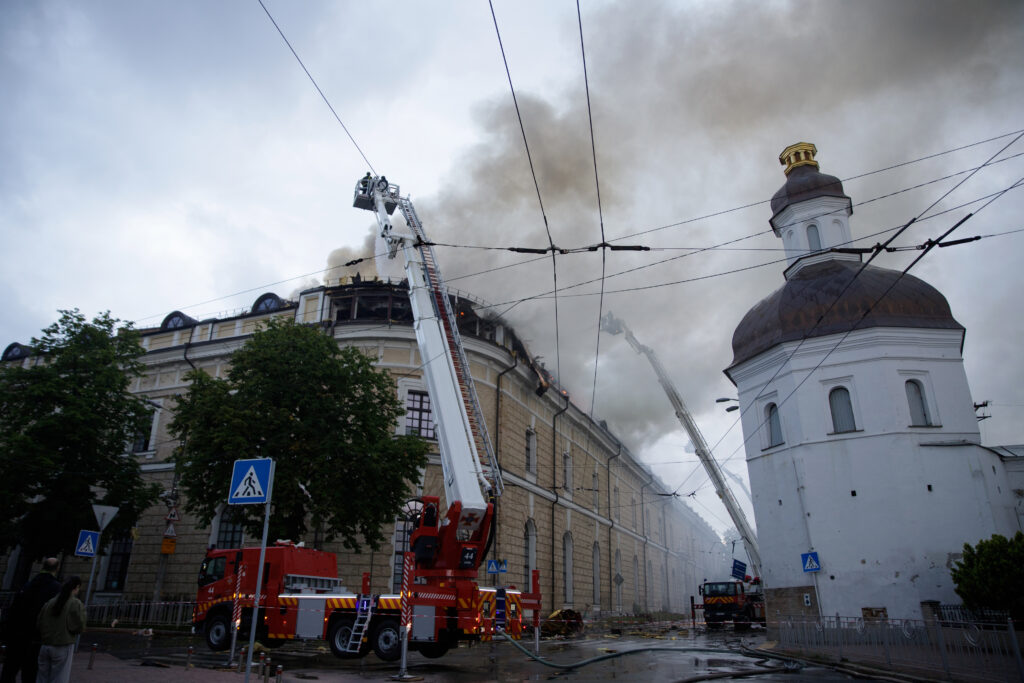
Few cities embody the word frontier as powerfully as Kharkiv. It sits just 25 kilometers from the Russian border, close enough that aircraft can reach the city in minutes. It has lived under constant aerial threat since the first days of the full-scale invasion, yet it continues to function exceptionally well. Those brave enough to visit are immediately struck by the spotless streets, flowers and decorations set up to beautify areas previously scarred by missiles and drones, and punctual public transportation that was made free of charge for all residents immediately after the start of the invasion. If not for the plywood covering many windows and defensive barricades at the city’s entrance – one might think they are in a safe city in Western Europe. Much of this ability to withstand the daily attacks and offer a sense of order to the residents comes from systems the city has created in wartime – systems that allow Kharkiv to detect danger quickly, warn people in time, and respond in a coordinated way.
At the center of this effort is the Kharkiv Situational Center (KSC), the only civilian defense hub of its kind outside Kyiv. Here, a team of young civil protection workers monitors live feeds, tracks incidents on an integrated city map, and coordinates everything from utility repairs to emergency rescue.
The Heartbeat of Kharkiv
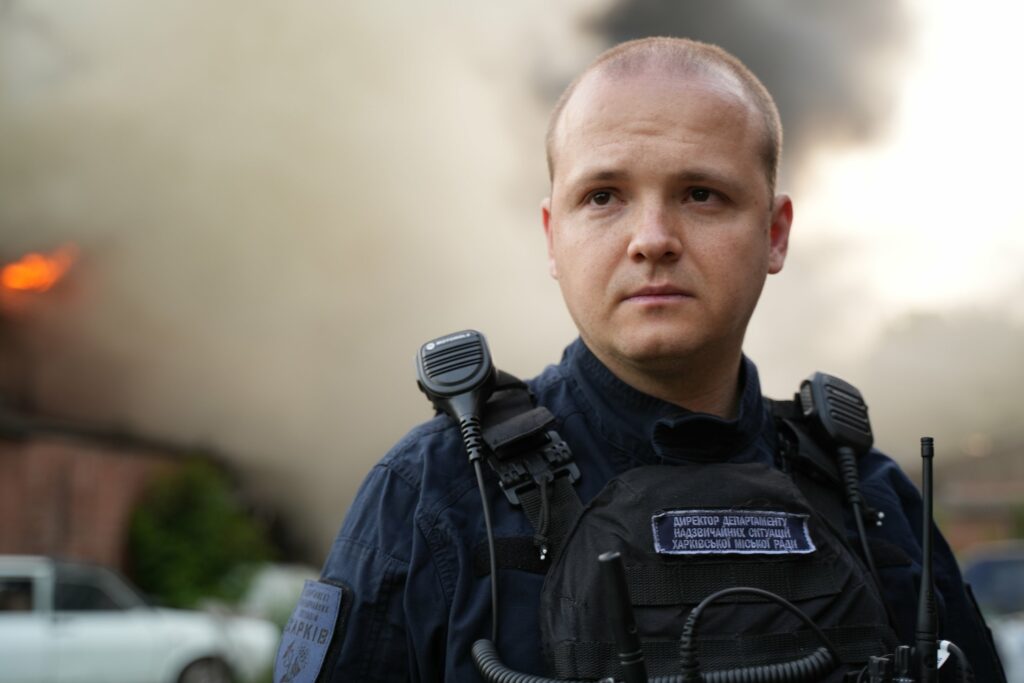
“The Situational Center is the heart of Kharkiv,” says Bohdan Gladkyh, the city’s Director for Civil Protection and head of the KSC. “It sees everything that happens in the city and directs every response – from fire brigades to medics. It’s the pulse that keeps Kharkiv alive.”
Built in just three months through a partnership of the city, local businesses, volunteers, and international donors, the KSC was a feat of wartime engineering. Not only was it considered nearly impossible to complete such a facility in this timeframe, but bringing so many services under one command to cooperate is not an easy feat in any circumstances – much less while each individual system is stressed to the maximum. But the city was able to work out a structure where the State Emergency Services, EMS, police, firefighters, and even utilities work together and coordinate seamlessly for the safety of Kharkiv residents.
Its digital map tracks every hydrant, road, and danger zone; its cameras monitor hundreds of live feeds; its analysts coordinate all emergency and utility services in real time. When an emergency situation arises – whether a complex attack on the city or a simple household fire – the staff at KSC can evaluate the situation through the live camera feeds, pull up complete information about the affected infrastructure, and dispatch necessary services (fire, medics, utilities) to the site depending on the real needs on the ground.
When war turned Kharkiv into a constant target, this “heart of the city” became its shield. But even the most sophisticated coordination system is only as strong as its communications. And in Kharkiv, when power and cell towers fall, silence can be deadly.
When the Signal Means Survival
During blackouts or heavy bombardments, mobile networks collapse within minutes. Towers fall, base stations burn out, and with them the ability to direct responders.
To close that gap, Razom provided radio repeater equipment – the backbone of a secure digital network now linking city hall, emergency services, and municipal companies. The system keeps the signal alive even when everything else fails.
“At first, our rescuers had no stable signal,” Bohdan says. “During blackouts, we were blind. Once the repeaters were installed, communication never failed again – not once.”
He remembers the night that proved just how essential that link is.
“Two months ago, during a double-tap attack, our teams were already working the site of an initial strike when a dispatcher called out on the radio: ‘Rocket incoming!’
Twenty-eight seconds later, the second missile hit. Everyone had time to get into the shelter. Every single person survived.”


A “double-tap” strike is a tactic where a second missile is launched at the same location shortly after the first, often targeting the rescuers who arrive to help. During the first impact, the explosion destroyed a nearby cell tower. As soon as the tower failed, mobile phones in the area lost service completely – even Bohdan’s two SIM cards showed no signal.
“Both of my SIM cards were dead,” Bohdan said. “The cell tower was gone. The only thing that worked was the radio network you helped us build.”
What he meant was that the only functioning communications line was the city’s digital radio network. While emergency crews were already on the ground, a dispatcher monitoring air activity saw that a second missile had been launched toward the same site. Because radios don’t rely on cell towers or commercial networks, the dispatcher was able to relay the message and every responder received it instantly. They had 28 seconds to get into a shelter. The second missile landed about 20 meters from where more than a hundred people had been standing. More than a hundred responders – utility workers, firefighters, and medics – were saved because the repeater network carried that single warning.
Today, that system covers the entire city. The mayor, department heads, and all critical service units carry connected radios. It ties directly into the automatic air-raid alert system that interrupts local radio stations to warn drivers on the road. The network is powered by generators and designed with redundancy: if one repeater goes down, another instantly takes over.
“I don’t see any alternative to digital radio communication,” Bohdan says firmly. “Without it, there is no coordination, no timely warning – and no chance to save lives.”
His conclusion is simple and urgent: every major city in Ukraine needs this system.
Innovation Beneath the Ground
That life-saving network reaches far beyond the Situational Center’s walls into Kharkiv’s schools, hospitals, and neighborhoods.
During one of our visits to the city this fall, several guided aerial bombs struck different districts just as we toured one of Kharkiv’s newly built underground schools. Sirens blared, and messages from Bohdan’s radio crackled through the thick concrete walls. Even while offsite, he was able to coordinate real-time responses across multiple impact zones – dispatching rescue crews, rerouting traffic, confirming that nearby shelters had opened to civilians.
It was a living demonstration of how vital communication is and how the city’s commitment to protection now extends below the surface of the earth.
Kharkiv’s underground schools are a direct answer to life on the front line: fully functional learning spaces that double as certified bomb shelters. Each can host 700-800 students for classes and up to 2,000 people during air raids. They are equipped with filtration systems, independent power, and water reserves. Ten are already operational, with more under construction.
One of these schools was hit directly by a missile in 2023 – and held firm.
“That was our test in real conditions,” Bohdan says. “Everything worked: the blast doors, the filters, the ventilation. The building took the hit, and everyone inside was safe.”
During each air-raid alert, hallways open to residents from nearby buildings, turning the school into a community refuge. Thanks to the same citywide communication system,
alerts arrive in time for people to reach shelter, and teachers can continue lessons safely underground. In addition to the standalone underground schools, learning spaces have also been creatively integrated into the metro stations – one of which was depicted in Kateryna Gornostai’s documentary “Timestamp”. Kharkiv’s engineers are now expanding the model even further – planning not only new schools but even the country’s first underground kindergarten. It’s education as civil defense, learning as resistance.
A City That Refuses to Break
Kharkiv’s population has shrunk by nearly half since the full-scale invasion, yet those who remain embody an unshakable resolve. Streets are cleared, utilities restored, children return to class – acts of quiet defiance performed every day under fire.
“I have made my choice,” Bohdan says simply. “I am staying.”
He has worked for the city for a decade, first in digital transformation, now in civil protection. In Ukraine, “civil protection” or “civil defense” is a function that is not administered by a single agency. It is a coordinated system that includes emergency dispatchers, firefighters, medics, utility crews, and shelter managers – the people who keep a city functioning during missile strikes, blackouts, and other crises. Essentially, it is everyone who defends the civilian population but is not in the armed forces – a role that is as important as it is demanding during a full-scale invasion. And so like many on his young team, Bohdan sleeps little, works fourteen-hour days, and endures the constant stress of alarms and loss. The hardest moments, he admits, are when children die.
“We are a frontier city – not only of defense, but of solutions,” he says. “When something breaks, Kharkiv finds a way to make it work again.”
The Situational Center’s average employee is twenty-nine years old. Together they’ve rebuilt a modern civil defense system once considered impossible. Their early-warning network has ensured that not once in the past year did a missile land in Kharkiv without a prior alert. Other municipalities now look to them as a model for resilience.
Together on the Frontier
Kharkiv stands as both shield and blueprint – proving that, even under siege, a city can innovate, organize, and care for its people. Razom is proud to have supported this frontier of resilience – to equip those who refuse to give up, who keep communication alive in blackout conditions, and who demonstrate that information, when shared swiftly and securely, saves lives.
The work that began in Kharkiv must now expand across Ukraine. The technology exists, the expertise is proven, and the will is unstoppable. What is needed is partnership – the same spirit of razom, “together,” that built the Kharkiv Situational Center in record time.
Razom Policy Platform on a Russia–Ukraine Deal
When Civic Activism Becomes a Full-Time Job, the Mission Stays the Same
Ella Petrenko was 26 years old when she founded the NGO Bilozerka Center for Regional Development. What began as an after-work passion project in her home village of Shyroka Balka, Kherson Oblast, has grown into a full-fledged organization with a team of 30 employees and volunteers dedicated to empowering local communities.
“I was born in a village, studied in Kherson, but I always wanted children in villages to have access to cultural and sports opportunities,” said Petrenko. “That’s why I eventually returned to work in the village.”
Her inspiration came from youth workers and civic activists she met in Poland, Denmark, and Sakartvelo. From the very beginning, her organization has intentionally focused on rural communities. “It’s not that we purposely ignore the city of Kherson,” she explained. “It’s just that rural communities are our focus.”
The Bilozerka Center began with youth projects and educational programs. Over the years, it has expanded to support democracy development, environmental awareness, and civic participation. When Russia launched its full-scale invasion, the work of the NGO shifted dramatically. “After Feb. 24, we had to reorganize completely,” she said. “For the first time, we started distributing humanitarian aid.”
When the full-scale invasion began in 2022 and Russian forces occupied Kherson Oblast, the NGO had to adapt quickly. During the occupation, they were quietly delivering humanitarian aid.
Though Petrenko had always juggled her NGO work with a job at the Migration Service, she made a big decision in 2024 and resigned to focus on the Bilozerka Center full-time.
“That shift was a turning point for me,” she explained. “I realized that doing good work is not enough—you have to do it efficiently and sustainably.”
As the team grew and the projects expanded, so did the operational challenges. Without strong internal systems, burnout set in. “We never had written internal policies,” she said. “We always worked based on trust and intuition. But now, with a larger team and more stress, that’s not enough.”
That’s when she discovered the Sylnishi (Stronger) grant—part of Razom’s effort to build the organizational capacity of its grantee partners.
“Before, we had support from Razom for specific projects,” she said. “But the Sylnishi grant gave us something more important—support for internal growth. That’s what we were lacking.”
Through Sylnishi, the Bilozerka Center received both funding and mentorship to strengthen its strategy, fundraising, and internal communications. They reviewed their mission and goals, developed clear operational policies, and began crafting a strategy for the next three years.
“For the first time in ten years, we sat down as a team and asked ourselves who we are, what our goals are, and what we want to change in our communities,” Petrenko said. “It helped us slow down and reflect.”
One of the biggest takeaways was the importance of staff wellbeing. “We work with communities in crisis every day—violence, trauma, displacement,” she said. “But we hadn’t created any internal support systems for our team.”
With the Sylnishi support, they organized team retreats and introduced mental health resources. “Burnout was a real threat,” she admitted. “Now, we’re trying to build a healthier workplace culture.”
The grant also helped them design a new fundraising strategy. Petrenko acknowledged that previously they relied heavily on a few donors. “We want to diversify, build resilience, and engage more with the communities we serve,” she said.
Despite the challenges, Petrenko remains deeply motivated. Her hope for Ukraine’s future is rooted in the grassroots.
“I see how change starts in small communities,” she said. “It’s not just about big reforms in Kyiv. It’s about what we do in Bilozerka, in small towns and villages, every day.”
She believes that supporting local NGOs isn’t just about charity—it’s a long-term investment in Ukraine’s democratic future. “We’re the ones working with people face-to-face. We know their stories, their needs, their strengths.”
For Petrenko, civic activism is more than a job. It’s a calling.
“I don’t need to motivate myself to keep going,” she said. “When you’re surrounded by people who believe in the same things, who do their work from the heart—it gives you energy.”
Looking ahead, she hopes more organizations can access support like Sylnishi.
“These grants are about more than money,” she said. “They give us time to reflect, to grow, and to build organizations that will be here for the long run.”
With your support, Ukrainian grassroots organizations grow stronger, boosting their impact.
- « Previous Page
- 1
- ...
- 3
- 4
- 5
- 6
- 7
- ...
- 52
- Next Page »