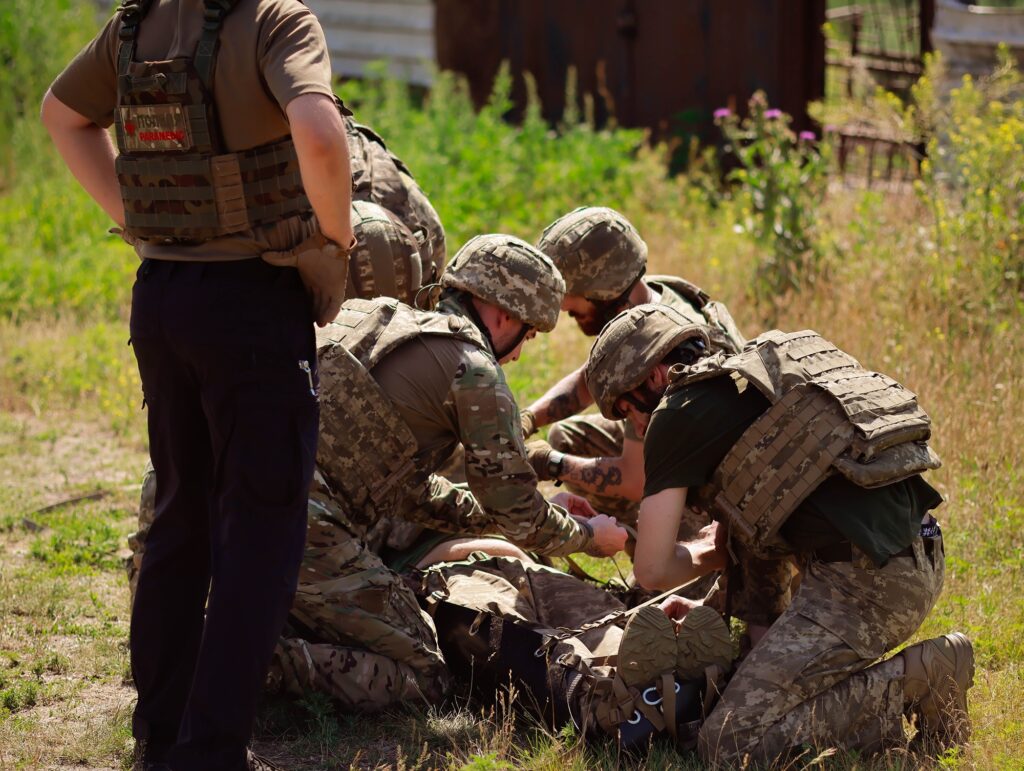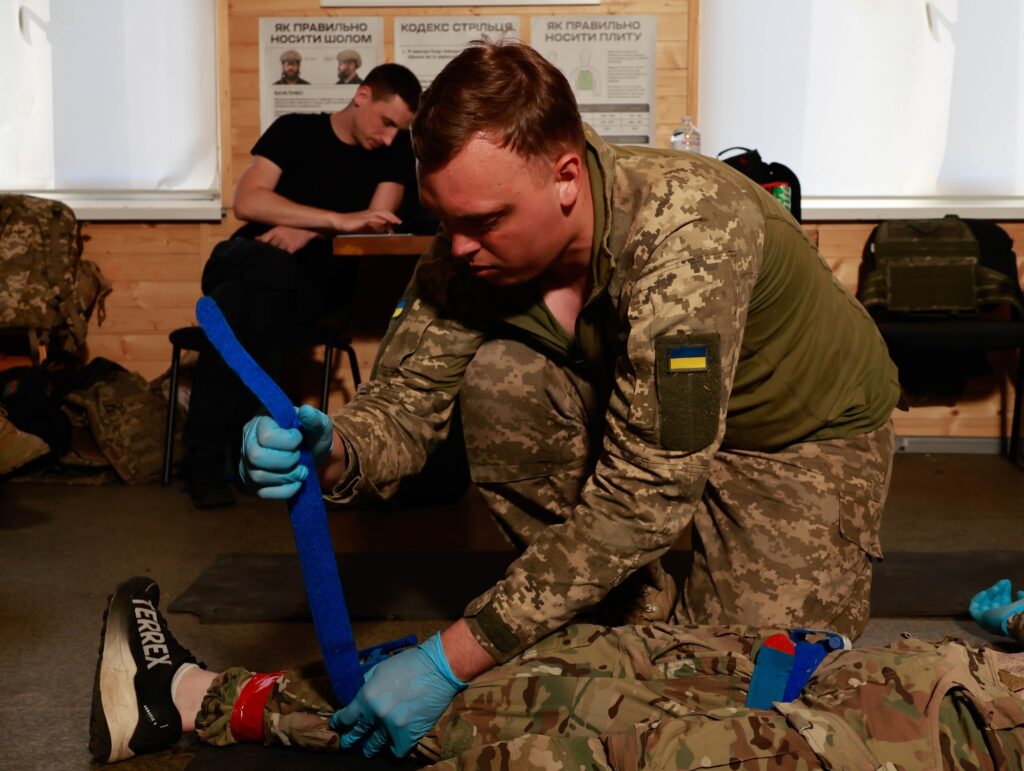

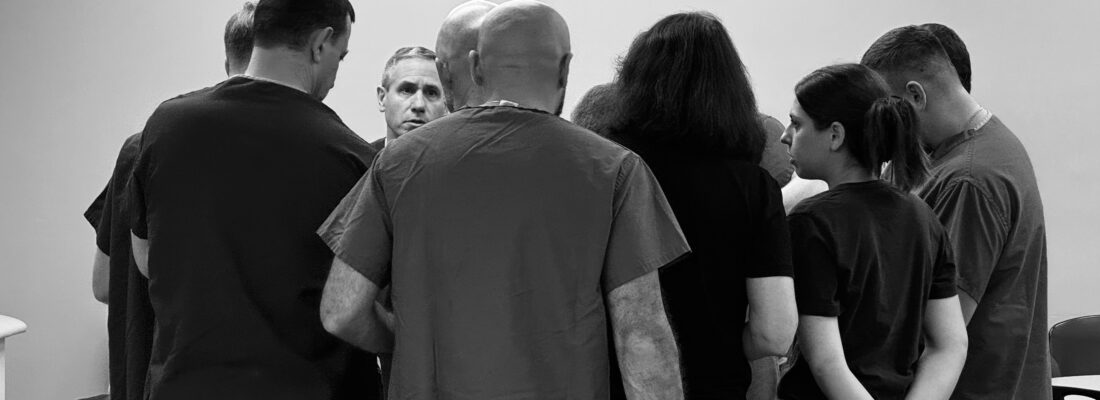
Severe trauma can cause massive bleeding, and within minutes, that bleeding can become fatal. The ability to control it quickly is therefore critical to saving a wounded patient’s life. That is the focus of VICTOR, a pilot vascular surgery course for combat trauma developed through a collaboration between Ukrainian and U.S. military surgeons at the initiative of Razom for Ukraine and Operation Ukraine. The course focuses on complex vascular injuries and was developed with support from the University of Oklahoma, the University of Maryland Medical Center, the Uniformed Services University, the Ukraine Military Medical Forces, and the Special Operations Center “A” of the Security Service of Ukraine (SBU).
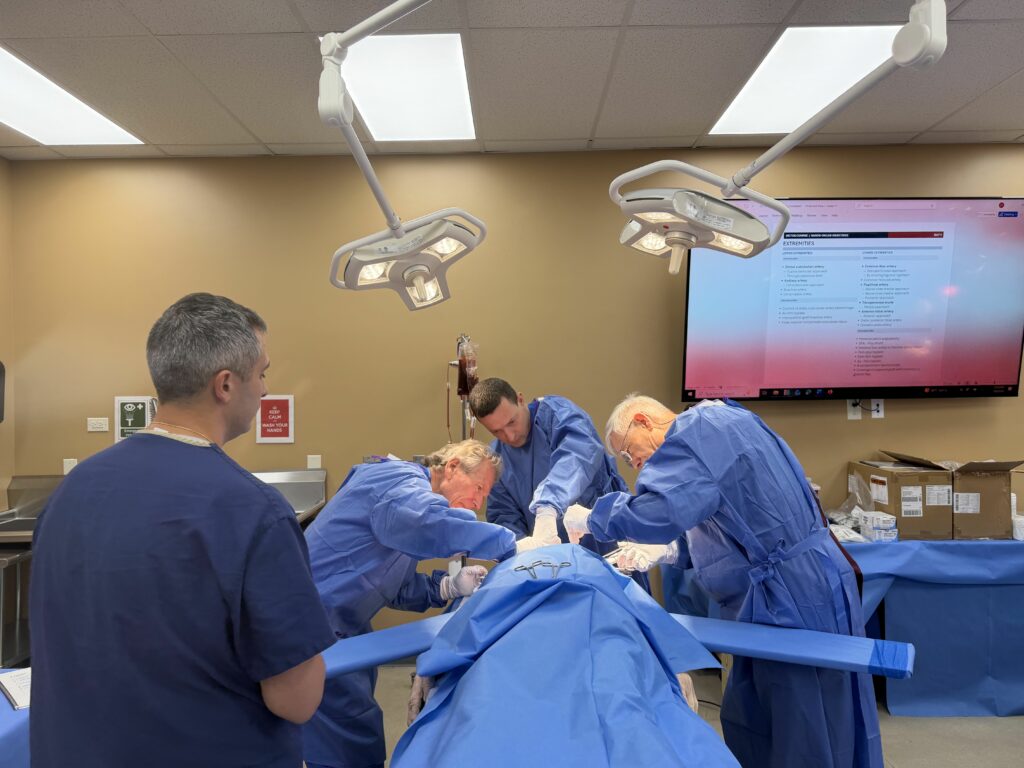
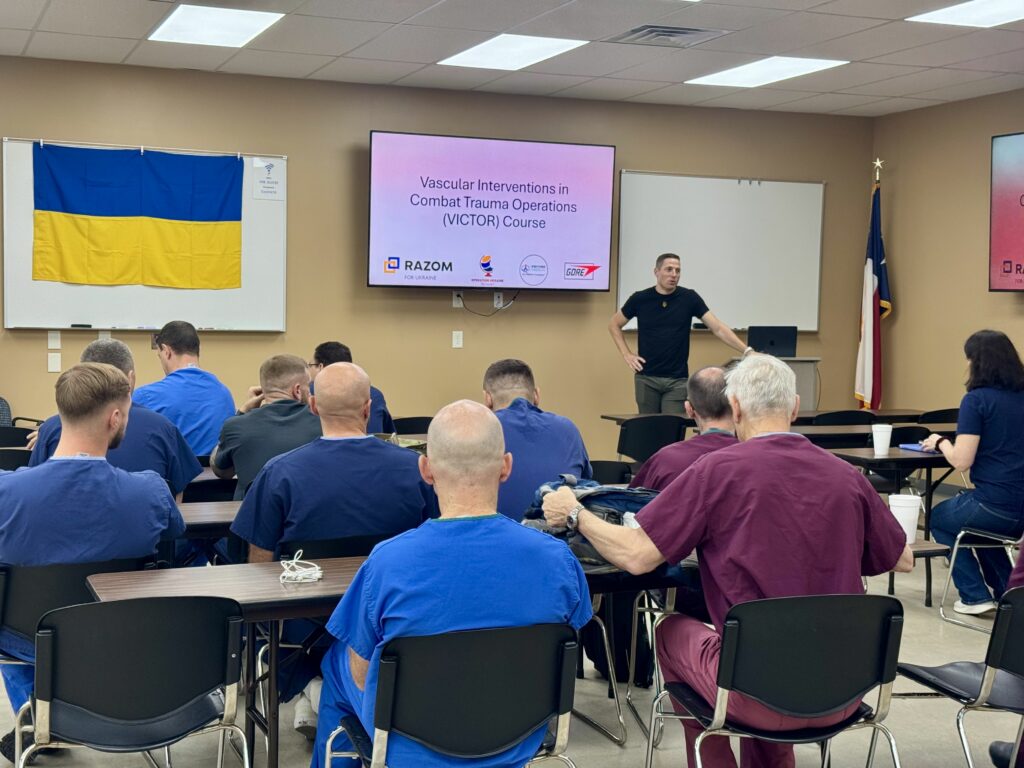
In September 2026, Ukrainian and U.S. military surgeons came together in Texas for an intensive course of lectures, simulations, and hands-on training — VICTOR (Vascular Interventions in Combat Trauma Operations). Ukrainian doctors attended not only as trainees, but as full professional partners, sharing their experience of drone warfare, complex evacuations, and injuries that even some of the most experienced military medical professionals had never encountered before. Their American colleagues, in turn, contributed their own experience in military medicine, an advanced training system, and leading techniques for treating vascular trauma.
The first VICTOR course established a new model of collaboration, combining Ukraine’s wartime experience with U.S. military medicine to prepare surgeons to manage the most complex vascular injuries.
Course that began with a request from Ukrainian surgeons
VICTOR grew out of a specific request from Ukrainian military surgeons. Eight doctors came to the United States for the training. They work at Role 2 — the level of care where wounded patients receive surgical treatment after being evacuated from the battlefield. They are experienced specialists, most of whom have spent long periods working close to the front line.
“In civilian practice, these injuries would typically be managed by a vascular surgeon. At the front, however, the situation is different: the wounded may be treated by an orthopedic, maxillofacial, or general surgeon — a doctor who does not routinely work with vascular injuries. That makes the ability to quickly gain control of a vessel, stop bleeding, place a shunt, or perform a vascular repair potentially lifesaving. The challenge that leading experts from Ukraine and the United States are working to address is how to create effective training that enables surgeons of any specialty to acquire, in a short period of time, the skills critical to treating combat trauma,” explains Yuliia Shama, head of the Razom Co-Pilot project, which focuses on strengthening surgical capacity in Ukraine.
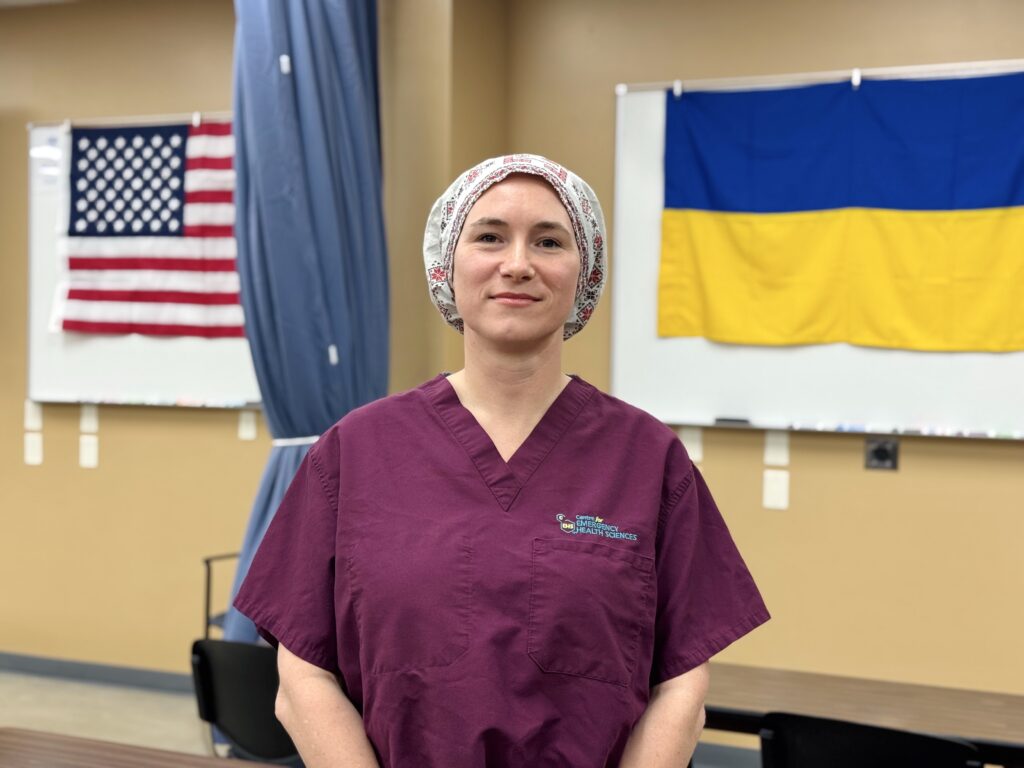
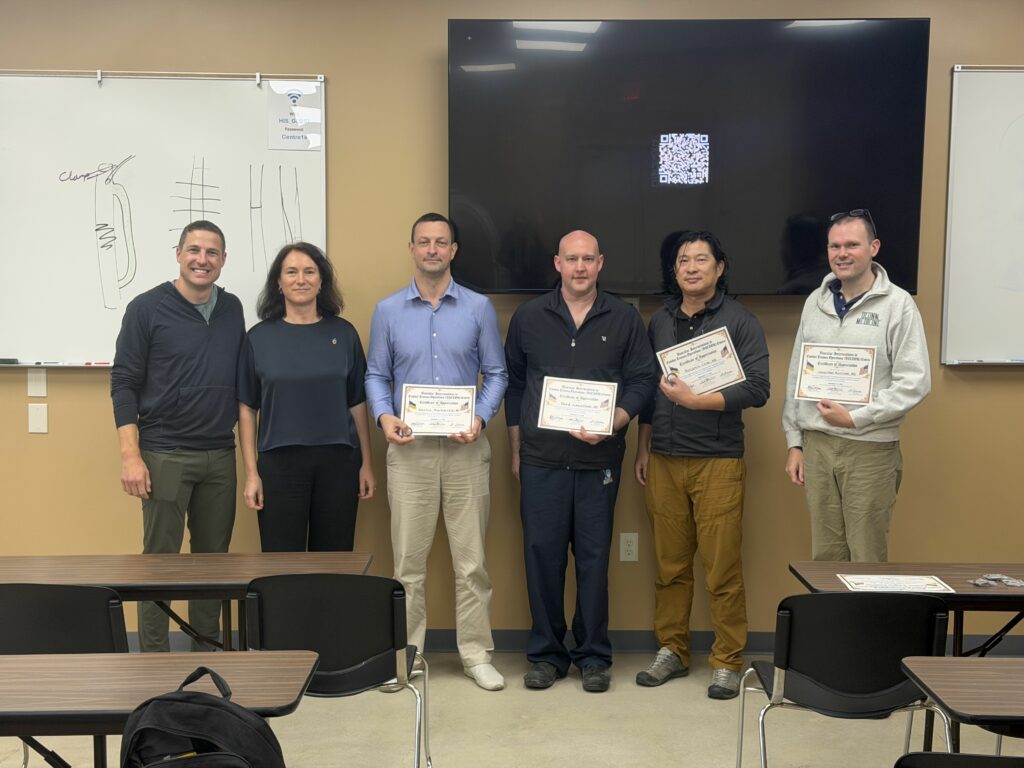
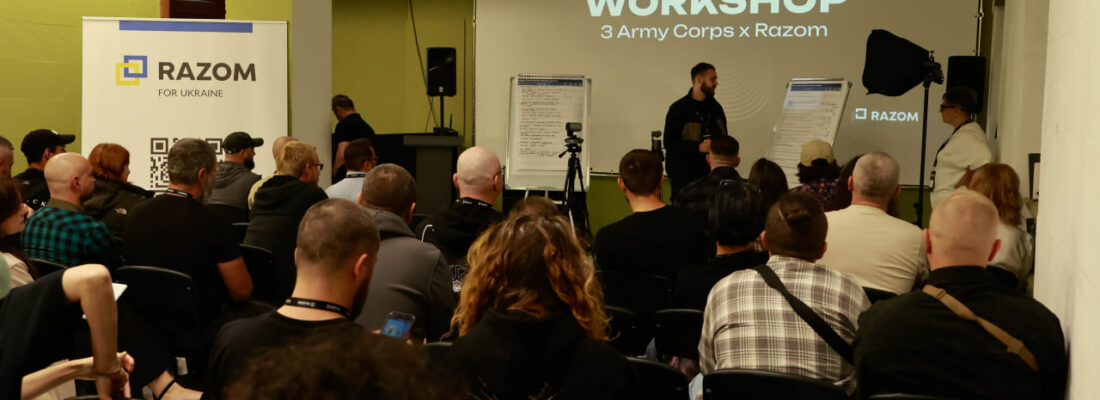
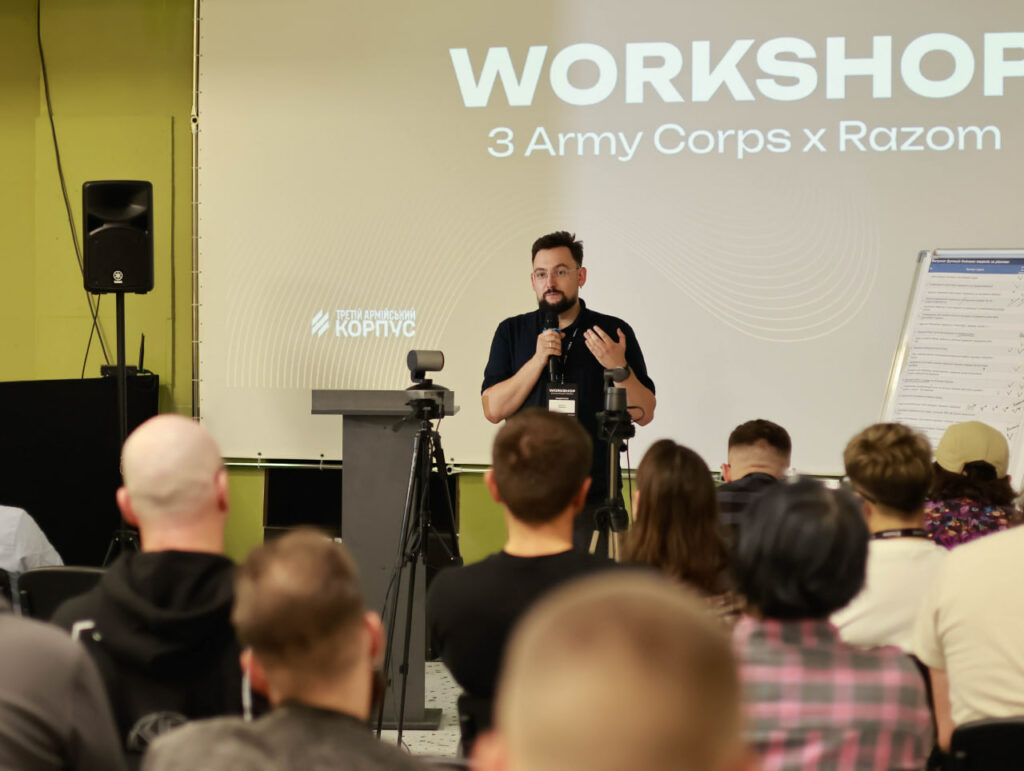
She adds that this is why, since January 2026, Razom has been organizing Asset training in Ukraine. The program gives surgeons of any specialty a practical algorithm for controlling bleeding and covers the basic competencies needed to manage combat injuries. The VICTOR training in the United States was conceived as an opportunity for Asset instructors to further develop their skills and practice more complex procedures.
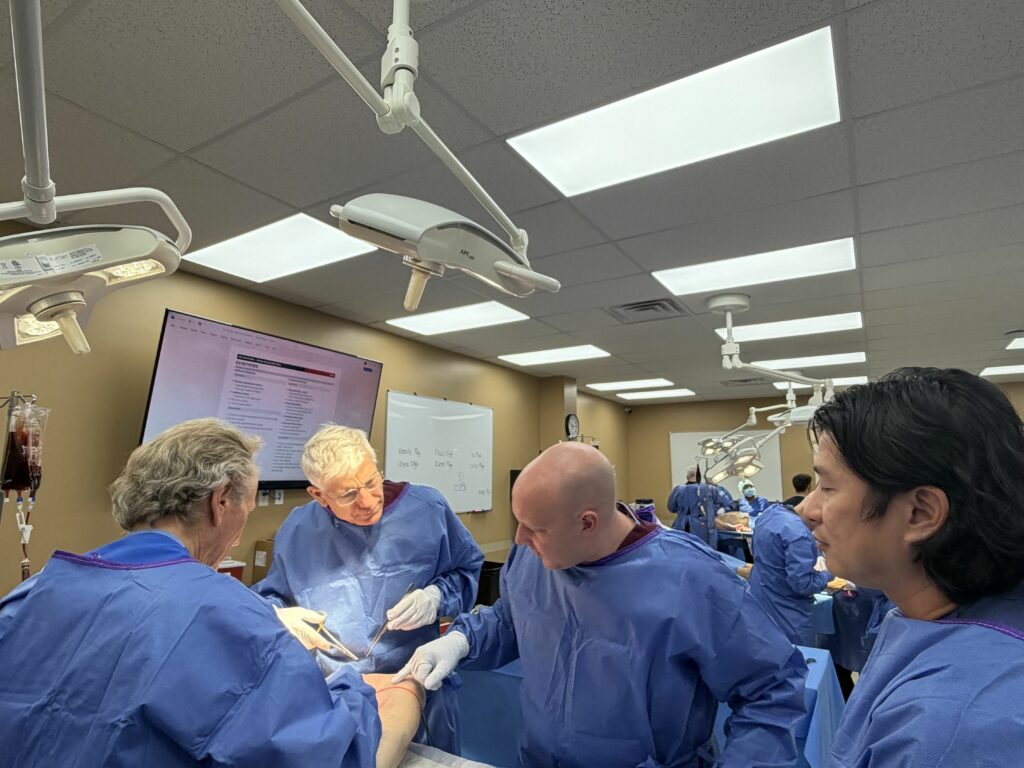
Razom for Ukraine joined the organization of the training, helping create an opportunity for Ukrainian doctors to acquire precisely the skills they need when working with combat trauma. At VICTOR, surgeons practiced not only hemorrhage control but also complex reconstructive procedures — vascular anastomosis, reconstruction of vessel walls using pericardial patches, placement of vascular implants, and other interventions that may be necessary before the next stage of evacuation.
This requires practice on cadavers. That is why the training was held in Texas, in the San Antonio area, where a large military medical infrastructure is located. The Center for Health Science laboratory, which is used to train American military medical personnel and international teams, has the equipment and facilities necessary for this type of training.
Ukraine and the U.S.: Full Partners in Advancing Modern Combat Medicine
The training brought together not only Ukrainian participants but also American military physicians, including U.S. Air Force medical personnel and senior U.S. Army surgeons who develop surgical training programs for the U.S. Army. Their presence matters not only as additional expertise: the American colleagues are also evaluating the VICTOR format itself and considering which of its elements could be useful in preparing military surgeons in the United States. The physicians have real combat experience, having served in Iraq and Afghanistan.
For the American colleagues, the Ukrainian experience is especially valuable, shaped as it is by the scale and nature of the war. For Ukrainian surgeons, in turn, what matters is the American training system, the accumulated experience of military medicine, and the chance to practice complex procedures in conditions that are hard to replicate in Ukraine.
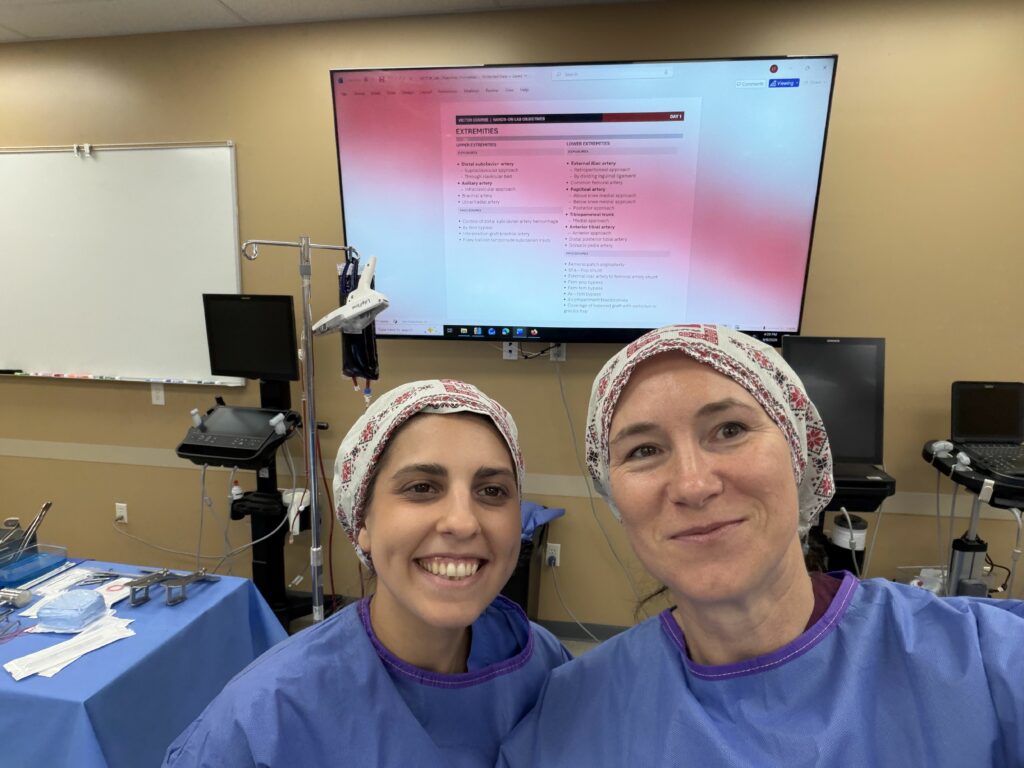
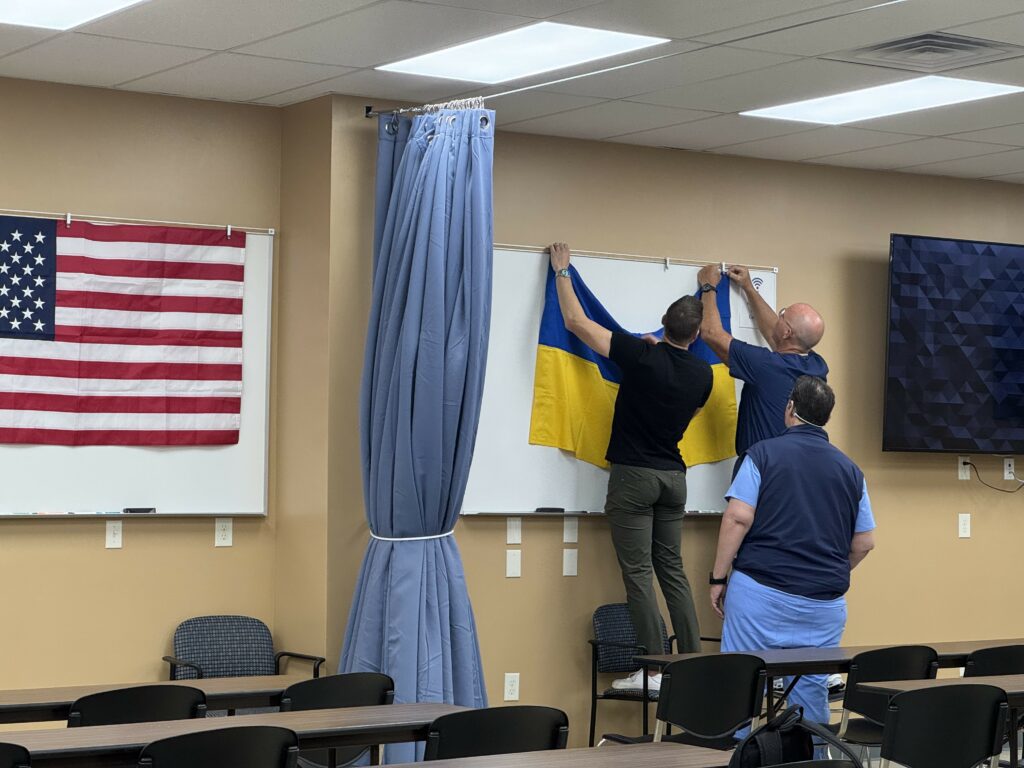
For Mark Mims, co-director and co-founder of VICTOR, the course is part of a much broader effort to work with Ukrainian physicians that he has been developing in Oklahoma. Through professional collaboration with Ukrainian surgeons, dozens of specialists have already come to the U.S., where they observed their colleagues at work, deepened their knowledge, and returned to Ukraine with new experience. VICTOR has become a separate strand of this work.
“The Ukrainian surgeons who come to us are already excellent specialists. What they need are advanced techniques for the extraordinarily complex cases they see because of new types of injuries, including those caused by drone warfare. We are trying to teach them to handle precisely those cases at the limit of what is possible, where a patient has a chance of survival but can only be saved with the best possible care,” Mims says.
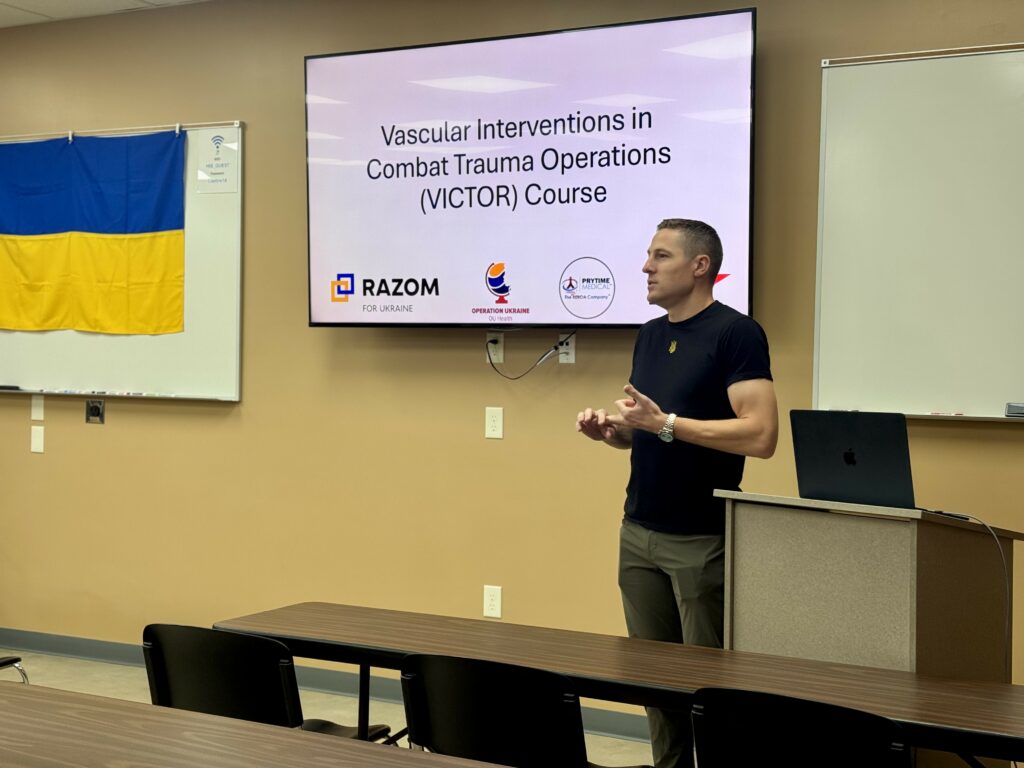
That is why VICTOR was built as a very high-level course. The program includes hands-on work with complex vascular trauma, reconstructive procedures, and the practice of techniques that are especially important when decisions must be made quickly and there is minimal room for error. According to Mims, senior U.S. Army military surgeons who reviewed the program called it the most challenging vascular trauma course they had ever seen. He stresses that the program was deliberately designed at the highest level possible for this format, in response to the Ukrainians’ request and drawing on their experience.
The value of this format also lies in the fact that each side brings its own experience to it. One of the American military surgeons who took part in the training called it one of the best training experiences he has had in recent years. He said the practical skills were so valuable that he regretted not having had the chance to learn them earlier. For security reasons, his name and position are not being disclosed.
From Ukrainian Experience to an International Training Standard
Dmytro Mialkovskyi is a Ukrainian military surgeon, a general and vascular surgeon, Candidate of Medical Sciences, Fellow of the American College of Surgeons, and vascular surgery instructor. He works directly with combat trauma within Ukraine’s military medical system and has hands-on experience treating the wounded, accumulated over the years of the full-scale war.
For Ukrainian surgeons, this exchange takes place against the backdrop of experience that cannot be found in textbooks. The mass use of drones, large numbers of casualties, difficult evacuations, and long delays before reaching the operating room are changing not only how medical care is organized but the very nature of the injuries.
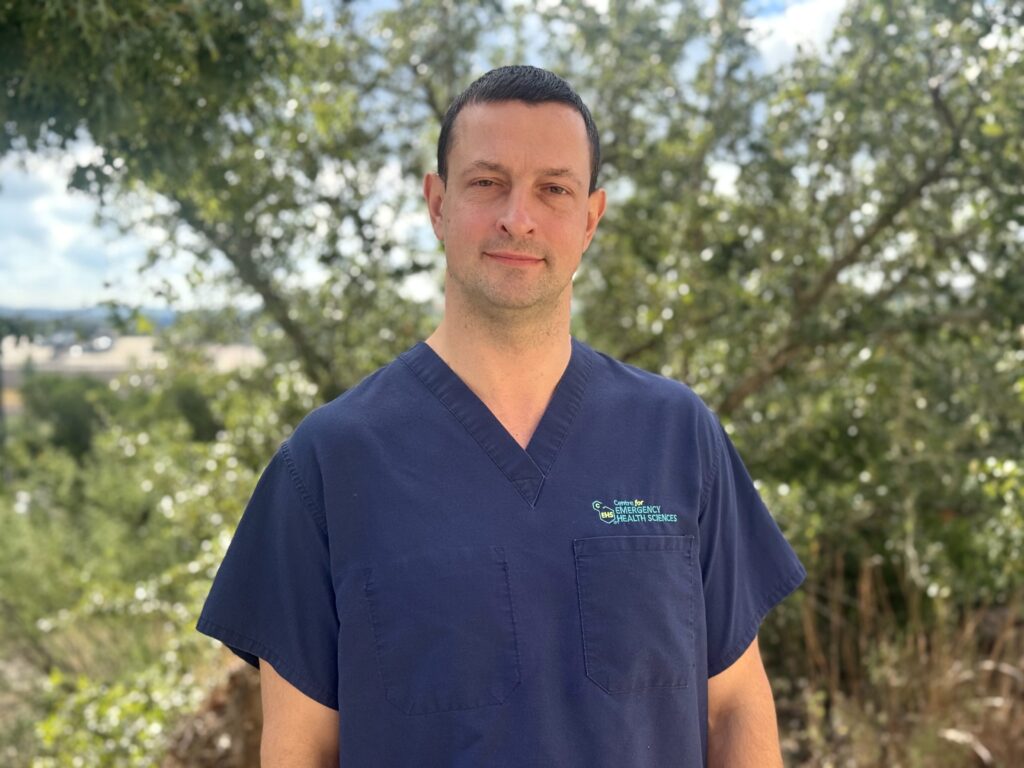
“The Americans have a strong system and a strong foundation. We have a great deal of new experience that we gained directly during the war: knowledge that needs to be properly processed and systematized. That is why we greatly value the opportunity to be here, work together with our colleagues, and develop this collaboration. For us, this is truly an important and valuable opportunity,” Mialkovskyi says.
VICTOR was not only a hands-on training for a specific group of surgeons but also an important pilot for future combat trauma training programs. Combining Ukraine’s experience of modern warfare, the American military medical system, practical work, and specialists from both countries creates a foundation that can be developed and scaled.
The next step could be broader international training for surgeons and military medical personnel from countries preparing for new types of war and mass-casualty trauma. What was a pilot format this time could potentially grow into a much larger system for sharing expertise and training, one that would be valuable well beyond Ukraine and the United States.